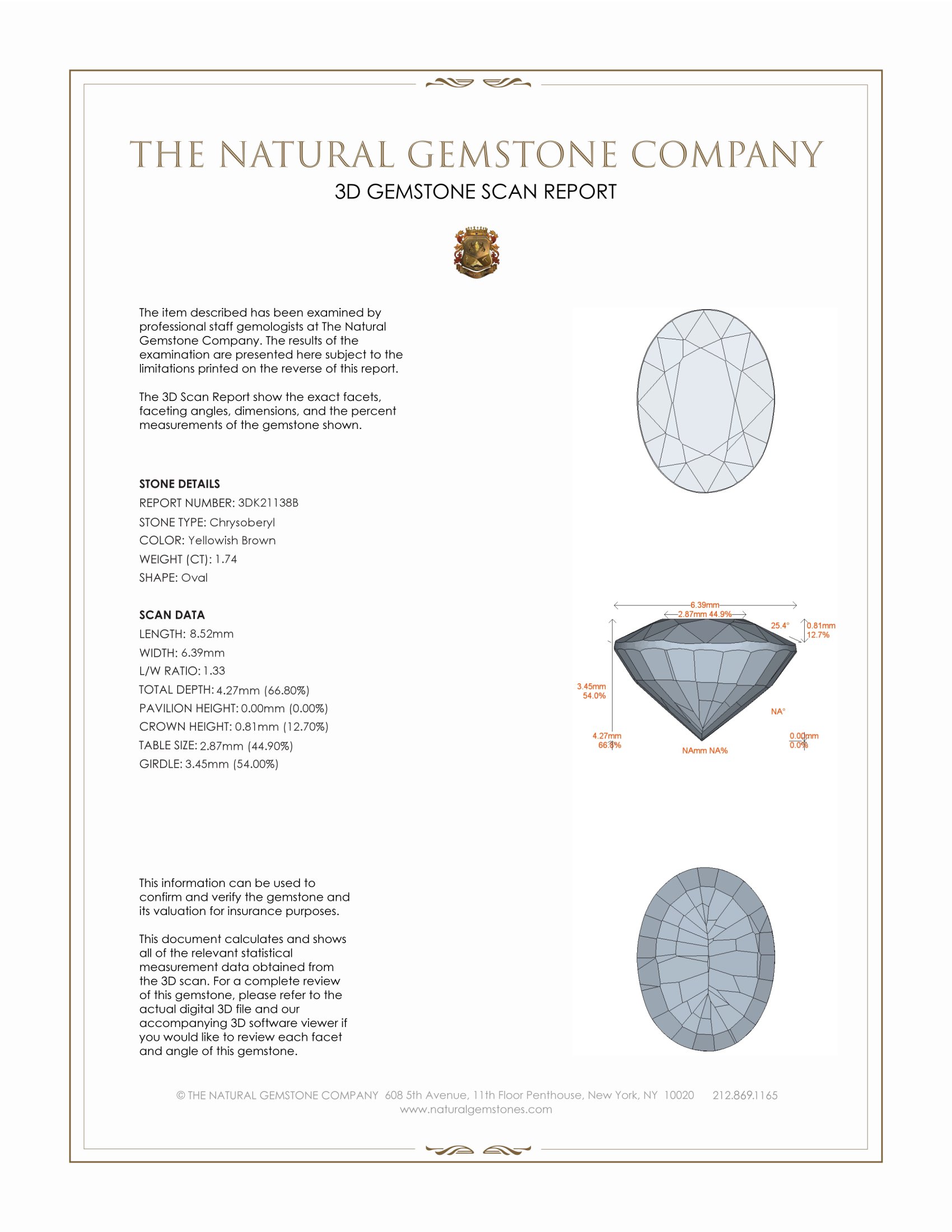
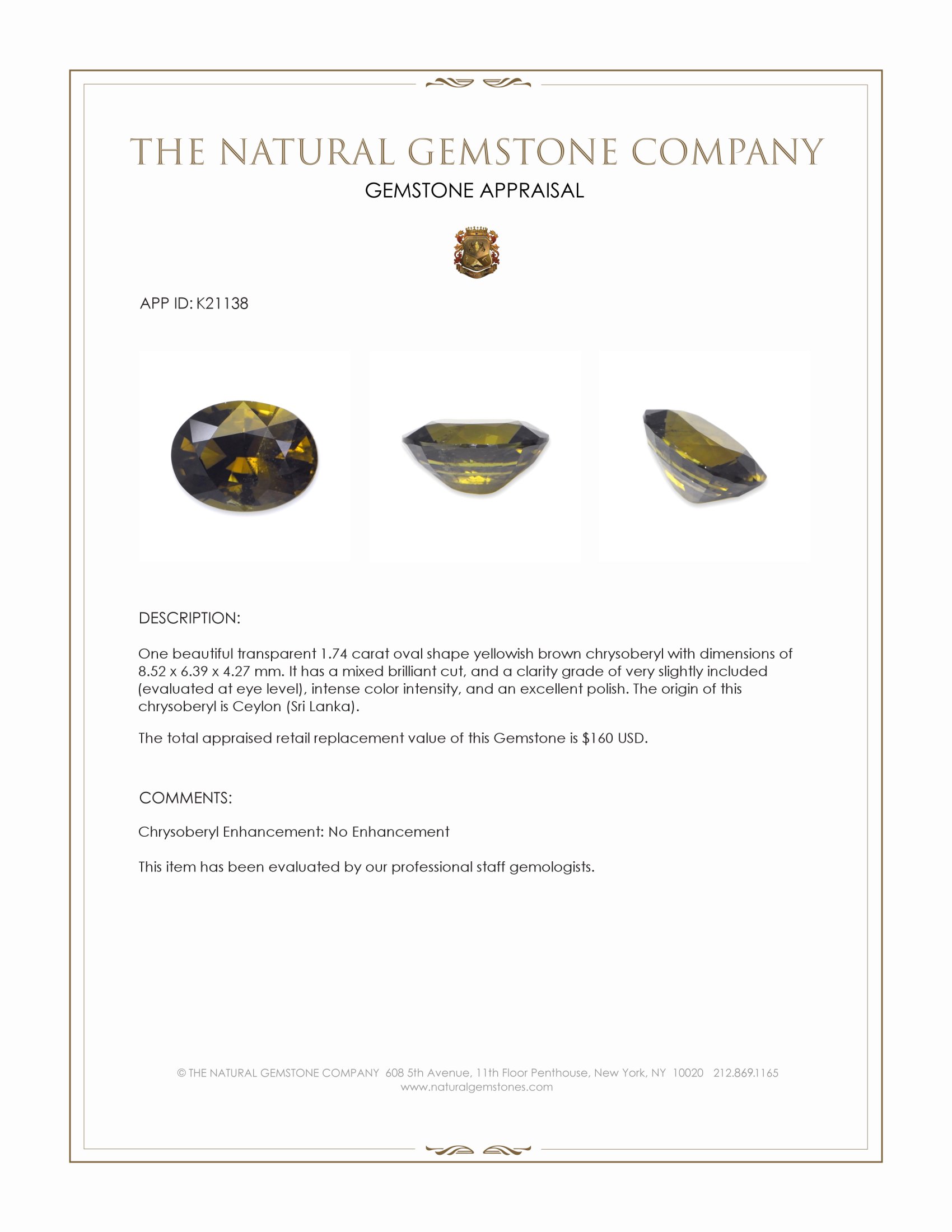
- Stone14
- Reports3
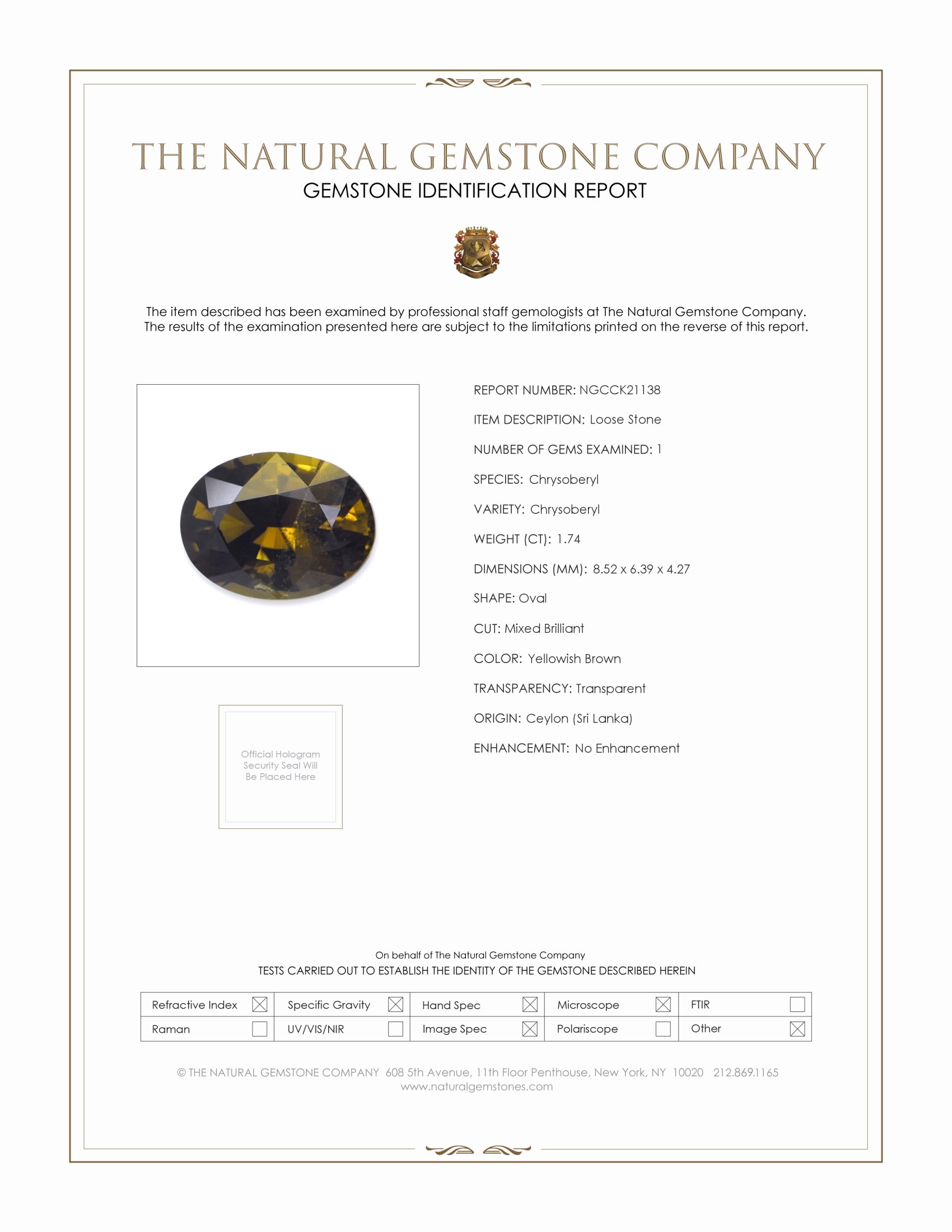


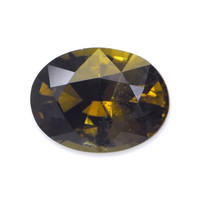
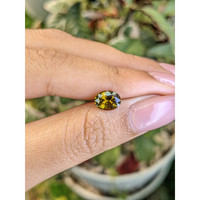
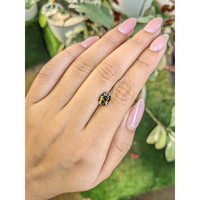
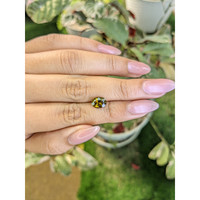
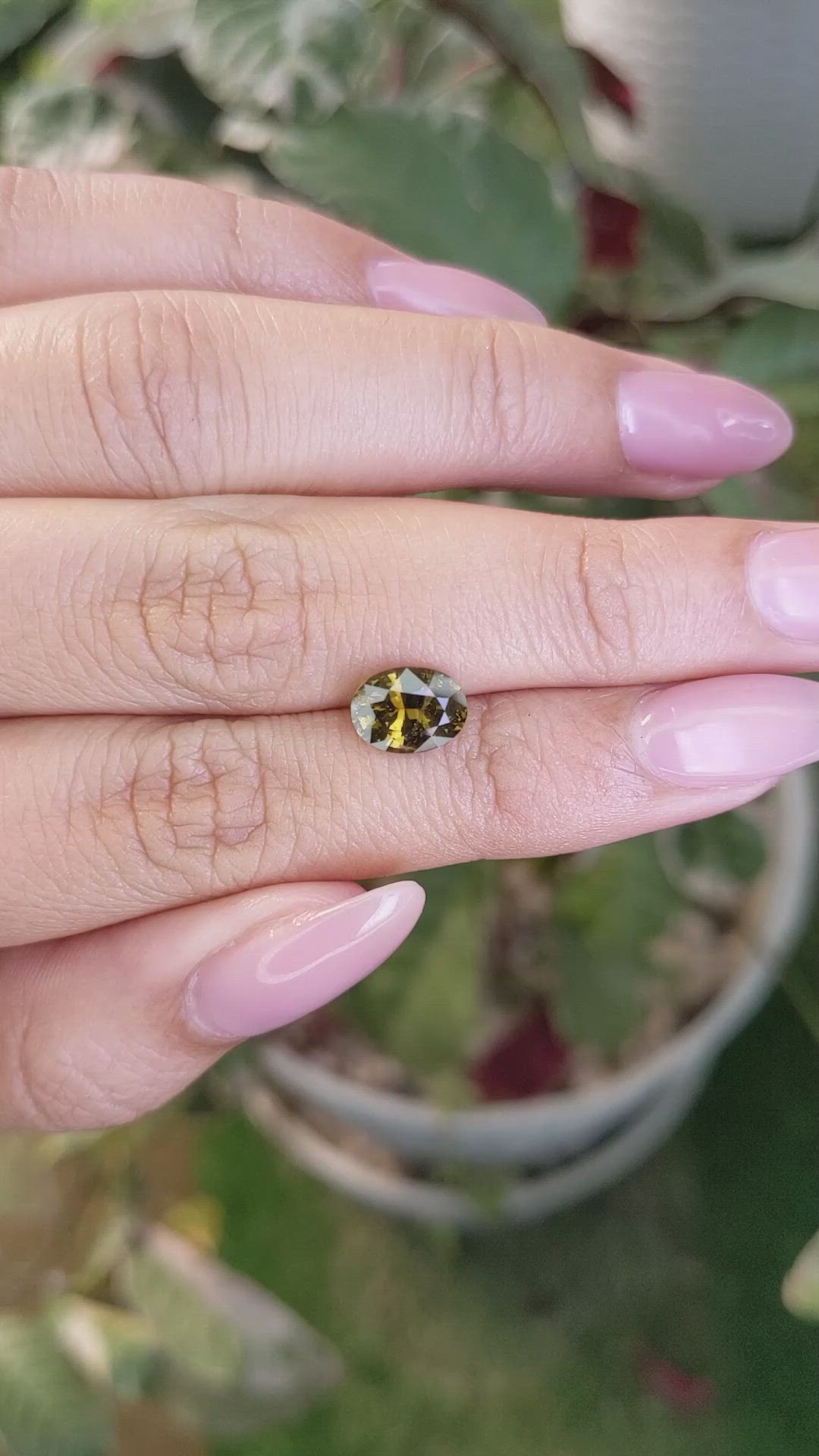
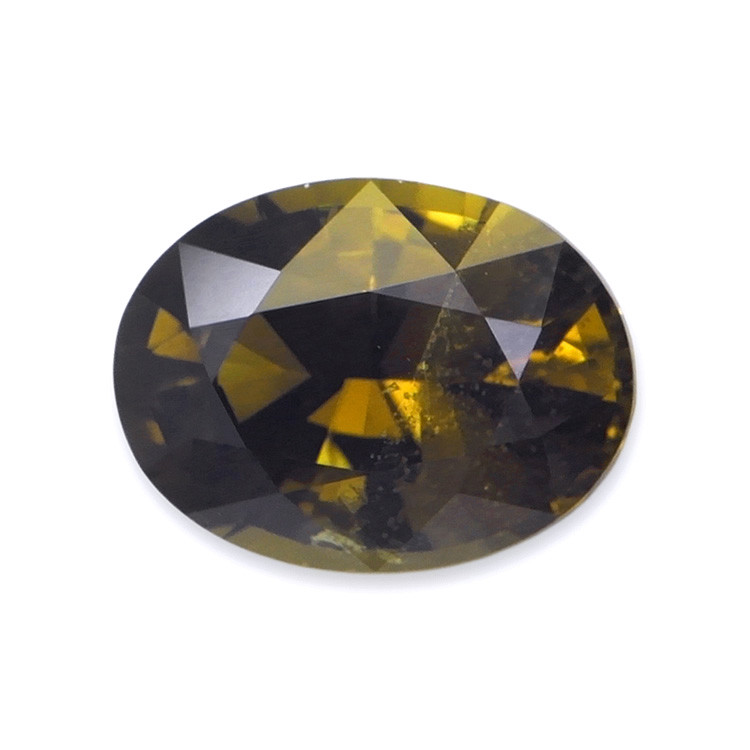
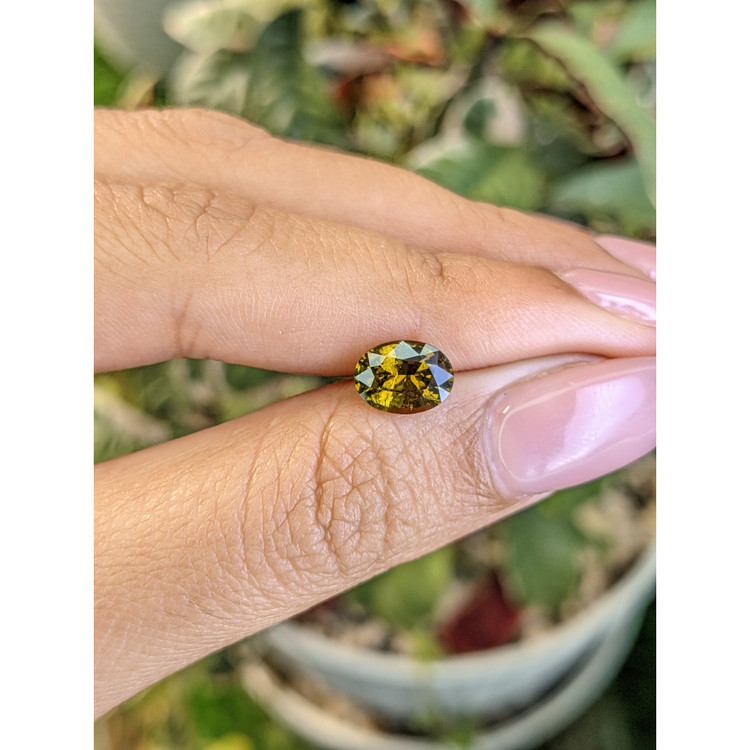
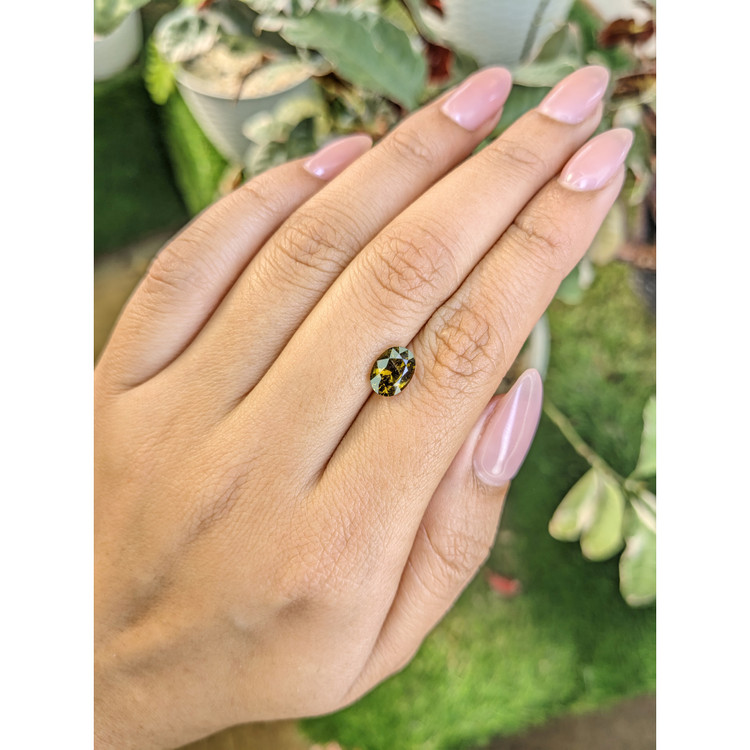
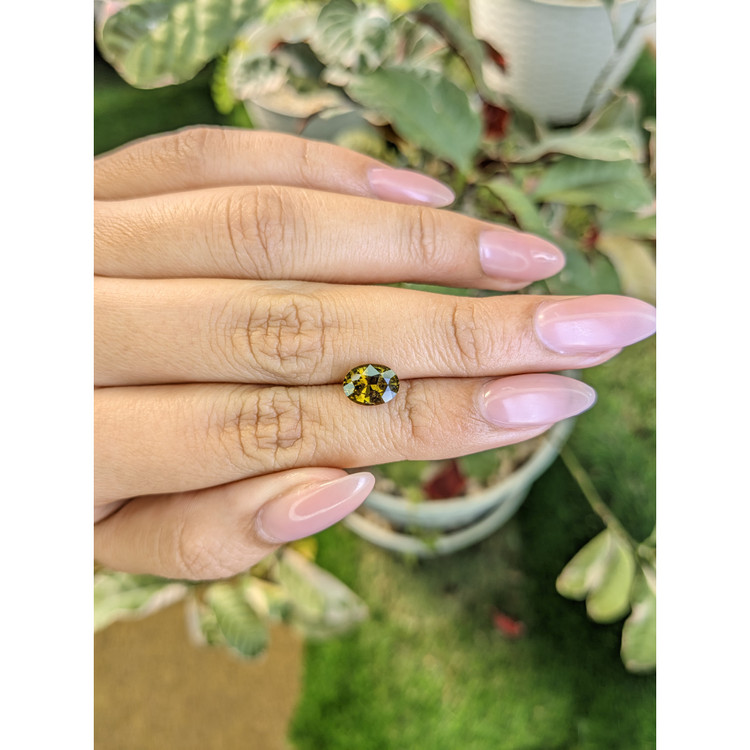
1.74 Ct. Chrysoberyl from Ceylon (Sri Lanka)
This loose stone ships by Mar 1
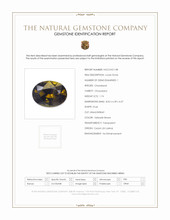
Item ID: | K21138 |
|---|---|
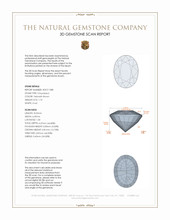
Dimensions (MM): help | Length: 8.52 Width: 6.39 Height: 4.27 |
Weight: | 1.74 Ct. |
Color: help | Yellowish Brown |
Color intensity: help | Medium Intense |
Clarity: help | Very Slightly Included |
Shape: help | Oval |
Cut: | Mixed Brilliant |
Cutting style: | Faceted |
Enhancements: help | No Enhancement |
Origin: help | Ceylon (Sri Lanka) |
Per carat price: help | $92 |
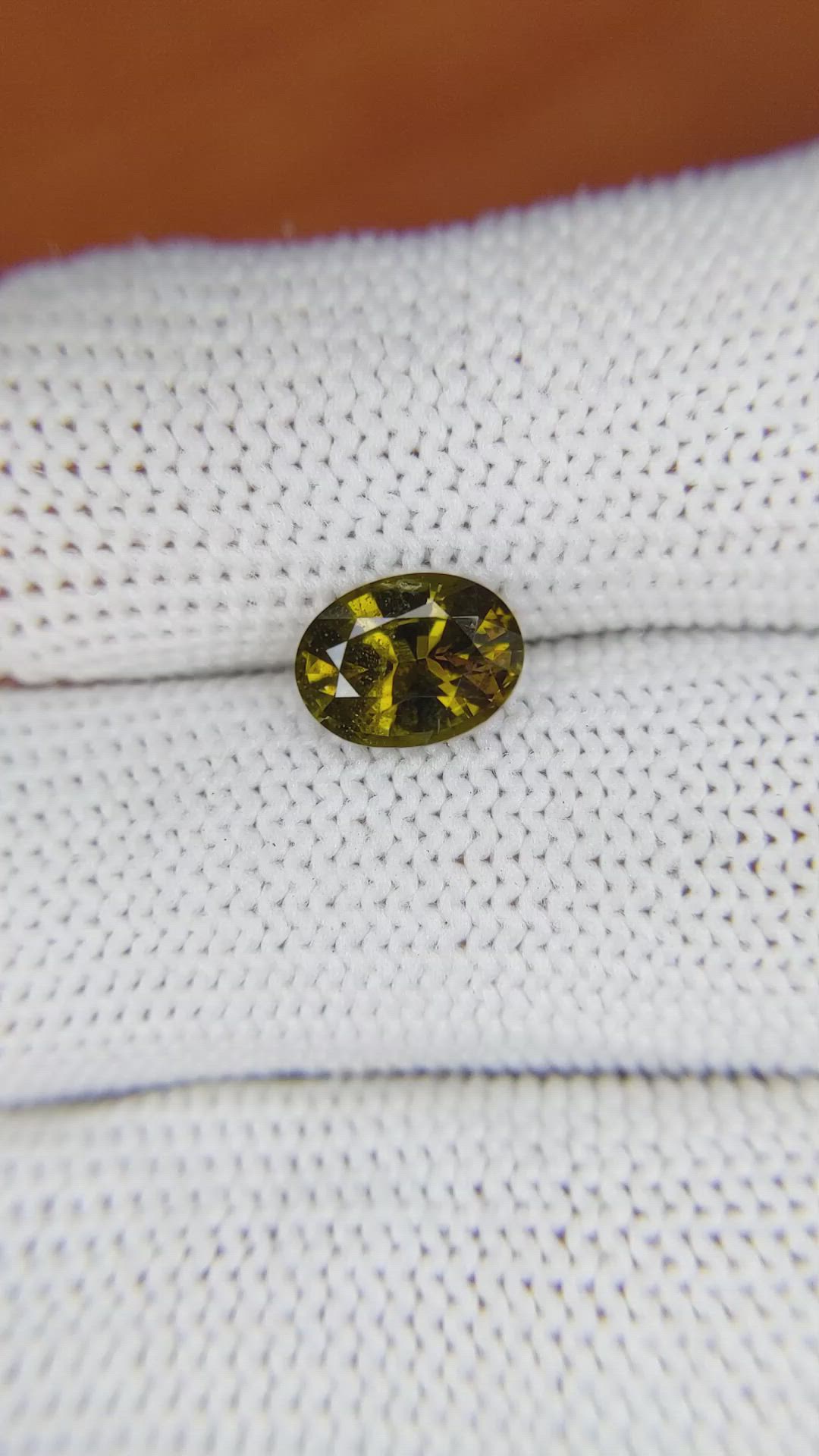
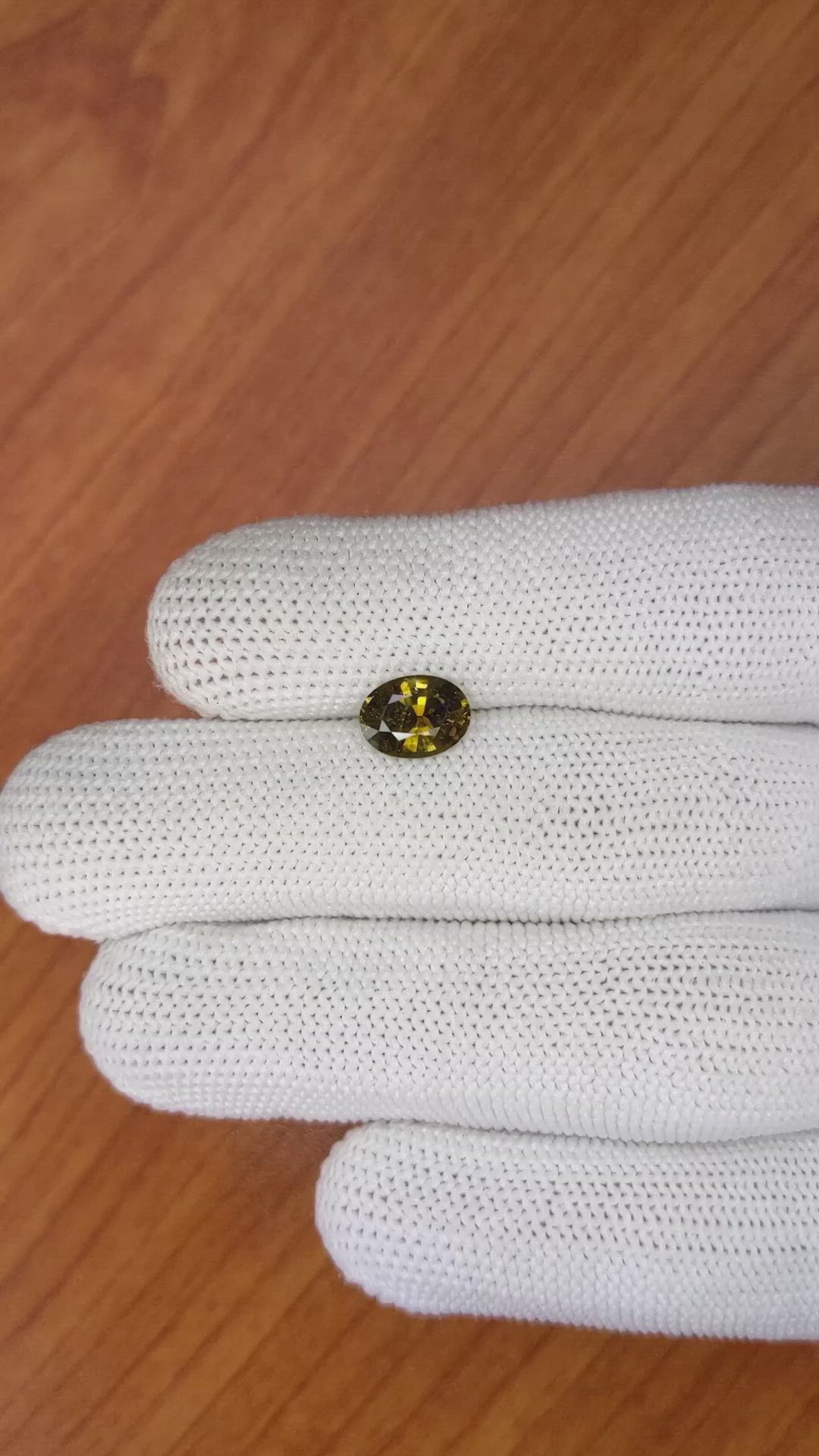
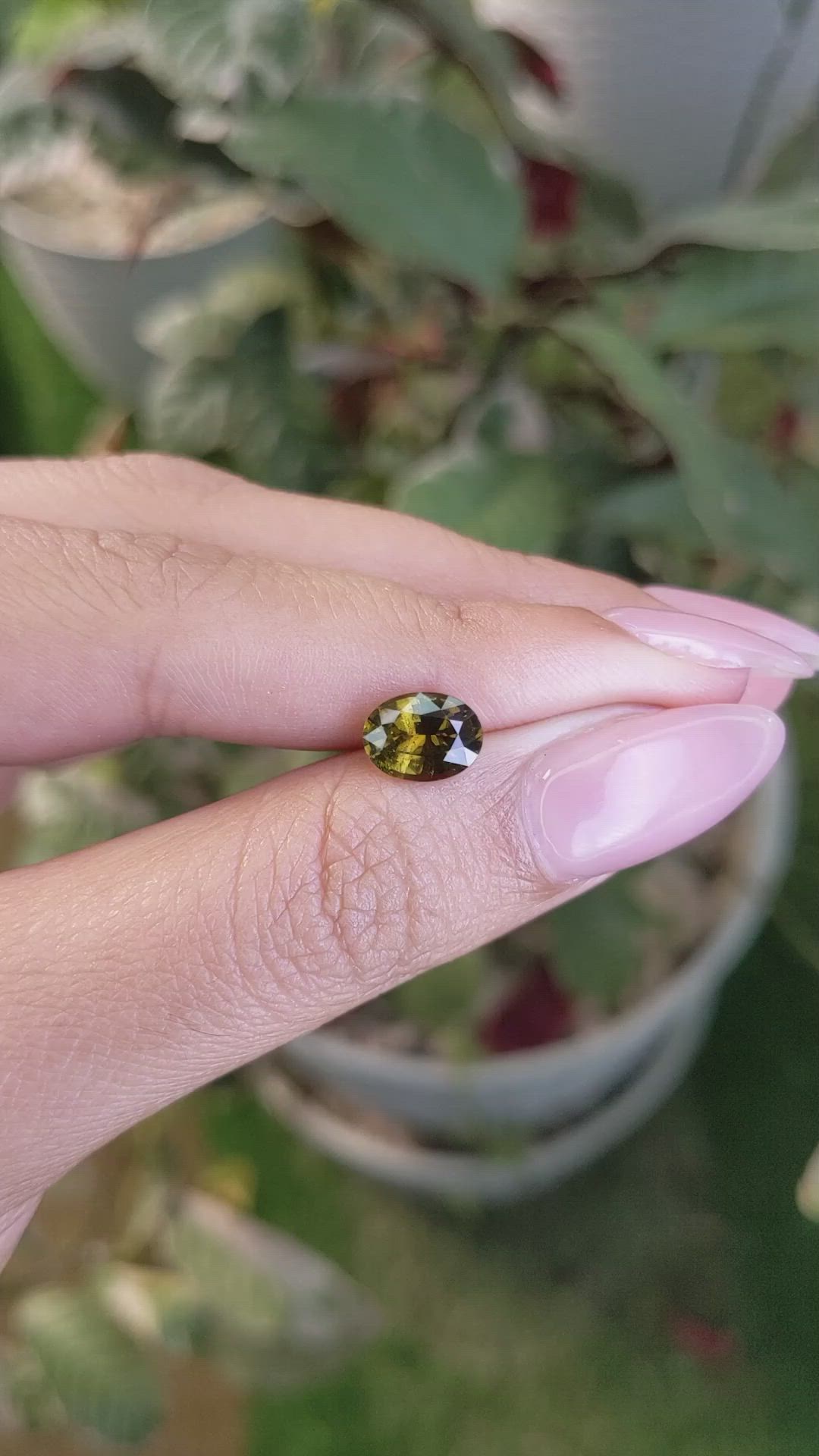
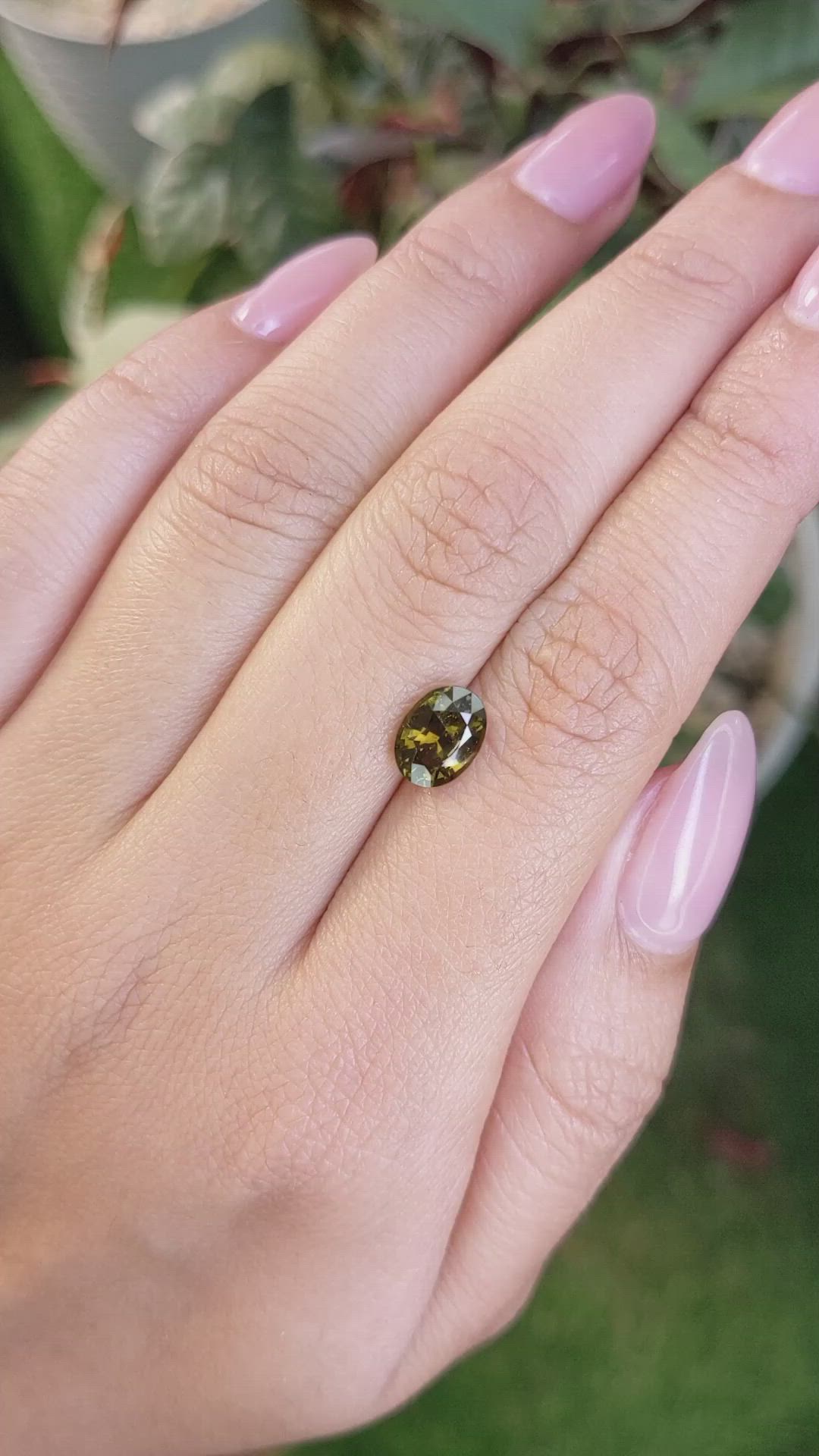
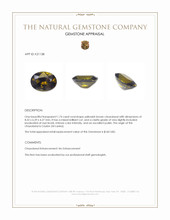
As a gemstone specialist representing The Natural Gemstone Company, I am pleased to present this transparent 1.74 carat oval chrysoberyl, its dimensions are 8.52 x 6.39 x 4.27 millimeters, it is fashioned in a mixed brilliant cut which balances the depth of pavilion facets with the star and crown facets for optimal light performance, the clarity grade is very slightly included, evaluated at eye level, its color presents as yellowish brown with a medium intense color intensity, the polish is excellent, there has been no enhancement, and the origin is Ceylon, Sri Lanka. For an educated buyer these specific details are meaningful because they speak to the natural character and integrity of the gem, the lack of clarity-obscuring inclusions at eye level ensures clean visual appeal in most jewelry settings, medium intense color gives the stone presence while maintaining versatility for different metal pairings, and an excellent polish together with a mixed brilliant cut maximizes return of light from the table and crown, producing a lively appearance without relying on artificial enhancement. Origin from Sri Lanka is noteworthy because Ceylon chrysoberyl is historically respected for fine crystal quality and attentive lapidary tradition, and the absence of treatments supports both long term value and collector interest.
Discussing optical behavior and reflective qualities, chrysoberyl is classically described as having an adamantine to subadamantine luster, the refractive index of chrysoberyl is significantly higher than common gem materials, which translates into stronger light return and crisper facet contrast. Compared to quartz varieties such as citrine, which have a vitreous luster and a lower refractive index, this chrysoberyl will exhibit greater brilliance and more pronounced facet delineation, so a mixed brilliant cut in chrysoberyl typically reads as brighter and more lively than similarly cut quartz. Against natural topaz the chrysoberyl still maintains an advantage in brilliance because topaz has a lower refractive index and often a more muted contrast between light and dark areas, while zircon offers strong fire and dispersion but is generally more brittle and can appear flashier rather than refined, so chrysoberyl offers a combination of bright, crisp reflection and durable wearability that sits between the softer brilliance of quartz and the high dispersion of zircon. When compared to corundum varieties such as sapphire, which have excellent durability and strong luster, chrysoberyl will often show slightly greater facet sparkle per unit weight because of its higher refractive index than many common sapphires, however sapphires can outperform in color saturation and longevity in certain shades. Chrysoberyl’s hardness of approximately 8.5 on the Mohs scale also makes it a superior choice for daily wear when compared to many silicates, and because this stone is a clean, transparent oval without phenomena such as asterism or chatoyancy, the mixed brilliant cutting style emphasizes lively, scintillating reflections rather than the single band or star effects seen in other chrysoberyl types.
For buyers considering complementary gemstones or alternative purchases, I will include information about White Opal, as requested. White Opal typically refers to opal with a light or white body tone that can range from translucent to opaque and often displays play of color which can be broad flash, pin fire, or rolling color depending on the stone, the valuation of a white opal depends on the intensity, pattern, and brightness of its play of color as well as its background tone and transparency. Pairing a transparent, yellowish brown chrysoberyl with a white opal can be visually effective, the chrysoberyl contributes crisp brilliance and warm color, while the white opal contributes a softer, iridescent counterpoint, together they create a contrast in reflective quality that appeals to collectors who appreciate complementary optical effects. From a conservation standpoint this chrysoberyl is especially attractive because it is natural and untreated, provenance from Sri Lanka adds a tier of provenance credibility that informed buyers often seek, and The Natural Gemstone Company stands by the descriptive grading and source information we provide. If you value durable brilliance, clean eye-level clarity, and natural origin without enhancements, this chrysoberyl represents an excellent choice for investment grade jewelry or a refined collector specimen, and I am available to discuss setting options, matching stones including white opal pairings, certification, and care recommendations to ensure long term enjoyment and retention of value.