
- Stone14
- Reports3

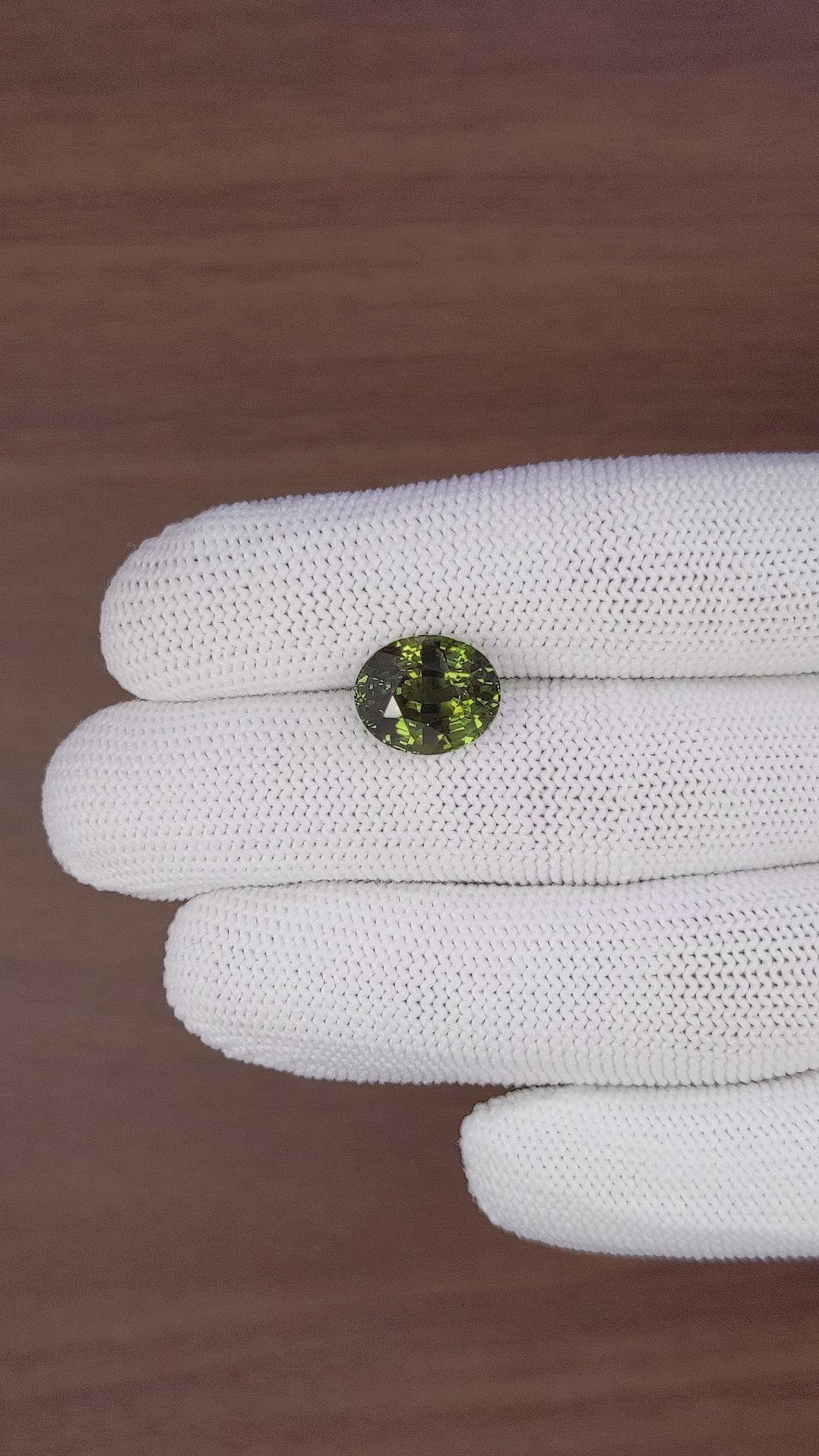
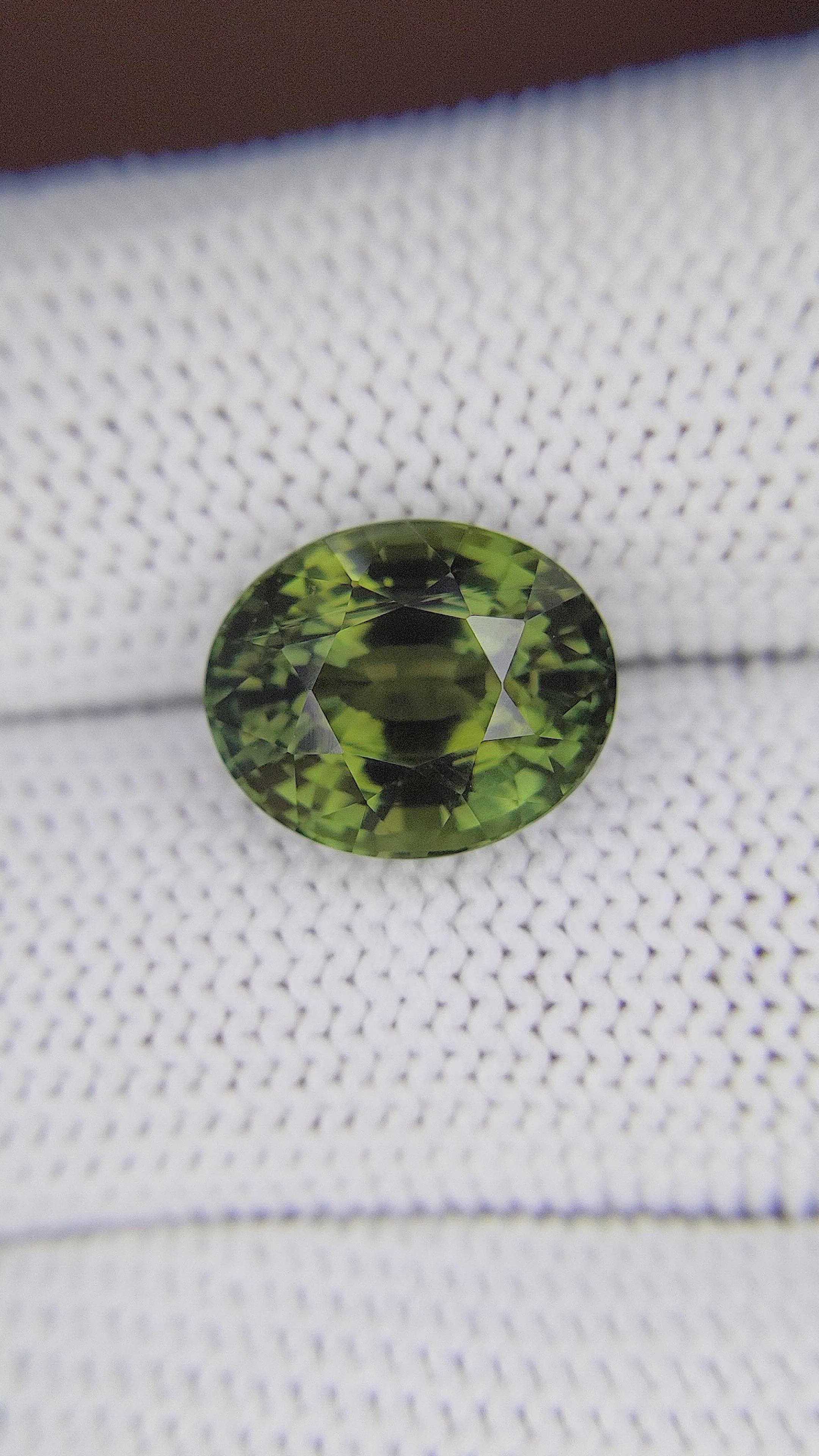
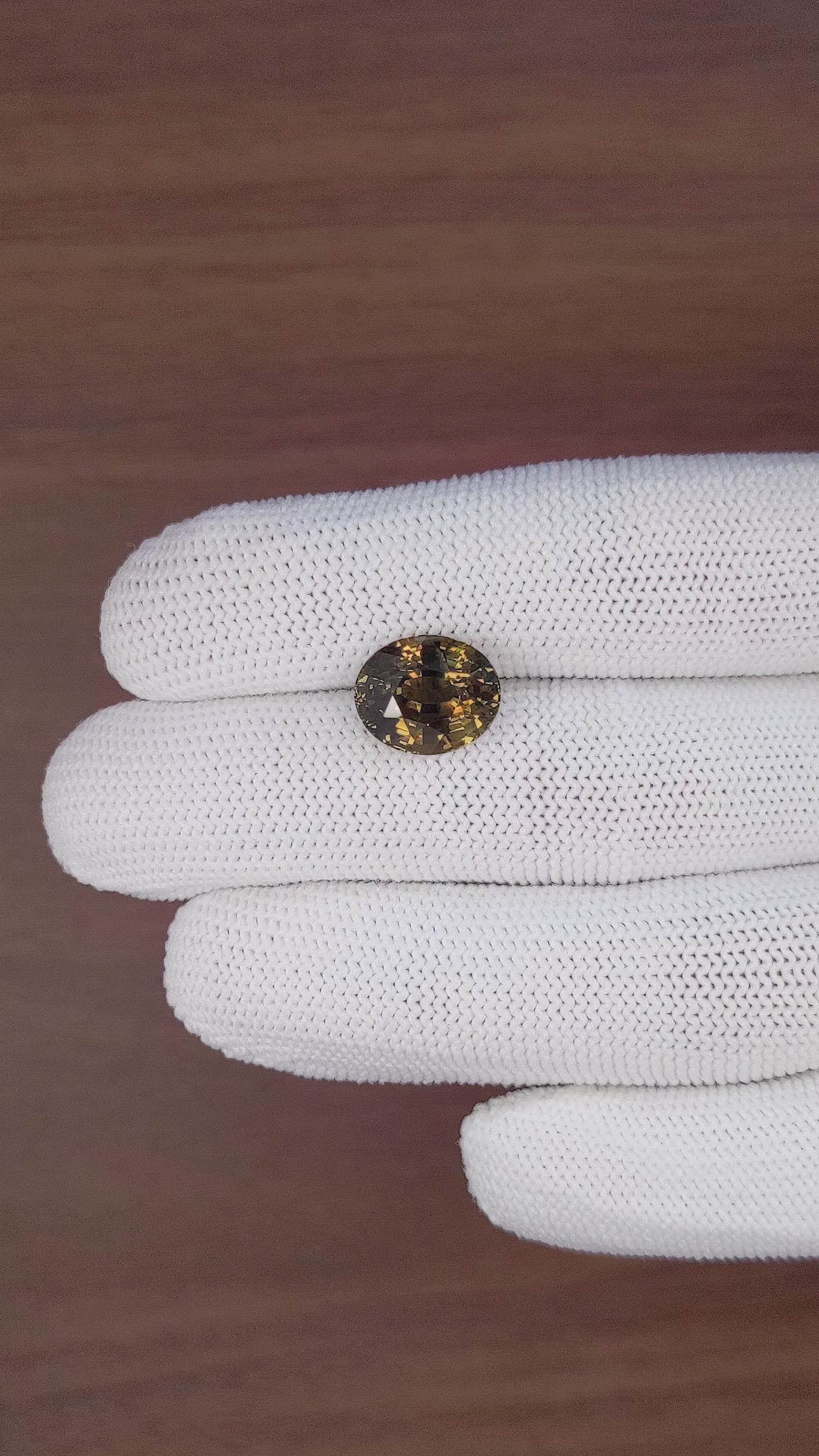
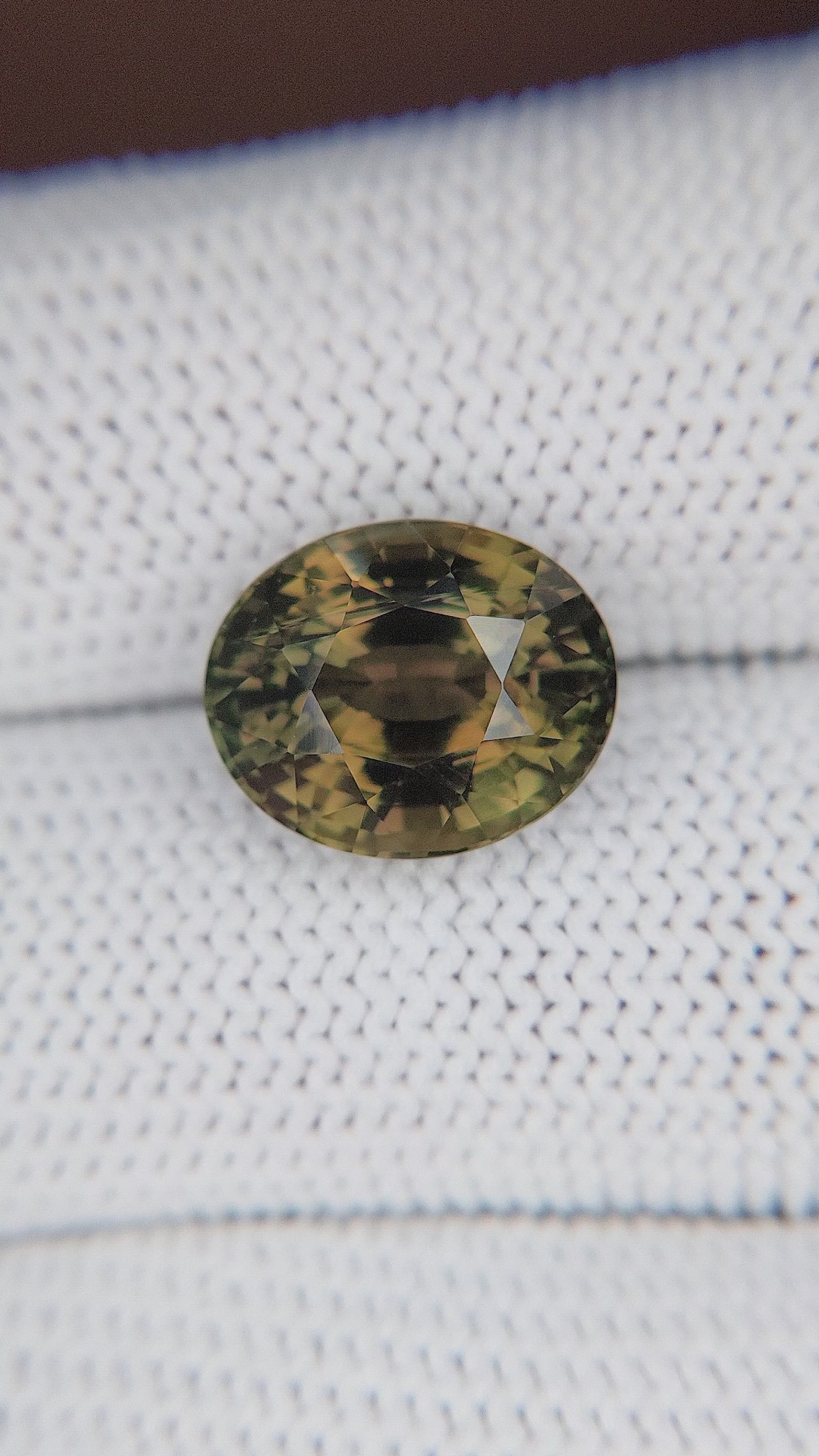
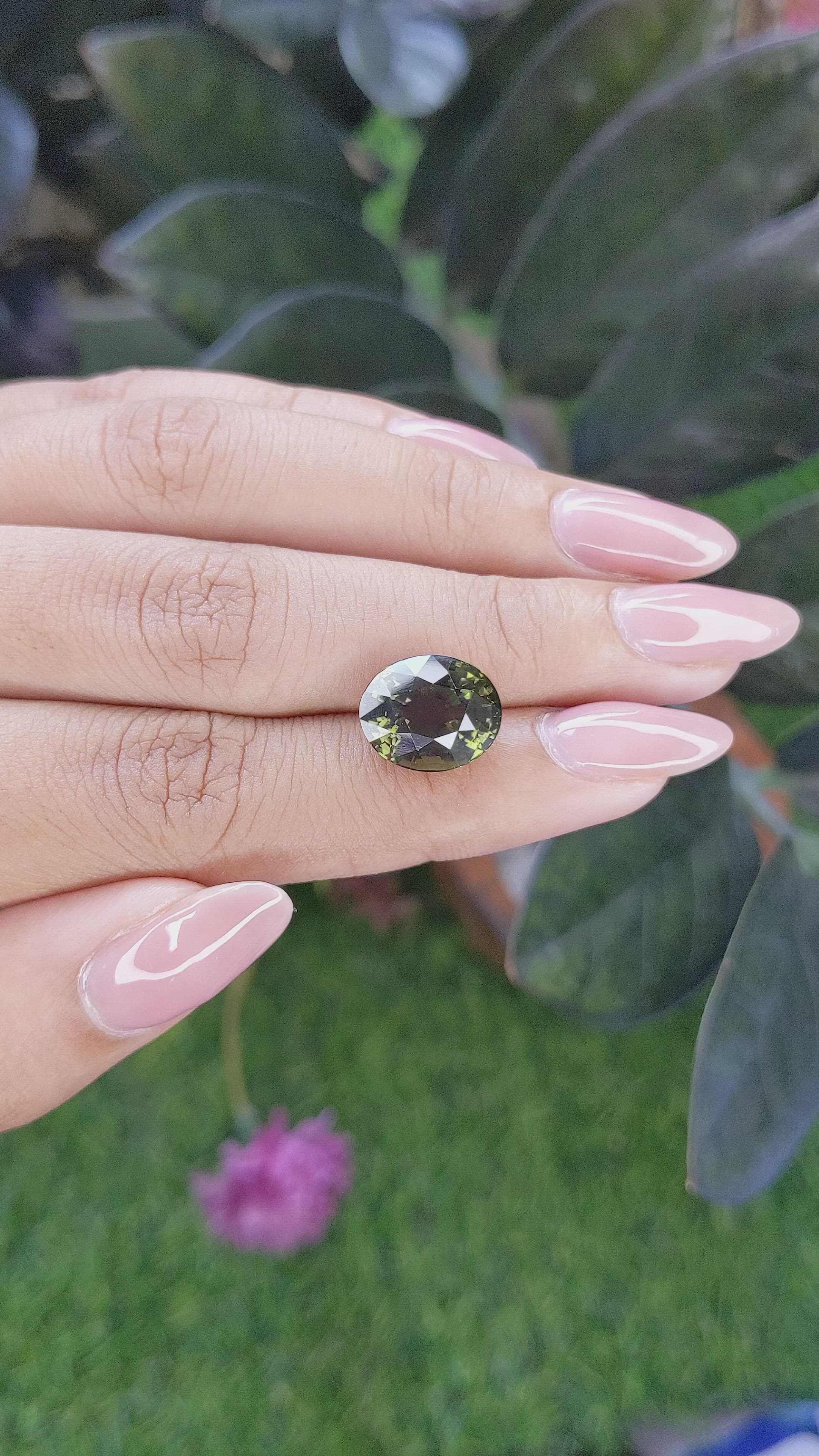
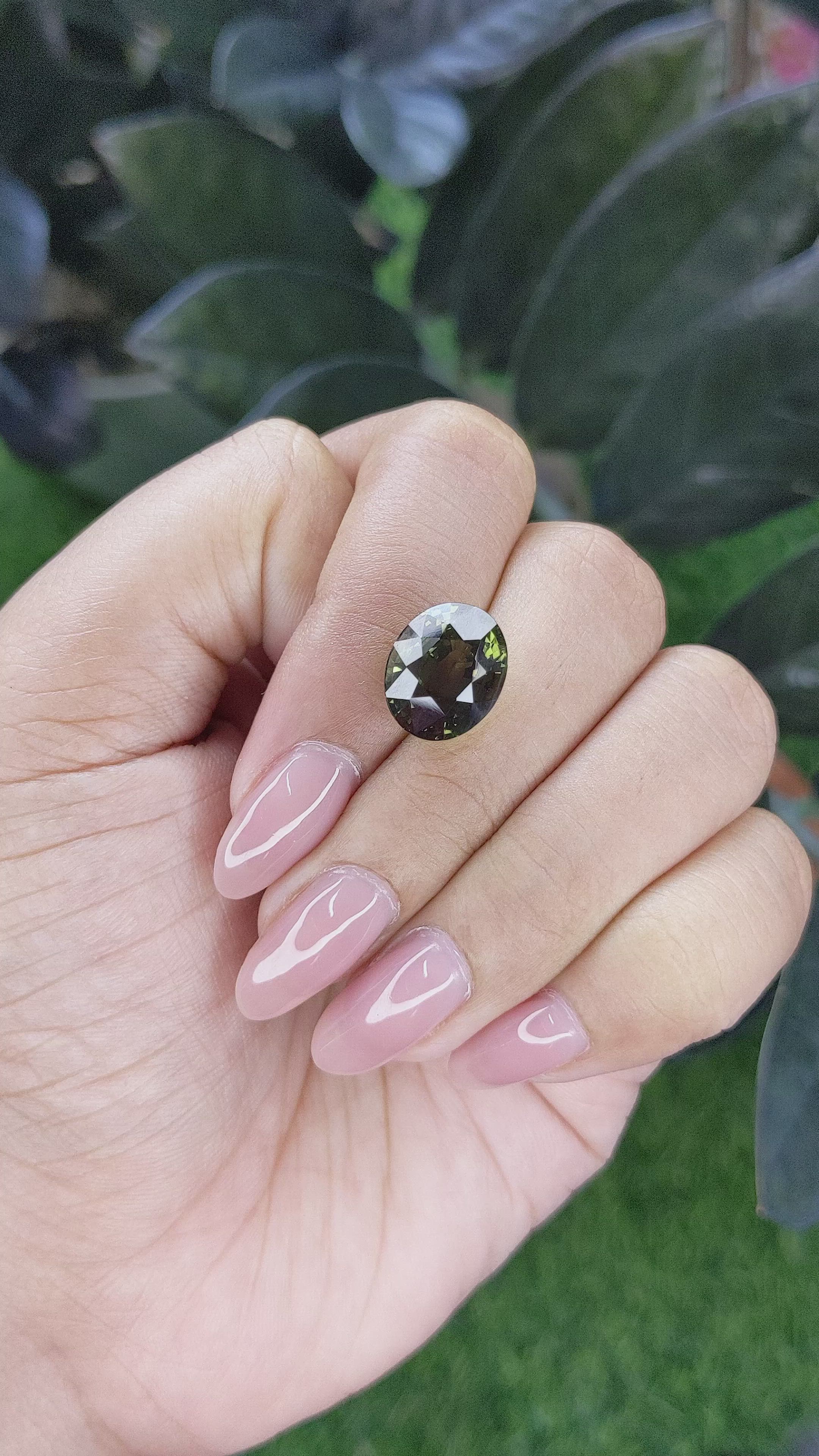
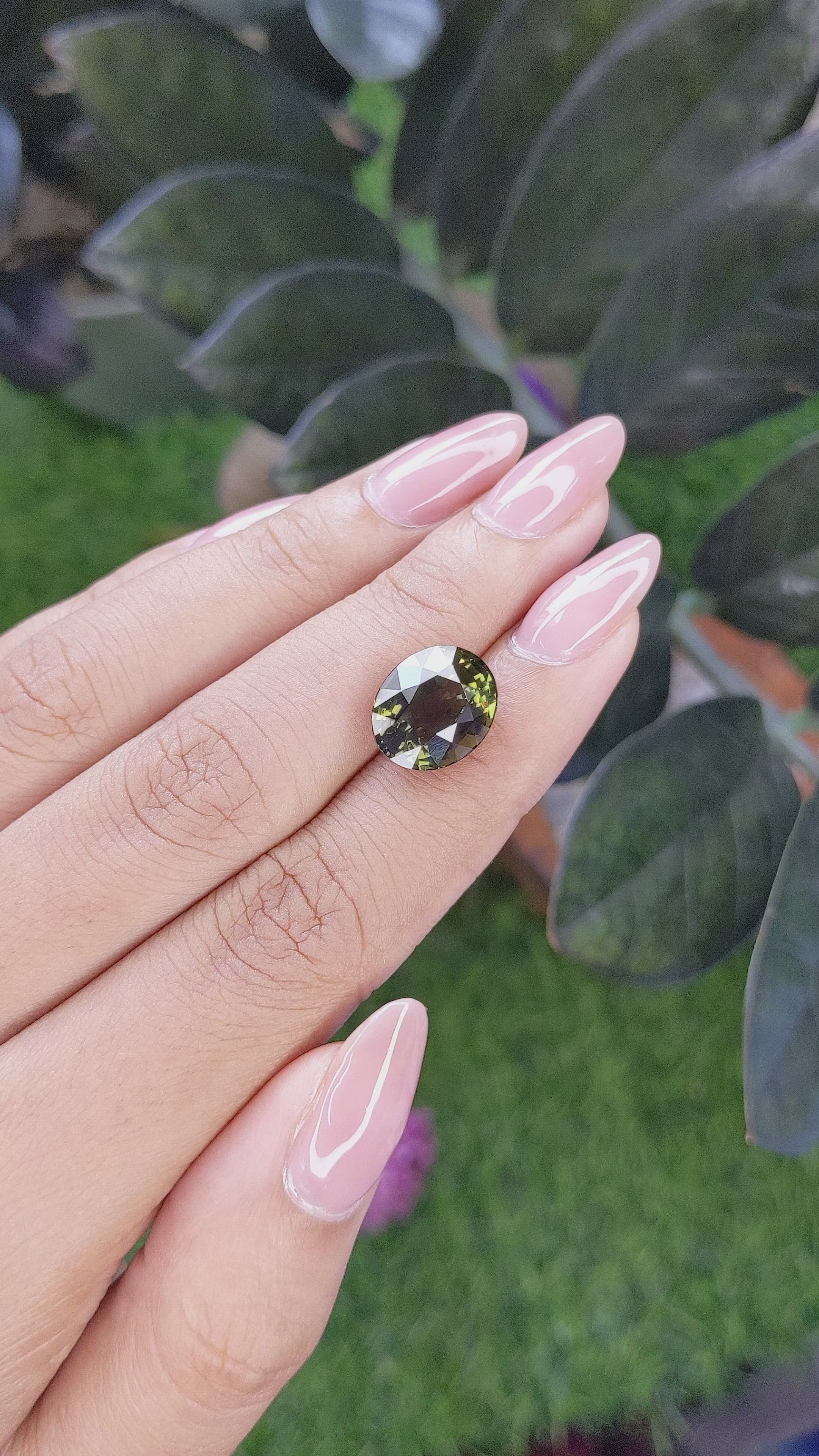


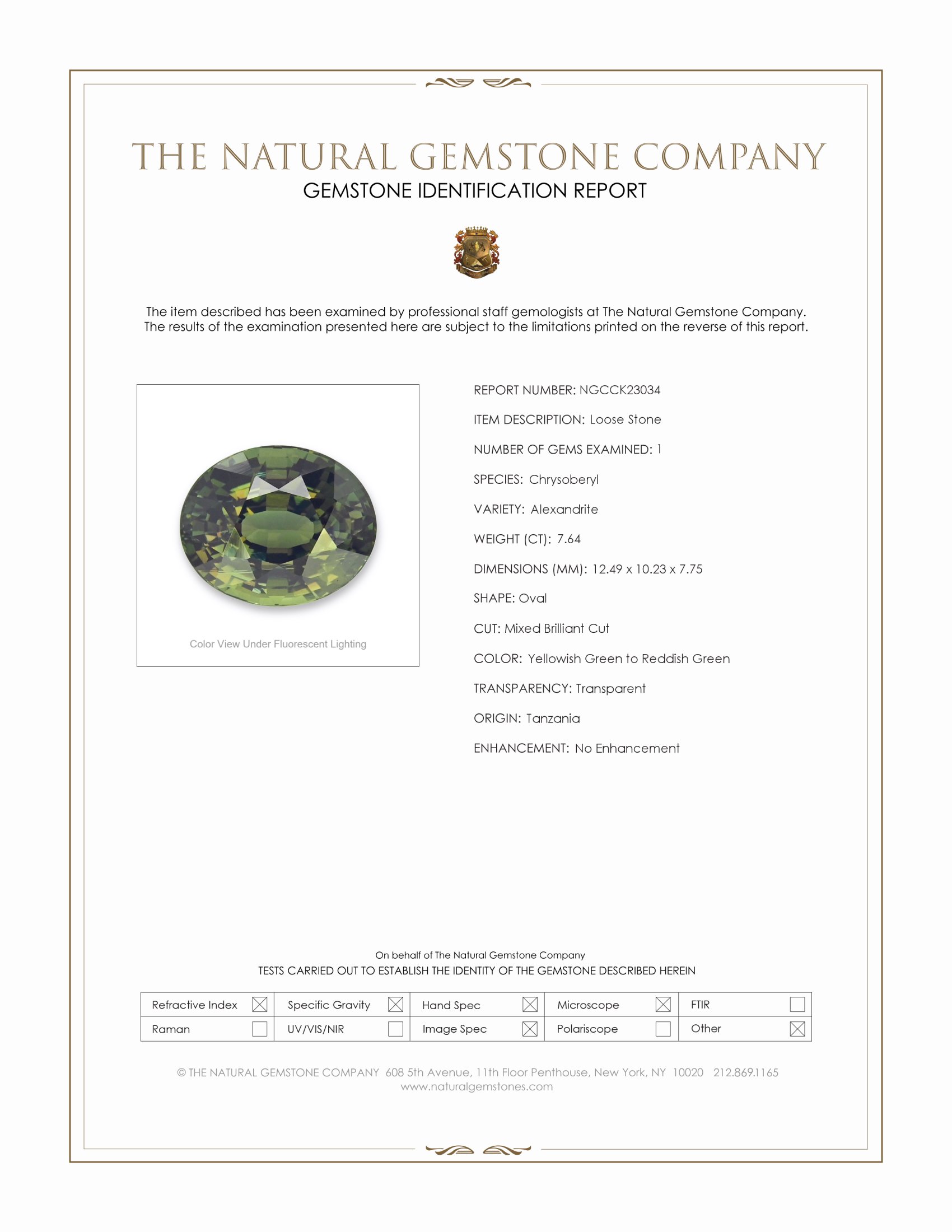
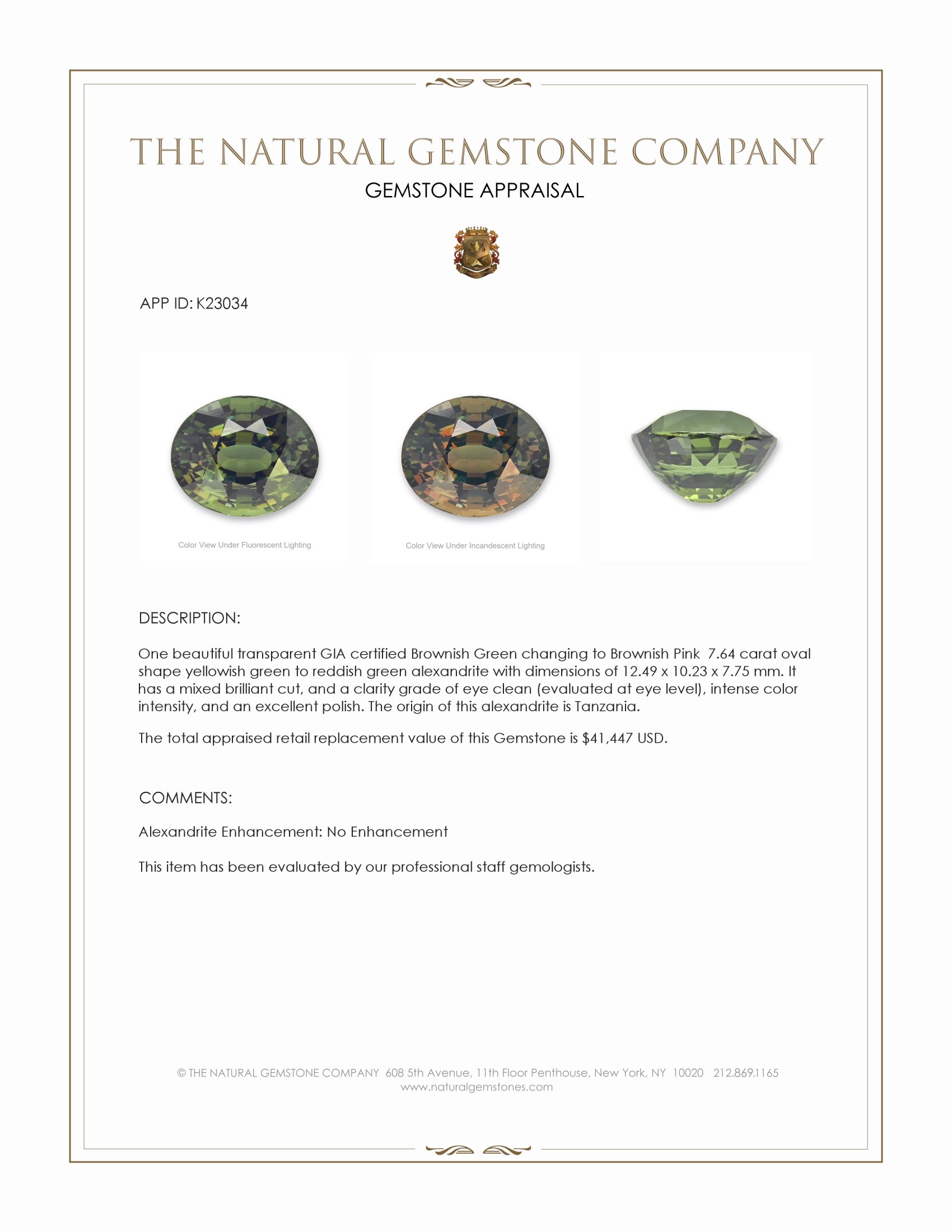
7.64 Ct. Alexandrite from Tanzania
This loose stone ships by Jun 1
Item ID: | K23034 |
|---|---|
Dimensions (MM): help | Length: 12.49 Width: 10.23 Height: 7.75 |
Weight: | 7.64 Ct. |
Color: help | Yellowish Green to Reddish Green |
Color intensity: help | Intense |
Clarity: help | Eye Clean |
Shape: help | Oval |
Cut: | Mixed Brilliant Cut |
Cutting style: | Faceted |
Enhancements: help | No Enhancement |
Origin: help | Tanzania |
Per carat price: help | $5,425 |
This listing describes a single, GIA certified alexandrite, weighing 7.64 carats, presented in an oval shape with dimensions of 12.49 by 10.23 by 7.75 millimeters. The GIA report documents a color change from brownish green to brownish pink, a definitive diagnostic characteristic of alexandrite, and photographic views demonstrate pronounced hue shifts under differing light sources. Under fluorescent lighting the stone photographs with a yellowish green appearance, while under incandescent lighting the stone photographs with warmer reddish green tones, consistent with the material’s strong dichroism and chromium-influenced color response. The gem is fashioned with a mixed brilliant cut, graded eye clean when examined at eye level, with an intense color intensity and an excellent polish. The piece is reported as untreated, with no enhancement, and the origin is specified as Tanzania. The Natural Gemstone Company provides the GIA certification documentation with this stone, confirming the reported measurements, color change, and other gemological particulars.
This alexandrite is notable for its rarity in both size and color profile relative to comparable stones. Alexandrite is an inherently scarce species, and examples exhibiting a clear, saturated color change at sizes above five carats are uncommon in the market. At 7.64 carats this specimen occupies a small subset of alexandrite material, where larger stones tend to be heavily included, weakly colored, or have subdued change. In contrast, this gem combines a substantial weight, an intense, distinct color change as recorded by GIA, and an eye-clean clarity grade, attributes that together are rarely encountered. The brownish green to brownish pink transition is less common than the classic green to red or green to purplish red changes associated with the best known localities, which further enhances its collector and connoisseur interest. Tanzanian alexandrite material is a relatively recent and smaller geographic source compared with historical deposits, and its occurrence in a natural, untreated stone of this size and optical character represents a material of particular interest to those seeking uncommon alexandrite specimens.
From a practical and gemological perspective, the stone’s proportions and mixed brilliant cut have been executed to balance depth, light return, and color presentation, preserving strong face-up color while allowing the change phenomenon to be observable under typical lighting conditions. The oval outline and the specified dimensions make the gem well suited to center stone applications in calibrated settings, including rings and pendants, where the hardness and durability of chrysoberyl, Mohs hardness approximately 8.5, support regular wear when appropriately mounted. The absence of enhancement simplifies valuation and long-term care considerations, and the excellent polish contributes to overall brilliance and visual appeal. The Natural Gemstone Company supplies this alexandrite with full GIA certification and high quality photographic references documenting its appearance under different lighting, and we can provide additional technical information or condition images upon request for clients, designers, and appraisers who require further detail for bespoke settings or investment evaluation.


