
- Stone14
- Reports3


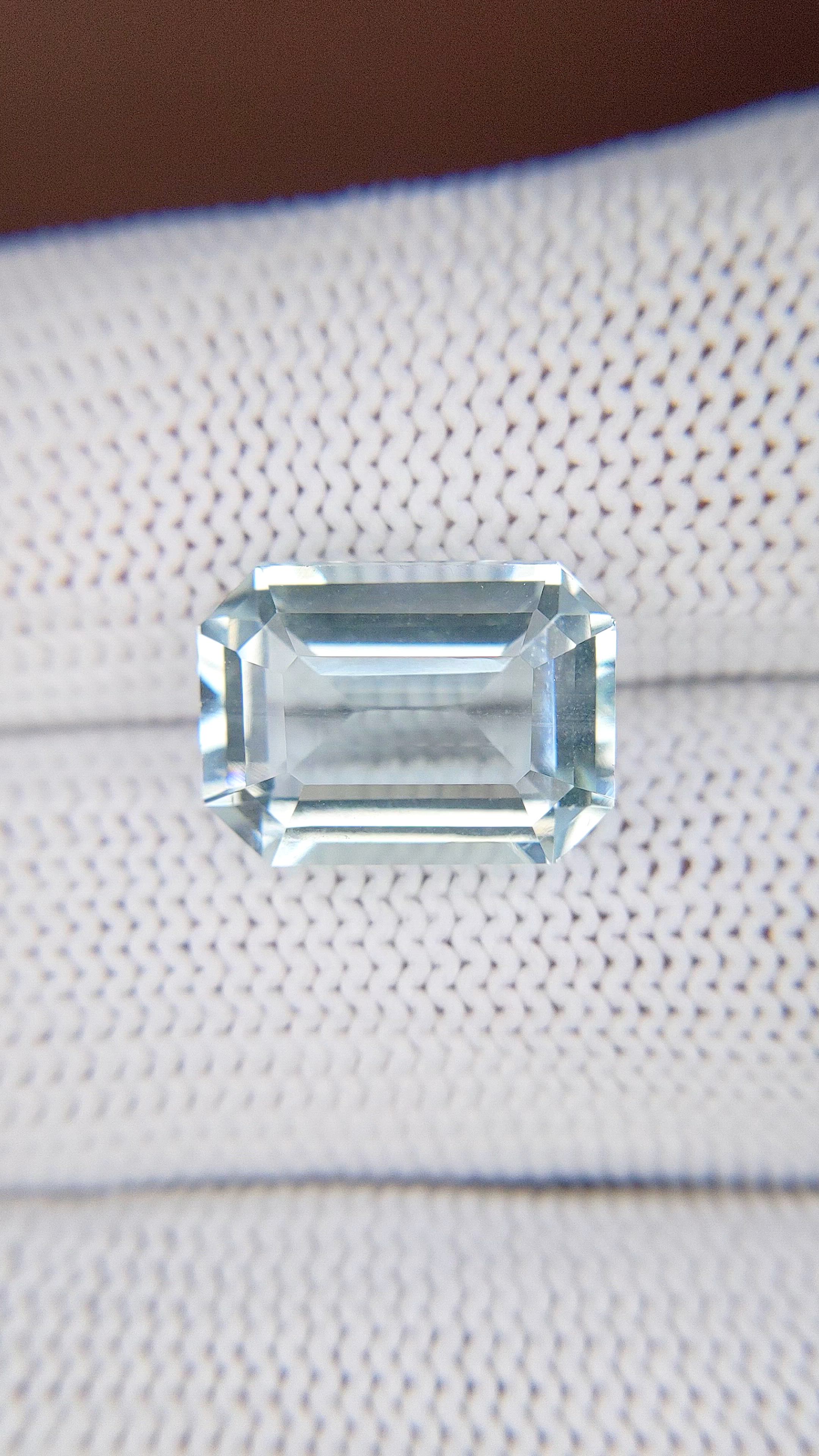
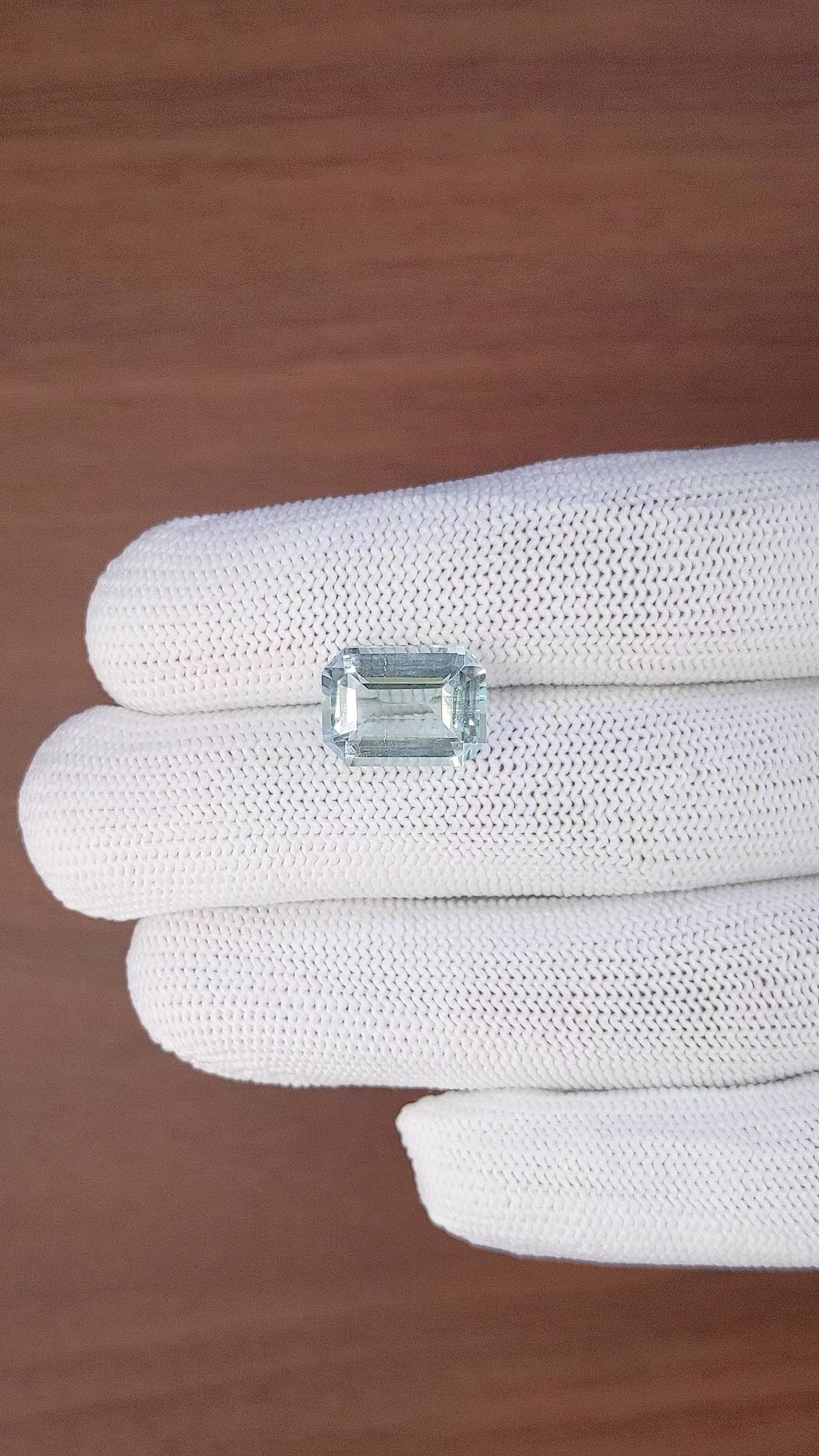
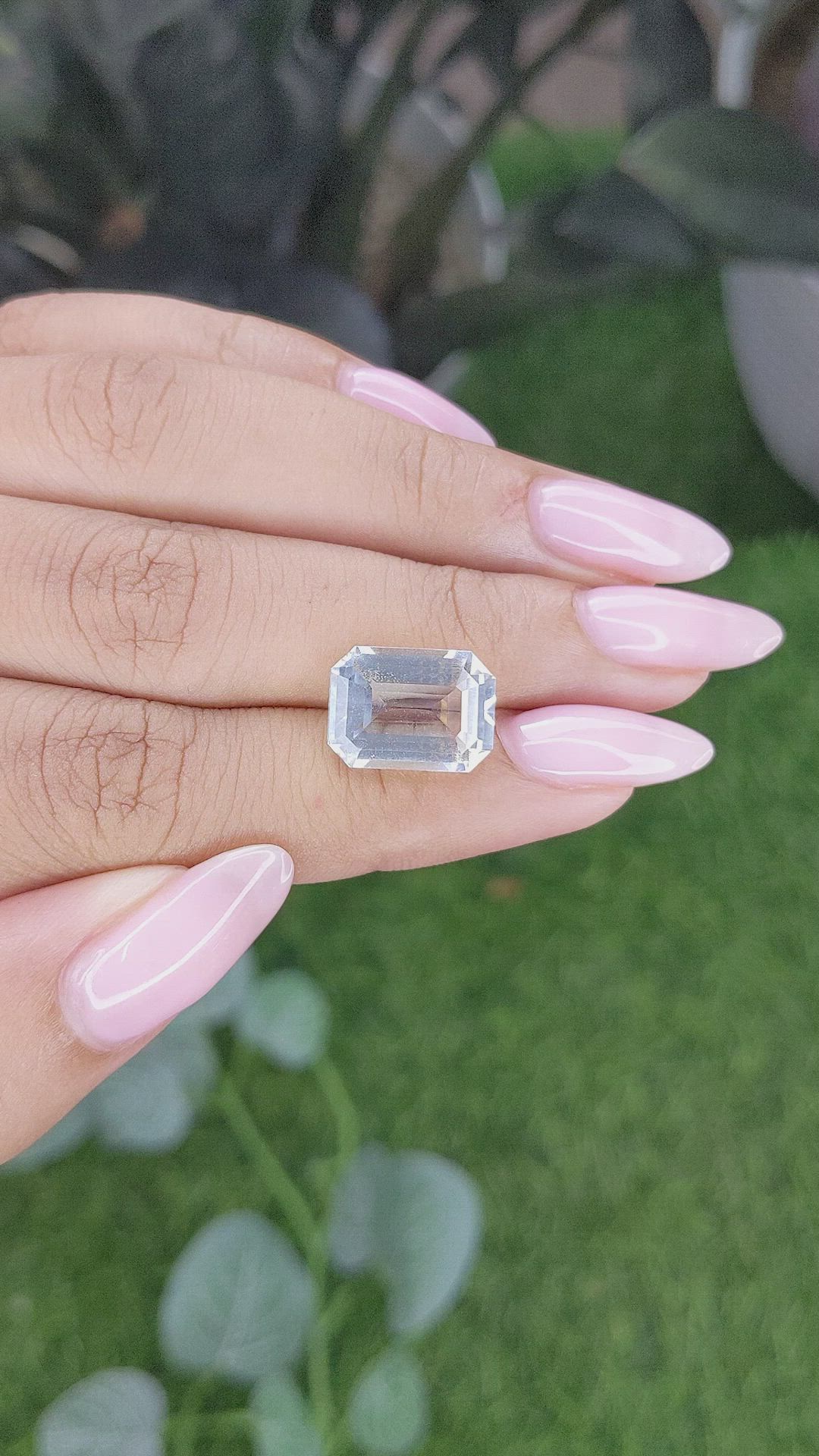
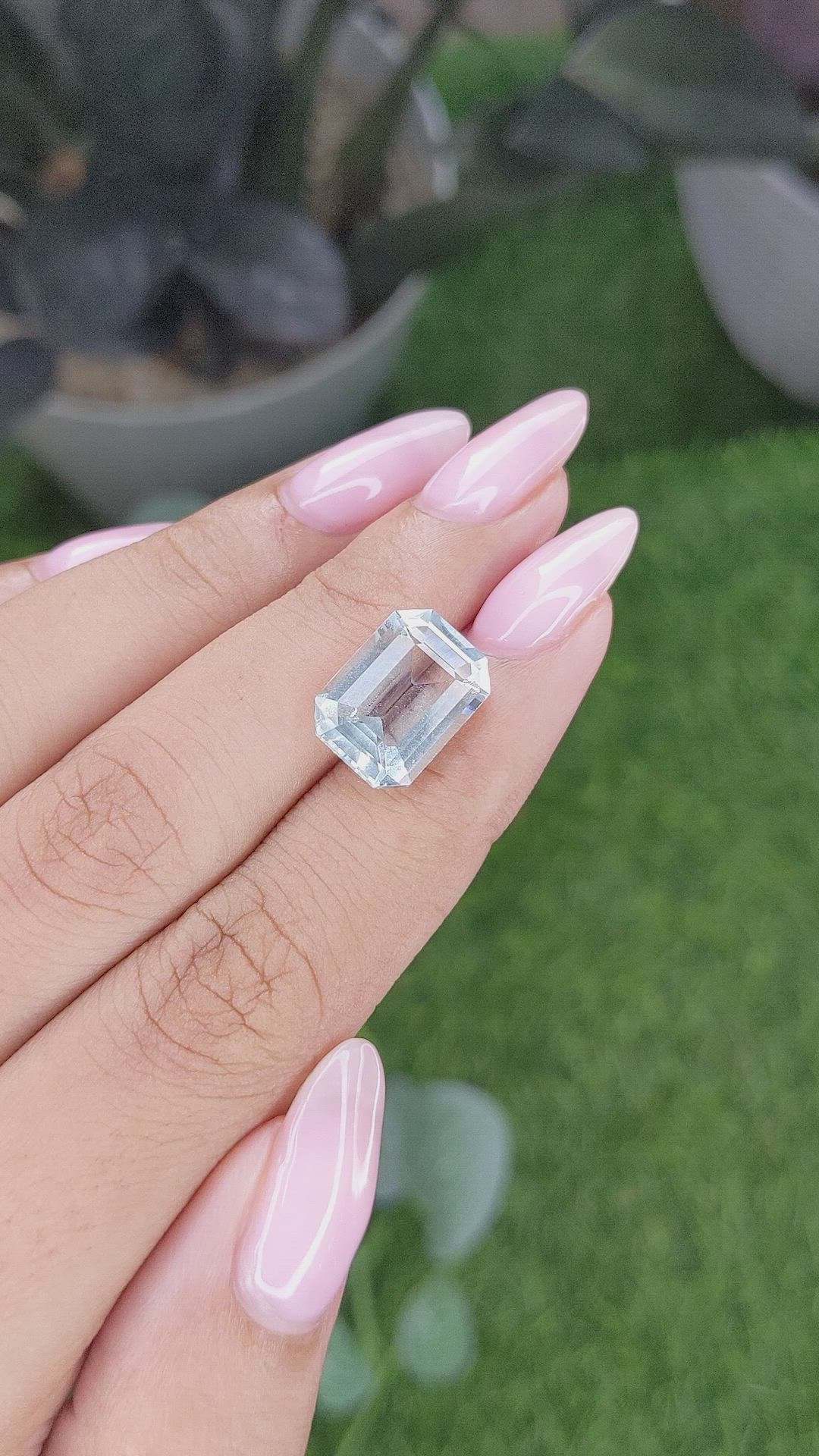
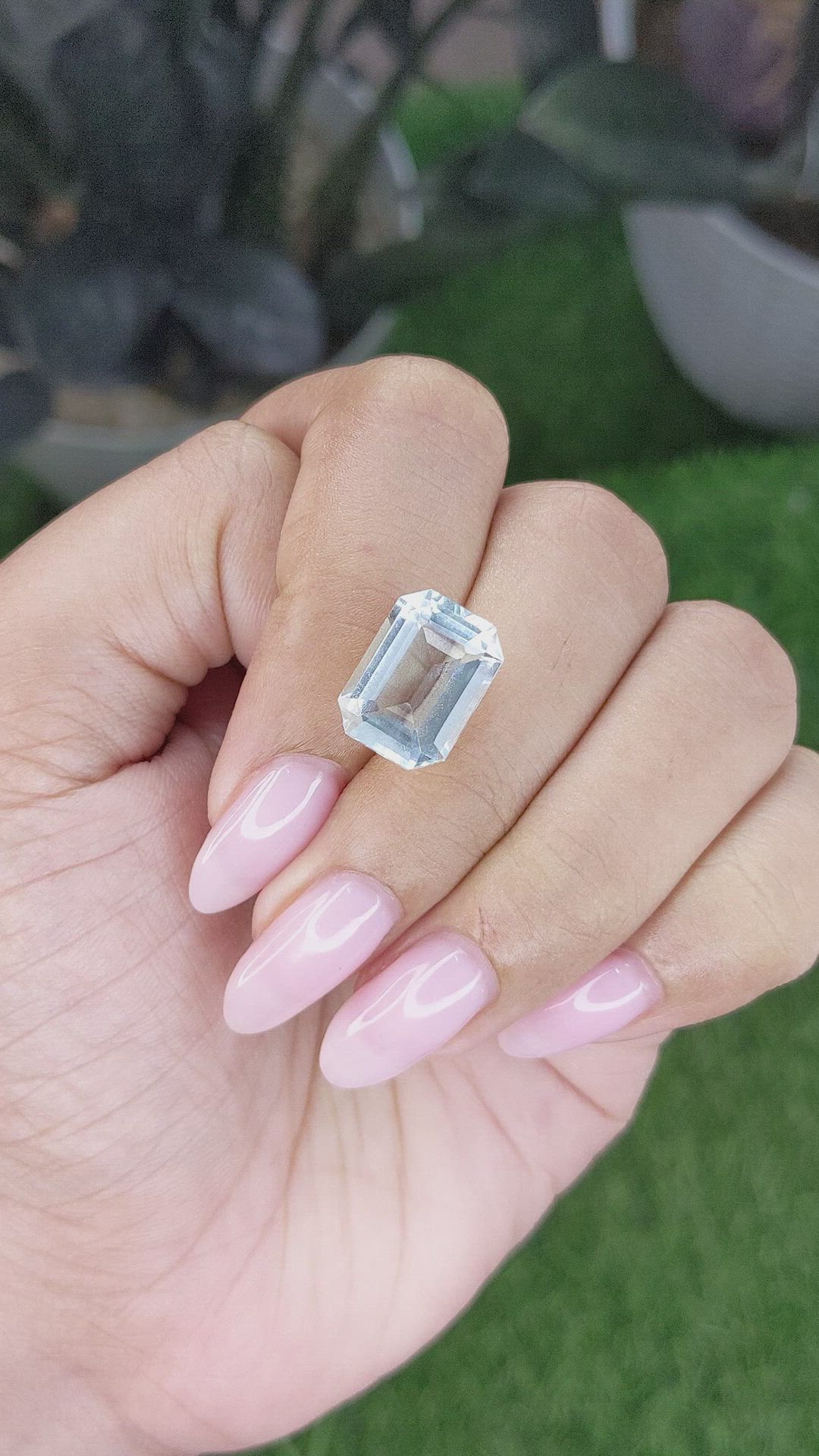


6.32 Ct. Blue Aquamarine from Tanzania
This loose stone ships by Jun 3
Item ID: | K24061 |
|---|---|
Dimensions (MM): help | Length: 13.41 Width: 9.83 Height: 6.52 |
Weight: | 6.32 Ct. |
Color: help | Blue |
Color intensity: help | Medium |
Clarity: help | Very Slightly Included |
Shape: help | Emerald Cut |
Cut: | Emerald Cut |
Cutting style: | Faceted |
Enhancements: help | No Enhancement |
Origin: help | Tanzania |
Per carat price: help | $300 |
This aquamarine from The Natural Gemstone Company is a single transparent specimen, weighing six point three two carats, cut in a classic emerald cut shape, with overall dimensions of thirteen point four one by nine point eight three by six point five two millimeters. The stone exhibits medium color intensity, and the clarity is graded as very slightly included when evaluated at eye level, indicating minor natural internal characteristics that do not materially affect transparency. The polish is excellent, and no enhancement has been performed, so what you see is the stone in its natural state, as recovered and carefully faceted. The length to width ratio measures approximately one point three six, presenting a balanced elongation that preserves both table area and the stepped pavilion geometry prized in higher grade emerald cut aquamarines.
The faceting follows a precision step cut approach, with a broad rectangular table and well defined concentric crown and pavilion steps that emphasize clarity and color uniformity rather than turbulent scintillation. The crown facets are arranged to produce crisp edge definition and a controlled return of light through the table, while the pavilion steps have been calibrated to deliver linear flashes that travel along the length of the stone, creating a refined play of light that is distinct to step cut stones. The cut proportions are carefully managed, with a depth of six point five two millimeters that corresponds to a depth ratio of about fifty six percent relative to the average of the length and width, a proportion that preserves face up presence while avoiding excessive windowing or shallowness. Corner truncations have been executed to interlock securely with settings, and facet junctions are sharp, indicating a high level of lapidary control during cutting and polishing, which contributes to the overall excellent polish rating.
From a gemological perspective the medium blue hue of this Tanzanian aquamarine is the result of iron related chromophores that typically display excellent color stability over time, particularly in stones that have not been subjected to thermal enhancement. The very slightly included clarity grade means that the internal characteristics are minimal, and under typical viewing conditions the stone reads as clean and transparent, offering a luminous table and evenly distributed color. Because no enhancement has been applied, the color is intrinsic and will not be subject to change from surface treatments or dyes, a factor that collectors and connoisseurs value for long term preservation of aesthetic and market qualities. Origin attribution to Tanzania is consistent with pegmatitic growth environments that produce aquamarines with cool to medium blue tones, and the combination of natural color, measured cut proportions, and high finish quality produces a piece that conveys both gemological integrity and visual refinement.
Practical considerations for lasting beauty include the inherent hardness of beryl, which is approximately seven point five to eight on the Mohs scale, providing good resistance to everyday abrasion while still benefiting from protective design choices when set in jewelry. The rectangular emerald cut corners should be secured with prongs that support the truncated corners or enclosed within a bezel to mitigate the risk of impact chipping at the corners, and the relatively deep table and proportional pavilion make this stone well suited to both solitaire and multi stone designs where facet alignment can be showcased. Recommended care is routine cleaning with warm soapy water and a soft brush, and while aquamarine can tolerate ultrasonic cleaning in many instances, stones with internal characteristics should be evaluated by a jeweler before subjecting them to mechanical agitation. With conscientious setting and maintenance, this naturally colored Tanzanian aquamarine will retain its clear, cool presence and continue to captivate through subtle step cut flashes and a serene blue tone for many years, a lasting testament to the craftsmanship and selection standards upheld by The Natural Gemstone Company.


