
- Stone15
- Reports3


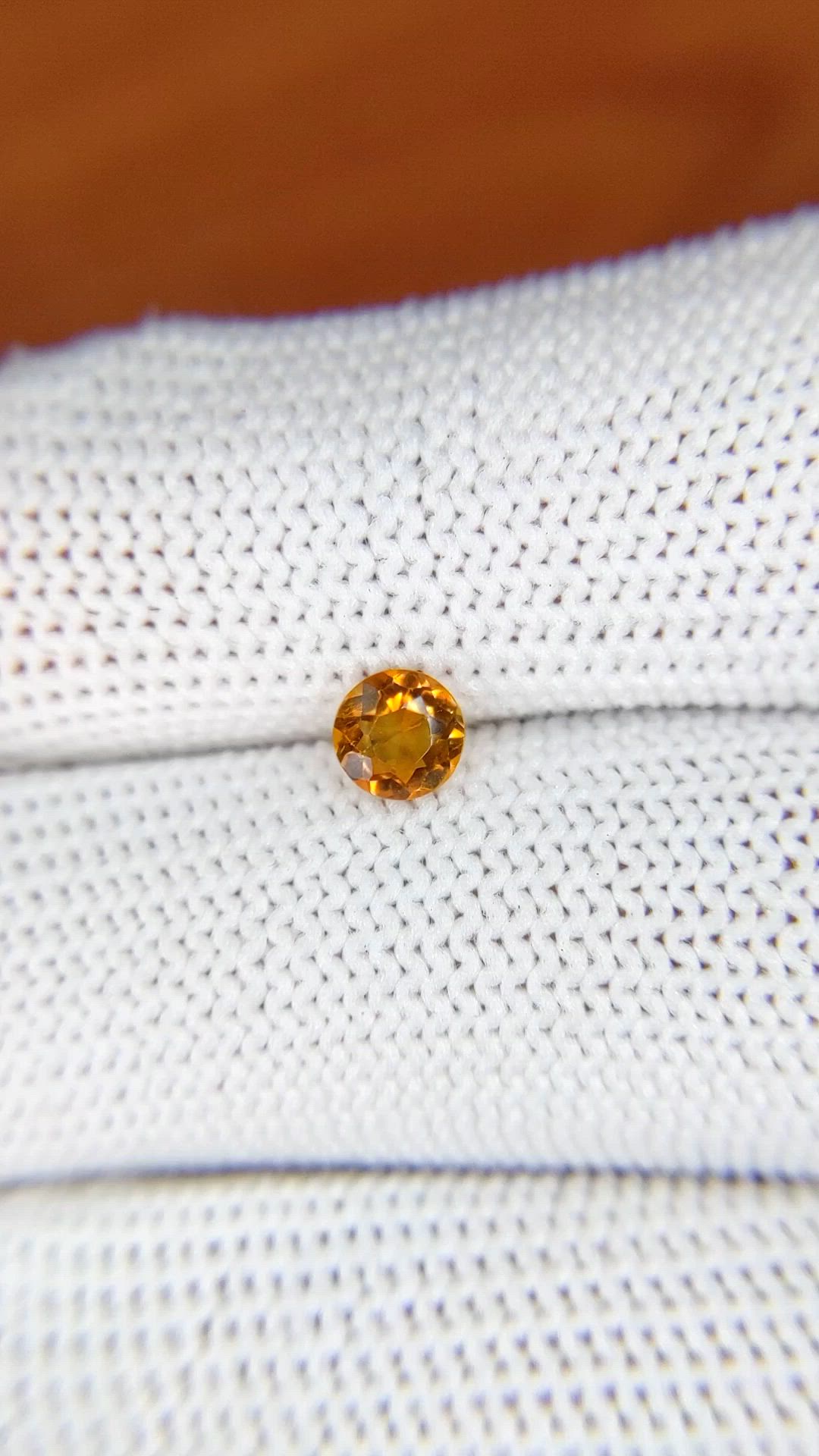
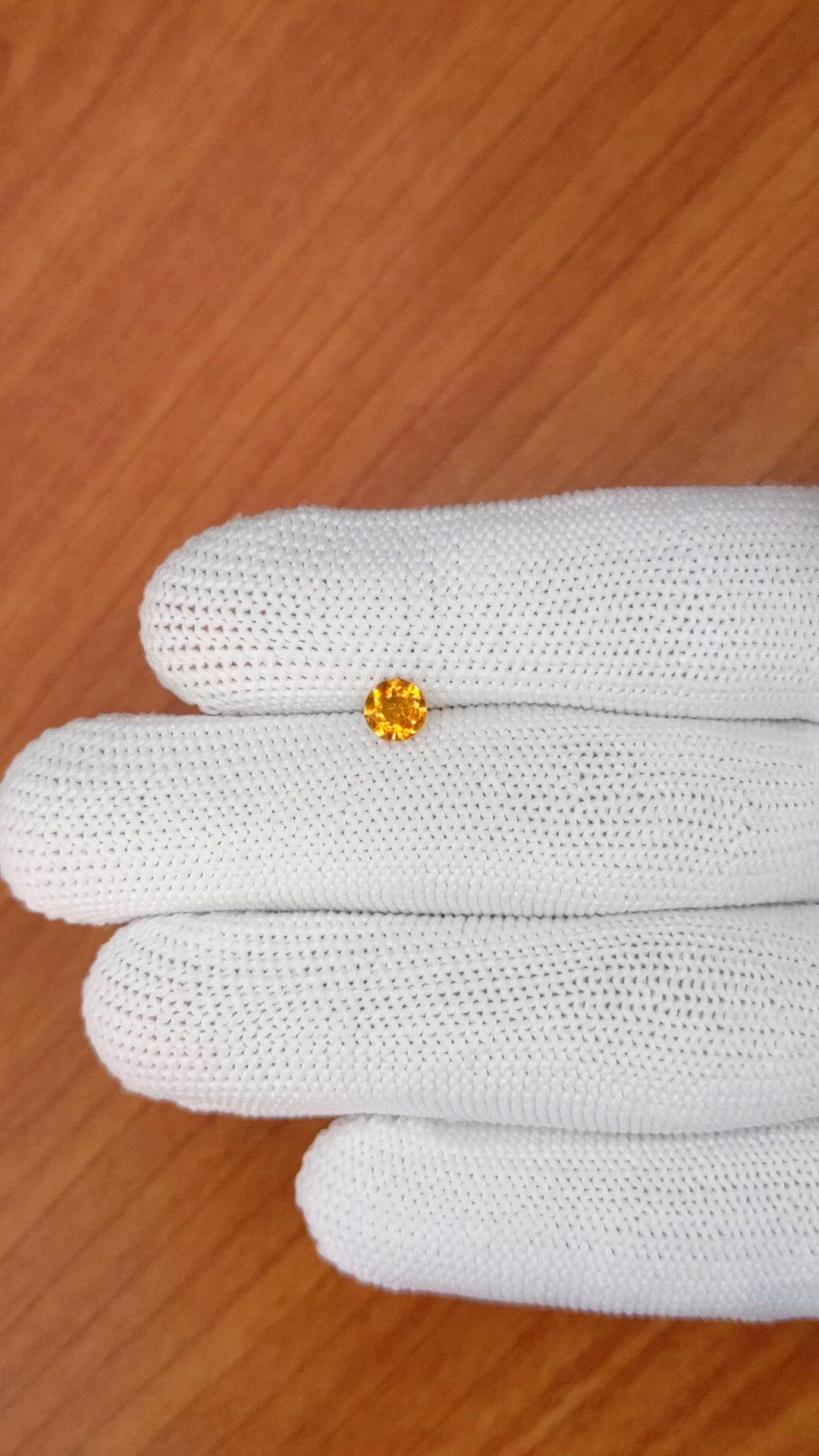
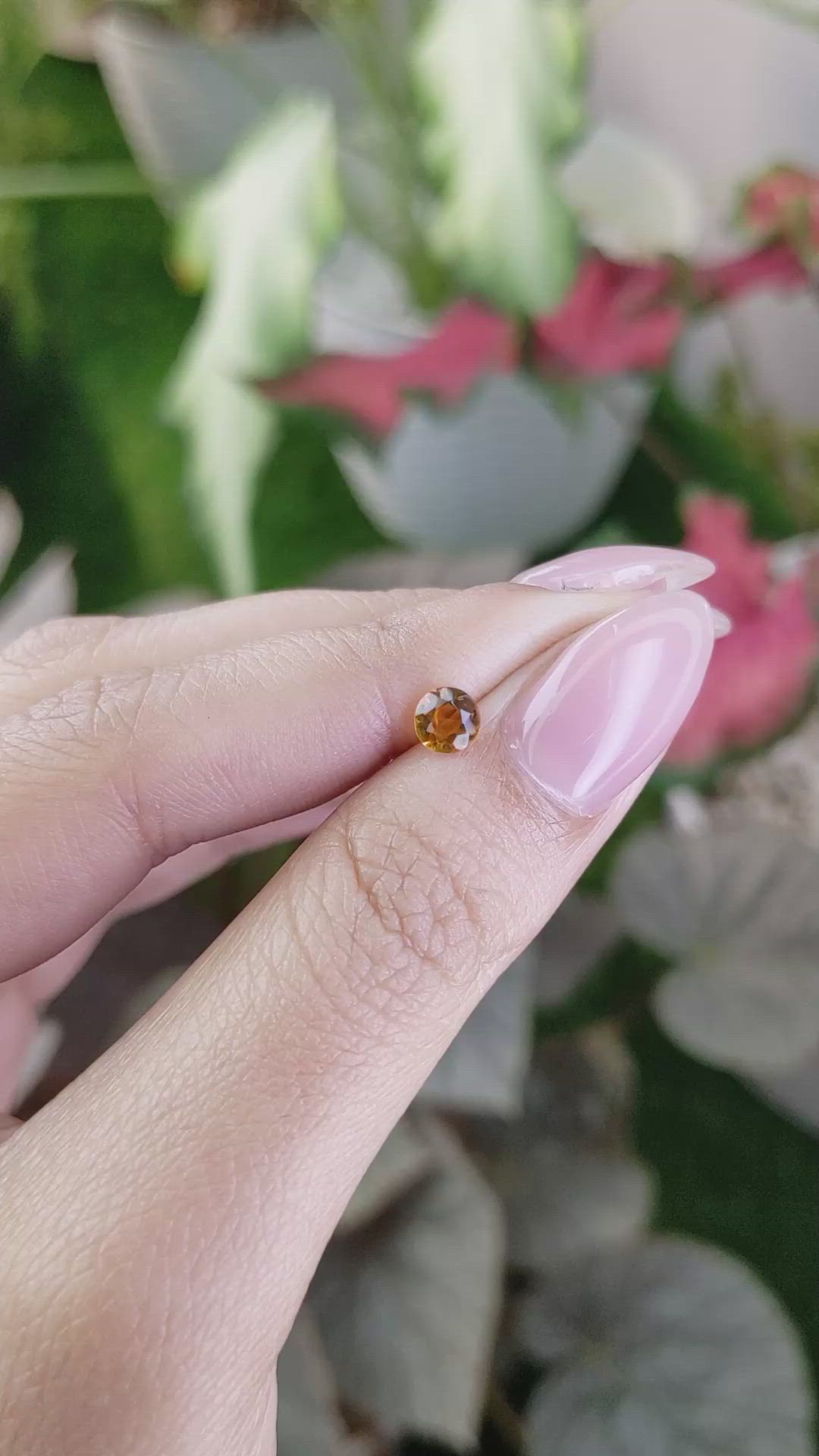
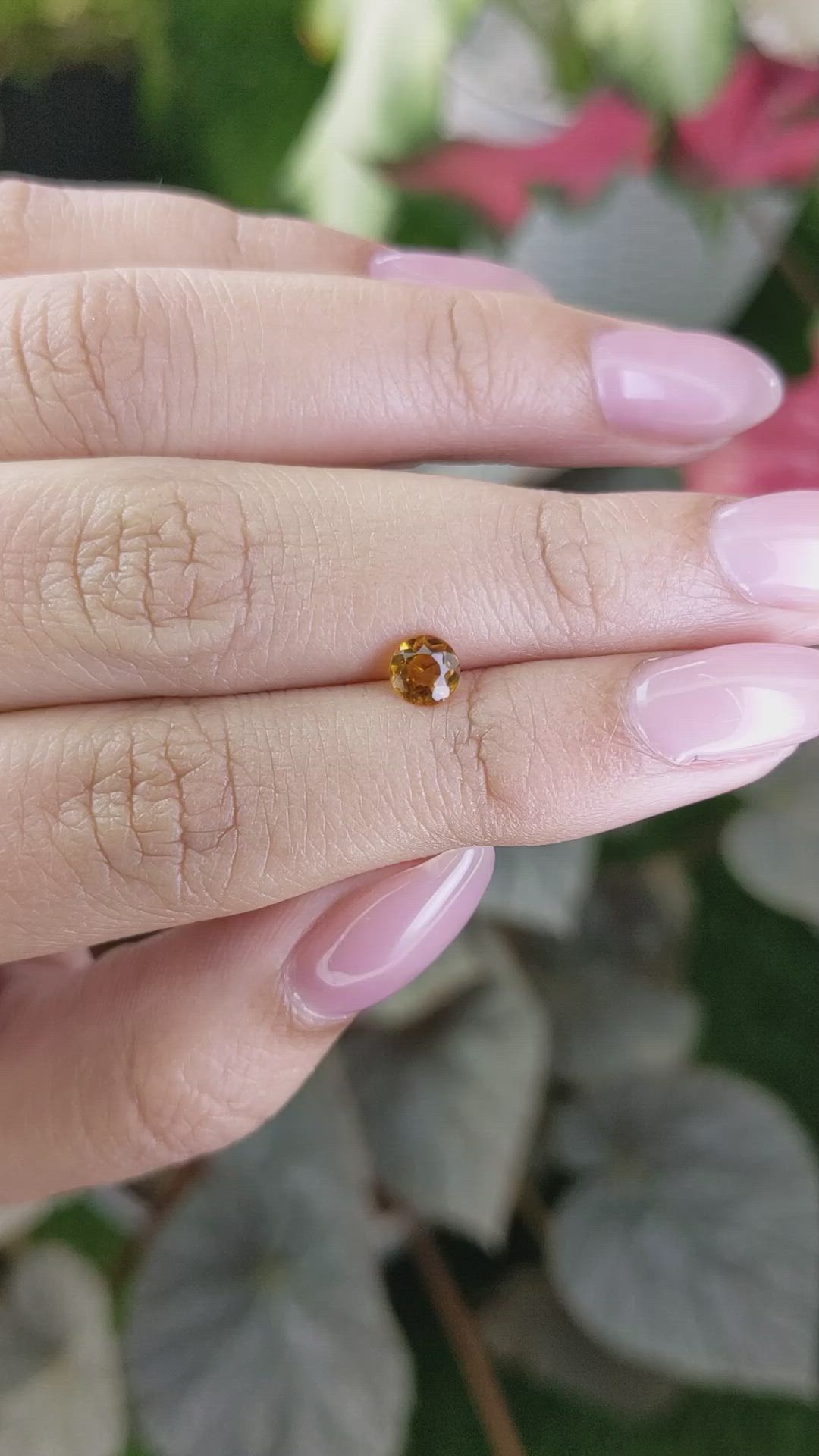
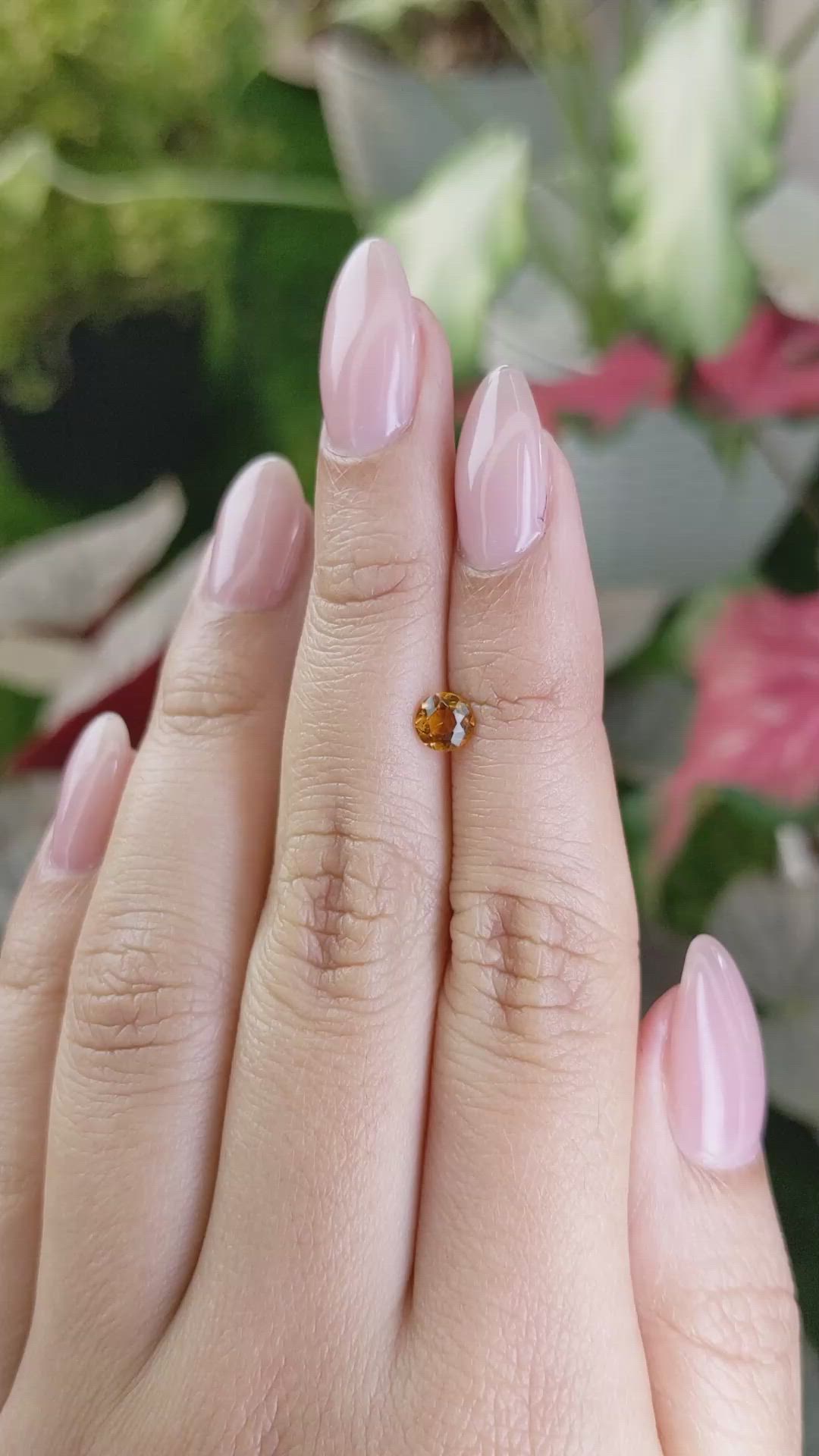
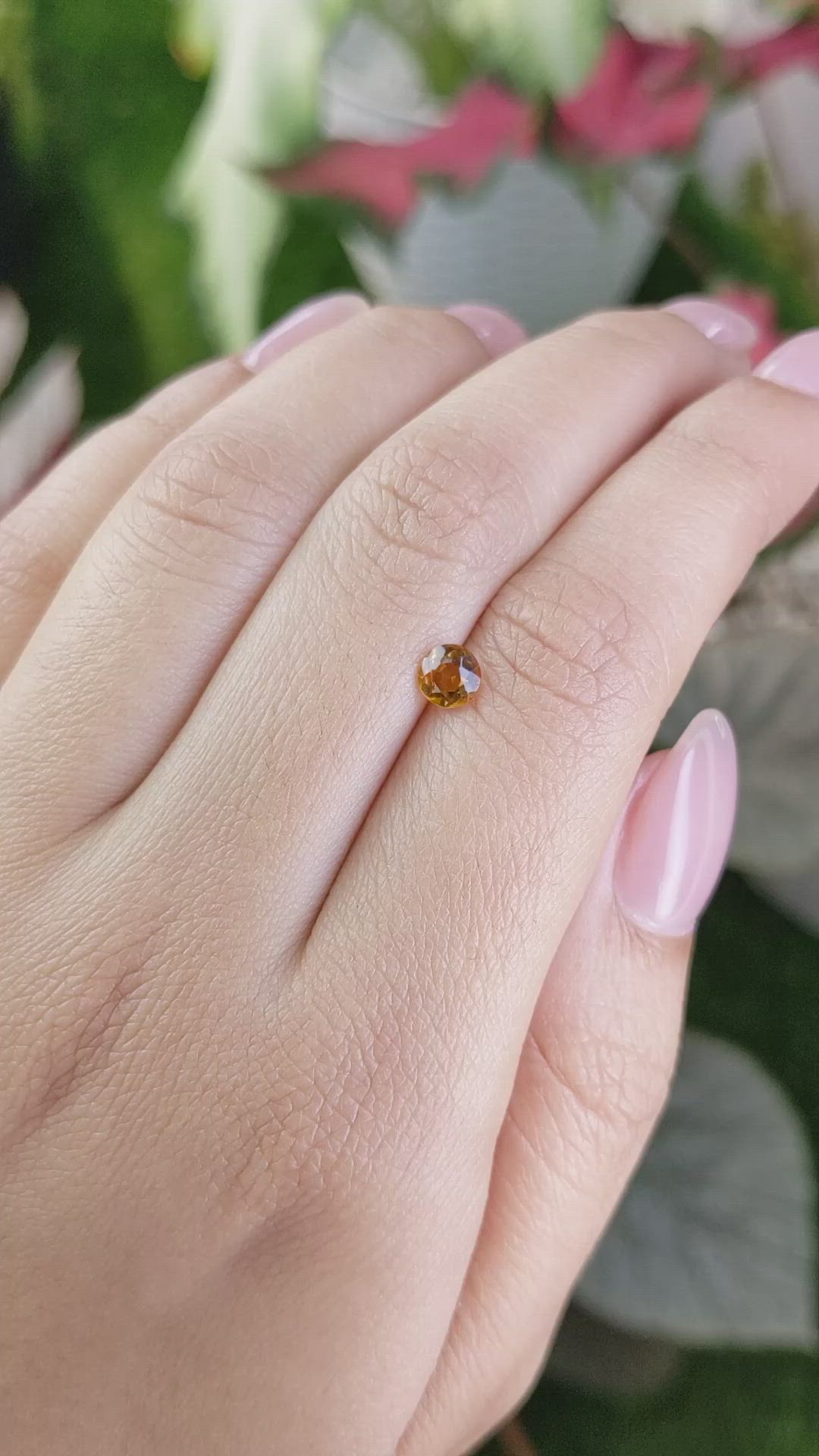





0.38 Ct. Madeira (Reddish Orange) Citrine from Brazil
This loose stone is available to ship now
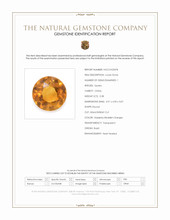
Item ID: | K23378 |
|---|---|
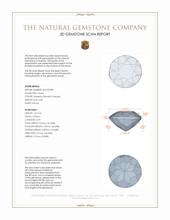
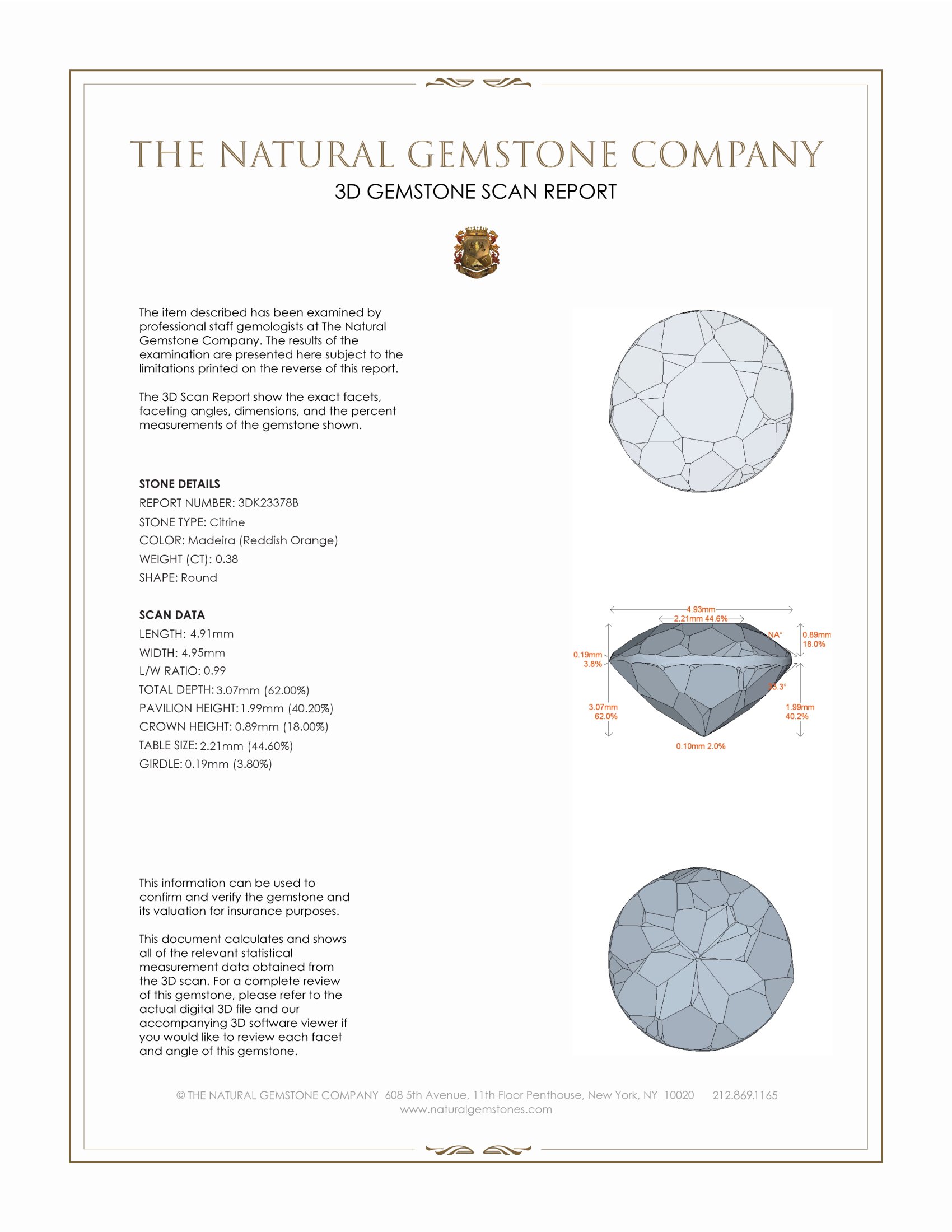
Dimensions (MM): help | Length: 4.91 Width: 4.95 Height: 3.07 |
Weight: | 0.38 Ct. |
Color: help | Madeira (Reddish Orange) |
Color intensity: help | Intense |
Clarity: help | Very Very Slightly Included |
Shape: help | Round |
Cut: | Mixed Brilliant Cut |
Cutting style: | Faceted |
Enhancements: help | Heat Treated |
Origin: help | Brazil |
Per carat price: help | $79 |
This offering is one transparent 0.38 carat round shape madeira citrine, exhibiting a reddish orange hue and intense color intensity. The gem measures 4.91 by 4.95 by 3.07 millimeters and has been fashioned in a mixed brilliant cut to balance face up brilliance with a well controlled pavilion for light return. The clarity is described as very very slightly included when evaluated at eye level, and the polish has been graded excellent, producing crisp facet junctions and reflective performance across the crown and pavilion. The material has been heat treated, a standard and stable enhancement that deepens the warm brownish orange spectrum characteristic of madeira citrines, and the stated origin is Brazil, a provenance that is consistent with the color zoning and crystal habit visible in the provided images. The Natural Gemstone Company presents this stone with the factual attributes required for informed selection, including carat weight, exact dimensions, cut style, clarity observation, treatment disclosure, and country of origin.
In terms of hue and tone, this madeira citrine is notably warmer and more red biased than the typical golden yellow citrines commonly associated with the Rio Grande do Sul region of Brazil, which more frequently display lemon to honey yellow hues with lighter tone. Compared to classic Brazilian golden citrines, this gem moves toward the orange and light brown spectrum, producing a richer and more autumnal appearance. When contrasted with Madeira type stones historically referenced in trade, which aim to emulate the deep, wine like orange of Madeira port, this particular specimen aligns closely with that aesthetic while maintaining a slightly lighter tone than the deepest, most saturated Madeira examples. Compared to spessartine garnets from Namibia and Nigeria, which can achieve vivid pure orange hues at strong saturation and often have a darker tone, this citrine retains a greater degree of yellow undertone and higher transparency, resulting in a brighter, more luminous presentation under direct light. When set against padparadscha sapphires from Sri Lanka, which exhibit a delicate pink orange blend and often carry a softer pastel tone, the citrine is more purely warm orange with stronger yellow components and a higher perceived brilliance due to its mixed brilliant facet arrangement. These comparisons are offered to situate the gem within the broader spectrum of warm colored gemstones, emphasizing that its reddish orange depth is distinctive among citrines while remaining differentiated from other orange gemstones by tone, saturation, and optical behavior.
From a practical and gemological perspective, the mixed brilliant cut enhances the gem for everyday wear while preserving a pleasing visual weight at the given carat size. The very very slightly included clarity grade indicates that inclusions are minor and do not interrupt the gem at typical viewing distances, allowing for efficient light transmission and consistent sparkle. The excellent polish contributes to sharp reflections and a clean window into the stone, which is particularly valuable in warmer toned gems where surface luster complements the color. The heat treatment applied is routine for madeira citrines and is stable under normal wearing conditions, though standard care guidance applies, including avoidance of prolonged exposure to extreme heat and harsh chemicals. Given its dimensions and optical attributes, this citrine is suitable as a focal stone in a fine jewelry setting that favors warm metals and complementary color palettes. Provenance from Brazil provides a well documented geographical context, and The Natural Gemstone Company discloses all relevant information to support appraisal, design integration, and long term collection records.


