
- Stone15
- Reports3
-pear-blueflash-moonstone-6.3300-cts-k21473-1.jpg?d=200x200&v=20260127121927)
-pear-blueflash-moonstone-6.3300-cts-k21473-lifestyleimage-1.jpg?d=200x200&v=20260130043402)
-pear-blueflash-moonstone-6.3300-cts-k21473-lifestyleimage-2.jpg?d=200x200&v=20260130043402)
-pear-blueflash-moonstone-6.3300-cts-k21473-lifestyleimage-3.jpg?d=200x200&v=20260130043402)
-pear-blueflash-moonstone-6.3300-cts-k21473-lifestyleimage-4.jpg?d=200x200&v=20260130043402)



-pear-blueflash-moonstone-6.3300-cts-k21473-1.jpg?d=750x750&s=ngc&v=20260127121927)
-pear-blueflash-moonstone-6.3300-cts-k21473-lifestyleimage-1.jpg?d=750x750&s=ngc&v=20260130043402)
-pear-blueflash-moonstone-6.3300-cts-k21473-lifestyleimage-2.jpg?d=750x750&s=ngc&v=20260130043402)
-pear-blueflash-moonstone-6.3300-cts-k21473-lifestyleimage-3.jpg?d=750x750&s=ngc&v=20260130043402)
-pear-blueflash-moonstone-6.3300-cts-k21473-lifestyleimage-4.jpg?d=750x750&s=ngc&v=20260130043402)


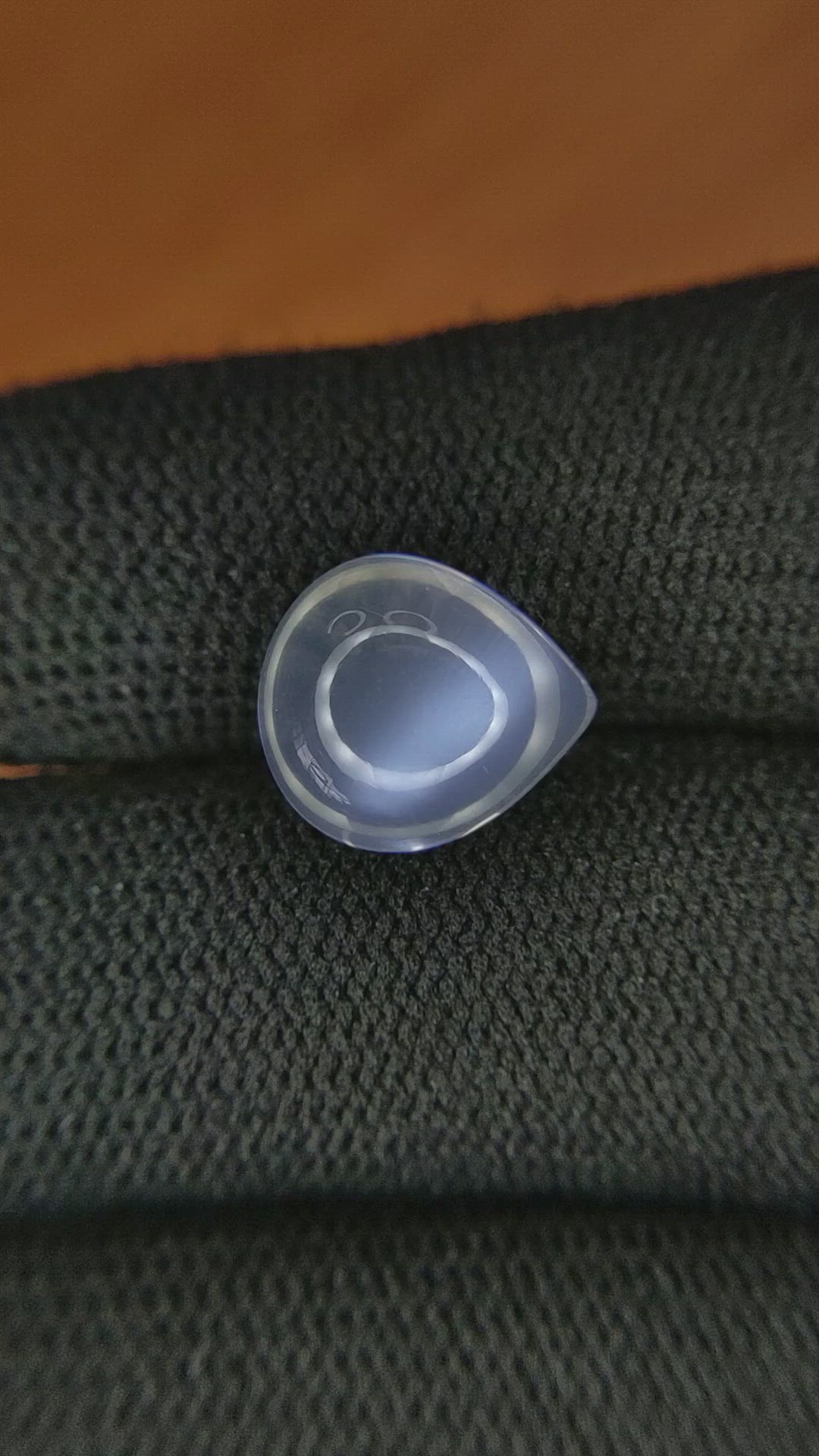
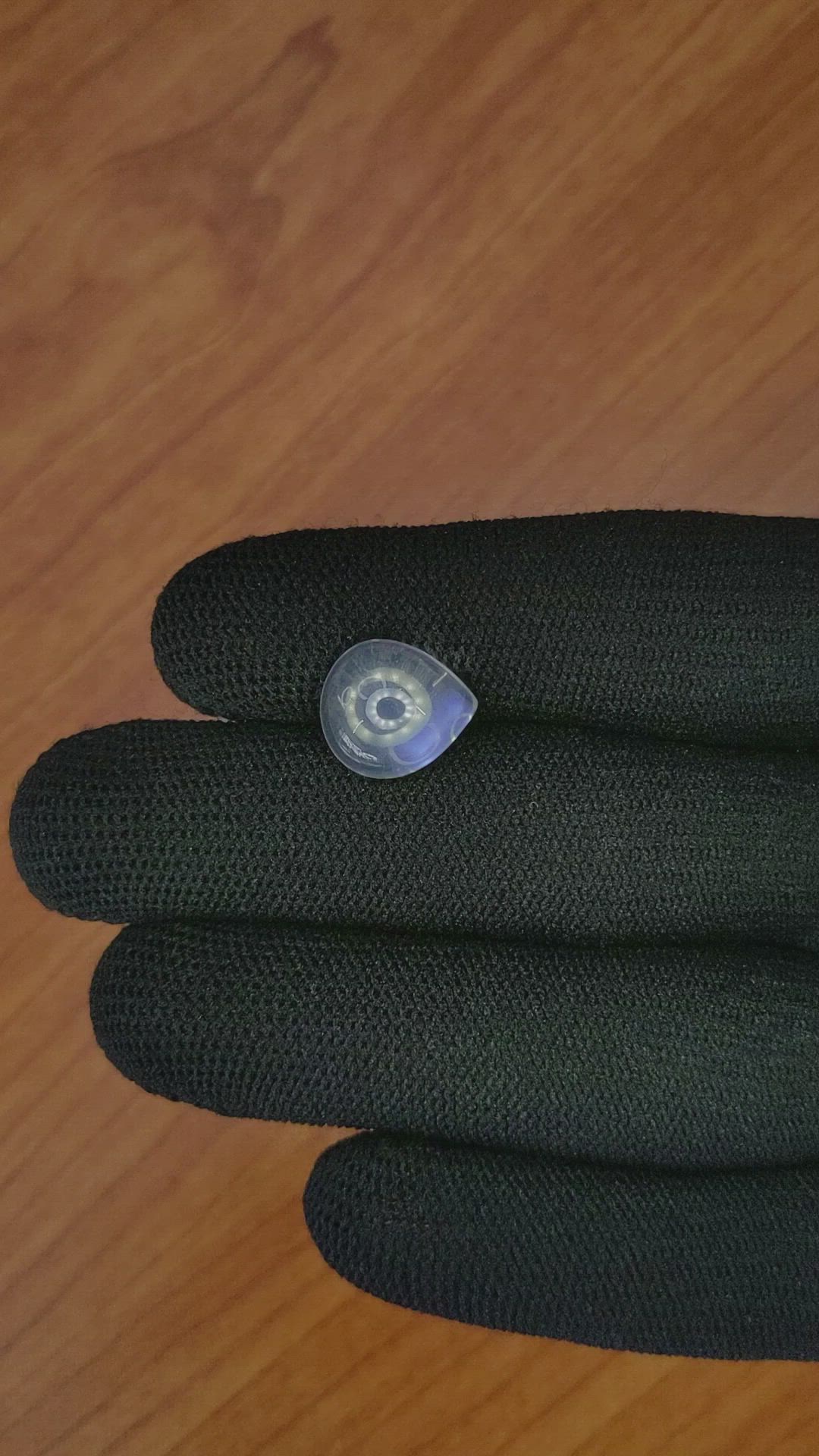
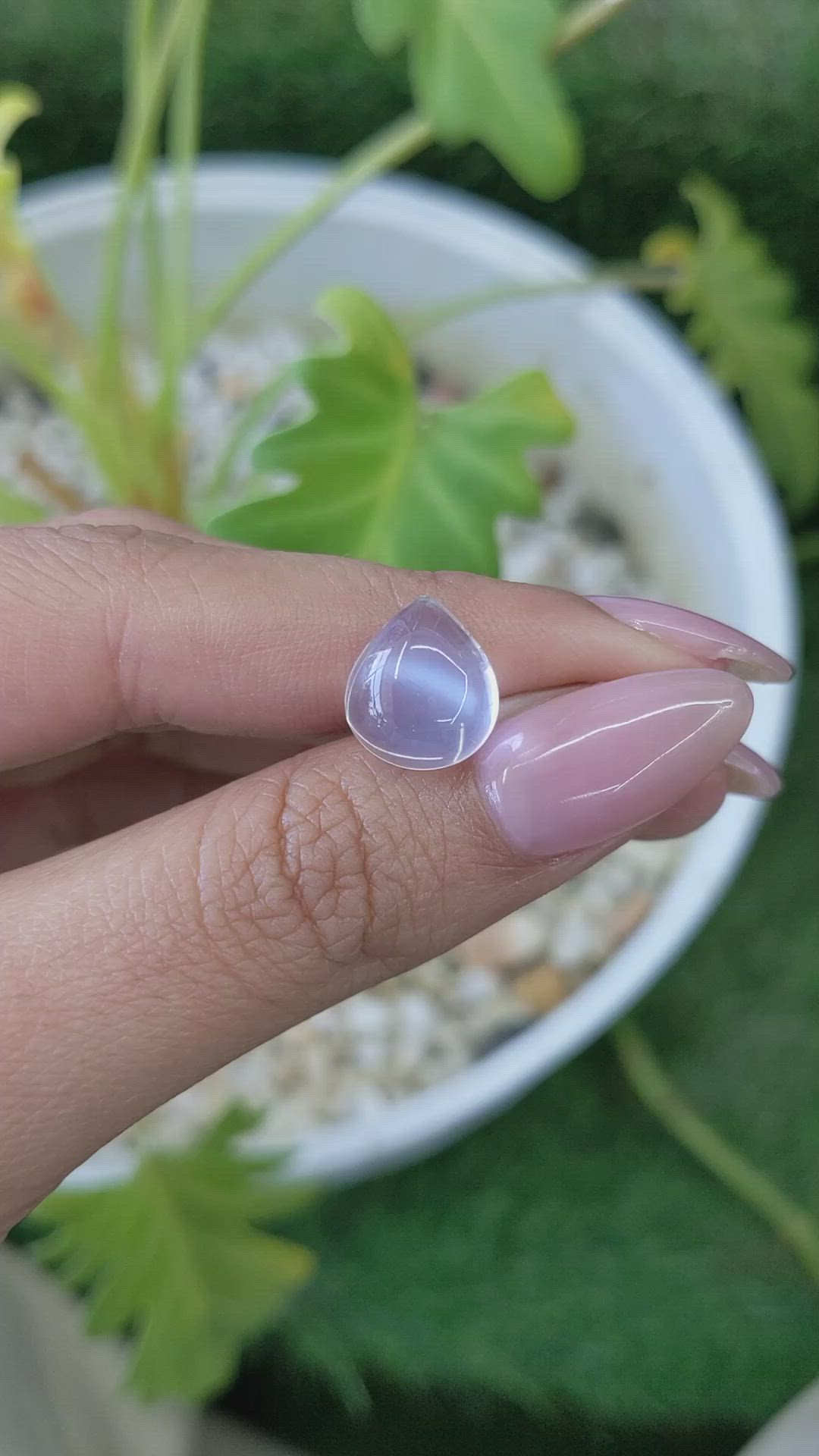
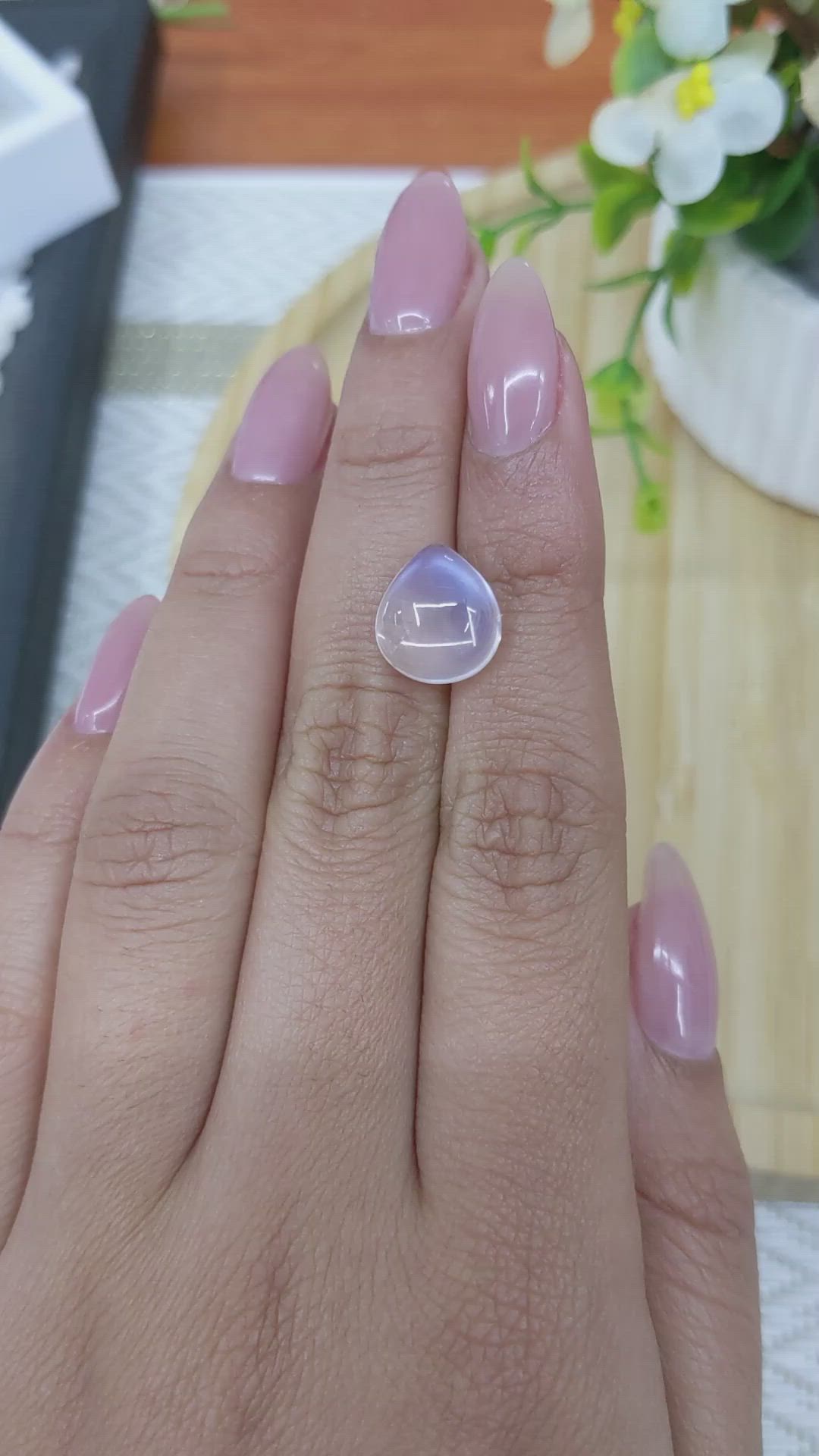
6.33 Ct. Blue Flash Cabochon Moonstone from Ceylon (Sri Lanka)
This loose stone ships by Nov 10
Item ID: | K21473 |
|---|---|
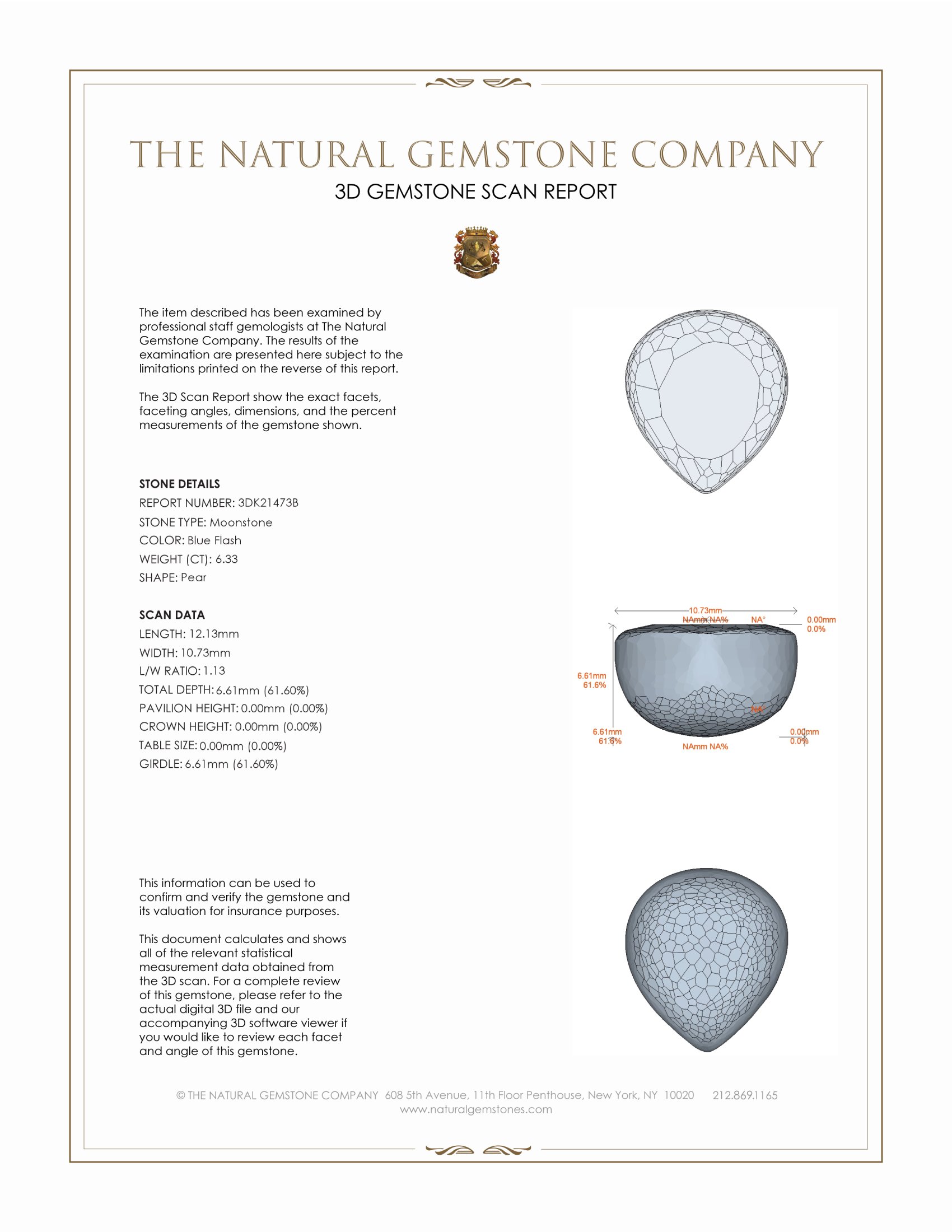
Dimensions (MM): help | Length: 12.13 Width: 10.73 Height: 6.61 |
Weight: | 6.33 Ct. |
Color: help | Blue Flash |
Color intensity: help | Light |
Clarity: help | Very Very Slightly Included |
Shape: help | Pear |
Cut: | Cabochon |
Cutting style: | Cabochon |
Enhancements: help | No Enhancement |
Origin: help | Ceylon (Sri Lanka) |
Per carat price: help | $20 |
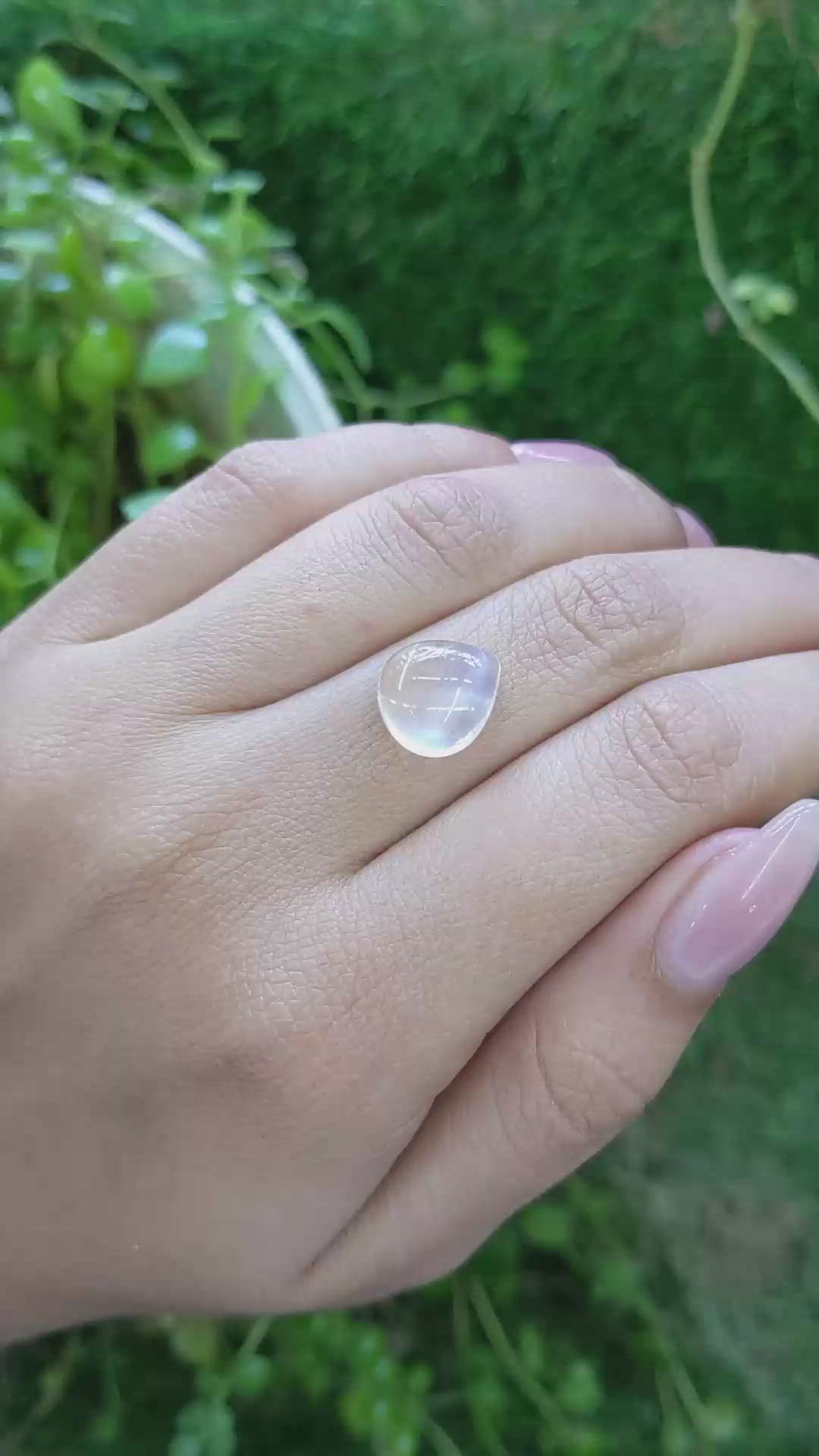
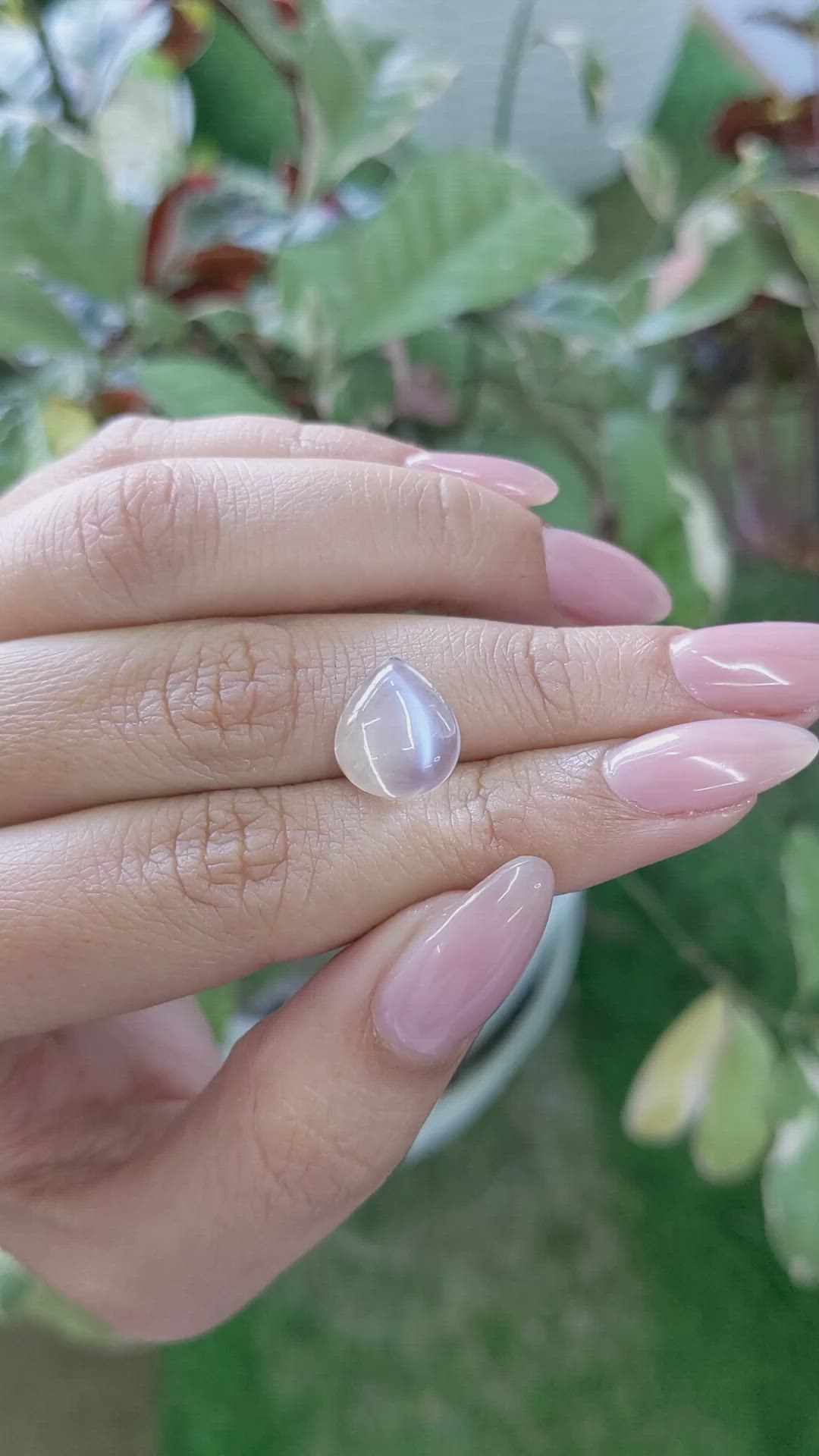
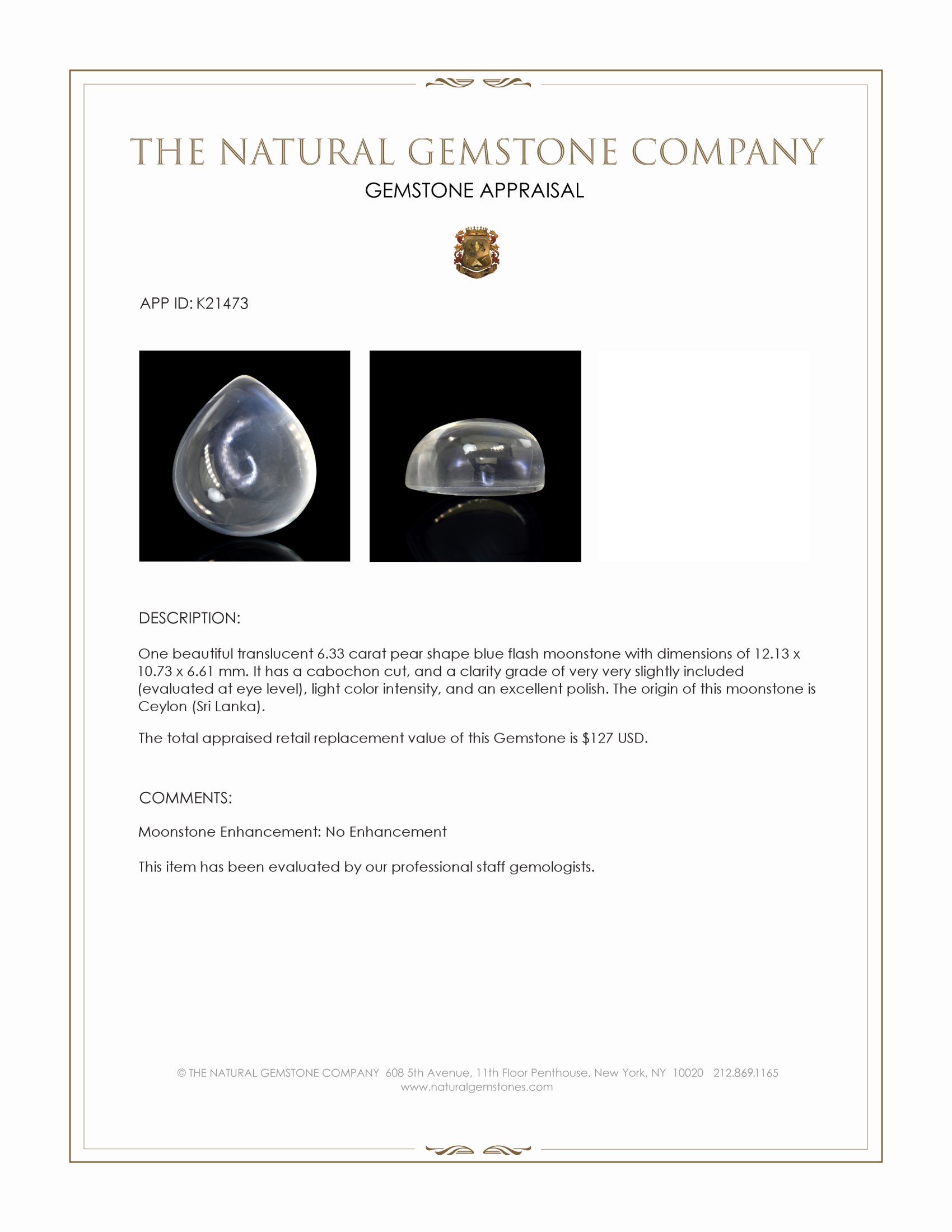
This listing describes a single, translucent 6.33 carat pear shape blue flash moonstone, with precise measurements of 12.13 by 10.73 by 6.61 millimeters. The gem is fashioned as a cabochon, a cut that preserves and enhances its characteristic internal sheen. Clarity is assessed as very very slightly included at eye level, indicating only minimal internal features that do not interfere with visual performance. Color intensity is light, producing a delicate body tone that supports the pronounced blue flash rather than masking it. The surface has an excellent polish, and there has been no enhancement applied to the stone. The origin is Ceylon, Sri Lanka, a region long recognized for high quality moonstones. For cataloging consistency, the opal type is White Opal, a designation used within our inventory to describe the visual family of light, translucent feldspathic gems. The Natural Gemstone Company presents these specifications to provide a clear and objective basis for evaluation.
The optical phenomenon that gives this moonstone its distinctive sparkle is adularescence, a result of the stone’s fine internal structure. Moonstone is composed of intergrowths of two feldspar species, orthoclase and albite, which can exsolve into thin, alternating lamellae during cooling. When incident light enters the cabochon, it encounters these submicroscopic layers and is scattered and diffracted, producing interference effects that favor certain wavelengths. In this specimen, the spacing and orientation of the lamellae preferentially reinforce short wavelength light, yielding a blue flash that appears to glide across the dome as the viewing angle changes. The translucency of the material permits light to penetrate to the internal planes, while the cabochon profile concentrates and channels the reflected light back to the observer, intensifying the perceived shimmer in a way that faceting cannot replicate.
Compared to gem varieties that derive their sparkle from faceted refraction and dispersion, such as diamond and sapphire, this moonstone’s brilliance is structural rather than prismatic. The appearance is not a collection of sharp scintillation points, but a soft, floating luminescence that can be more striking in motion than when static. This subtlety is governed by several measurable factors present in the stone at hand. The very very slightly included clarity grade ensures that internal inclusions are minimal, preserving the continuity of the lamellar layers and allowing unobstructed light travel. The cabochon cut maintains the optimal dome thickness for constructive interference, balancing depth to encourage internal scattering without diffusing the flash. The excellent polish minimizes surface scattering that would otherwise dissipate light before it engages the internal layers. The light body color provides low absorption, so the blue flash remains vivid against a clear translucent background, and the 6.33 carat weight with the given dimensions yields a scale large enough to exhibit broad, visible adularescence.
Practical considerations for handling and appreciating this moonstone are straightforward and reflect its structural sensitivities. The adularescent effect is best observed when the stone is rotated slowly under a neutral light source, or when the viewing angle shifts relative to the light, as the lamellar orientation governs the directionality of the flash. Because the optical effect depends on fine internal layering rather than surface faceting, settings that expose the dome to light and allow motion are most effective. A bezel or partial bezel can provide protection while an open setting or gallery offers unobstructed viewing. As a natural, untreated gem from Ceylon with no enhancements, this moonstone should be cleaned with mild soap and warm water, avoiding harsh chemicals, steam, and ultrasonic cleaners that can stress the structure. The Natural Gemstone Company provides these objective details to assist in assessment and integration of the stone into jewelry or collection holdings, and to document the physical and optical attributes that contribute to its uniquely soft and moving sparkle.


