
- Stone15
- Reports3


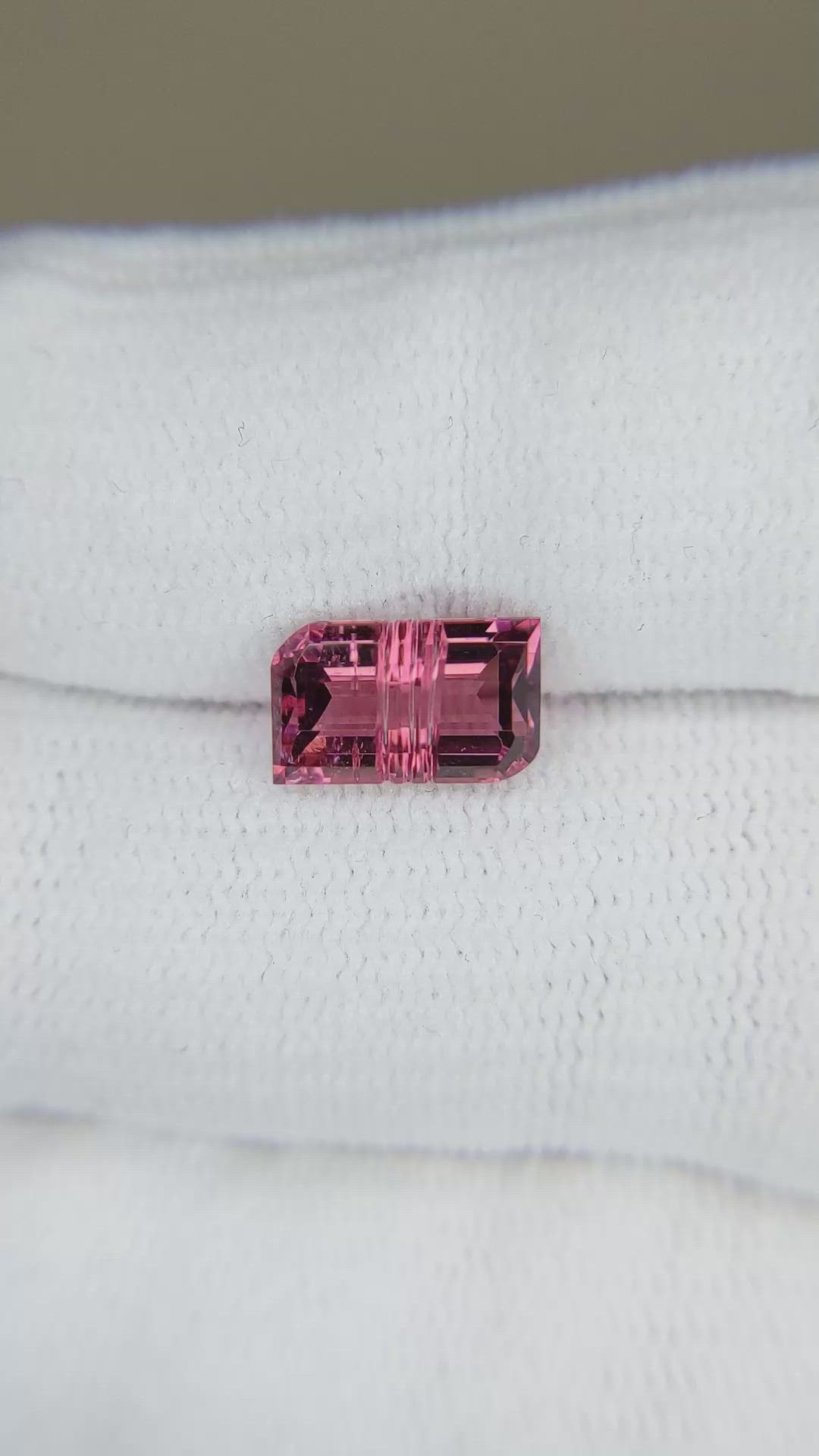
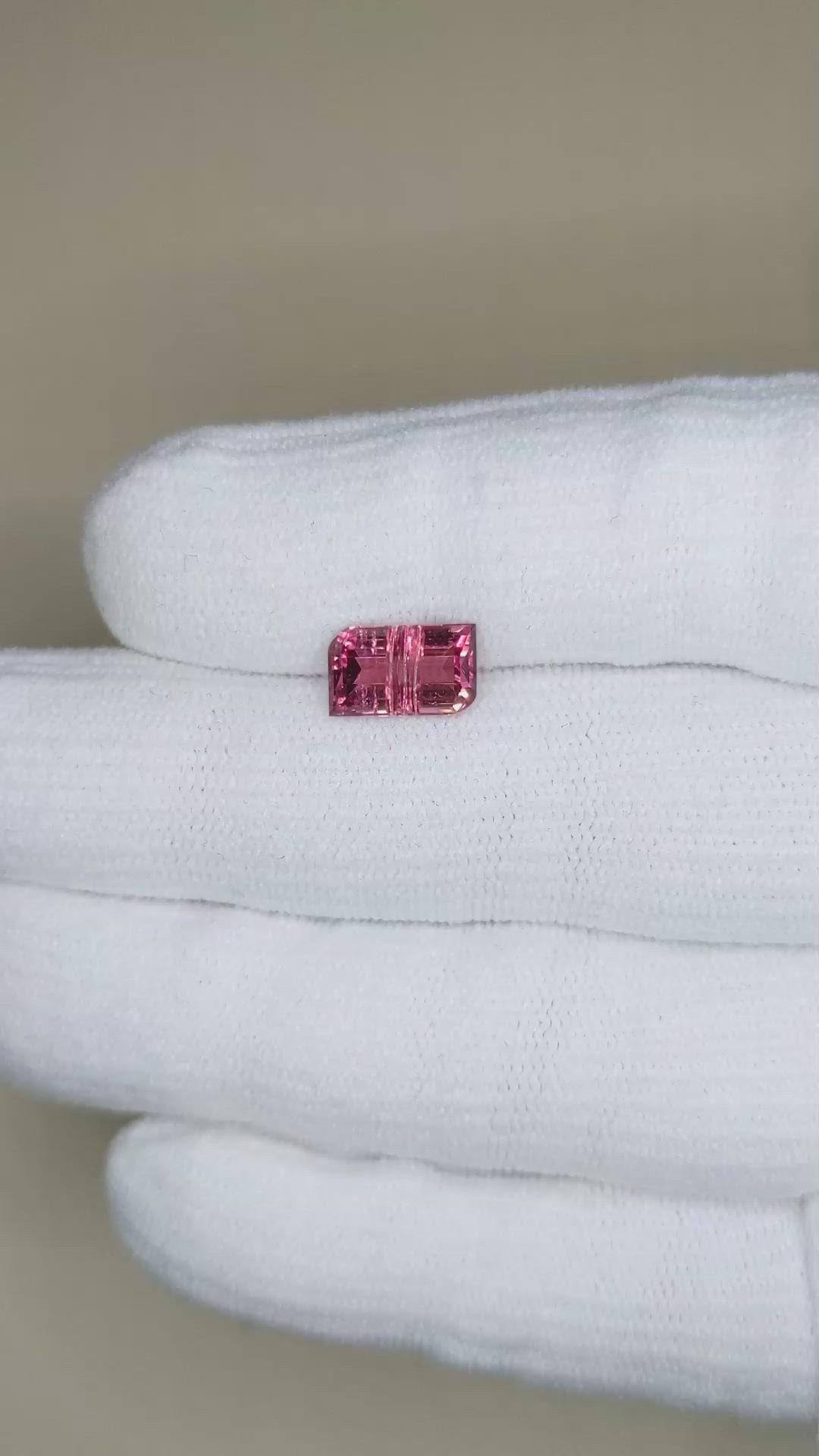
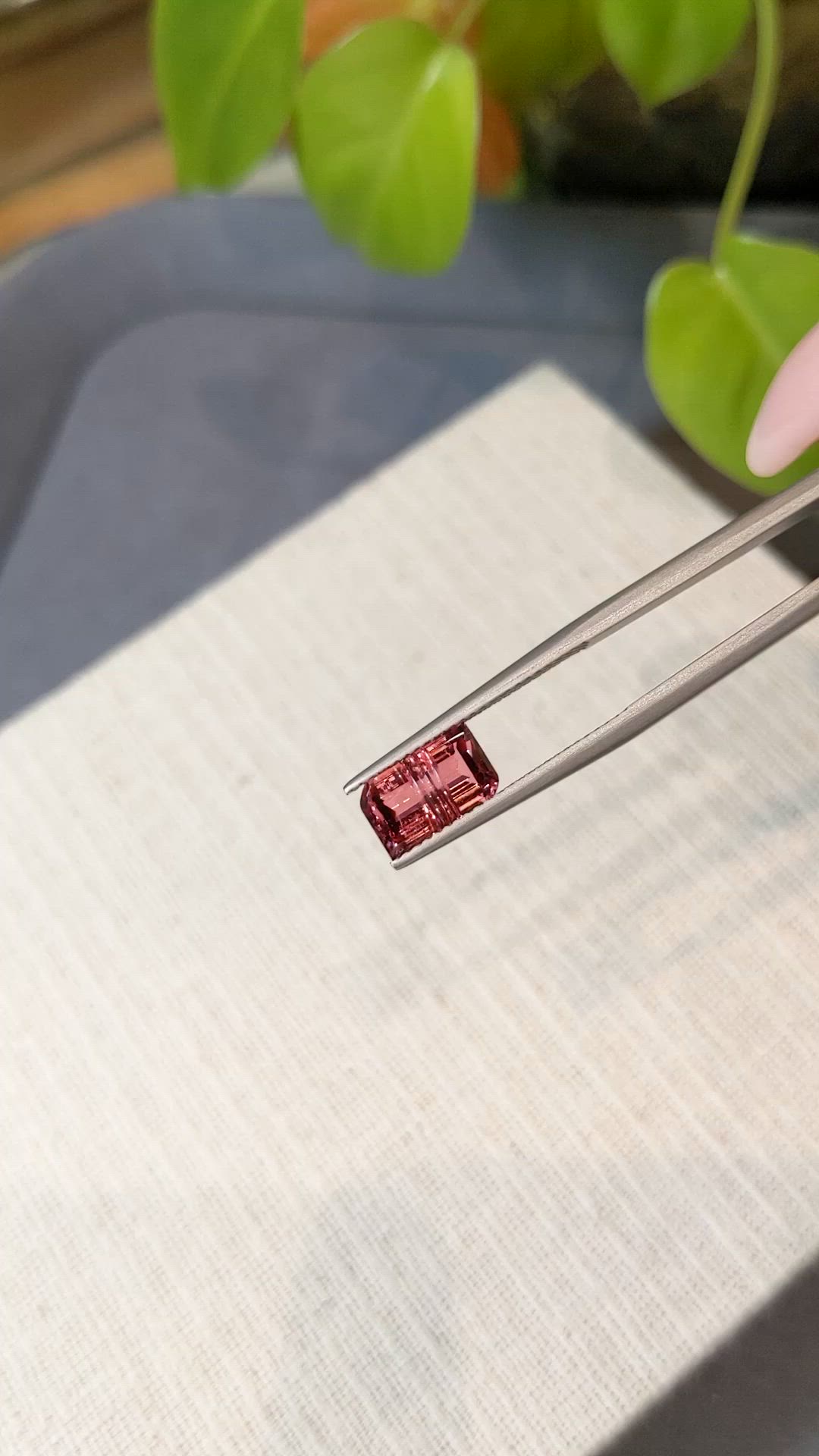
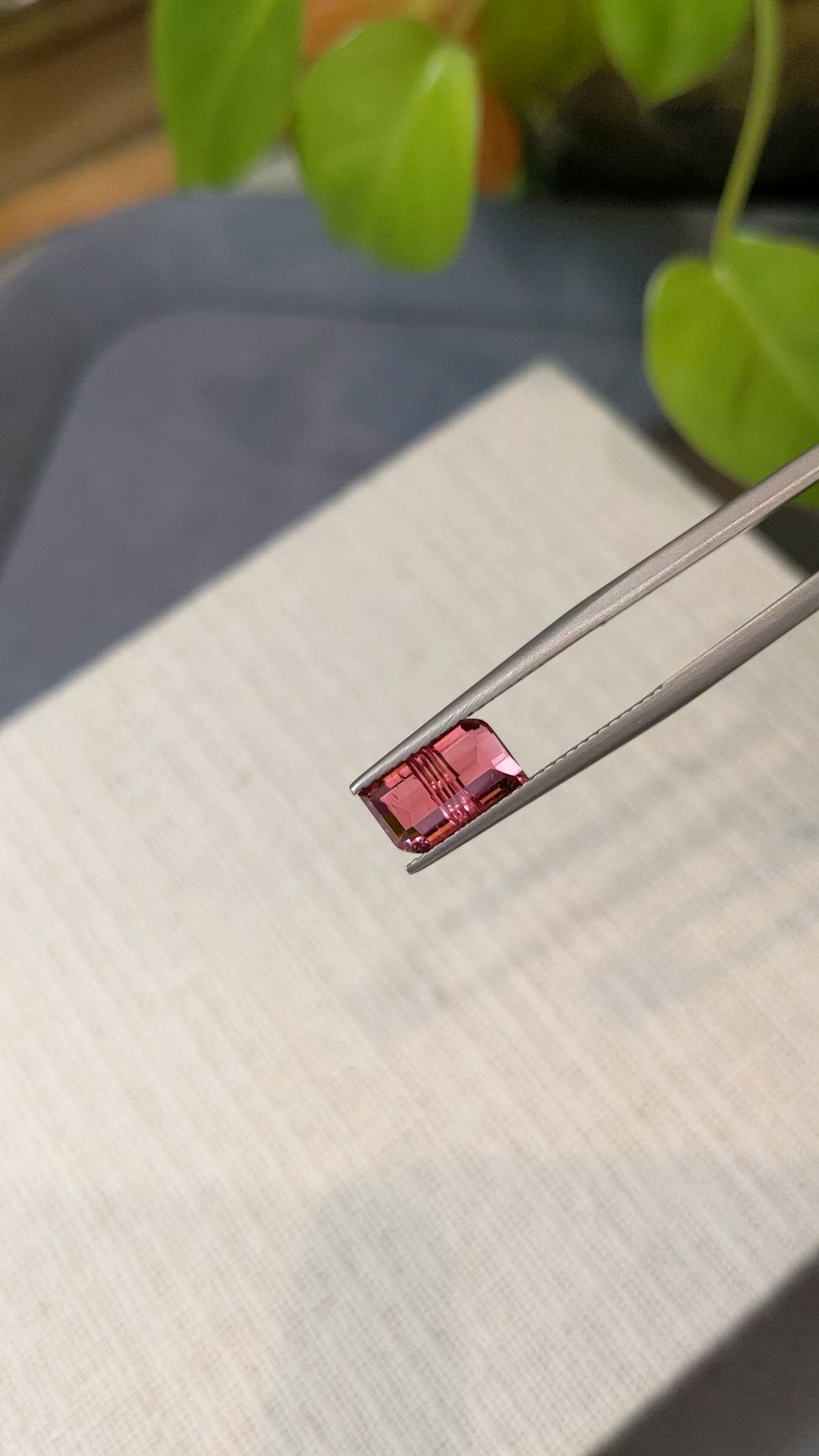
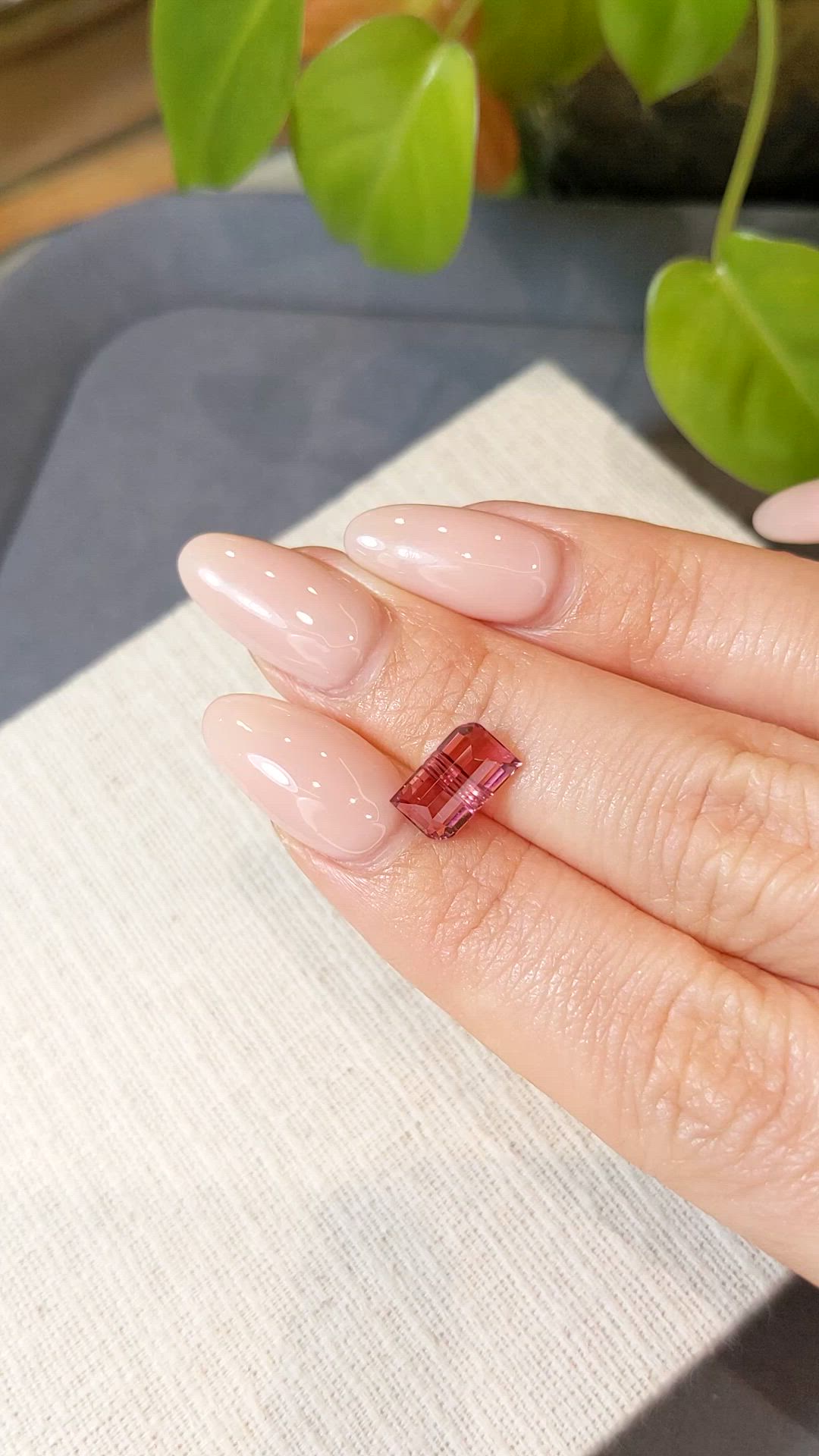


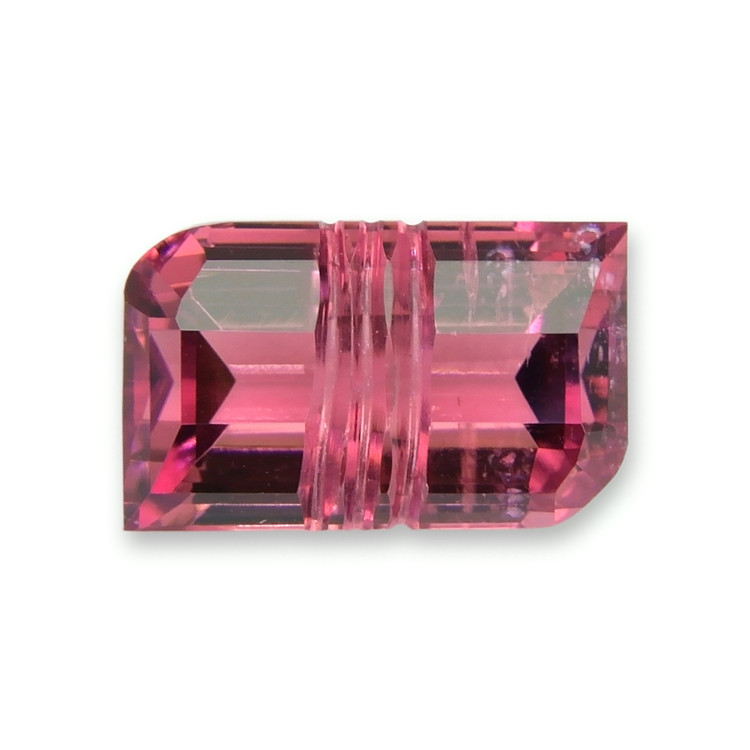


2.04 Ct. Redddish Pink Rubellite Tourmaline from Mozambique
This loose stone is available to ship now
Item ID: | K23454 |
|---|---|
Dimensions (MM): help | Length: 9.68 Width: 5.93 Height: 4.22 |
Weight: | 2.04 Ct. |
Color: help | Redddish Pink |
Color intensity: help | Intense |
Clarity: help | Very Slightly Included |
Shape: help | Fancy |
Cut: | Carving |
Cutting style: | Carving |
Enhancements: help | Heat Treated |
Origin: help | Mozambique |
Per carat price: help | $400 |
This ruby red to pink rubellite tourmaline offered by The Natural Gemstone Company is a finely executed example of colored stone craftsmanship, weighing 2.04 carats, with precise dimensions of 9.68 by 5.93 by 4.22 millimeters, presented in a fancy elongated shape with a carving cut. The gem displays a transparent body and an intense color intensity that reads as a vivid reddish pink in face up viewing, with subtle directional color shifts that are characteristic of rubellite. Clarity is graded as very slightly included when evaluated at eye level, which means the stone maintains strong visual purity while retaining natural inclusions that confirm its identity and origin. The material is heat treated to enhance color saturation, a stable and commonly accepted enhancement for tourmaline, and it is sourced from Mozambique, a locality known for producing richly colored rubellites with clean crystals that respond well to precise faceting and subsequent heat enhancement.
The cutting and faceting geometry is the defining feature of this piece, the carving cut combining planar facet arrays with carved linear channels across the girdle plane, producing a controlled series of parallel reflections. The cutter has utilized a combination of step style facets along the pavilion and crown, together with carefully executed bevels at the terminations of the fancy shape, to create a sequence of planar mirrors that channel light longitudinally. This geometry optimizes the interplay between internal reflection and surface refraction, effectively increasing apparent color saturation while generating bright flashes of light along the stone axis. The overall depth ratio of the stone is approximately 54 percent when referenced to the mean of length and width, a proportion chosen to balance color return against maximum brilliance, and to permit the carved channels to operate as optical conduits rather than light traps. Facet junctions are precise, evidence of skilled lapidary control, and the symmetry of repeated facet planes ensures that scintillation is even and lively across the table and pavilion reflections.
From an optical and material science perspective, the stone exhibits the diagnostic behaviors expected of tourmaline, with pronounced pleochroism that can present as richer red tones on one axis and purer pink tones on the orthogonal axis. The cutter has oriented the stone to optimize face up color, aligning the table and crown facets to favor the axis that produces the most desirable hue and saturation. Tourmaline family refractive properties, with a refractive index appropriate to elbaite type rubellite, interact with the chosen facet angles to determine the critical angles for total internal reflection, and the geometric faceting here has been calculated to maximize the proportion of light returned to the viewer. Birefringence in tourmaline contributes subtle doubling of facet images when observed under high magnification, and in this specimen the effect is controlled and contributes to a sense of internal depth rather than distracting doubling. The excellent polish on all facet planes minimizes light scatter, enhancing both brilliance and the perceived clarity of the stone, while the carving lines are polished sufficiently to act as bright reflective channels without causing undue light leakage.
Practical considerations for setting and appreciation are informed by the stone geometry and its optical behavior. The elongated fancy shape with carved midline suggests settings that protect the carved channels, such as a bezel or a custom gallery that secures the girdle while preserving the long axis exposure. When set, the orientation should mirror the cutter s intention, with the long axis aligned with the finger or pendant profile to showcase the linear play of light, and to allow the pleochroic shift to be read properly as the piece moves. Metal choice will influence the perceived warmth of the color, with warm tones in 18k yellow or rose gold complementing the reddish pink saturation, while white metals will emphasize the gem s brightness and contrast. As with all premium colored gemstones, routine care should avoid sudden thermal shocks and exposure to harsh chemicals, and standard professional cleaning will keep the facet junctions and carved channels bright. This rubellite from Mozambique, with its intense color, precise carving cut, very slightly included clarity at eye level, and excellent polish, represents the type of collectible gem that appeals to connoisseurs and designers alike, and The Natural Gemstone Company is pleased to present it as a study in how geometric faceting can be used to maximize light play and color performance in a premium tourmaline.


