
- Stone11
- Reports2
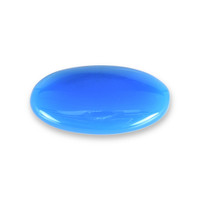
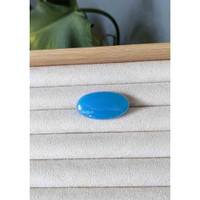
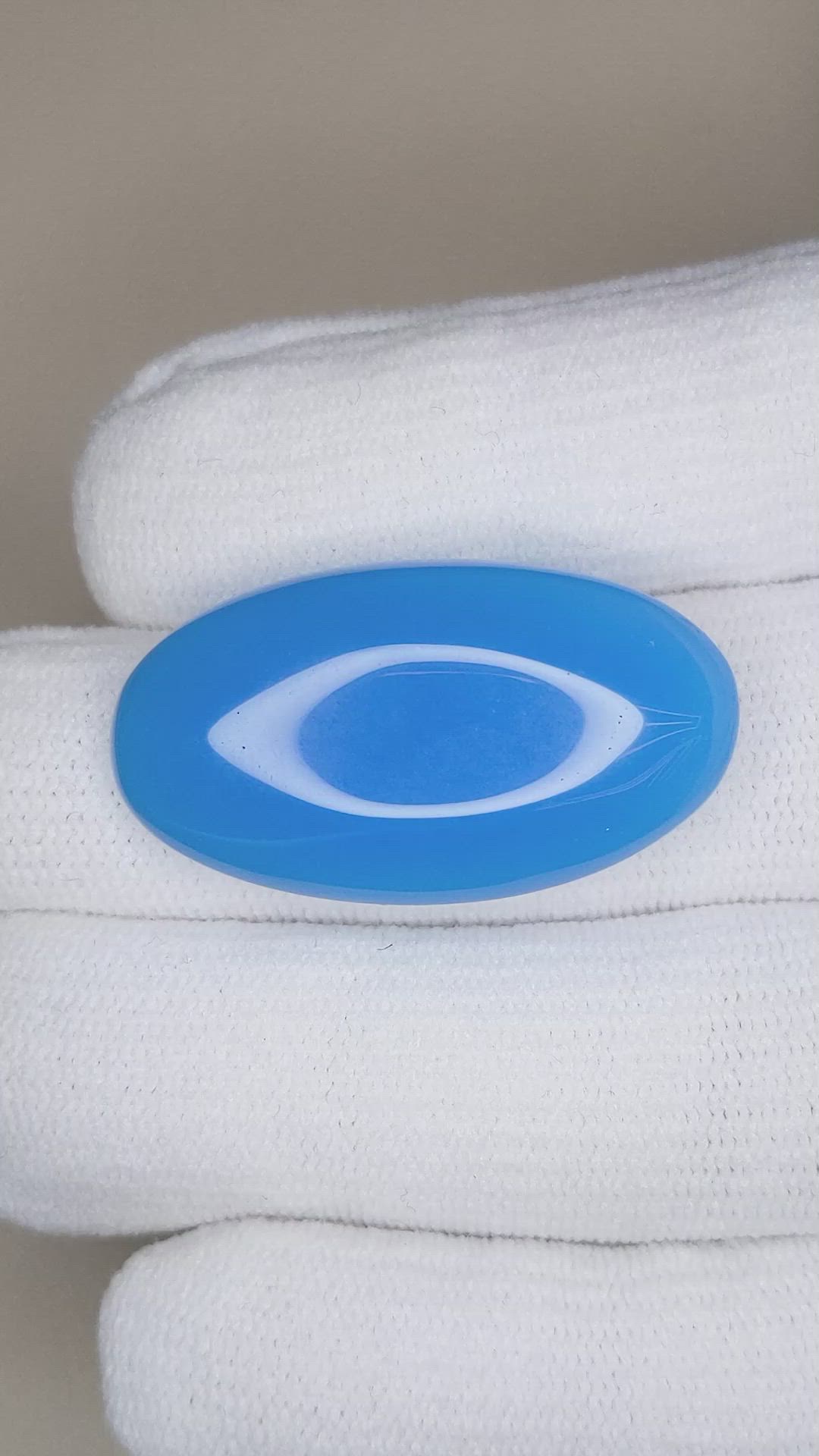
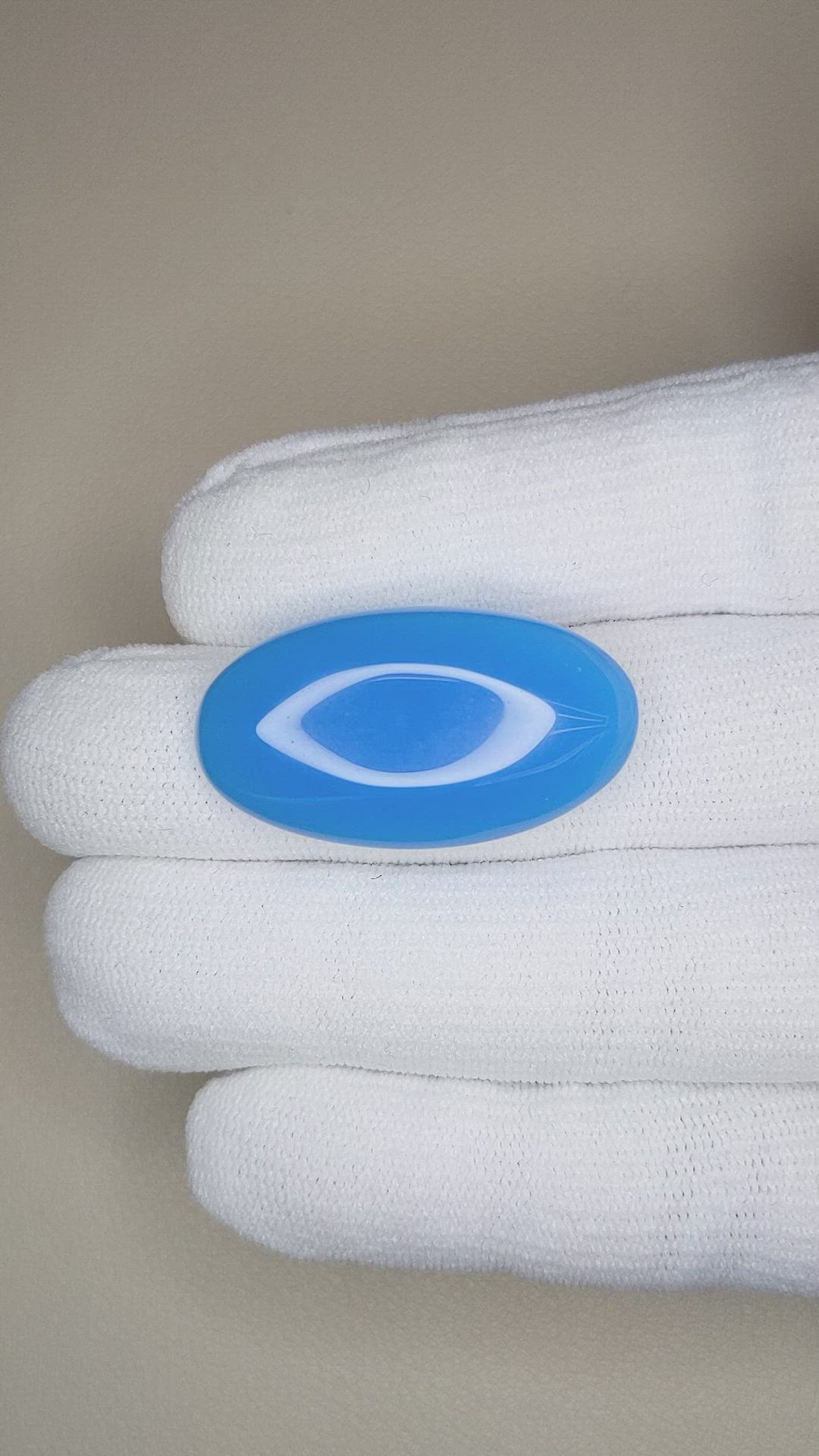
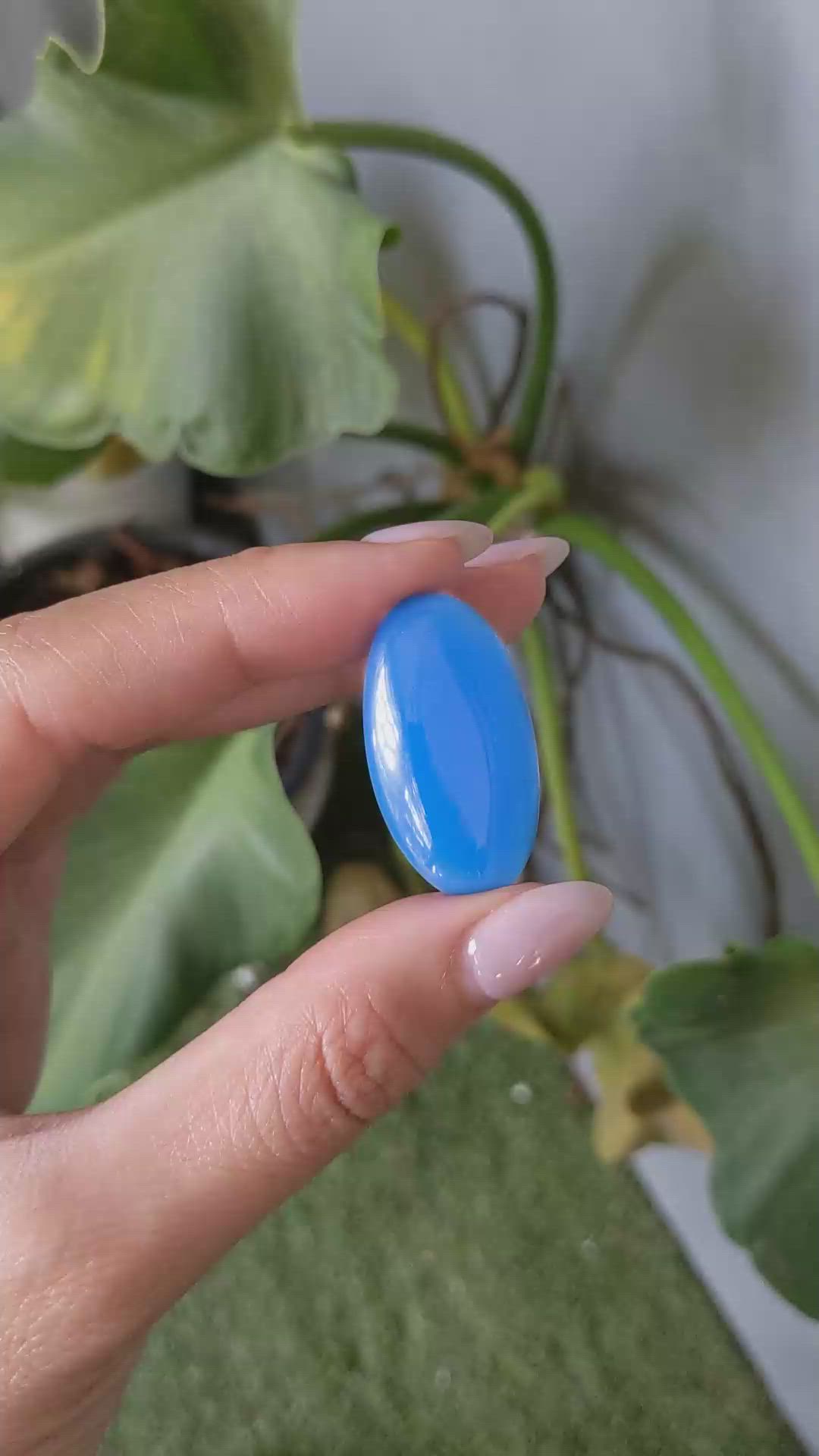
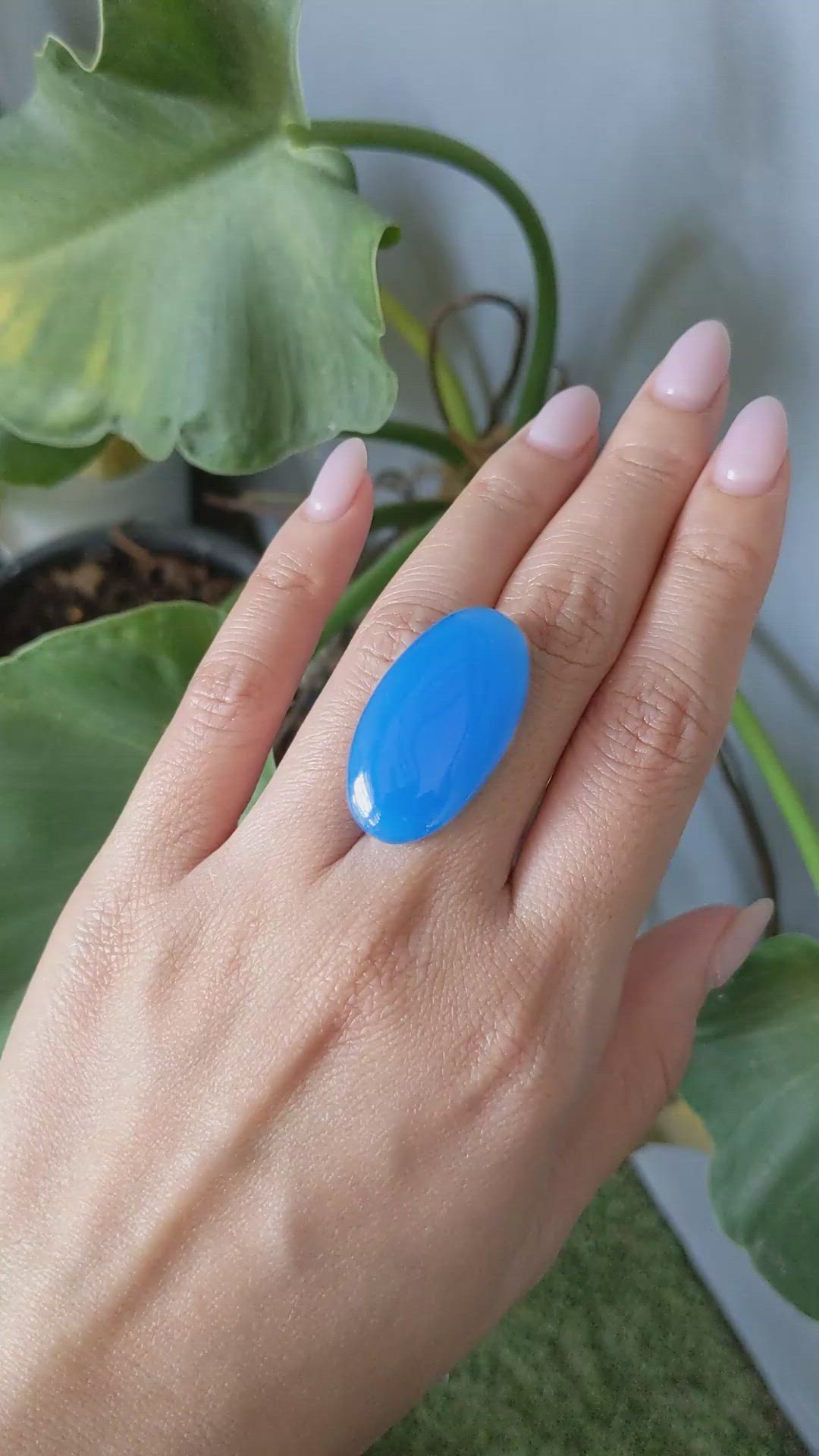


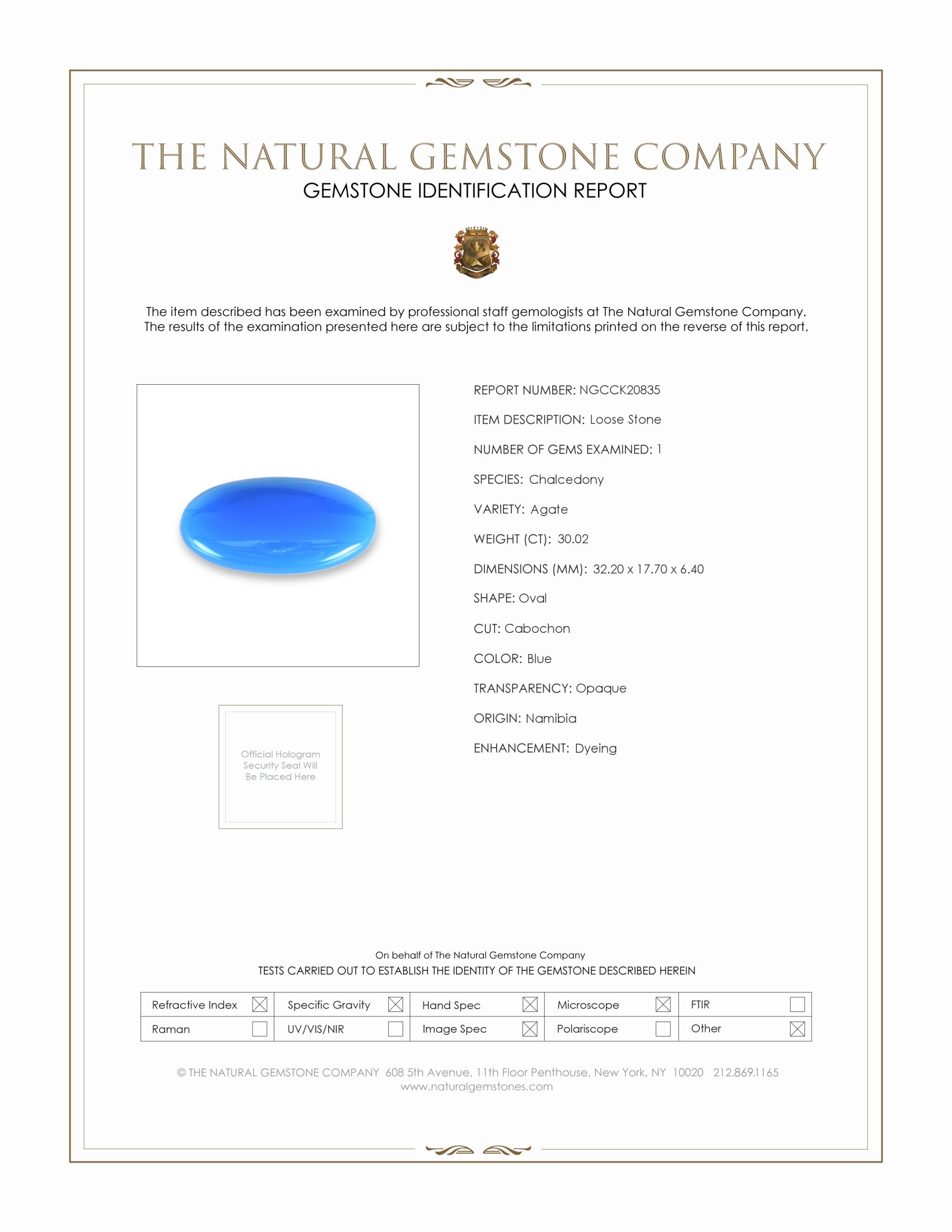
30.02 Ct. Cabochon Agate from Namibia
This loose stone is available to ship now
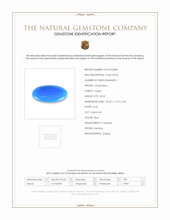
Item ID: | K20835 |
|---|---|
Dimensions (MM): help | Length: 32.2 Width: 17.7 Height: 6.4 |
Weight: | 30.02 Ct. |
Color: help | Blue |
Color intensity: help | Intense |
Clarity: help | Not Applicable |
Shape: help | Oval |
Cut: | Cabochon |
Cutting style: | Cabochon |
Enhancements: help | Dyeing |
Origin: help | Namibia |
Per carat price: help | $4 |
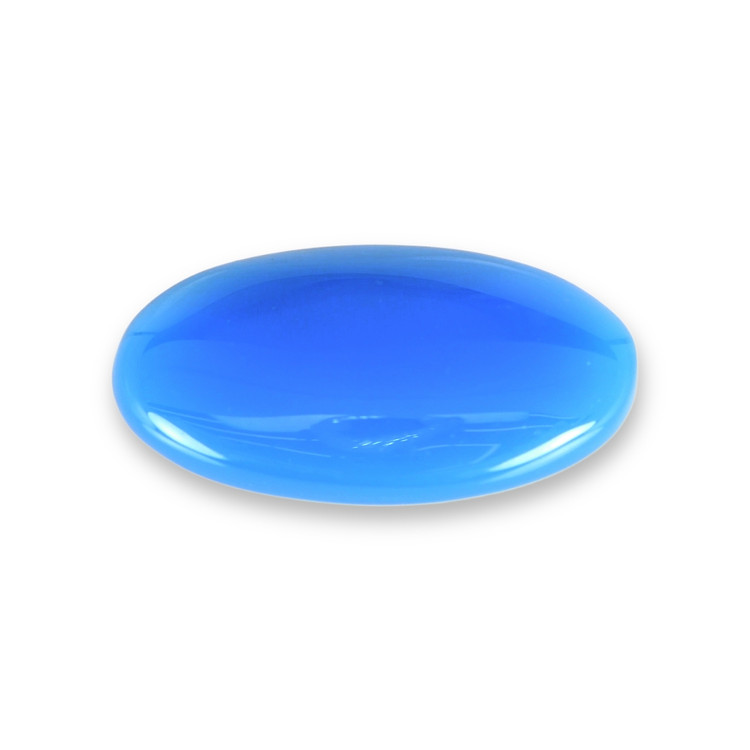
Imagine holding a memory in your hand, a calm, deep blue that feels like a promise. This is a beautiful opaque 30.02 carat oval blue agate from Namibia, a stone shaped to comfort and to captivate. Measuring 32.20 x 17.70 x 6.40 mm, its cabochon cut smooths every edge into a gentle silhouette, while its intense color intensity invites the eye to linger. The excellent polish catches light with a soft mirror like sheen, offering a quiet glow rather than a sharp fire, making it perfect for those who seek elegance without ostentation. Enhanced by dyeing to amplify its oceanic hue, every curve of this gem seems to hold a memory waiting to be given, a secret to share. At The Natural Gemstone Company we cherish the stories stones can tell, and this Namibian blue agate speaks of calm evenings, treasured conversations, and the simple joy of a perfect gift.
The cabochon surface is where this agate truly sings, because its reflective qualities come from a deep, satiny luster that feels warm and familiar. Unlike faceted stones that scatter light into bright flashes, this piece offers a continuous, velvety reflection that travels across its domed surface, revealing subtle shifts in tone as you move it under light. The dyeing has been applied with respect for the stone, preserving natural banding suggestions and texture while elevating the overall saturation to a heartfelt blue that feels alive. Thanks to the excellent polish, the surface mirrors soft ambient light beautifully, creating a soulful glow rather than a clinical sparkle. In hand it is soothing, like holding a calm sea, and when set into a ring or pendant it will draw the viewer in with its serene, reflective presence.
Compared to other gemstones in its category, this agate offers a different kind of brilliance that speaks to emotion more than spectacle. Many agates and chalcedony family stones show banding and translucency that catch and diffuse light, producing internal depth and subtle chatoyancy. This opaque blue agate, however, relies on surface reflection and intense, even color to create its visual appeal. Against more translucent chalcedonies, it reads as more saturated and grounding, a confident statement rather than a whisper. Compared to jasper or opaque onyx which often display a more matte or earthy sheen, this Namibian agate stands out for its high polish and the silky way it returns light. Where faceted gemstones like sapphire or topaz dazzle with scintillation and sparkle, this agate rewards the beholder with steady, contemplative radiance, a reflective quality that invites long looks and tender associations rather than quick admiration. The result is a gemstone that feels intimate and timeless, perfect for moments when feeling is more important than flash.
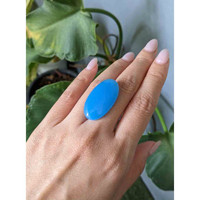
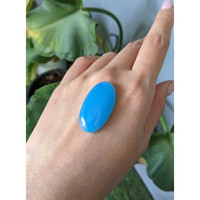
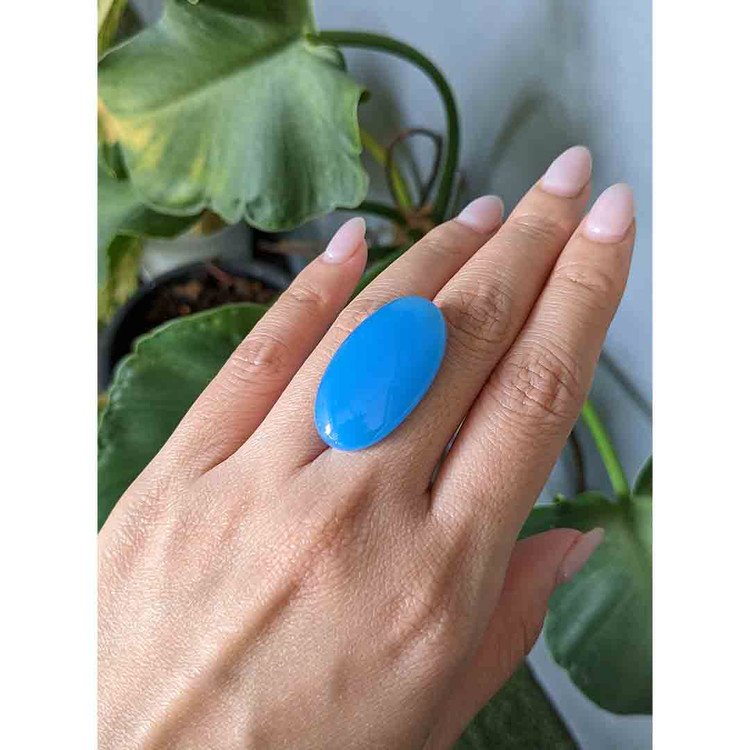
Envision this stone set into a piece that marks a milestone, a gift that will be touched and admired for years. The oval shape and substantial 30.02 carat weight give it presence, while the dimensions 32.20 x 17.70 x 6.40 mm make it versatile enough for a central ring stone or a striking pendant. The cabochon cut and excellent polish ensure it will reflect the softest of candlelight and the brightest of sunrises with equal grace, and the dyeing enhancement guarantees a color that endures in memory. At The Natural Gemstone Company we place value on the emotions a gemstone can evoke, and this blue agate is a vessel for joy, love, and quiet celebration. Choose it to commemorate a promise, to honor a loved one, or simply to treat yourself to something that will bring a warm smile every time it catches the light.


