
- Stone17
- Reports3


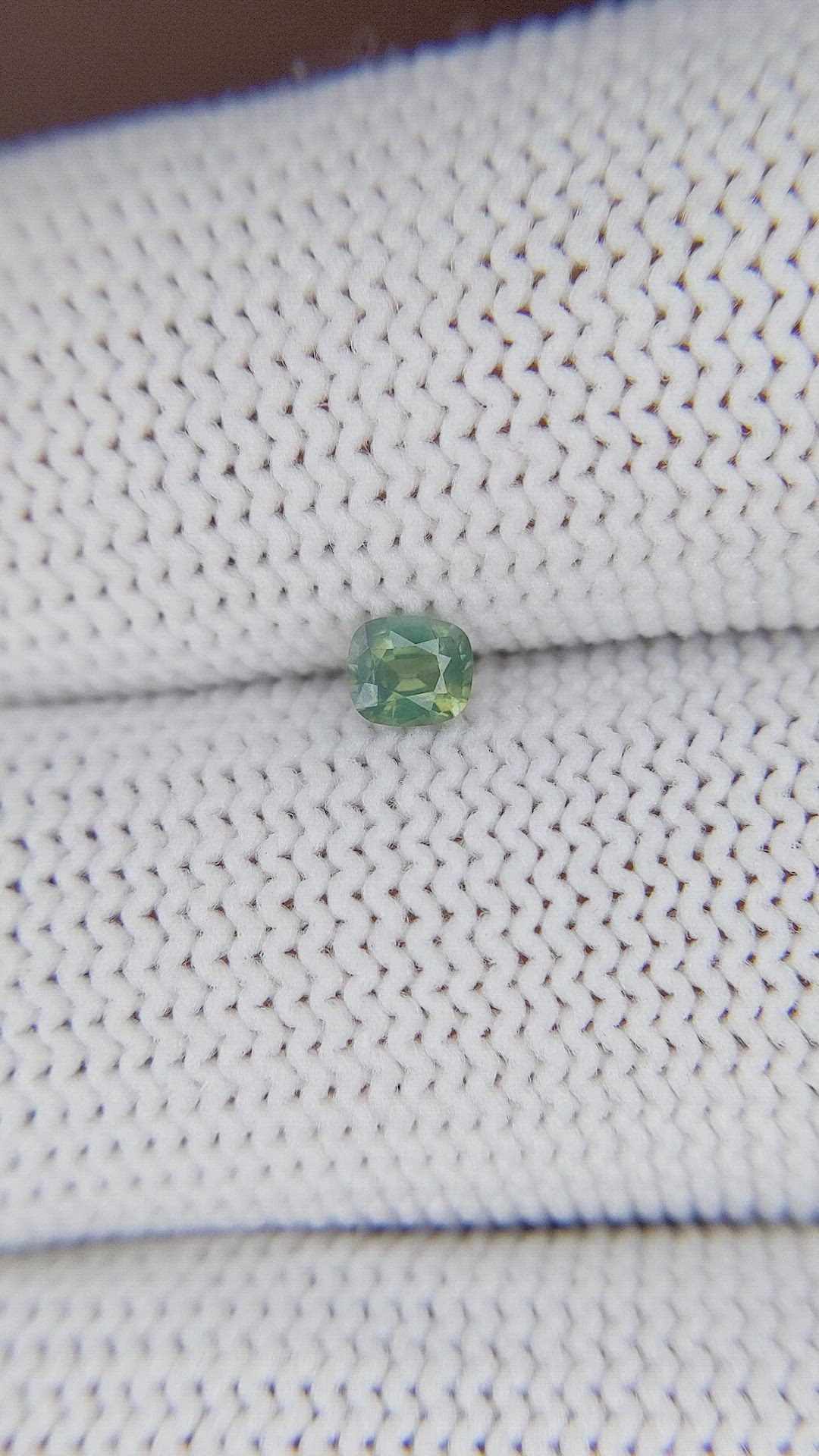
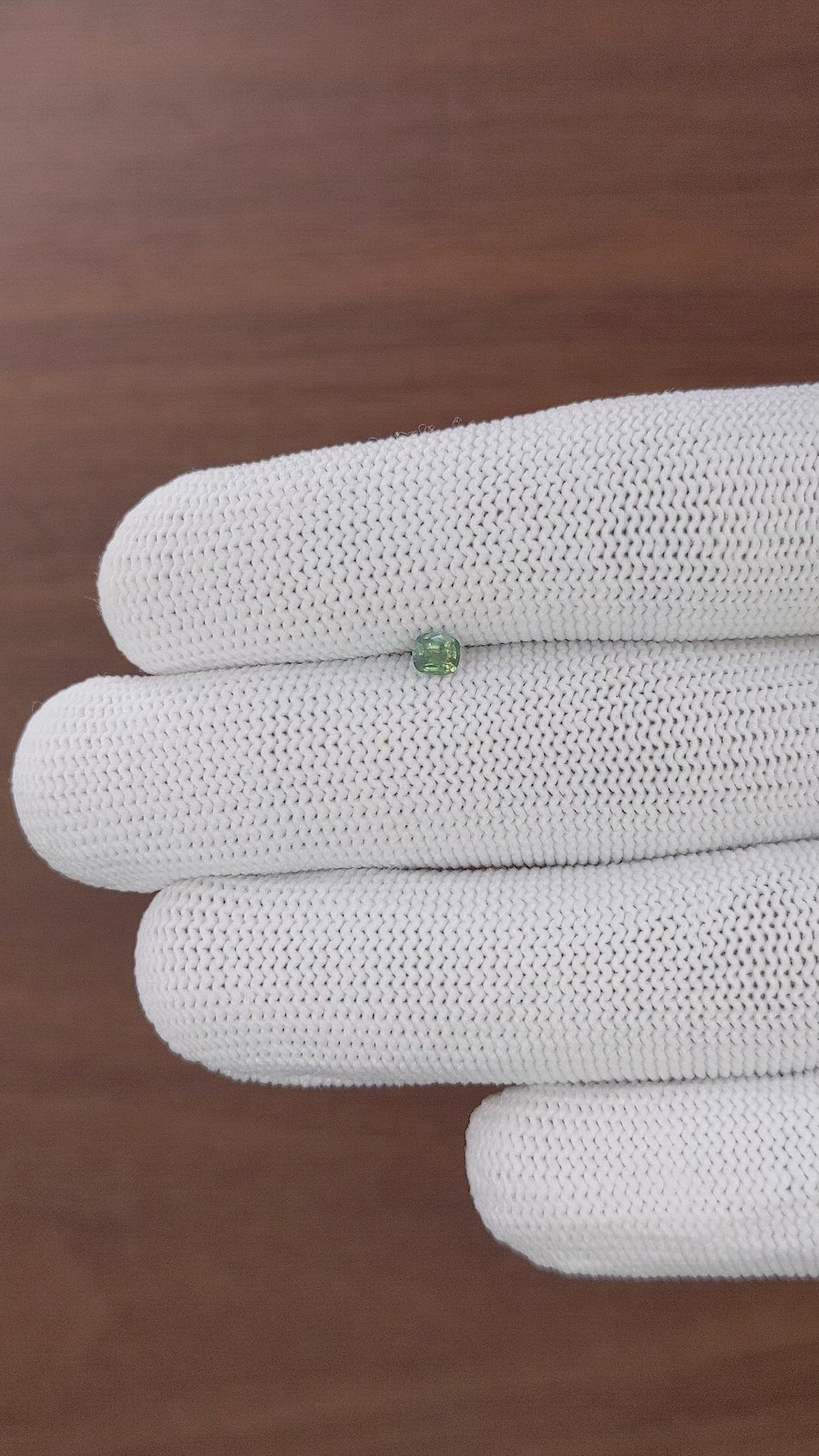
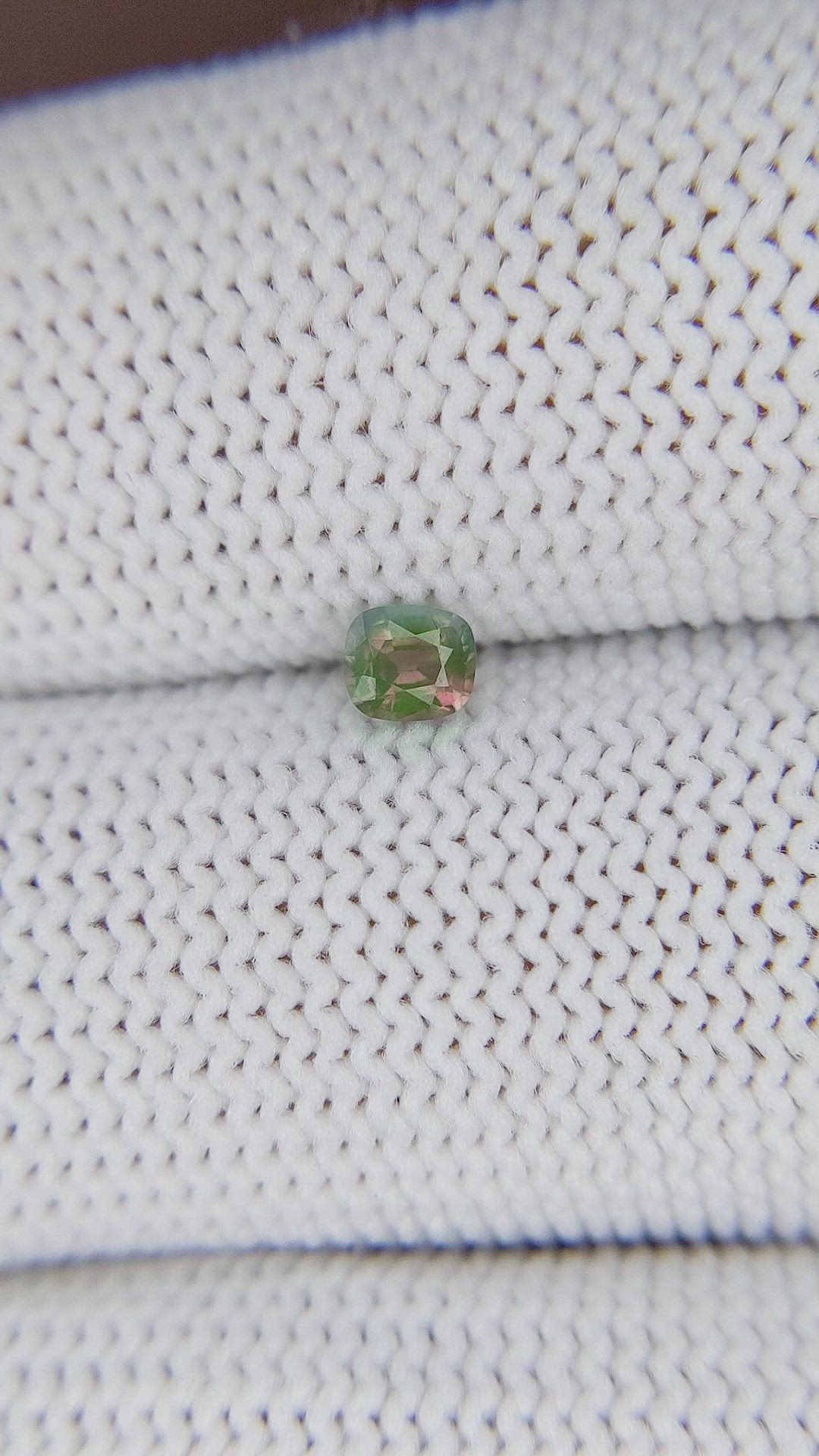
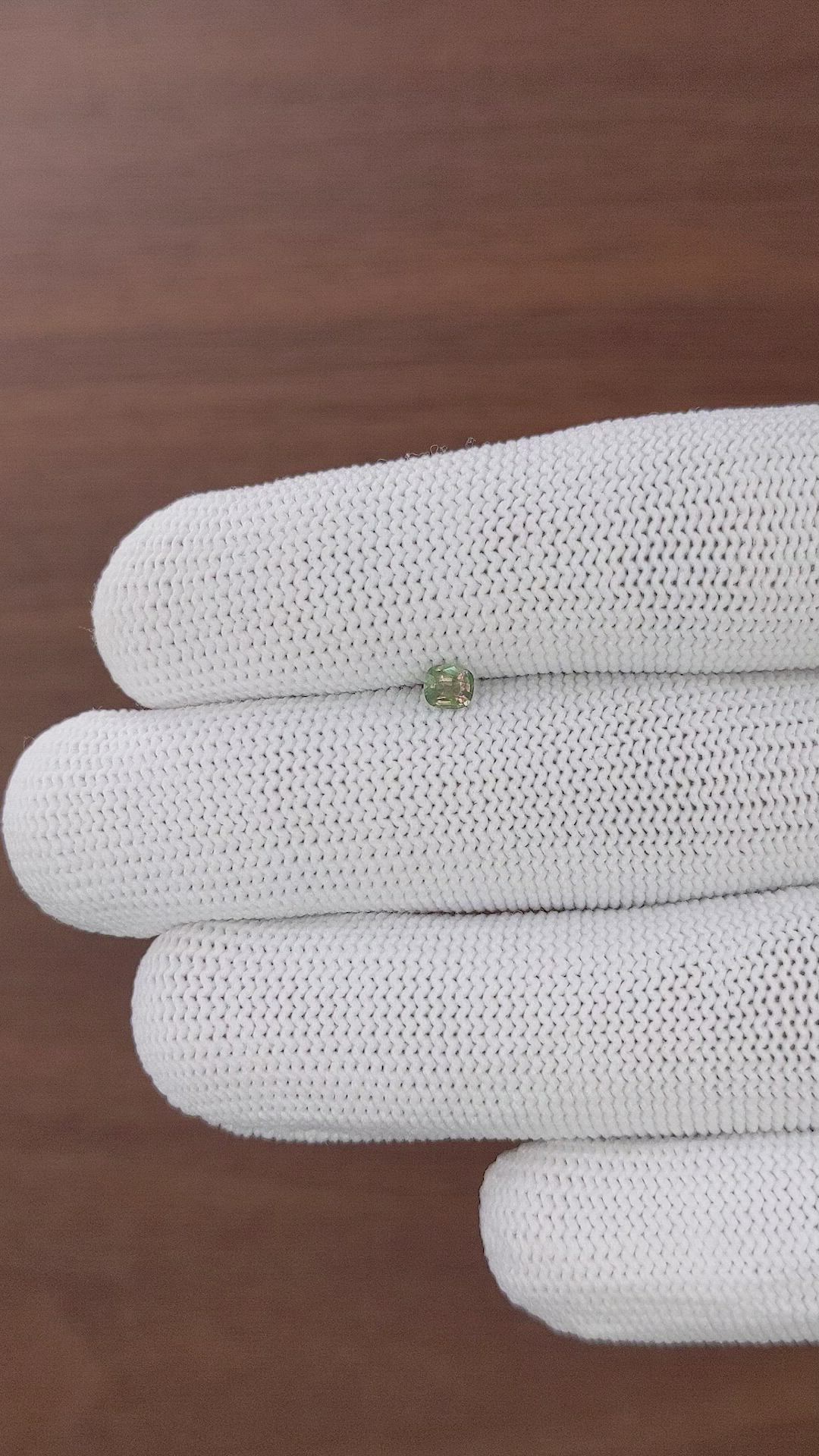
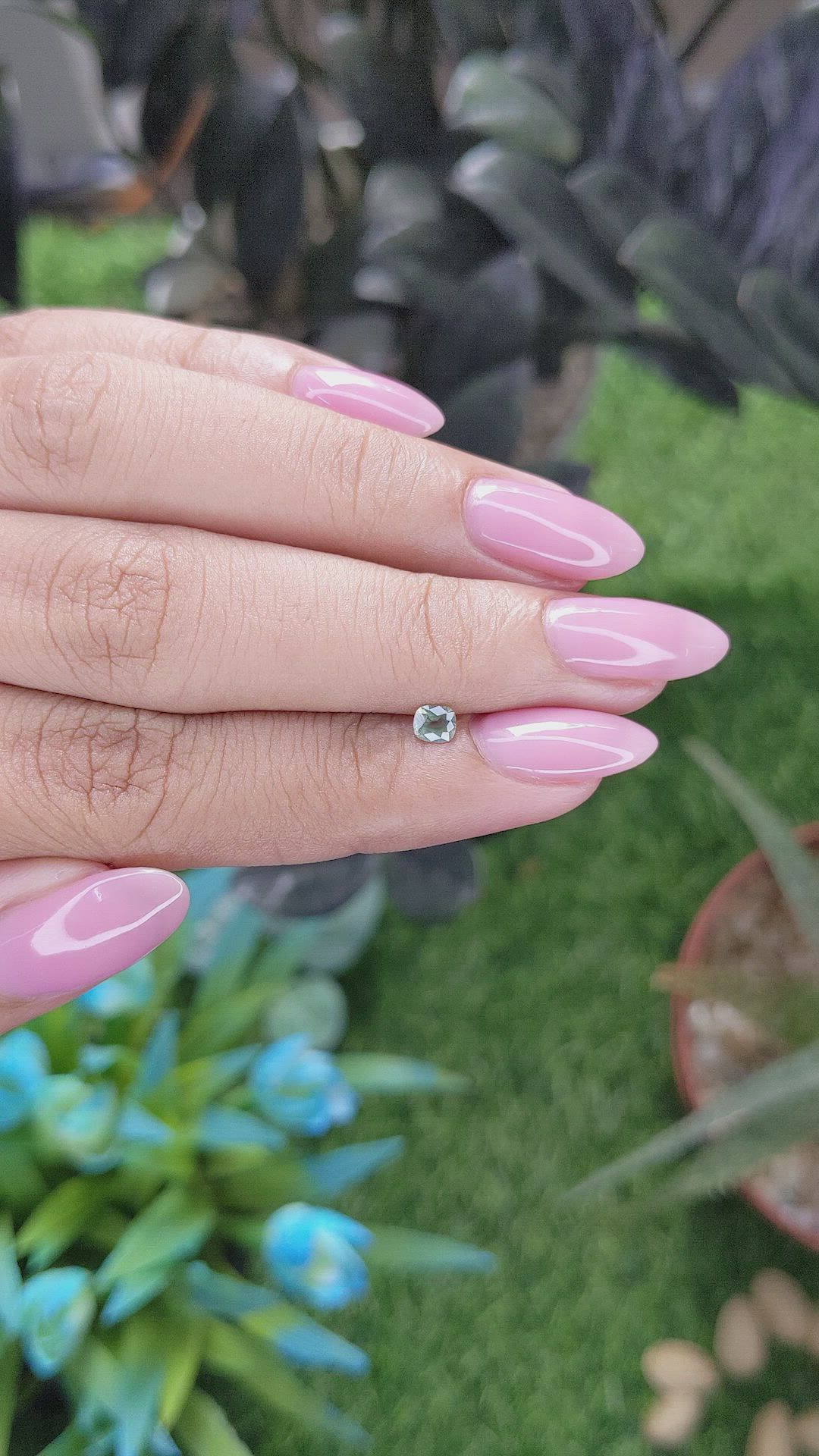
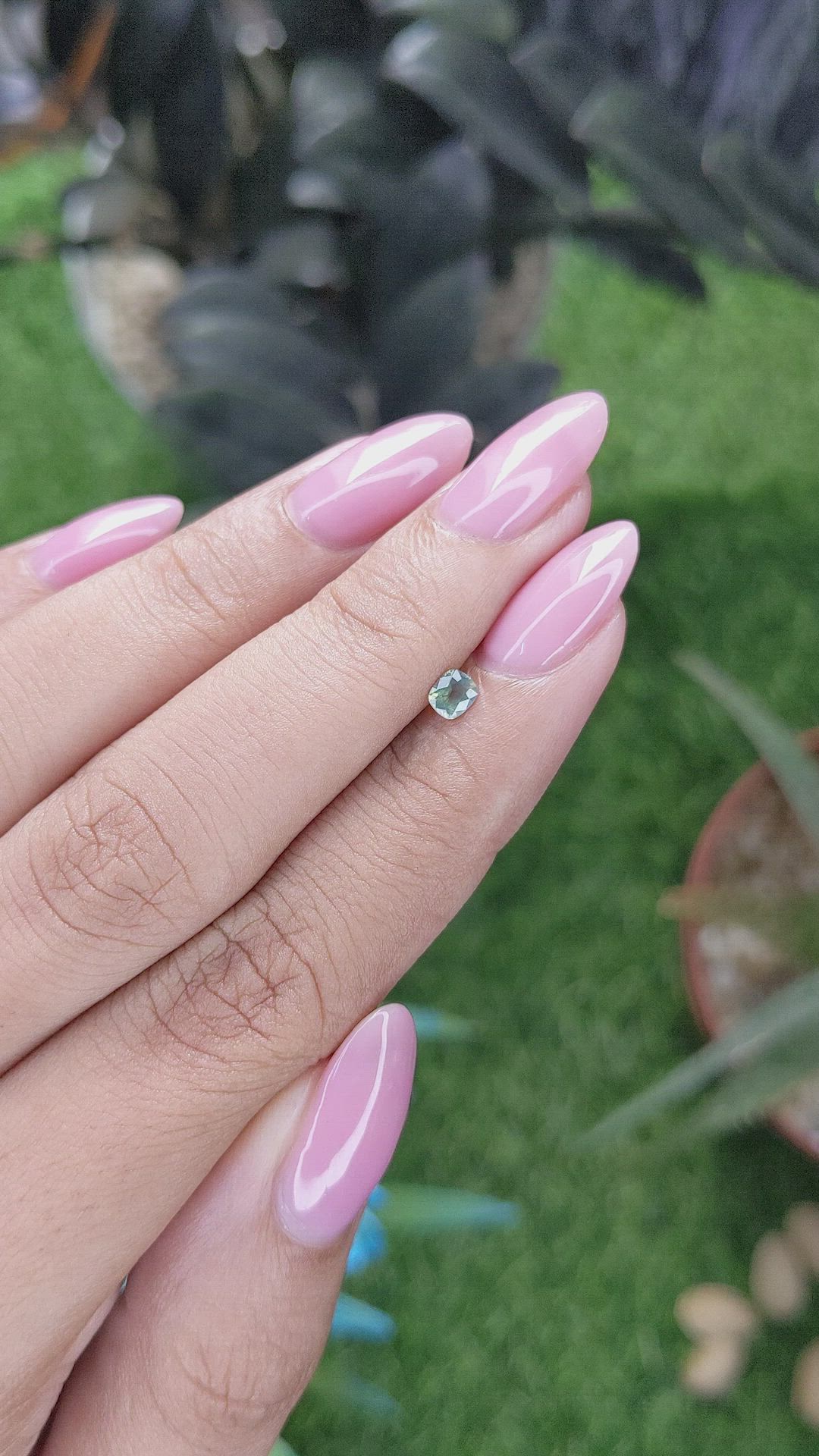
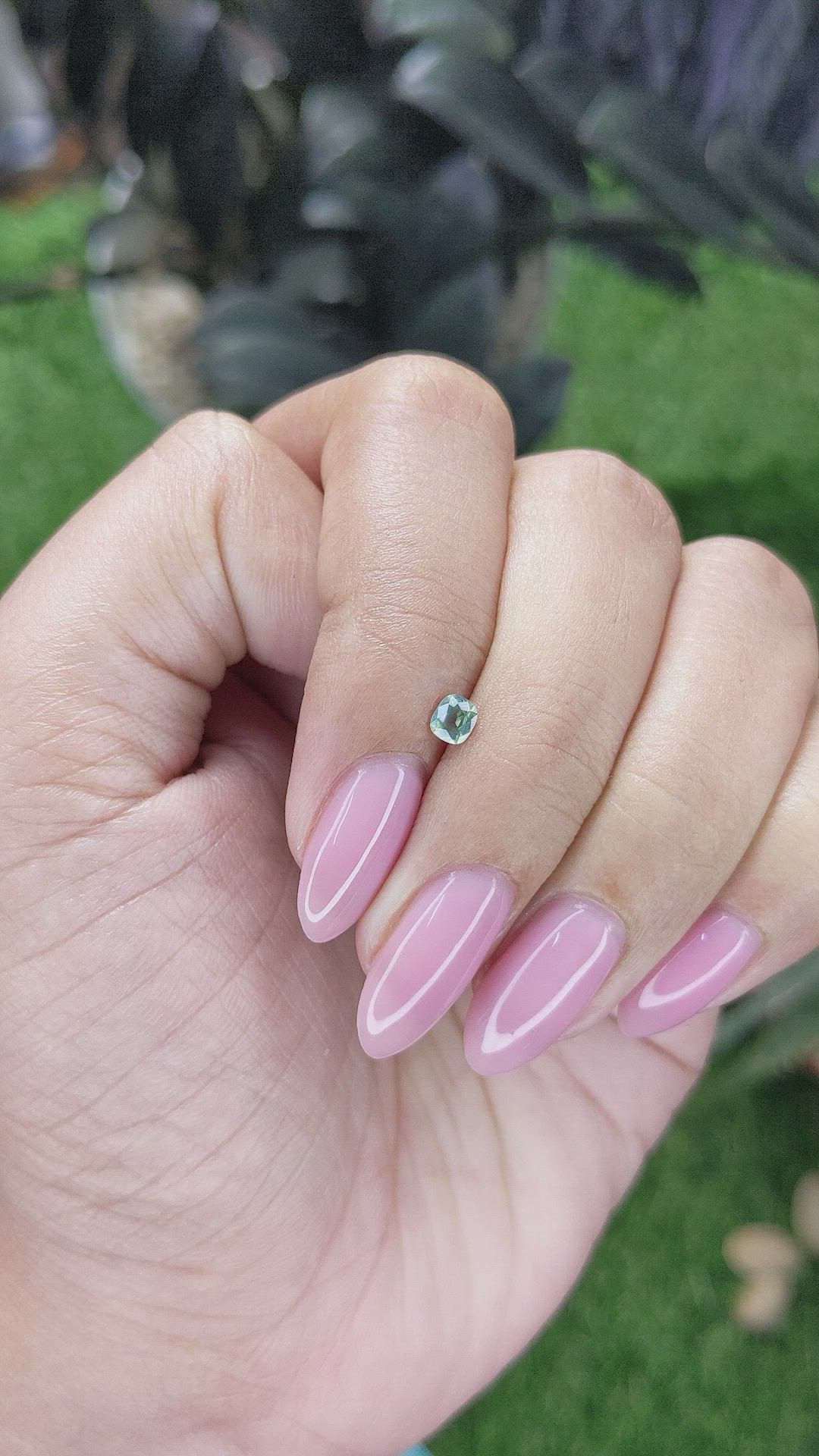


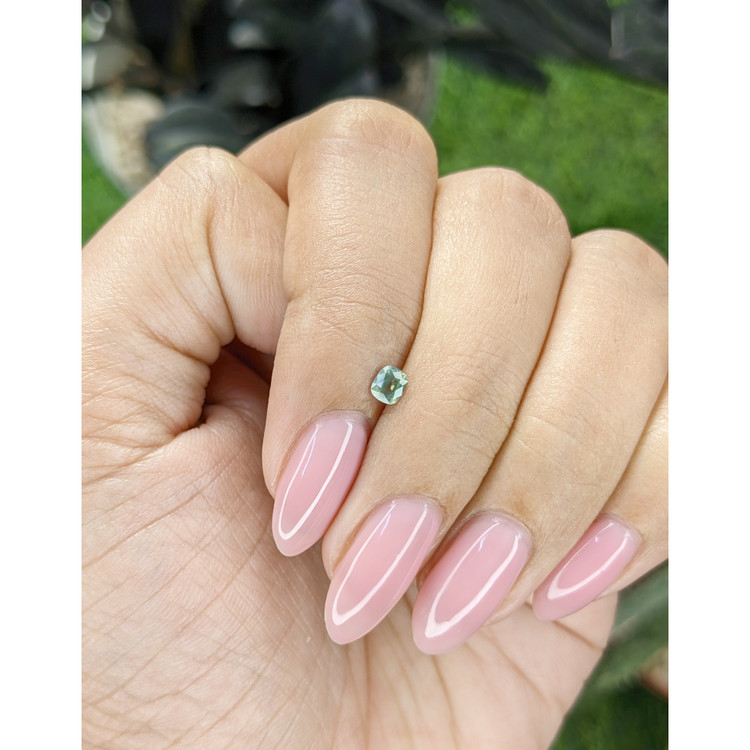




0.20 Ct. Alexandrite from Tanzania
This loose stone ships by Jul 12
Item ID: | K25723 |
|---|---|
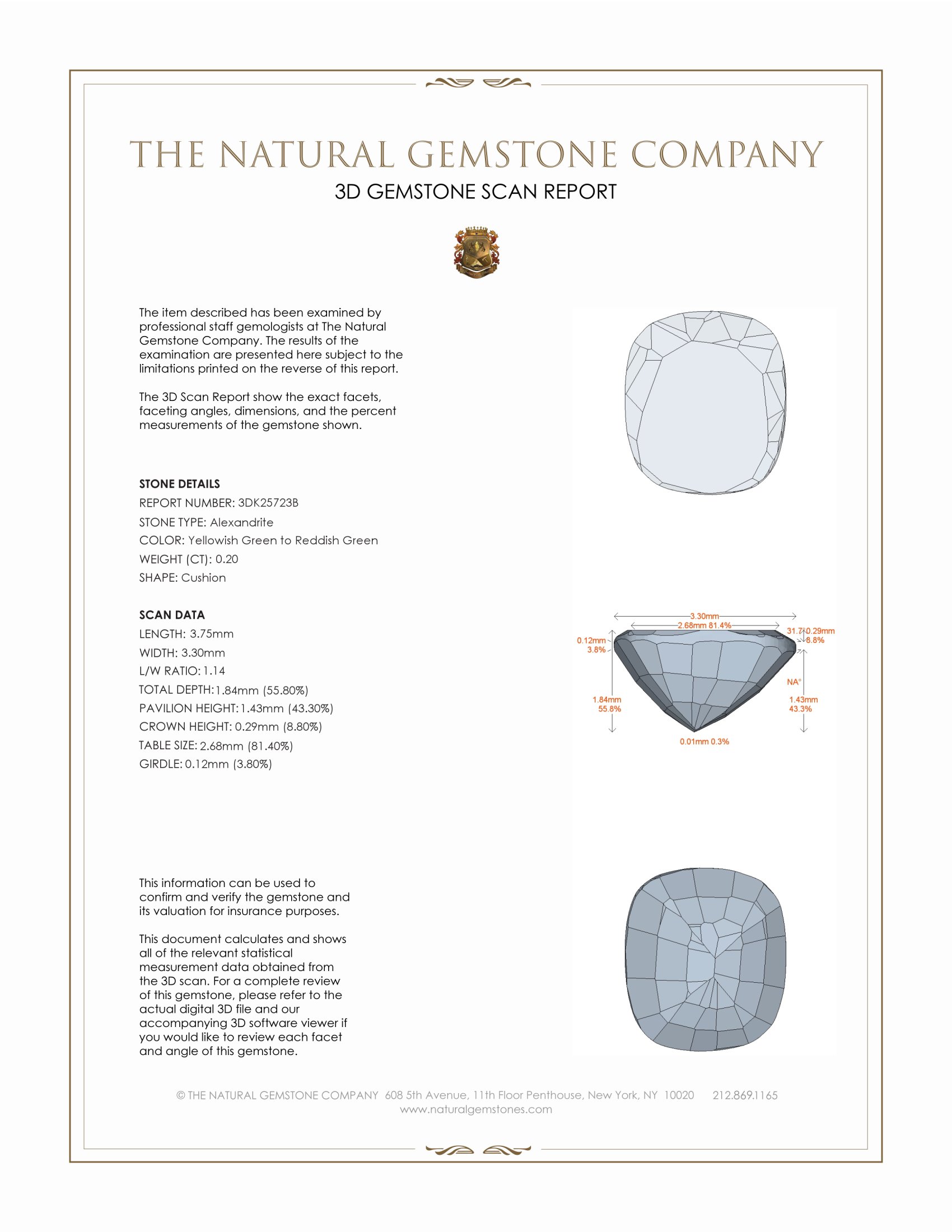
Dimensions (MM): help | Length: 3.75 Width: 3.3 Height: 1.84 |
Weight: | 0.20 Ct. |
Color: help | Yellowish Green to Reddish Green |
Color intensity: help | Medium |
Clarity: help | Slightly Included |
Shape: help | Cushion |
Cut: | Mixed Brilliant Cut |
Cutting style: | Faceted |
Enhancements: help | No Enhancement |
Origin: help | Tanzania |
Per carat price: help | $1,700 |
This transparent 0.20 carat cushion shape alexandrite from Tanzania measures 3.75 by 3.30 by 1.84 mm, and presents a finely executed mixed brilliant cut that unites the scintillation of a brilliant facet pattern with the color retention properties of controlled pavilion faceting. The mixed brilliant configuration features a well proportioned crown with numerous small kite and star facets that promote strong brilliance, while the pavilion uses elongated facets to optimize light return and to deepen apparent color when viewed face up. The gem displays a yellowish green to reddish green color change effect that is characteristic of chromium bearing chrysoberyl, with medium color intensity that is uniform across the table and crown facets. Clarity was evaluated at eye level and given a slightly included grade, meaning inclusions are present but do not dominate the visual experience, and in this specimen they act subtly to enhance internal life rather than to interrupt light transmission. The polish is excellent, indicating skilled lapidary work with sharp facet junctions and minimal surface abrasion, and the stone has not been subjected to any enhancement, retaining its natural condition as sourced by The Natural Gemstone Company.
From a gemological and craftsmanship perspective this alexandrite is notable for the way its mixed brilliant cutting strategy has been tuned to its modest dimensions, creating an optical balance between fire and color change. The cushion outline allows for a slightly larger face up appearance relative to weight, and the cutter has maintained pavilion depth and crown height within ratios that favor color saturation without sacrificing return. Facet symmetry is precise for a one fifth carat piece, corners are well rounded to maintain the cushion silhouette, and the girdle shows even thickness that will facilitate secure setting in both bezel and prong designs. The presence of slight inclusions suggests natural growth features typical of material from its Tanzanian provenance, often silk like needles or pinpoint crystals, and these internal characteristics confirm the stone s natural origin when coupled with the absence of heating or other enhancements. The gem belongs to the chrysoberyl species, a mineral group notable for hardness around 8.5 on the Mohs scale and low susceptibility to abrasion, which makes it suitable for everyday wear in engagement rings or other frequently worn jewelry, provided the setting protects the girdle and corners from impact.
Beyond its physical and optical attributes this alexandrite carries a rich set of metaphysical associations that reflect its dramatic color change, and many collectors and practitioners value the stone for its symbolic and subtle energetic qualities. Traditionally associated with transformation and balance, alexandrite is believed to facilitate emotional equilibrium by reflecting inner states through its shifting hues, encouraging adaptability when circumstances change. The yellowish green aspect is often linked to renewal, growth, and the stimulation of intellect, and the reddish green facet is associated with heart centered energy, compassion, and emotional resilience, making the color change itself a metaphor for harmonizing head and heart. In crystal healing circles alexandrite is frequently recommended for enhancing creativity, boosting self esteem, and promoting good fortune in matters of personal development, with practitioners placing the stone near the crown or heart chakras to support insight and compassion. While these properties are part of cultural and spiritual traditions rather than clinical claims, they add a meaningful narrative to the gem s technical virtues, and when combined with the stone s Tanzanian origin and untreated status, they create a compelling offering for connoisseurs who seek both measurable quality and soulful resonance, available through The Natural Gemstone Company.


