
- Stone16
- Reports3


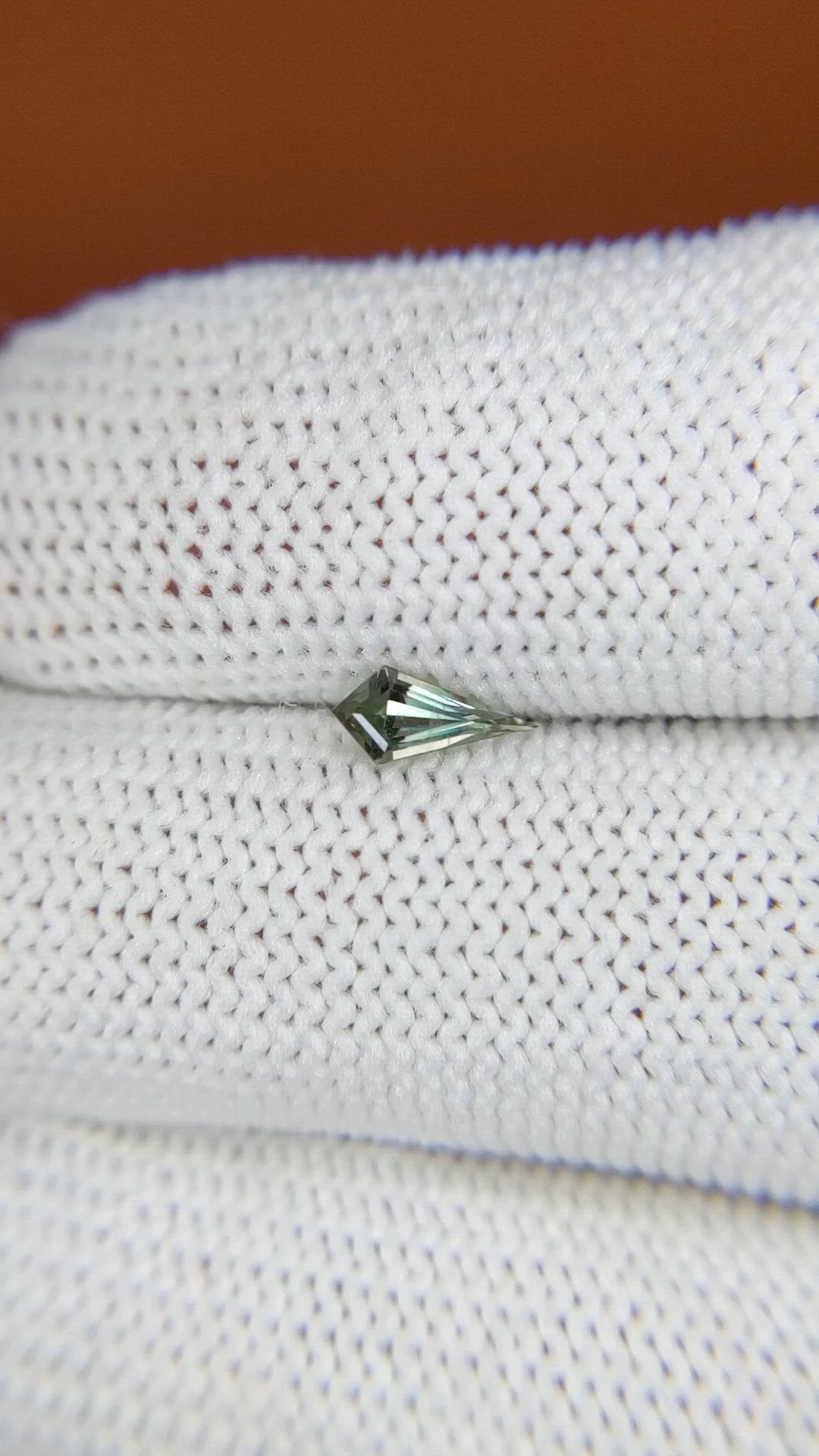
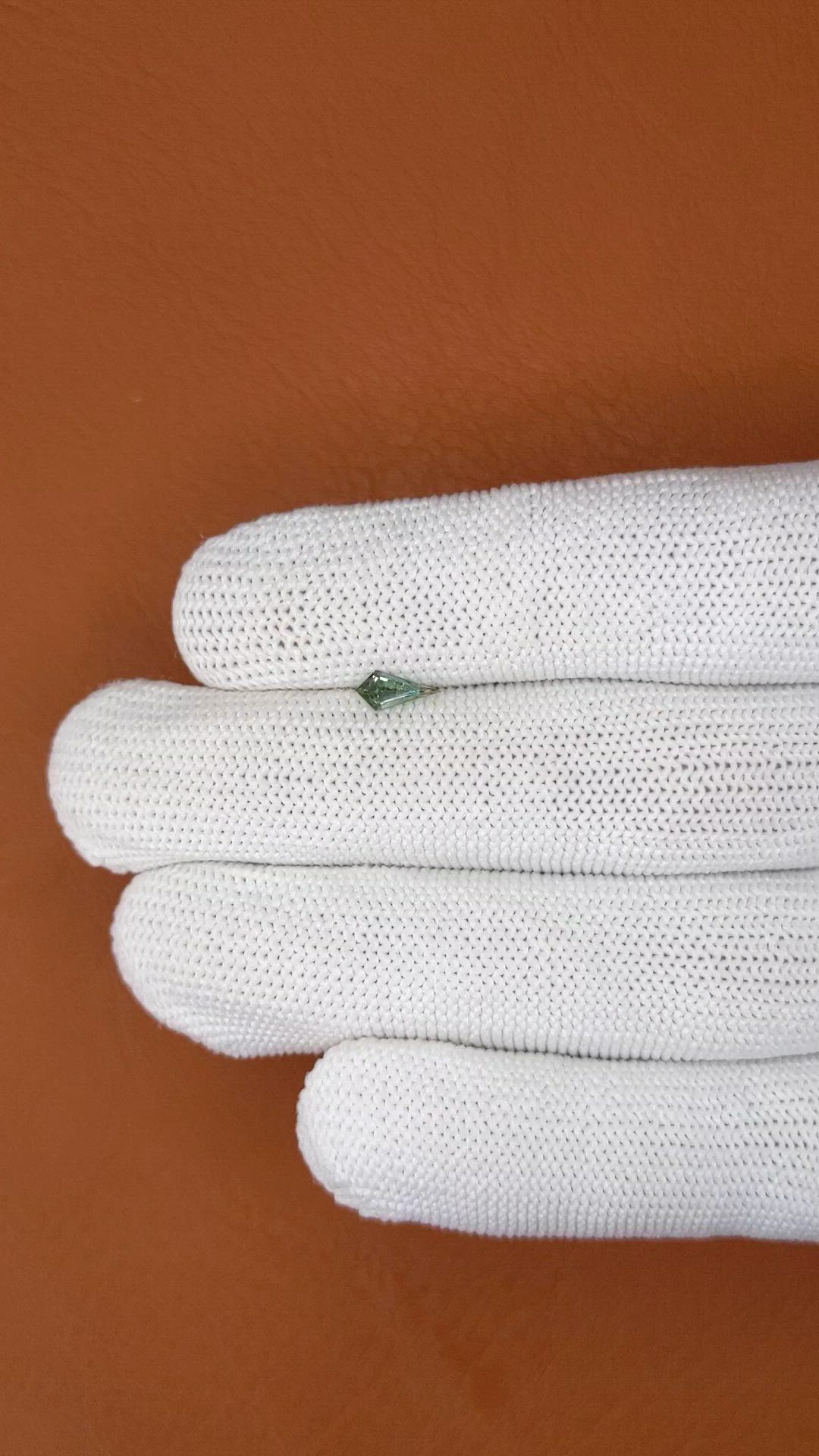
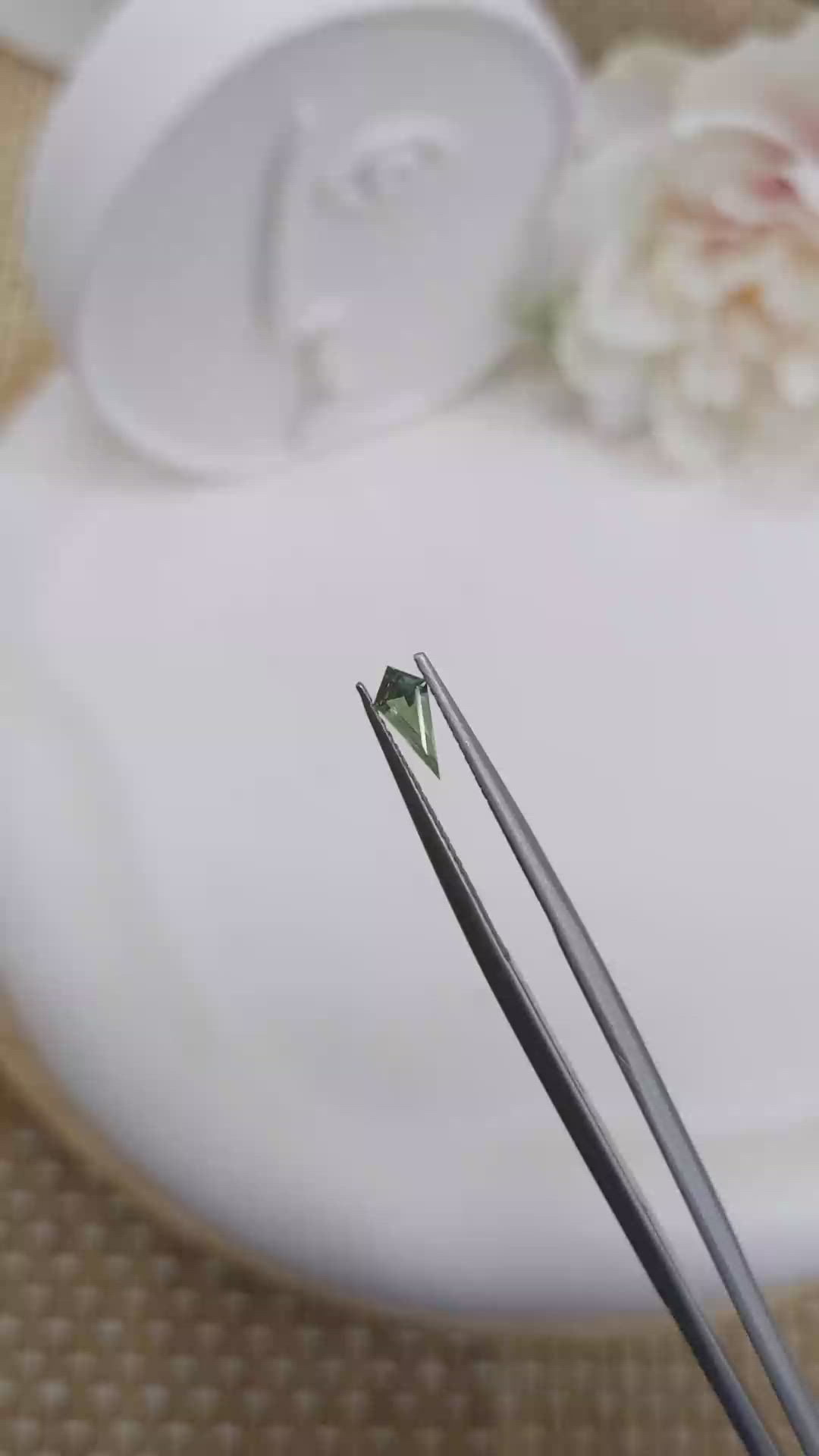
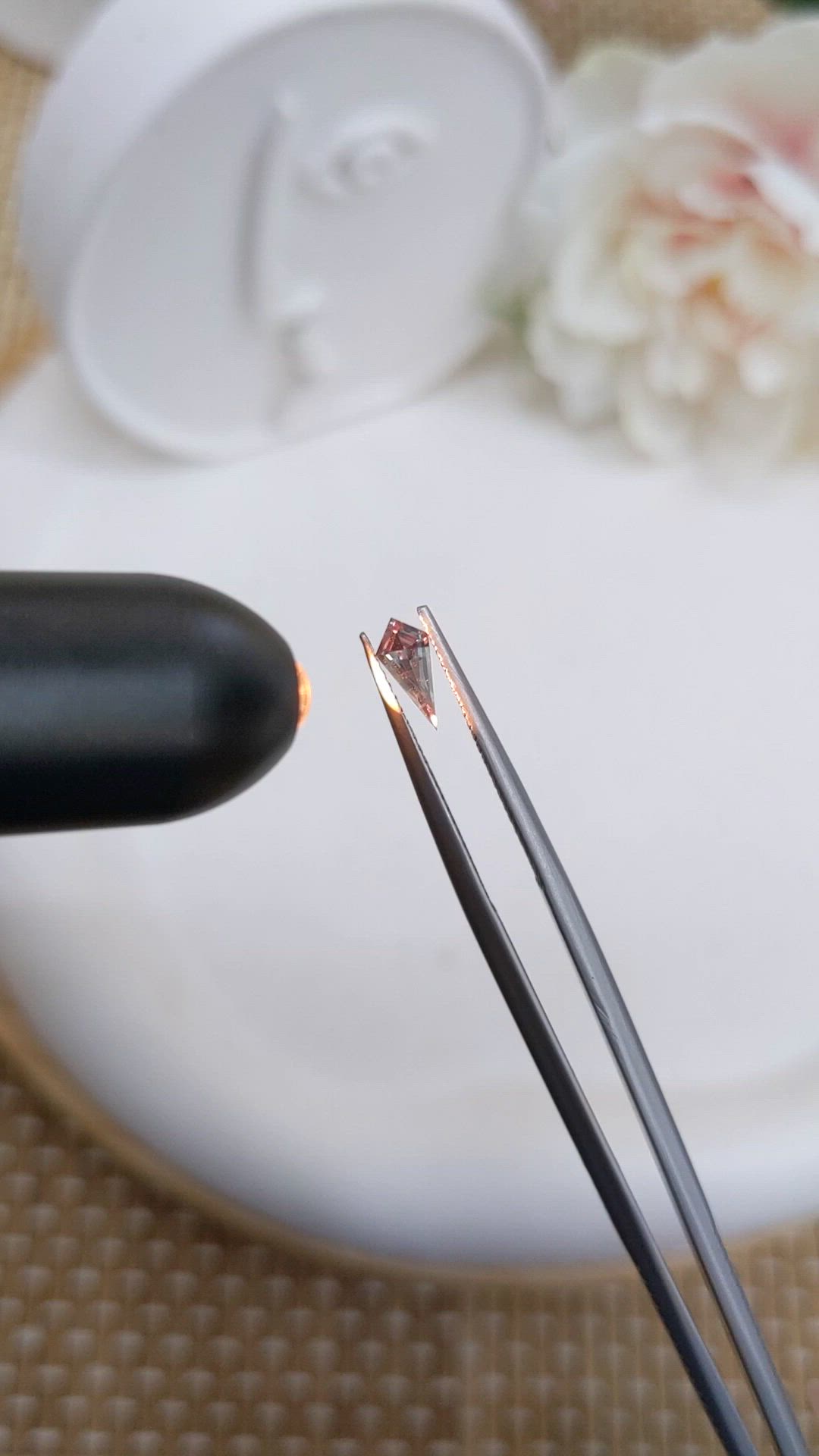
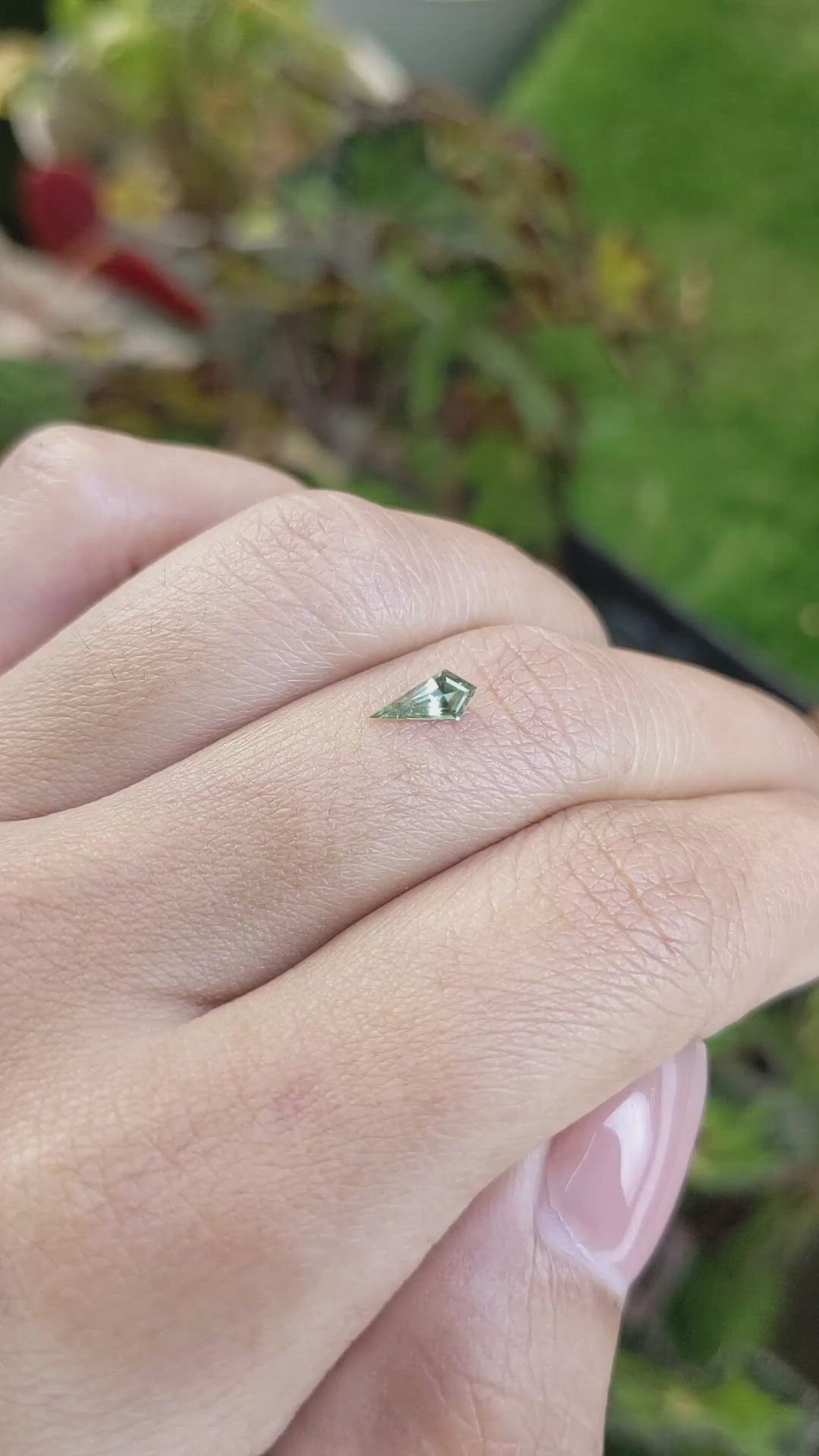
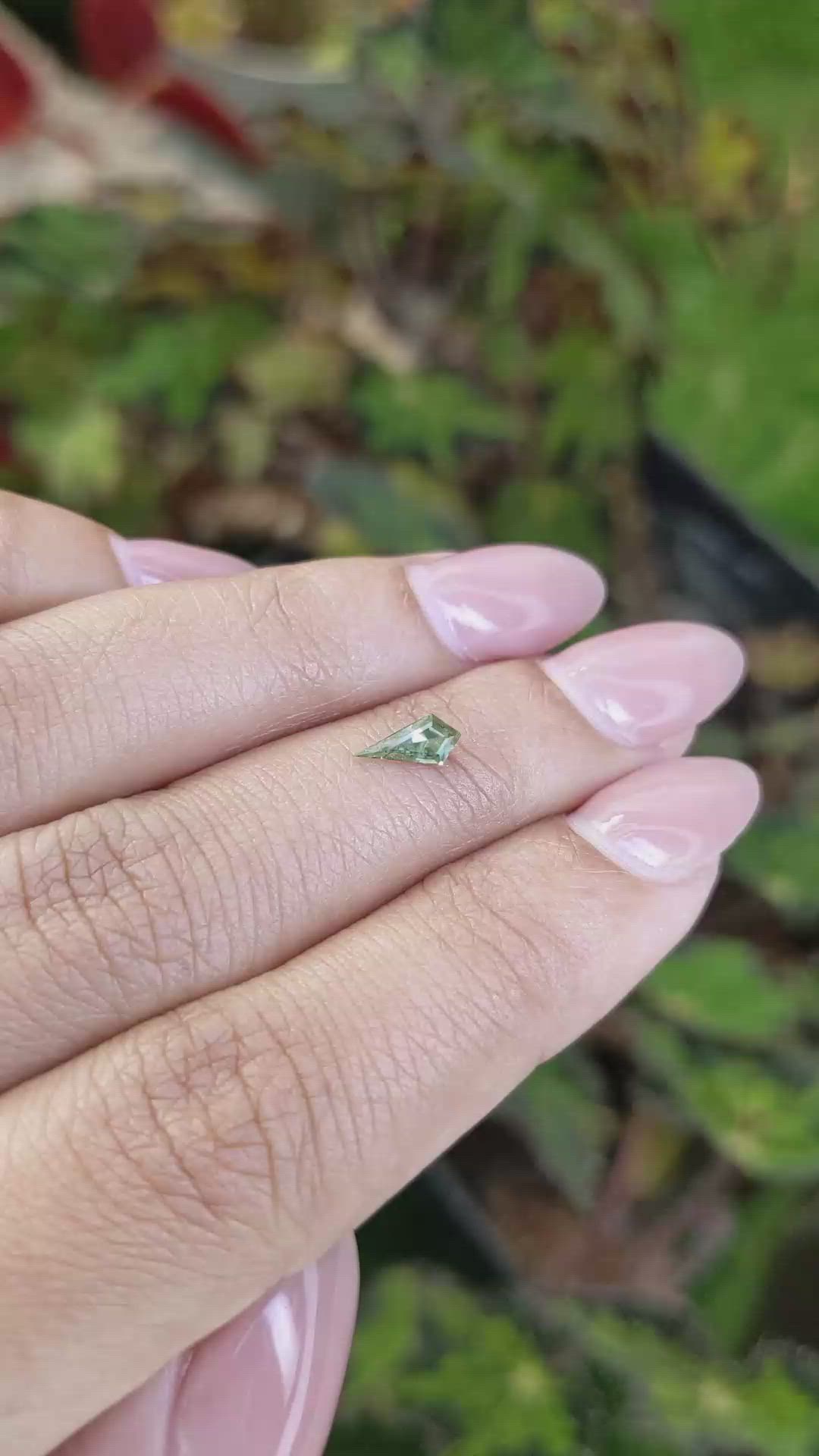

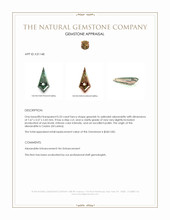


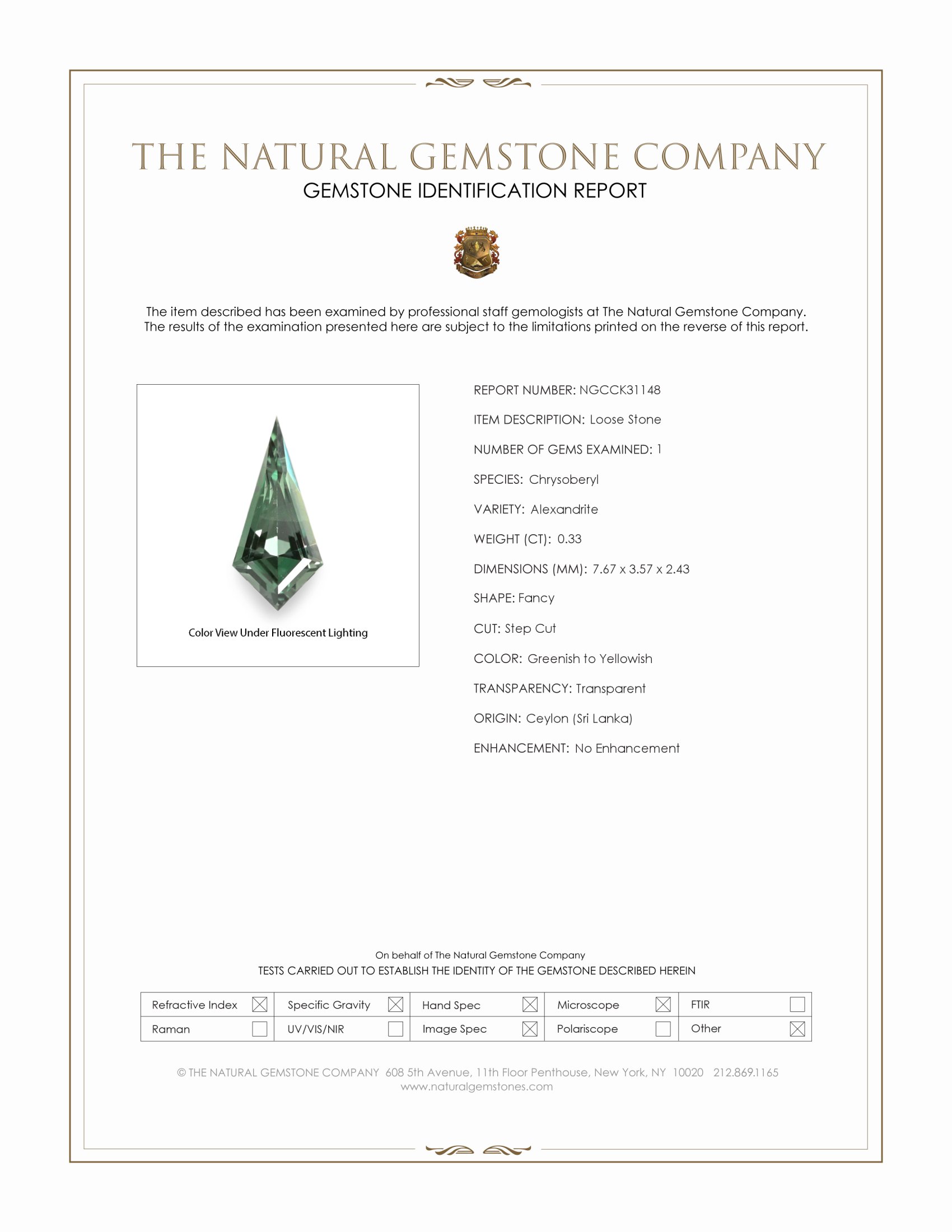
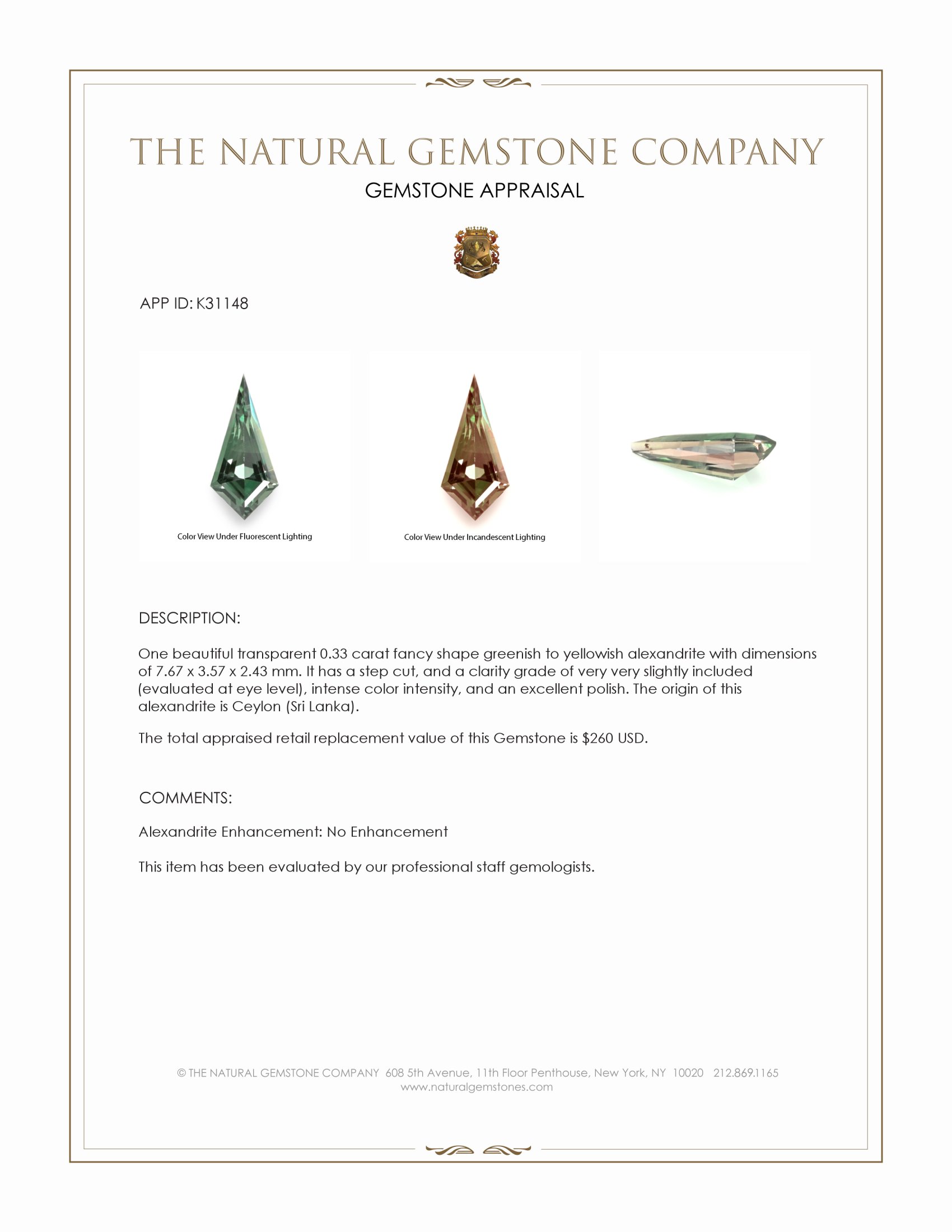
0.33 Ct. Alexandrite from Ceylon (Sri Lanka)
This loose stone ships by Nov 19
Item ID: | K31148 |
|---|---|
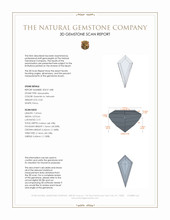
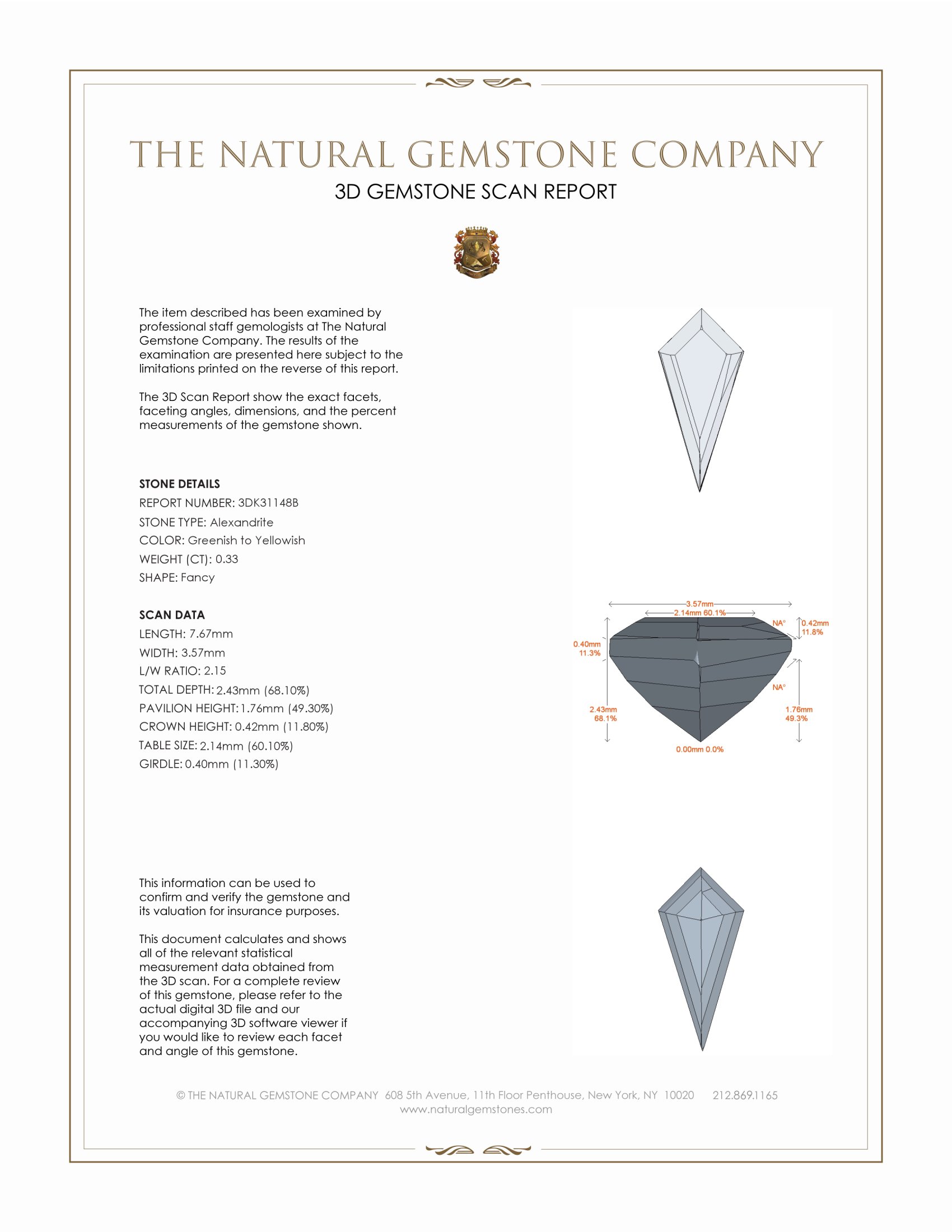
Dimensions (MM): help | Length: 7.67 Width: 3.57 Height: 2.43 |
Weight: | 0.33 Ct. |
Color: help | Greenish to Yellowish |
Color intensity: help | Intense |
Clarity: help | Very Very Slightly Included |
Shape: help | Fancy |
Cut: | Step Cut |
Cutting style: | Faceted |
Enhancements: help | No Enhancement |
Origin: help | Ceylon (Sri Lanka) |
Per carat price: help | $788 |
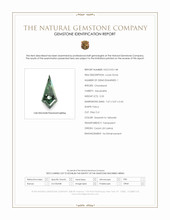
One beautiful transparent 0.33 carat fancy shape greenish to yellowish alexandrite awaits the discerning collector, with dimensions of 7.67 x 3.57 x 2.43 mm, a faceted cutting style, and a step cut profile that emphasizes symmetry and color zoning. The clarity has been evaluated at eye level as very very slightly included, a grade that communicates excellent transparency to the naked eye while acknowledging tiny internal features visible only under magnification. Color intensity is recorded as intense, and the polish has been executed to an excellent standard, resulting in lively reflection and controlled light return. This gemstone has not been subjected to enhancement, and its origin is Ceylon Sri Lanka, a source known for producing material with classic alexandrite color change and fine gemological character. Offered by The Natural Gemstone Company, this alexandrite combines precise proportions with natural provenance, making it especially appealing to buyers who require traceable and untreated material.
To understand the value proposition of this gem it helps to unpack the technical grading and what each attribute means for appearance and durability. The 0.33 carat weight places the stone in the category of small yet significant gemstones, where cutting and color become the primary determinants of visual impact. The step cut used here is an excellent choice for a color changing gem because it produces broad facets that showcase color shifts rather than dispersing light into excessive brilliance. The very very slightly included clarity grade is highly desirable, since inclusions are minimal and do not interfere with the path of light, allowing the intense coloration to dominate. An intense color intensity designation means that under appropriate lighting the stone displays saturated hues rather than weak or washed out tones. Excellent polish assures sharp facet junctions and smooth surfaces, which contribute both to durable wearability and to the aesthetic effect of crisp color change. Finally the absence of enhancement increases the gemological and monetary value, because untreated alexandrite from Ceylon is comparatively rare on the market.
The narrative of how this alexandrite formed begins deep within the earth and spans geological time scales measured in millions of years. Chrysoberyl, the mineral species to which alexandrite belongs, formed in high temperature and pressure environments during regional metamorphism and in pegmatitic pockets where beryllium rich fluids interacted with aluminum bearing host rocks. In the case of Ceylon Sri Lanka, the island is underlain by ancient high grade metamorphic terrains, and proto gemstones were concentrated and reworked by long episodes of erosion and fluvial transport. Chromium which is the trace element responsible for the characteristic alexandrite color change was present in minute quantities during crystal growth. When chromium substitutes for aluminum in the chrysoberyl lattice it creates color centers that interact with light differently under varying spectral conditions. Under daylight or fluorescent lighting containing more blue green wavelengths the stone absorbs in the red region and the visual result is a greenish to yellowish tone. Under incandescent lighting with stronger red wavelengths absorption shifts and the stone can take on a pinkish brown or reddish hue. Over millions of years the crystals were exposed to repeated cycles of heat and pressure that improved crystal clarity, then were liberated by weathering and concentrated in gem gravels or remained in situ within host metamorphic bodies until recovered by skilled miners.
For the educated buyer the combination of attributes represented here explains both aesthetic appeal and investment rationale. Color changing alexandrite is prized because the optical phenomenon is rare, requiring a precise chemical and structural environment to form, and because color change is readily perceived by the eye without instruments, making it an emotionally resonant quality. The Sri Lankan origin adds provenance value, as Ceylon material enjoys a longstanding reputation for classic color and reliable quality. The fact that this gem is natural and unenhanced further elevates its status among collectors and connoisseurs who prize untreated stones for purity of provenance. The step cut, excellent polish, and VVS clarity mean that the gem will sit well in a fine setting where its color change can be easily observed, such as a solitaire pendant or a fine custom ring designed to allow both daylight and incandescent exposure. Care is straightforward, with routine cleaning in warm soapy water and a soft brush recommended, and avoidance of harsh chemicals and extreme thermal shock. The Natural Gemstone Company stands behind the natural origin and described properties, and we can assist with recommendations for setting and with independent certification if desired. For a buyer seeking a small but technically exemplary alexandrite with clear geological story and traceable provenance, this gemstone represents a rare and rewarding choice.


