
- Stone20
- Reports3
-oval-greenishtoyellowish-alexandrite-0.4800-cts-k31584-1.jpg?d=200x200&v=20260916065546)
-oval-greenishtoyellowish-alexandrite-0.4800-cts-k31584-lifestyleimage-1.jpg?d=200x200&v=20260921070552)
-oval-greenishtoyellowish-alexandrite-0.4800-cts-k31584-lifestyleimage-2.jpg?d=200x200&v=20260921070552)
-oval-greenishtoyellowish-alexandrite-0.4800-cts-k31584-lifestyleimage-3.jpg?d=200x200&v=20260921070552)
-oval-greenishtoyellowish-alexandrite-0.4800-cts-k31584-lifestyleimage-4.jpg?d=200x200&v=20260921070552)




-oval-greenishtoyellowish-alexandrite-0.4800-cts-k31584-1.jpg?d=750x750&s=ngc&v=20260916065546)
-oval-greenishtoyellowish-alexandrite-0.4800-cts-k31584-lifestyleimage-1.jpg?d=750x750&s=ngc&v=20260921070552)
-oval-greenishtoyellowish-alexandrite-0.4800-cts-k31584-lifestyleimage-2.jpg?d=750x750&s=ngc&v=20260921070552)
-oval-greenishtoyellowish-alexandrite-0.4800-cts-k31584-lifestyleimage-3.jpg?d=750x750&s=ngc&v=20260921070552)
-oval-greenishtoyellowish-alexandrite-0.4800-cts-k31584-lifestyleimage-4.jpg?d=750x750&s=ngc&v=20260921070552)

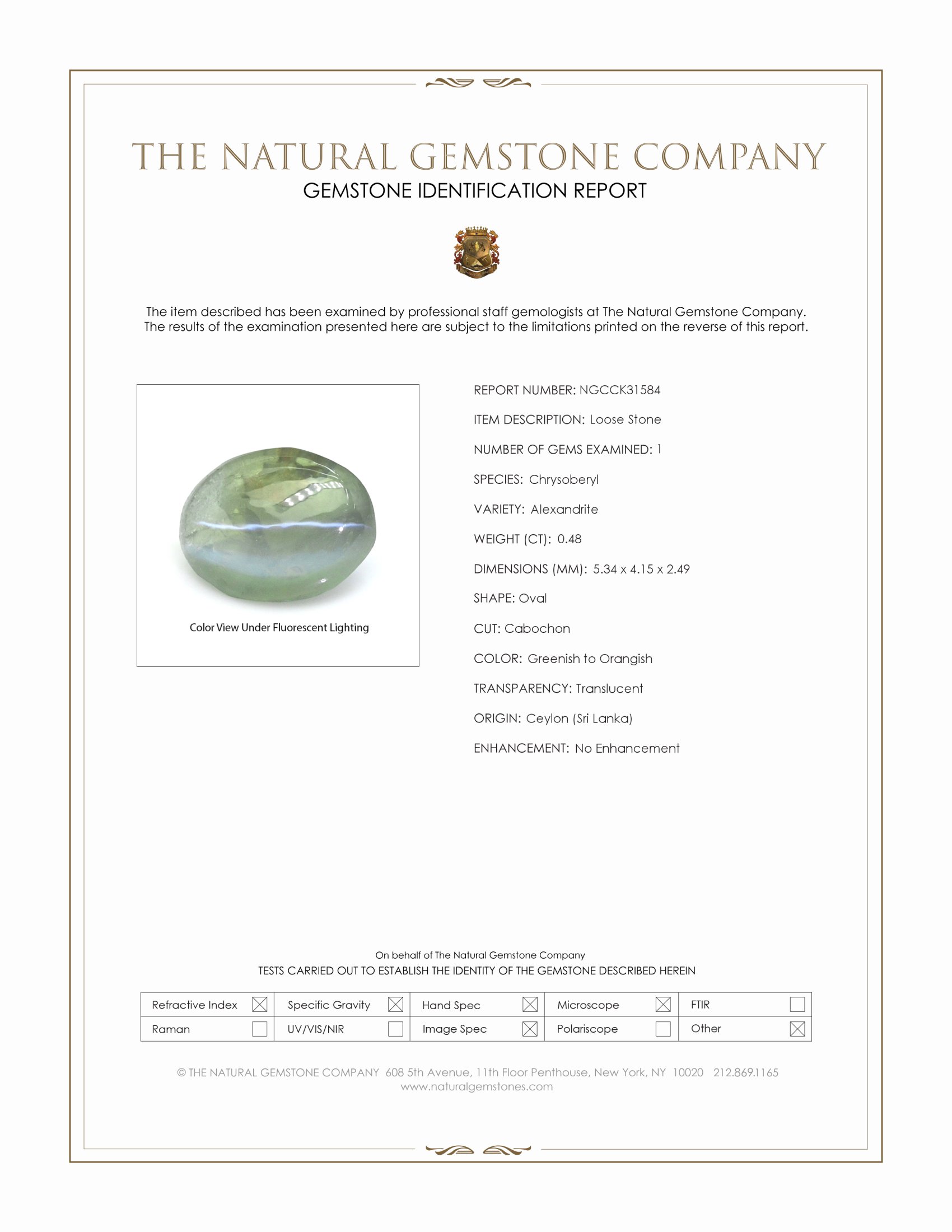
0.48 Ct. Cabochon Alexandrite from Ceylon (Sri Lanka)
This loose stone ships by Oct 30
Item ID: | K31584 |
|---|---|
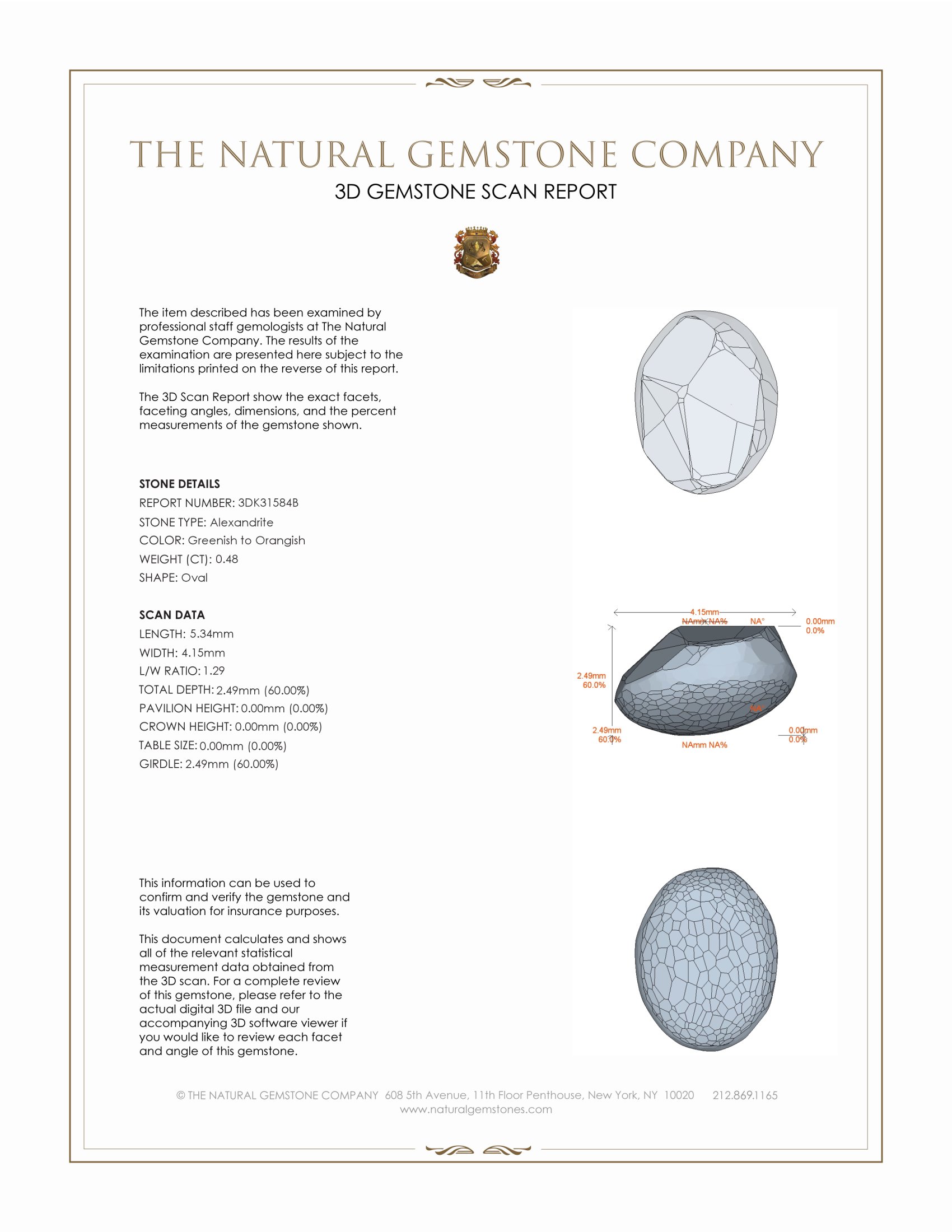
Dimensions (MM): help | Length: 5.34 Width: 4.15 Height: 2.49 |
Weight: | 0.48 Ct. |
Color: help | Greenish to Orangish |
Color intensity: help | Light |
Clarity: help | Very Very Slightly Included |
Shape: help | Oval |
Cut: | Cabochon |
Cutting style: | Cabochon |
Enhancements: help | No Enhancement |
Origin: help | Ceylon (Sri Lanka) |
Per carat price: help | $1,792 |
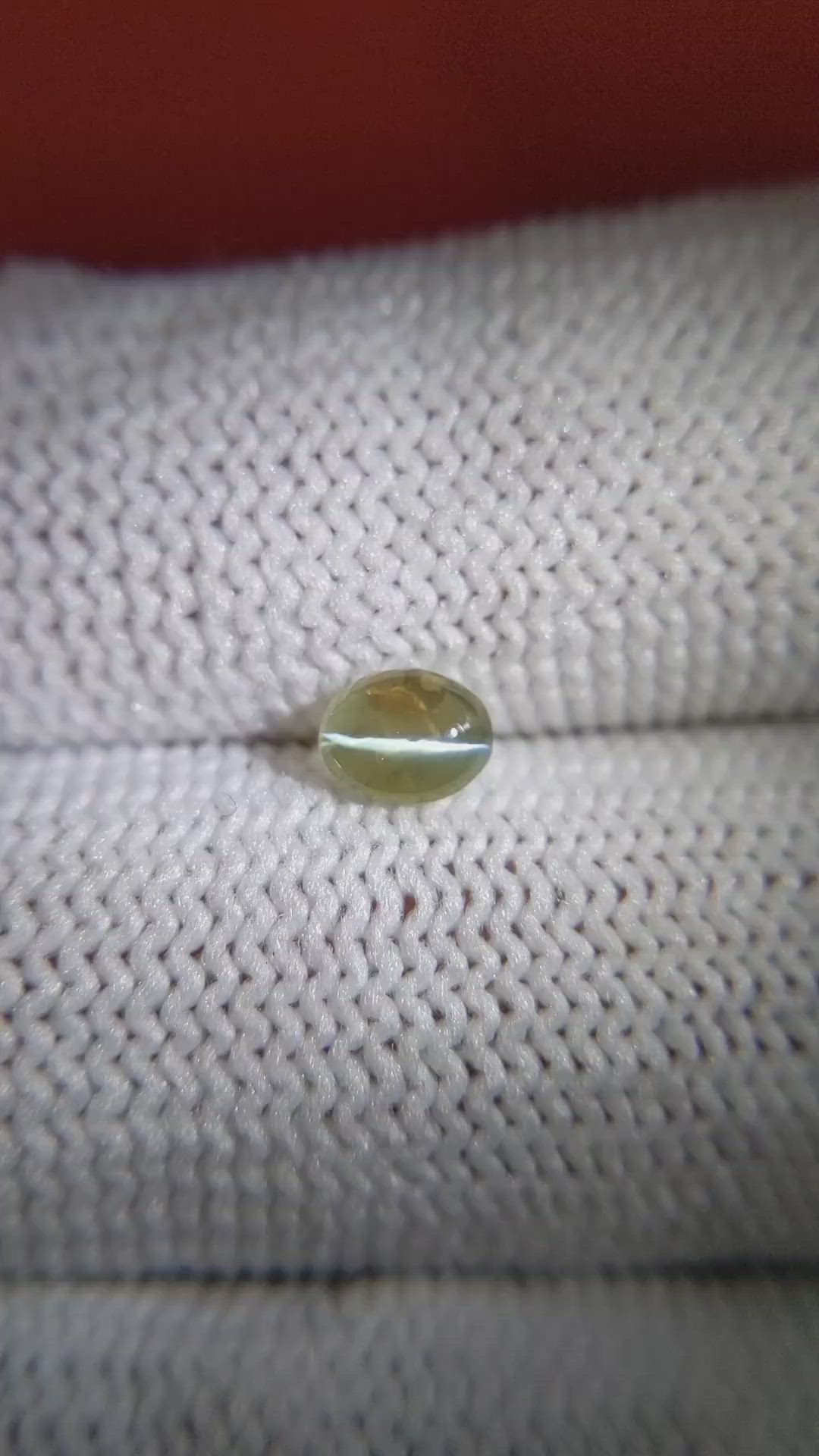
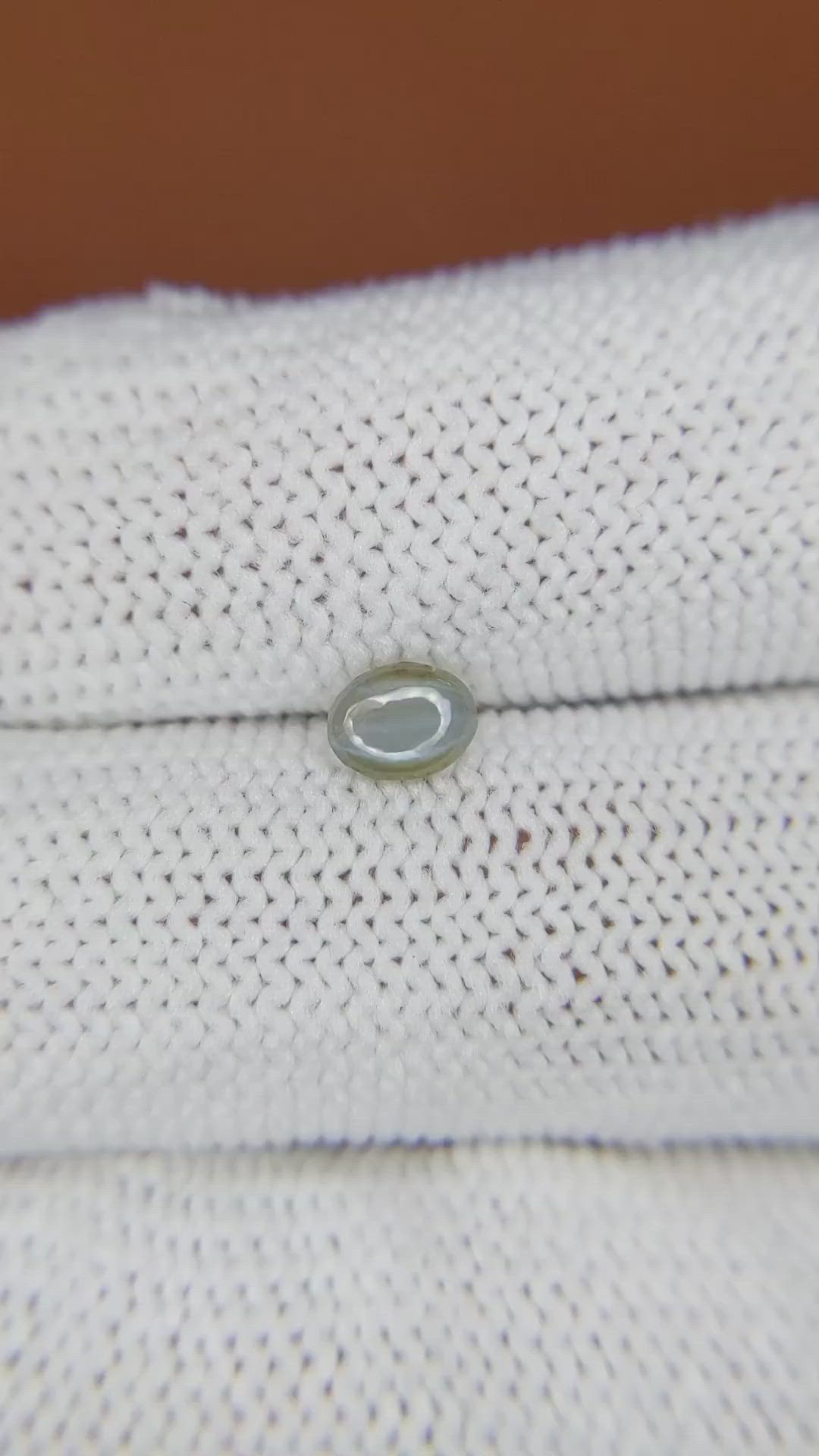
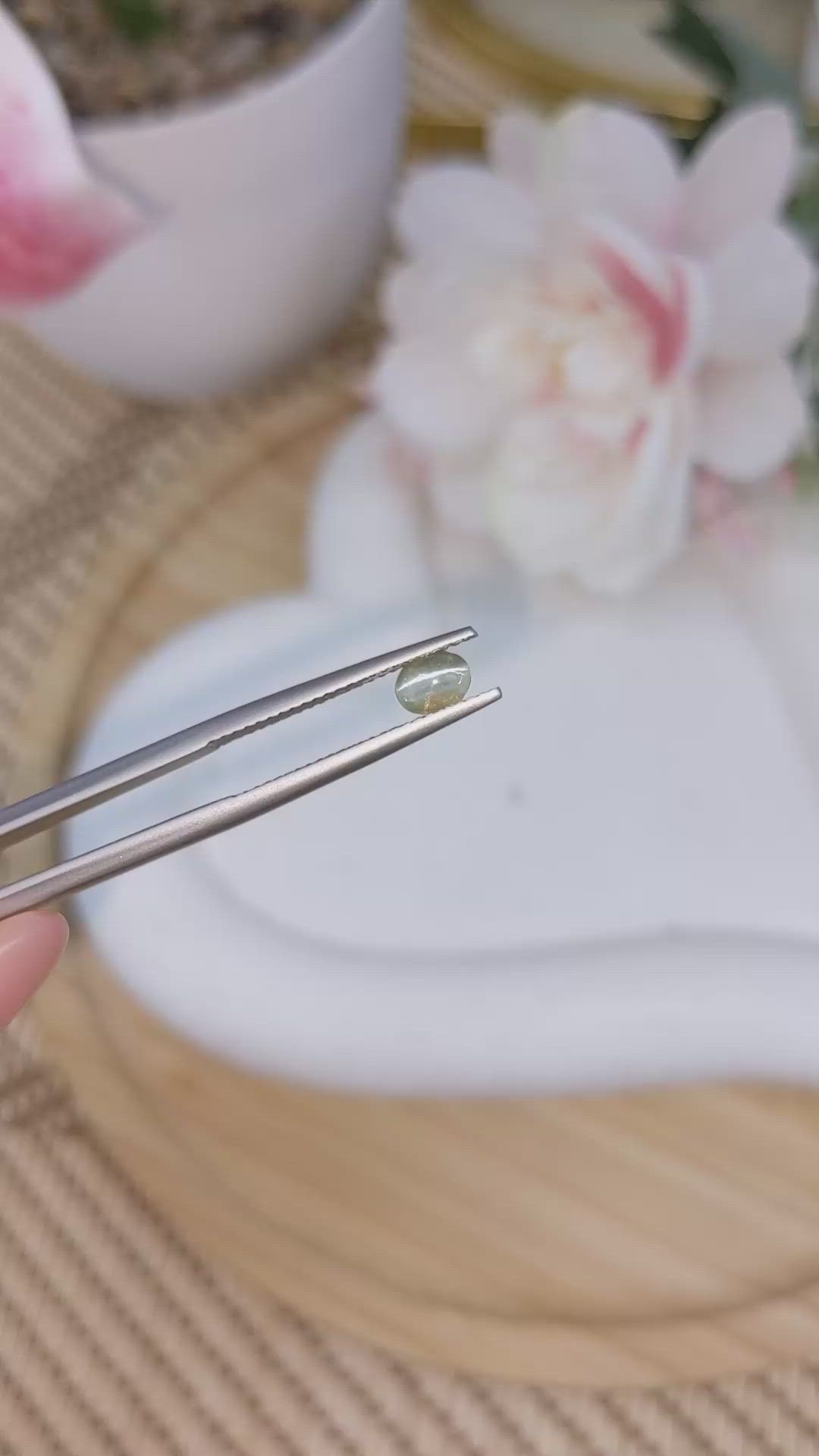
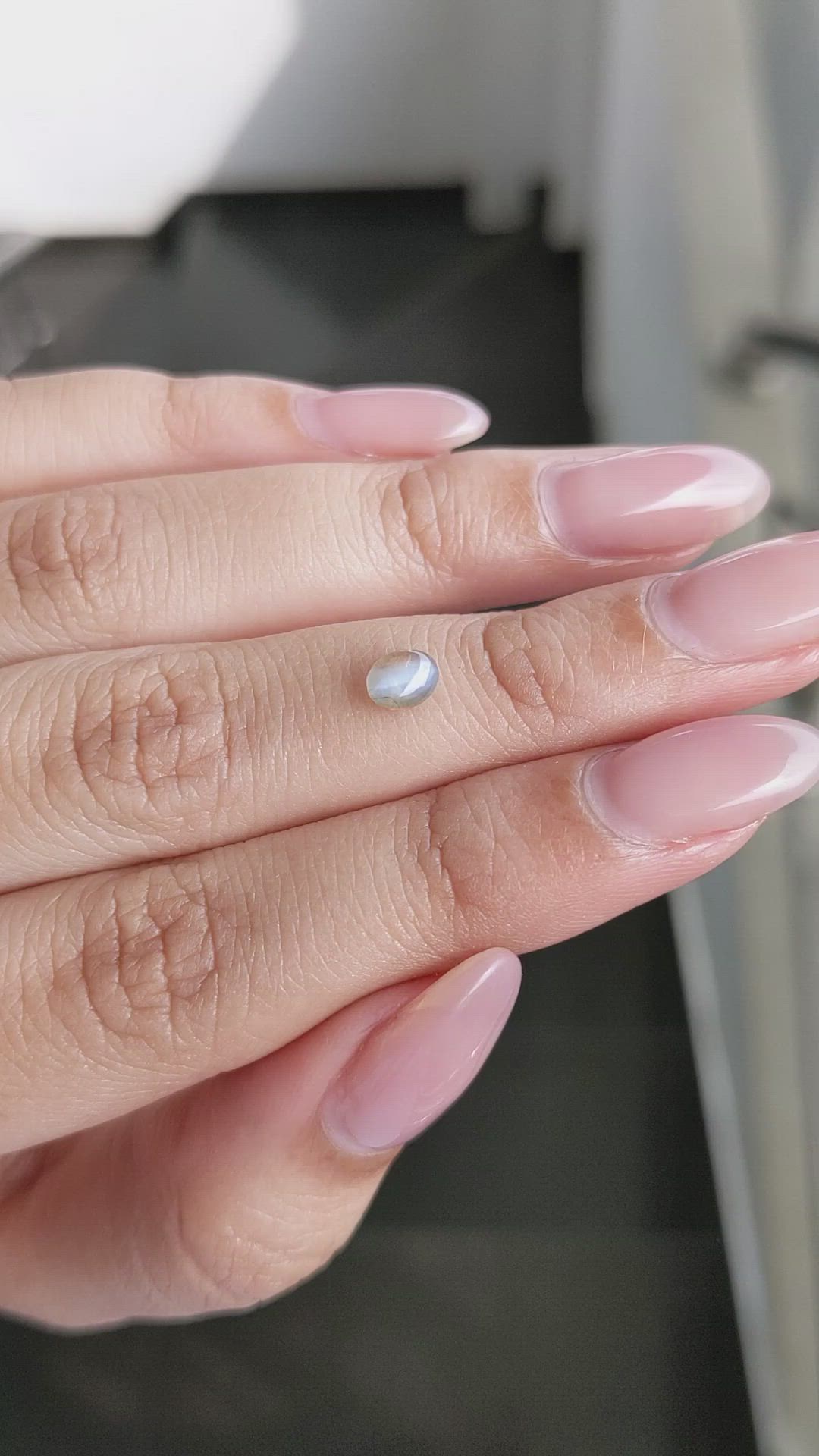
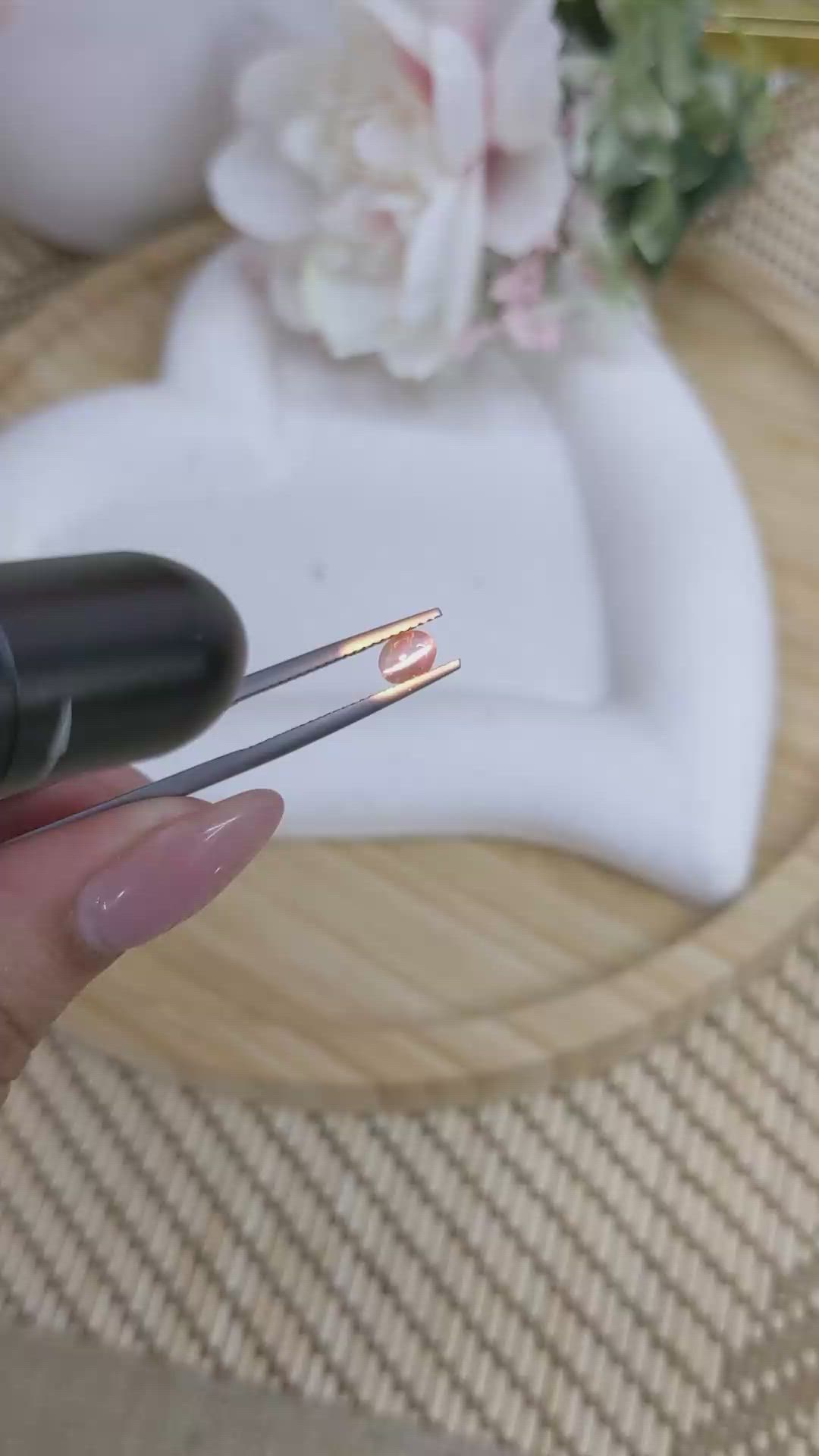
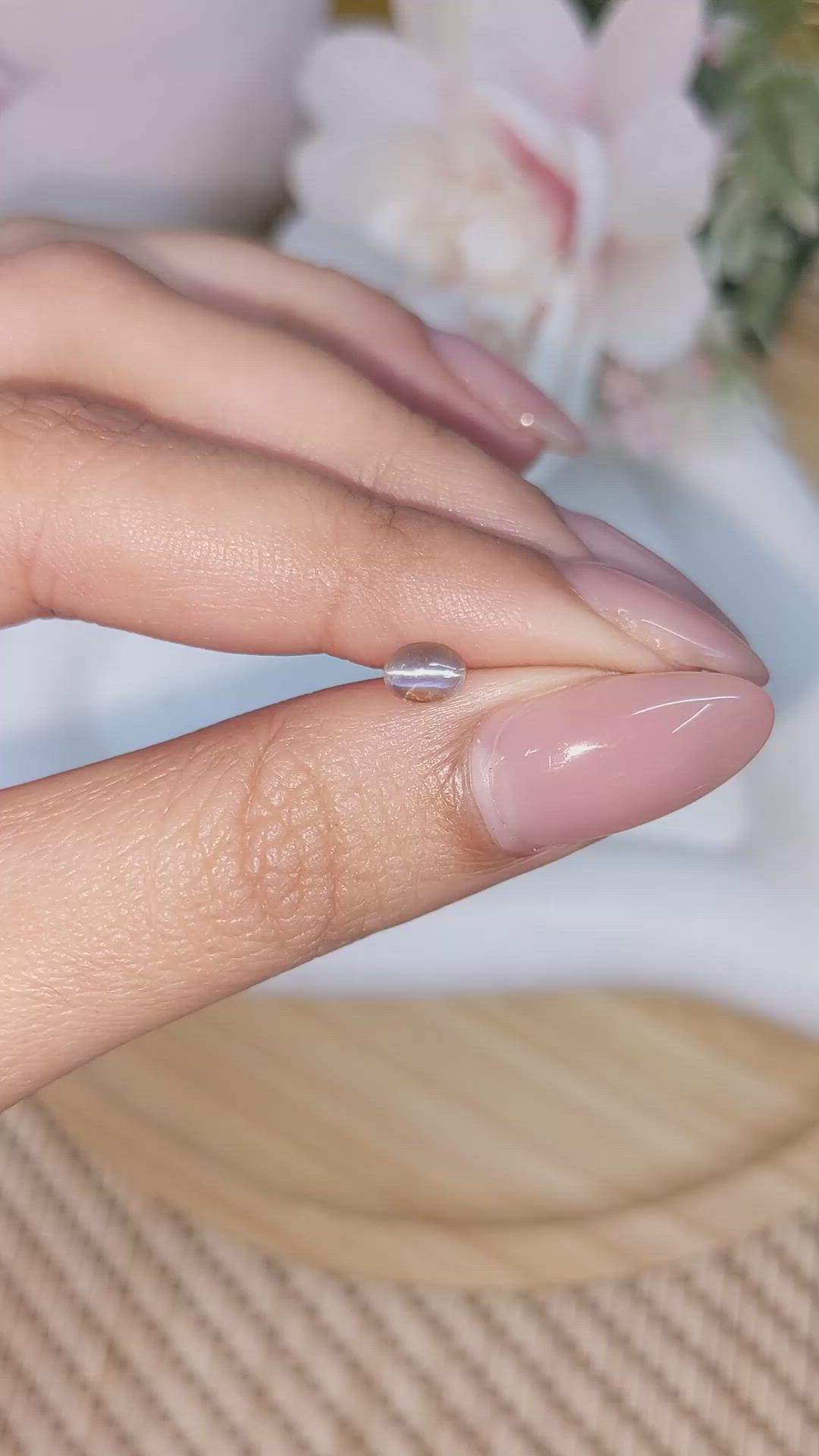
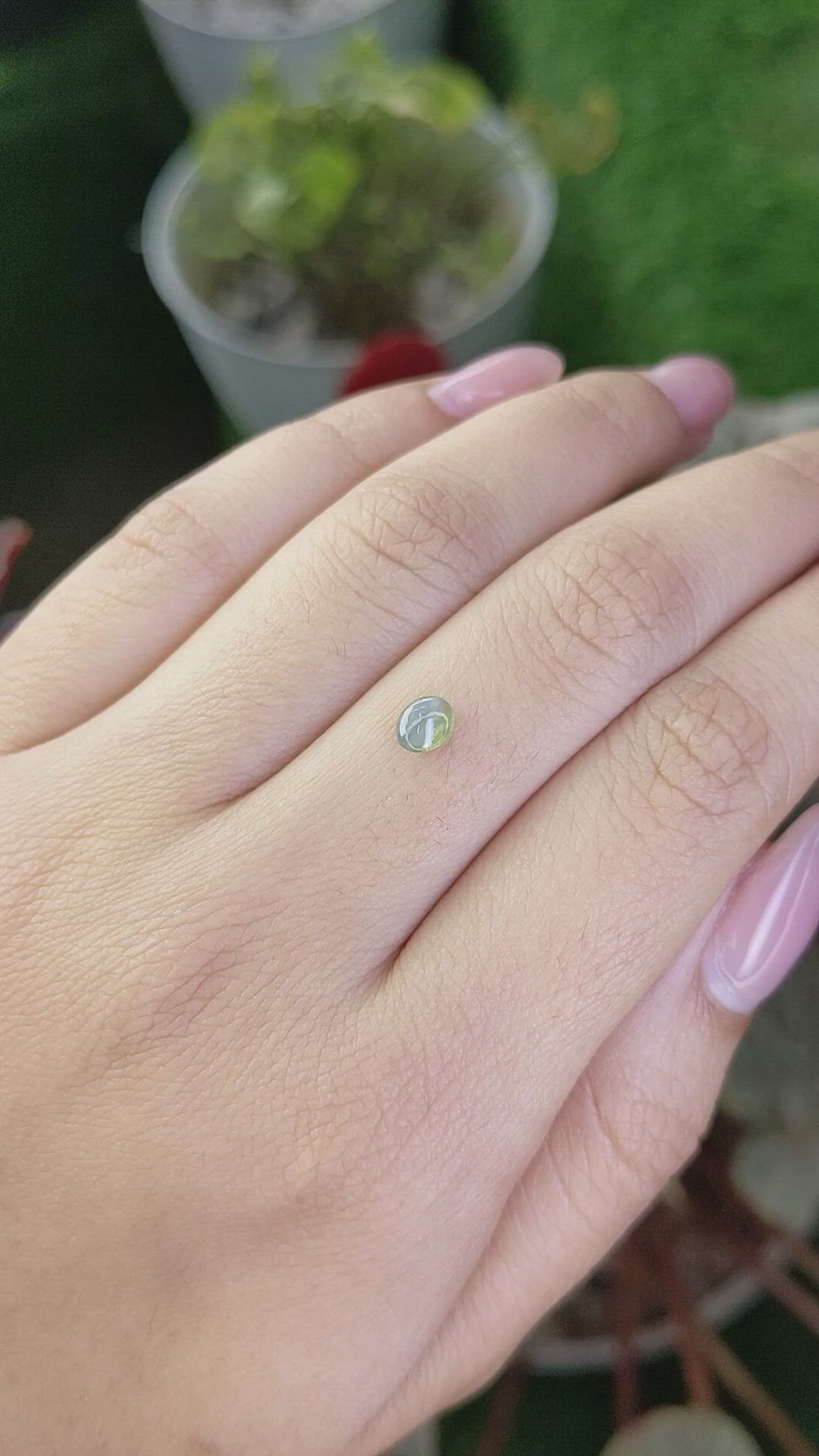
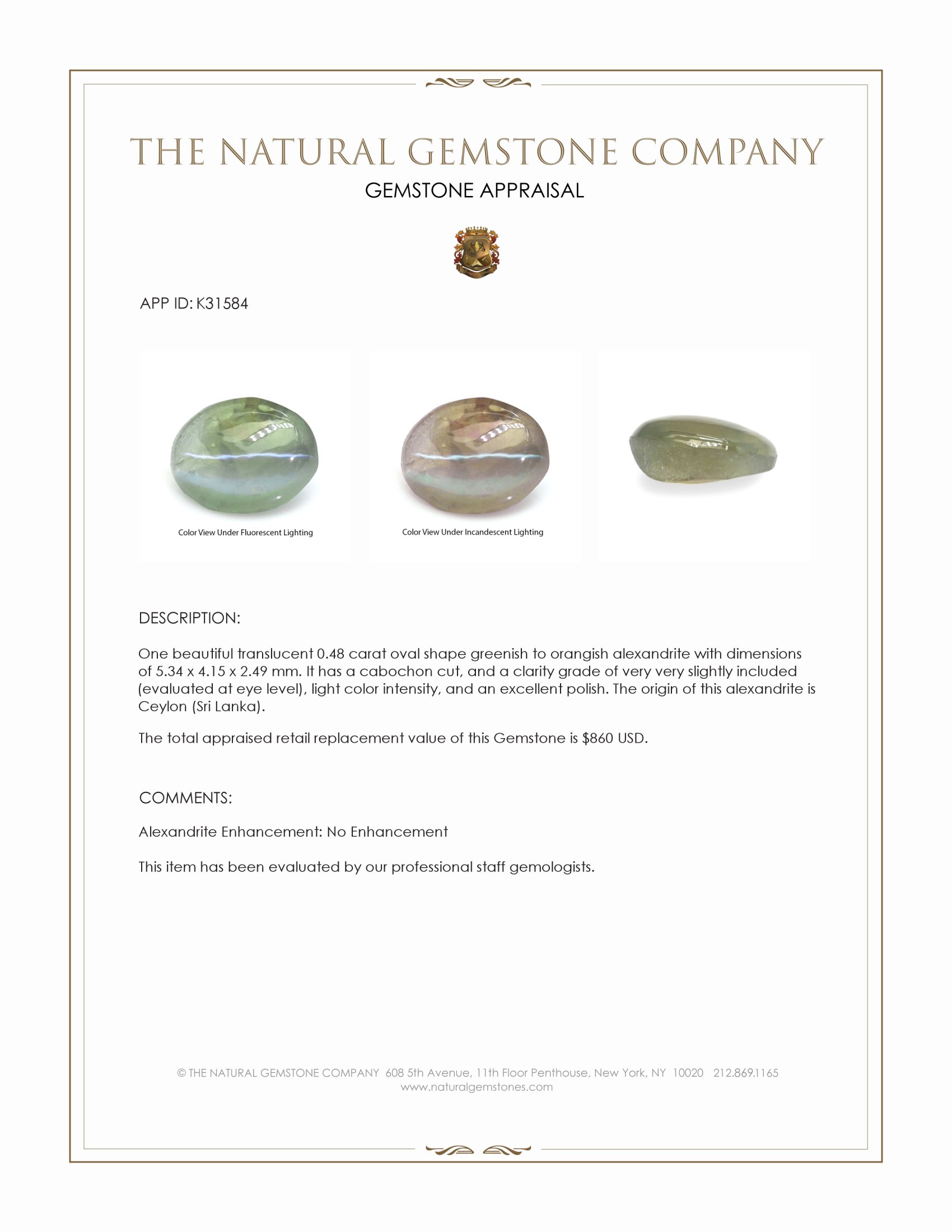
When you are searching for a stone that resolves a very particular desire, whether that is an engagement ring that will be remembered for its rarity and character, or a collector’s piece that tells a geological story every time you pick it up, this cabochon alexandrite from Ceylon answers that call. This is a beautiful translucent 0.48 carat oval alexandrite, measuring 5.34 by 4.15 by 2.49 millimeters, cut en cabochon to maximize its unique optical effects. Evaluated at eye level it is very, very slightly included, with a light color intensity and an excellent polish that gives the dome a satiny sheen. There are no enhancements, and its Sri Lankan origin gives it provenance prized by collectors who value natural, untreated examples. What makes this piece exceptionally appealing is the greenish to orangish color shift that alexandrite is famous for combined with a distinct cat’s-eye effect, so you are getting both the celebrated color-change phenomenon and the dramatic single band of reflected light that moves across the surface as the stone or observer moves.
The cat’s-eye effect, or chatoyancy, is immediately visible in this cabochon and is one of the stone’s most compelling features. Chatoyancy is produced when fine, parallel inclusions or fibrous structures within the gem reflect light in a concentrated line. In this alexandrite the band appears as a clean, definite stripe of light that runs across the dome and travels like a narrow ribbon when the gem is tilted or the light source is moved. Because the gem is translucent rather than fully transparent, the band has a slightly silky, internal glow rather than a brittle, mirror-like flash; this gives it an almost liquid quality where the bright band contrasts with the softer, changing body color beneath. The cabochon cut and the excellent polish are critical here, aligned to the internal structure so that the band is sharp and well-centered; a poorly oriented or roughly polished cabochon will blur the cat’s-eye into a pale streak, but this specimen displays the band with clarity and definition. Under fluorescent lighting the body color leans toward a greenish cast and the cat’s-eye shows a cool, bright line, while under incandescent lighting the body shifts toward an orangish tone and the band warms slightly, so the cat’s-eye and the color-change work together to create different moods depending on the light, which makes it a marvelous choice for someone who wants a living, responsive gem.
Comparing the reflective qualities of this alexandrite to other stones in its category helps to clarify why collectors and discerning buyers choose cabochon cat’s-eye alexandrite for unique pieces. A well-cut faceted alexandrite emphasizes brilliance and scintillation, throwing flashes and lively reflections from many small facets, and its color change tends to read across those plane breaks as small flashes of green and red. In contrast, a cabochon alexandrite like this one trades facet-born brilliance for a focused, silky luster and a moving single band of light that commands attention; the appeal is less about glitter and more about a dramatic optical spectacle that changes with light and movement. Compared with cat’s-eye chrysoberyl specimens that do not show alexandrite’s color-change, this gem offers an extra dimension: the same sharp, well-defined chatoyant band paired with a green-to-orange shift that few other cat’s-eye stones can display. Against star sapphires, which display a soft six-rayed star caused by rutile needles and a more diffuse, mystical shimmer, this alexandrite’s band is narrower and more precise, and its overall luster is more adamantine, closer to a gem with a glassy, almost metallic flash where the band is brightest. Tiger’s eye offers strong, parallel reflective bands too, but its chatoyancy is usually combined with a golden, chatoyant silk rather than a color-changing body; moonstone and labradorite produce adularescence and labradorescence, soft flashes of internal sheen in blue and multicolored hues that feel more spectral and less linear than a cat’s-eye. For those comparing within alexandrite varieties, this cabochon stands out because its translucency and polish give the band a particularly clean signature and its light color intensity ensures the color-change remains readable without overwhelming the chatoyancy.
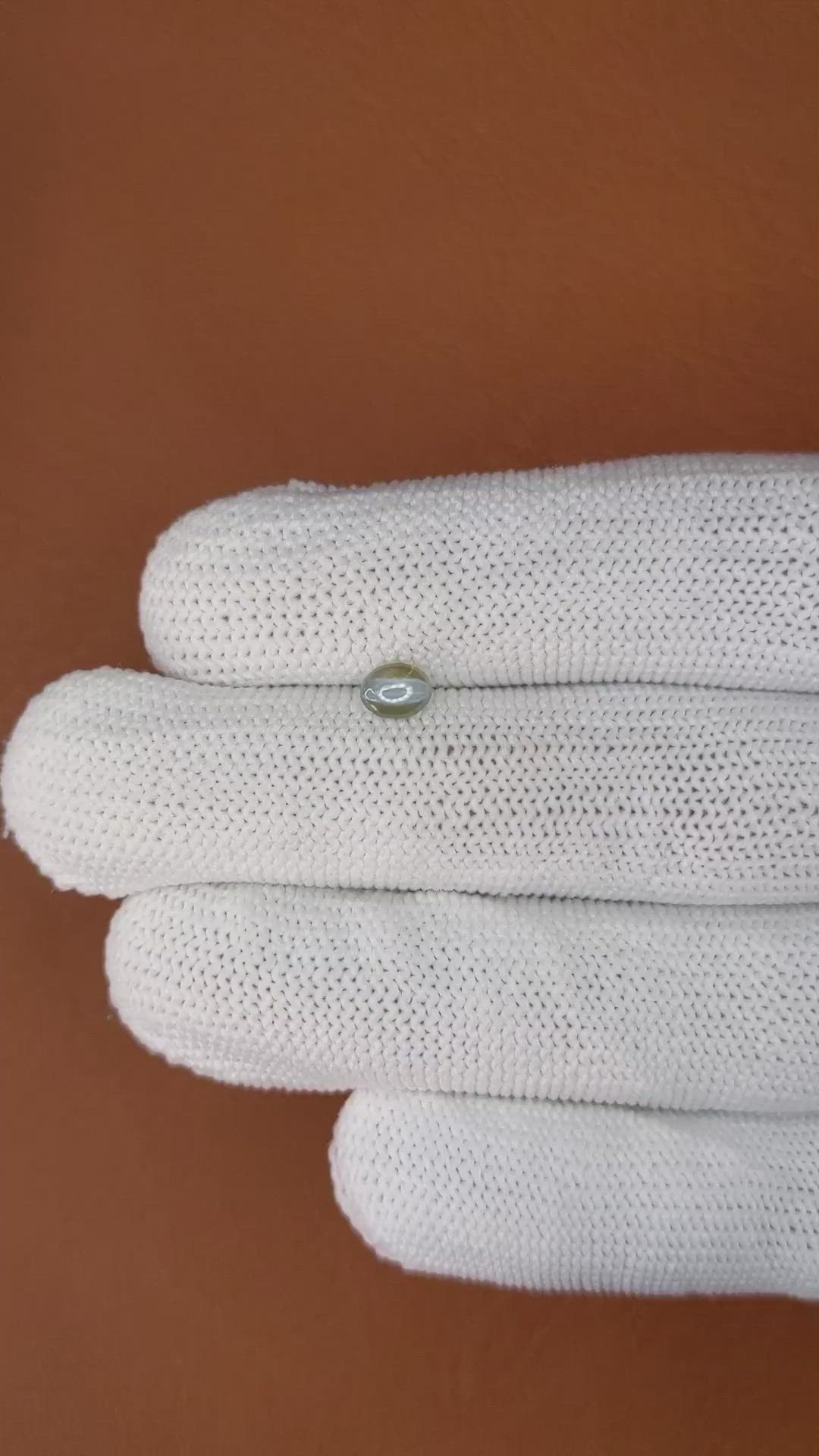
Practical considerations for wearing and setting this stone are straightforward and encourage creative design choices that magnify its virtues. At 0.48 carat and roughly 5.34 by 4.15 millimeters, it is an ideal size for a delicate center in a minimalist engagement ring, especially for a client who seeks a ring that is intimate and unique rather than conventionally brilliant. It is equally well-suited to a pendant or a pair of refined stud earrings where a matched pair is not required but a single focal gem can tell the story. Because the cat’s-eye effect is directional, mounting this cabochon with the band oriented across the finger or along the necklace pendant’s long axis will present the band to viewers in the most dramatic way. The lack of enhancement means the color change and chatoyancy are entirely natural, a quality we at The Natural Gemstone Company prioritize and celebrate. We recommend viewing the gem under both daylight or fluorescent light and incandescent light to appreciate the full greenish to orangish transition, and to handle the stone gently and avoid harsh knocks on bezel edges since cabochon settings should be secure to protect the dome.
If your goal is to find a stone that closes the search, whether for a memorable engagement ring or a collector’s showcase, this Sri Lankan cabochon alexandrite from The Natural Gemstone Company does precisely that. It offers a rare pairing of color-change and crisp cat’s-eye chatoyancy in a well-proportioned, well-polished cabochon, with natural origin and no treatments to cloud its provenance. For customers who want guidance on setting options, mounting orientation, or lighting tips to maximize the visible band, we are happy to provide recommendations tailored to your design and lifestyle plans. This is a gem that performs quietly and confidently: it reveals its mysteries under changing light, rewards close inspection with a precise moving band, and carries the assurance of natural origin and skilled cutting—qualities that make it a lasting treasure for jewelry that will be worn and admired for years.


