
- Stone17
- Reports3


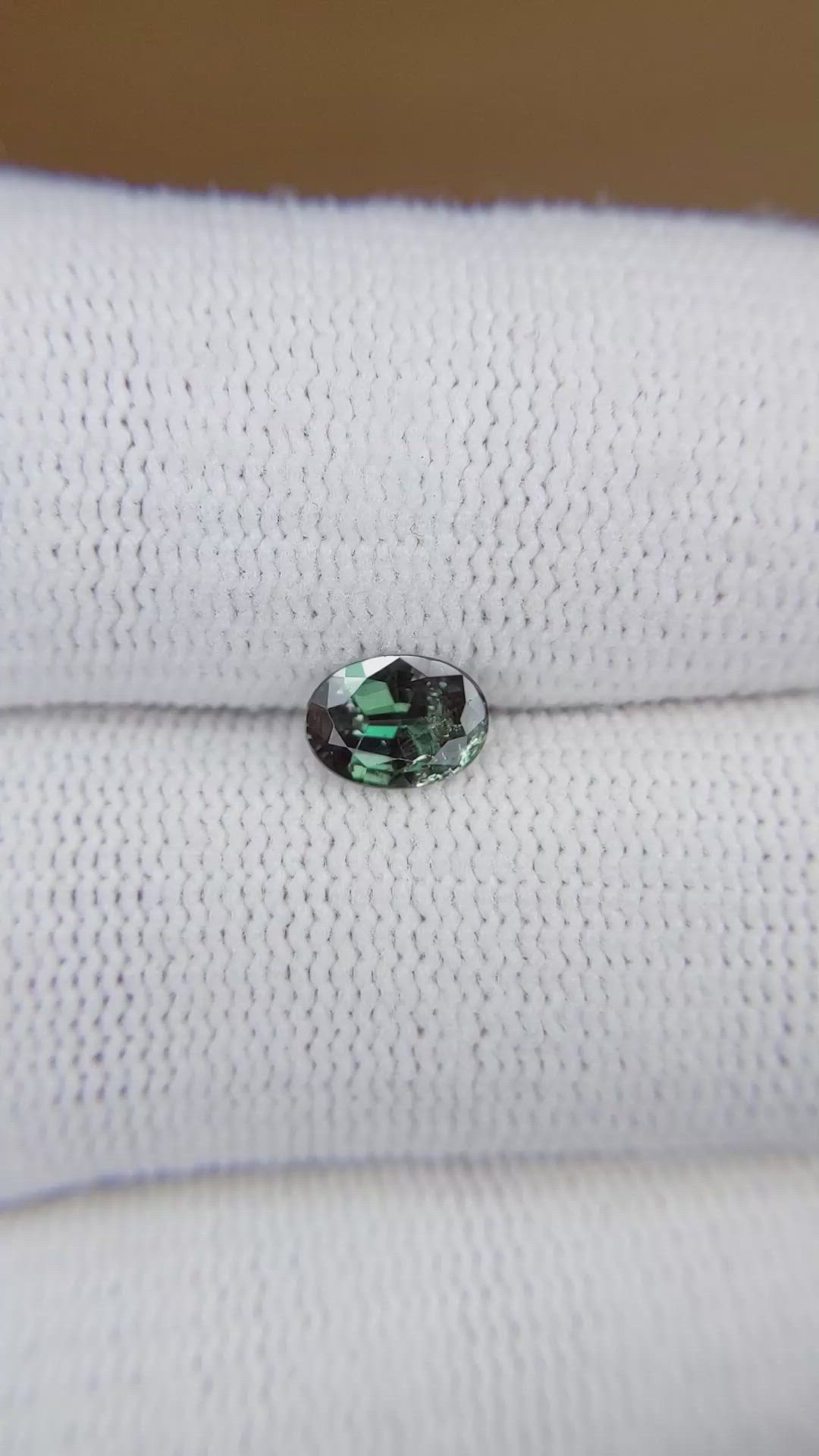
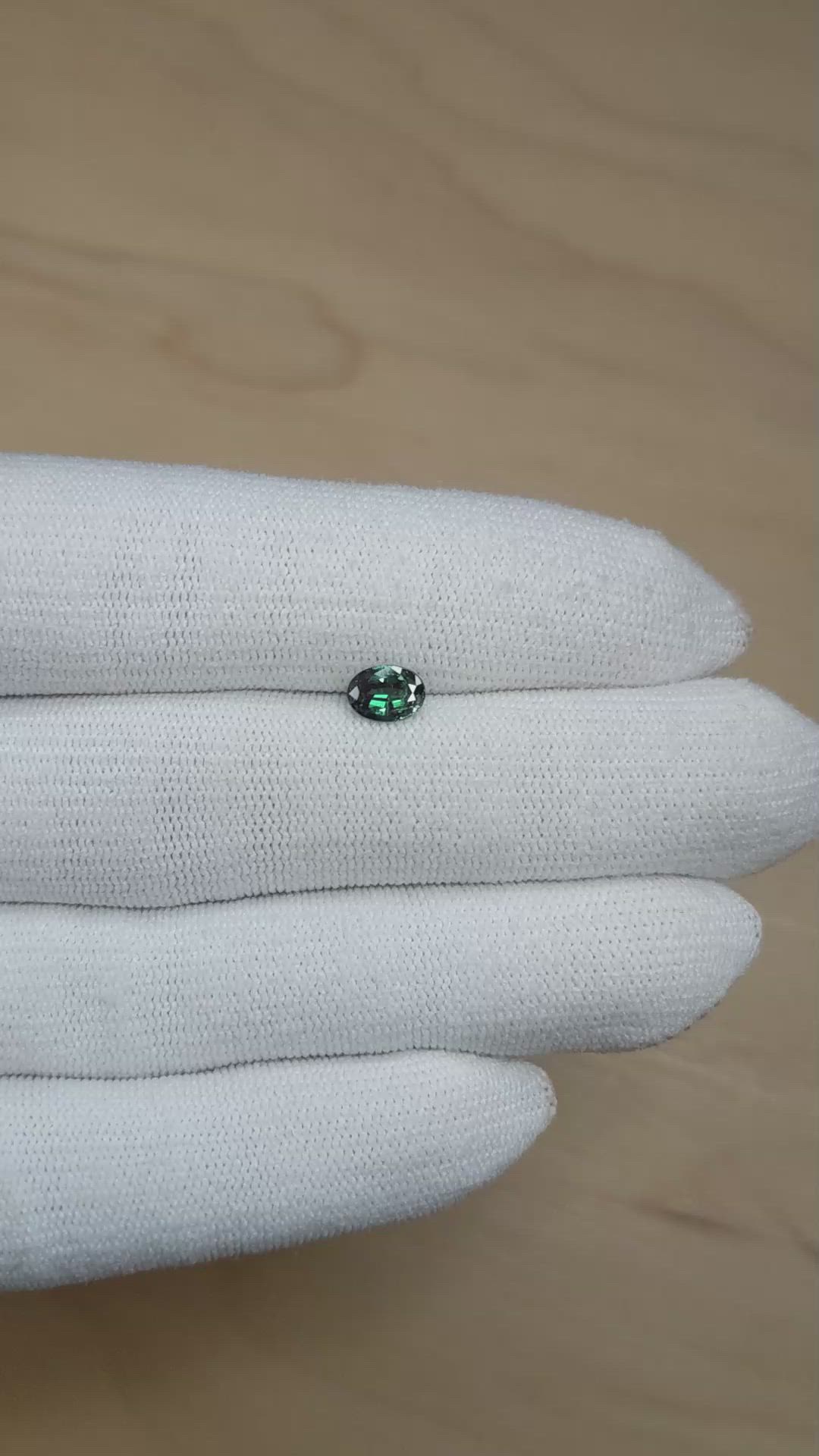
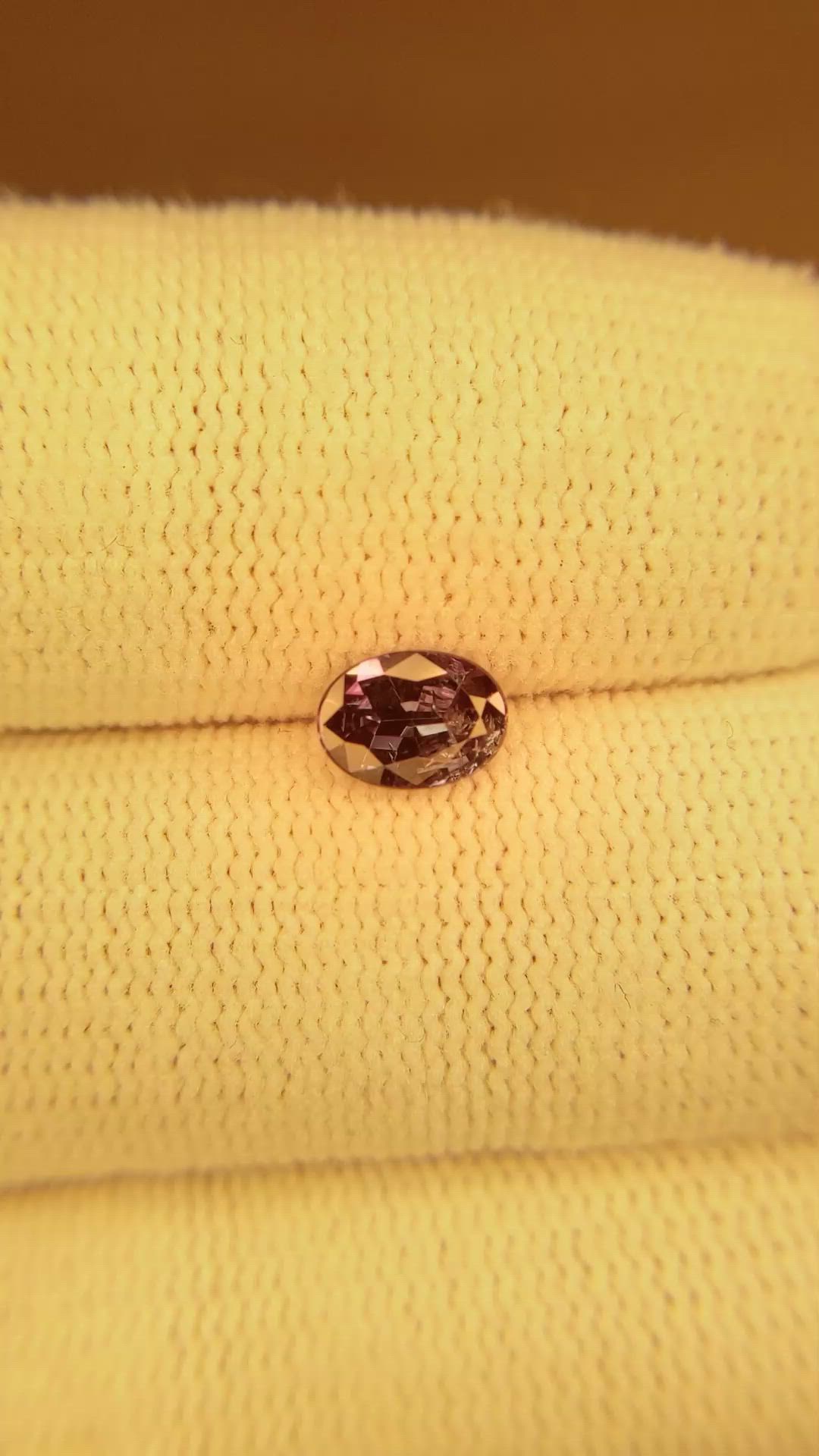
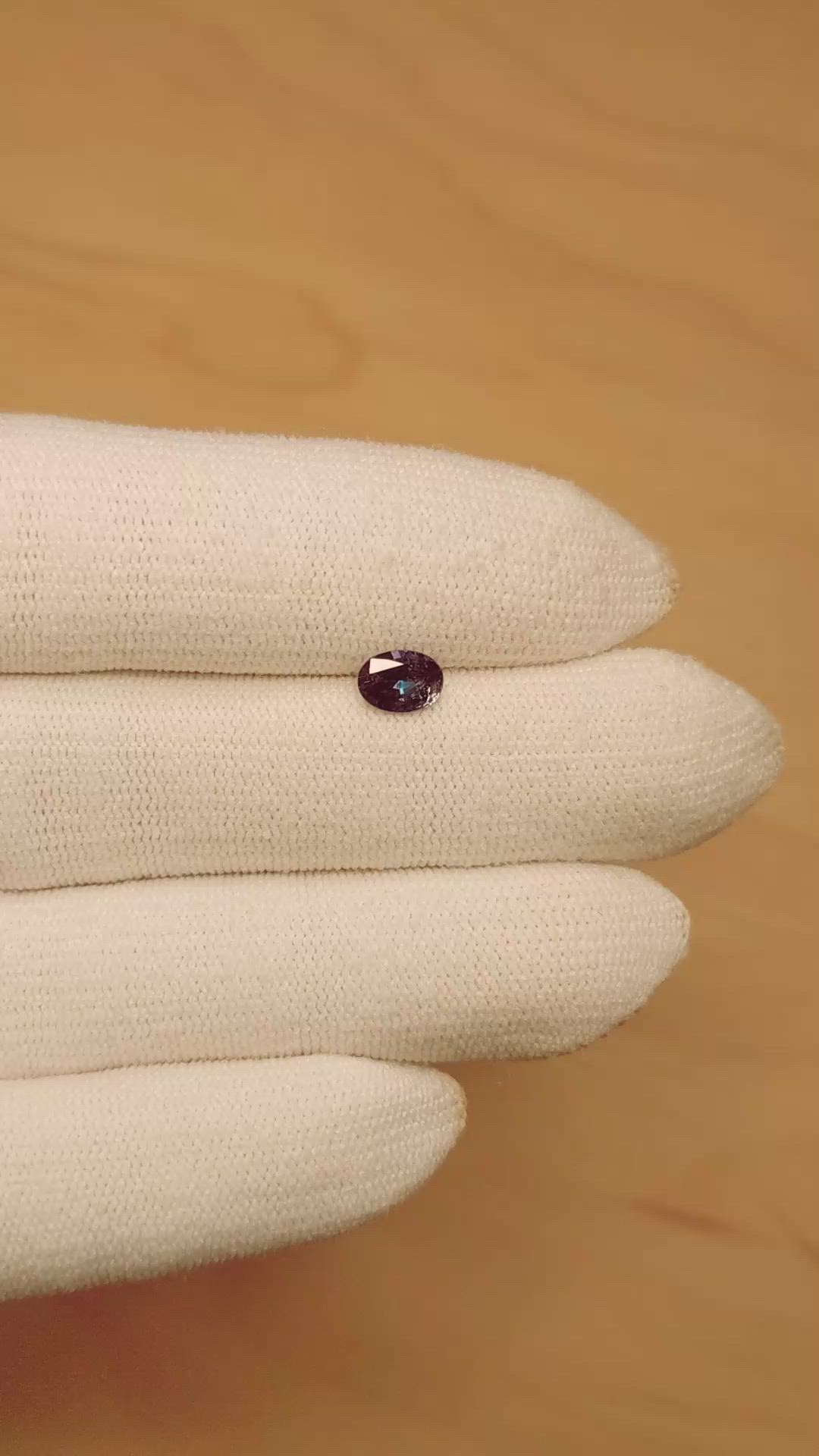
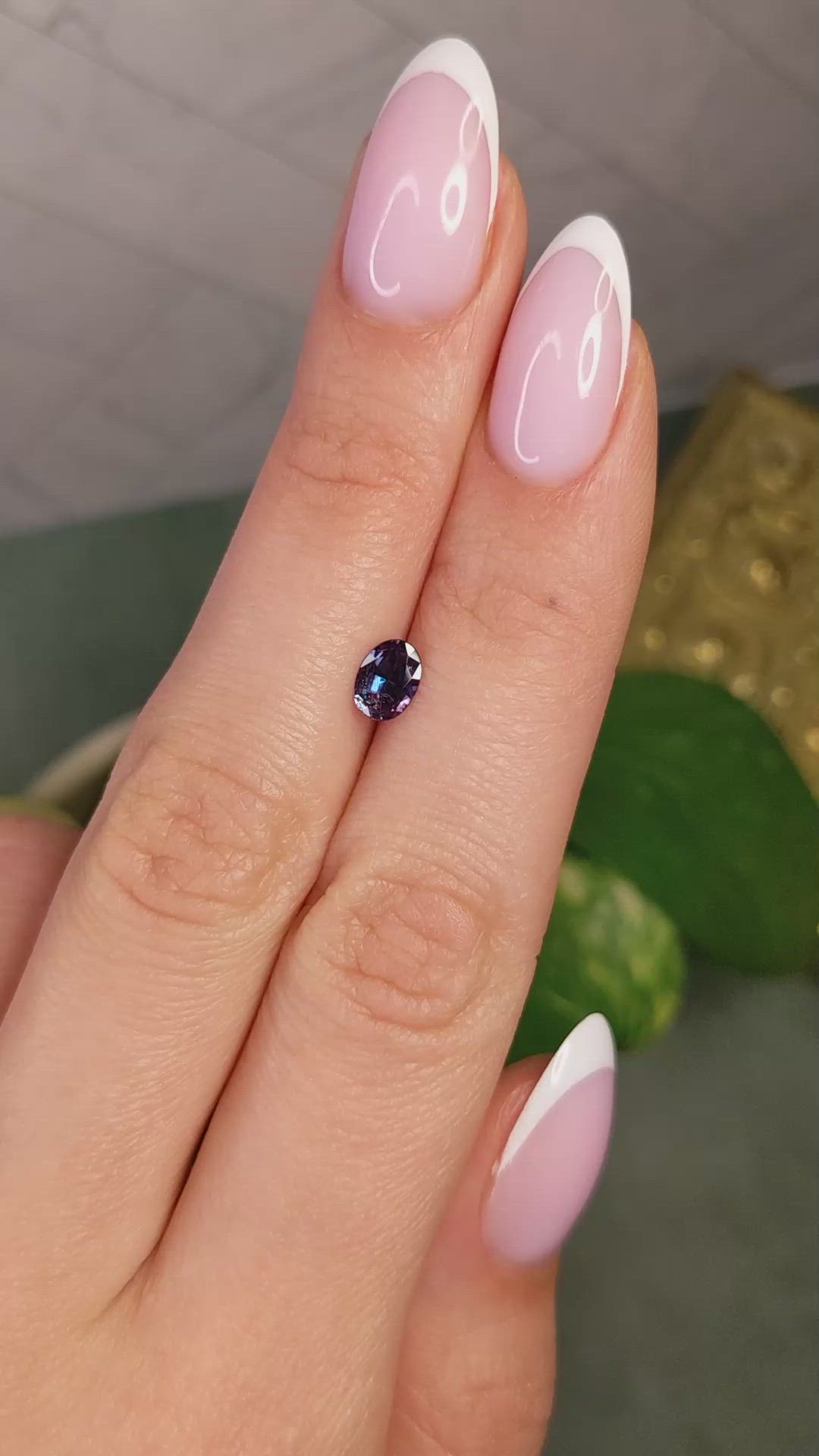
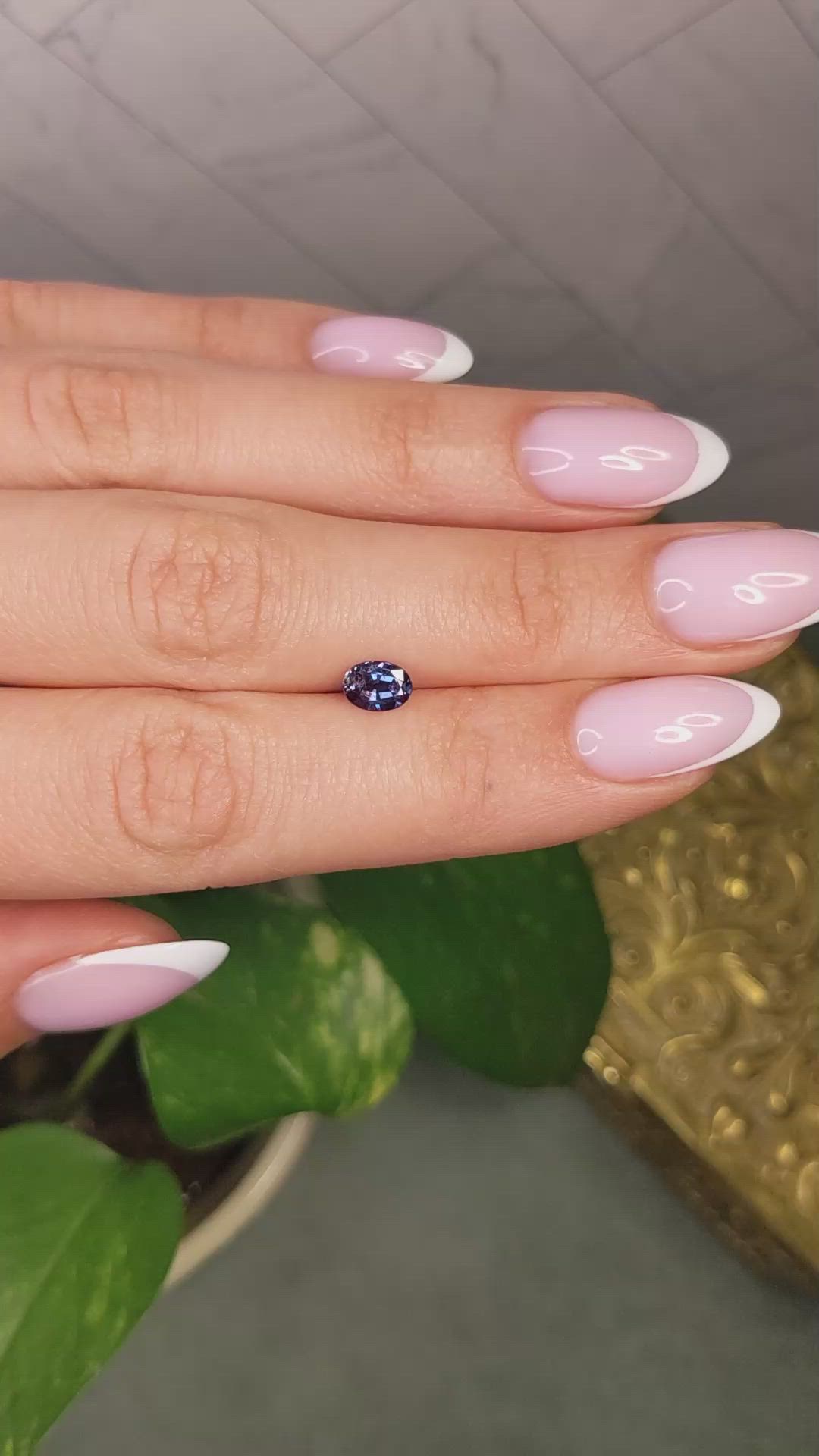
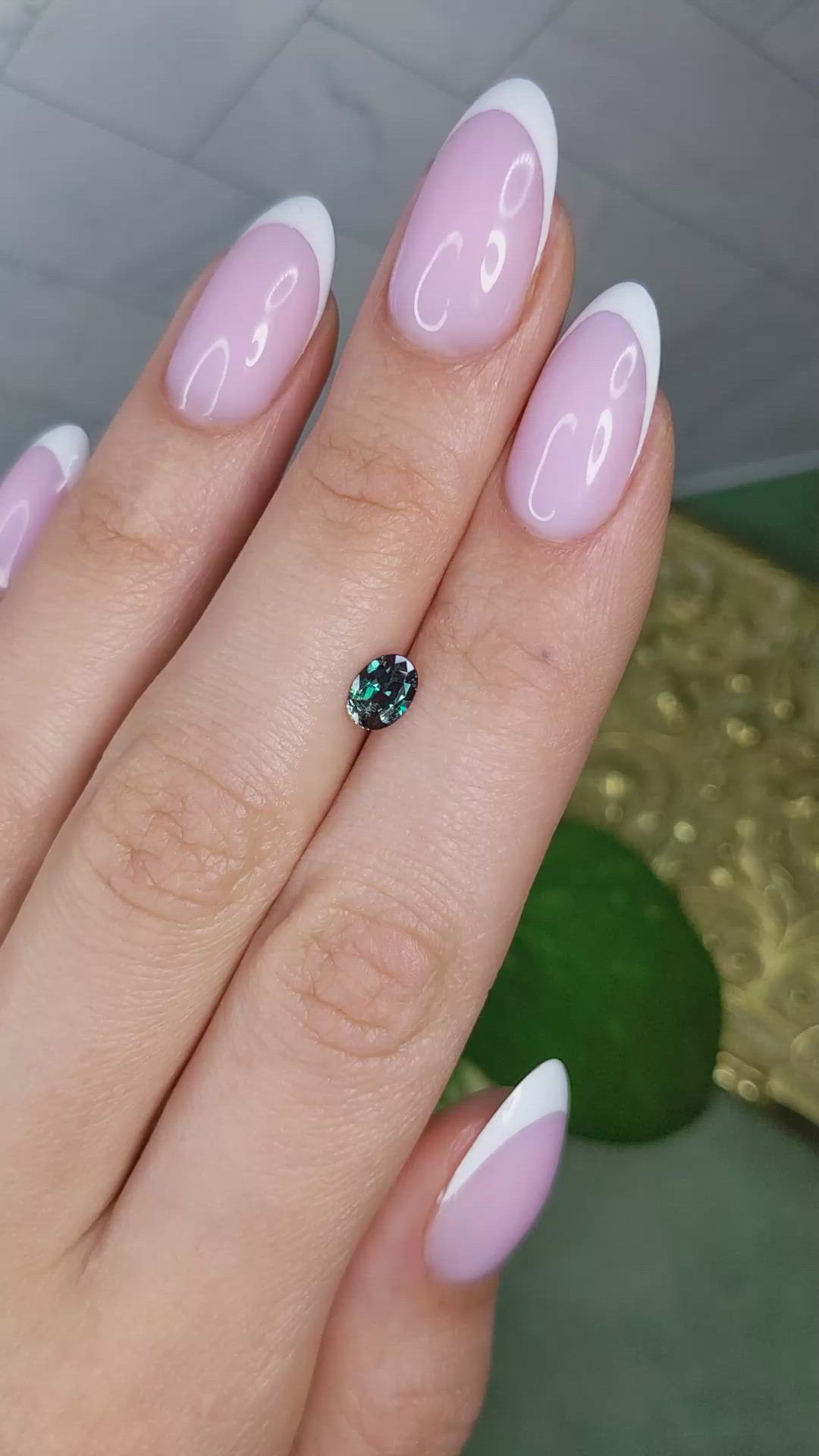


0.60 Ct. Alexandrite from Brazil
This loose stone is available to ship now
Item ID: | K28717 |
|---|---|
Dimensions (MM): help | Length: 6.51 Width: 4.74 Height: 2.7 |
Weight: | 0.60 Ct. |
Color: help | Greenish to Pinkish |
Color intensity: help | Intense |
Clarity: help | Slightly Included |
Shape: help | Oval |
Cut: | Mixed Brilliant Cut |
Cutting style: | Faceted |
Enhancements: help | No Enhancement |
Origin: help | Brazil |
Per carat price: help | $13,875 |
This listing describes a natural alexandrite specimen, transparent, weighing 0.60 carat, cut into an oval shape with precise dimensions of 6.51 x 4.74 x 2.70 mm. The cutting style is a mixed brilliant cut, chosen to balance table scintillation and pavilion light return, producing an even distribution of brightness across the crown. Clarity has been evaluated at eye level and is graded as slightly included, with small internal features that do not significantly interfere with overall transparency or brilliance. Color intensity is classified as intense, with a clearly perceptible change from greenish in daylight to pinkish under incandescent light. Polish is excellent, reflecting careful lapidary work that enhances surface finish and light performance. No enhancements have been applied to this stone, and the origin is Brazil. The Natural Gemstone Company provides this gem with full disclosure of its untreated status and Brazilian provenance.
The hue and tone of this alexandrite merit focused description because they define its character. In daylight or under neutral white lighting the stone presents a greenish hue that leans toward a medium to vivid green rather than a very dark forest green. The tone in this state is medium to medium deep, providing a sense of color presence without overwhelming darkness, and allowing the internal light return from the mixed brilliant facets to remain lively. Under warmer incandescent lighting the stone shifts to a pinkish hue, tending toward a warm pink rather than a deep raspberry or purplish red. The tone in the pinkish state remains comparatively medium, preserving saturation while avoiding an overly dark or muddy appearance. The color change is pronounced enough to be immediately noticeable when viewing conditions change, representing a classical alexandrite effect where hue and tone move in tandem to produce two distinct color presentations.
When compared to alexandrites from historically well known localities the differences become instructive. Classic Ural Russian alexandrite typically shows a darker, deeper forest green in daylight and a distinctive purplish red under incandescent light, with often a heavier tone in both states. Those stones frequently exhibit a pronounced, dramatic shift and a tendency toward richer, more velvety color. Sri Lankan alexandrite specimens are often lighter in tone and may show a greener teal hue in daylight and a softer pink to rose tone in warm light, with less intense color change overall. East African examples, including material from Tanzania and Madagascar, can offer vivid, saturated shifts with strong greens and true reds, sometimes approaching the intensity associated with the finest examples, but they can also present more bluish green tones. Brazilian alexandrite, as exemplified by this gem, commonly occupies an intermediate profile, showing bright, clear greenish tones in neutral light and warm pinkish tones under incandescent light, with a brightness and clarity that reflect the regional crystallography and inclusion patterns. The present specimen aligns with that Brazilian pattern, delivering an intense but not excessively dark green, and a warm pink that is distinctly different from the cooler or more purplish reds associated with some classic Russian material.
For practical use and assessment this alexandrite offers several advantages. Its dimensions and weight make it suitable for a variety of jewelry settings, including solitaire rings, pendants, and earrings where its color change can be experienced in normal wear. The mixed brilliant cut maximizes dynamic light performance and compensates for the medium tone by adding scintillation and visual life. Slight internal inclusions are typical for natural chrysoberyl alexandrite and do not detract from its transparency or color change, but they are noted for completeness and for accurate appraisal. The excellent polish supports resistance to surface wear and enhances both color saturation and light return. As an untreated gem, the stone requires no special disclosure beyond origin, and The Natural Gemstone Company includes provenance information in its documentation. For care, avoid sudden high heat and hard knocks, clean with warm soapy water and a soft brush, and inspect settings periodically to ensure secure mounting. In summary this 0.60 carat Brazilian alexandrite offers a clear demonstration of the greenish to pinkish color change typical of fine Brazilian material, combined with precise cutting, intense color, and transparent clarity, making it a well documented and attractively performing example of the species.


