
- Stone20
- Reports3
-round-greenishtoyellowish-alexandrite-0.7300-cts-k31581-1.jpg?d=200x200&v=20260916064556)
-round-greenishtoyellowish-alexandrite-0.7300-cts-k31581-lifestyleimage-1.jpg?d=200x200&v=20260921070136)
-round-greenishtoyellowish-alexandrite-0.7300-cts-k31581-lifestyleimage-2.jpg?d=200x200&v=20260921070137)
-round-greenishtoyellowish-alexandrite-0.7300-cts-k31581-lifestyleimage-3.jpg?d=200x200&v=20260921070137)
-round-greenishtoyellowish-alexandrite-0.7300-cts-k31581-lifestyleimage-4.jpg?d=200x200&v=20260921070137)


-round-greenishtoyellowish-alexandrite-0.7300-cts-k31581-1.jpg?d=750x750&s=ngc&v=20260916064556)
-round-greenishtoyellowish-alexandrite-0.7300-cts-k31581-lifestyleimage-1.jpg?d=750x750&s=ngc&v=20260921070136)
-round-greenishtoyellowish-alexandrite-0.7300-cts-k31581-lifestyleimage-2.jpg?d=750x750&s=ngc&v=20260921070137)
-round-greenishtoyellowish-alexandrite-0.7300-cts-k31581-lifestyleimage-3.jpg?d=750x750&s=ngc&v=20260921070137)
-round-greenishtoyellowish-alexandrite-0.7300-cts-k31581-lifestyleimage-4.jpg?d=750x750&s=ngc&v=20260921070137)


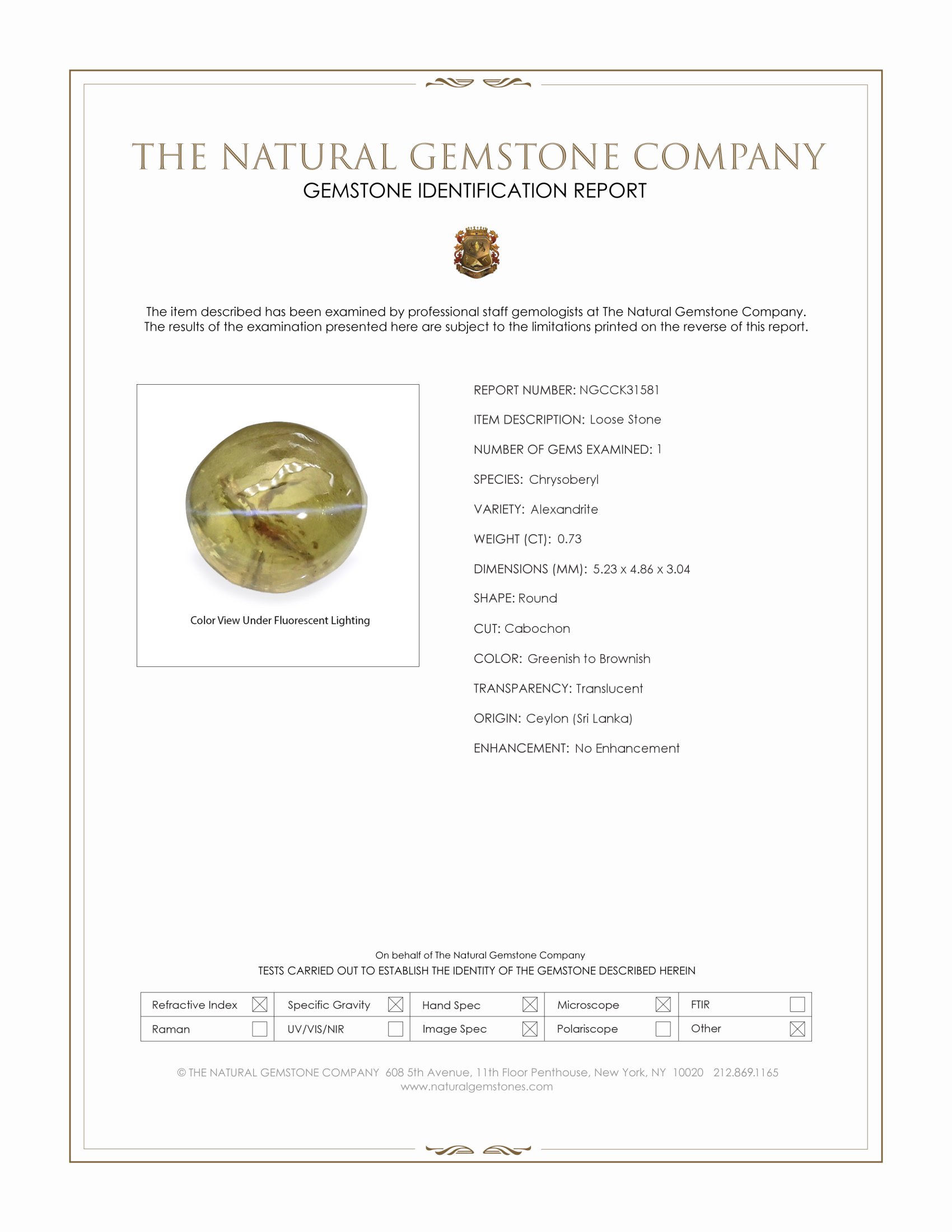

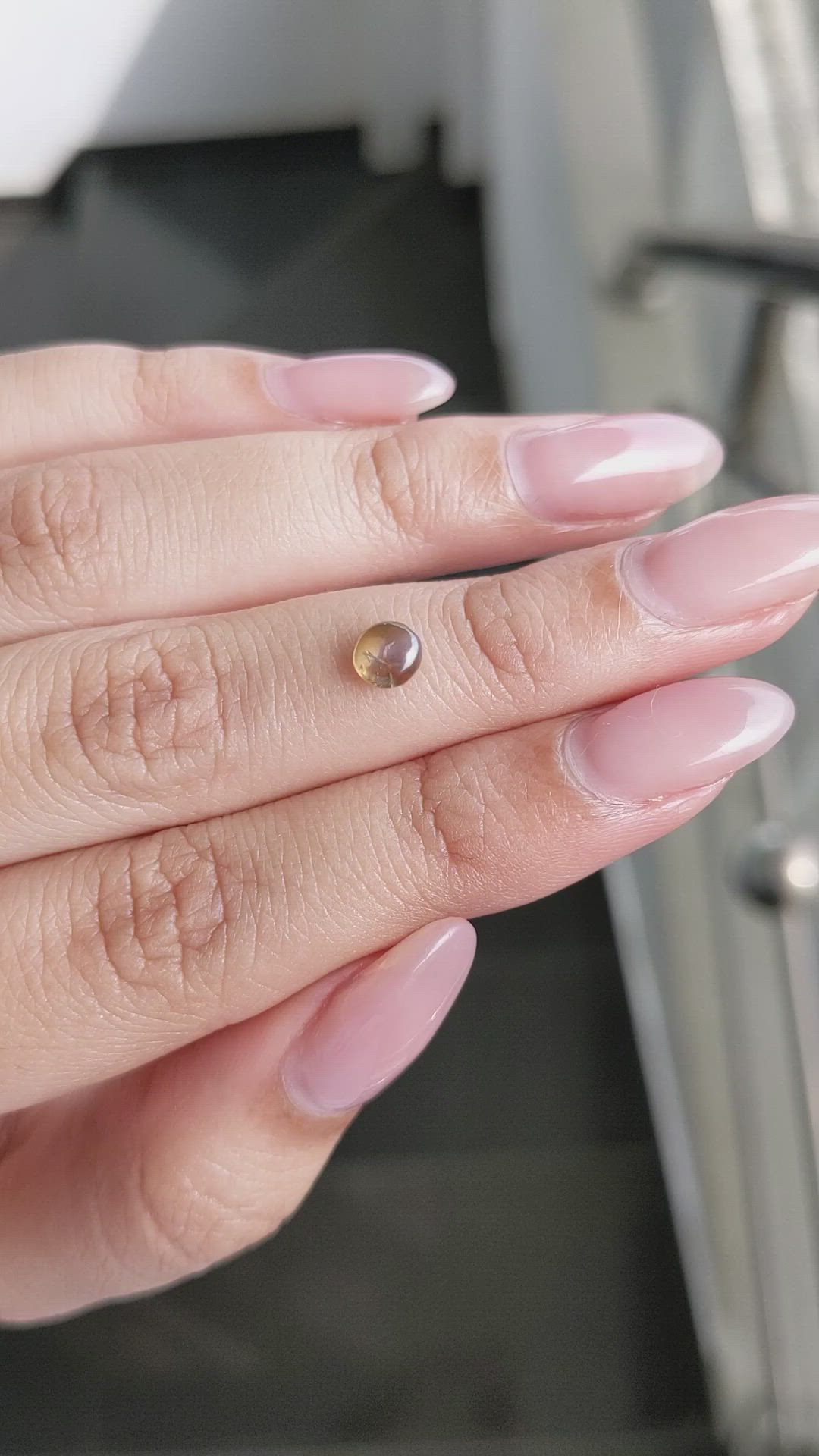
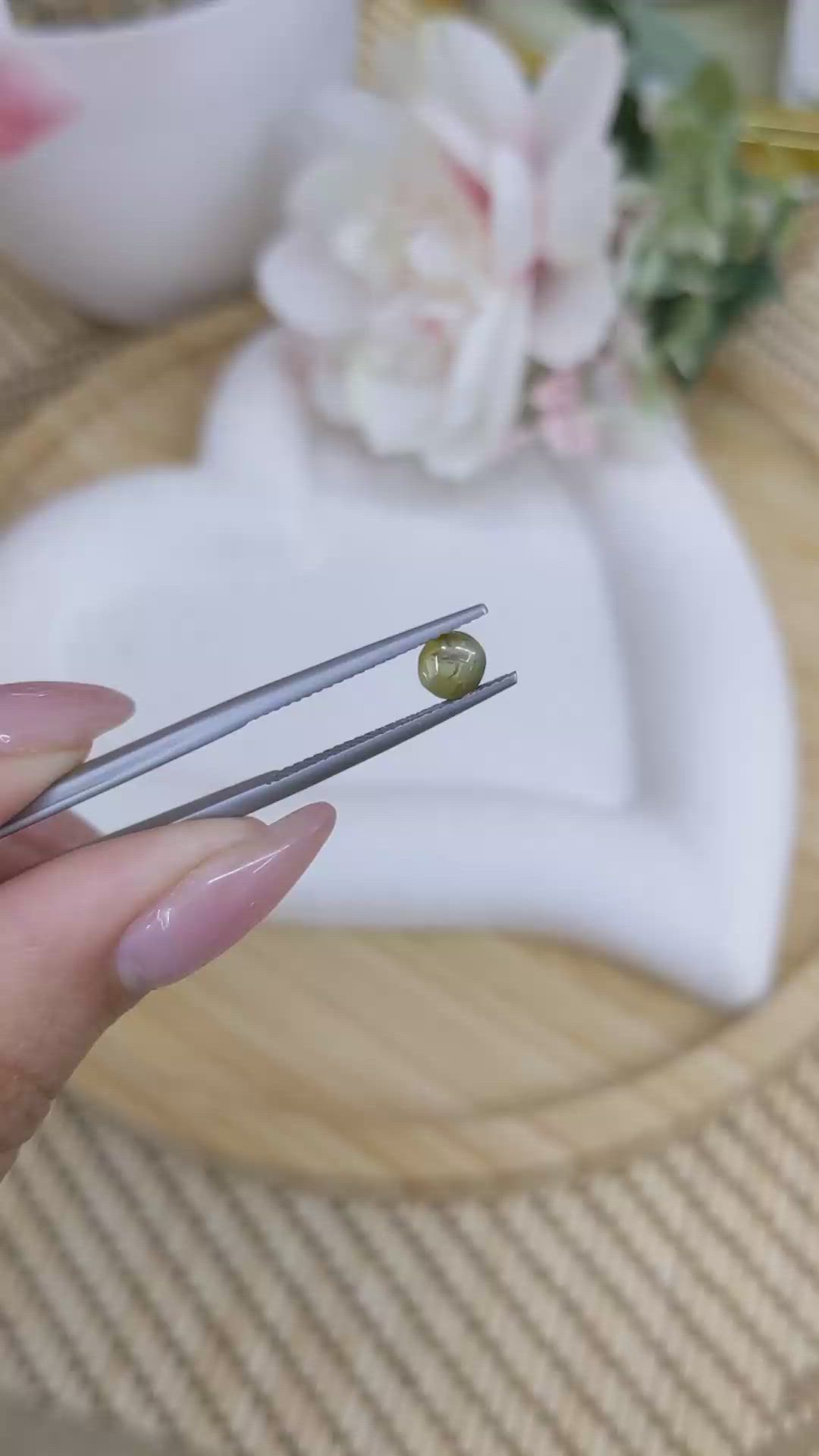
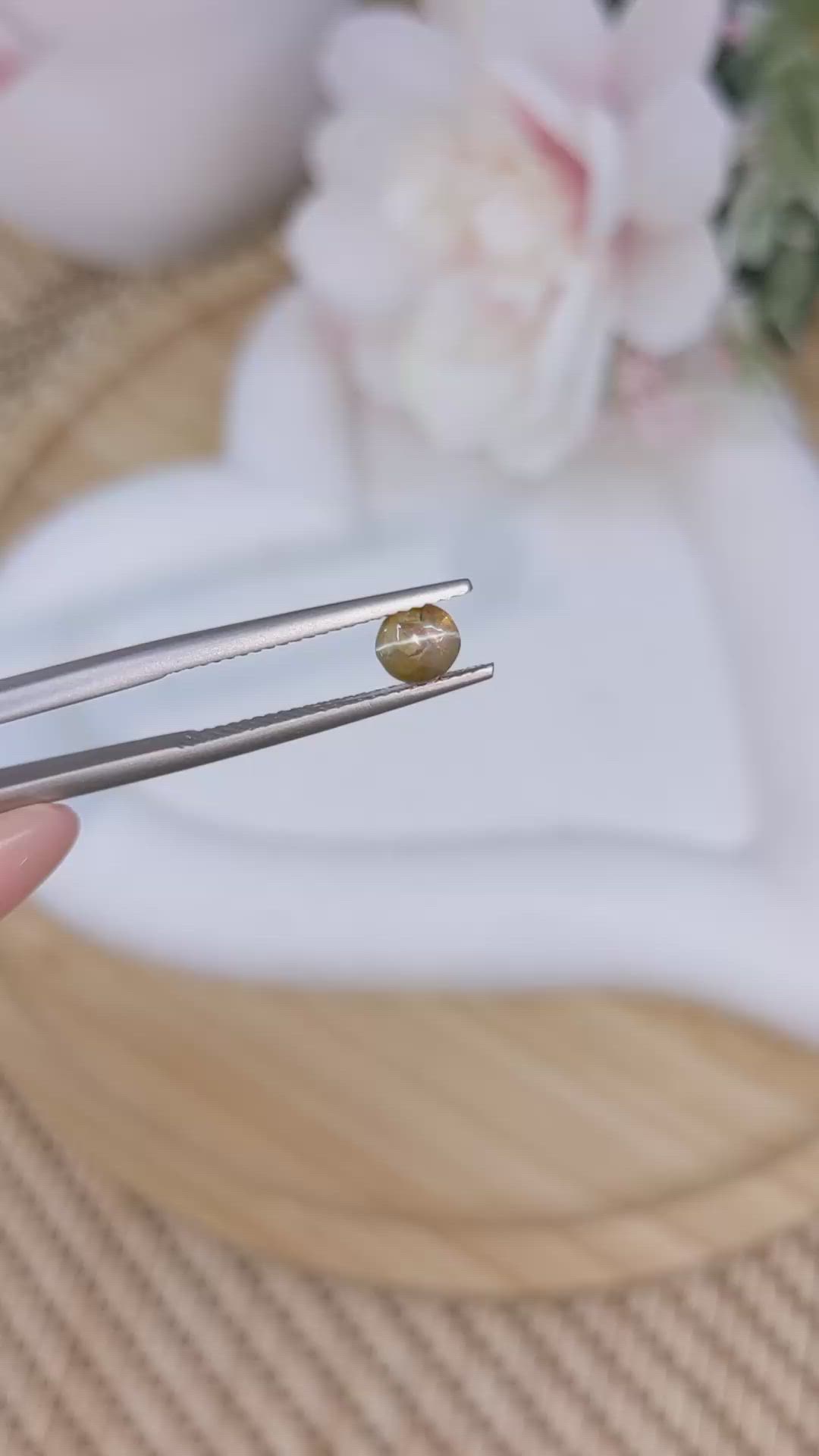
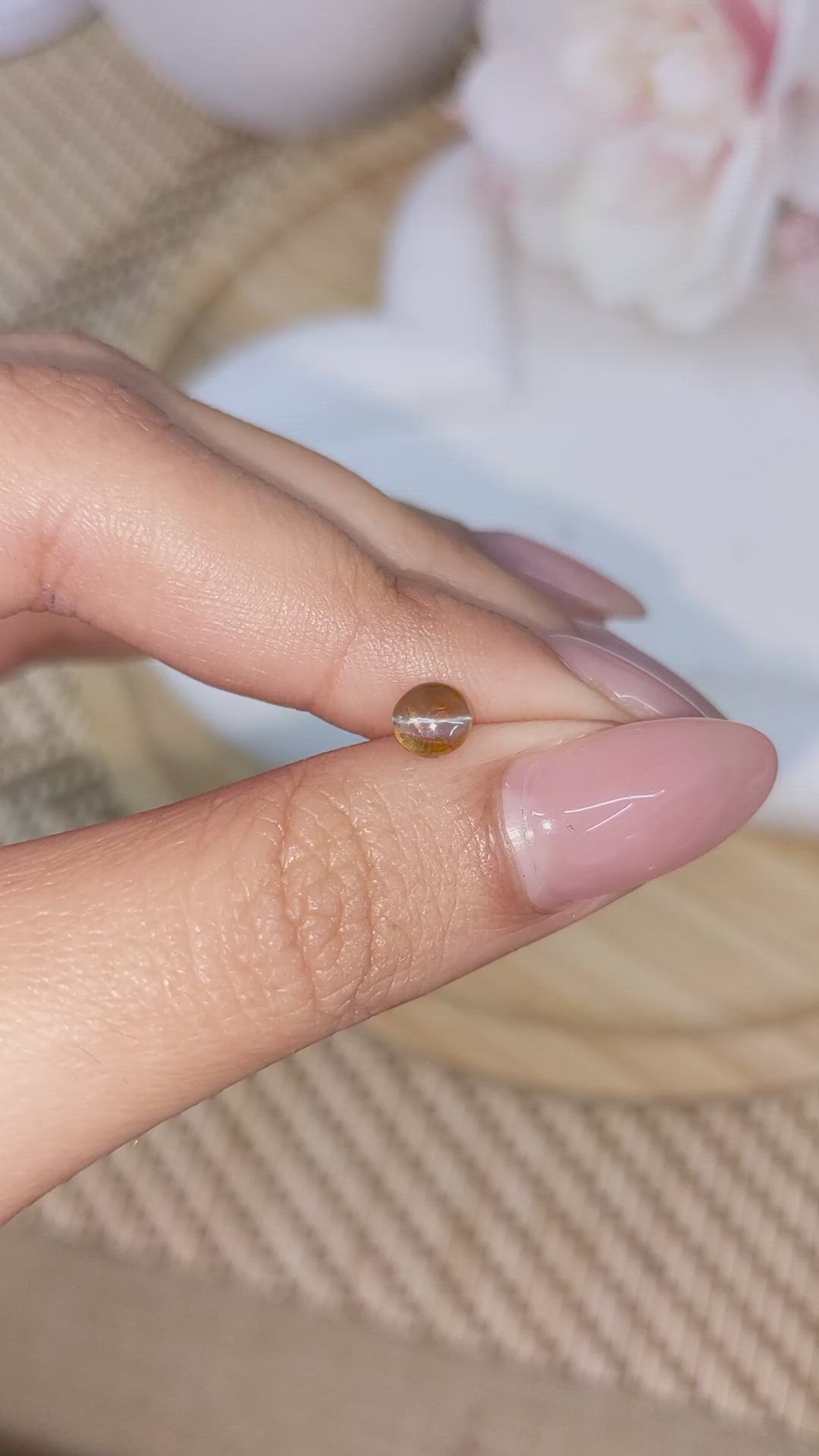
0.73 Ct. Cabochon Alexandrite from Ceylon (Sri Lanka)
This loose stone ships by Oct 30
Item ID: | K31581 |
|---|---|
Dimensions (MM): help | Length: 5.23 Width: 4.86 Height: 3.04 |
Weight: | 0.73 Ct. |
Color: help | Greenish to Brownish |
Color intensity: help | Medium |
Clarity: help | Slightly Included |
Shape: help | Round |
Cut: | Cabochon |
Cutting style: | Cabochon |
Enhancements: help | No Enhancement |
Origin: help | Ceylon (Sri Lanka) |
Per carat price: help | $1,178 |
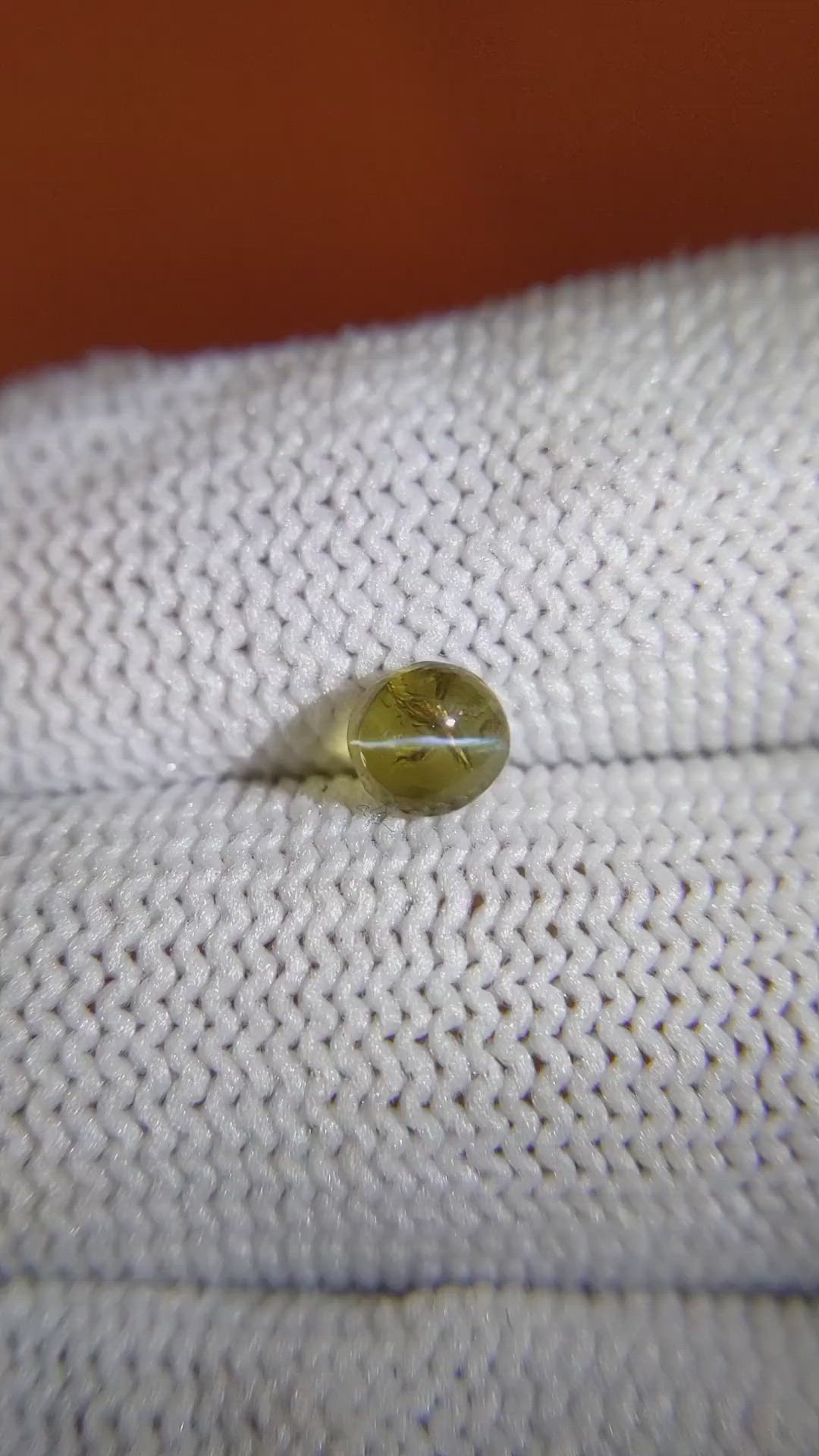
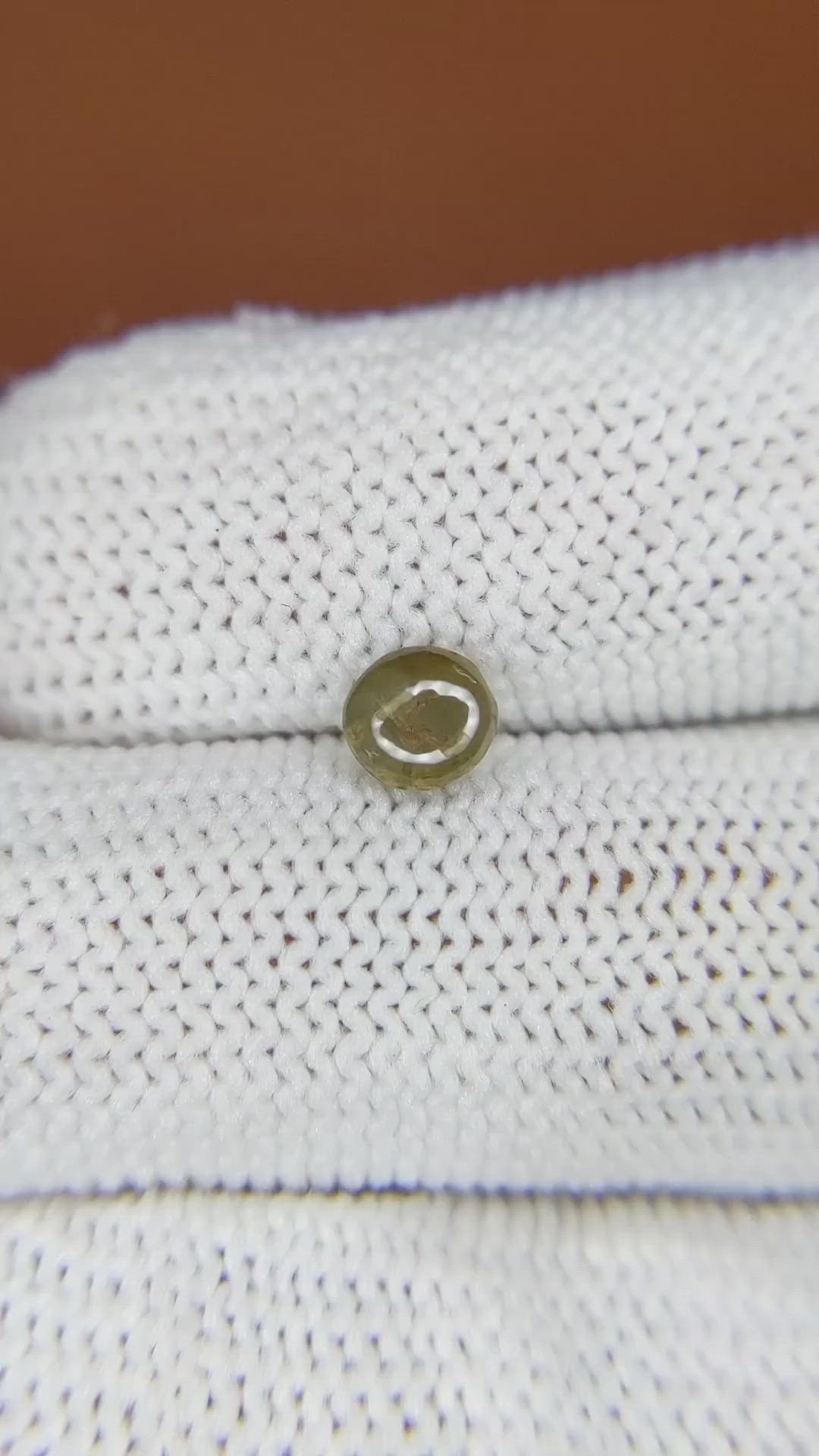
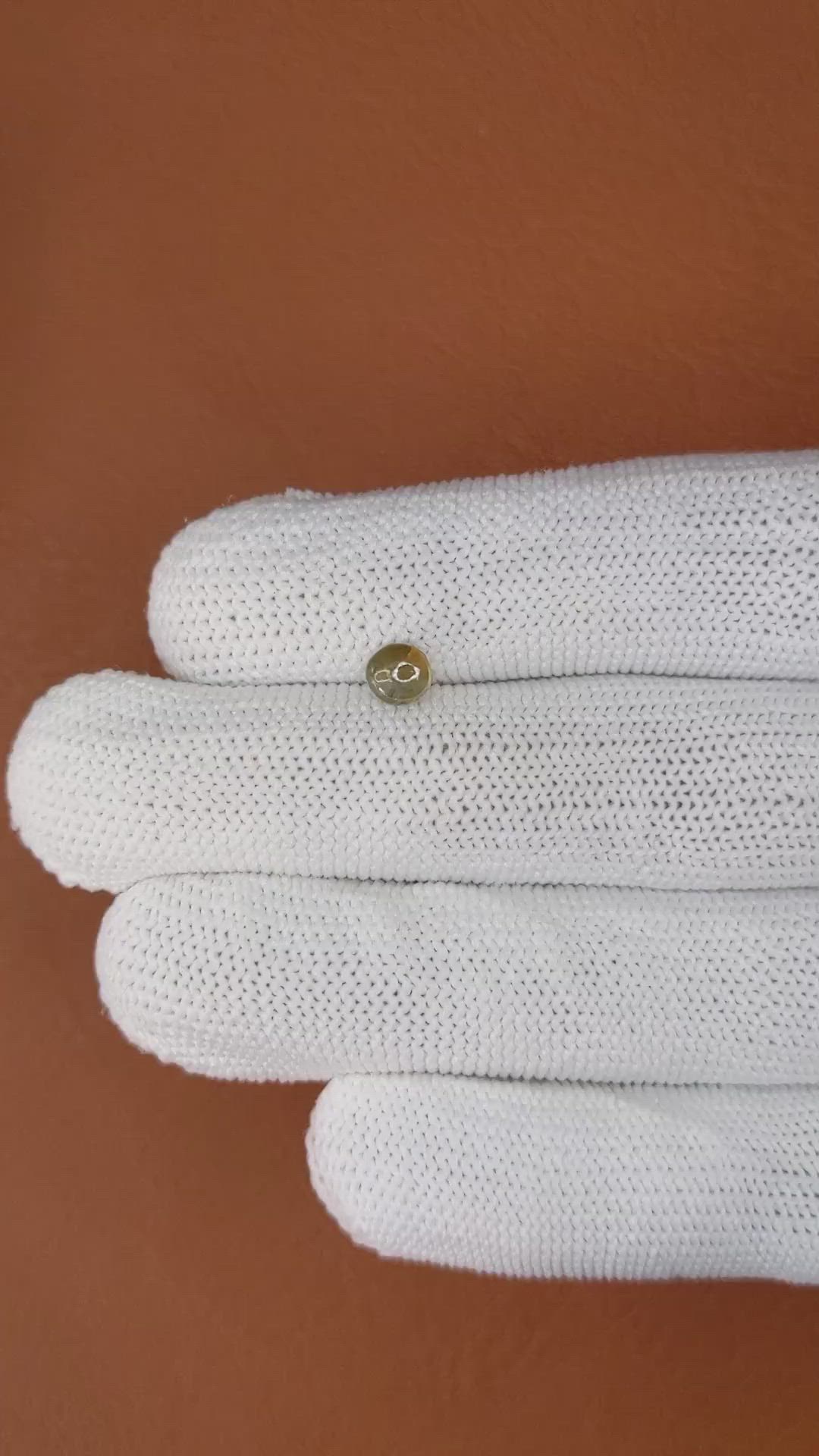
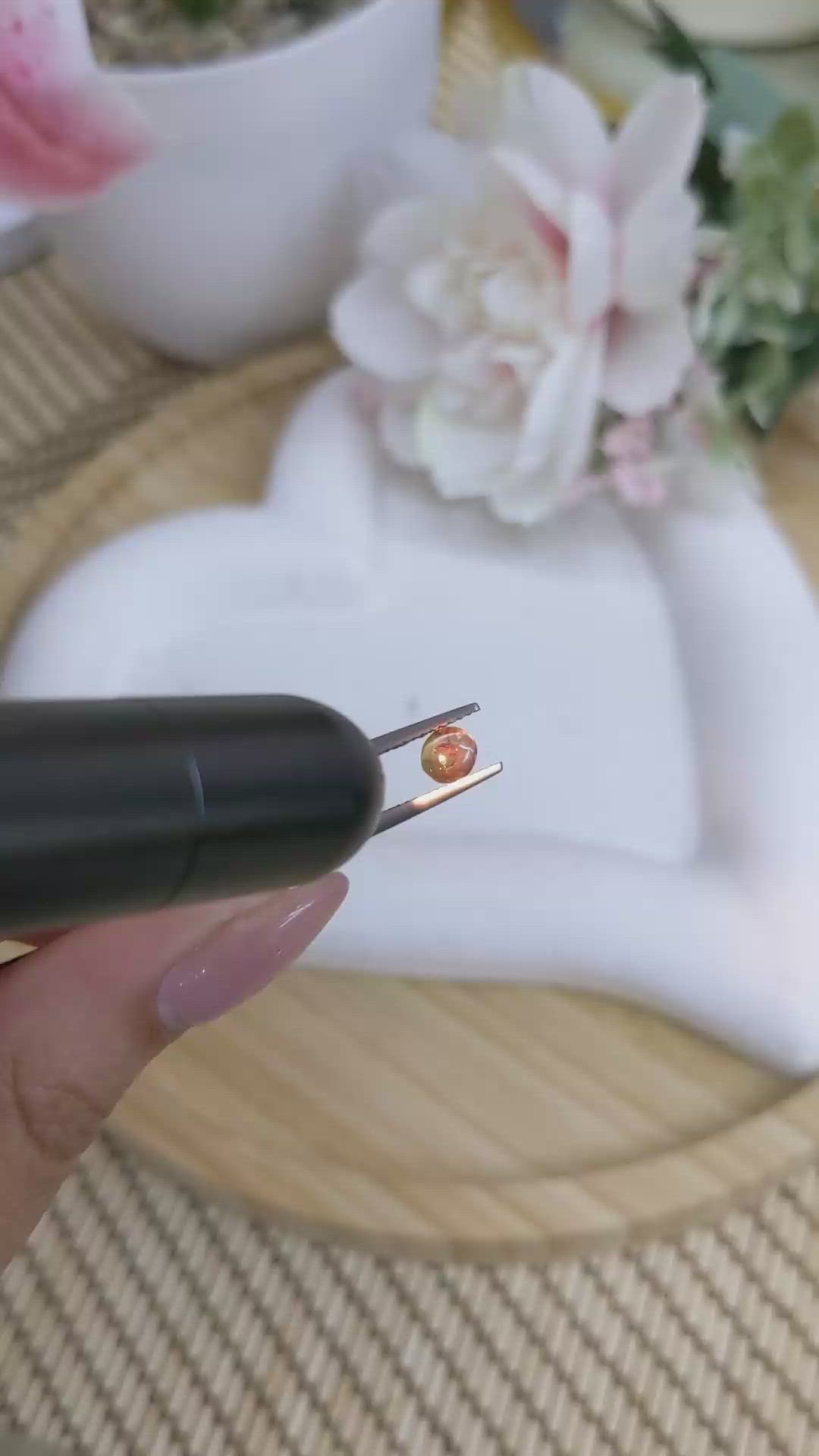
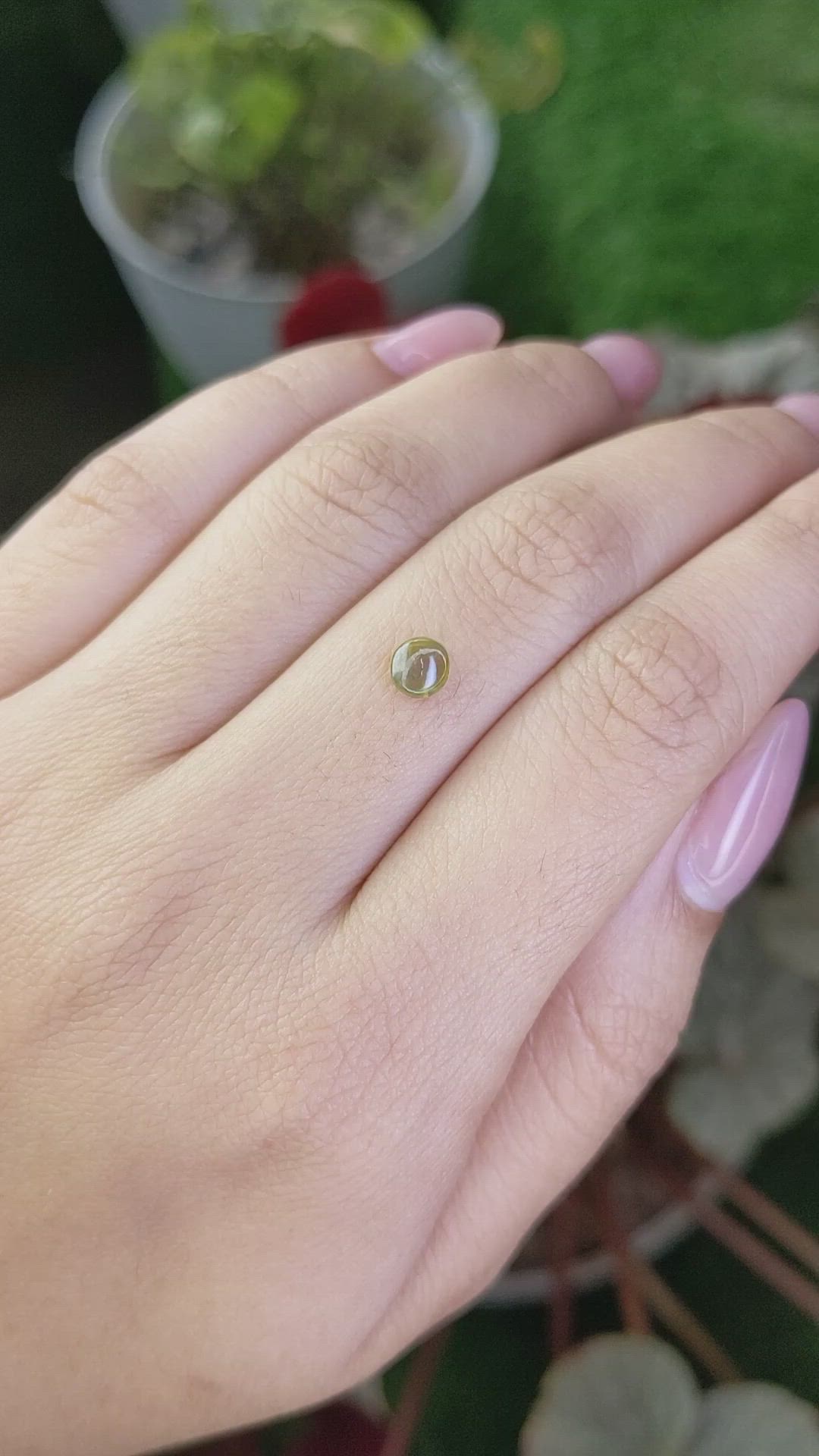
This listing describes a translucent round cabochon alexandrite weighing 0.73 carat, with overall dimensions of 5.23 x 4.86 x 3.04 mm. The cutting style is a classic cabochon, chosen to present the stone as a smooth domed surface, and the finish shows an excellent polish. Color presentation is greenish to brownish with medium color intensity, and the stone displays the characteristic alexandrite shift when viewed under different light sources. Clarity is graded as slightly included when examined at eye level, and the gem is natural with no enhancement. Origin is Ceylon, Sri Lanka, and the combination of provenance, cabochon form, and untouched surface makes this specimen an informative example of natural alexandrite from this historic region. The piece is well suited for settings that emphasize the dome and surface phenomena, such as rings and pendants that allow strong directional lighting to reveal the stone character.
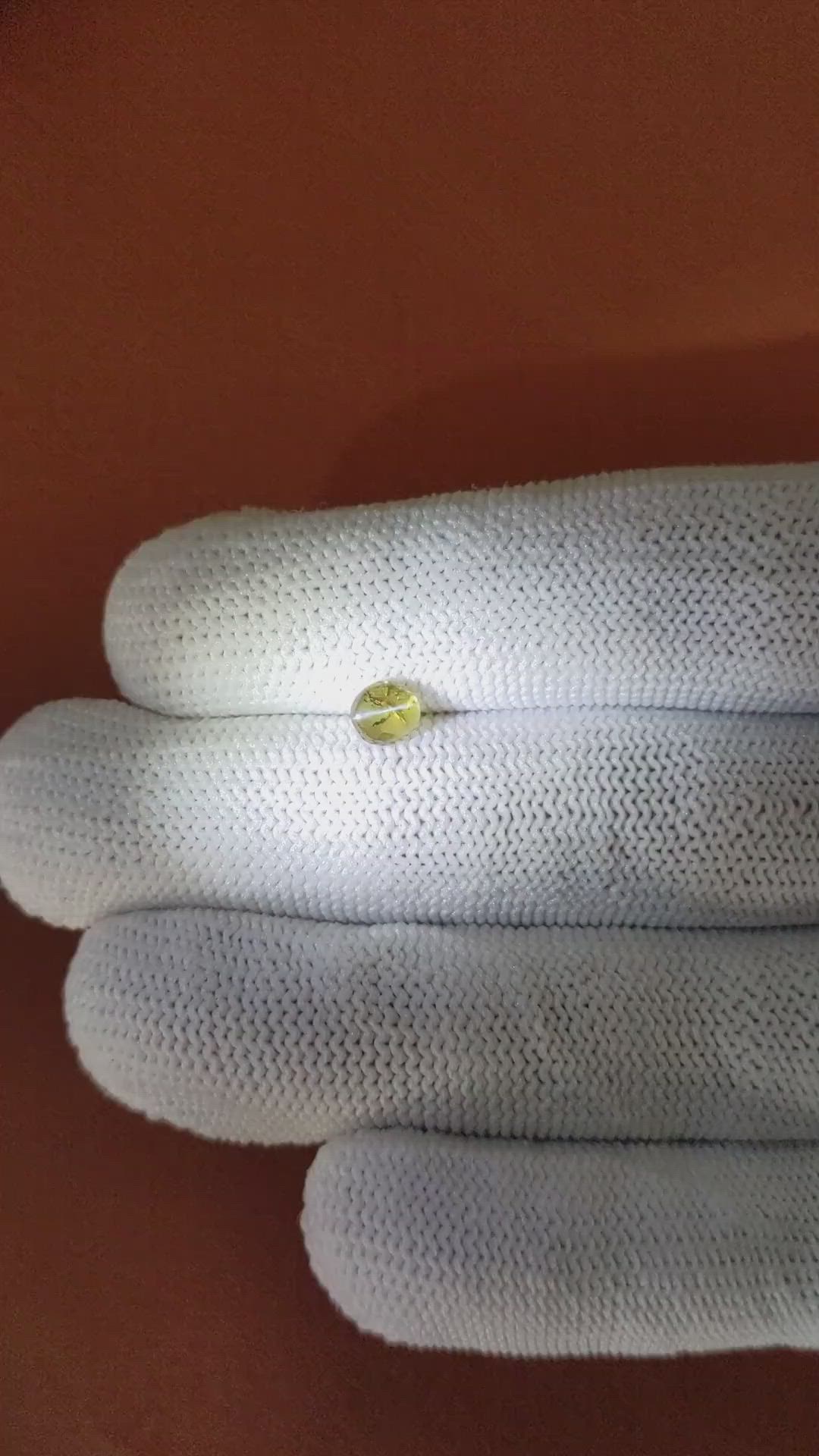
The cabochon cut allows a pronounced cat s eye effect, commonly called chatoyancy, which appears as a single narrow band of light that crosses the dome surface. This band of light is visible when the stone is exposed to a directional light source, and it follows a linear path across the crown as the viewing angle or light source changes. The visible band results from parallel, needle like or fibrous inclusions within the crystal structure that reflect light in a coordinated way, producing a sharp luminous line rather than diffuse shimmer. In this alexandrite the band is distinct and well centered, and it contrasts against the underlying translucent body color so that the cat s eye is easily observed in both photography and in hand examination. The presence of chatoyancy adds a dynamic optical quality, as the band of light appears to glide across the surface as the gem or the observer moves, a property that can make a simple setting feel lively and responsive in daily wear.
When compared to lab grown alexandrite and other synthetic alternatives, natural stones offer attributes that are difficult to replicate. Laboratory processes can produce material with uniform color and fewer inclusions, and for consumers who prioritize consistency and lower cost, lab grown stones present a valid option. Natural alexandrite however carries a complexity in color behavior, inclusion patterning, and trace element chemistry that is unique to each specimen, and those characteristics inform both aesthetic appeal and long term collectibility. The cat s eye chatoyancy combined with the alexandrite color shift is an uncommon pairing in the marketplace, and such combinations tend to be scarcer in natural material than in synthetics. Provenance from Ceylon, Sri Lanka, further documents a geological origin and regional fingerprint that collectors and connoisseurs consider when assessing rarity. Natural stones also have a distinct surface and internal morphology that enables gemologists to identify growth features, and for many buyers this natural fingerprint contributes to perceived authenticity and potential value retention over time.
From a practical perspective this alexandrite demands thoughtful mounting and routine care to preserve both the domed polish and the integrity of the chatoyant band. Alexandrite ranks high in durability among gem materials, and with standard care such as gentle cleaning in warm soapy water and avoidance of harsh acids and sustained high heat, the stone will retain its optical properties. Settings that allow directional light to reach the dome will best showcase the color shift and the cat s eye line, so open halo or bezel variations that do not obscure the crown are advisable. The Natural Gemstone Company documents the gem specifications and origin for this piece, and we can provide additional viewing images under varied lighting conditions on request. For customers seeking a natural example of alexandrite with both color change and a pronounced cat s eye, this Ceylon cabochon offers a clear, well polished, and characterful specimen.


