
- Stone14
- Reports3
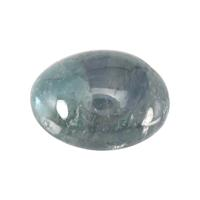
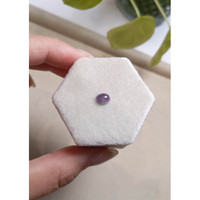
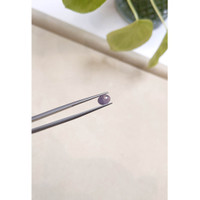
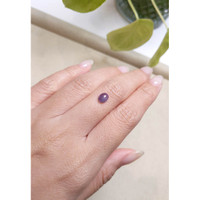
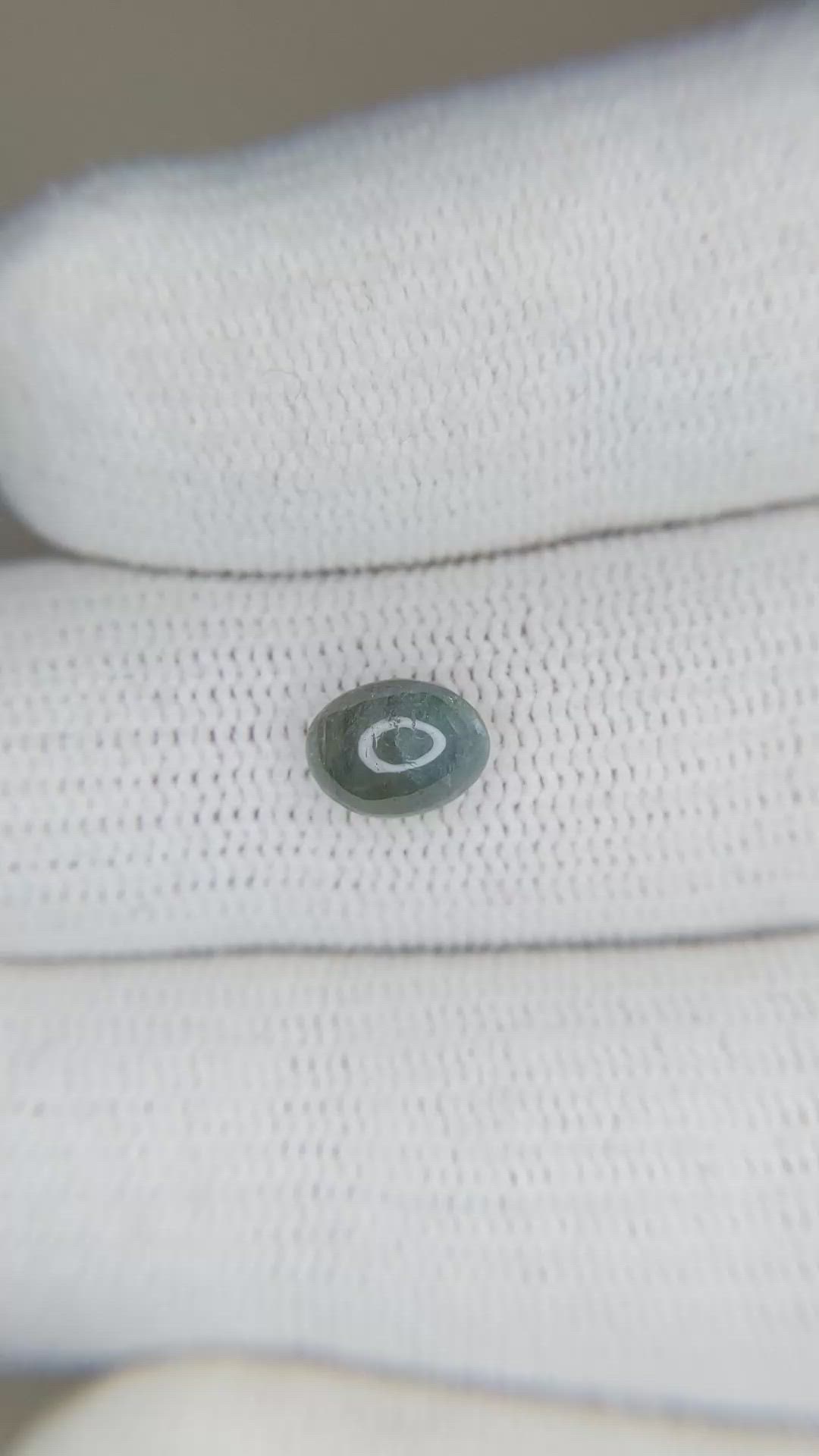
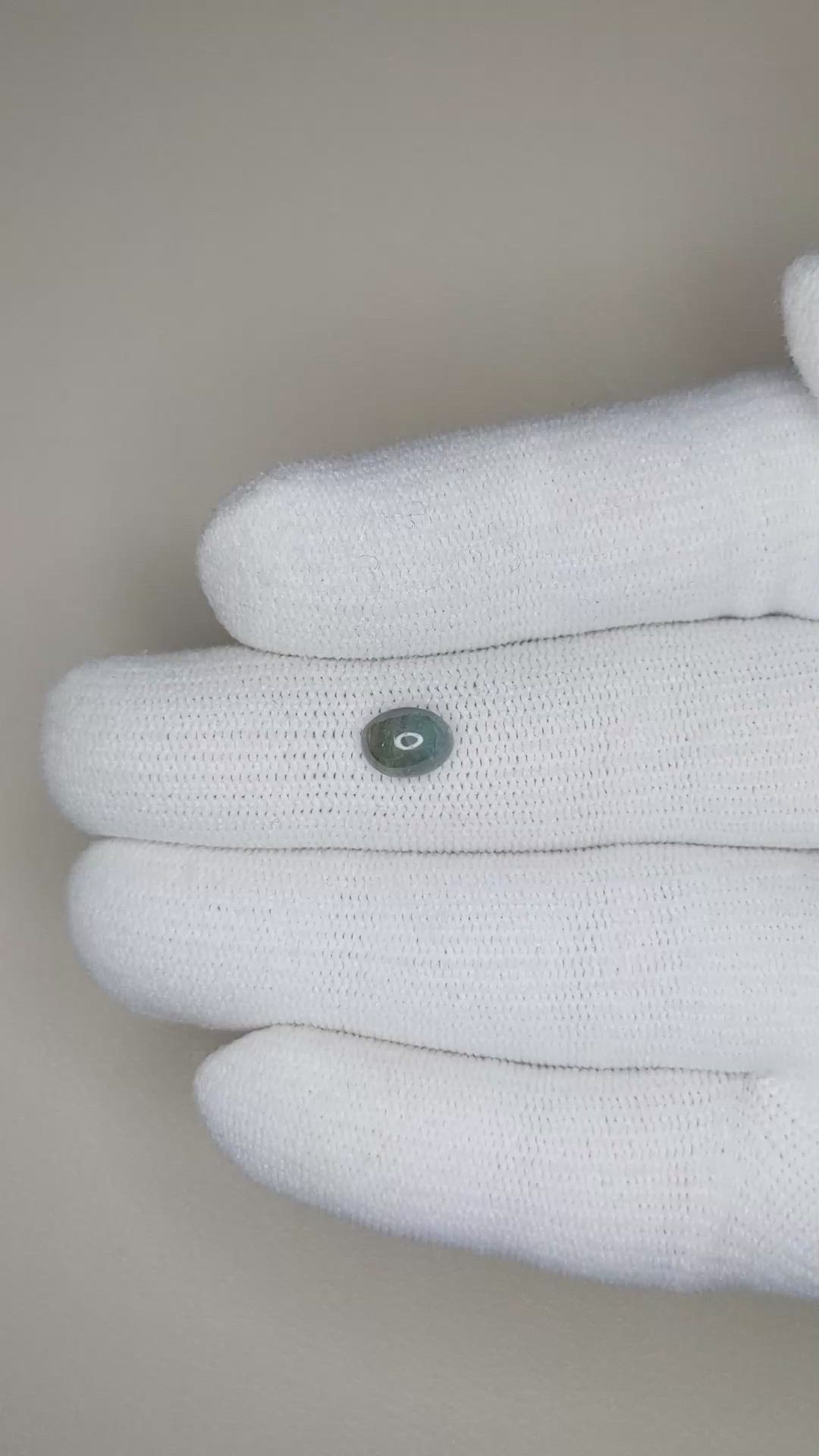
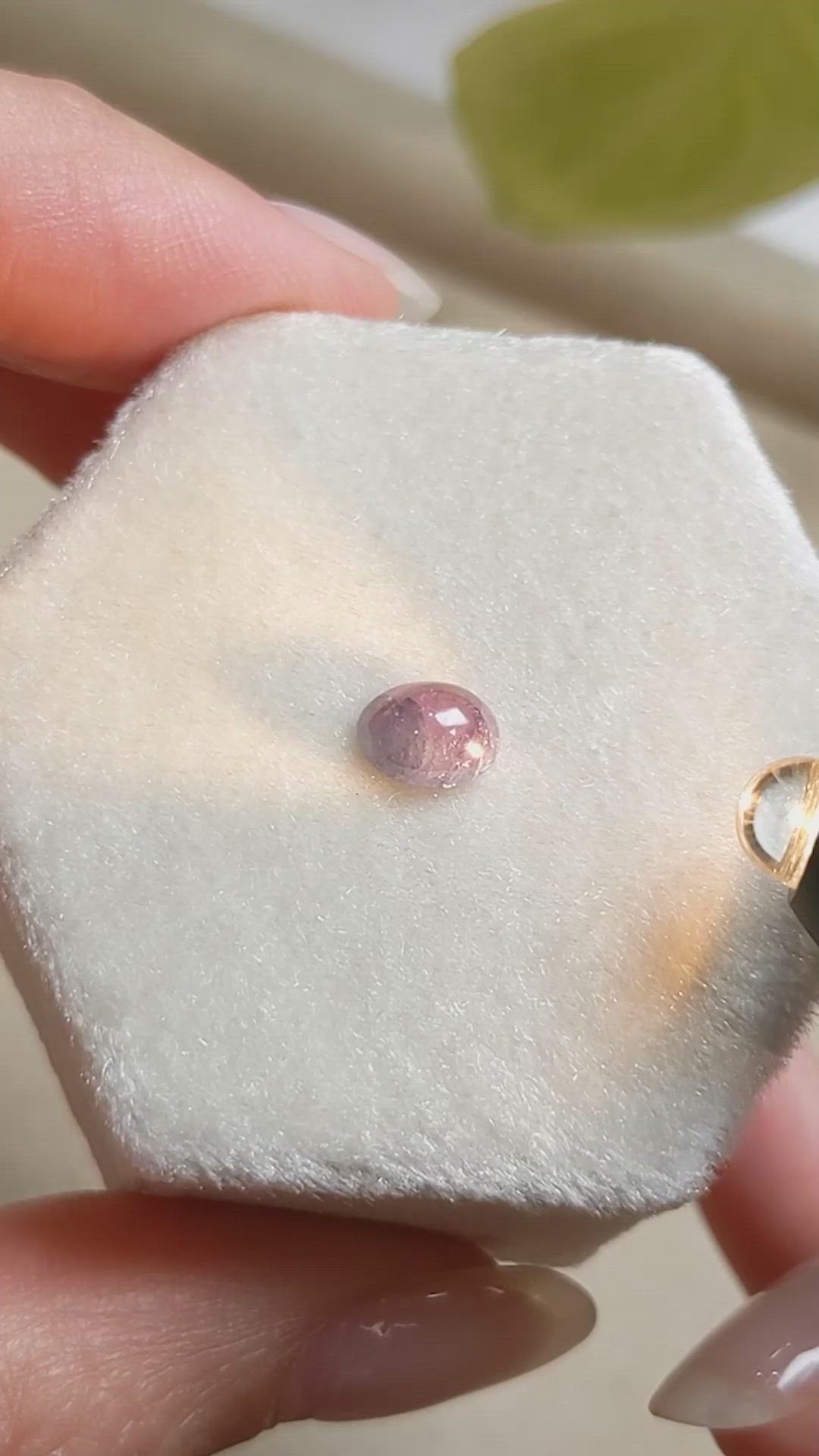
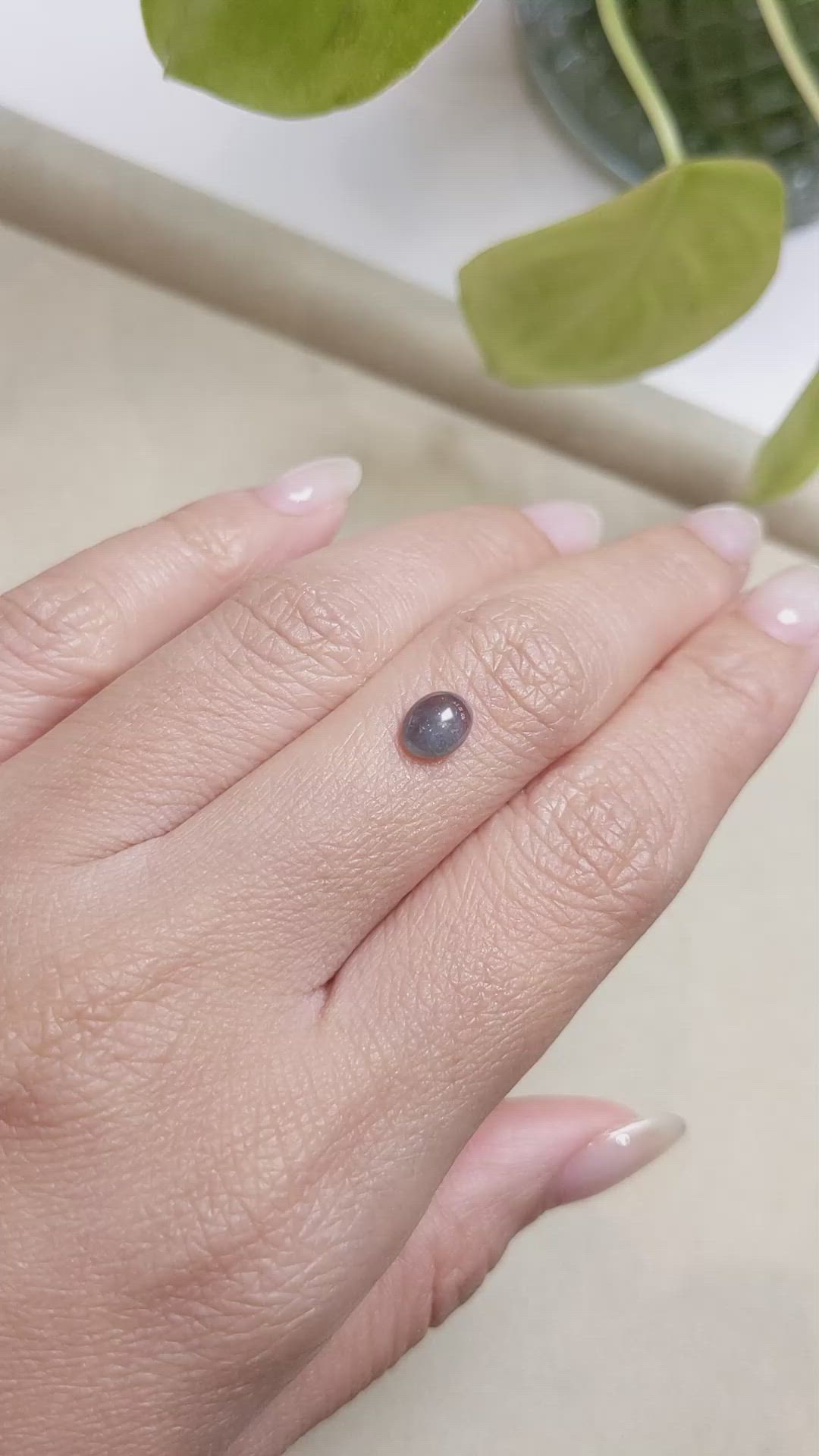
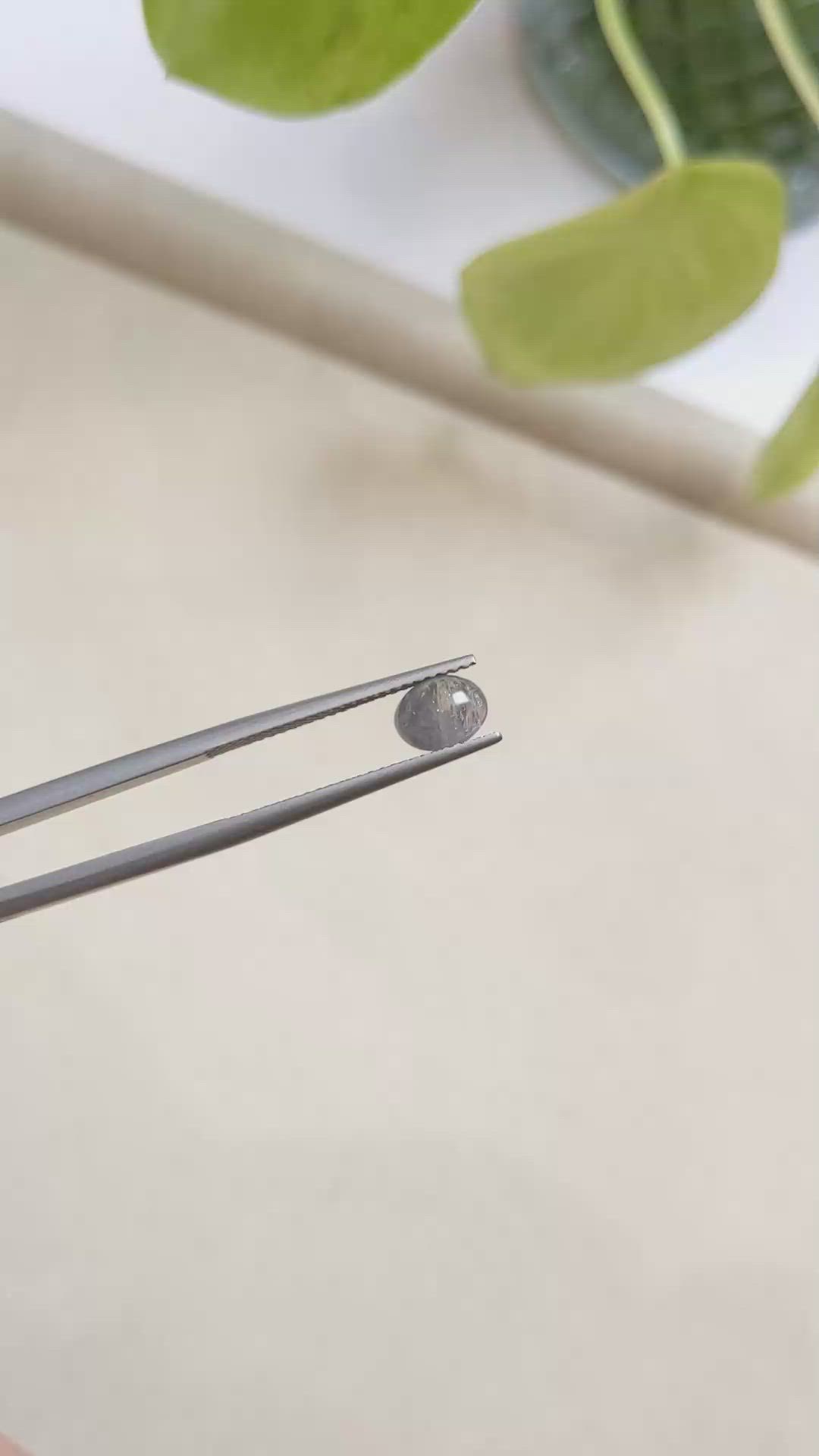


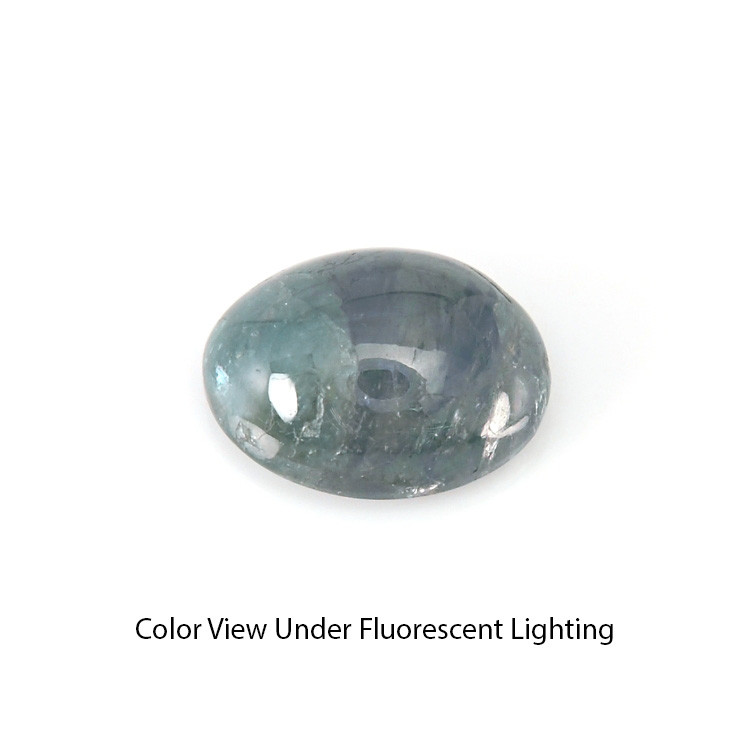
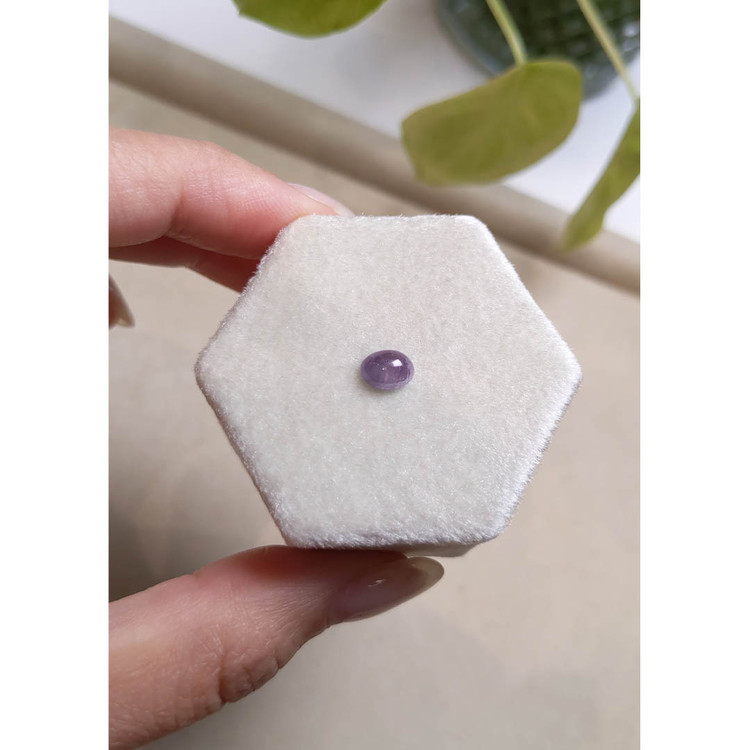
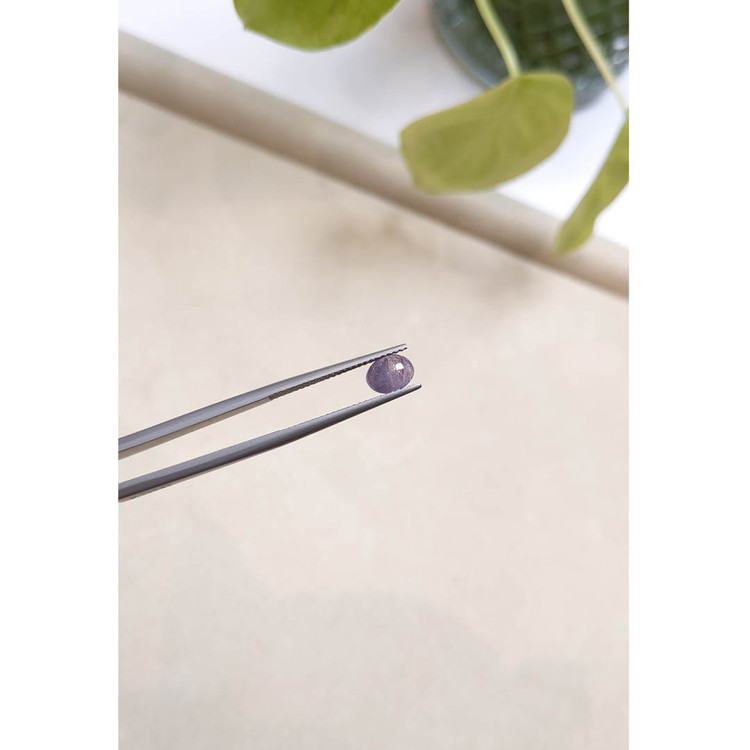
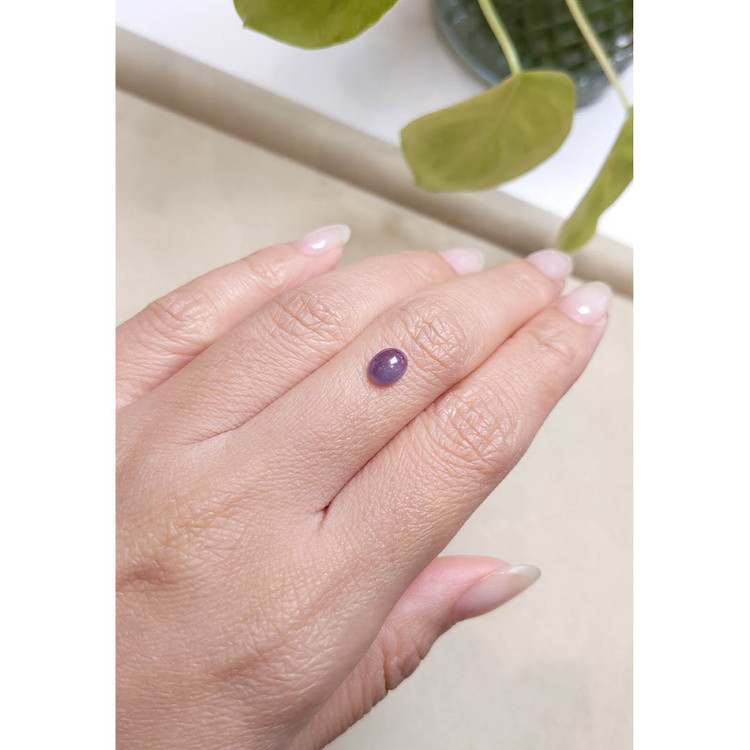


1.08 Ct. Cabochon Alexandrite from Russia
This loose stone ships by Aug 23
Item ID: | K15092 |
|---|---|
Dimensions (MM): help | Length: 6.87 Width: 5.41 Height: 2.99 |
Weight: | 1.08 Ct. |
Color: help | Greenish to Purplish |
Color intensity: help | Medium |
Clarity: help | Included |
Shape: help | Oval |
Cut: | Cabochon |
Cutting style: | Cabochon |
Enhancements: help | No Enhancement |
Origin: help | Russia |
Per carat price: help | $960 |
This description concerns a single translucent alexandrite weighing 1.08 carats, presented in a classic oval outline with dimensions of 6.87 x 5.41 x 2.99 millimeters, cut as a cabochon with an evenly domed profile, clarity graded as included at eye level, color described as greenish to purplish, color intensity assessed as medium, polish evaluated as excellent, no enhancement reported, and origin confirmed as Russia. The weight of 1.08 carats is a defining attribute of this specimen, and it plays a central role in both its gemological identity and market value. Alexandrite is a species known for its scarcity in larger sizes, and crossing the one carat threshold materially changes the rarity class of the stone, making the piece relevant to collectors and connoisseurs who prioritize mass as a key determinant of value. The combination of a clean oval table area and the cabochon dome means that the mass of the stone is not merely numerical, but also functional, because the cabochon volume supports a fuller color display and a more uniform color change across the surface, attributes that smaller or thinner samples cannot replicate.
Cabochon cutting of alexandrite requires deliberate control of dome height, symmetry, and thickness to optimize the color change phenomenon while maintaining the integrity of inclusions and the overall translucency. This alexandrite measures 2.99 millimeters in depth, a proportion that balances light transmission with sufficient material for the chromium induced color shift to manifest. As chrysoberyl, alexandrite typically exhibits refractive indices in the high one point seven range, and a specific gravity around three point seven three, facts that inform the cabochon lapidary approach because they influence how light is guided through the body of the gem. The lapidary who prepared this piece would have prioritized a centered dome, mirror like polish of the table curve, and a smooth transition to the girdle, all to preserve uniformity of color under differing illuminants. Excellent polish in this context means minimal polish lines, absence of milling or pitting, and a surface finish that maximizes light transmission and tactile quality, enhancing the perceived clarity and depth of color even when inclusions are present.
The color change from greenish to purplish is the most diagnostic and desirable property of alexandrite, and it is driven by chromium substitution in the chrysoberyl crystal lattice interacting with varied light sources. Medium color intensity indicates that saturation is balanced, producing clear distinction between daylight sympathetic greens and incandescent leaning purples without appearing muted or excessively dark. The greenish to purplish shift noted for this Russian origin alexandrite is noteworthy because Russian provenance is historically associated with strong, classic color change and fine chromophore content. At a weight of 1.08 carats, the stone offers a surface area sufficient to evaluate color change across different viewing angles and lighting conditions, an advantage relative to smaller specimens where localized color zones can obscure a stone wide appraisal. Inclusions graded as included at eye level will be observable without magnification, however such internal features can enhance identification and provenance assessment, and in some cases they contribute to a distinctive visual texture that complements the color change rather than detracting from it. For collectors who demand natural, untreated material, the no enhancement status confirms that the color and clarity are intrinsic, which synergizes with the Russian origin to elevate perceived collector value.
From a market perspective, a natural Russian alexandrite of one point zero eight carats, with a well executed cabochon cut and excellent polish, occupies a premium segment. Alexandrite value scales nonlinearly with weight, because larger examples are rare and because visual impact increases with surface area, making each additional fraction of a carat disproportionately valuable. The documented treatment status is critical, and the absence of enhancement is a positive formal attribute for resale and for inclusion in differentiated collections. The authenticity signal provided by Russian origin is significant, given the historical context of Ural Mountain finds and the long standing collector esteem for stones from that region. Craftsmanship factors such as symmetrical dome geometry, balanced girdle thickness, and a fine polish contribute to usability in high end jewelry settings, where the cabochon can be set to maximize change under varied light, for example in rings intended for mixed environments, or in pendant designs that allow rotation to exhibit both greenish and purplish appearances.
The Natural Gemstone Company presents this alexandrite as an option for clients seeking a technically noteworthy piece, combining a meaningful weight of 1.08 carats with the provenance and natural color dynamics that define top tier alexandrite specimens. For gemological verification, the provided measurements and descriptive grades allow independent laboratories to confirm identity, and the physical attributes make the stone well suited to appraisal for insurance and resale. Recommended mounting approaches include settings that protect the dome profile while exposing ample face up area for color change assessment, and setting choices should account for the included clarity by avoiding overly thin bezels that might press on the girdle. Collectors who prioritize untreated Russian alexandrite in sizes exceeding one carat will find the balance of weight, optical character, and craftsmanship of this stone to be compelling. For further technical details, supply of certified images, or to arrange examination, please contact The Natural Gemstone Company.


