
- Stone14
- Reports3
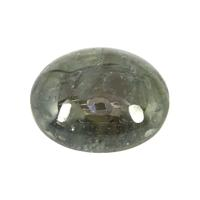
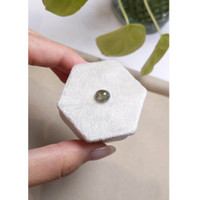

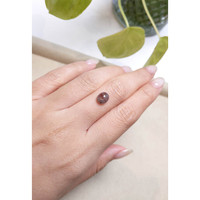
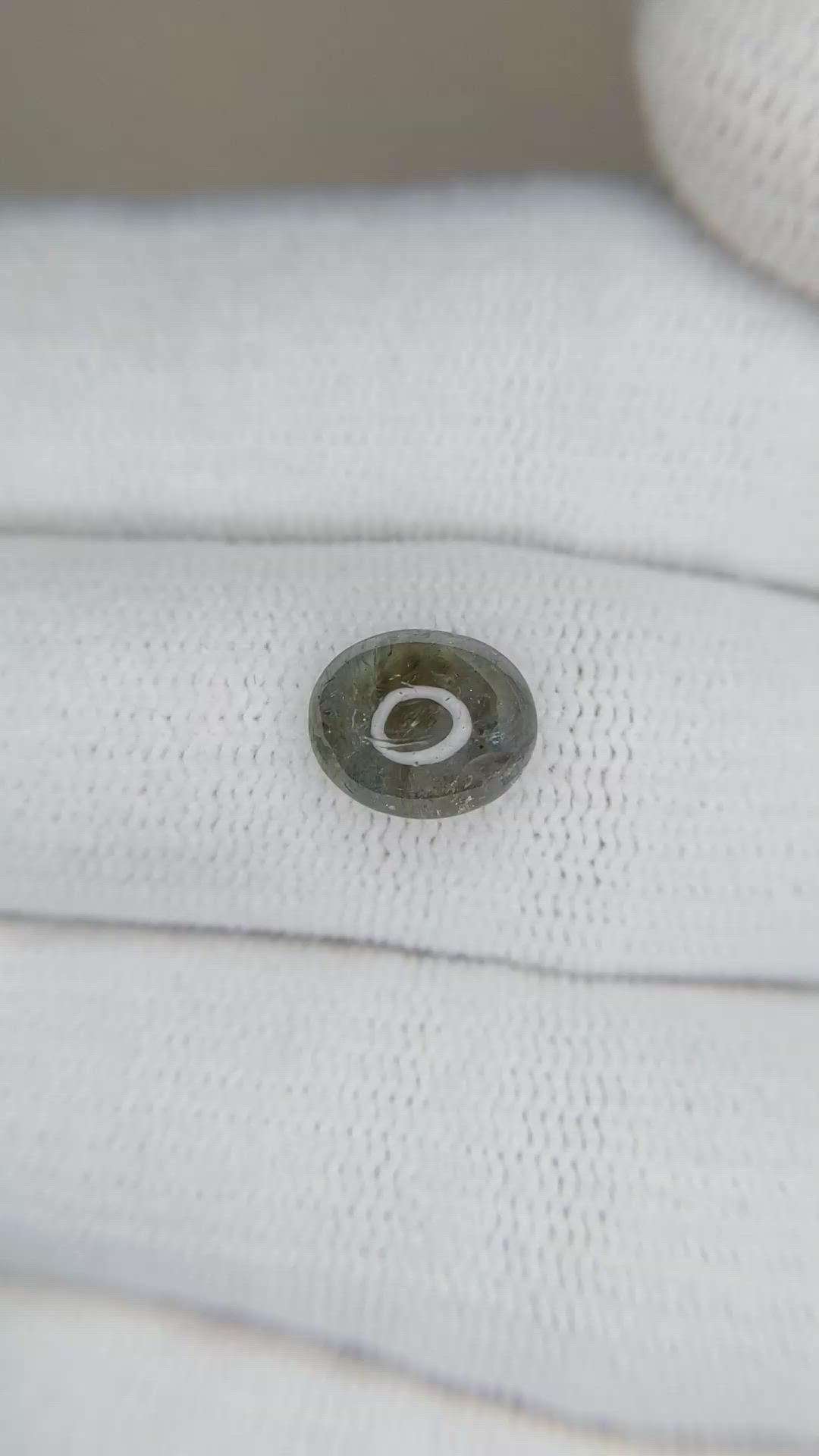
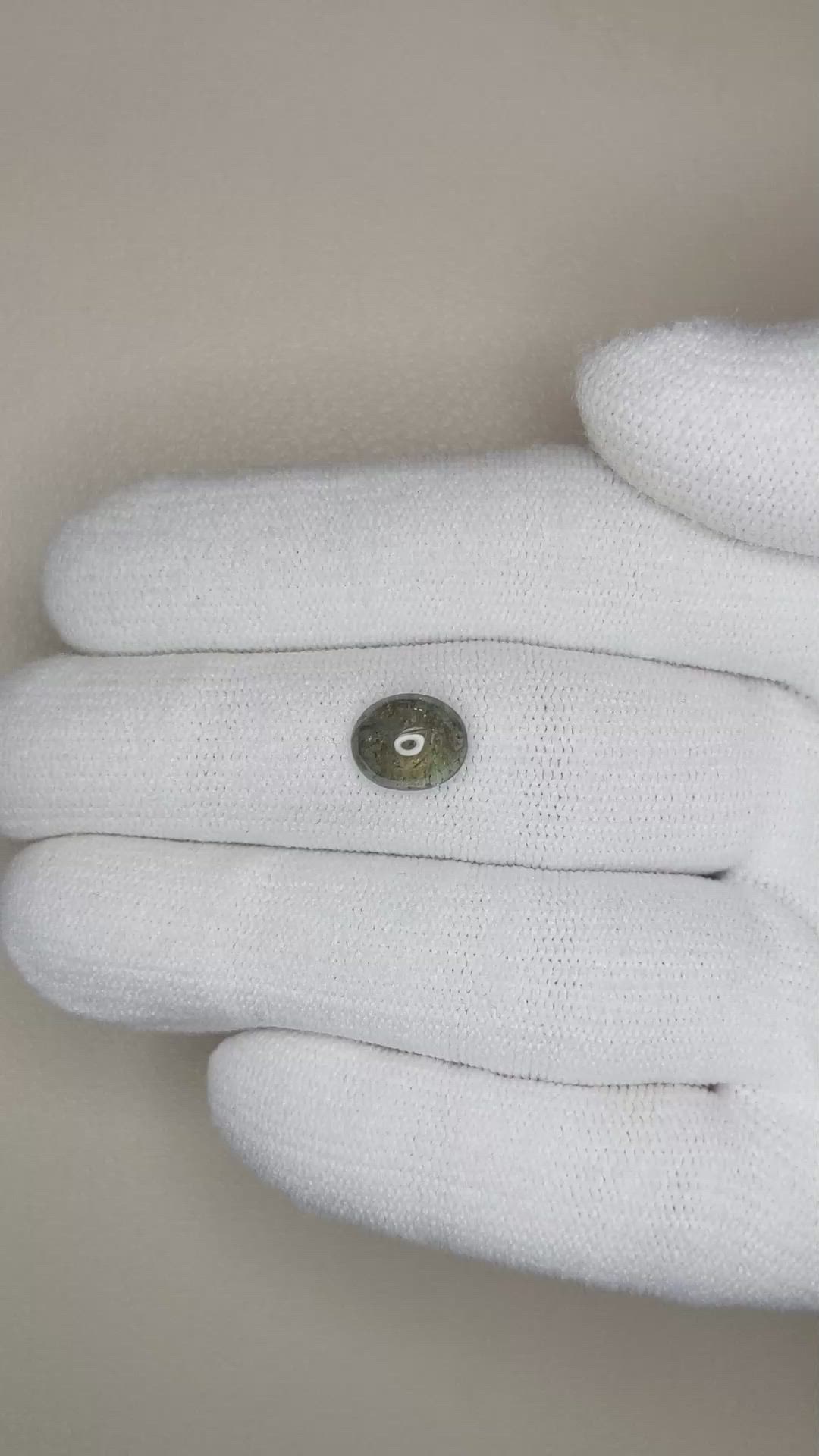
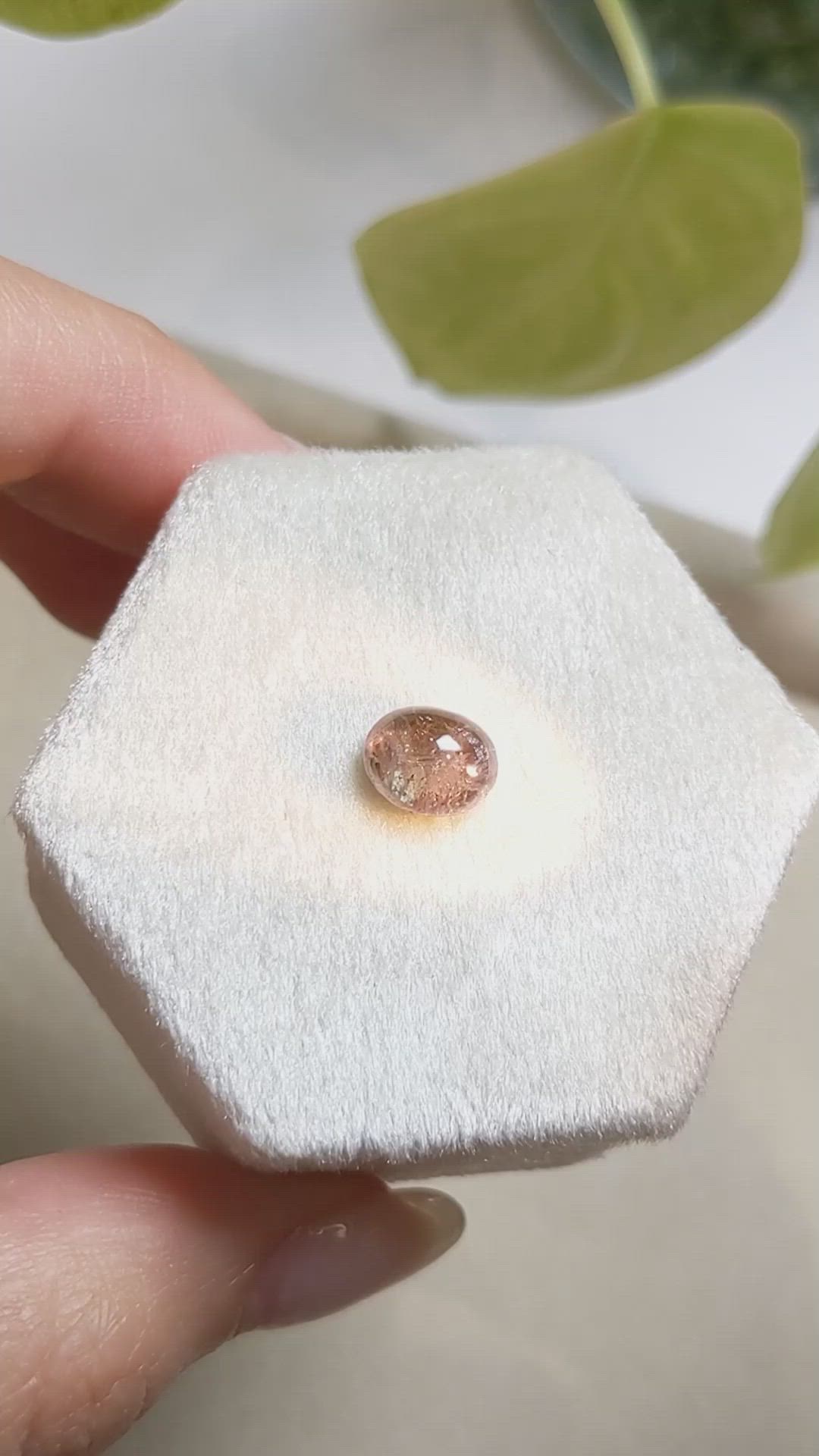
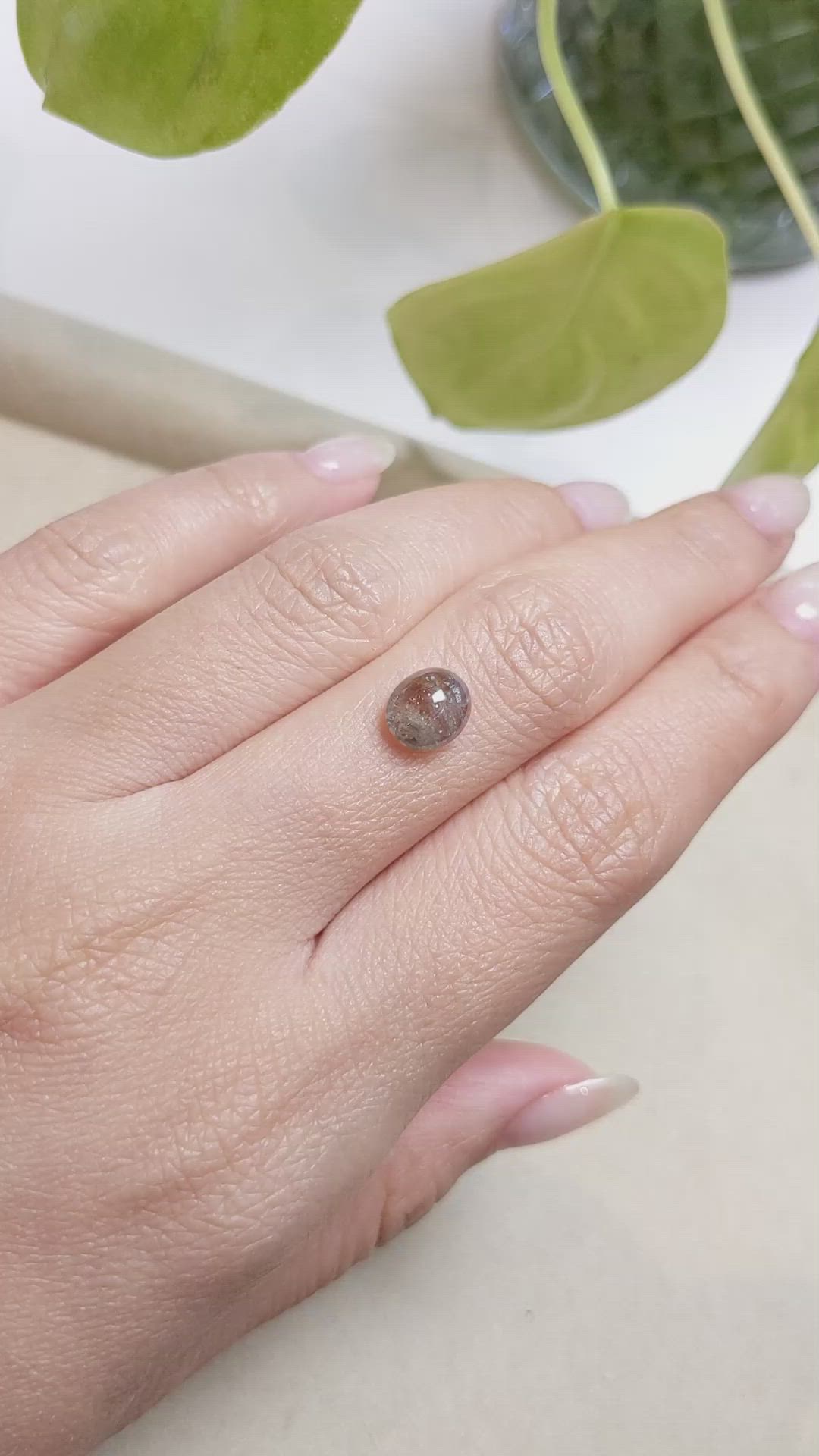
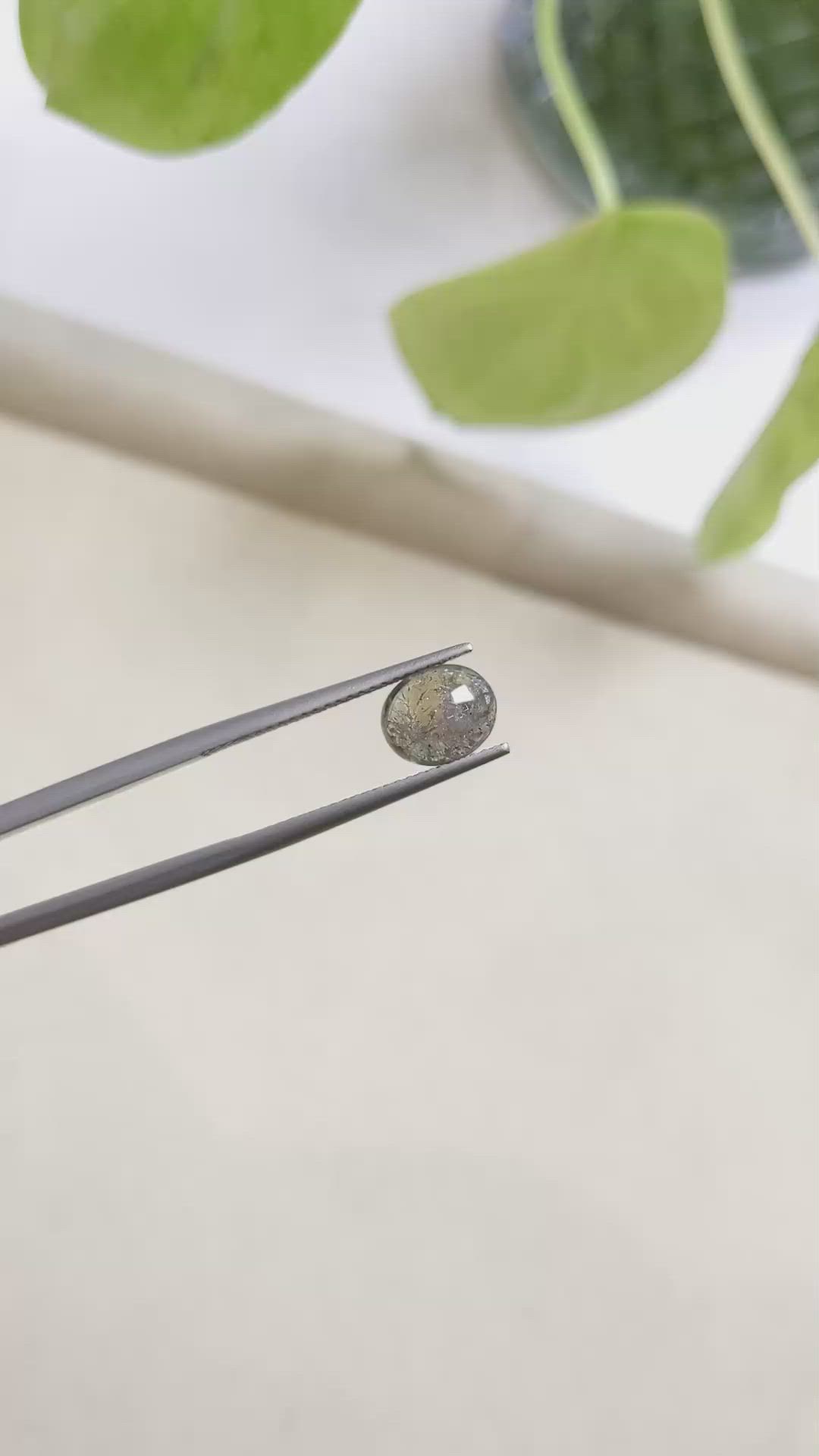




2.19 Ct. Cabochon Alexandrite from Russia
This loose stone ships by Aug 25
Item ID: | K15080 |
|---|---|
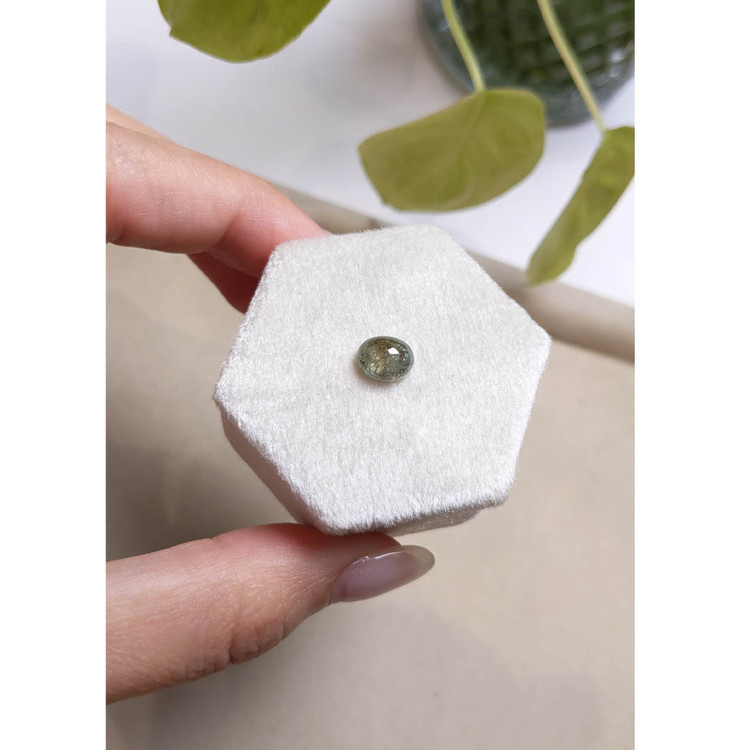
Dimensions (MM): help | Length: 8.24 Width: 6.83 Height: 3.96 |
Weight: | 2.19 Ct. |
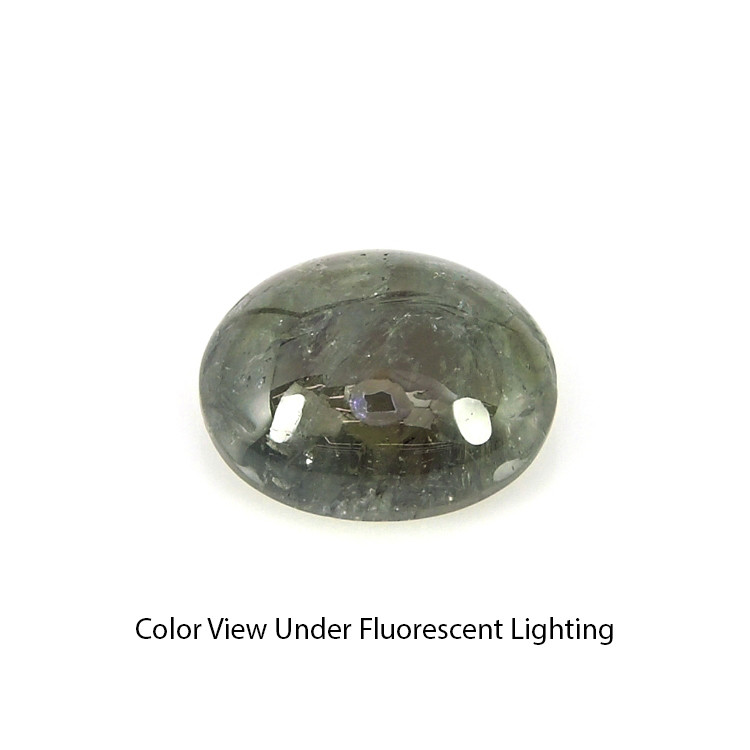
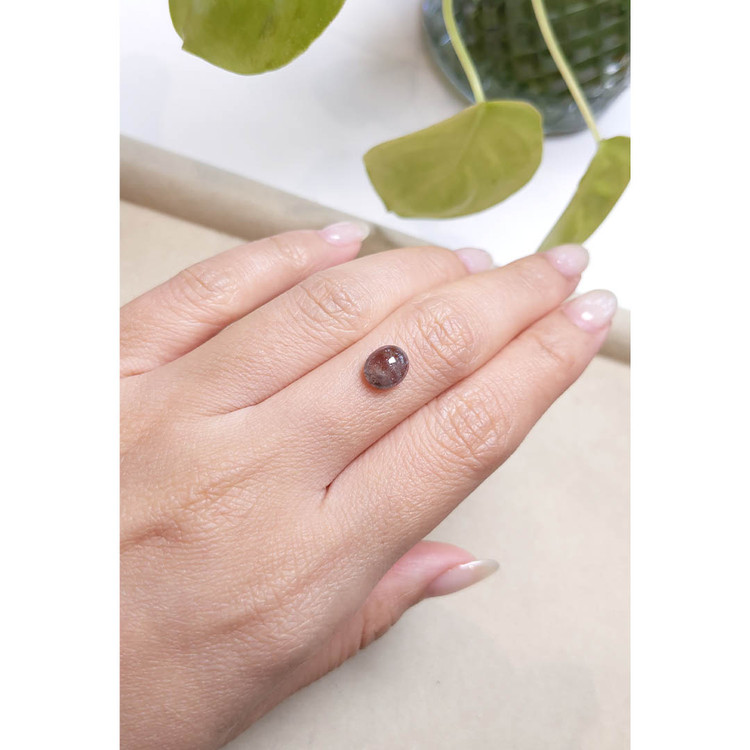
Color: help | Greenish to Purplish |
Color intensity: help | Medium |
Clarity: help | Included |
Shape: help | Oval |
Cut: | Cabochon |
Cutting style: | Cabochon |
Enhancements: help | No Enhancement |
Origin: help | Russia |
Per carat price: help | $1,200 |
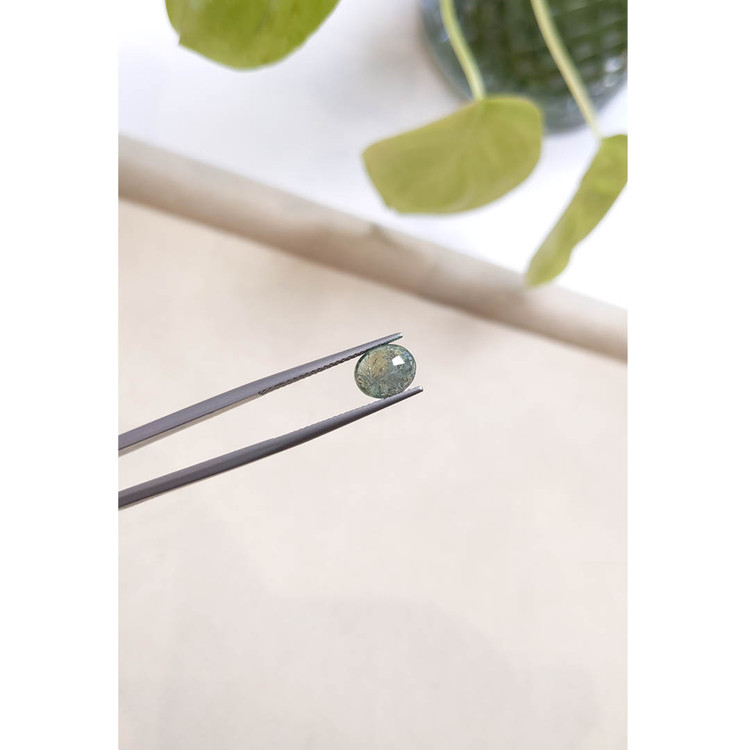
This translucent 2.19 carat oval alexandrite presents with dimensions of 8.24 x 6.83 x 3.96 mm, a cabochon cut, medium color intensity, and an excellent polish. The stone exhibits a classic color change, shifting from a greenish tone in daylight to a purplish hue under incandescent light. The clarity is graded as included, evaluated at eye level, and the material is unenhanced, originating from Russia. The Natural Gemstone Company offers this specimen as an example of traditional Russian alexandrite, combining a compact size with a cabochon shape that emphasizes internal structure and surface luster. These technical attributes provide an objective baseline for understanding the visual impact of the gem, and they set the stage for a closer examination of the inclusions that give this piece its unmistakable signature.
Under magnification and to the unaided eye at typical viewing distances, the inclusion suite within this alexandrite reads as a geological narrative, recording the conditions of its growth in the Ural region. The most distinctive features are fine, oriented growth tubes and narrow platelets that align with the crystal habit, producing faint linear textures that traverse the cabochon interior. Interspersed among these linear features are small, well defined mineral crystal remnants, some exhibiting partial dissolution morphology, and a scattering of tiny reflective platelets that catch the light as the stone is moved. Notably, the stone contains several three phase inclusions composed of a gas bubble, a fluid cavity, and an entrapped mineral grain. These three phase inclusions are important diagnostic markers for a natural origin, and they contribute localized points of contrast and internal sparkle without detracting from the stone s overall translucency.
The cabochon cut amplifies the presence of these internal features in a manner that is both aesthetic and informative. Rather than presenting as a clean, transparent window, the gem offers a layered internal landscape, with the oriented tubes providing a subtle directional texture, and the platelets adding reflective accents that shift as the viewing angle changes. This internal complexity acts on light in two complementary ways. First, it scatters light, producing a softened, painterly transition between greenish and purplish tones that is characteristic of natural alexandrite. Second, it creates depth, so that color change appears to originate from within the stone rather than solely at its surface. The medium color intensity benefits from this depth, as the inclusions modulate saturation in different lighting environments, permitting both vibrant color change and moments of gentle, subdued hue. The excellent polish ensures that surface reflections do not compete with internal features, enabling the inclusions to be observed clearly without surface blemish interference.
From a collector and connoisseur perspective, the inclusion pattern in this piece is a signature attribute rather than a defect. The clarity grade of included, evaluated at eye level, accurately describes visibility in typical use, and the inclusions themselves serve as corroborative evidence of natural formation and of Russian provenance. The absence of enhancement affirms that these internal characteristics are original, not the result of treatment. Practical considerations include routine care to maintain the polished surface and to protect the cabochon profile from impact, while routine cleaning with mild detergent and warm water will preserve optical performance. For those seeking a specimen that communicates place of origin and geological history through its appearance, this alexandrite embodies those qualities. The Natural Gemstone Company presents this stone as a study in natural complexity, where the interaction of growth features, mineral remnants, and fluid inclusions produces an unmistakable signature that defines the gem s identity and enhances its appeal to collectors and specialists who value documented natural character.


