
- Stone18
- Reports3


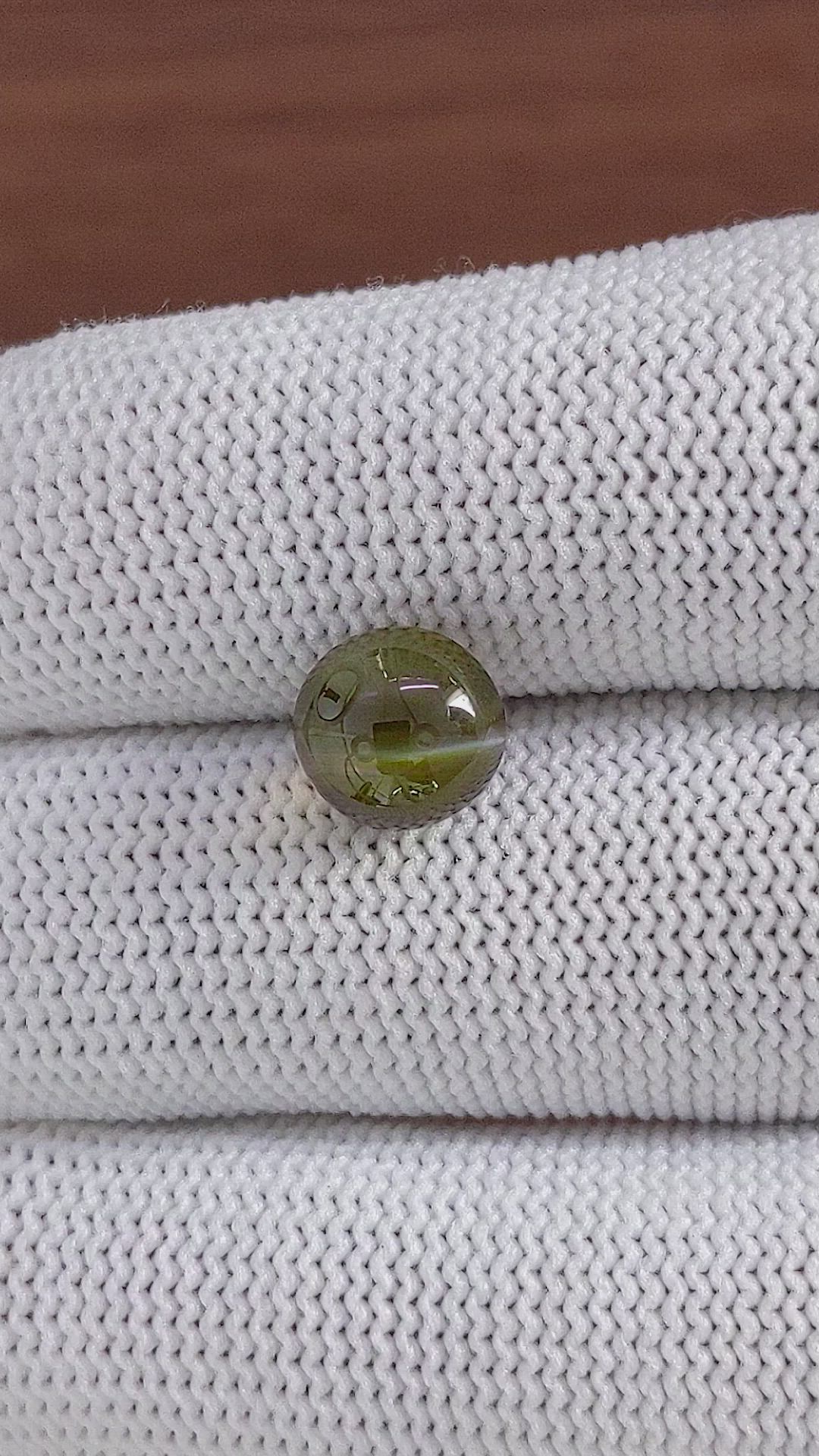
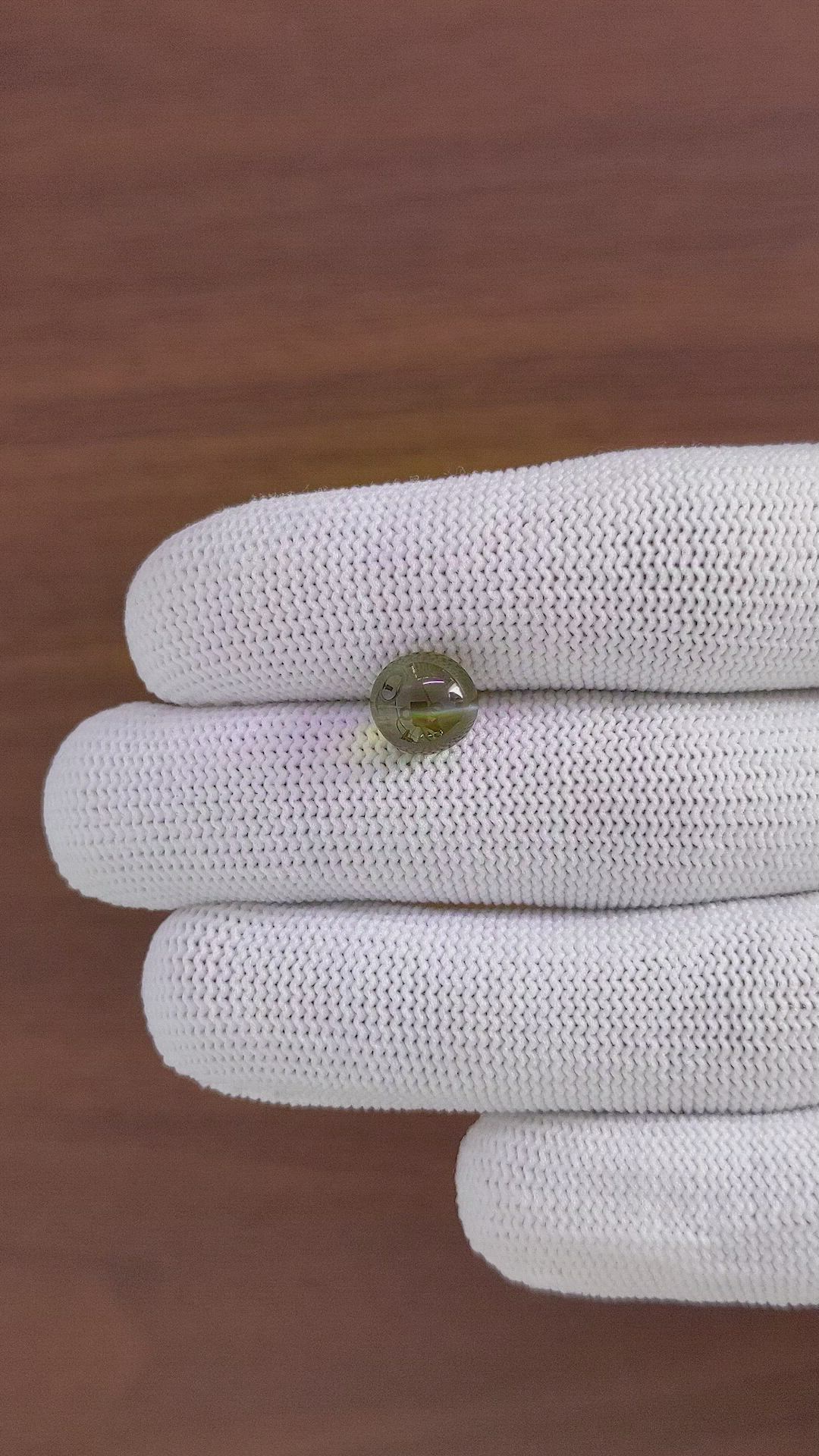
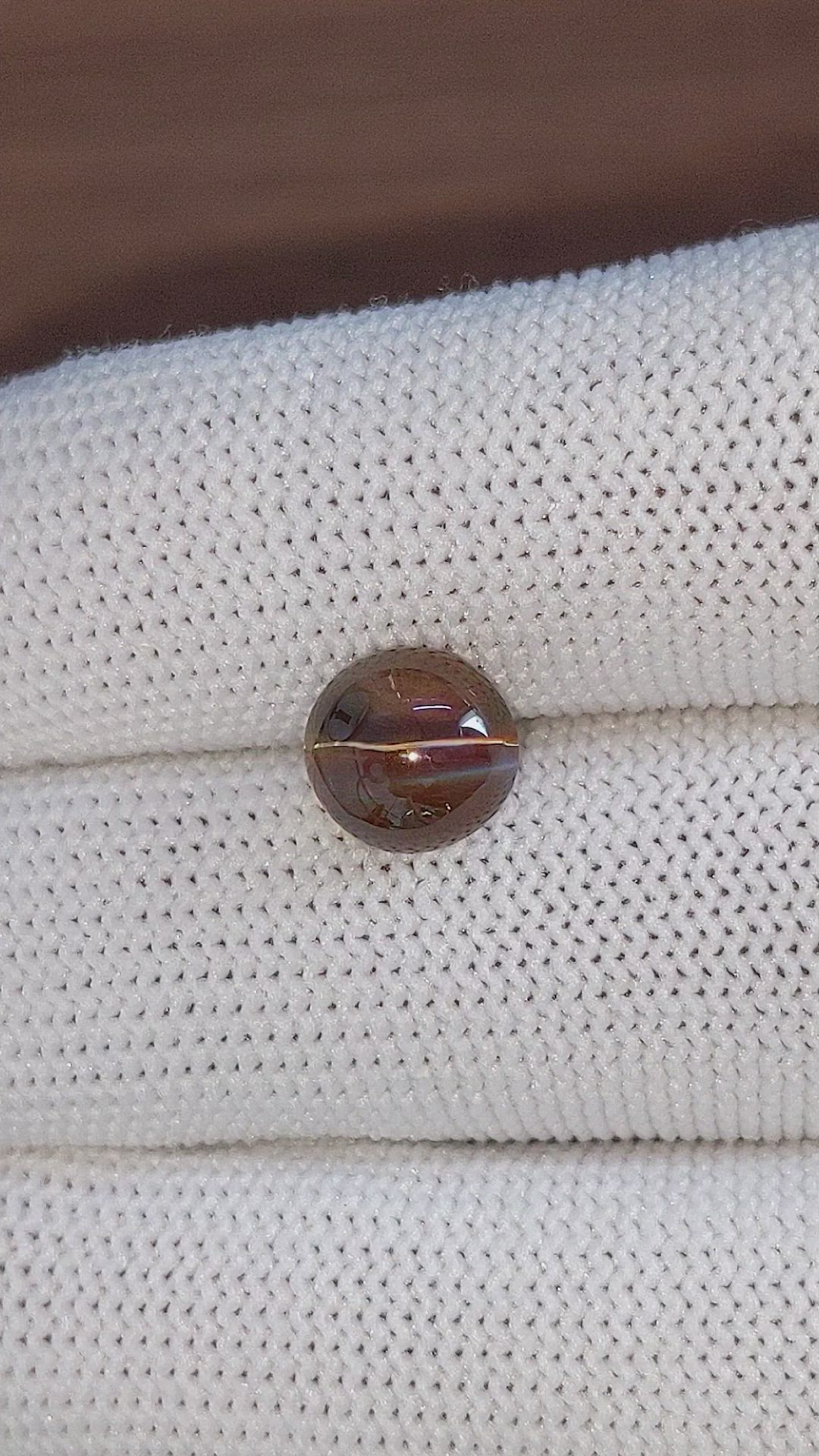
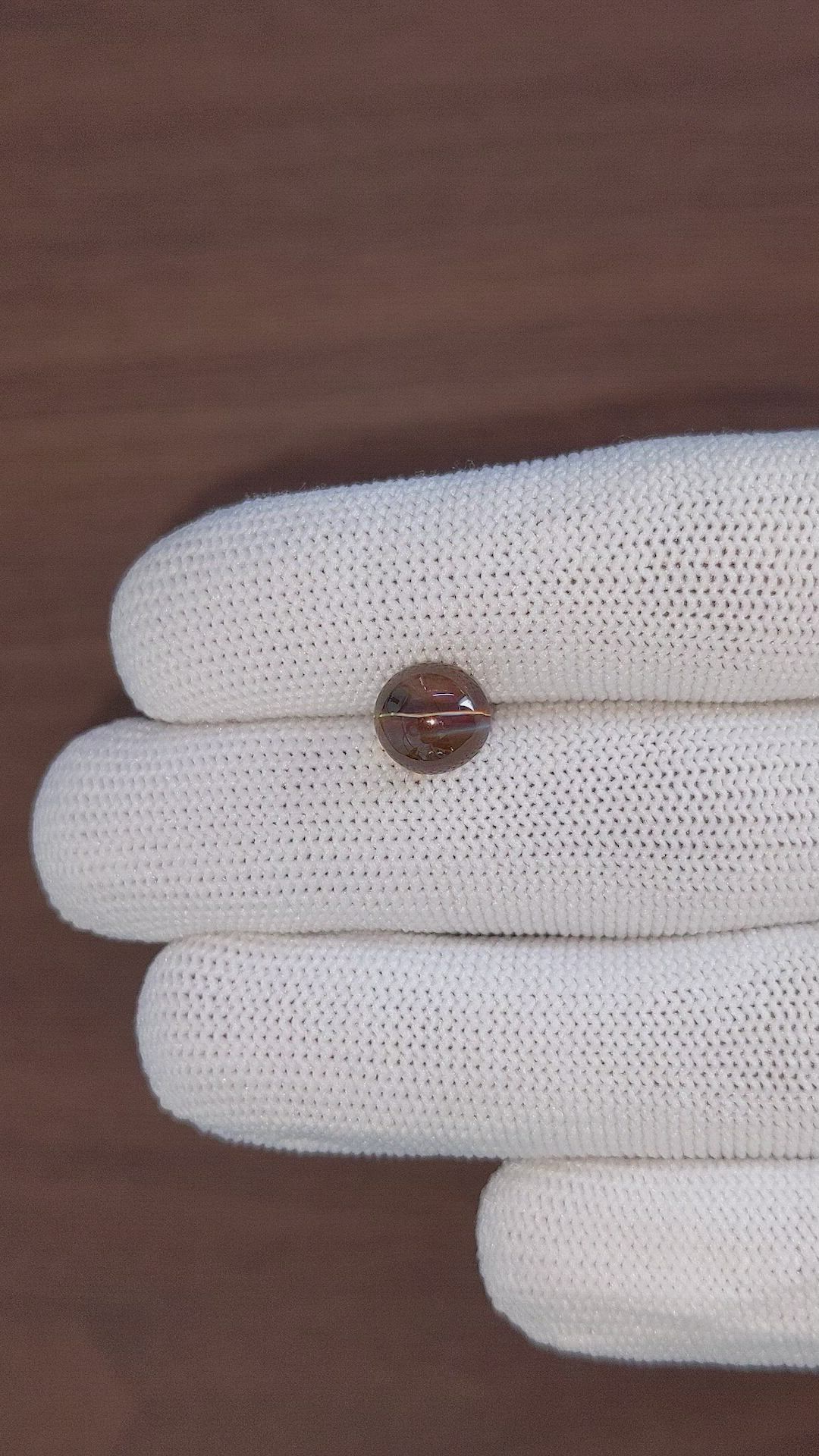
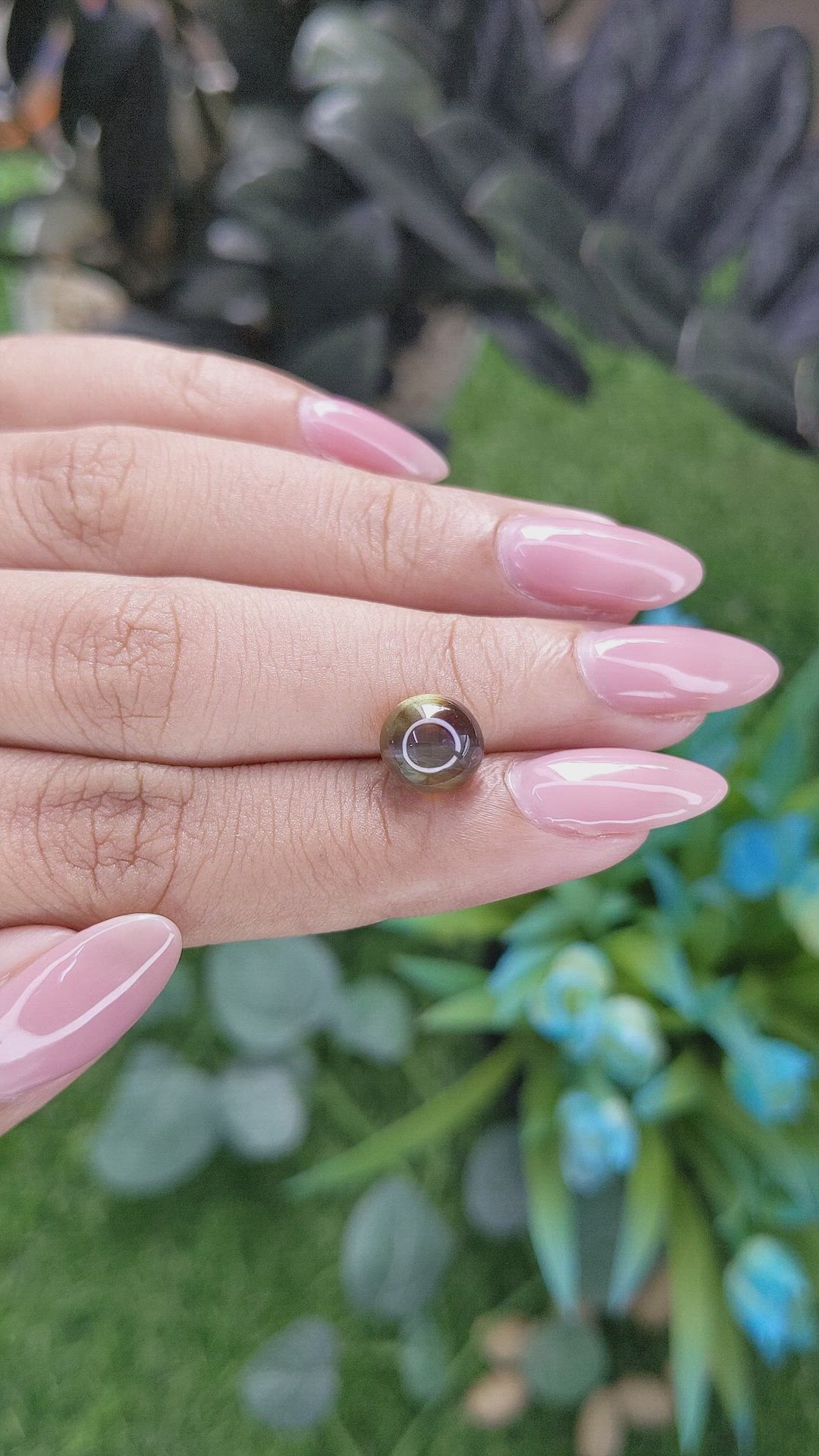
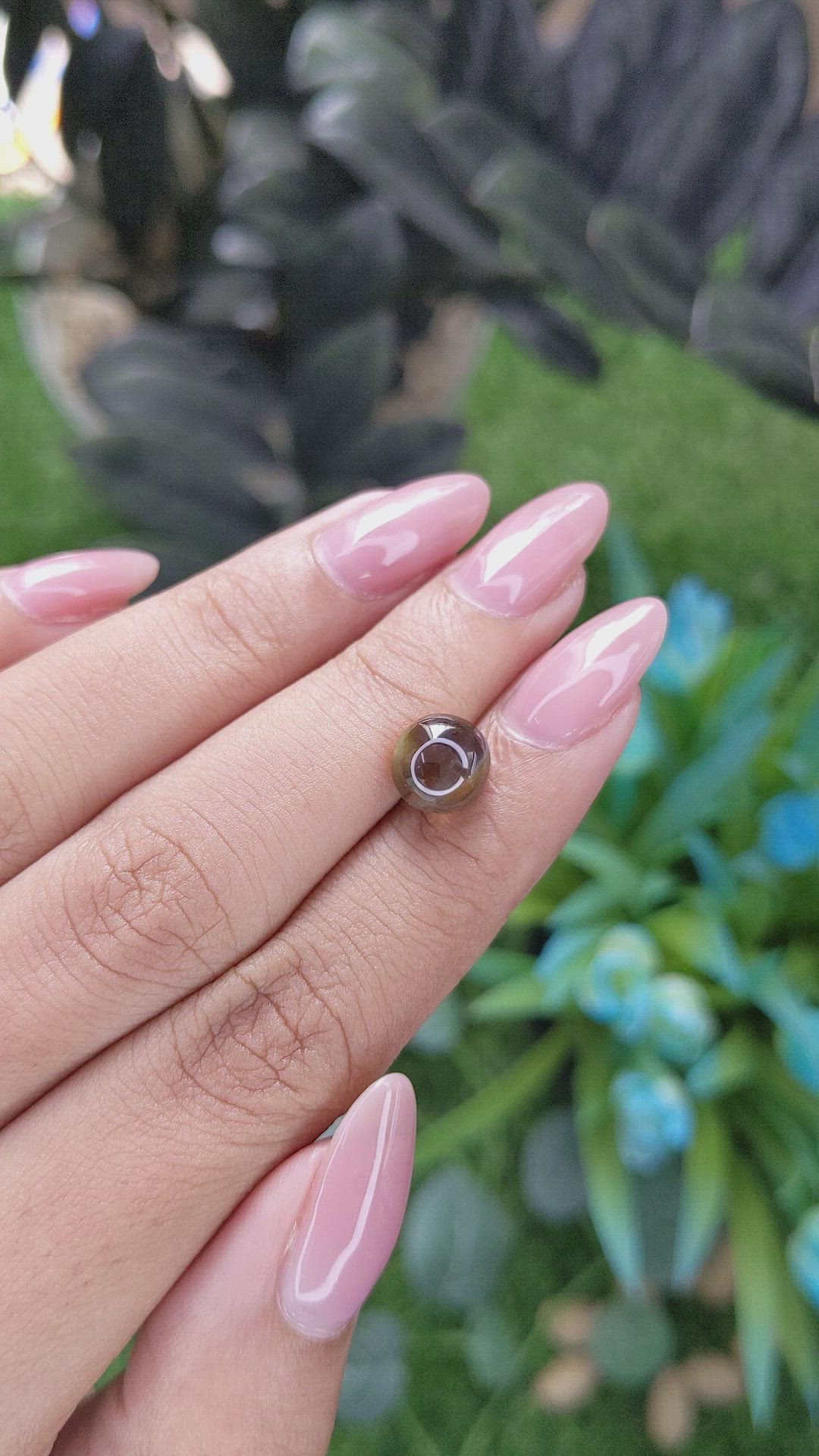
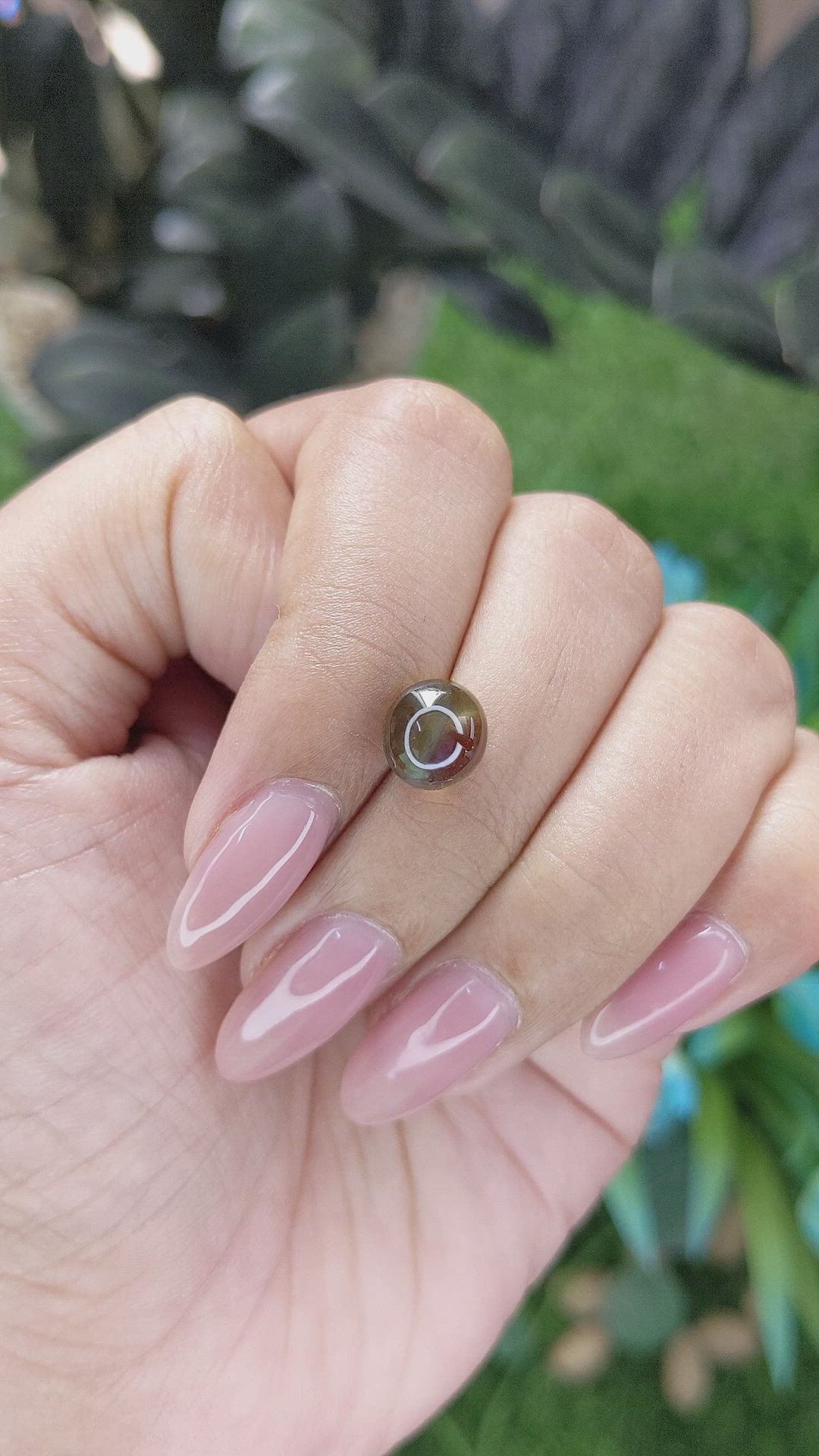
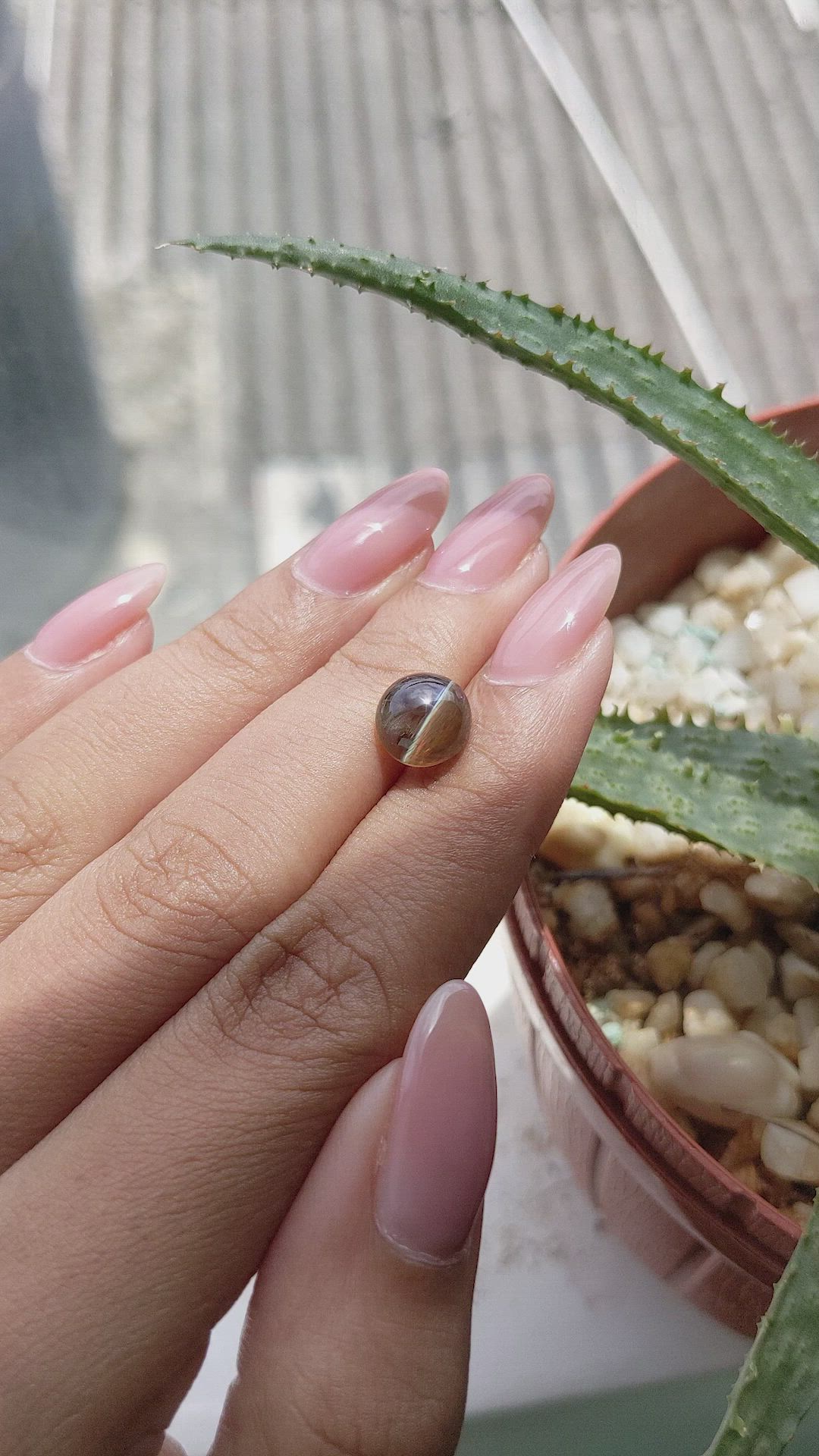




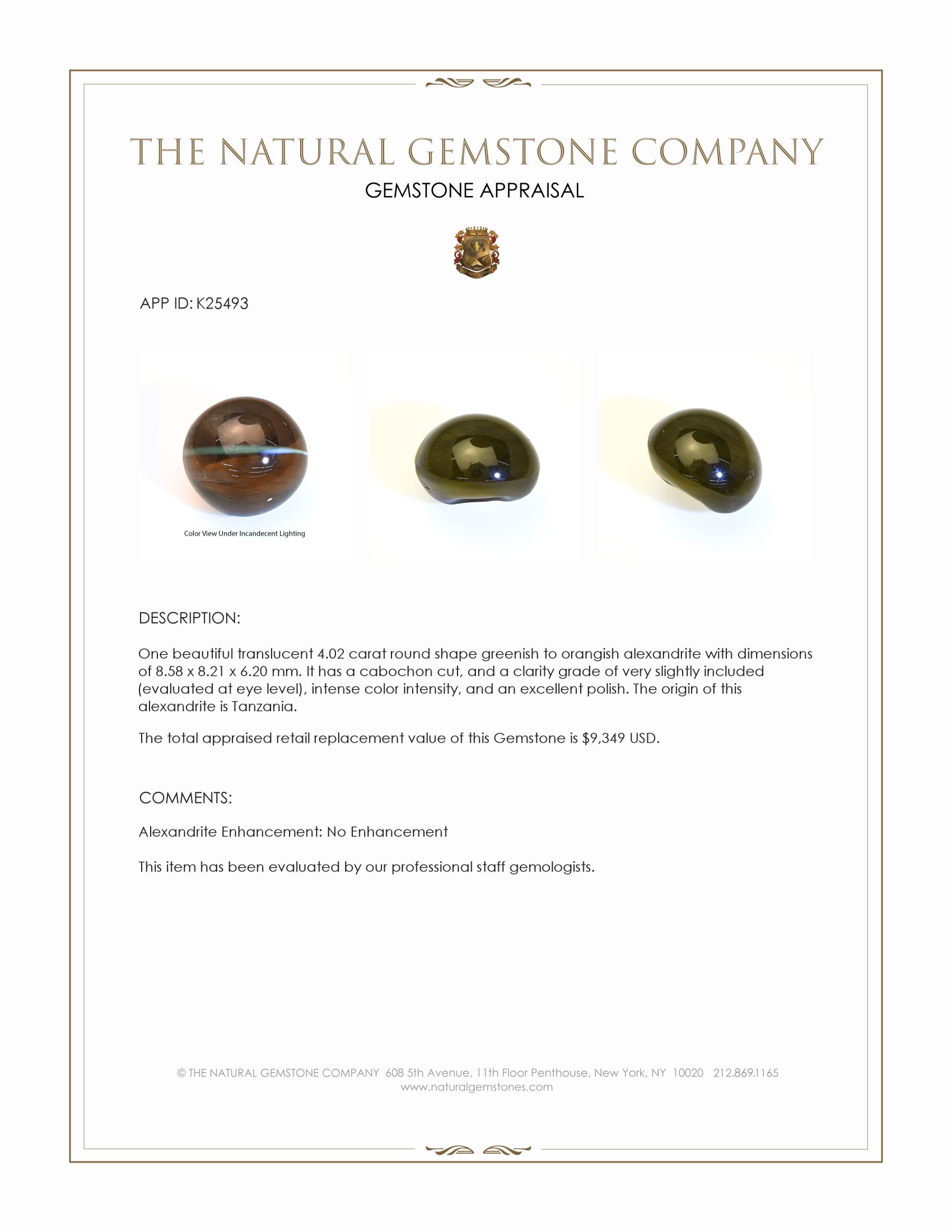
4.02 Ct. Cabochon Alexandrite from Tanzania
This loose stone ships by Oct 30
Item ID: | K25493 |
|---|---|
Dimensions (MM): help | Length: 8.58 Width: 8.21 Height: 6.2 |
Weight: | 4.02 Ct. |
Color: help | Greenish to Orangish |
Color intensity: help | Intense |
Clarity: help | Very Slightly Included |
Shape: help | Round |
Cut: | Cabochon |
Cutting style: | Cabochon |
Enhancements: help | No Enhancement |
Origin: help | Tanzania |
Per carat price: help | $2,326 |
This alexandrite presents a distinctive combination of weight, color change and provenance, offering a clear example of rarity within the species. We are presenting a translucent, 4.02 carat round shape alexandrite, showing a pronounced color change from greenish tones in daylight to orangish tones under incandescent lighting. The stone measures 8.58 by 8.21 by 6.20 millimeters, and it is fashioned in a cabochon cut to maximize its color dynamics and optical depth. Originating from Tanzania, this specimen is untreated, with no enhancements applied, and it exhibits an intense color intensity and an excellent polish that contribute to its visual presence. At eye level the clarity grade is evaluated as very slightly included, which allows the stone to remain visually clean while retaining the natural characteristics that confirm its origin and authenticity.
The cabochon form and the translucent body of this alexandrite are both important in assessing its appearance and the quality of its color change. The rounded, domed surface of the cabochon concentrates the play of light and emphasizes the transition between greenish and orangish hues, making the color change readily perceptible in ordinary viewing conditions. The dimensions of roughly eight and a half by eight and a quarter by six millimeters create a substantial visual size without sacrificing the stone s integrity, and the 4.02 carat weight places it well above the more commonly encountered smaller specimens. The very slightly included clarity grade reflects minor internal features that do not detract from the gem s overall transparency, and the excellent polish ensures that surface lustre is high, supporting a clean, uninterrupted field of color. No heat treatment, diffusion or other enhancements have been applied, preserving the gem s natural state as found in Tanzanian deposits.
When compared to the broader market of natural alexandrite, this stone is notable in two primary respects, size and color. Many commercial alexandrites appear in sizes under one carat, and color change material of strong, evenly balanced green to orangish tones becomes progressively scarce as size increases. It is uncommon to find a cabochon cut alexandrite above four carats that maintains such intense color contrast and translucency without having undergone any form of treatment. The Tanzanian origin further distinguishes the piece, as Tanzanian alexandrite often exhibits a distinct palette and internal character that differ from Russian, Sri Lankan, and Brazilian examples. The presence of a clean, intense color shift at this weight is a material factor in rarity, and collectors and connoisseurs recognize that larger, naturally changing examples command particular attention because of their geological and gemological uniqueness.
The Natural Gemstone Company documents this alexandrite as a premium natural specimen suitable for fine jewelry and for private collections focused on uncommon color change gemstones. The stone s cabochon profile and substantial weight make it suitable for a variety of settings where light interaction can be preserved, including bezel set pendants and classic solitaire rings designed to show the dome to natural light sources. Care recommendations include avoiding harsh cleaners and ultrasonic treatment, monitoring for exposure to extreme heat, and storing the gem in a separate compartment to prevent surface scratching to the excellent polish. For buyers requiring further verification we provide detailed images under multiple lighting conditions and can supply additional gemological information upon request. The Natural Gemstone Company stands behind the provenance and untreated condition of this alexandrite, and we can assist with documentation and secure handling for appraisal, mounting, or inclusion in a curated collection.


