
- Stone19
- Reports4
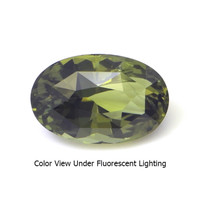
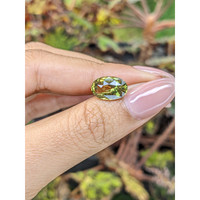
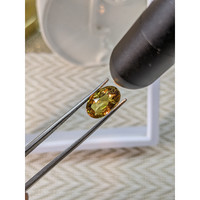
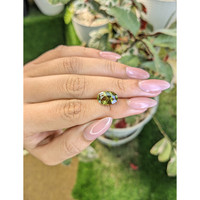
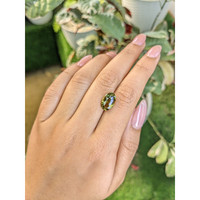
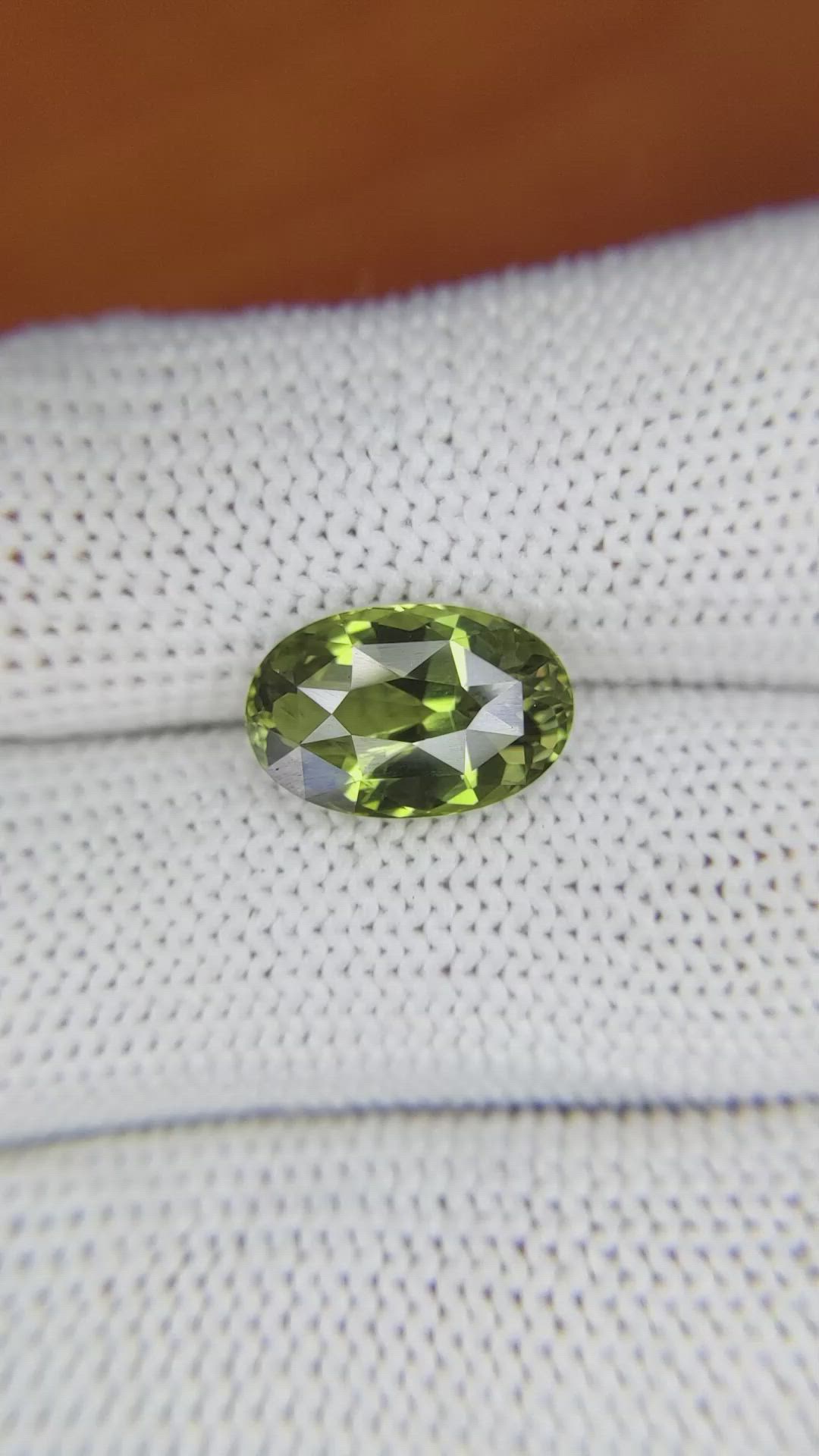
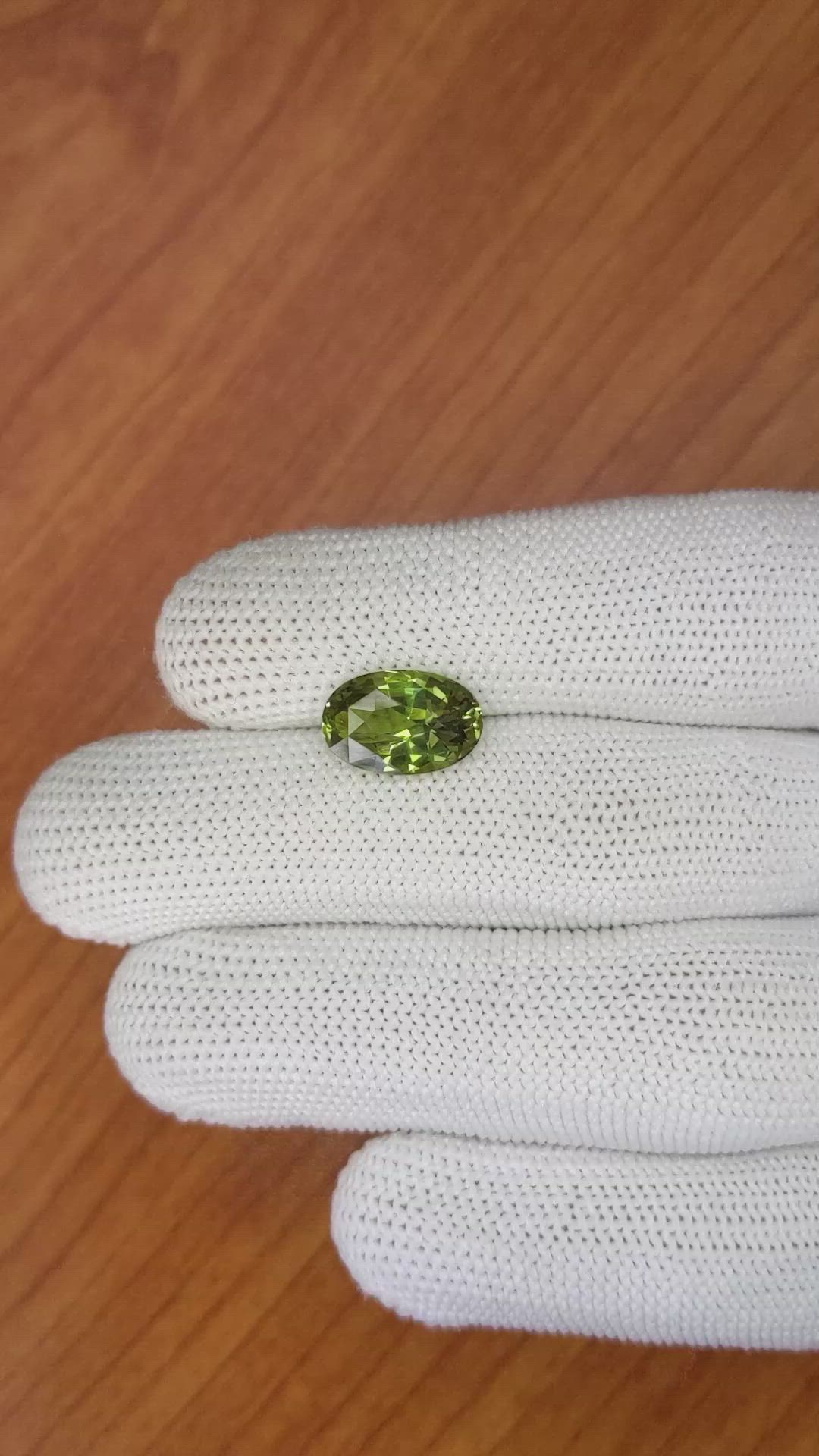
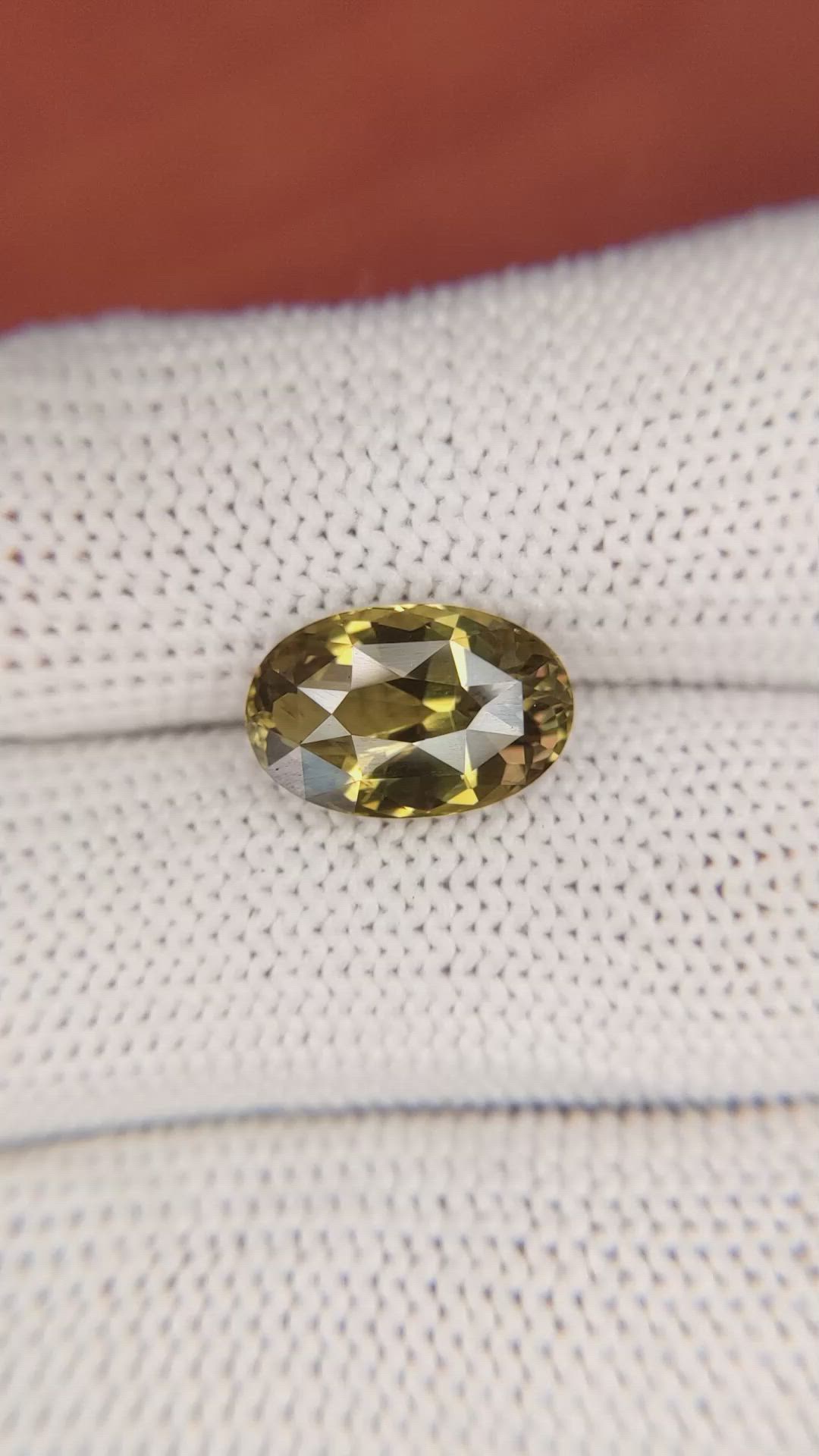
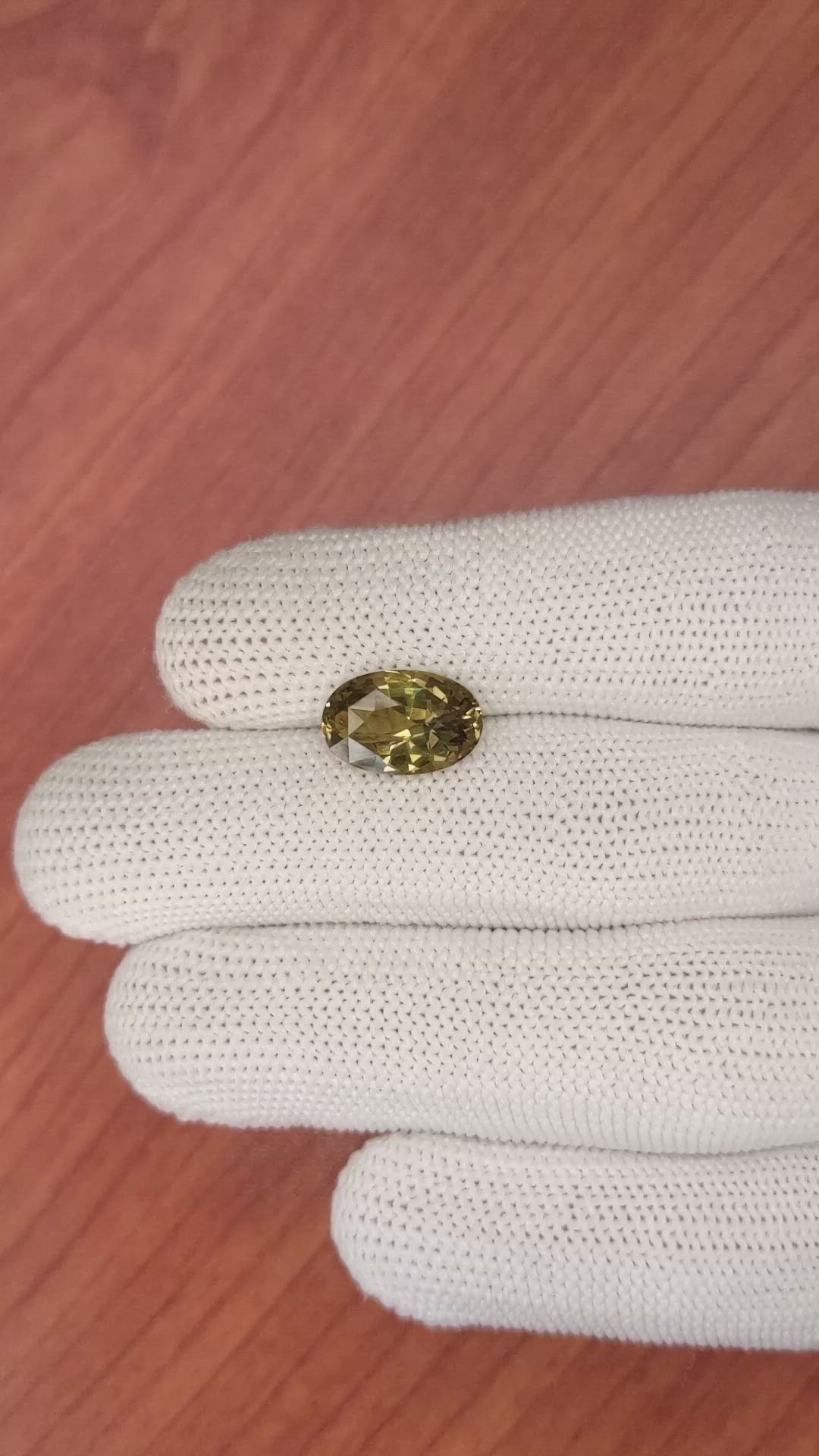
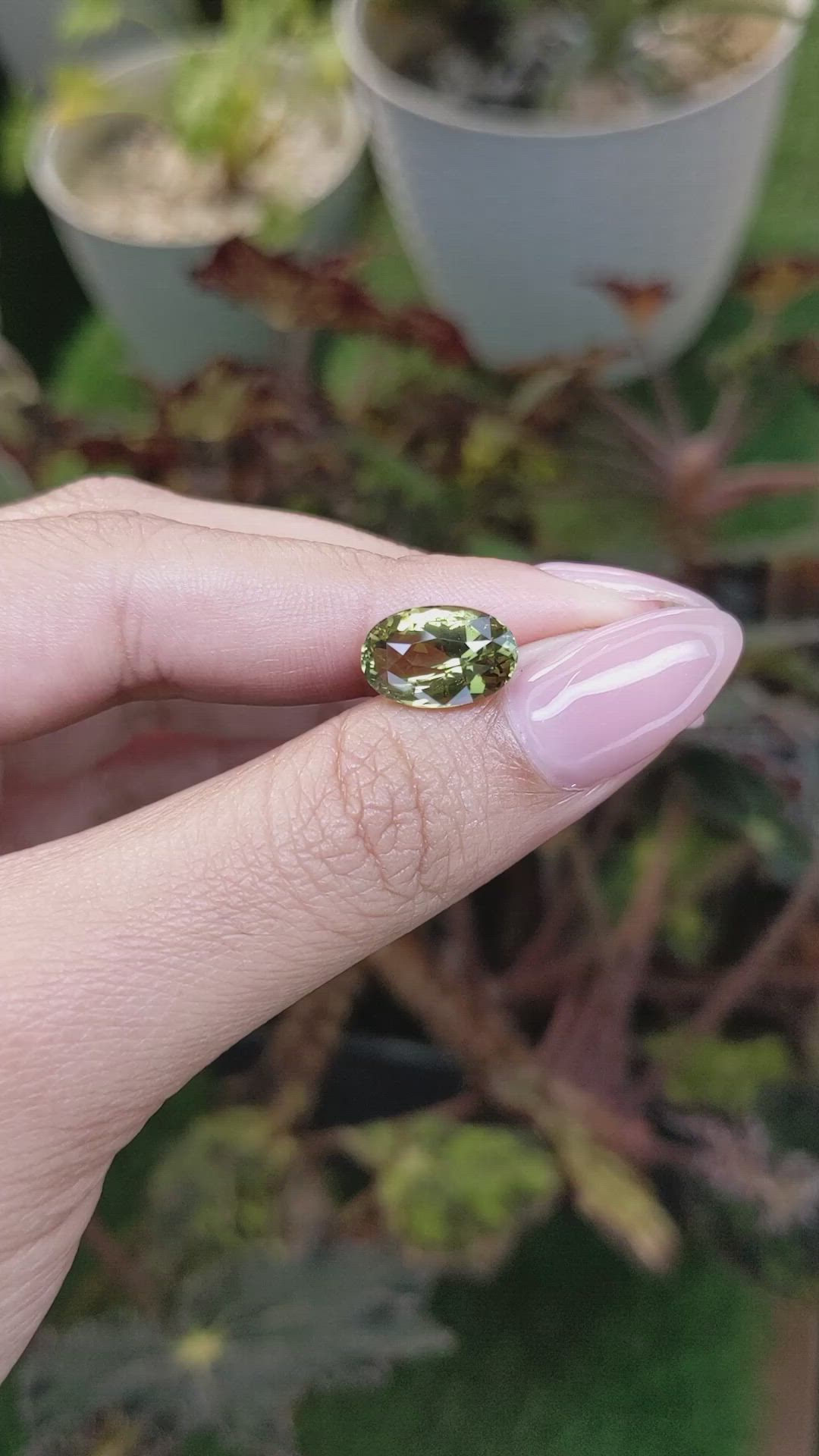
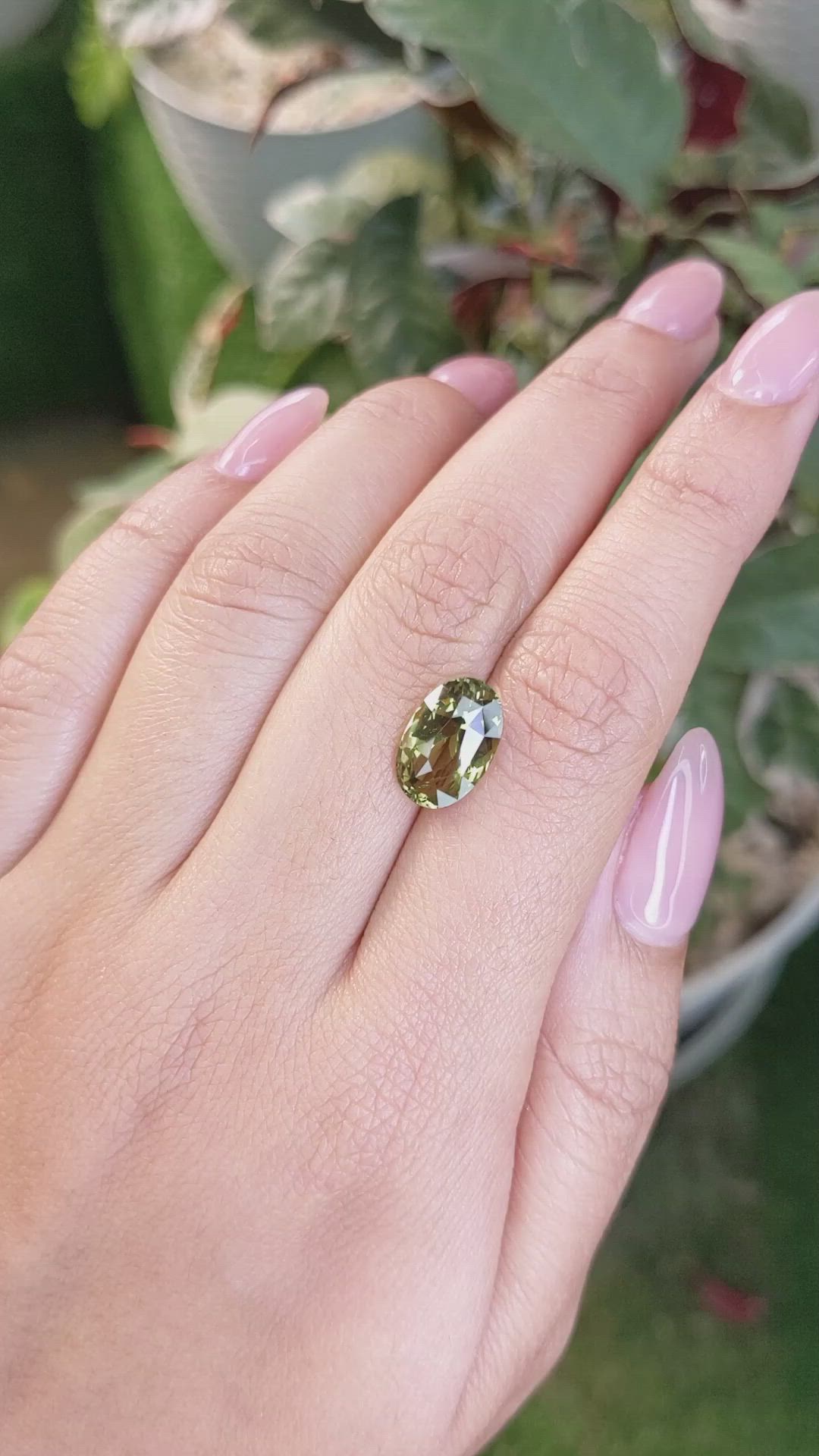
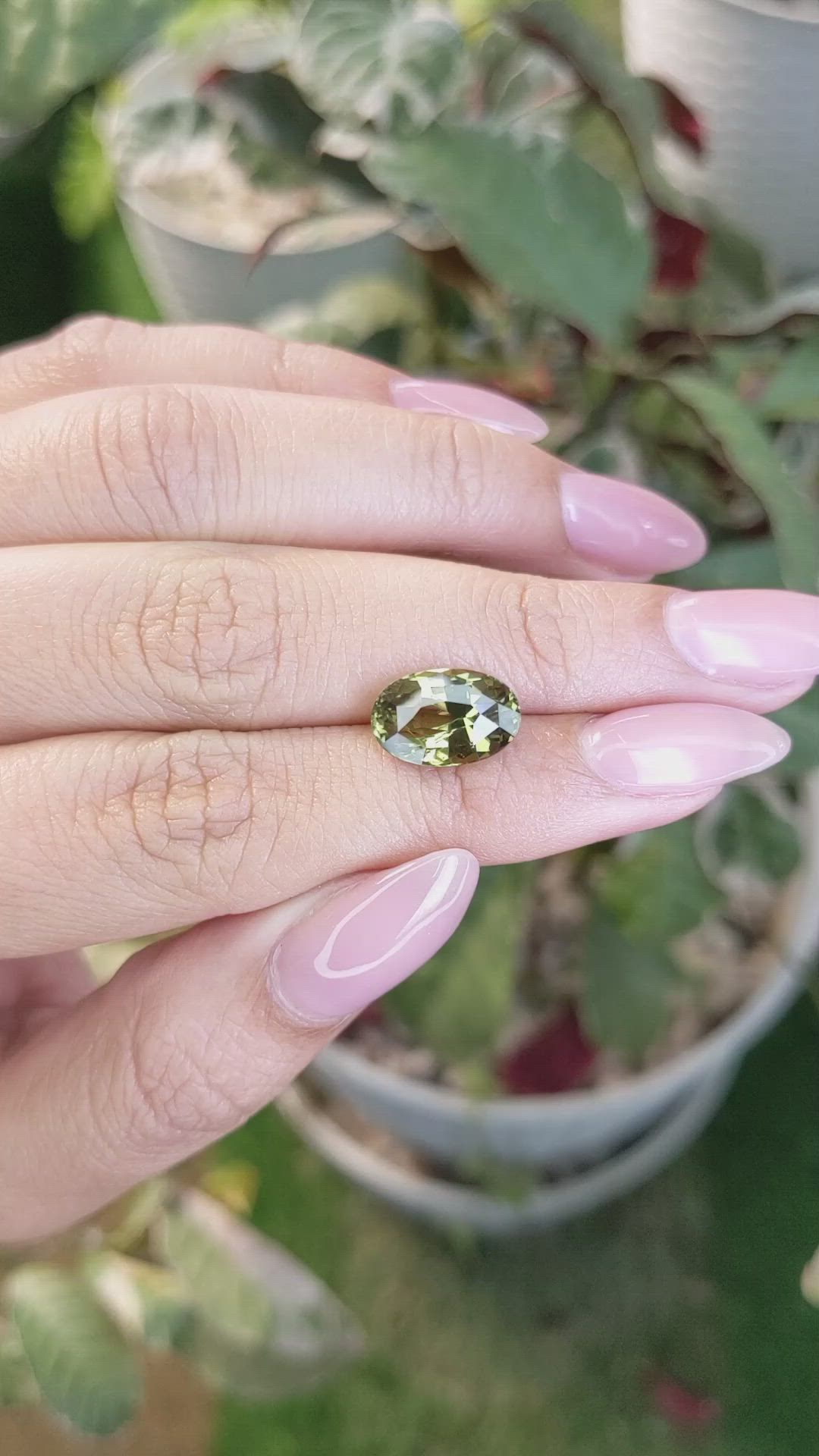
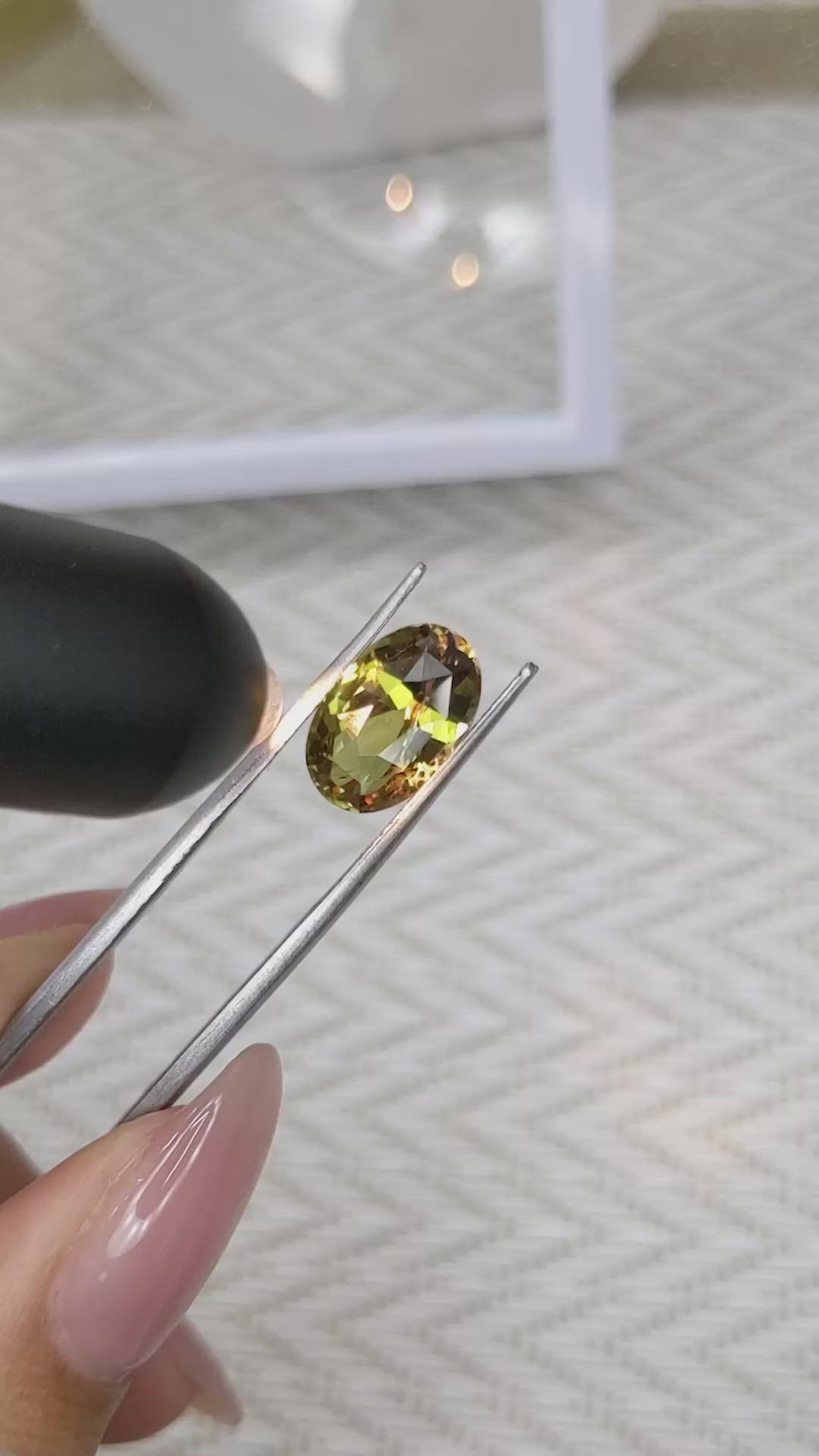




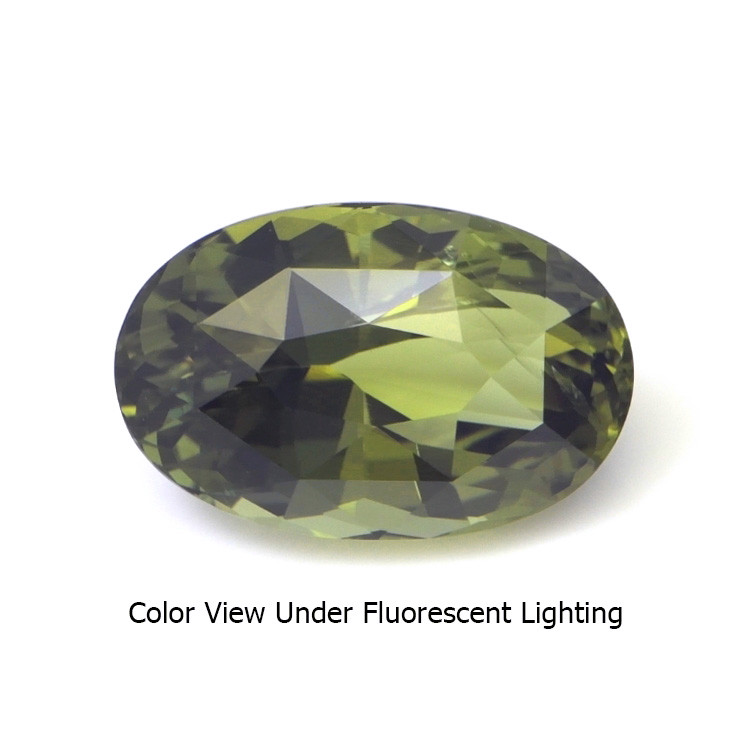
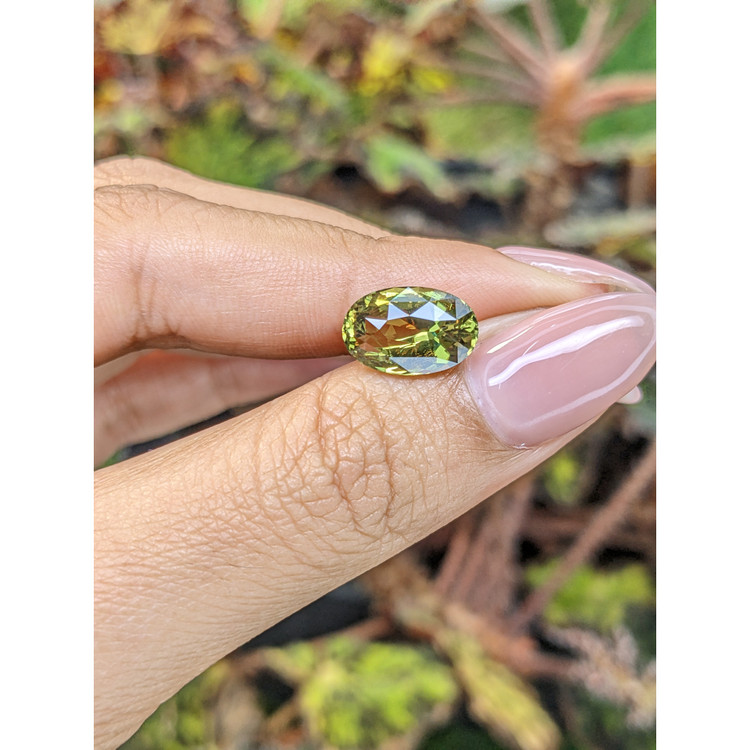
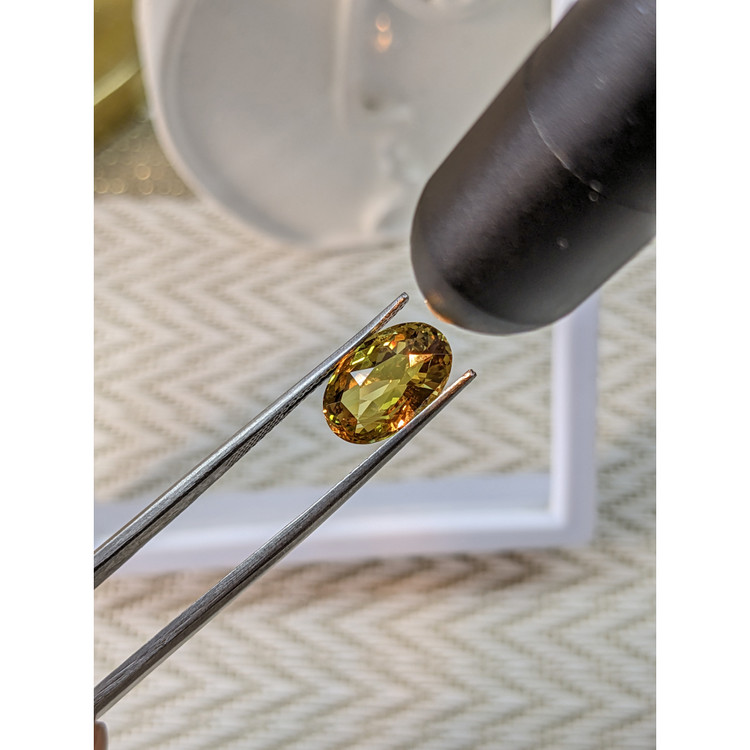
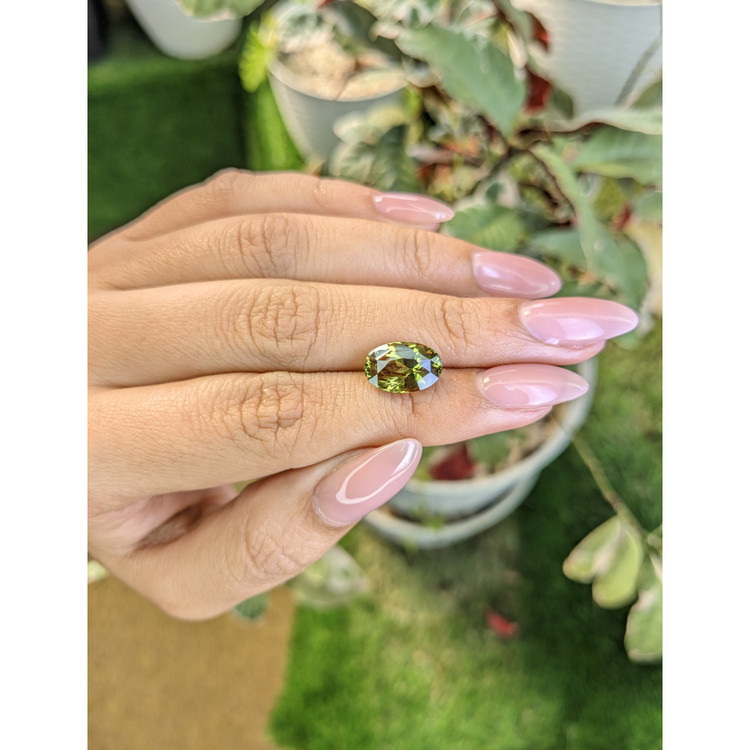
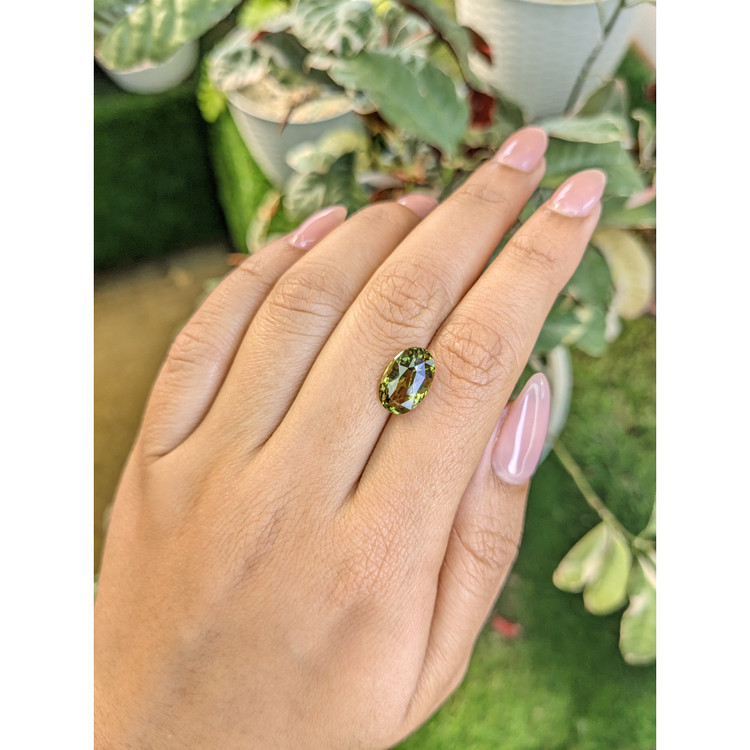




4.54 Ct. Alexandrite from Brazil
This loose stone ships by Aug 24
Item ID: | K21141 |
|---|---|
Dimensions (MM): help | Length: 12.32 Width: 8.01 Height: 6.03 |
Weight: | 4.54 Ct. |
Color: help | Greenish to Brownish |
Color intensity: help | Medium |
Clarity: help | Very Very Slightly Included |
Shape: help | Oval |
Cut: | Mixed Brilliant Cut |
Cutting style: | Faceted |
Enhancements: help | No Enhancement |
Origin: help | Brazil |
Per carat price: help | $2,360 |
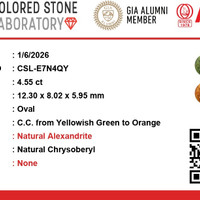
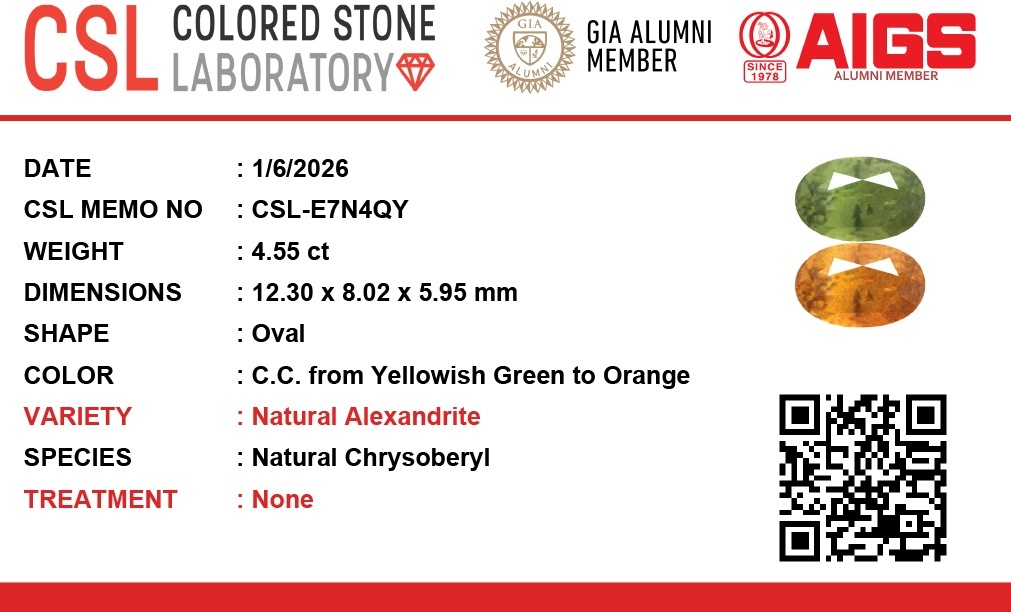
This 4.54 carat oval alexandrite presented by The Natural Gemstone Company is a finely transparent specimen, measuring 12.32 by 8.01 by 6.03 millimeters, and certified as Other with a color change from yellowish green to orange. The gem is a mixed brilliant cut, combining pavilion facets designed for optimal light return with crown facets that maintain color saturation and scintillation. Graded at very very slightly included when evaluated at eye level, this stone exhibits only minute inclusions that do not interfere with the naked eye appreciation of its color change or brilliance. The medium color intensity balances saturation and brightness, allowing the alexandrite to present clear distinct hues under different lighting conditions. Importantly, there has been no enhancement applied, and the piece originates from Brazil, a locale known for producing alexandrite that often shows slightly greener to brownish green daytime hues that shift to warm orange and reddish tones under incandescent light. The excellent polish accentuates facet reflections, and the mixed brilliant cut maximizes the gem’s inherent optical properties while preserving its rich color change phenomenon.
To appreciate why this alexandrite commands attention from educated buyers, it helps to understand the grading and optical mechanics. Alexandrite is a variety of chrysoberyl, with a refractive index typically in the range that yields lively facet reflections and crisp windowing when cut well. The stone’s color change is caused by chromium-related selective absorption and the interaction of the stone with different spectral distributions of light, which is diagnostically different from the diffraction based play-of-color seen in opal. The very very slightly included clarity grade signals that the stone will display superior light return and surface brilliance in jewelry settings without concerns about visible imperfections. The mixed brilliant cut creates a dynamic balance between contrast and flash, producing both broad color areas for the color change to read well and numerous small flashes that communicate life and scintillation. Compared to other gems in its general category, such as sapphires and garnets that also show color play or strong chroma, alexandrite’s defining characteristic is the dramatic shift in hue rather than merely the depth of color. While sapphires generally show greater overall brilliance and higher hardness, and garnets may show vibrant red or green saturation, alexandrite uniquely offers a chameleon-like transformation that captures attention and conveys rarity.
When comparing reflective qualities across closely related gemstones and to opal, the distinctions become practical for selection and setting. Alexandrite’s reflective character is facet-driven, producing concentrated flashes of light and well-defined sparkle when the cut and polish are excellent, as is the case here. Its pleochroic tendencies and color change feature give the surface reflections variable color depending on viewing angle and light source, which is part of the appeal for collectors and connoisseurs. By contrast, white opal, which we list as the opal type White Opal in our inventory, displays internal diffraction and an iridescent play-of-color that appears as shifting patches and pinfire flashes rather than the sharp mirror-like facet reflections of alexandrite. White opal’s effect is more diffuse and atmospheric, offering soft, floating color that complements rather than competes with the precise color-change spectacle of alexandrite. In practical terms, alexandrite will read as more brilliant and faceted in traditional jewelry settings, while white opal provides a complementary, glowing backdrop when used alongside alexandrite in compound pieces. Durability also differs, alexandrite at approximately 8.5 on the Mohs scale is suitable for daily wear with care, while opal is softer and requires more protective settings.
For an educated buyer evaluating investment, aesthetic, and wearable considerations, this Brazilian alexandrite represents a combination of desirable factors. The 4.54 carat weight is substantial for a color-change chrysoberyl, and the natural, untreated status increases its market preference and long term value. The excellent polish and mixed brilliant cut emphasize both color and brightness, while the very very slightly included clarity ensures a clean visual presentation. The distinct yellowish green to orange shift, coupled with the gem’s transparency, gives it exceptional versatility in design, performing beautifully in both white and warm metal settings. At The Natural Gemstone Company we can provide certification imagery, detailed lighting photographs demonstrating the color change, and guidance on mounting options that will best showcase this stone, as well as comparisons to White Opal if you are considering matched or complementary pieces. If you seek a rare, wearable, and verifiably natural alexandrite with demonstrable optical performance, this specimen merits serious consideration.


