
- Stone19
- Reports3
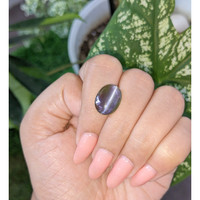
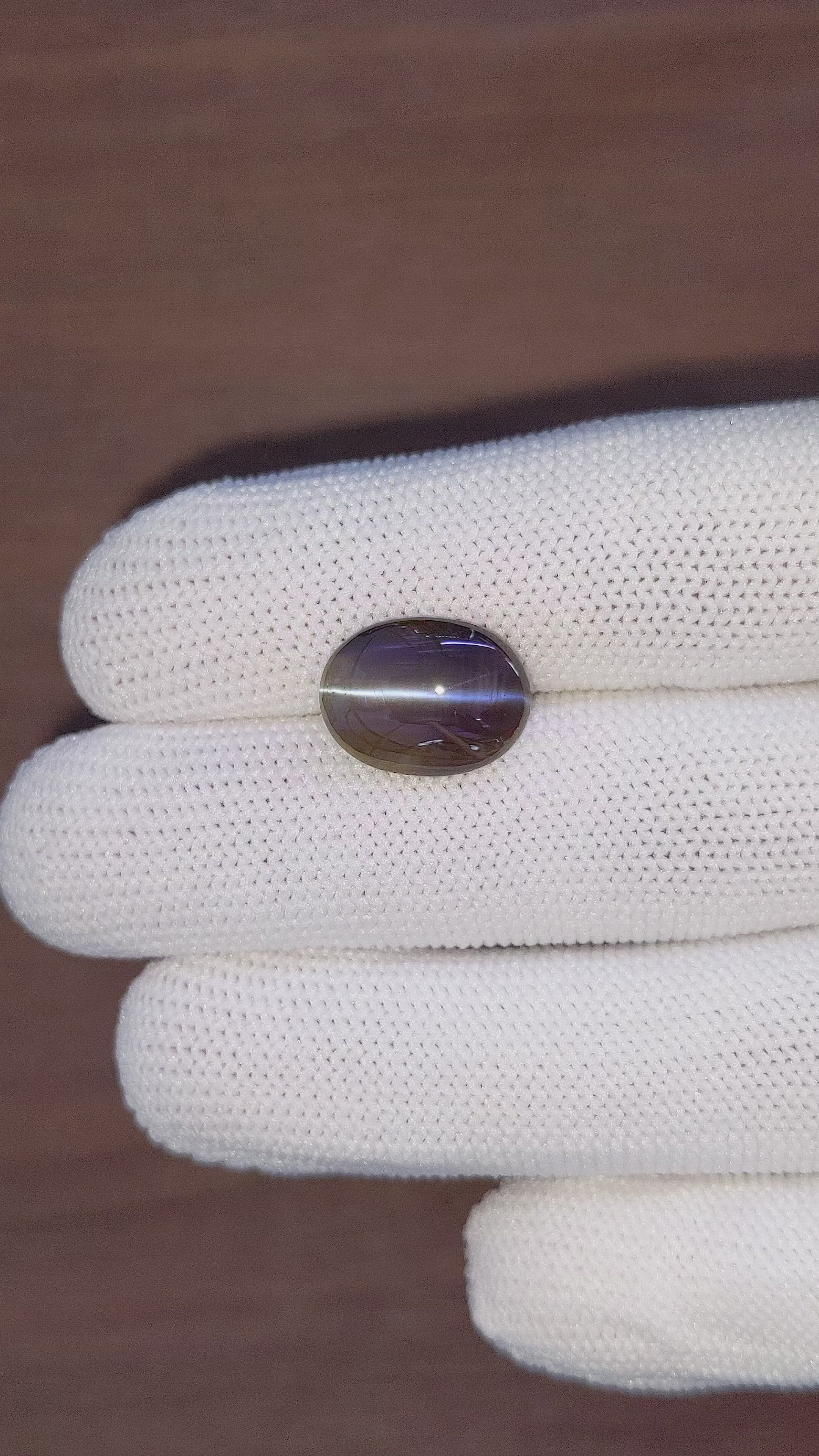
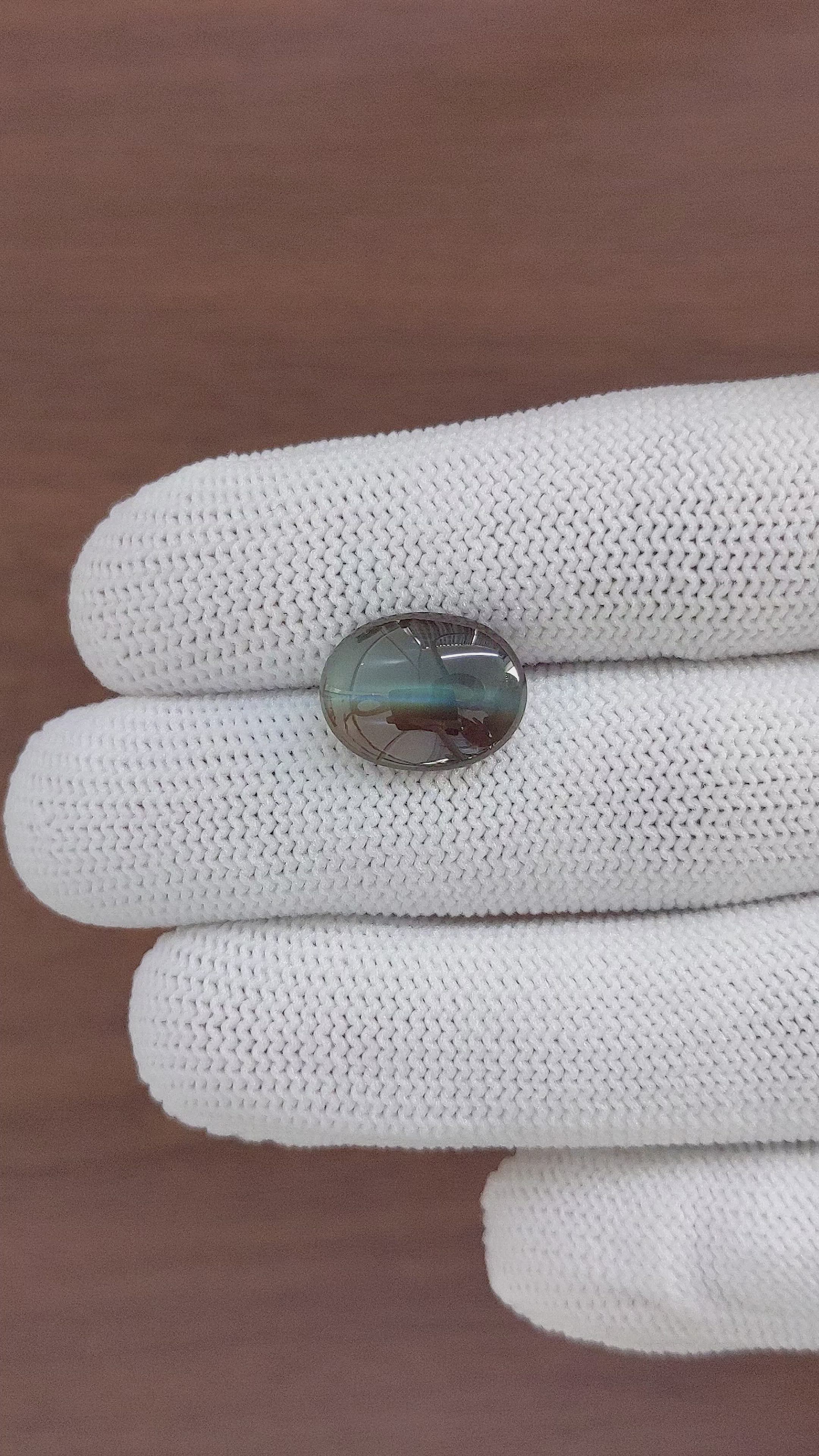
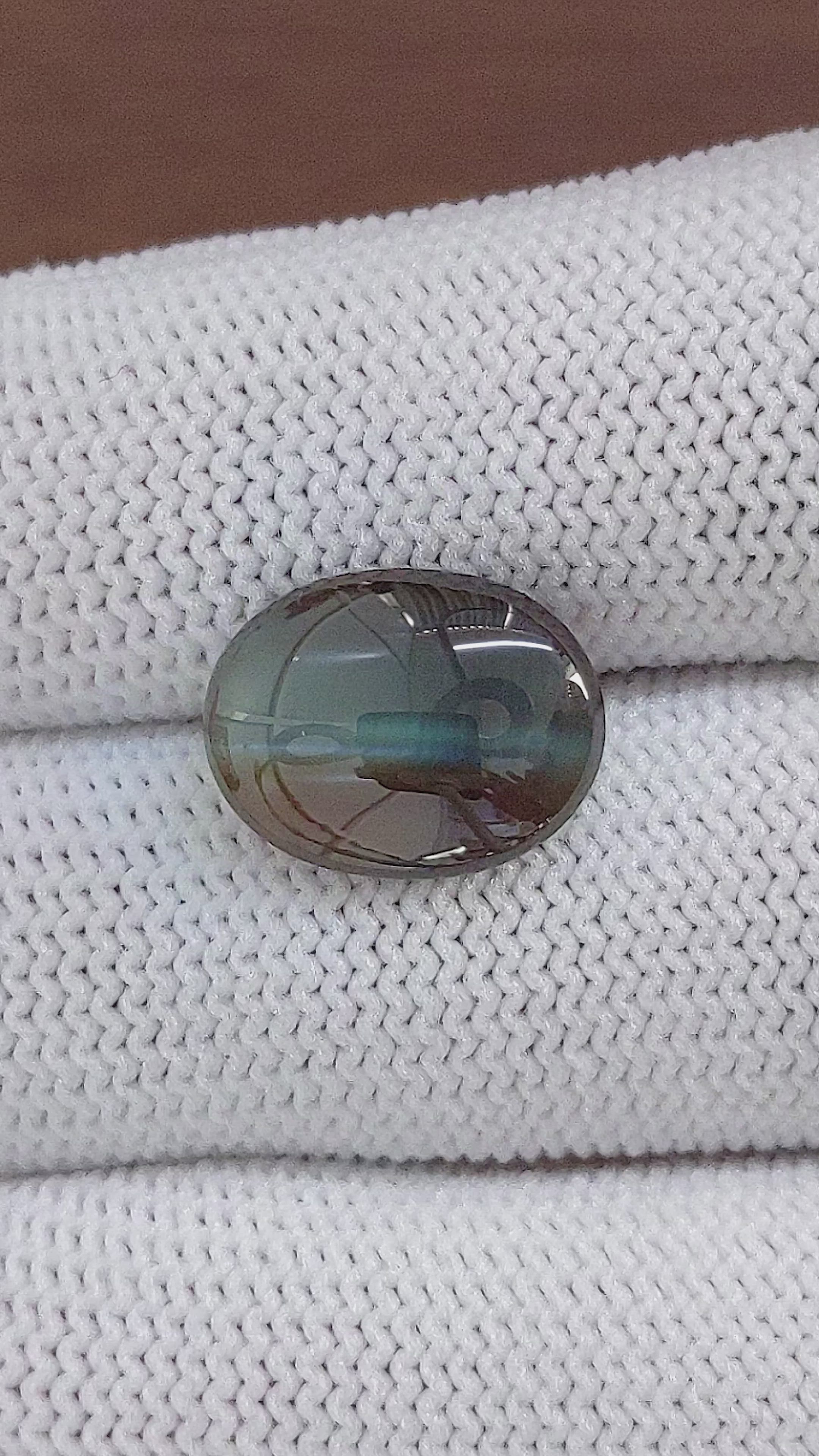
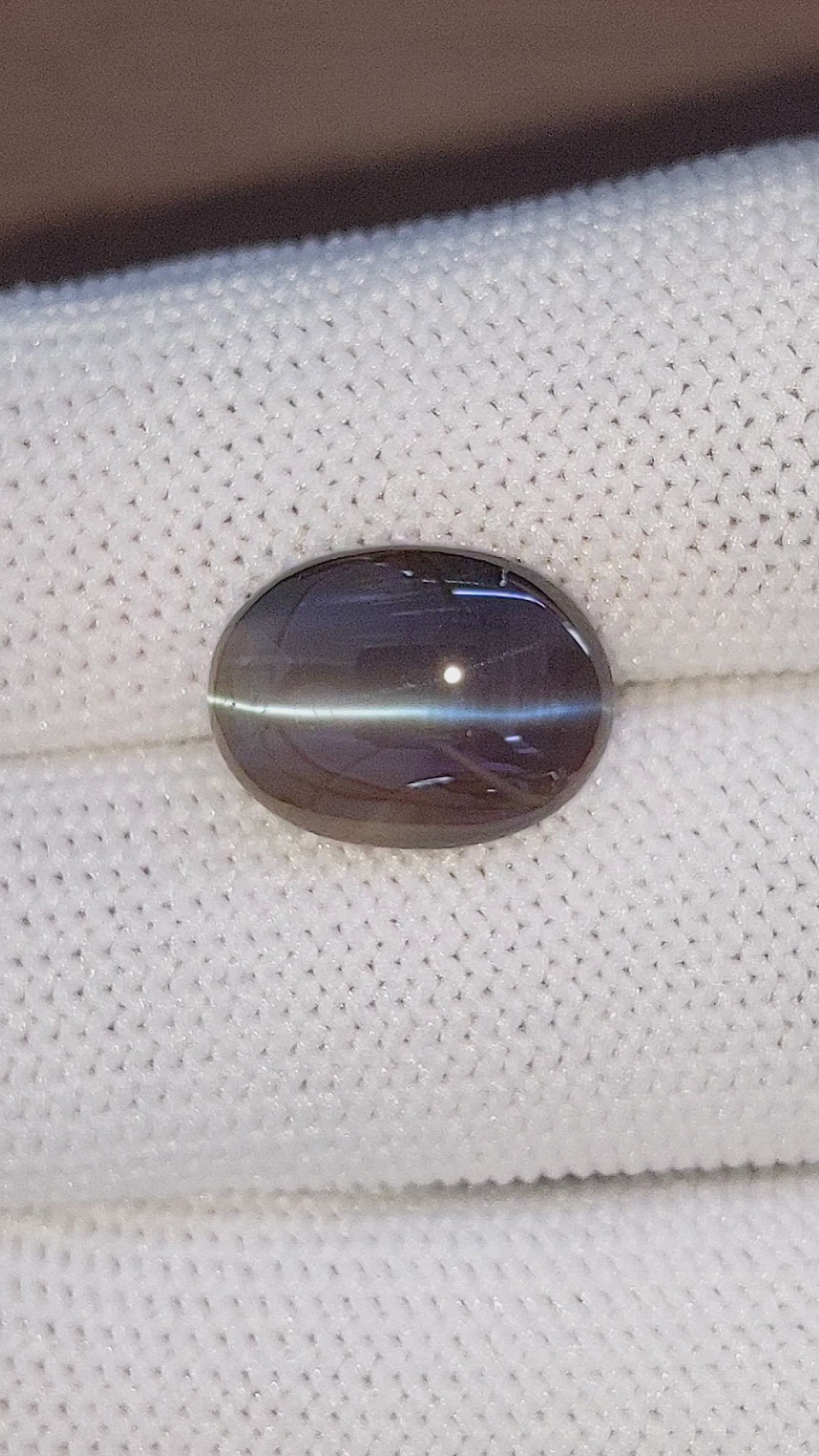
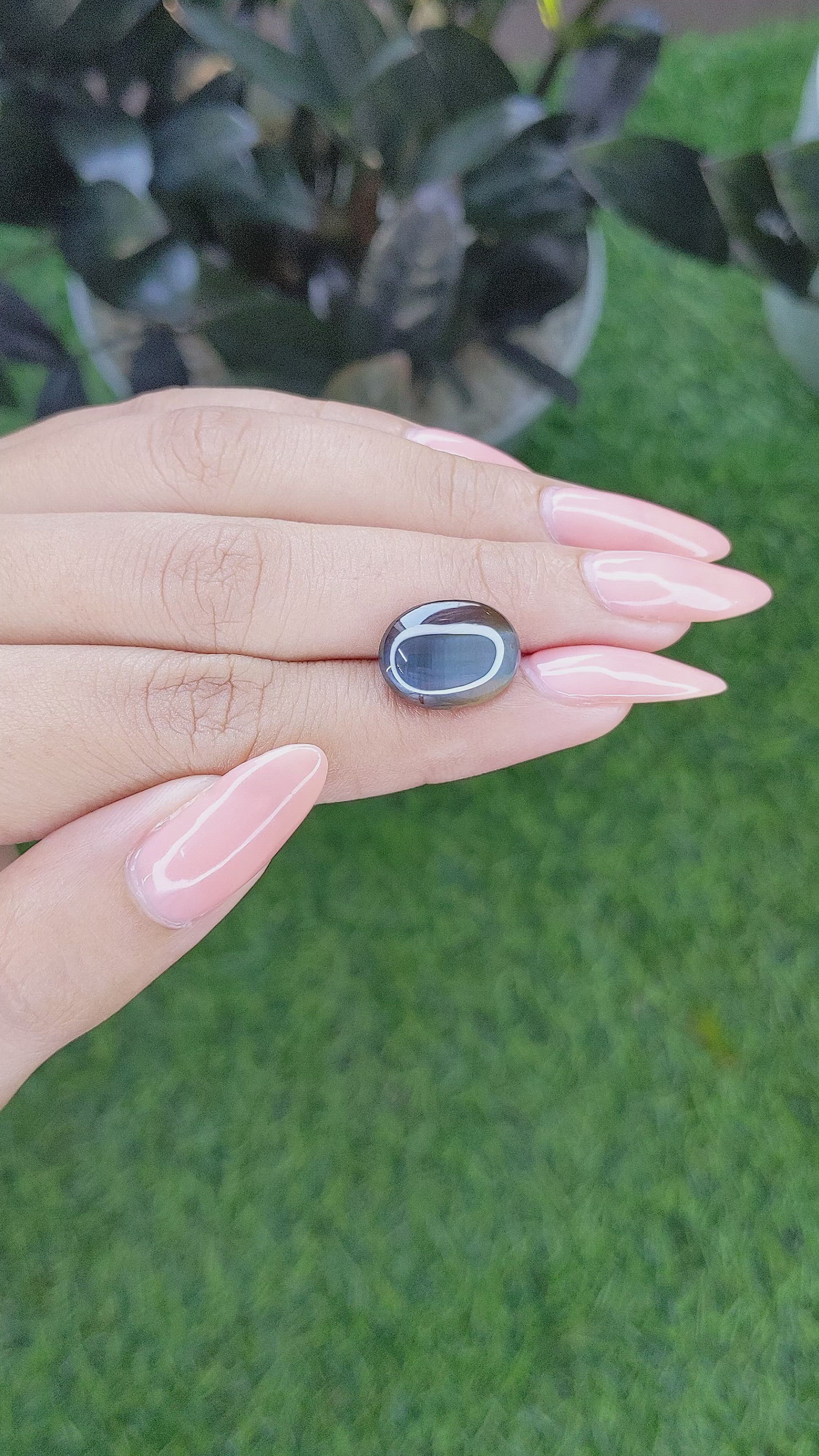
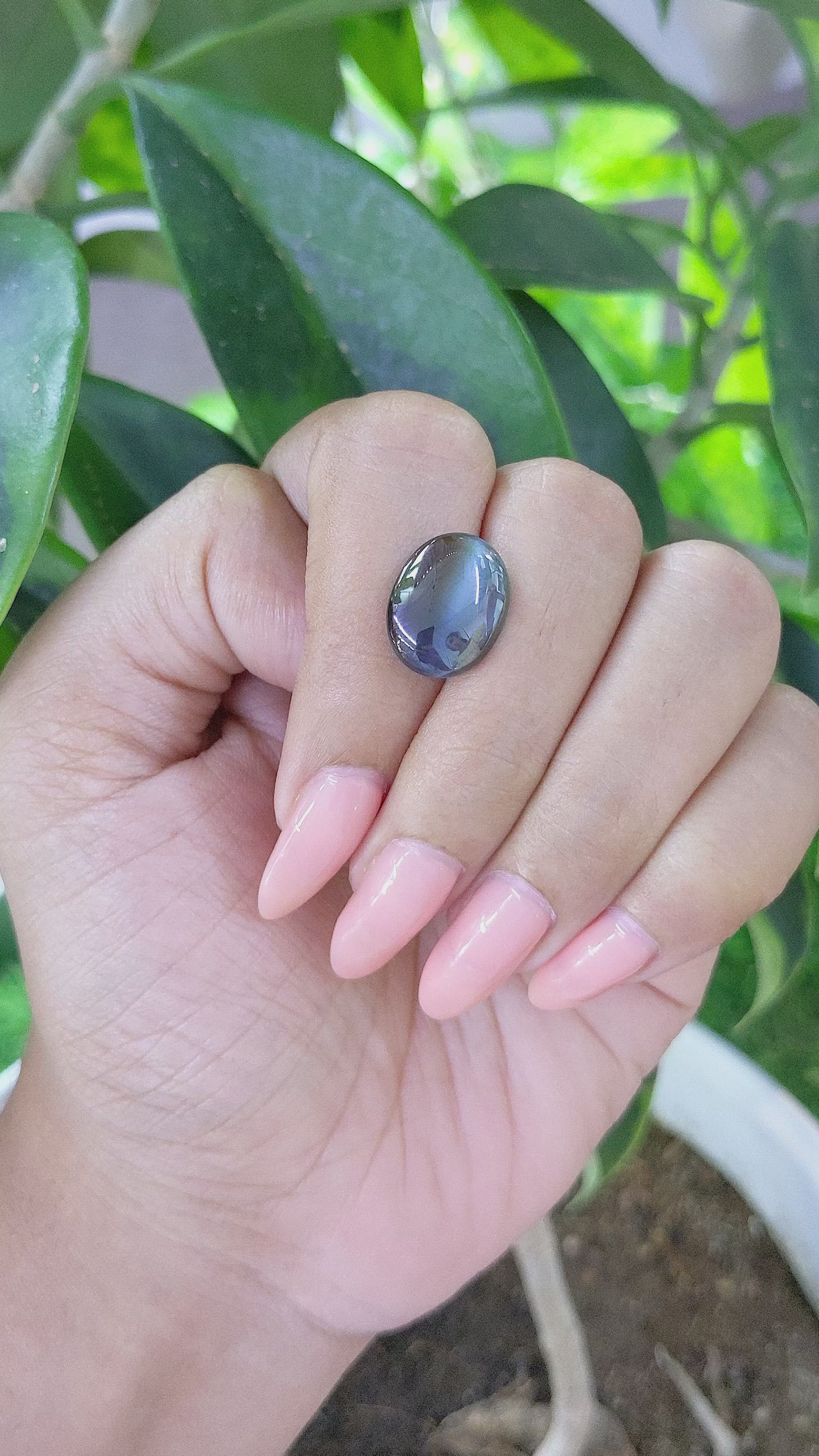
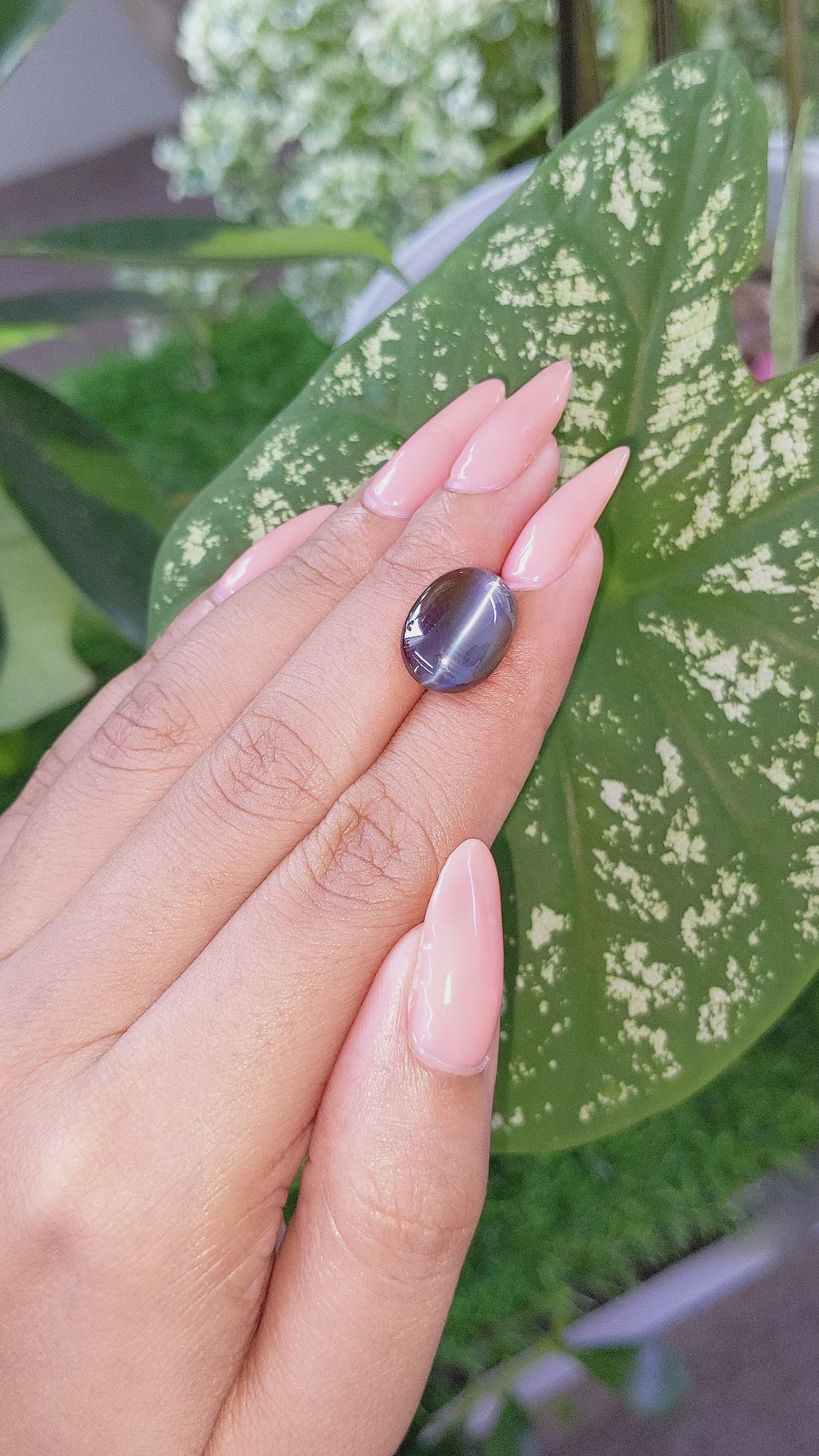
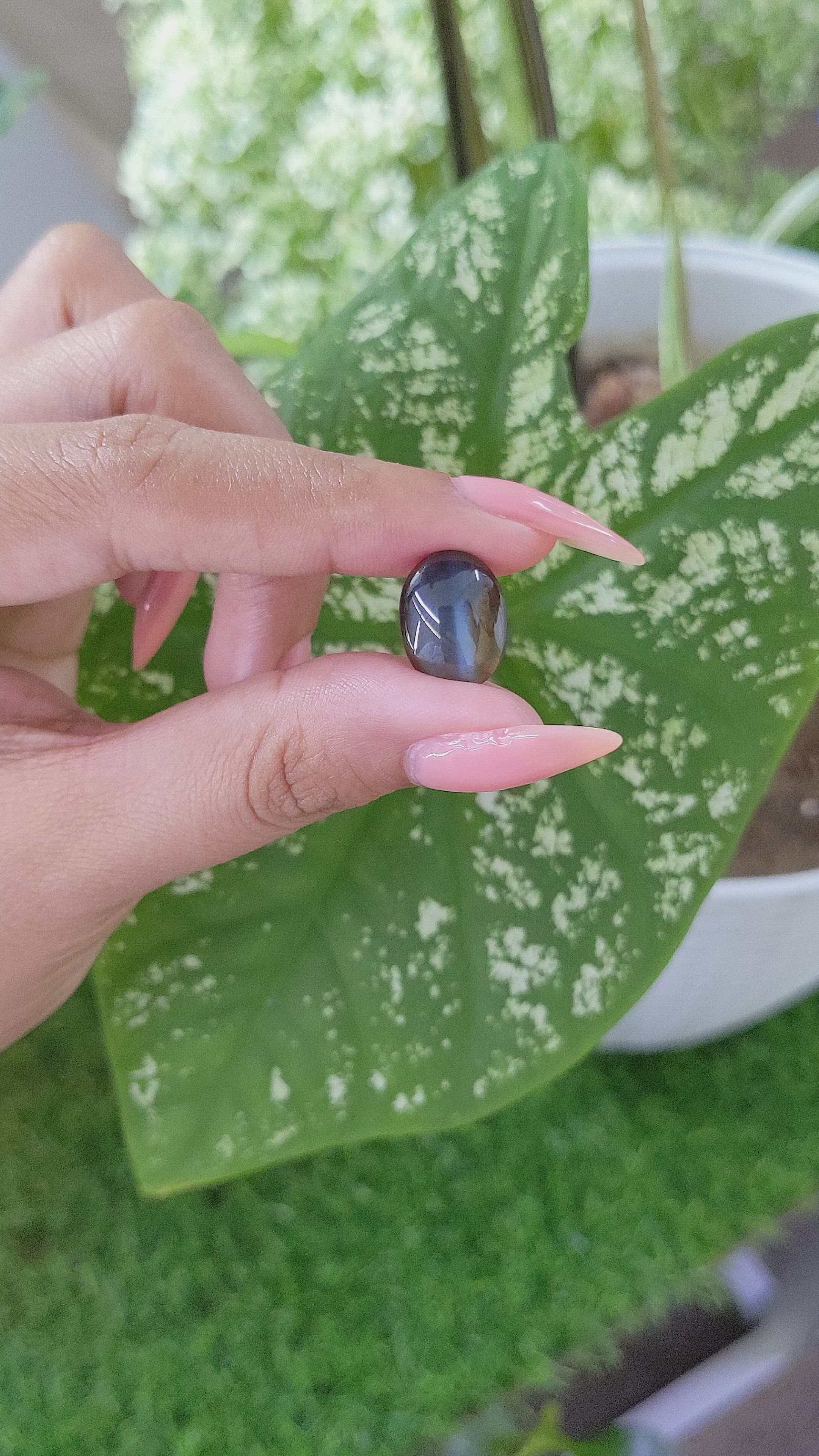




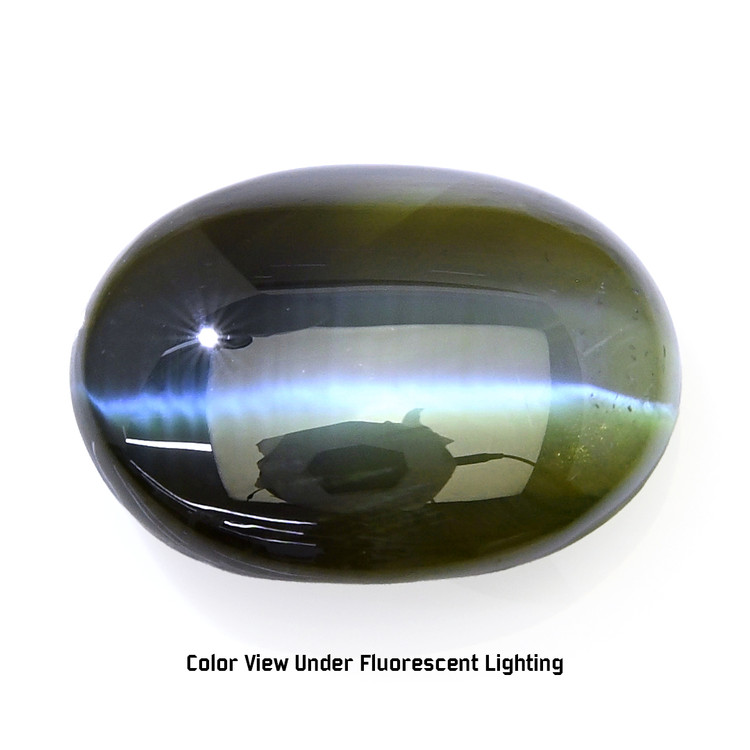
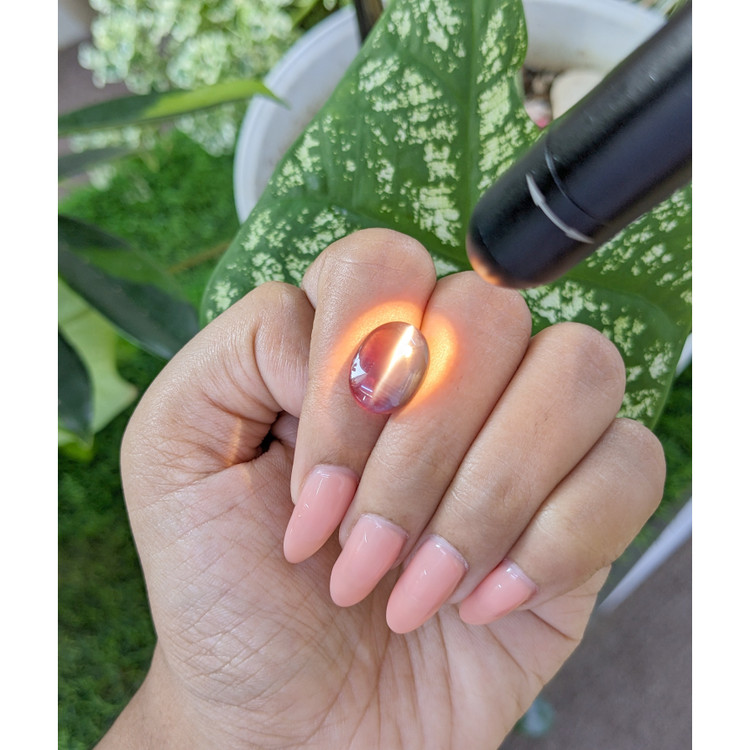
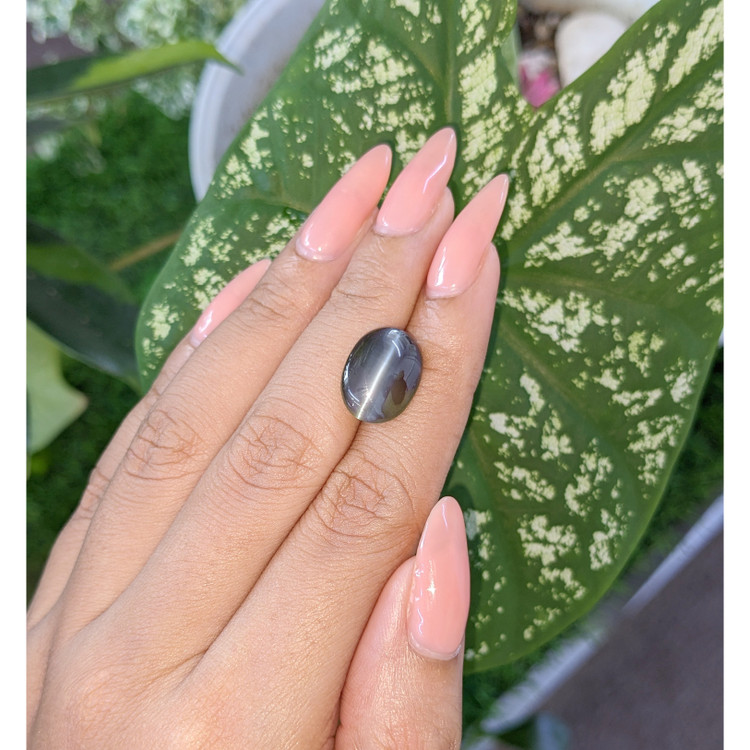
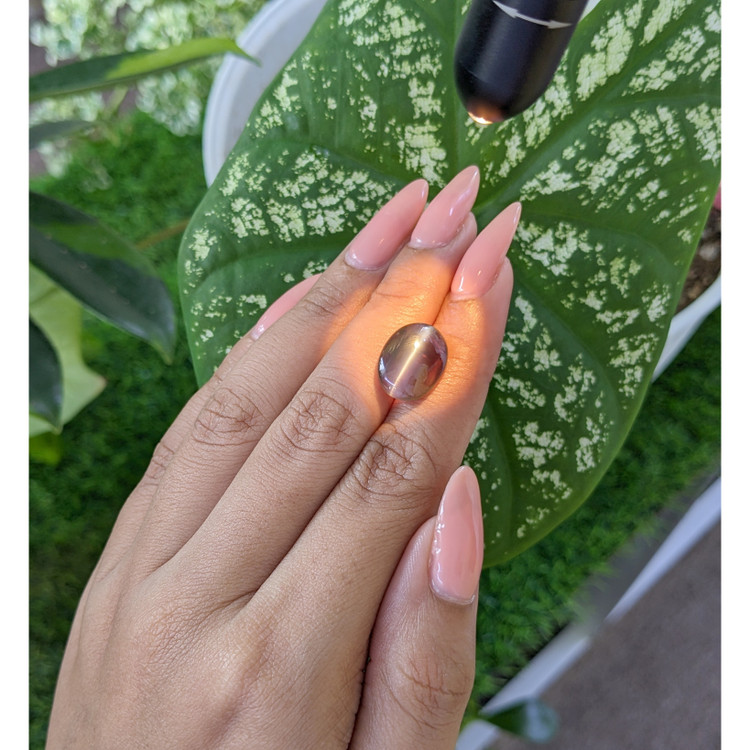
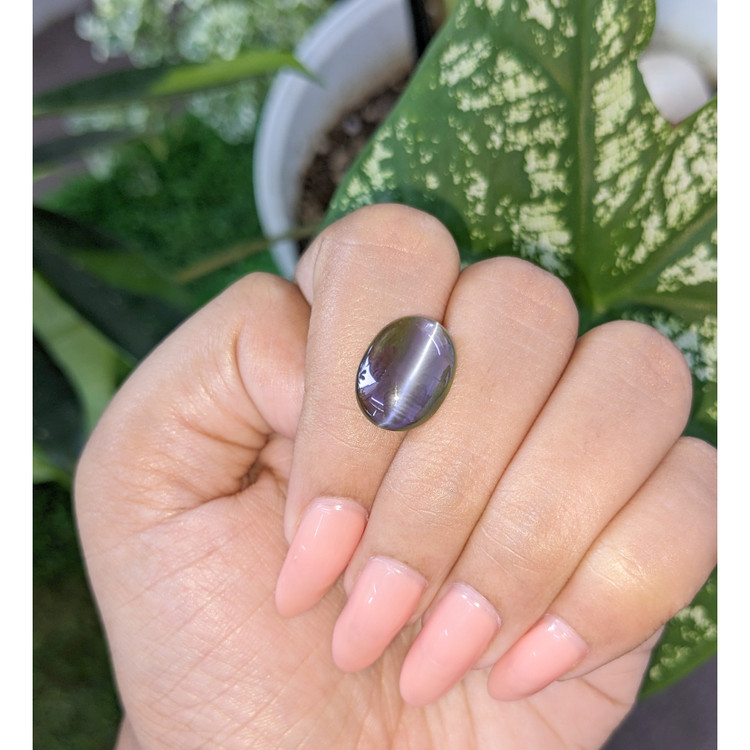




8.06 Ct. Cabochon Alexandrite from Tanzania
This loose stone ships by Mar 5
Item ID: | K21089 |
|---|---|
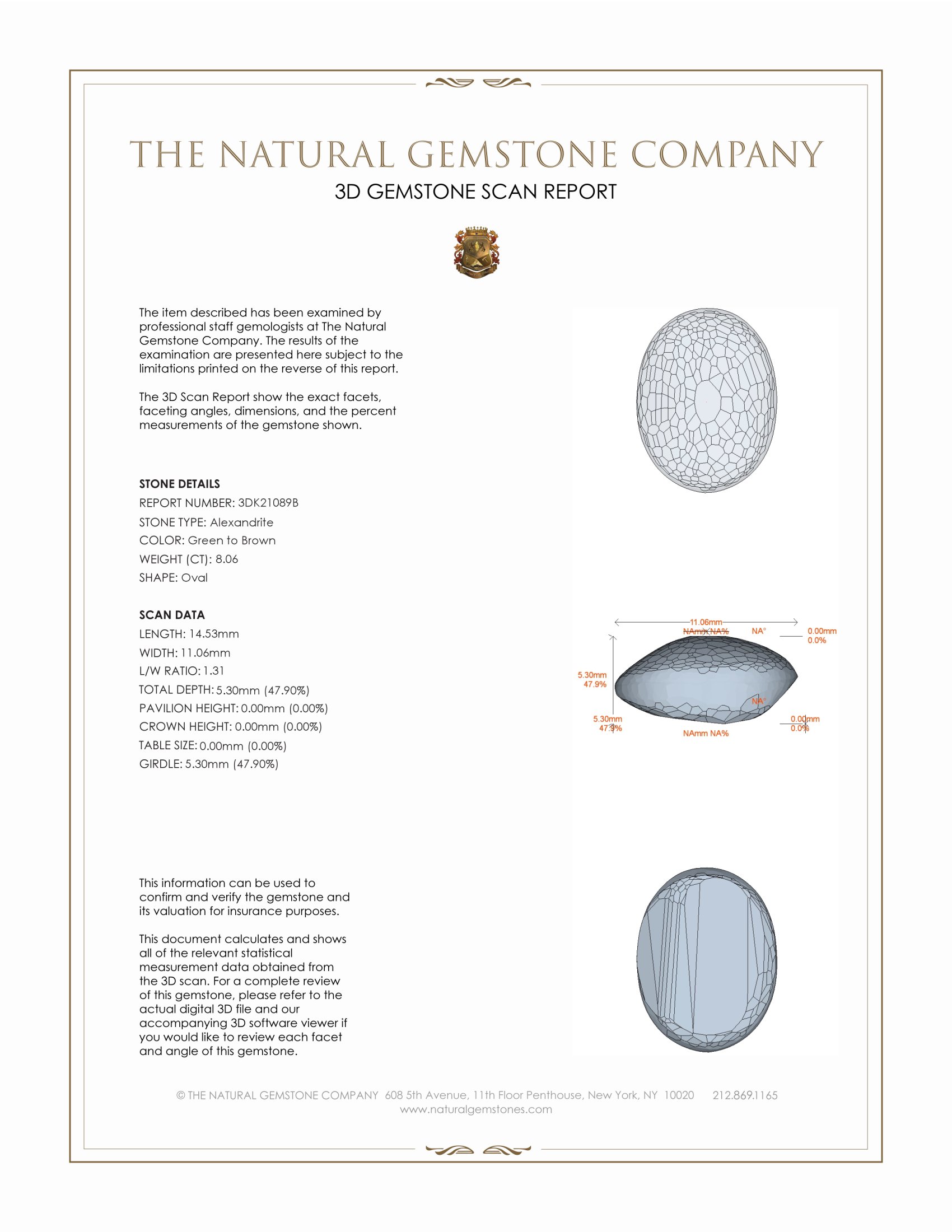
Dimensions (MM): help | Length: 14.53 Width: 11.06 Height: 5.3 |
Weight: | 8.06 Ct. |
Color: help | Green to Brown |
Color intensity: help | Intense |
Clarity: help | Eye Clean |
Shape: help | Oval |
Cut: | Cabochon |
Cutting style: | Cabochon |
Enhancements: help | No Enhancement |
Origin: help | Tanzania |
Per carat price: help | $6,090 |
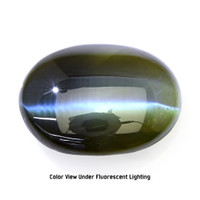
This listing describes one translucent alexandrite weighing 8.06 carats, oval shape, cabochon cut, with exact dimensions 14.53 x 11.06 x 5.30 mm. The specimen is certified by Other, origin Tanzania, enhancement none. Clarity is graded eye clean at normal viewing distance, color intensity is rated intense, and the polish is assessed as excellent. The Natural Gemstone Company presents this gem as a study in color change phenomena combined with precision lapidary work, the cabochon form chosen to maximize the body color transition from green in daylight conditions to brown under incandescent lighting. These primary specifications anchor the technical evaluation that follows, and they define the gem both for connoisseurs interested in material provenance and for jewelers seeking predictable optical behavior in finished settings.
The cabochon shaping exhibits deliberate proportions, with a 5.30 mm thickness providing a relatively high dome to optical path ratio, a factor that enhances perceived saturation and the clarity of the color change. The dome radius and symmetrical oval outline are executed to tight tolerances, resulting in even light distribution across the surface and minimal optical distortion. The polish quality described as excellent indicates that the lapidary achieved a mirror-like surface, free of polish haze or visible polishing pits at normal inspection, which in turn preserves the sharpness of reflected highlights and the continuity of the color band shown in lighting photographs. The cabochon was finished with attention to parallelism of the major axis and minor axis, maintaining even girdle thickness and a smoothly contoured base plane to facilitate secure bezel mounting. The translucent nature of this alexandrite means that internal light transmission is moderated rather than fully transparent, so the dome acts as a light integrator, deepening the green in daylight and permitting the brown hue to emerge under warm light, a behavior consistent with chromium activated color change mechanisms common to alexandrite class chrysoberyls.
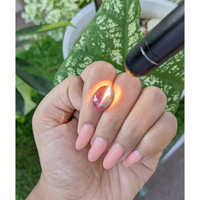
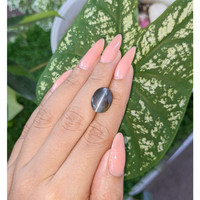
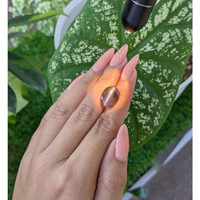
Color behavior is central to the value proposition, and this piece exhibits a distinct green to brown change, described here with objective detail. Under fluorescent or daylight equivalent lighting the dominant wavelengths transmitted present as a saturated green, with secondary undertones that interact with the cabochon curvature to create localized zones of variation. Under incandescent or warm light the visible spectrum balance shifts toward longer wavelengths, yielding a brownish appearance with retained depth due to the gem s translucency and dome thickness. From a spectroscopic perspective, alexandrite change is typically associated with selective absorption bands introduced by trivalent chromium substituting in the crystal lattice, producing strong dichroism and pleochroism that are enhanced when the cutter aligns the optical axis appropriately during shaping. In this cabochon the cutter oriented the optic axis to favor the most dramatic shift along the oval s major axis, a technique that maximizes perceptible change when the stone is rotated or when the lighting source changes, a consideration of particular importance for collectors and designers who intend to showcase the color shift in wearable pieces.
Clarity assessment at eye level yields an eye clean grade, which means that no inclusions are visible without magnification under standard viewing conditions, ensuring a clean visual field that emphasizes color rather than interruption by internal features. The term translucent here indicates that fine internal textures may be present when examined under higher magnification, potentially including silk like growth features or microscopic needle structures that do not diminish the gem s aesthetic at normal inspection distances. Those internal textures can contribute to the optical diffusion that softens color boundaries in cabochons, a desirable trait in color change stones where a uniform transition is preferred. The lack of enhancement is significant for technical buyers, confirming that the color, clarity, and polish are the results of natural formation and skilled lapidary work, rather than thermal treatment or surface diffusion. Certification by Other provides an independent statement on these attributes, and provenance from Tanzania situates the material within a known geological context, which may influence buyer expectations regarding trace element chemistry and typical inclusion suites.
For practical application in jewelry, the dimensions and cabochon profile recommend set types that protect the dome while allowing maximum visibility of the color change. Bezel settings with a low to medium height rim provide secure retention for the 14.53 x 11.06 mm oval, controlling lateral movement and exposing the dome face for optimal viewing, while four claw prongs combined with a bezel lip may be used where greater show of the bezel edge is desired. The 5.30 mm depth requires seat milling or a custom cup in the mounting to ensure even pressure distribution and to avoid point loading, a concern when setting a stone with significant dome height. Designers should also consider orientation, placing the major axis of the oval so that the wearer experiences the most dramatic color change across the visible plane, and soldering or shank designs should accommodate routine cleaning without subjecting the stone to extreme thermal shock. As with all chrysoberyls, standard care includes avoiding prolonged exposure to strong acids and extreme temperatures, and while the absence of enhancements reduces the need for special cleaning protocols, ultrasonic cleaning should be used cautiously when inclusions are suspected under magnification.
The Natural Gemstone Company offers this 8.06 carat Tanzanian alexandrite as a specialist item for knowledgeable buyers seeking a natural, cabochon cut color change specimen with documented provenance and no enhancement. The combination of an intense color grade, eye clean clarity, precise cabochon proportions, and excellent polish make this piece suitable for high quality bespoke jewelry or for inclusion in a connoisseur s collection. Technical inquiries regarding the certification report, additional magnified imaging, spectroscopic data, or recommended mounting templates are welcome, and we can provide further documentation to support appraisal and insurance needs. This alexandrite represents a careful balance of natural optical properties and refined lapidary technique, a material that benefits from considered design and expert setting to fully realize its color changing potential.


