
- Stone15
- Reports3
-oval-purple-amethyst-3.9700-cts-k22090-1.jpg?d=200x200&v=20260303043627)
-oval-purple-amethyst-3.9700-cts-k22090-lifestyleimage-1.jpg?d=200x200&v=20260302231646)
-oval-purple-amethyst-3.9700-cts-k22090-lifestyleimage-2.jpg?d=200x200&v=20260302231646)
-oval-purple-amethyst-3.9700-cts-k22090-lifestyleimage-3.jpg?d=200x200&v=20260302231646)
-oval-purple-amethyst-3.9700-cts-k22090-lifestyleimage-4.jpg?d=200x200&v=20260302231646)

-oval-purple-amethyst-3.9700-cts-k22090-1.jpg?d=750x750&s=ngc&v=20260303043627)
-oval-purple-amethyst-3.9700-cts-k22090-lifestyleimage-1.jpg?d=750x750&s=ngc&v=20260302231646)
-oval-purple-amethyst-3.9700-cts-k22090-lifestyleimage-2.jpg?d=750x750&s=ngc&v=20260302231646)
-oval-purple-amethyst-3.9700-cts-k22090-lifestyleimage-3.jpg?d=750x750&s=ngc&v=20260302231646)
-oval-purple-amethyst-3.9700-cts-k22090-lifestyleimage-4.jpg?d=750x750&s=ngc&v=20260302231646)

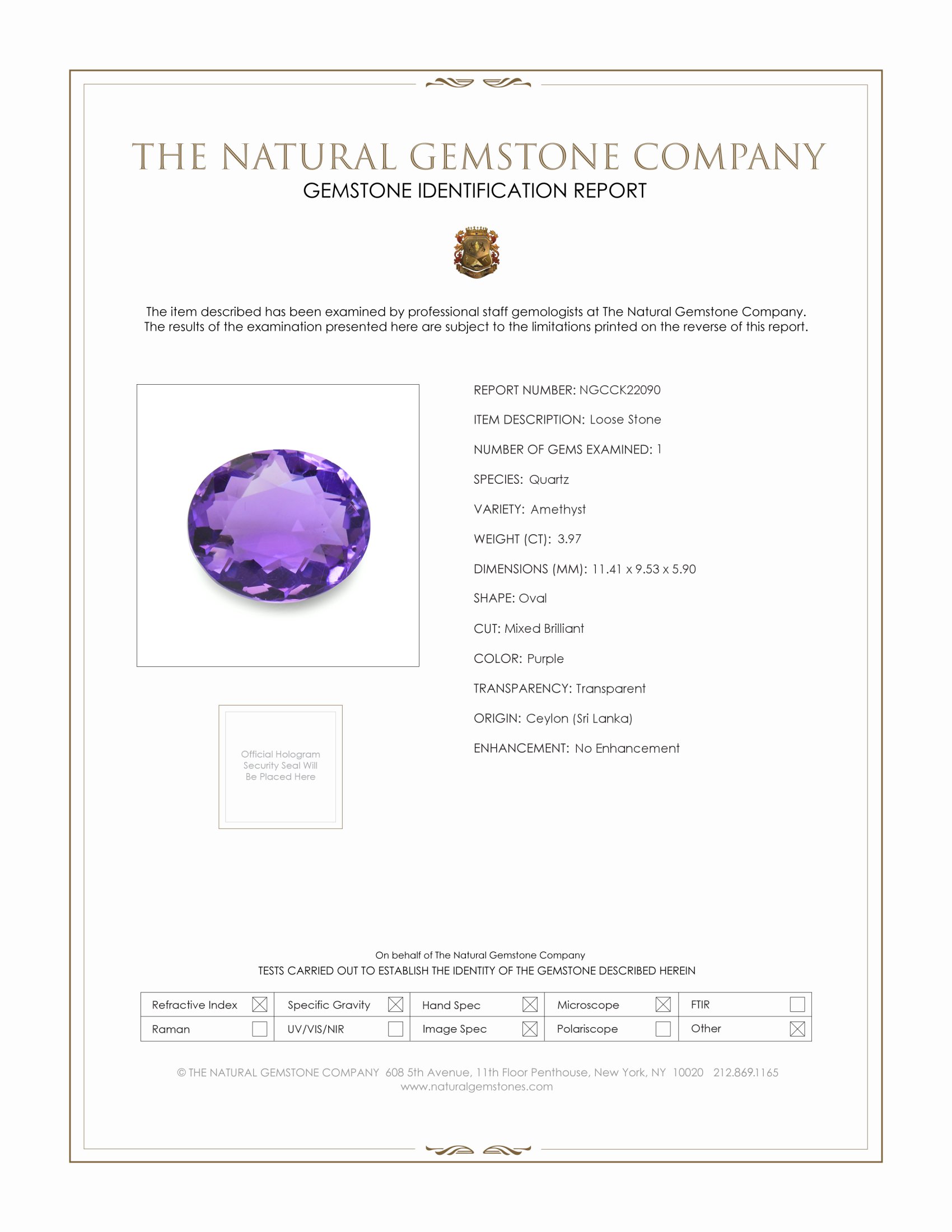
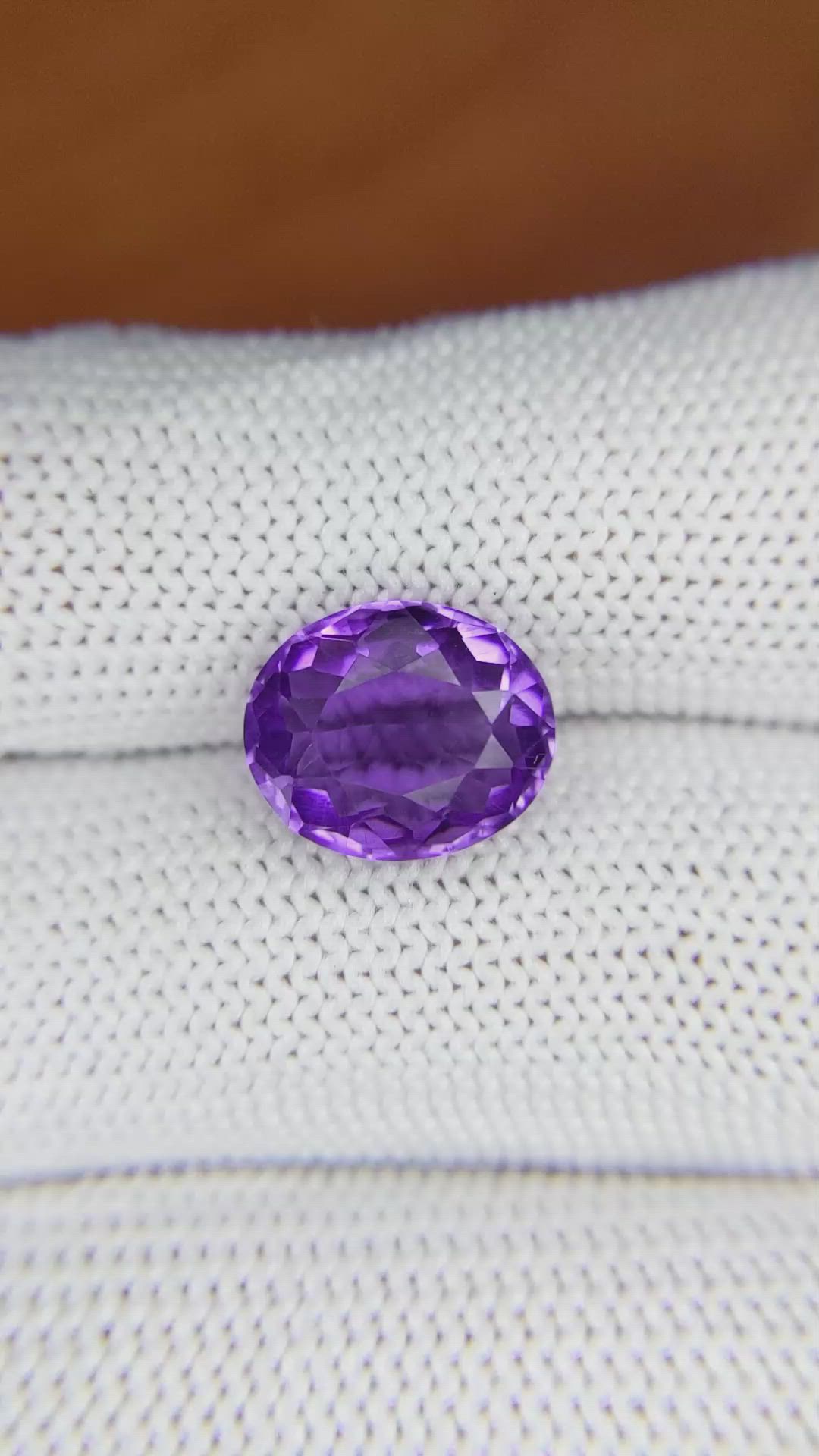
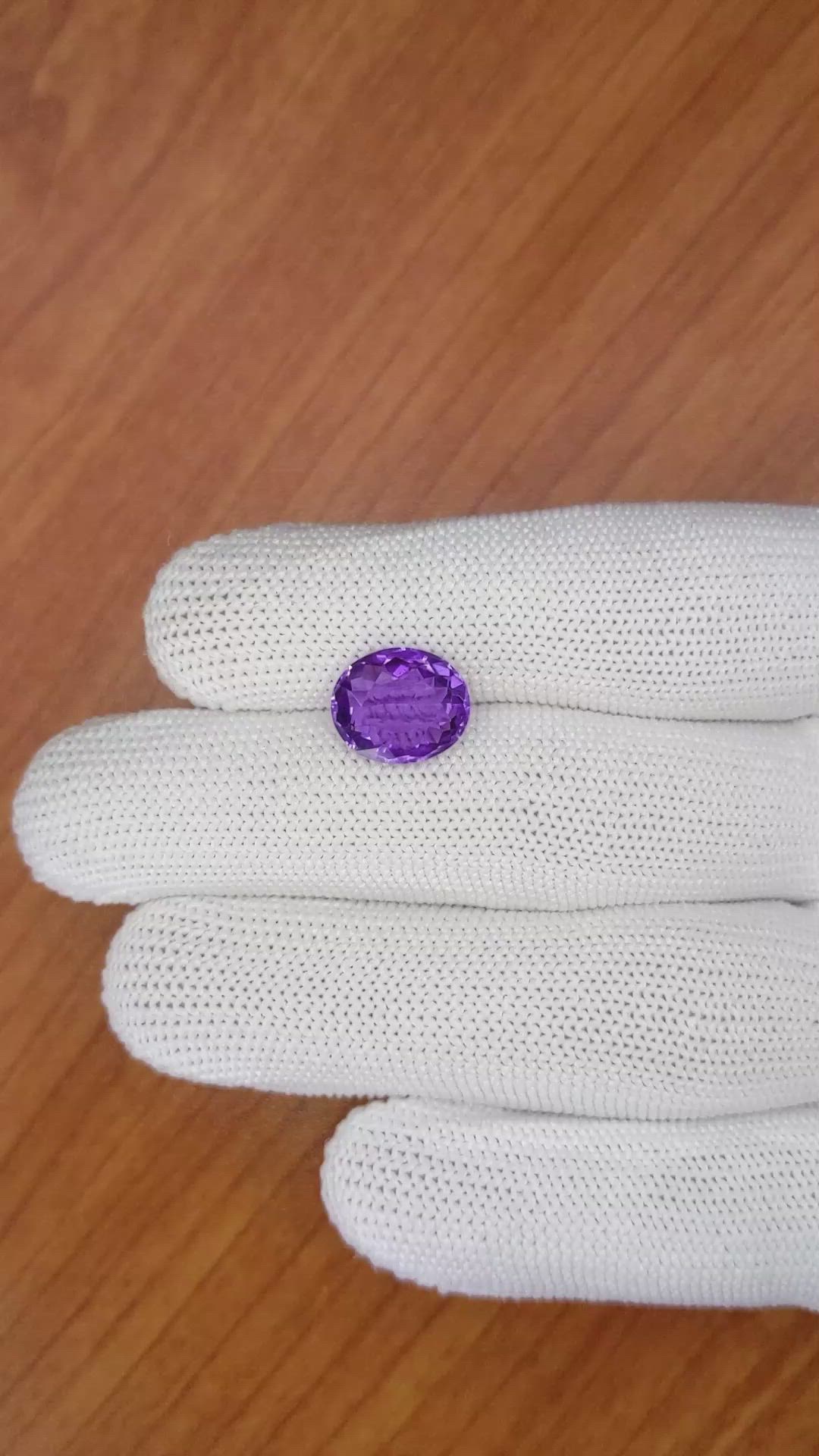
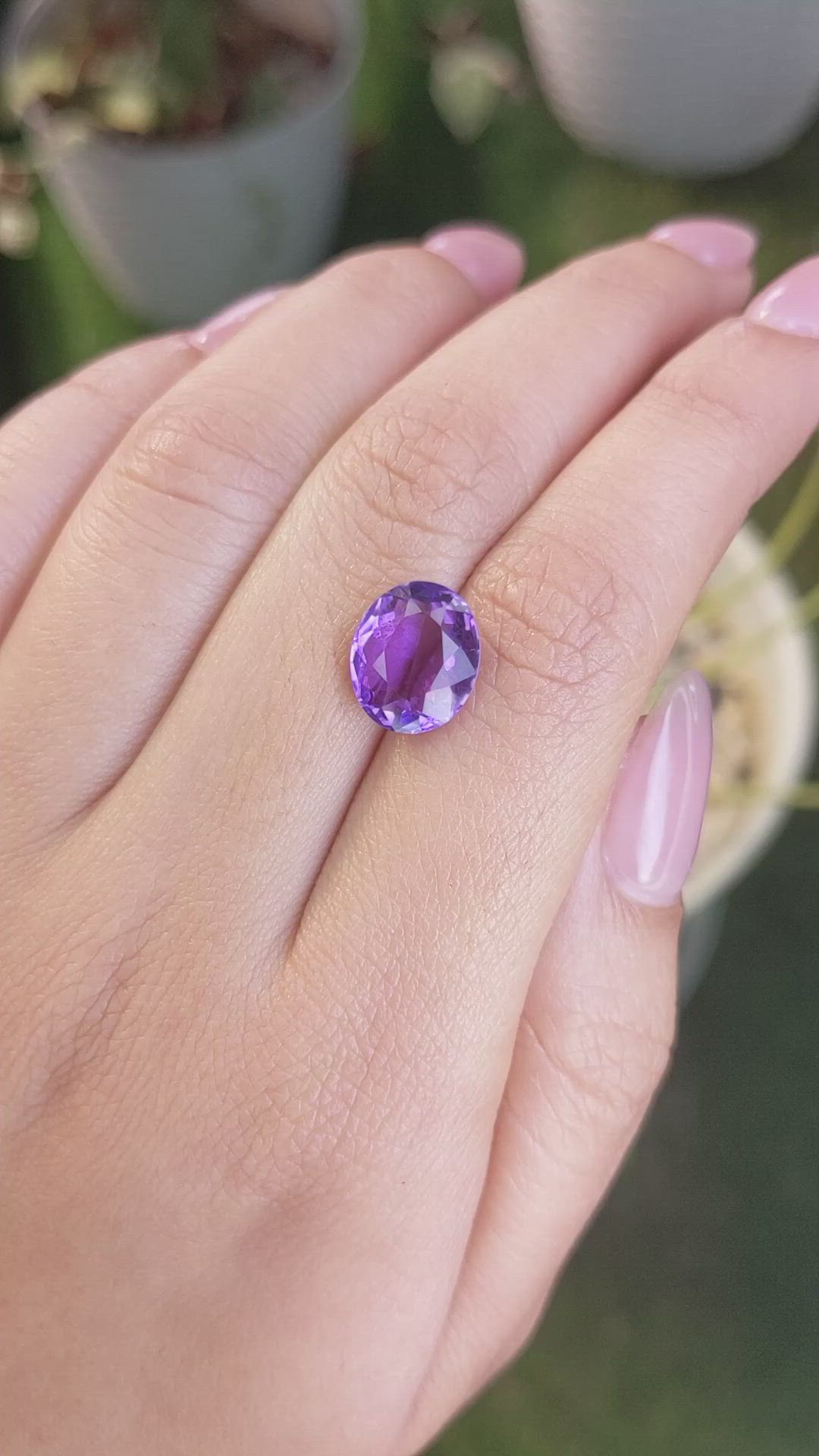
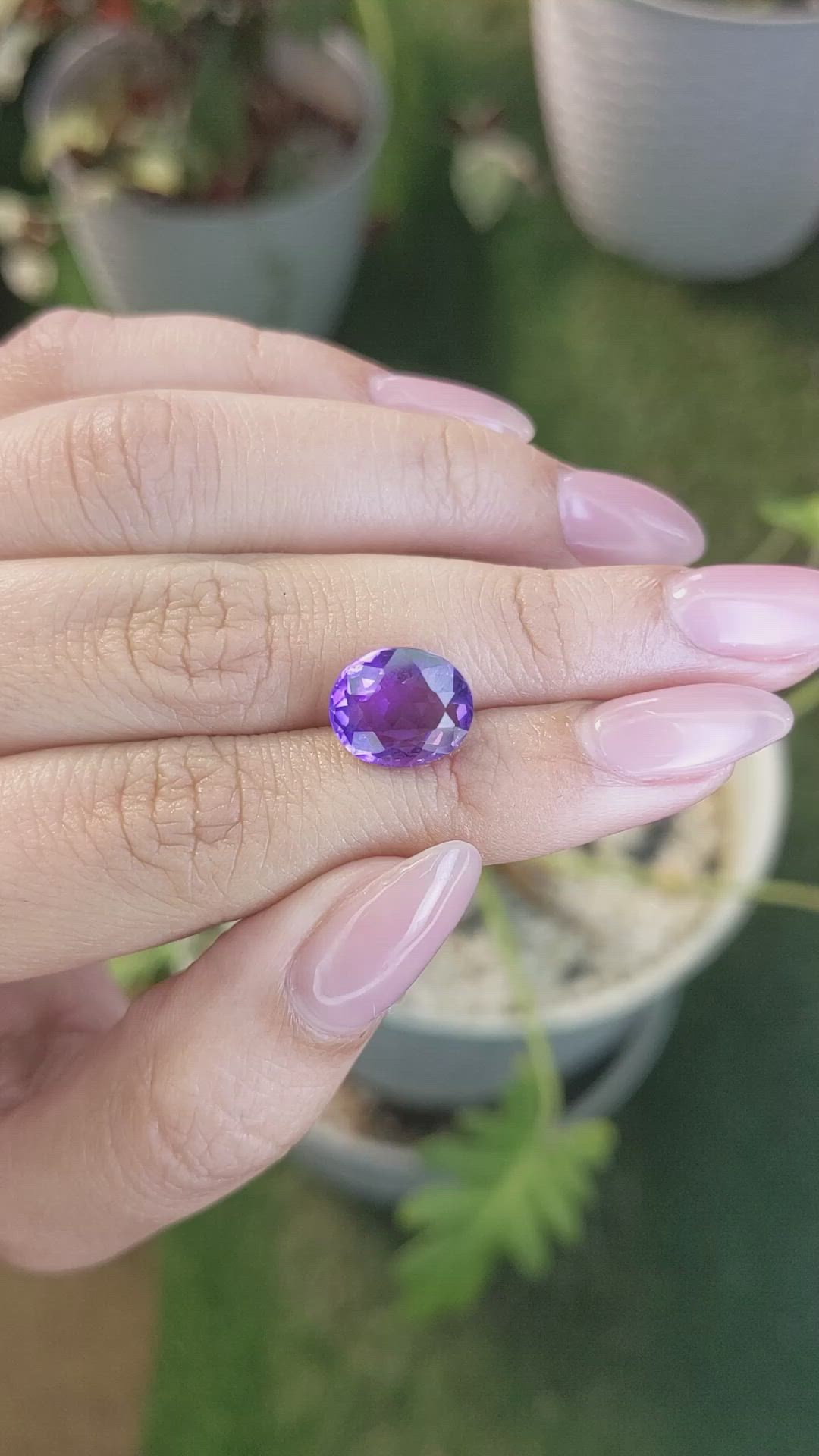
3.97 Ct. Amethyst from Ceylon (Sri Lanka)
This loose stone is available to ship now
Item ID: | K22090 |
|---|---|
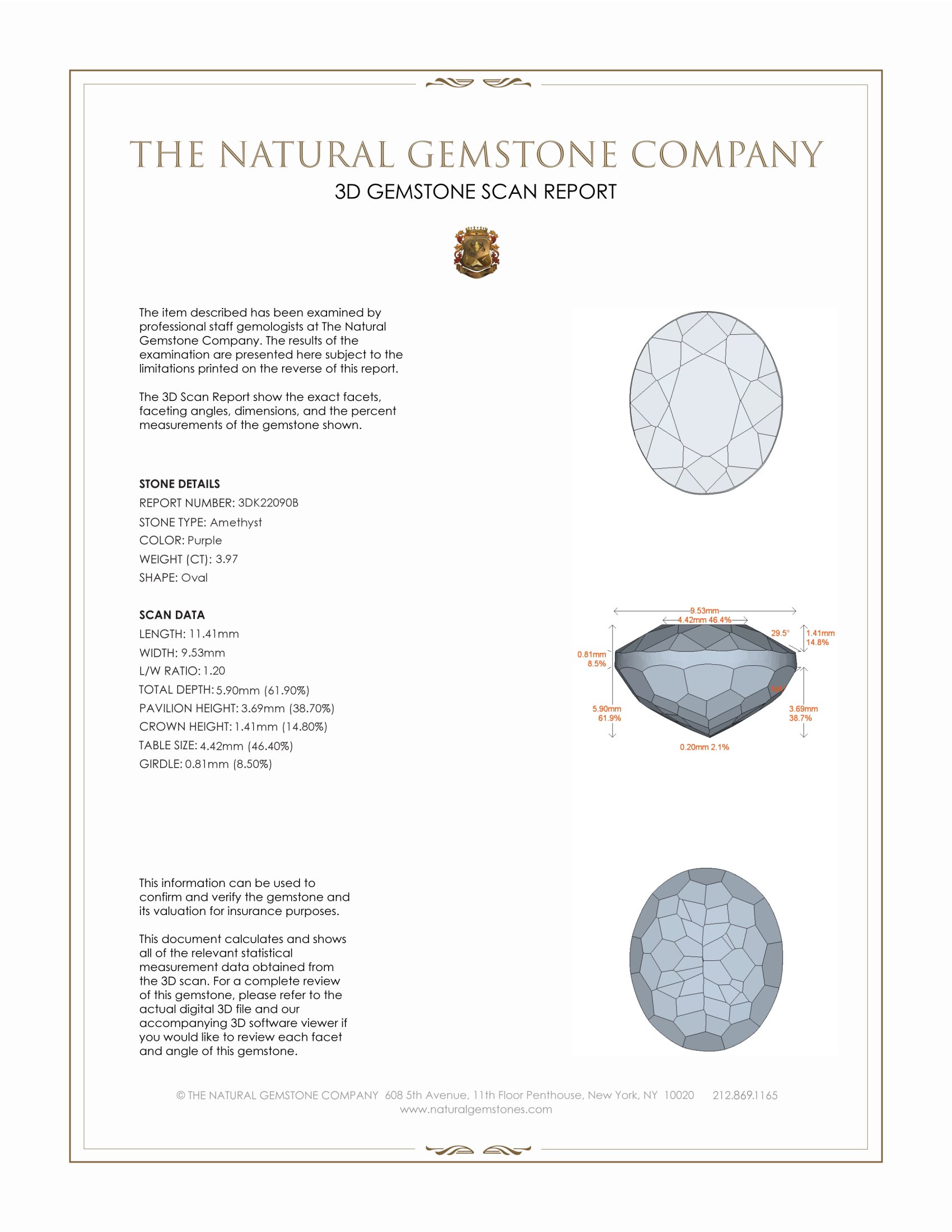
Dimensions (MM): help | Length: 11.41 Width: 9.53 Height: 5.9 |
Weight: | 3.97 Ct. |
Color: help | Purple |
Color intensity: help | Intense |
Clarity: help | Very Very Slightly Included |
Shape: help | Oval |
Cut: | Mixed Brilliant |
Cutting style: | Faceted |
Enhancements: help | No Enhancement |
Origin: help | Ceylon (Sri Lanka) |
Per carat price: help | $20 |
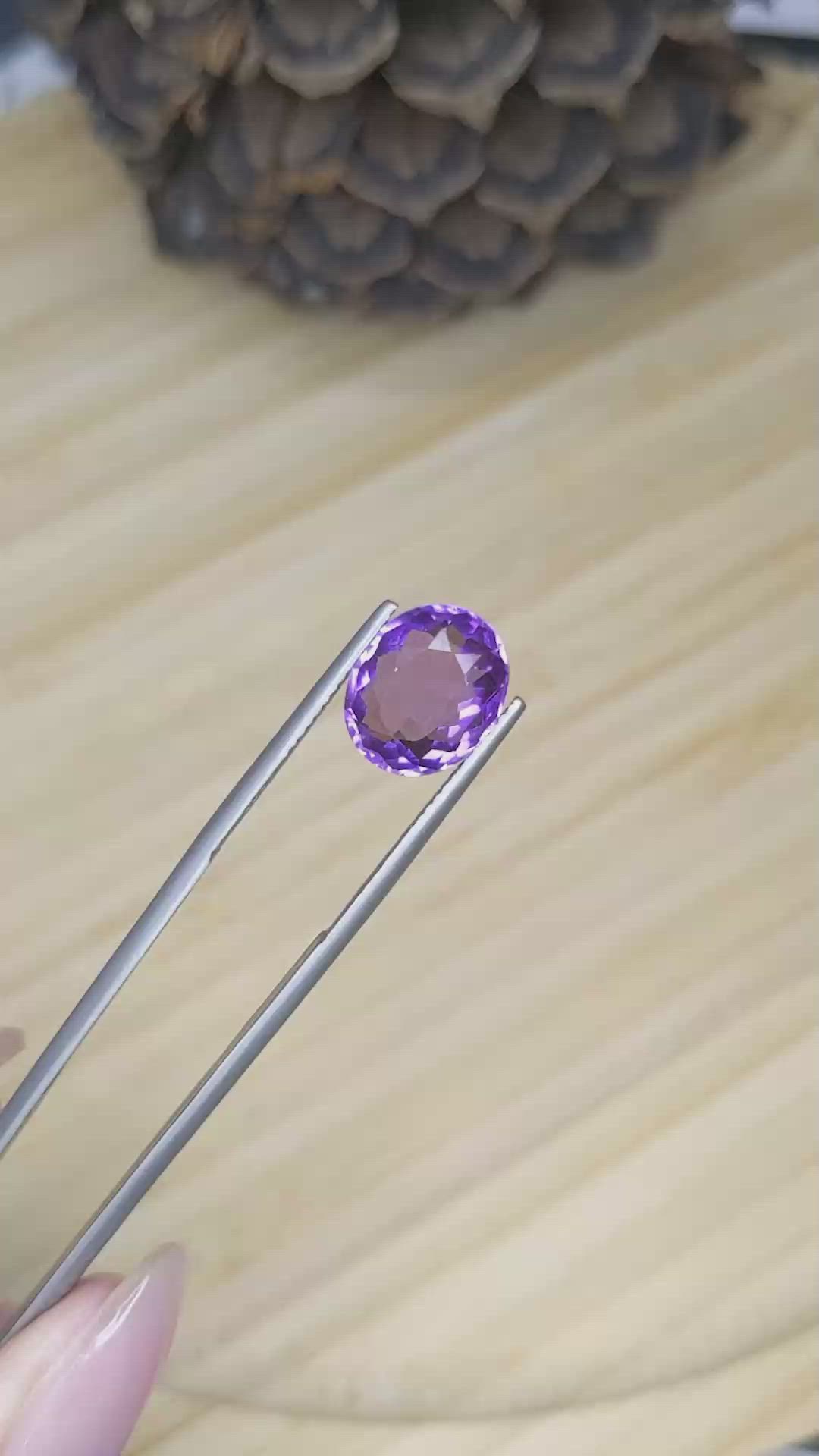
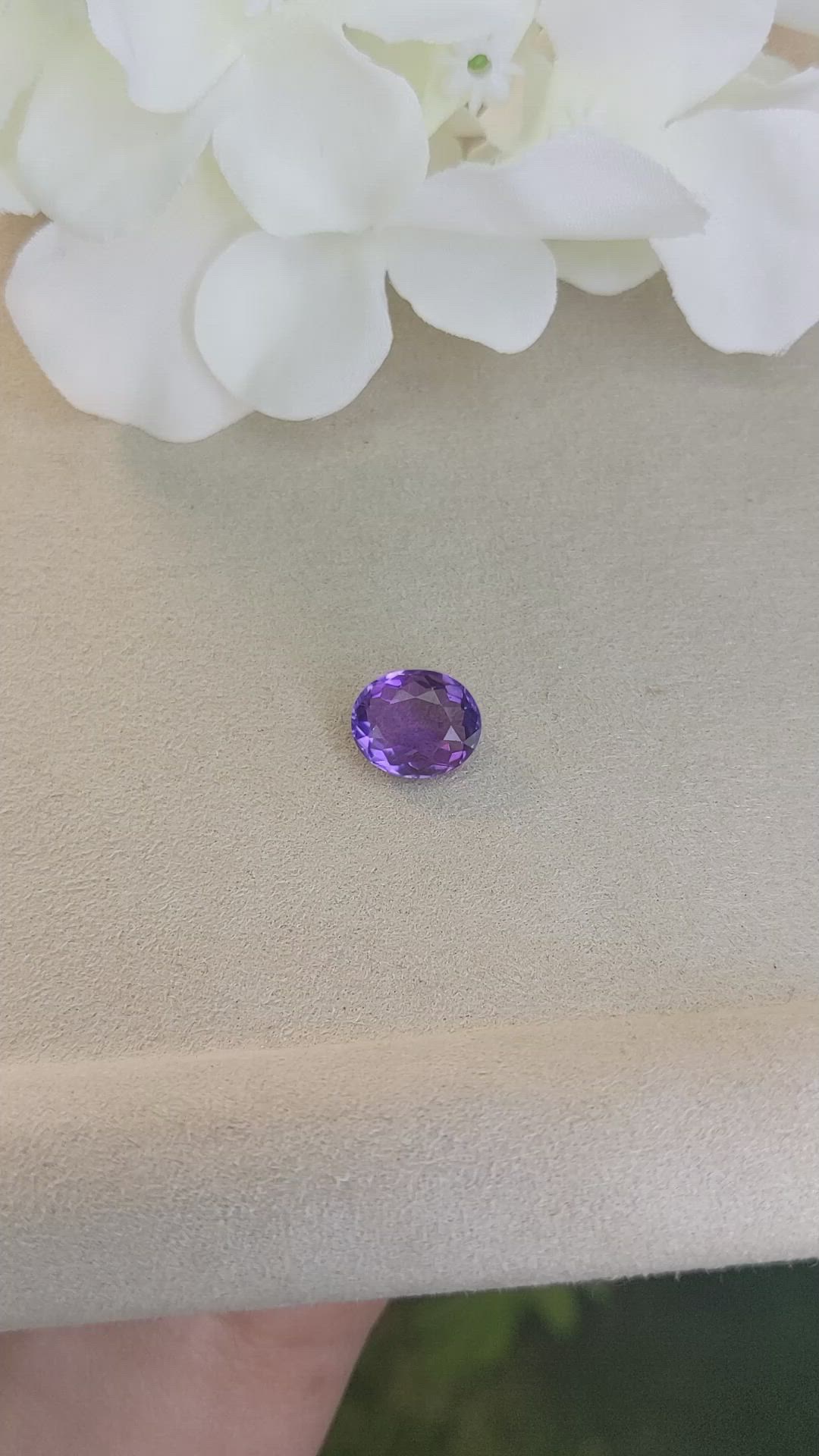
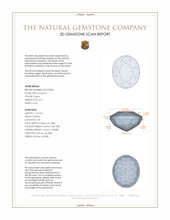
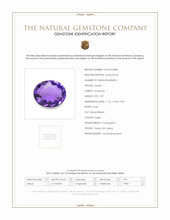
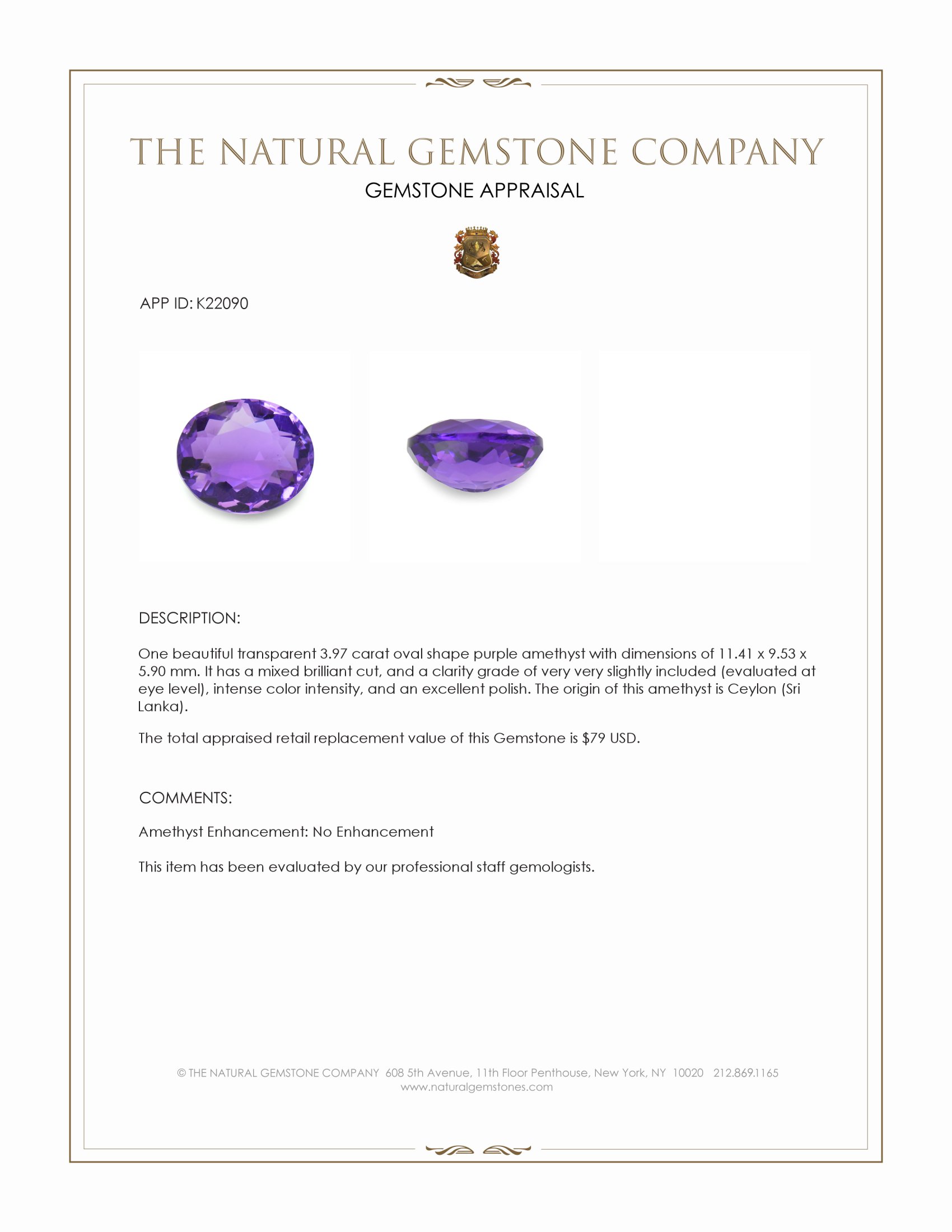
This is a transparent, well-proportioned 3.97 carat oval amethyst, presented by The Natural Gemstone Company, with precise dimensions of 11.41 by 9.53 by 5.90 millimeters and a mixed brilliant cut. The length to width ratio of approximately 1.20 gives the stone classical oval elegance that sits attractively when set, while the measured depth of 5.90 millimeters yields a depth percentage in the mid 50s when normalized to the average diameter, a proportion range that balances face-up brightness and internal color saturation. Clarity is evaluated as very very slightly included at eye level, which for practical purposes means the gem is eye-clean, showing only minute internal characteristics under close inspection, and retains excellent transparency. The polish is graded excellent, and the stone is free of enhancement, confirming that the intense color you see is wholly natural, sourced from Ceylon Sri Lanka. Those factual points — exact dimensions, cut style, clarity at eye level, unenhanced origin and finish — are the technical attributes an educated buyer will use to assess both aesthetic appeal and long-term value.
Color in amethyst is the principal determinant of desirability, and this specific stone exhibits an intense purple hue with vivid violet saturation and a balanced tone that reads as medium-dark to deep when viewed face-up. By hue we mean the dominant color family, in this case unequivocally within the purple-violet range, and by tone we mean the relative lightness or darkness, here favoring a tone that is deep enough to convey richness without appearing overly dark or lifeless. The mixed brilliant cut is purposeful in its interaction with color, as pavilion and crown facet arrangements channel light to produce both strong return and lively scintillation, which breaks the color into flashes and lively zones that keep the gem visually active. Amethyst can show pleochroism, a subtle shift between bluish-violet and reddish-violet depending on viewing angle and lighting, and this Ceylon example demonstrates that characteristic to good effect, offering flashing violet facets that enhance perceived saturation and depth. From a grading perspective, the intense color intensity noted in our assessment places this gem in the higher tiers of amethyst quality, and the combination of intense hue, VVS clarity by eye, and excellent polish makes it suited for high-end custom jewelry where both aesthetic purity and durability of appearance matter.
When comparing hue and tone to amethysts from other famous locations, geographic origin can help predict and explain subtle differences in color character and market perception. Brazilian amethysts, which dominate global supply, characteristically range from light lavender to medium purple, often leaning toward cooler or paler values in commercial lots. Compared to typical Brazilian material, this Ceylon amethyst reads noticeably more saturated and intense on the face-up view, showing a denser violet rather than the softer pastel tint often encountered from Brazil. Uruguayan amethysts are frequently cited for their deep, plush purples, sometimes bordering on very dark tones that can be exceptionally rich but risk appearing too deep under certain lighting, which can reduce scintillation. Relative to the classic deep Uruguayan pieces, the Ceylon specimen presents a more balanced tone that preserves brilliance and sparkle while maintaining depth of color, a quality many connoisseurs prefer because it combines visual impact with lively optical performance. For an informed buyer, this means the stone offers the best of both approaches — more presence than typical Brazilian material, more light return and practicality than some very deep Uruguayan stones.
A further point of comparison is with historically celebrated and geographically distinct amethysts such as those from Siberia and Zambia, which are often used as reference points in market and connoisseur circles. Siberian or Russian amethysts have long been prized for a particular bluish-violet to purplish-red character and a deep saturated tone that sometimes exhibits a subtle red secondary, producing a luxurious and slightly antique aesthetic. Zambian amethysts, by contrast, are known in modern trade for richer, more saturated purples with pronounced bluish undertones and excellent clarity, frequently commanding premium prices in finer sizes. The Ceylon amethyst in our offering occupies a nuanced position among these references; its hue is firmly within the pure purple-violet field, with a slight vivifying blue underpinning that prevents the stone from appearing heavy, and with a tone that avoids the excessively dark end of the spectrum typical of some Siberian or Zambian examples. That balance, paired with the gem being natural and untreated, enhances provenance value and long-term desirability. For collectors and jewelers who prioritize both color purity and wearability, this amethyst represents an excellent choice for a standout ring or pendant, particularly in settings designed to maximize light exposure to the pavilion and crown. When you purchase from The Natural Gemstone Company, you receive not only a technically excellent gem in terms of cut, clarity, and polish, but also a stone whose natural Ceylon origin contributes to a distinct and desirable color profile that compares favorably with, and in many ways bridges, several of the world’s most famous amethyst sources.


