
- Stone12
- Reports2
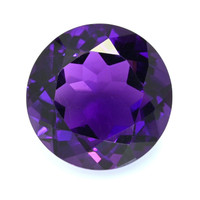
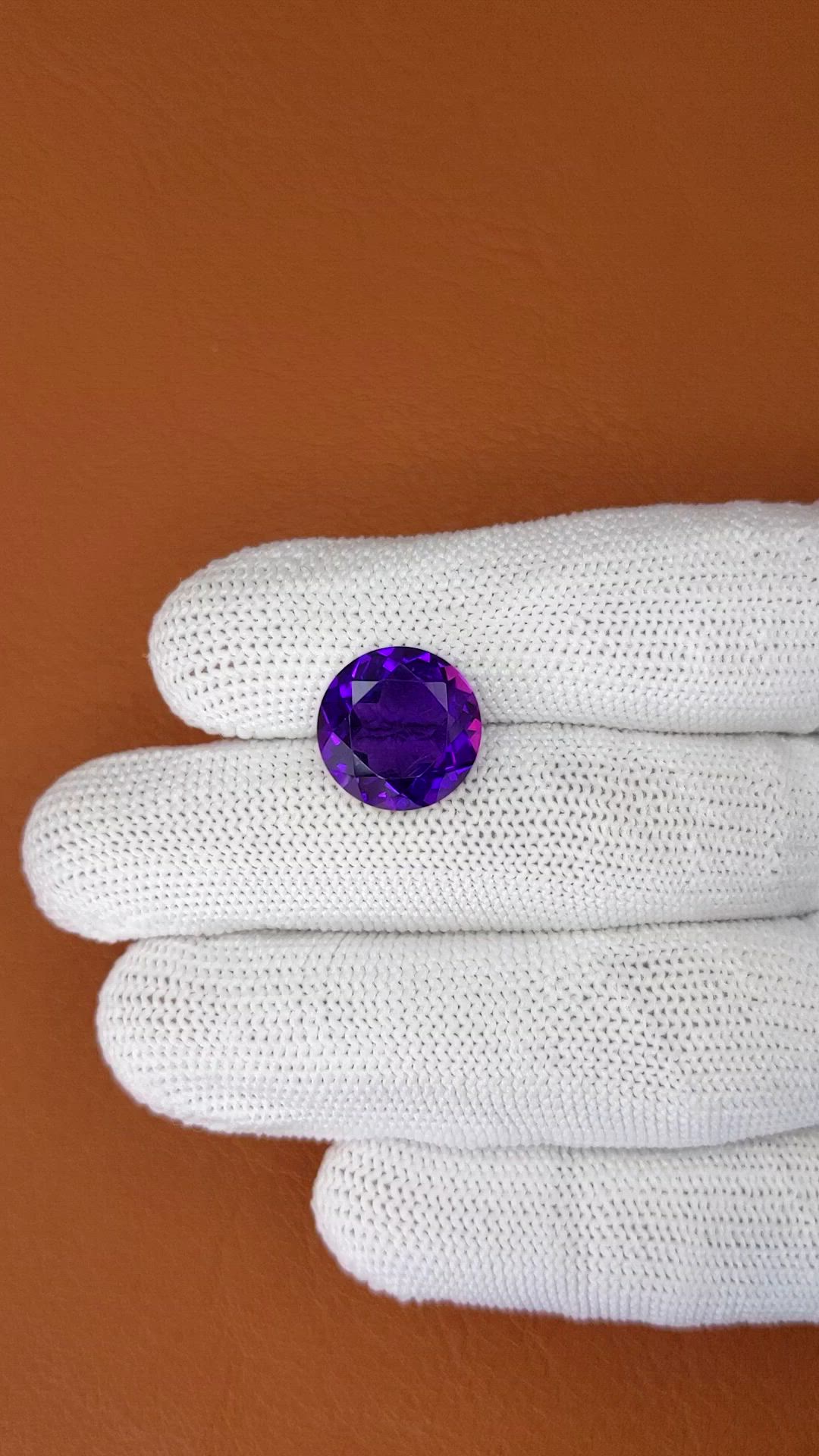
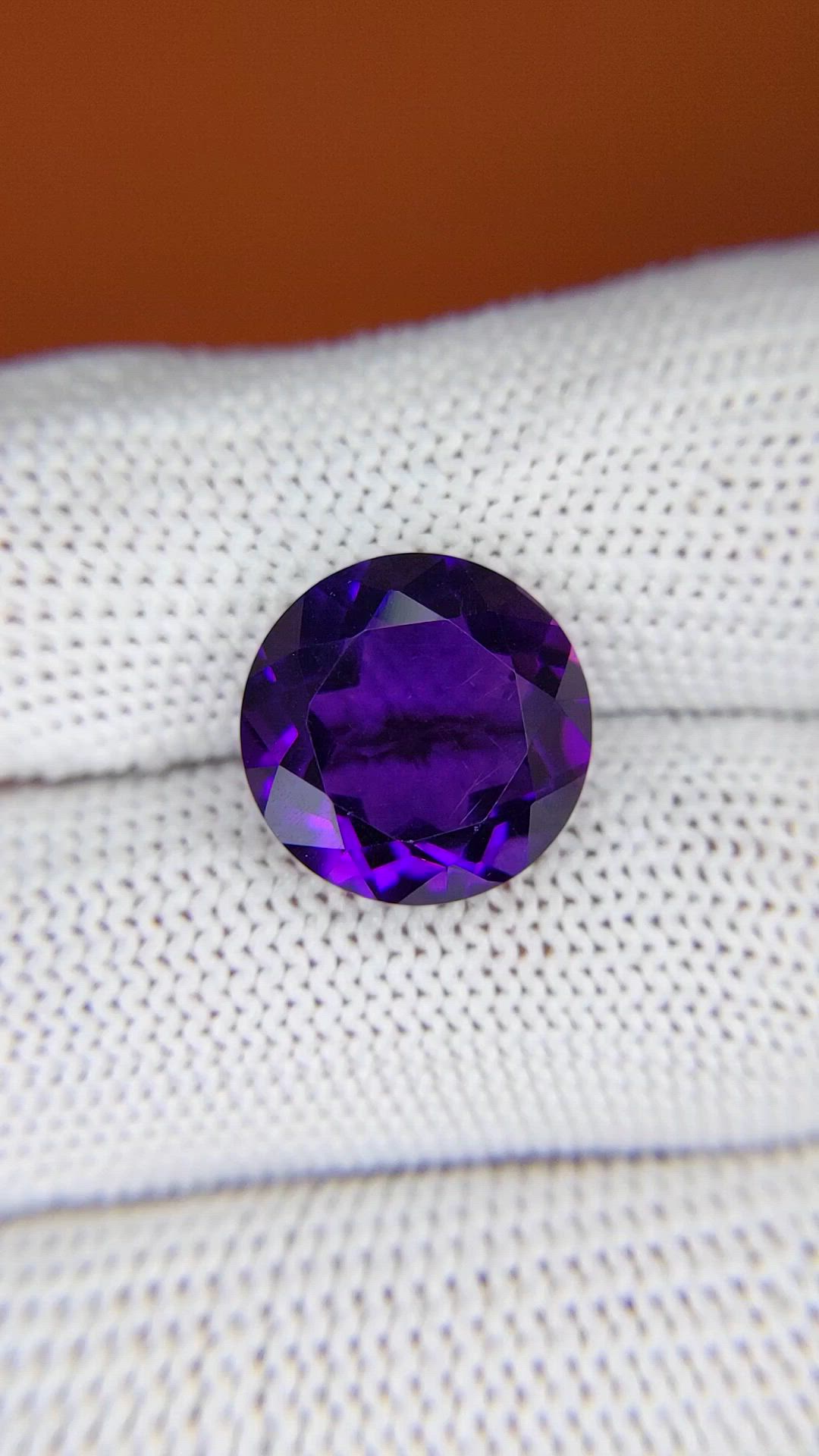
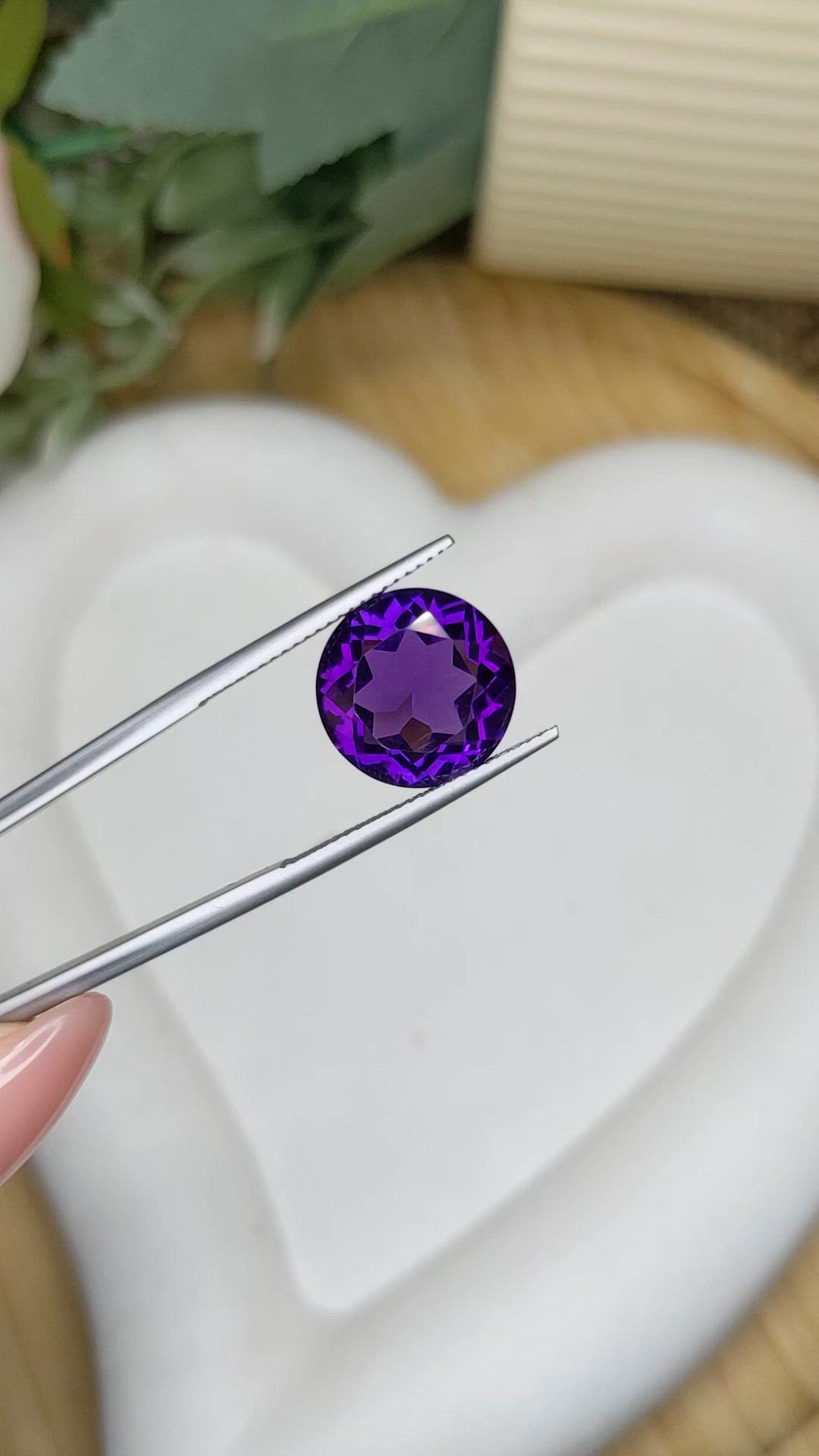
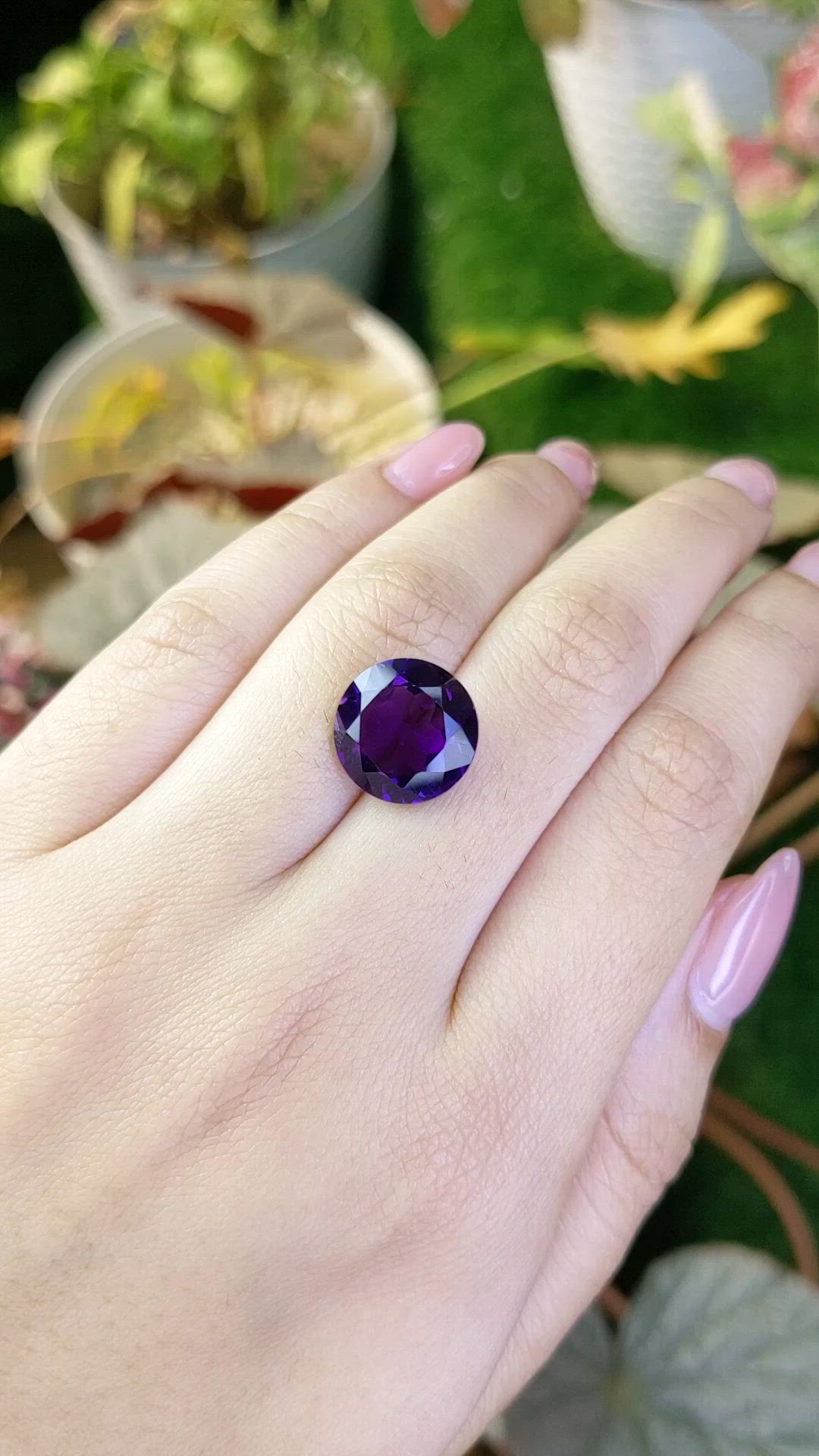
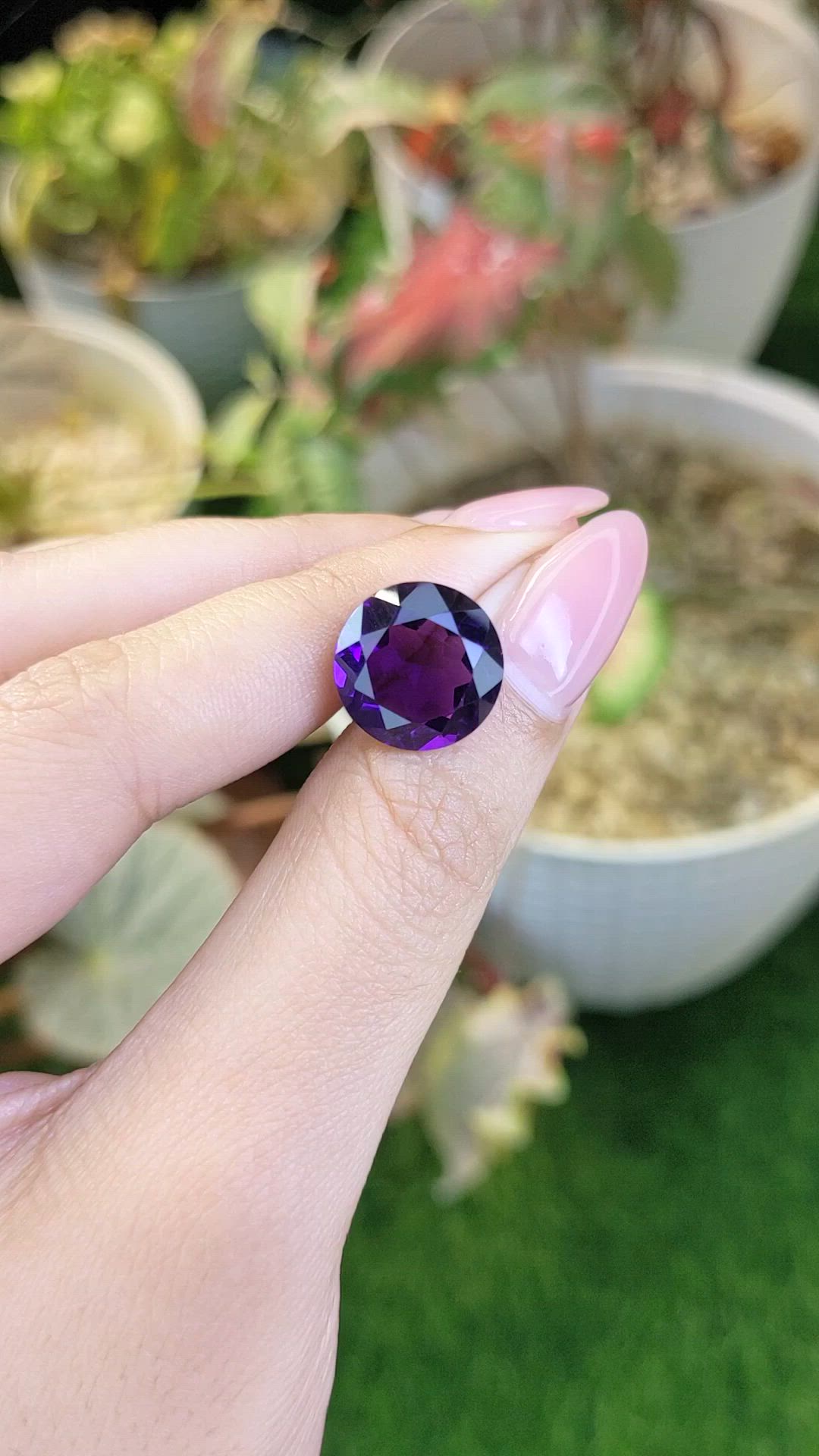
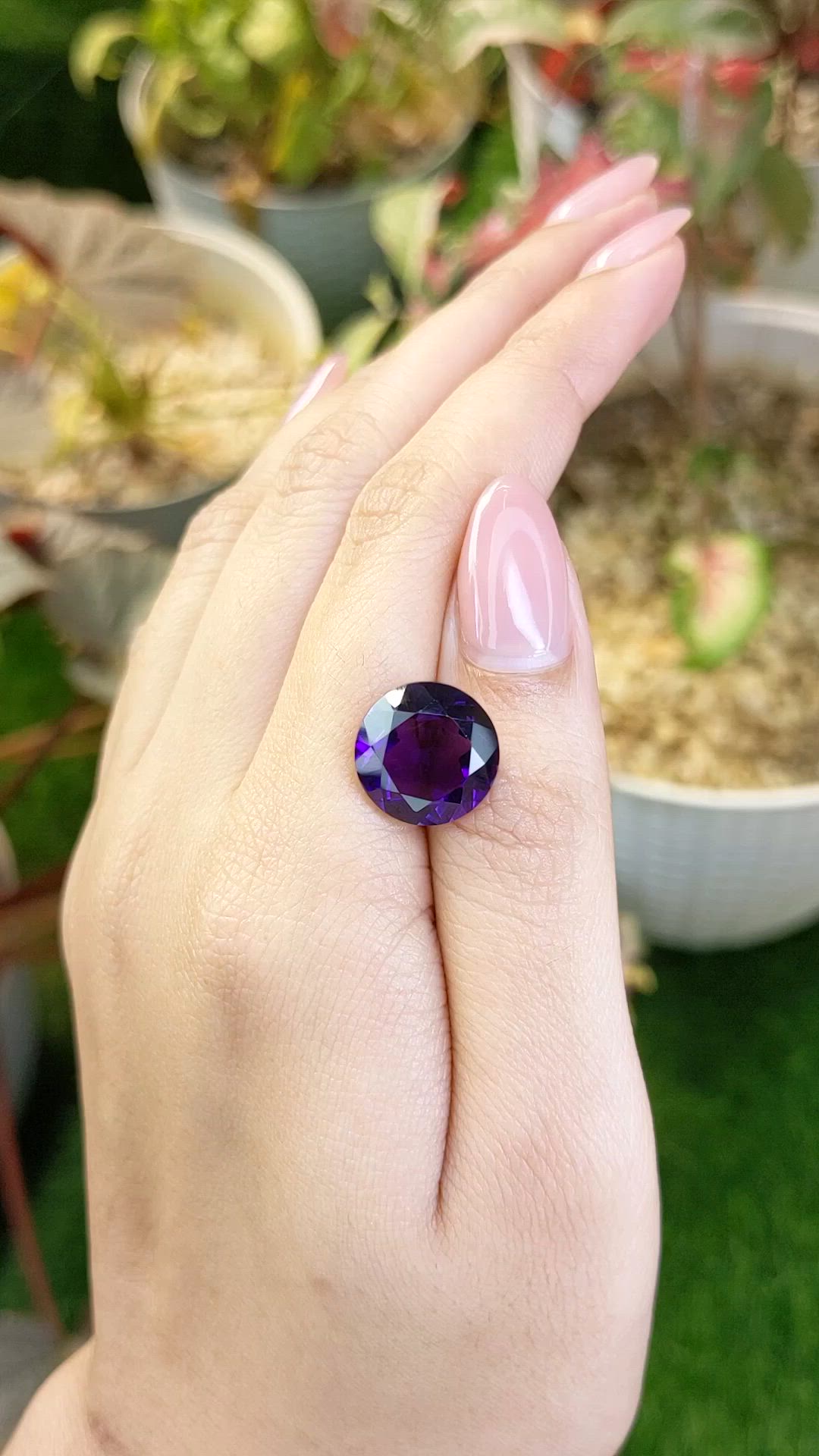
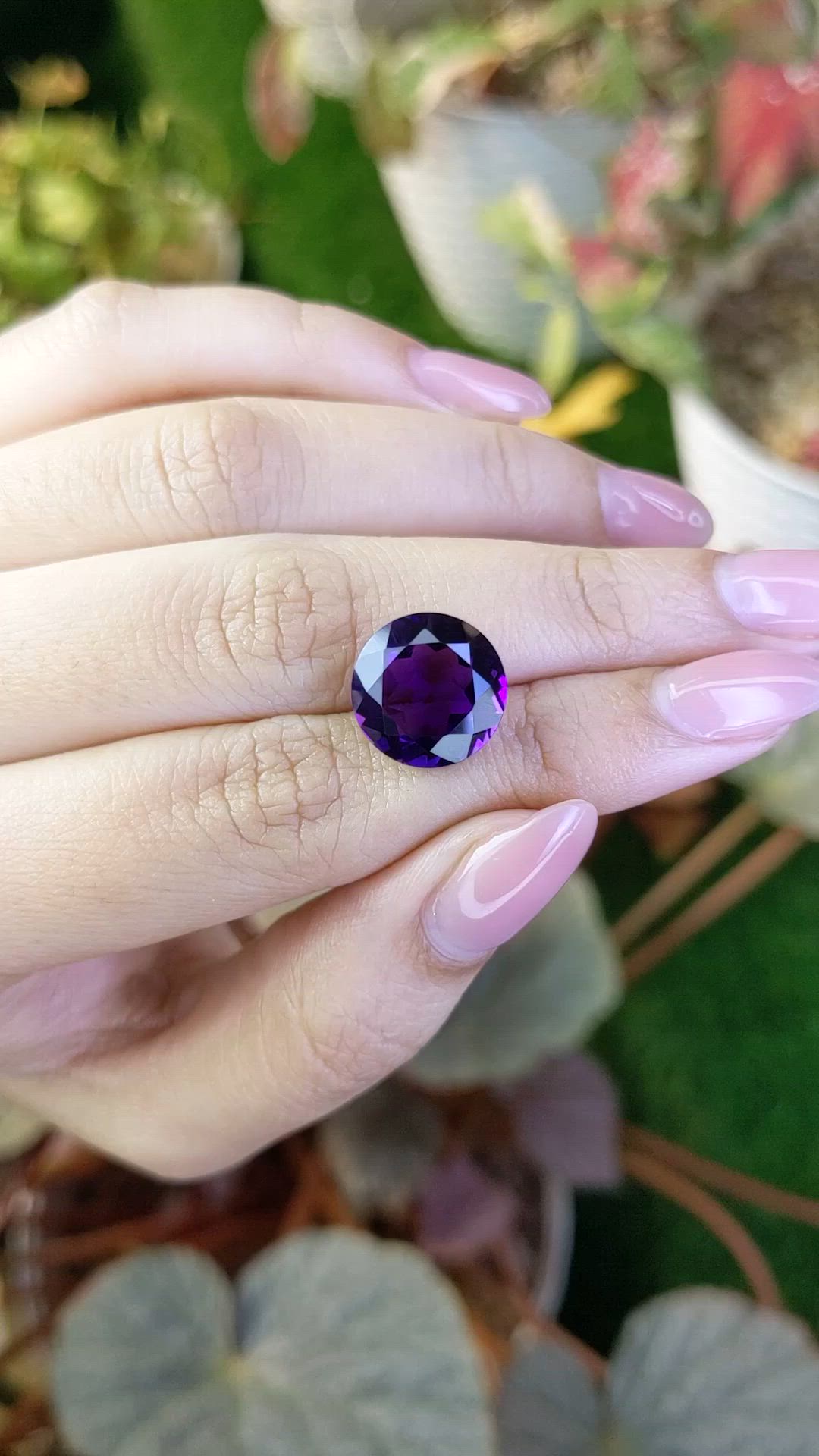


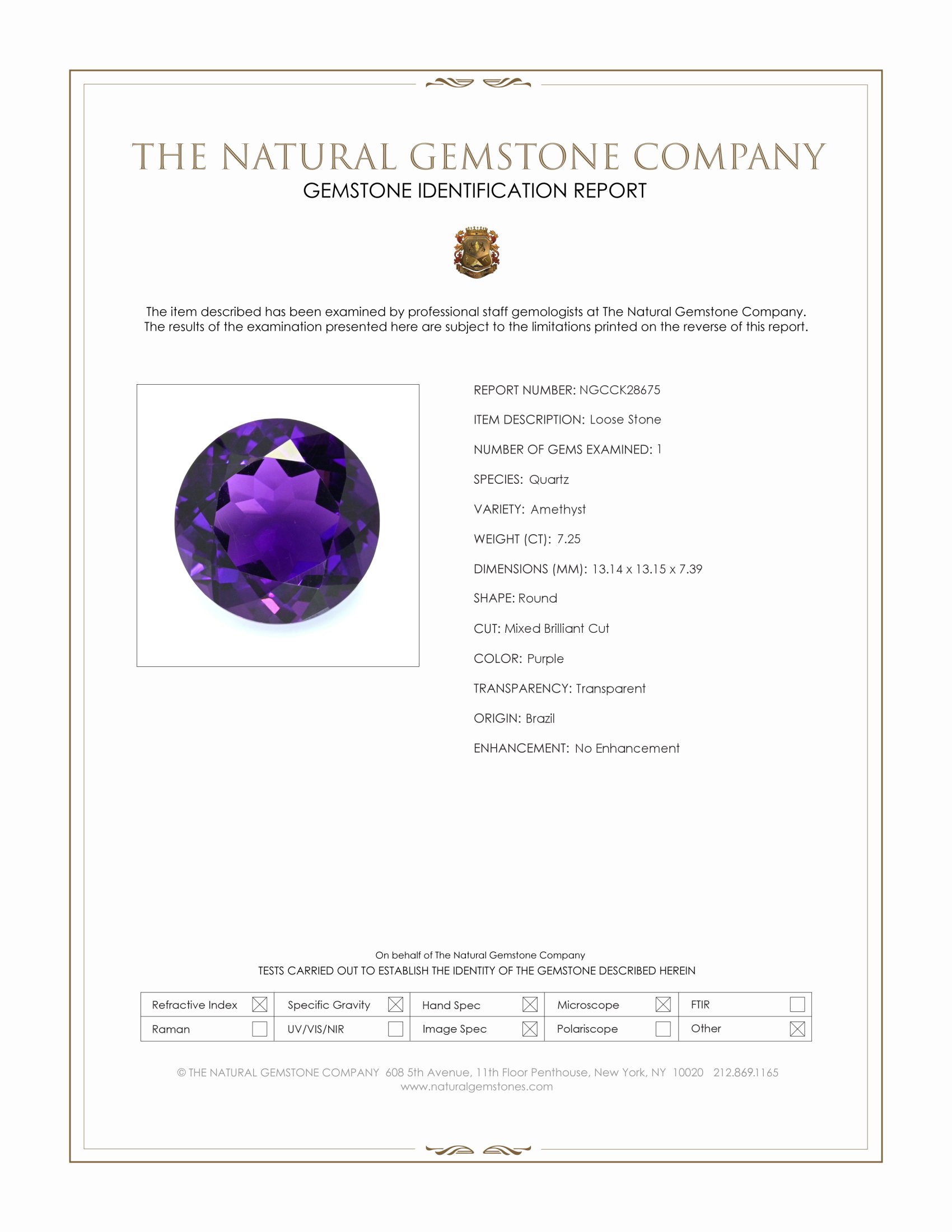
7.25 Ct. Purple Amethyst from Brazil
This loose stone is available to ship now
Item ID: | K28675 |
|---|---|
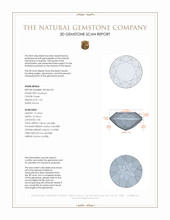
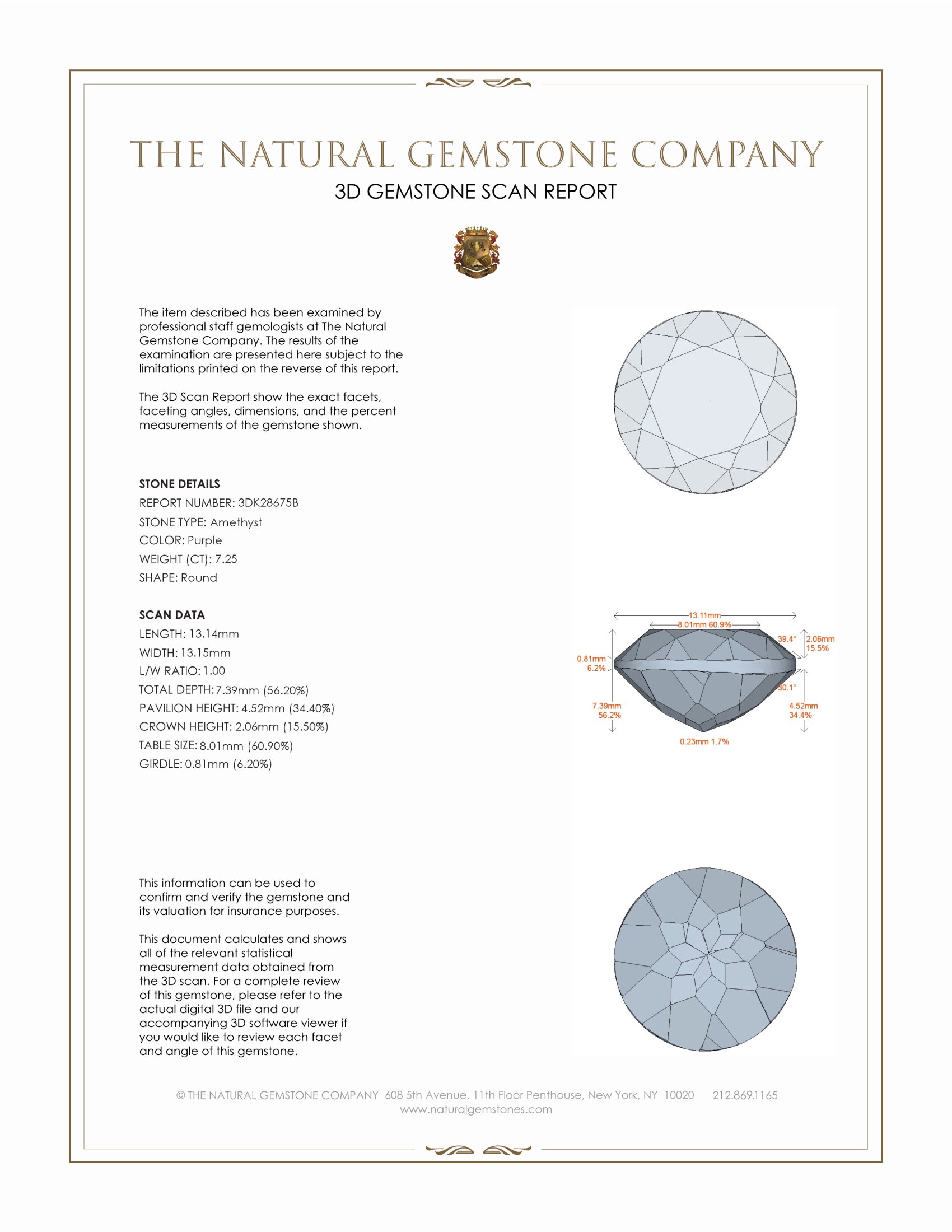
Dimensions (MM): help | Length: 13.14 Width: 13.15 Height: 7.39 |
Weight: | 7.25 Ct. |
Color: help | Purple |
Color intensity: help | Vivid |
Clarity: help | Very Very Slightly Included |
Shape: help | Round |
Cut: | Mixed Brilliant Cut |
Cutting style: | Faceted |
Enhancements: help | No Enhancement |
Origin: help | Brazil |
Per carat price: help | $16 |
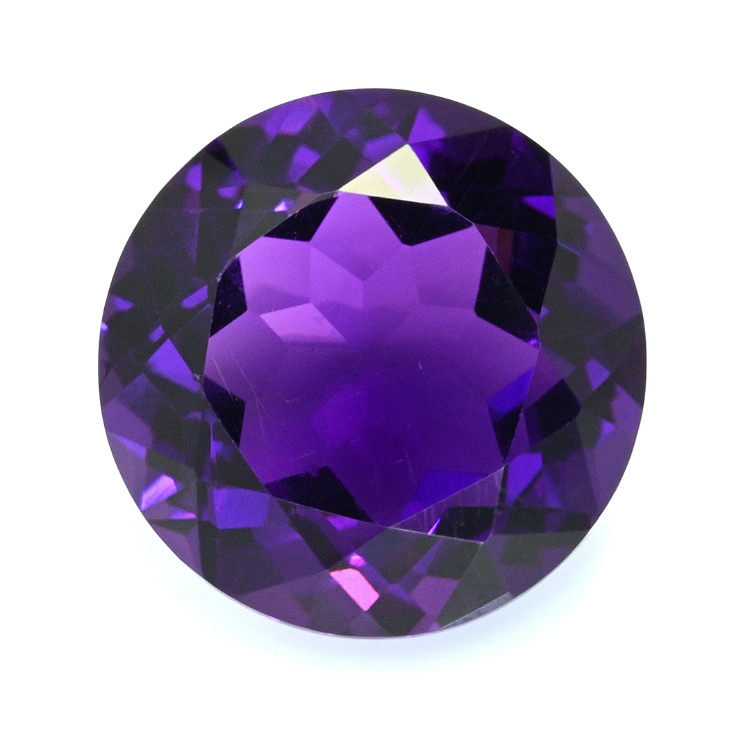
This transparent 7.25 carat round amethyst from Brazil is an exceptional example of classic purple quartz, presented by The Natural Gemstone Company. The gem measures 13.14 x 13.15 x 7.39 mm, with a depth proportion that is approximately 56 percent, dimensions that indicate a well balanced pavilion depth for optimal light return. The stone is faceted in a mixed brilliant cut, combining the scintillation of brilliant facets with the color concentration benefits of step facets. Clarity is graded as very very slightly included when evaluated at eye level, a level of clarity that ensures the gem reads clean to the unaided eye while retaining natural internal character under magnification. Color intensity is vivid, and the polish is excellent, producing a lively surface reflection and strong internal light return. There has been no enhancement to this amethyst, meaning the color and clarity are entirely natural, and the documented origin is Brazil, a source known for producing a wide range of high quality amethyst material. This combination of weight, cut, vivid color, excellent polish, and natural origin makes this gemstone an attractive piece for collectors and for bespoke jewelry.
When discussing clarity and its practical implications, very very slightly included at eye level means that inclusions are minute and typically require magnification to be appreciated. For colored gemstones like amethyst clarity is evaluated in the context of how inclusions affect transparency and color delivery, rather than by a stricter diamond scale alone. In this stone the inclusions do not interrupt the passage of light in a way that diminishes brightness or color saturation, so the visual impression is one of open transparency. Such clarity is important for the educated buyer who values both aesthetic performance and durability. Small natural inclusions can also serve as internal fingerprints of origin, providing evidence of natural formation and helping to substantiate provenance claims. Because there are no treatments applied, the presence of VVS clarity at this carat weight enhances value, as untreated, visually clean, large amethyst specimens are rarer than treated or heavily included material.
The hue and tone of this piece deserve careful comparison to amethysts from other famous locations. This Brazilian amethyst displays a vivid mid to strong purple hue with balanced red and blue undertones that produce a lively, saturated appearance under white light. Compared to Uruguayan amethyst, which often presents a deeper, more velvety purple and sometimes very dark tones that approach near opaque, this Brazilian example is generally brighter and more transparent, offering more scintillation and a lighter overall tone while maintaining excellent color saturation. Compared to Zambian amethyst, which can lean toward bluish violet and often carries cooler, slightly steelier tones, the Brazilian gem shows a warmer, more neutral purple with visible red flashes when viewed under certain lighting. Compared to the storied Siberian amethyst historically prized for its intense, velvety purple with pronounced red flashes, this stone is more vivid and transparent, trading only a fraction of that historic depth for greater brilliance and modern desirability in jewelry settings.
For a second comparative perspective, consider material from Madagascar and Bolivia, as well as across different Brazilian deposits. Madagascar amethyst can show lighter, more pastel violet tones with excellent transparency, and this Brazilian example is significantly more saturated than most Madagascar material. Bolivian amethyst sometimes exhibits a distinctive redder purple or bi color zoning, and the even, vivid tone of this Brazilian piece offers a more uniform appearance that is often preferred in faceted jewelry. Within Brazil there are variations from different mines, and this particular gem represents the higher end of Brazilian production with its vivid intensity and exceptional polish. The mixed brilliant cutting style enhances both color and sparkle, concentrating color in the crown and pavilion while allowing strong table reflections and scintillation. For the educated buyer assessing value, the lack of enhancement, combined with VVS clarity and an expertly executed mixed brilliant cut, positions this amethyst as a high quality natural specimen that will perform well in a variety of settings and hold appeal to both collectors and design conscious buyers.
Practical considerations for purchase and setting are important for long term satisfaction and preservation of value. The amethyst s color stability is generally good under normal wear conditions, but like all colored stones it benefits from avoiding prolonged exposure to strong sunlight and high heat, which can modify tone and intensity over time. The excellent polish and symmetric round form make this gem suitable for ring center stones, pendants, and statement pieces where light exposure will maximize its vivid color and scintillation. From a market perspective, untreated stones of this size and clarity coming from Brazil attract consistent demand, especially as consumer preference shifts toward natural, untreated gemstones with documented origin. At The Natural Gemstone Company we provide full disclosure of origin and treatment status, and we can assist with independent laboratory reporting if required by a buyer for investment grade documentation. This amethyst combines attractive aesthetics, geological provenance, and sound gemological credentials, making it a compelling choice for the informed buyer seeking a significant and honest example of purple quartz.


