
- Stone14
- Reports3
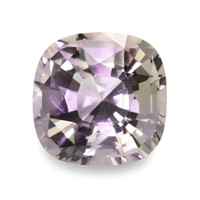
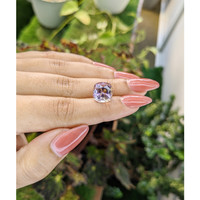
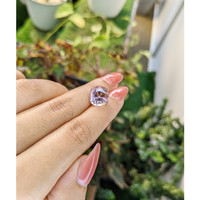
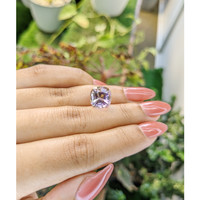




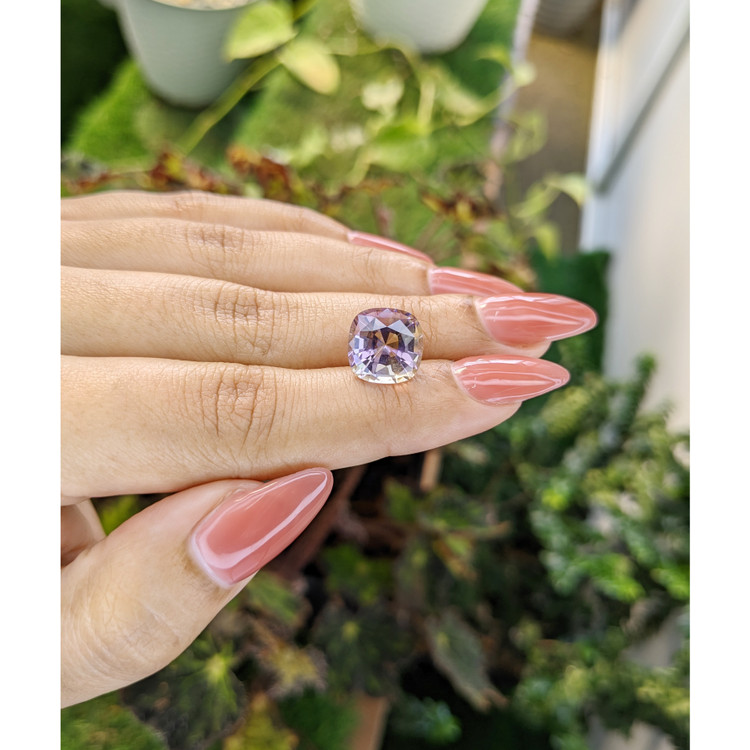
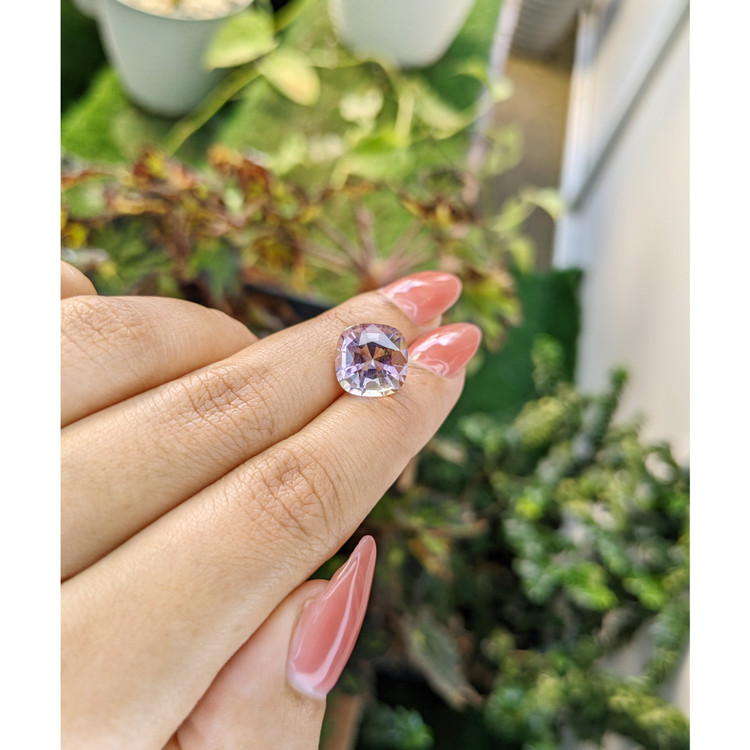
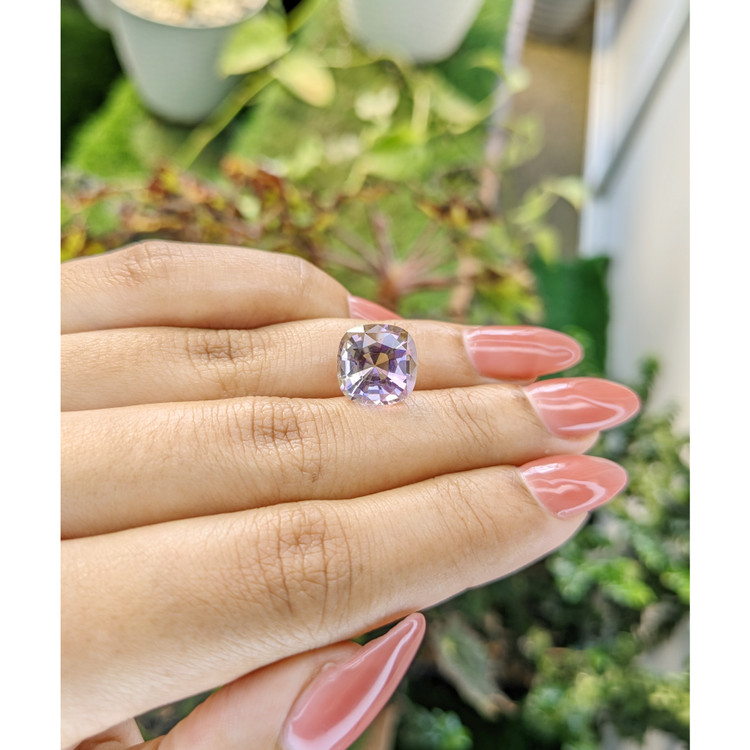

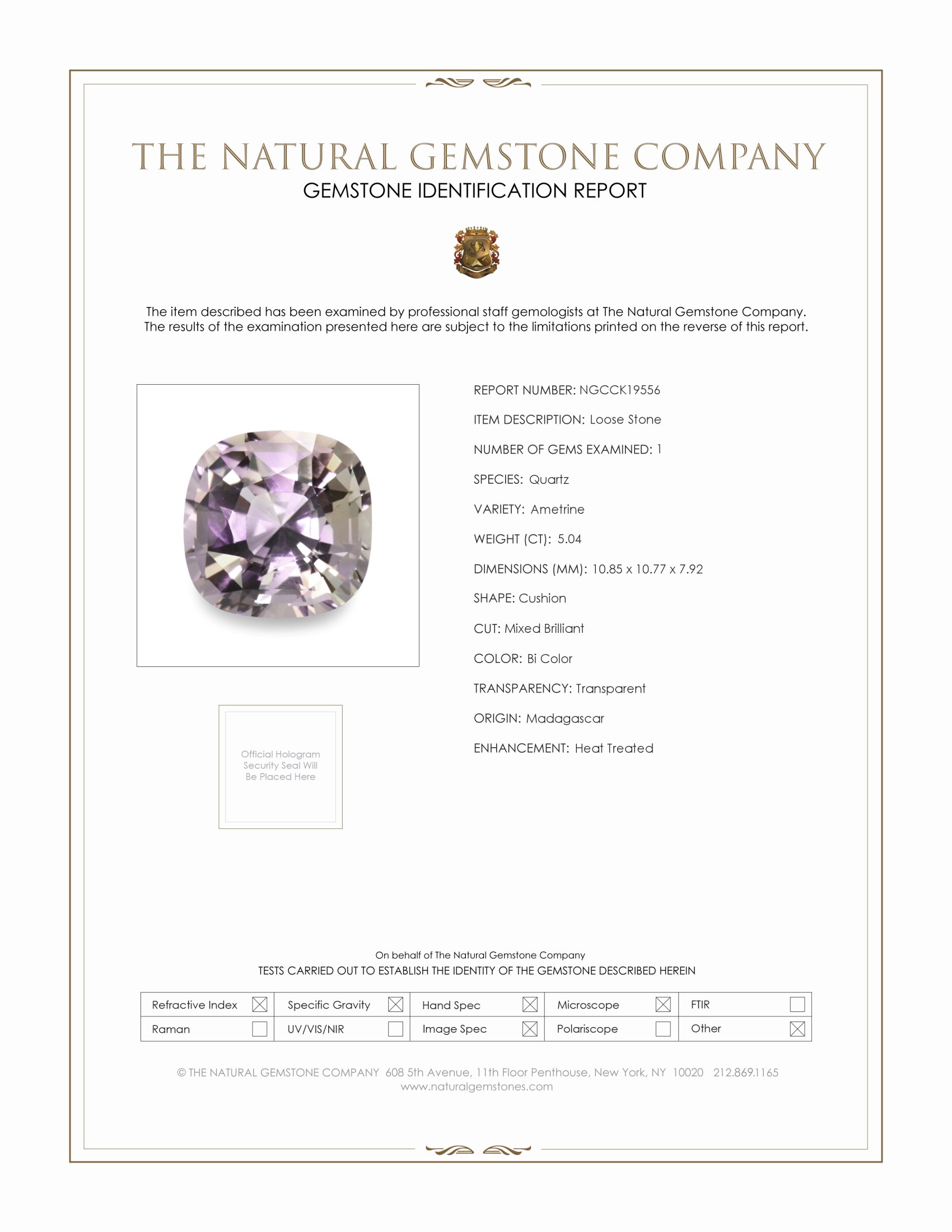
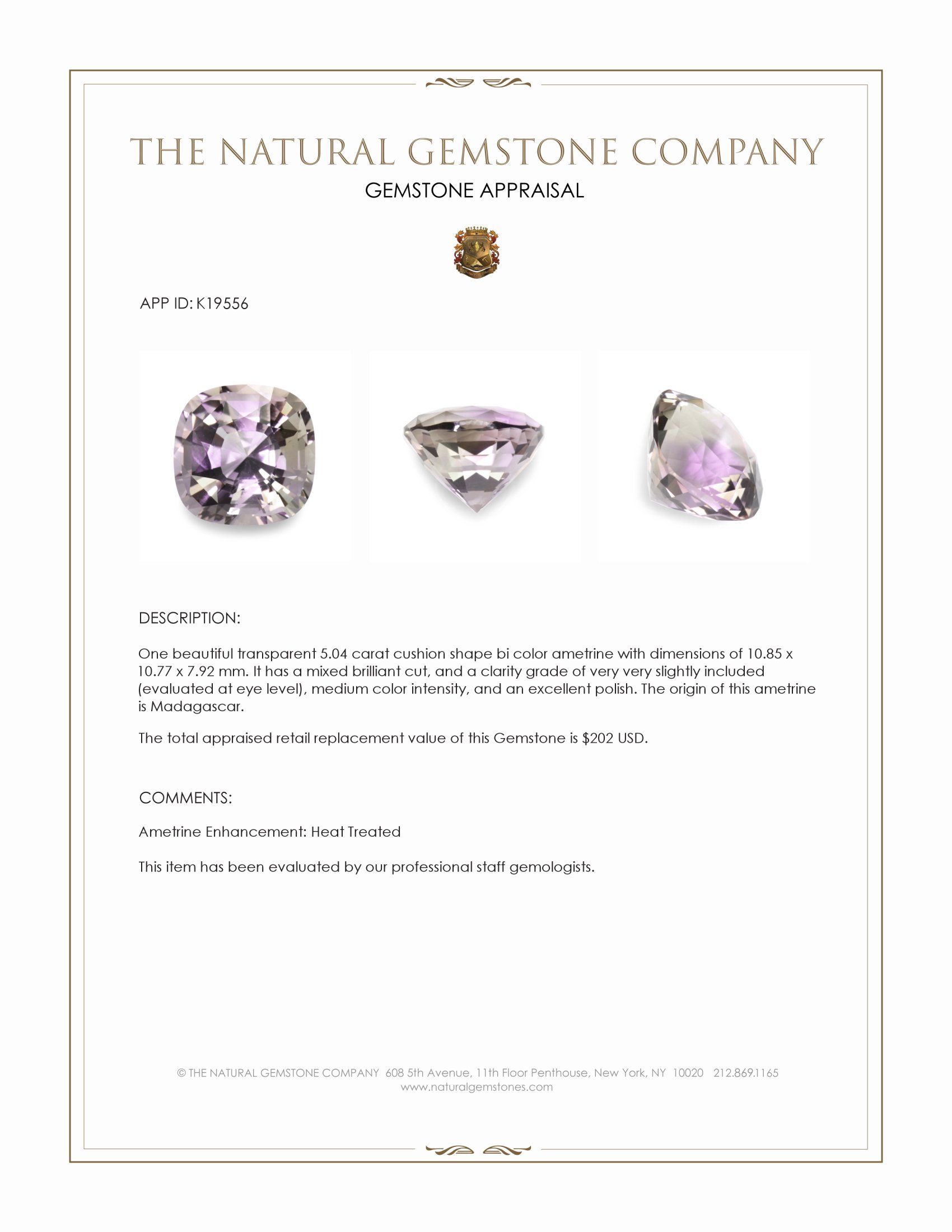
5.04 Ct. Ametrine from Madagascar
This loose stone is available to ship now
Item ID: | K19556 |
|---|---|
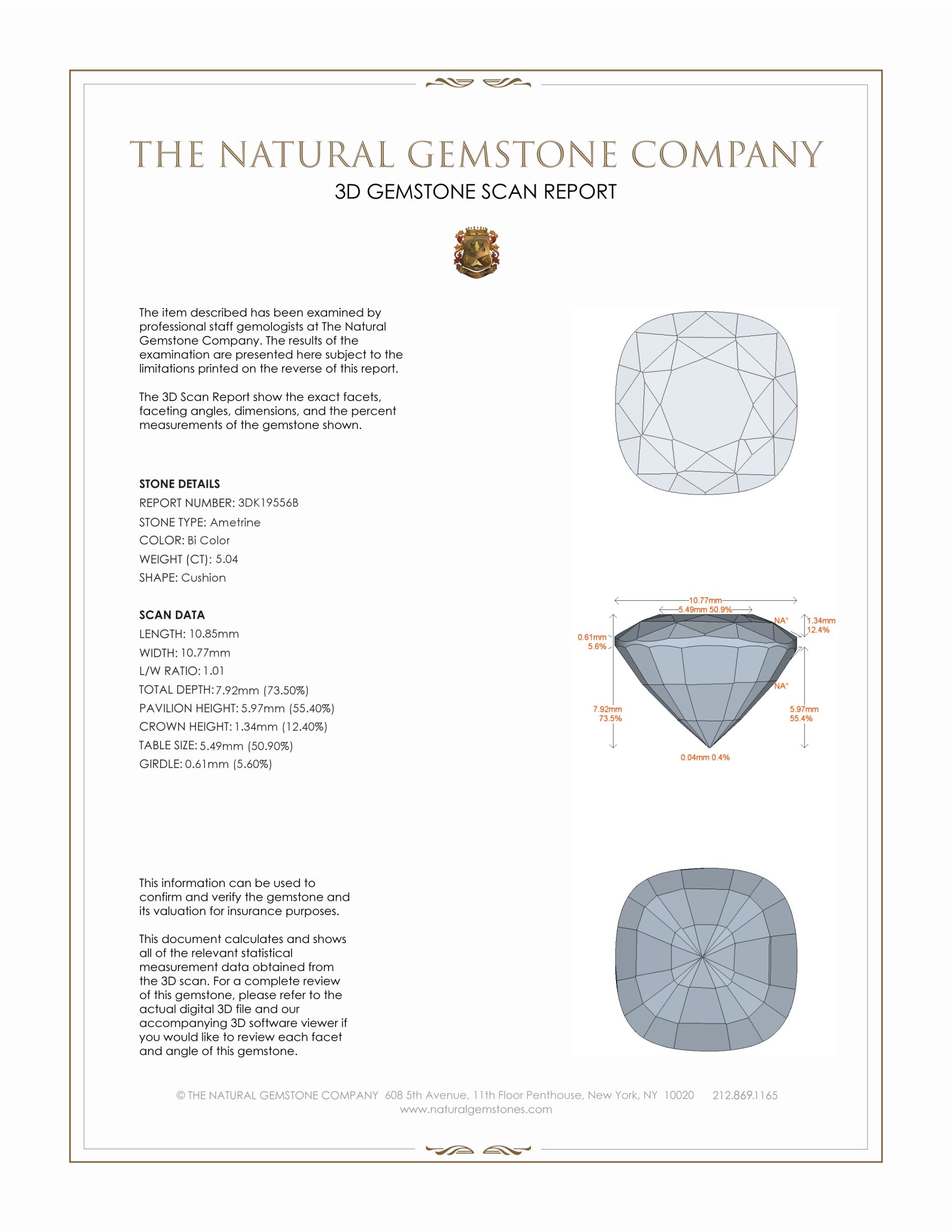
Dimensions (MM): help | Length: 10.85 Width: 10.77 Height: 7.92 |
Weight: | 5.04 Ct. |
Color: help | Bi Color |
Color intensity: help | Medium |
Clarity: help | Very Very Slightly Included |
Shape: help | Cushion |
Cut: | Mixed Brilliant |
Cutting style: | Faceted |
Enhancements: help | Heat Treated |
Origin: help | Madagascar |
Per carat price: help | $40 |
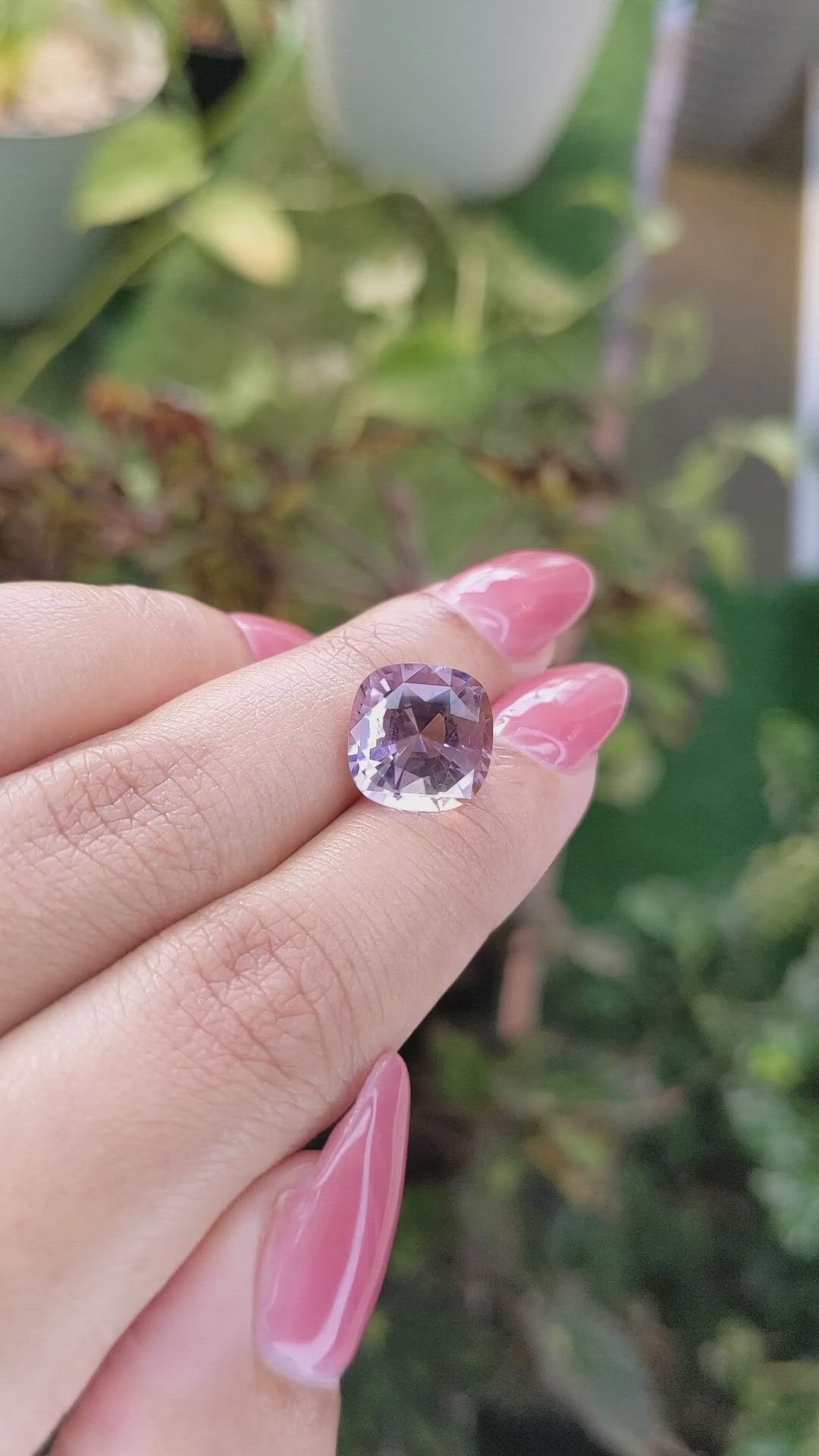
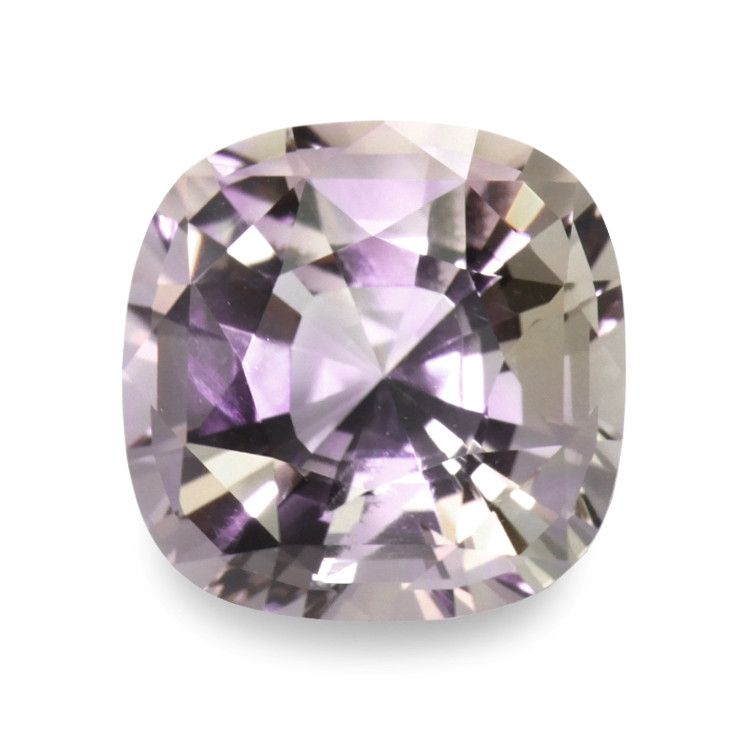
This cushion shaped bi color ametrine weighs 5.04 carat, and measures 10.85 by 10.77 by 7.92 millimeters, presenting a substantial presence while maintaining classical proportions. The gem is transparent, and its mixed brilliant cut combines the scintillation of a brilliant facet arrangement with the soft outline of the cushion silhouette, creating an engaging optical balance. Color distribution displays the characteristic dichroism of ametrine, with distinct yet harmonizing zones of amethyst purple and citrine golden yellow, rendered at a medium color intensity that preserves both saturation and luminosity. Clarity is graded as very very slightly included, evaluated at eye level, which indicates that inclusions are minute and do not detract from the gem’s visual performance. The surface finish is described as excellent polish, and the material has been heat treated as an enhancement, consistent with common gemological practice for color stabilization. The stated origin is Madagascar, a source known for producing high quality ametrine material.
The optical impact of this stone derives from a confluence of its transparency, precise cutting, and subtle color zoning, each element reinforcing the other so that the piece reads as visually coherent from every viewing angle. The mixed brilliant cut creates a network of well defined facets that catch and return light with high contrast, producing lively brilliance across the table and pavillion faces, while the cushion outline introduces gentle flashes and a broader play of color. Because the clarity is very very slightly included, light pathways through the crystal remain largely unimpeded, allowing for crisp facet reflections and minimal visual obstruction. The medium color intensity ensures that neither the amethyst nor the citrine component overwhelms the other, so rotation of the gem alters the balance of hue without creating abrupt or muddy transitions, and the result is a dynamic but controlled display that rewards slow observation as well as quick glances. The excellent polish sharpens facet junctions and accentuates mirror like returns, so that when the gem is examined under directional light the edges of color fields remain defined, and when viewed under diffused light the tonal gradient is smooth and even.
Beyond the direct visual attributes, the material characteristics contribute to how the gem presents in wearable formats and in design contexts. As a variety of quartz, ametrine carries a Mohs hardness of approximately 7, which confers sound durability for daily wear in rings, pendants, and other jewelry provided sensible settings and occasional maintenance are applied. The heat treatment disclosed for this specimen is a common and stable enhancement that can improve color tone while remaining permanent under normal use. Origin information, here Madagascar, is pertinent to buyers and designers who prioritize geological provenance, and it also informs expectations about typical habit and facet interaction for stones from that region. For designers considering complementary materials, note that opal type White Opal is a materially distinct gemstone with a body tone that ranges to pale and a play of color properties that differ fundamentally from crystalline ametrine. White Opal usually presents with a softer translucency and a Mohs hardness in the range of 5.5 to 6.5, requiring more protective settings and more attentive care than quartz based stones. When pairing this ametrine with white opal in combined pieces, allowances should be made for the disparate hardness and porosity characteristics, and secure bezel or protective mountings are recommended for the opal component.
The Natural Gemstone Company provides this detailed characterization to assist in evaluating the gem for design, investment, or collection purposes, and we encourage requests for supplementary images under multiple lighting conditions, and for gemological documentation when needed. Practical considerations such as the stone’s dimensions, mixed brilliant geometry, and polished condition make it particularly suitable as a central stone where both color duality and faceted brilliance are desired, and its clarity grade ensures that facet reflections remain clean and uninterrupted. Care recommendations are straightforward, and involve avoiding harsh chemical exposure, ultrasonic cleaners for the opal component when paired, and periodic professional inspections to maintain the integrity of the setting. For further technical data, comparative examples, or to discuss bespoke mounting options, please contact The Natural Gemstone Company for assistance tailored to professional or private commissioning needs.


