
- Stone14
- Reports3
-oval-bicolor-ametrine-5.1900-cts-k21927-1.jpg?d=200x200&v=20260219105333)
-oval-bicolor-ametrine-5.1900-cts-k21927-lifestyleimage-1.jpg?d=200x200&v=20260217061319)
-oval-bicolor-ametrine-5.1900-cts-k21927-lifestyleimage-2.jpg?d=200x200&v=20260217061319)
-oval-bicolor-ametrine-5.1900-cts-k21927-lifestyleimage-3.jpg?d=200x200&v=20260217061319)


-oval-bicolor-ametrine-5.1900-cts-k21927-1.jpg?d=750x750&s=ngc&v=20260219105333)
-oval-bicolor-ametrine-5.1900-cts-k21927-lifestyleimage-1.jpg?d=750x750&s=ngc&v=20260217061319)
-oval-bicolor-ametrine-5.1900-cts-k21927-lifestyleimage-2.jpg?d=750x750&s=ngc&v=20260217061319)
-oval-bicolor-ametrine-5.1900-cts-k21927-lifestyleimage-3.jpg?d=750x750&s=ngc&v=20260217061319)



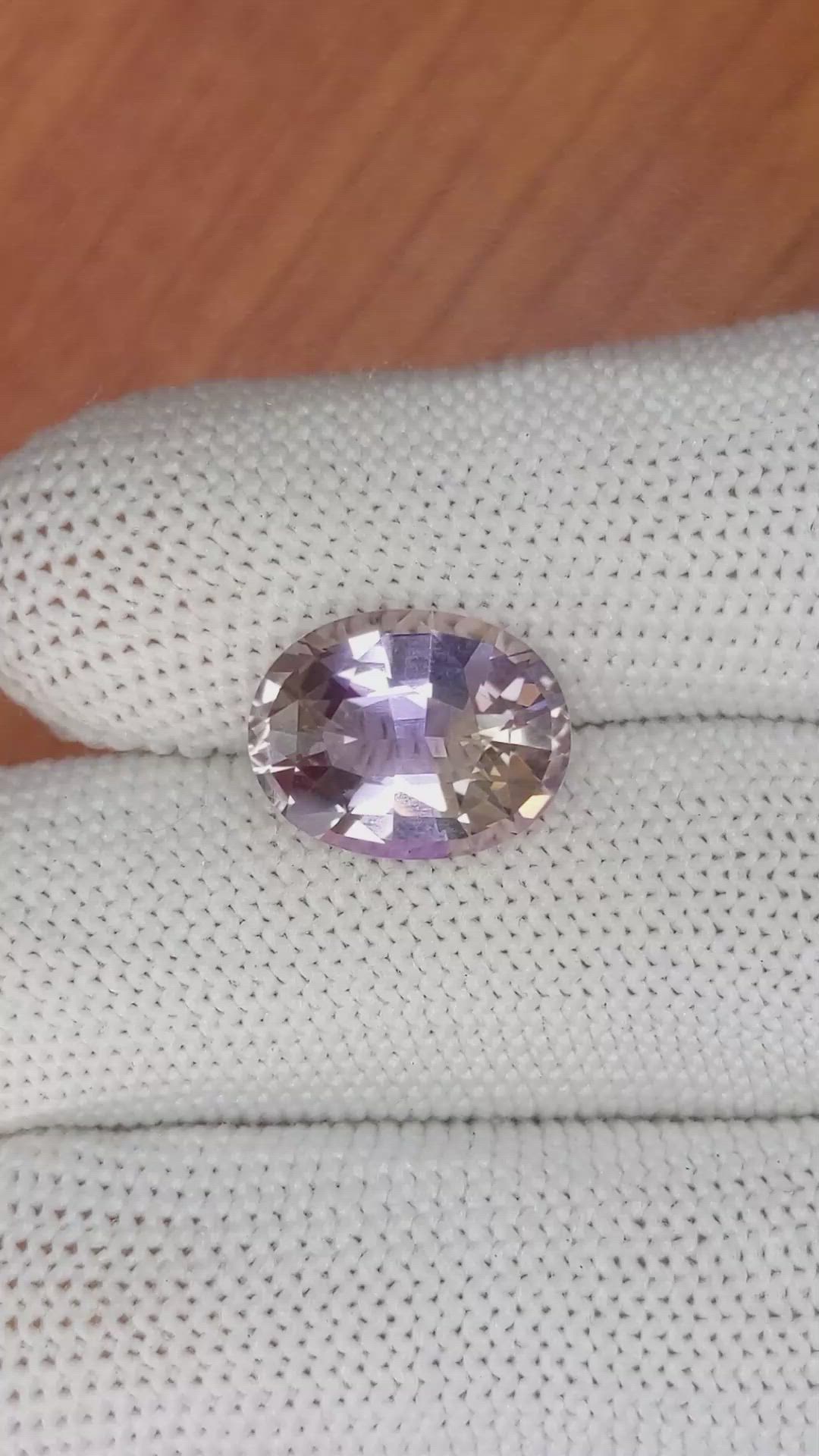
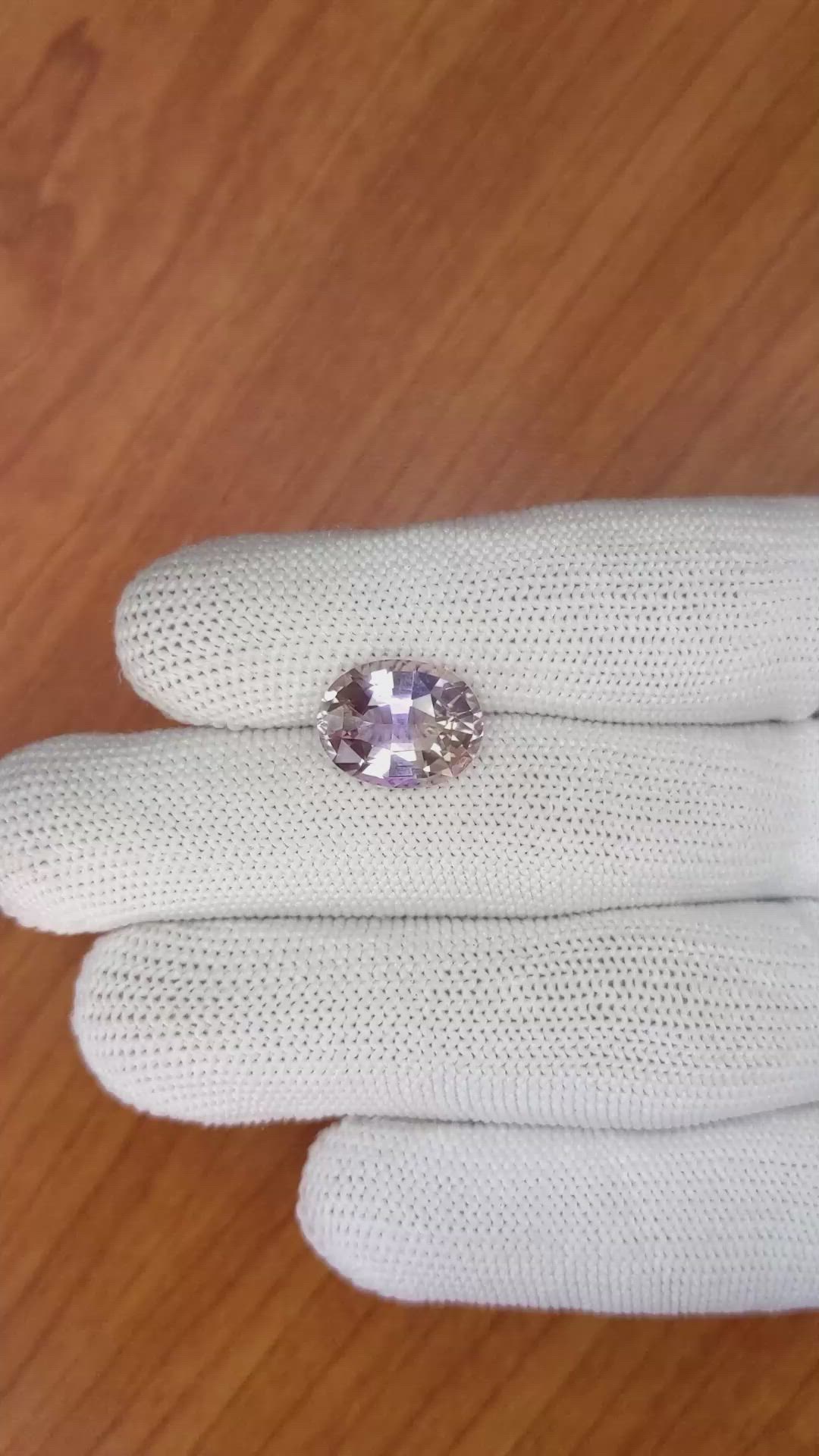
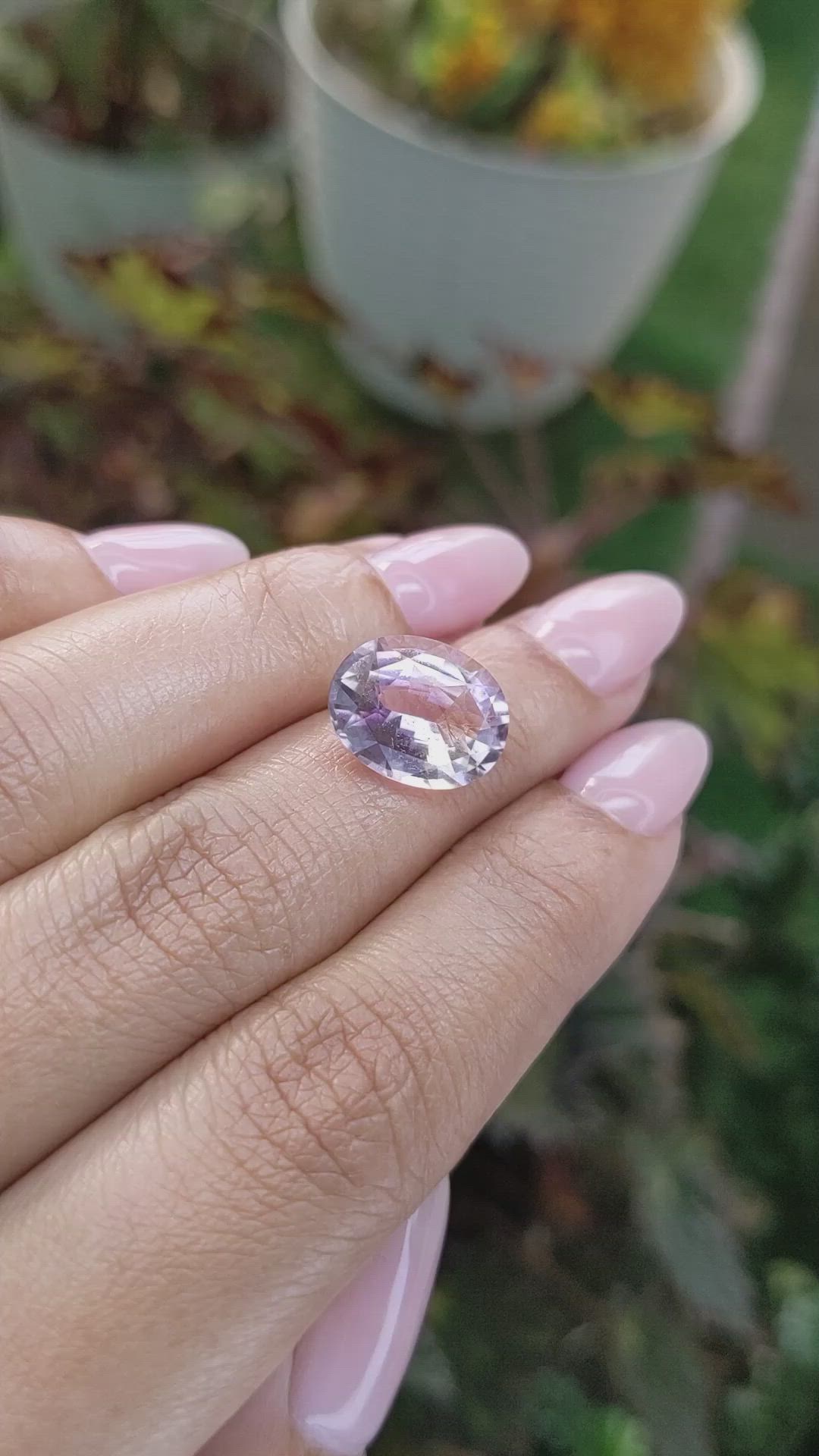
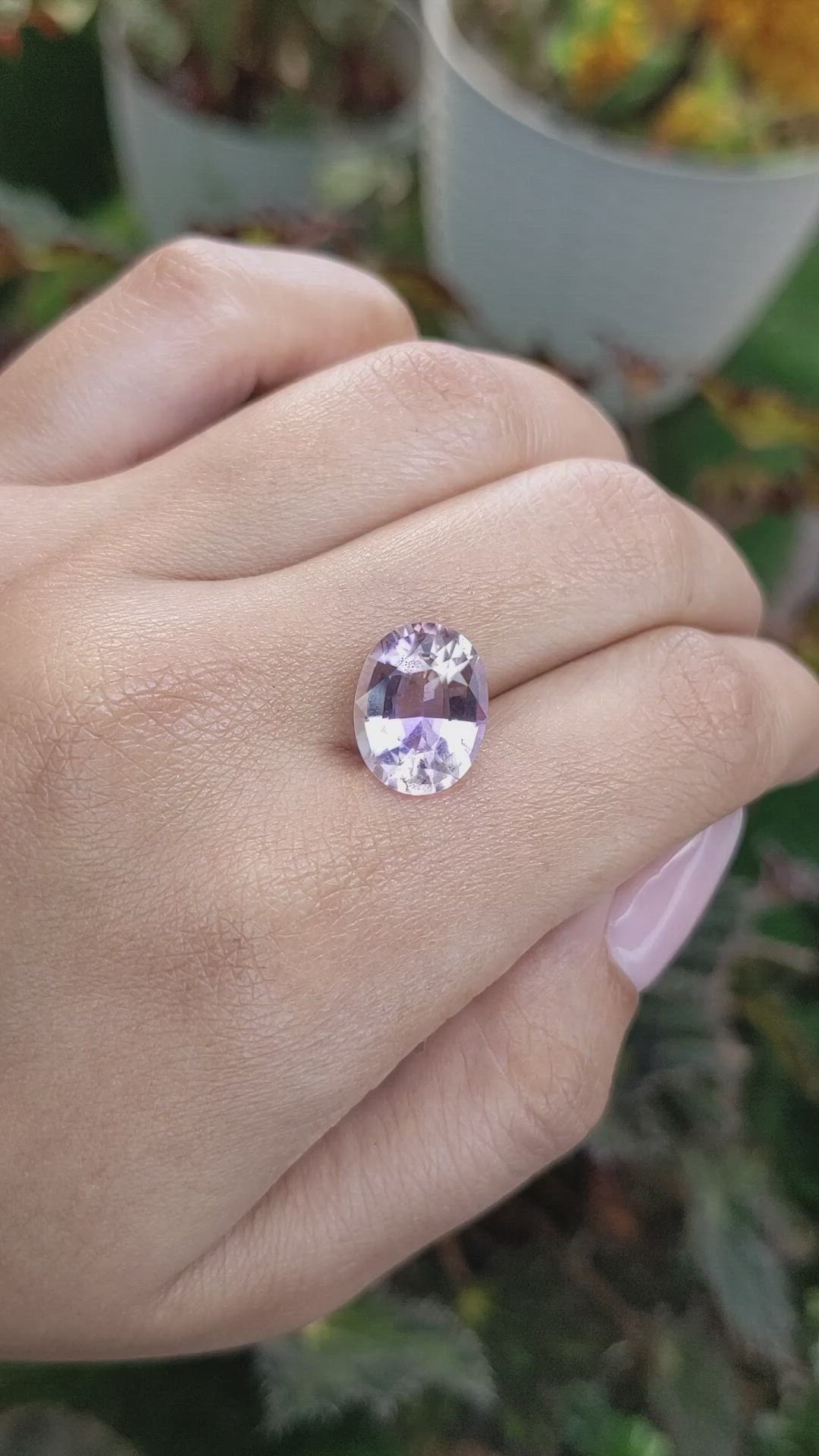
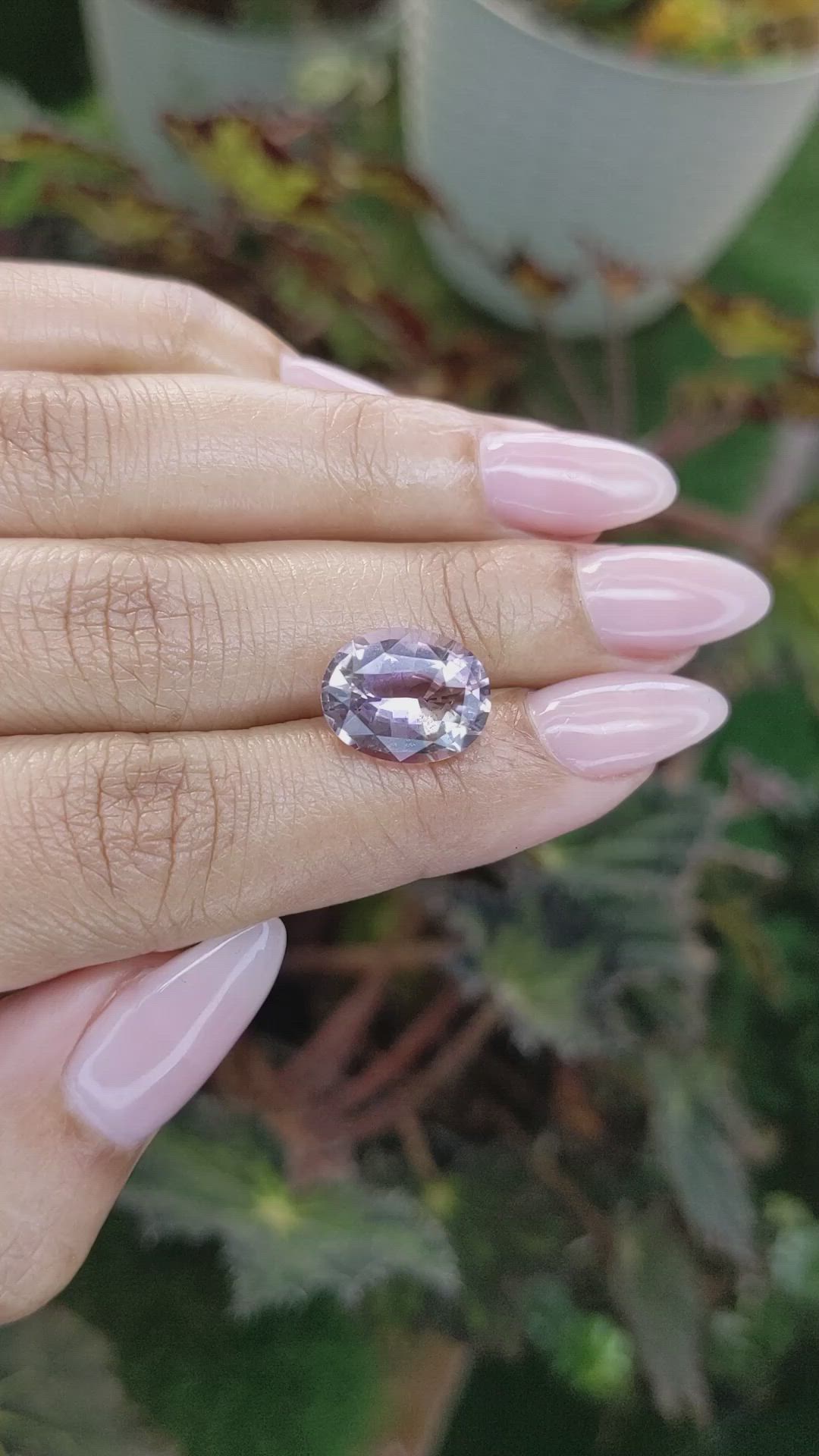
5.19 Ct. Ametrine from Ceylon (Sri Lanka)
This loose stone is available to ship now
Item ID: | K21927 |
|---|---|
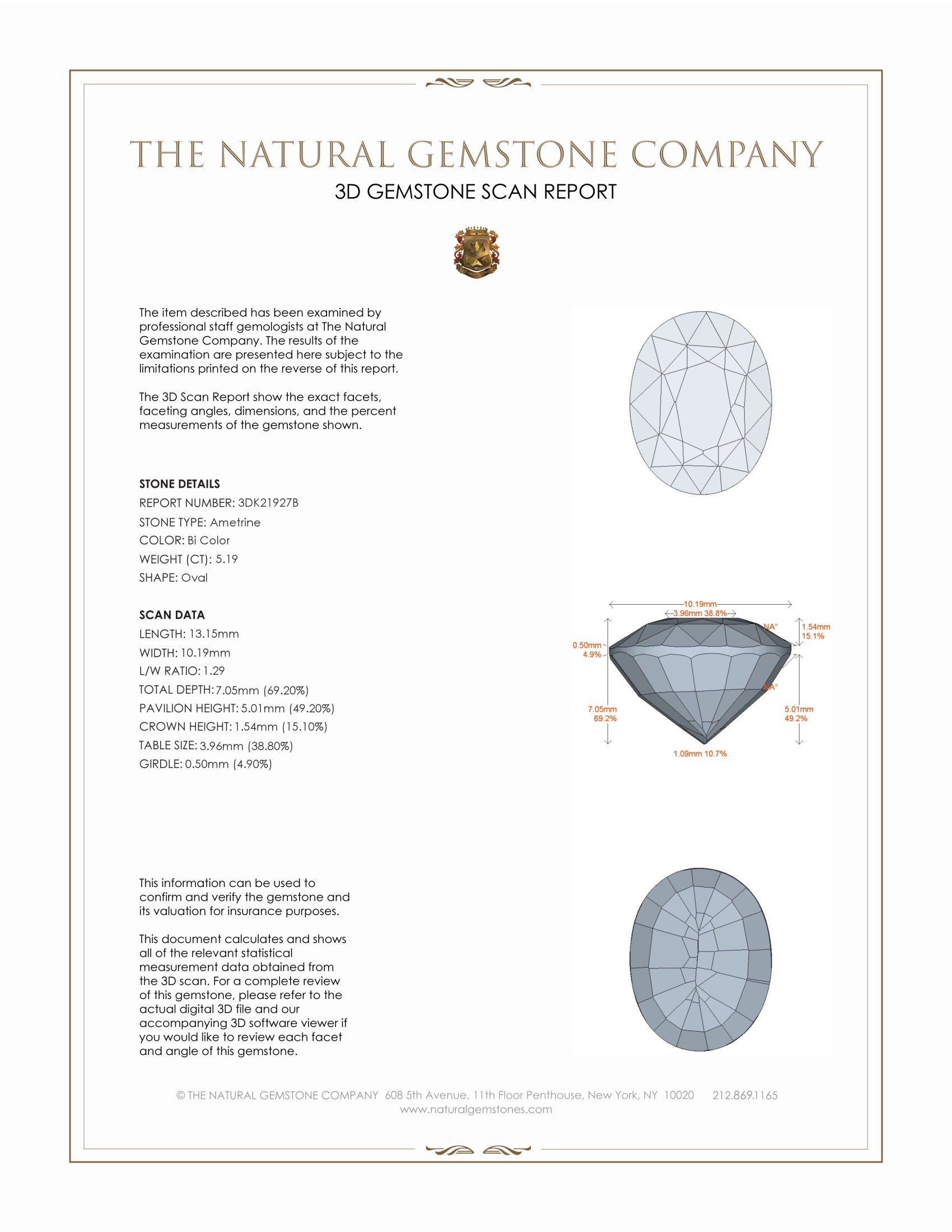
Dimensions (MM): help | Length: 13.15 Width: 10.19 Height: 7.05 |
Weight: | 5.19 Ct. |
Color: help | Bi Color |
Color intensity: help | Light |
Clarity: help | Eye Clean |
Shape: help | Oval |
Cut: | Mixed Brilliant |
Cutting style: | Faceted |
Enhancements: help | Heat Treated |
Origin: help | Ceylon (Sri Lanka) |
Per carat price: help | $40 |
This listing presents a transparent 5.19 carat oval bi color ametrine, precision cut to 13.15 by 10.19 by 7.05 mm, offered by The Natural Gemstone Company. The piece is fashioned in an oval outline with a mixed brilliant cut, combining a faceted crown of small triangular and kite facets with a pavilion using both brilliant and step elements to optimize light return. At eye level the stone is graded eye clean, indicating no visible inclusions to a trained observer under typical viewing conditions. The color is described as medium light in intensity, displaying a balanced interplay between the amethyst purple and the citrine yellow zones, with an overall excellent polish that produces crisp facet junctions and sharp facet reflections. The gem has been heat treated to stabilize and enhance its color, a commonly accepted enhancement that refines hue saturation without altering the fundamental natural origin. Origin is Ceylon, Sri Lanka, a provenance noted for producing well crystallized quartz group varieties, and this specimen exhibits the geological character and minor growth irregularities associated with natural formation.
From a lapidary and optical perspective the mixed brilliant cut on this ametrine is executed to leverage the stone size and bi color zoning for maximum aesthetic impact. The crown geometry favors a slightly generous table to preserve the color division when viewed face up, while the crown facets are proportioned to scatter light into the two color zones to create lively scintillation. The pavilion integrates brilliant facets to enhance return of white light, and a subtle use of step facets near the girdle helps maintain depth and contrast between the purple and yellow areas. Facet alignment and symmetry are closely controlled, which together with the excellent polish yields tight light performance and even facet windows across the oval plane. The result is a gem that exhibits both sparkle and color separation, the mixed cut serving as a deliberate compromise to preserve carat weight while improving brilliance, a critical consideration for a 5.19 carat oval intended for bespoke settings.
The bi color nature of ametrine arises from differential color center formation within the quartz crystal lattice, often associated with variable oxidation states of trace iron and local thermal histories within the crystal. In this natural Ceylon, Sri Lanka specimen the medium light intensity allows both purple and yellow contributions to remain distinct without one overwhelming the other, producing a sophisticated and wearable palette for high end jewelry. Heat treatment has been applied to refine the color transition and to remove any undesired brownish overtones, a targeted enhancement that enhances marketability while retaining natural growth features visible under magnification. Under daylight and under warm incandescent illumination the stone reveals different balances between the hues, demonstrating pleochroic tendencies typical of zoned quartz varieties, and offering visual interest as the wearer moves. The clarity and polish quality permit close faceting detail to be appreciated, including clean facet junctions and consistent girdle thickness, which are important technical attributes when planning prong settings or low bezel mounts to maximize light entry and to protect the pavilion.
When comparing a natural ametrine such as this to lab grown alternatives it is important to evaluate both physical similarity and qualitative differences. Chemically and optically lab grown quartz can replicate the base mineral properties, yet it often lacks the complex growth zoning, natural strain patterns, and inclusional fingerprints that are intrinsic to stones formed in an evolving geological environment. These natural internal features allow for geochemical provenance analysis and provide collectors with traceable uniqueness, attributes that support long term rarity and value retention. Additionally natural bi color zoning, especially when combined with subtle asymmetry and natural facet interactions, produces a visual signature that is difficult to reproduce en masse in synthetic material. From an ethical and sourcing perspective The Natural Gemstone Company documents origin and treatment, offering clients transparency that supports responsible purchasing decisions. For practical use the 13.15 by 10.19 by 7.05 mm oval is ideal for a solitaire ring or an elevated pendant where the mixed brilliant cut will capture light from varied angles, and the 5.19 carat weight provides substantial presence without extreme size related setting challenges. For buyers who prioritize geological provenance, nuanced color interplay, and the tactile history encoded within natural crystal growth, this heat treated Ceylon ametrine presents advantages over lab grown stones that extend beyond mere chemical equivalence.


