
- Stone16
- Reports3
-emeraldcut-bicolor-ametrine-6.0200-cts-k31711-1.jpg?d=200x200&v=20260924153609)
-emeraldcut-bicolor-ametrine-6.0200-cts-k31711-lifestyleimage-1.jpg?d=200x200&v=20260928031553)
-emeraldcut-bicolor-ametrine-6.0200-cts-k31711-lifestyleimage-2.jpg?d=200x200&v=20260928031553)
-emeraldcut-bicolor-ametrine-6.0200-cts-k31711-lifestyleimage-3.jpg?d=200x200&v=20260928031553)
-emeraldcut-bicolor-ametrine-6.0200-cts-k31711-lifestyleimage-4.jpg?d=200x200&v=20260928031553)

-emeraldcut-bicolor-ametrine-6.0200-cts-k31711-1.jpg?d=750x750&s=ngc&v=20260924153609)
-emeraldcut-bicolor-ametrine-6.0200-cts-k31711-lifestyleimage-1.jpg?d=750x750&s=ngc&v=20260928031553)
-emeraldcut-bicolor-ametrine-6.0200-cts-k31711-lifestyleimage-2.jpg?d=750x750&s=ngc&v=20260928031553)
-emeraldcut-bicolor-ametrine-6.0200-cts-k31711-lifestyleimage-3.jpg?d=750x750&s=ngc&v=20260928031553)
-emeraldcut-bicolor-ametrine-6.0200-cts-k31711-lifestyleimage-4.jpg?d=750x750&s=ngc&v=20260928031553)

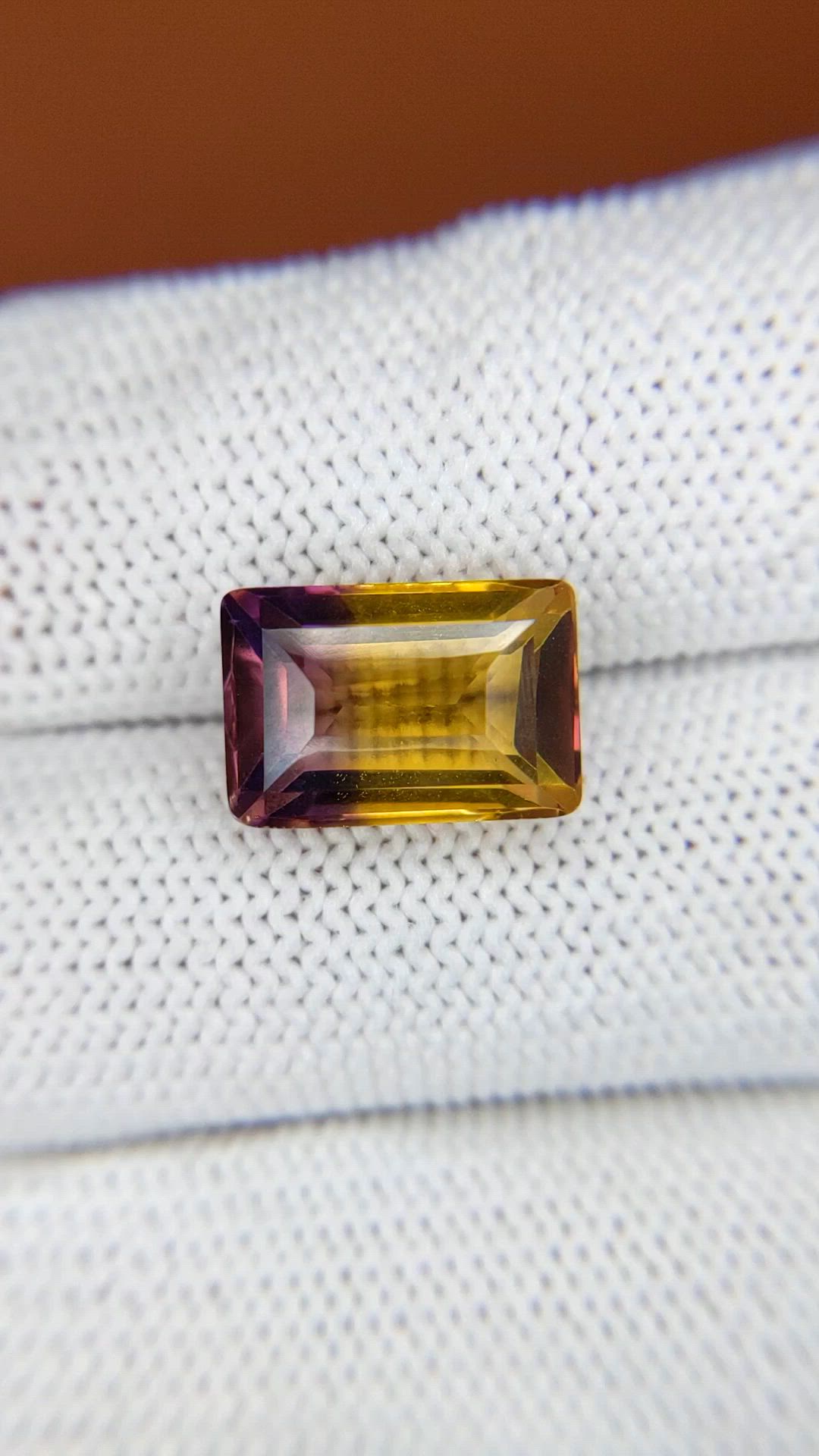
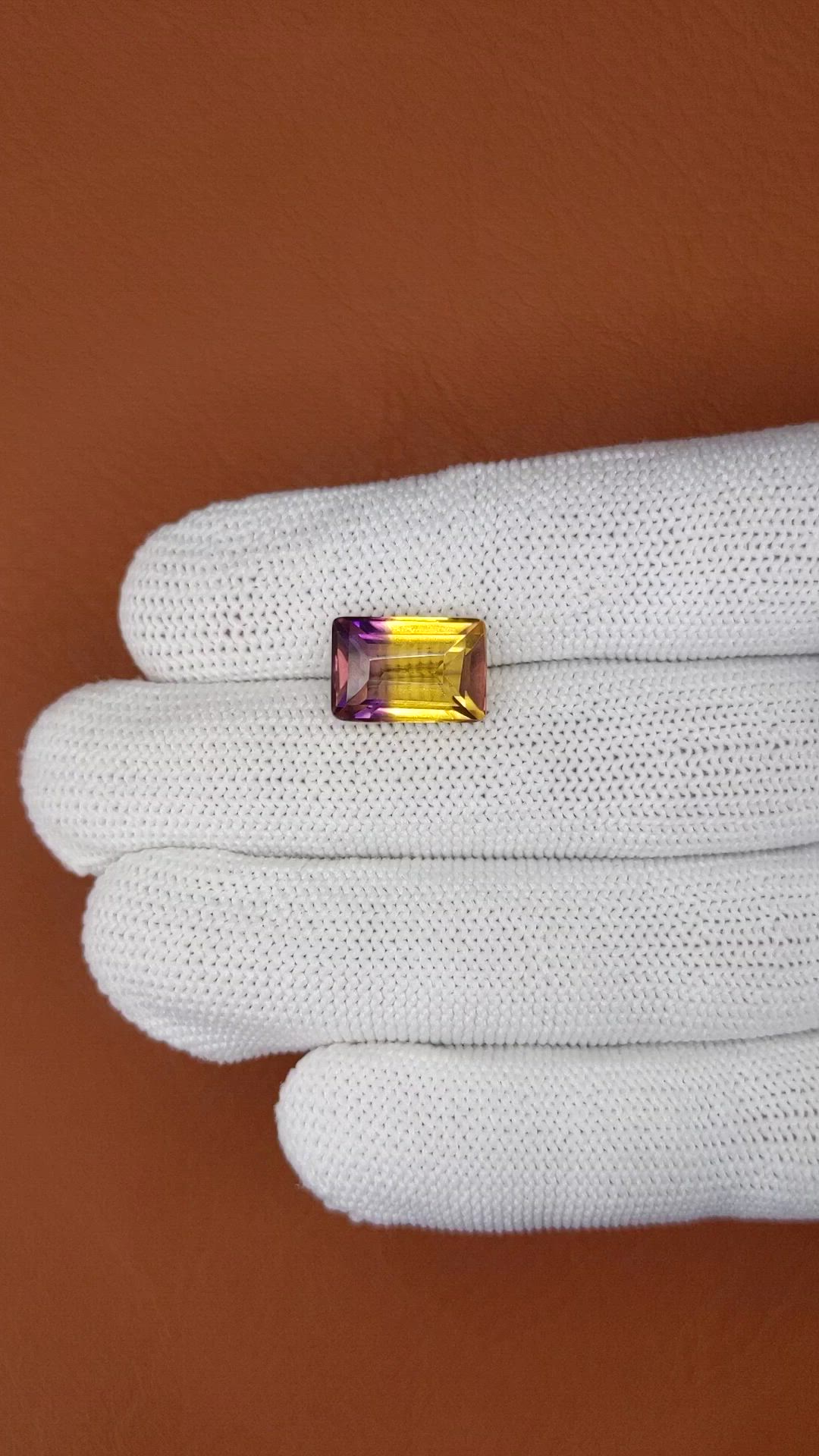
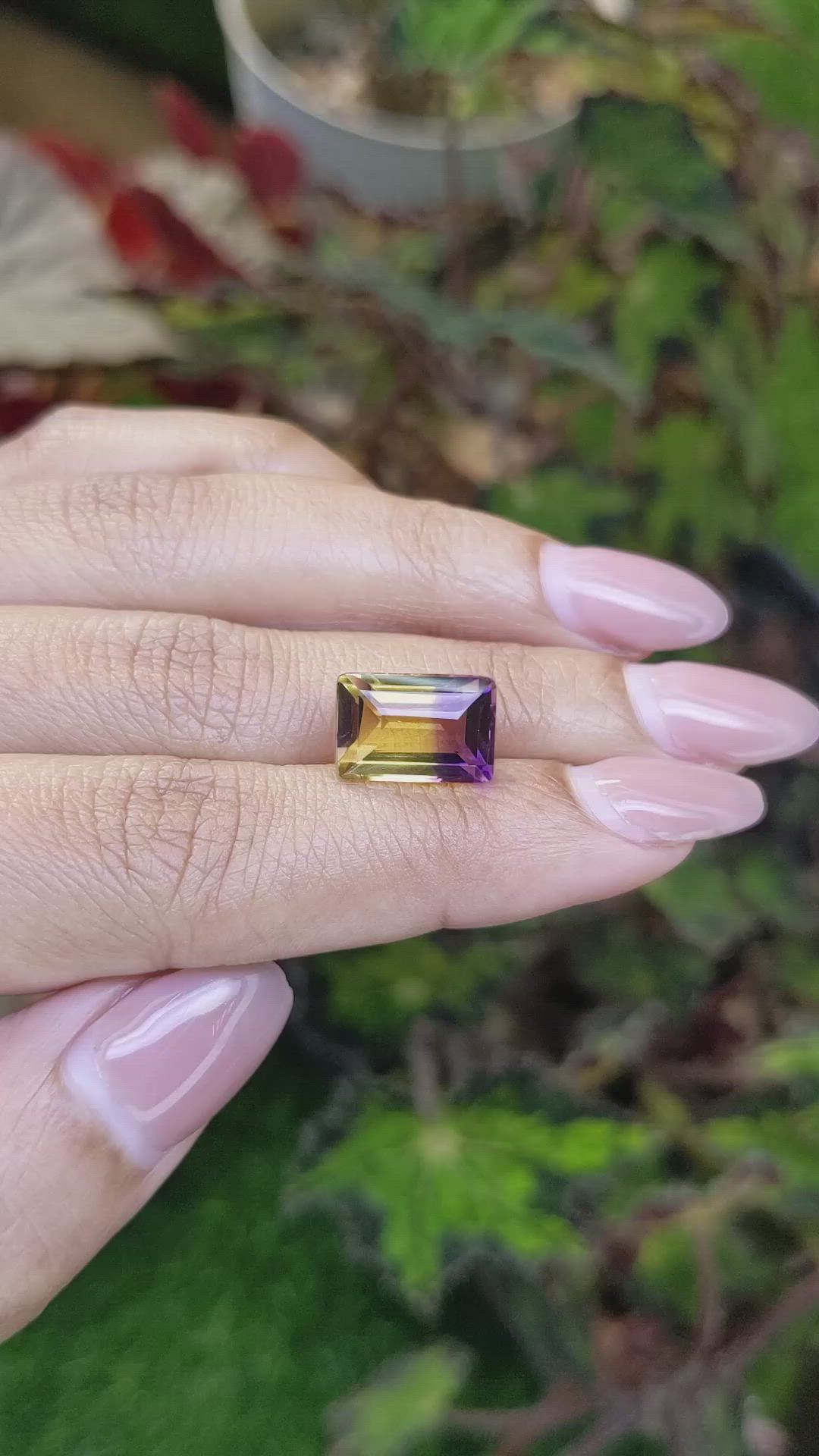
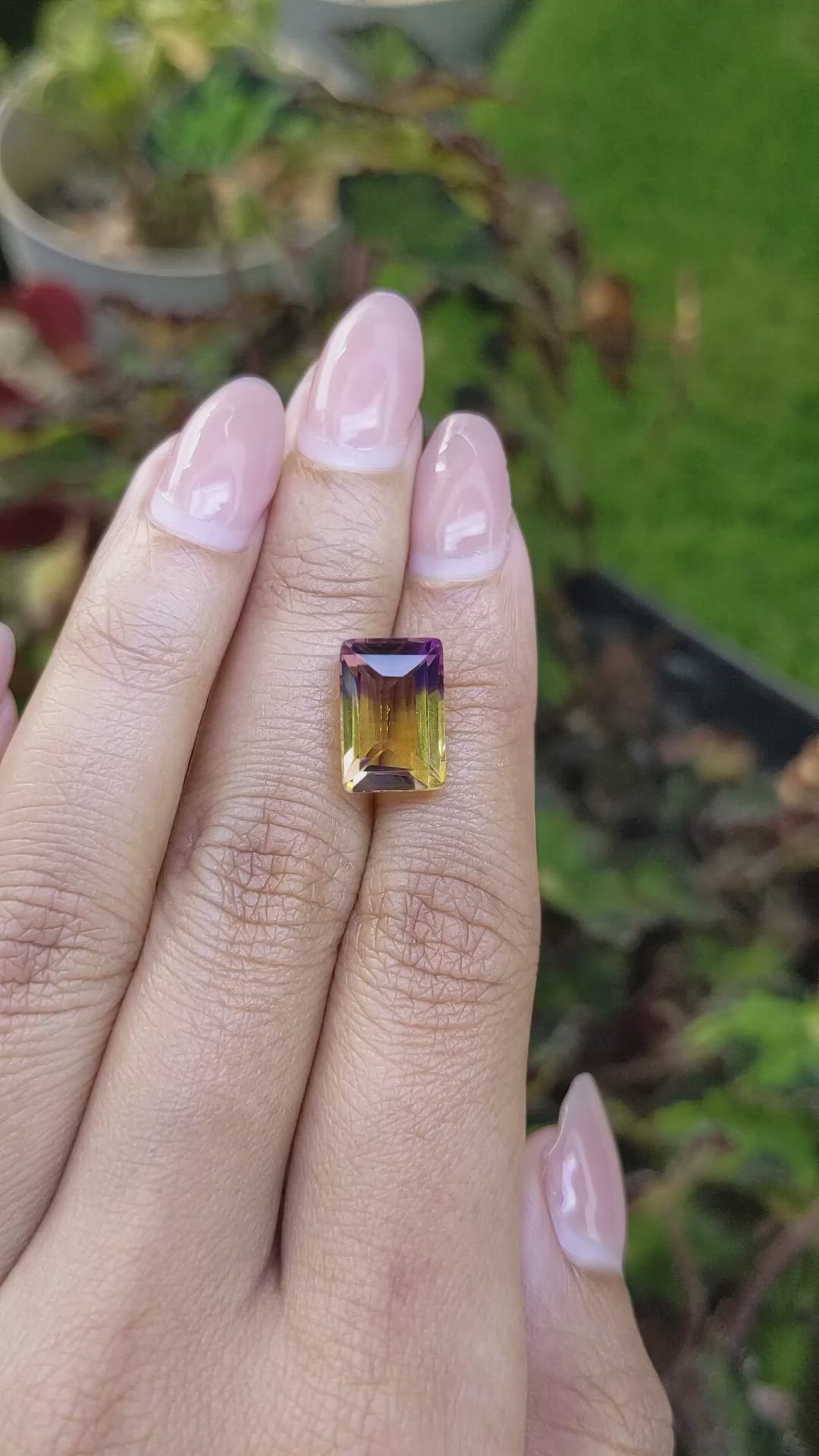
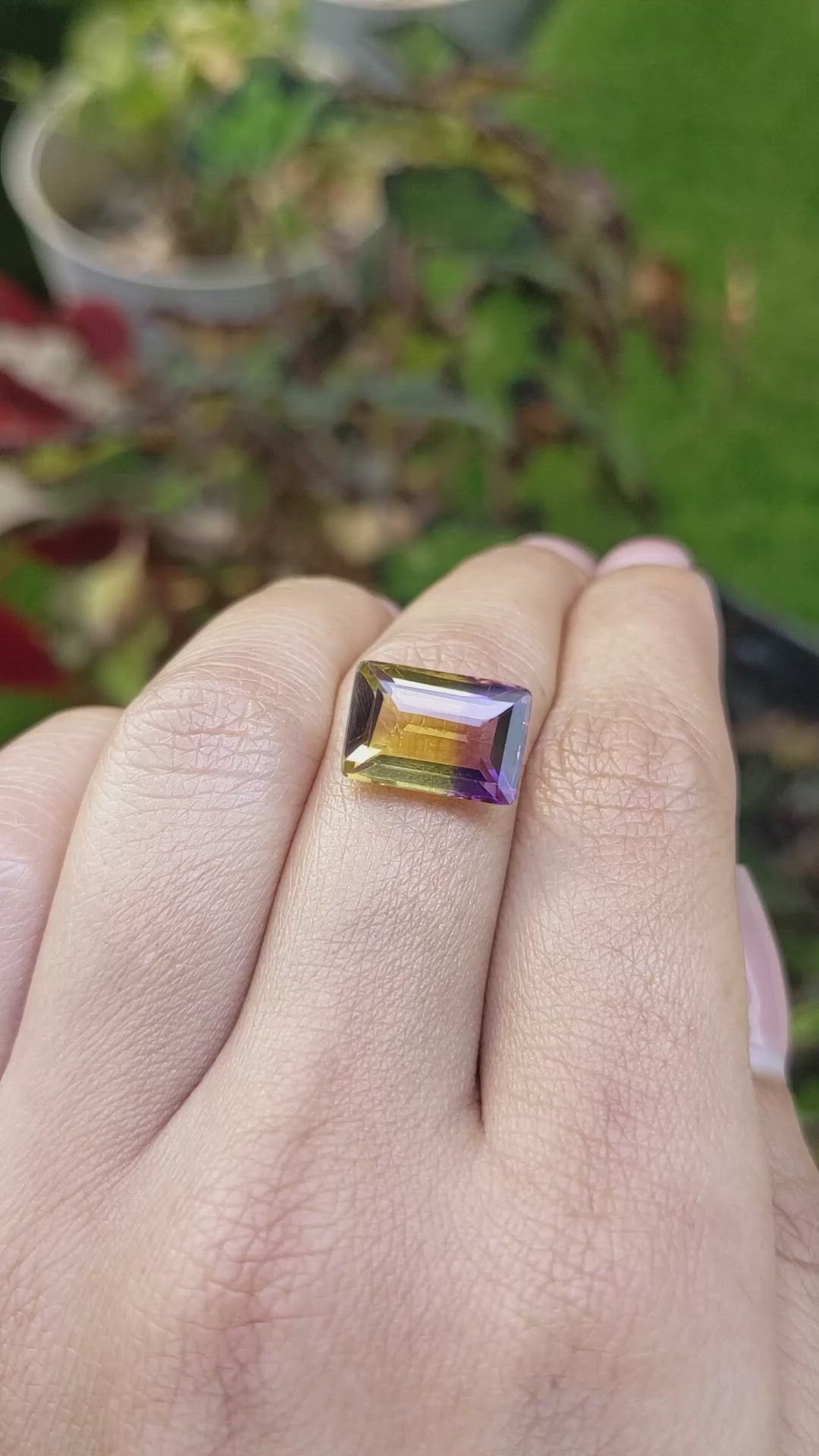
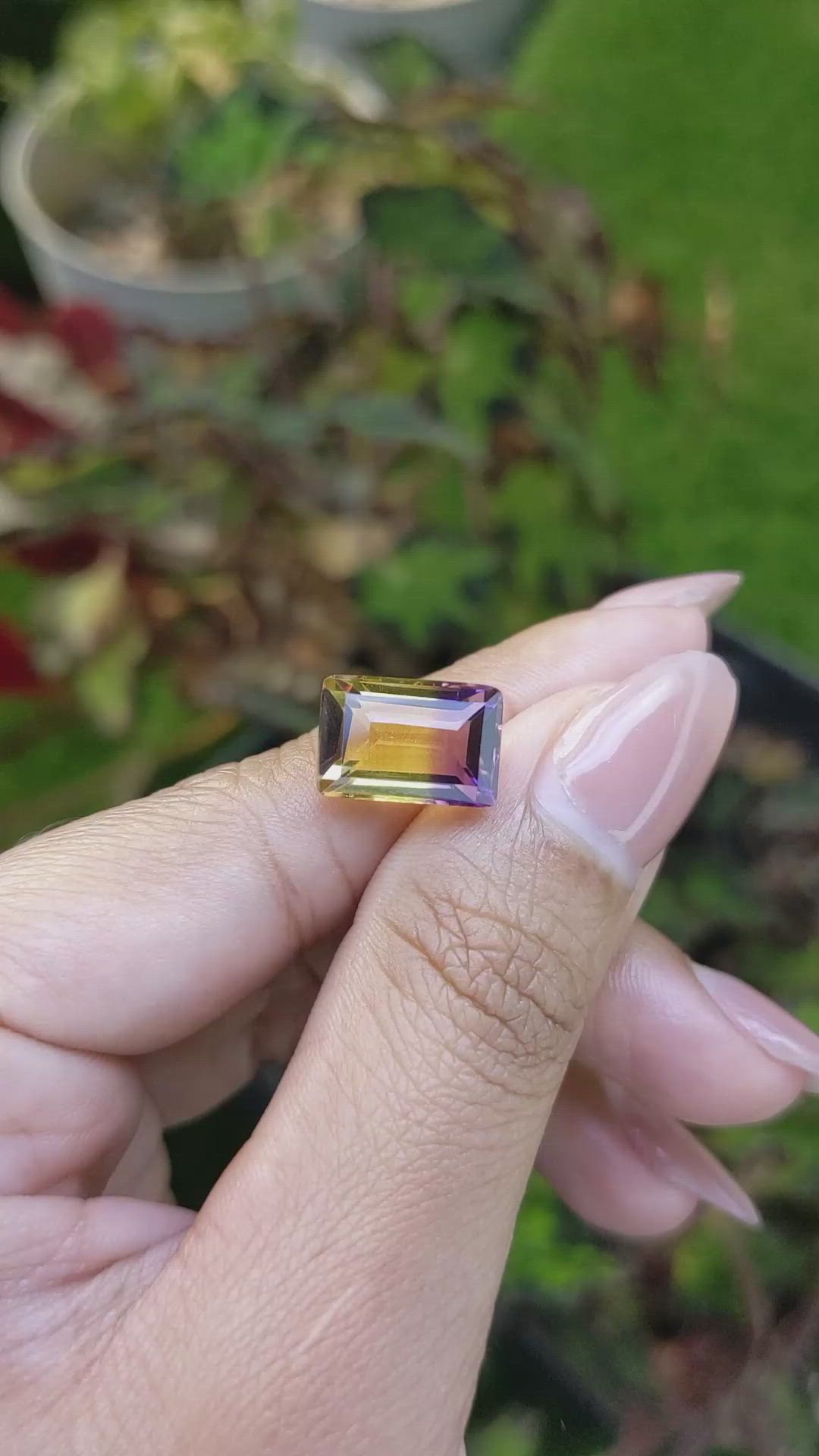
6.02 Ct. Bi Color Ametrine from Brazil
This loose stone is available to ship now
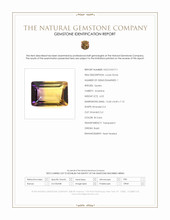
Item ID: | K31711 |
|---|---|
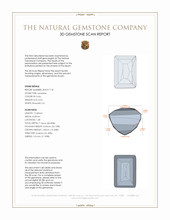
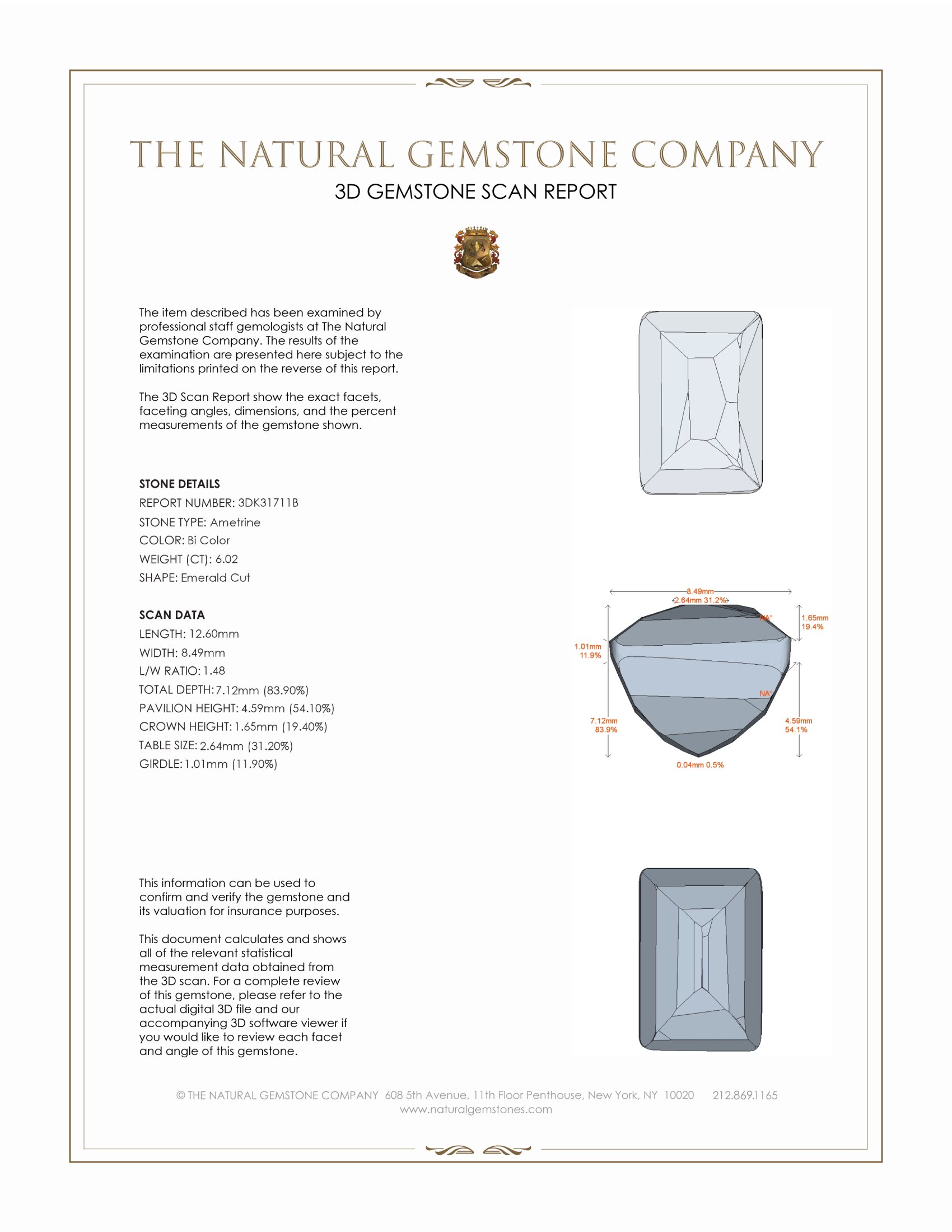
Dimensions (MM): help | Length: 12.6 Width: 8.49 Height: 7.12 |
Weight: | 6.02 Ct. |
Color: help | Bi Color |
Color intensity: help | Intense |
Clarity: help | Very Very Slightly Included |
Shape: help | Emerald Cut |
Cut: | Emerald Cut |
Cutting style: | Faceted |
Enhancements: help | Heat Treated |
Origin: help | Brazil |
Per carat price: help | $50 |
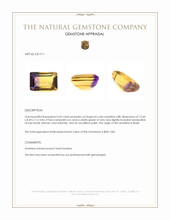
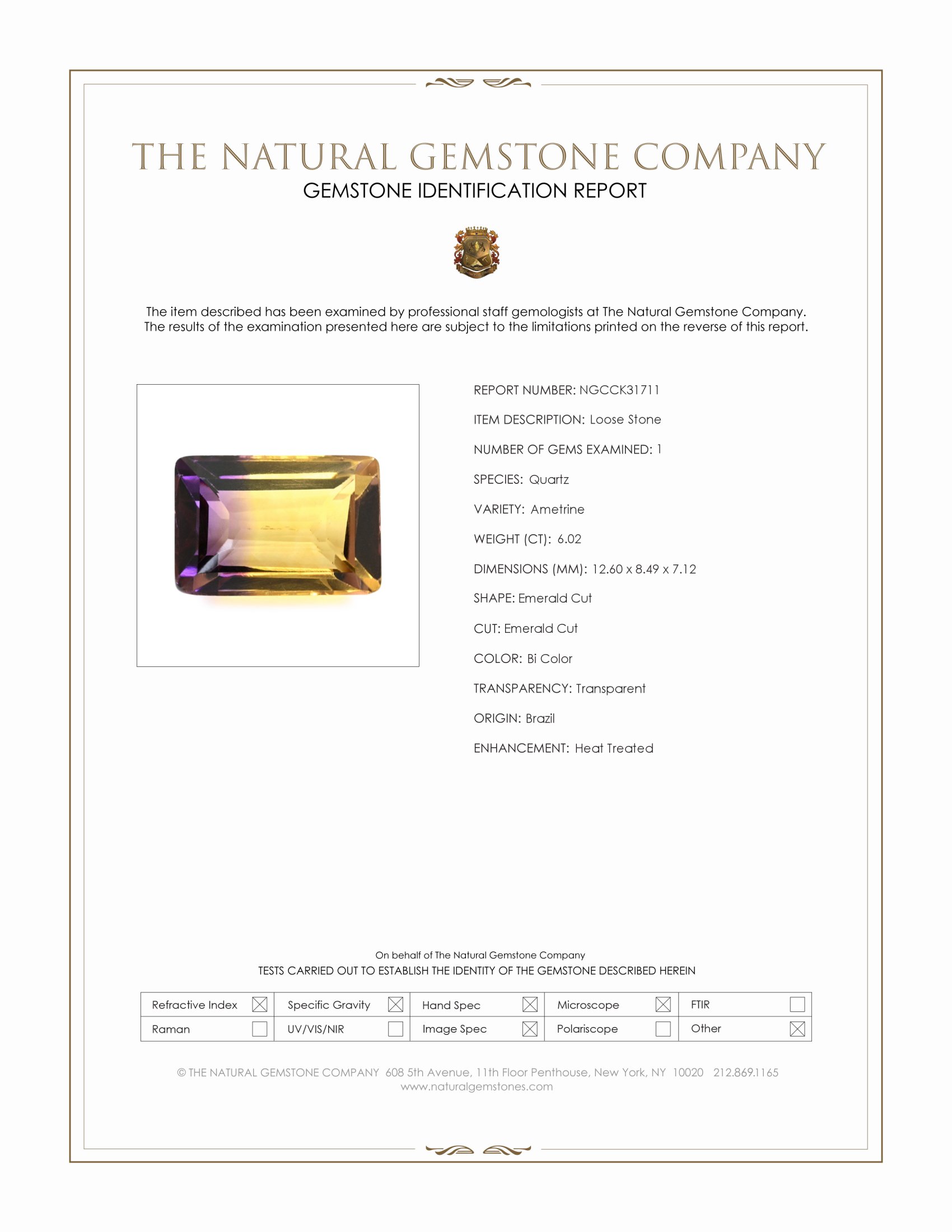
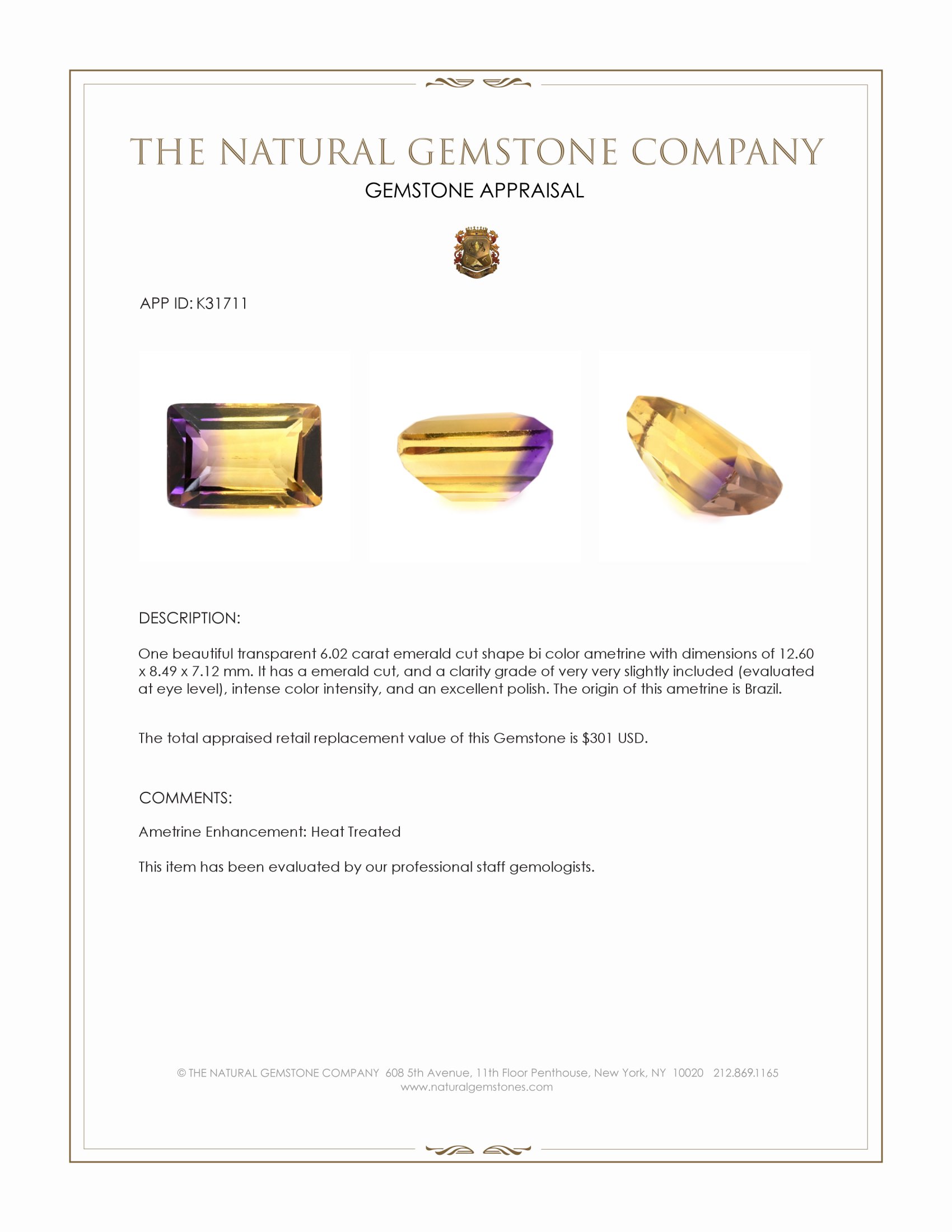
This 6.02 carat bi color ametrine from Brazil presents as a transparent emerald cut gem, precisely faceted to dimensions of 12.60 x 8.49 x 7.12 mm. The stone exhibits intense color intensity across a natural transition from golden citrine yellow to violet amethyst, with the bicolor zoning preserved and emphasized by an emerald cut pavilion and step facets. Clarity is assessed as very very slightly included, evaluated at eye level, indicating minor internal characteristics that do not distract from face up appearance. The polish is excellent, producing crisp facet junctions and controlled light return, and the piece has undergone careful heat treatment as an enhancement to stabilize and refine its color distribution. This specimen is offered and described by The Natural Gemstone Company.
The narrative of formation begins deep within the continental crust millions of years ago, where silica rich fluids migrated through fracture networks in a slowly cooling host rock. Under conditions of fluctuating temperature and redox environment, iron related defects within the quartz structure became fixed in differing oxidation states during episodic growth, producing zones that would crystallize as amethyst and as citrine within the same crystal lattice. Slow growth allowed for the development of large, well ordered crystal faces and high transparency, while pulses of hydrothermal activity and varying thermal gradients produced the distinct bi color zoning. Tectonic uplift and erosion eventually exposed these veins, and subsequent weathering and sediment transport concentrated gem quality pieces into recoverable deposits. The sample offered has been removed, evaluated, and finished with considered heat treatment to present a stable, visually coherent bicolor face.
The cutting and finishing choices enhance the innate characteristics of the crystal produced by those ancient processes. The emerald cut, with its long rectangular table and step facets, emphasizes the linear interface between the citrine and amethyst zones and produces a restrained, elegant flash that draws attention to the internal color separation. At 12.60 x 8.49 x 7.12 mm and 6.02 carats, the proportions balance depth for light performance with a broad table for face up color impact, while the very very slightly included clarity and excellent polish contribute to an even and lively appearance under varied lighting. Heat treatment was applied with care to optimize color balance without obscuring natural zoning, and all evaluations are carried out to industry standards. The Natural Gemstone Company documents these attributes to provide an accurate technical and aesthetic record.
As an additional reference, the Fire Opal is a distinct opal type characterized by vivid body color that ranges from yellow through orange to red, commonly transparent to translucent, and valued for its warm saturated hue rather than for extensive play of color. Typical physical considerations for Fire Opal include lower hardness relative to quartz family gems, and sensitivity to sharp temperature changes and certain chemicals, factors that inform care and setting choices. Fire Opals most commonly originate from Mexico, and when paired with an ametrine such as this one, they provide a strong chromatic contrast, warm tones complementing the citrine portion and deepening the overall palette. The Natural Gemstone Company includes these comparative notes to help frame the material qualities and handling considerations of both gem types.


