
- Stone17
- Reports3
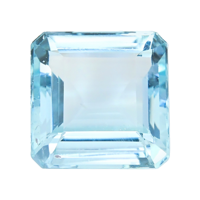
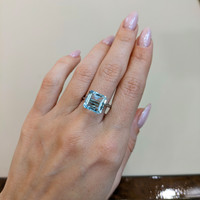
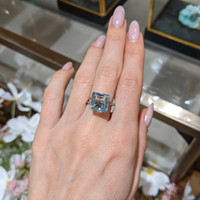
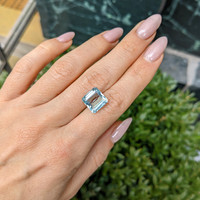
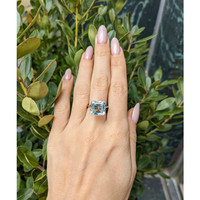


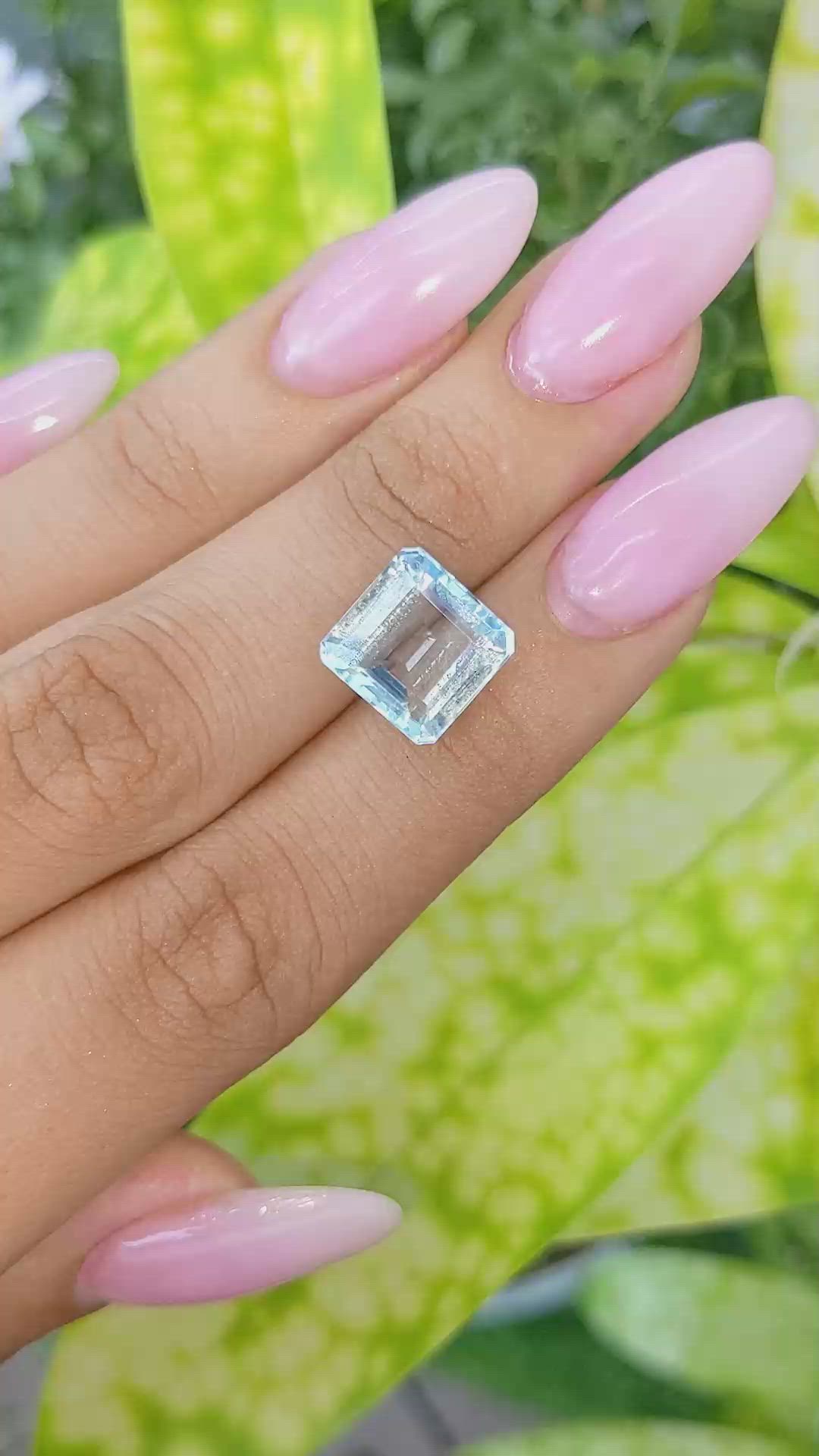
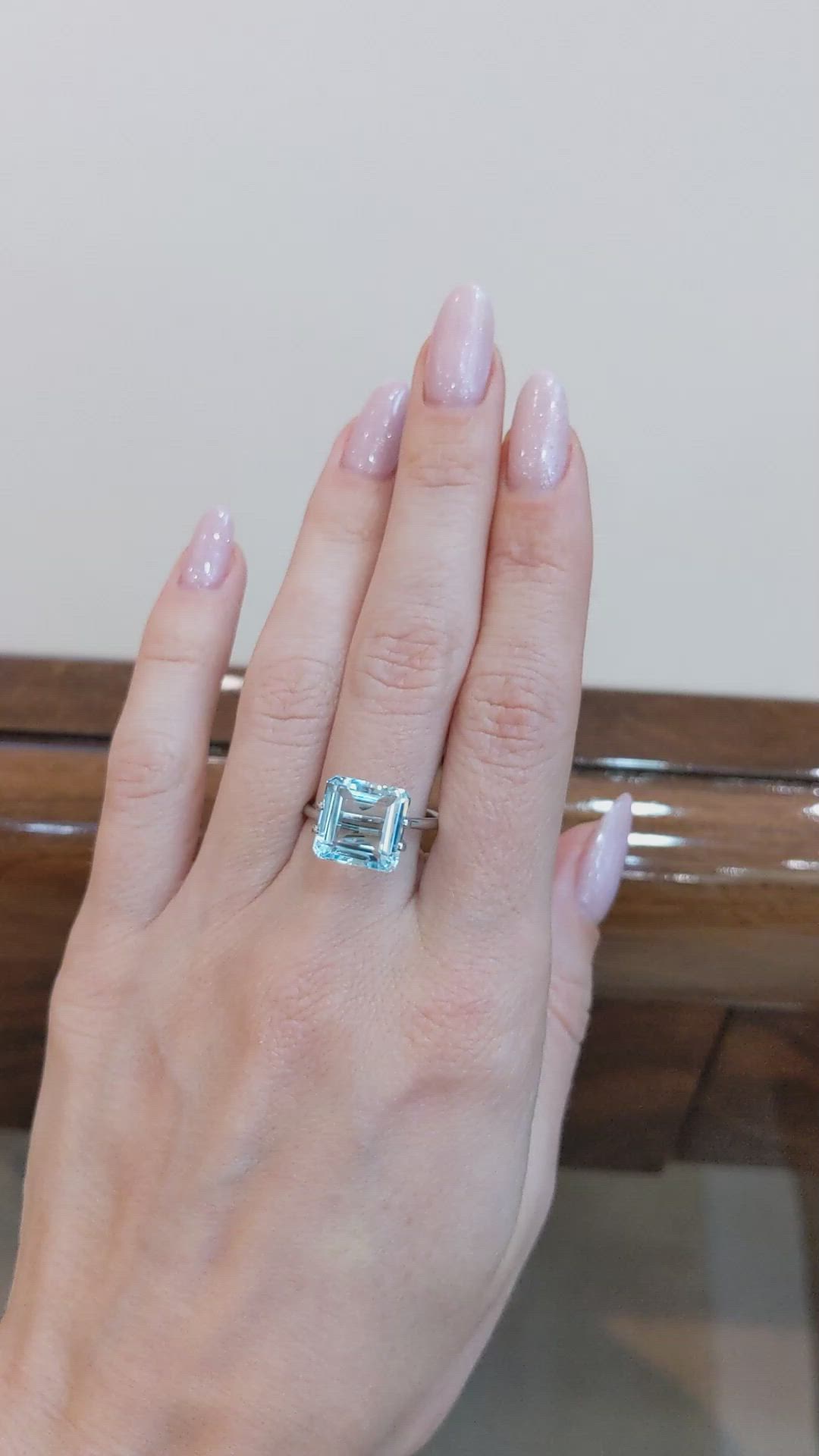
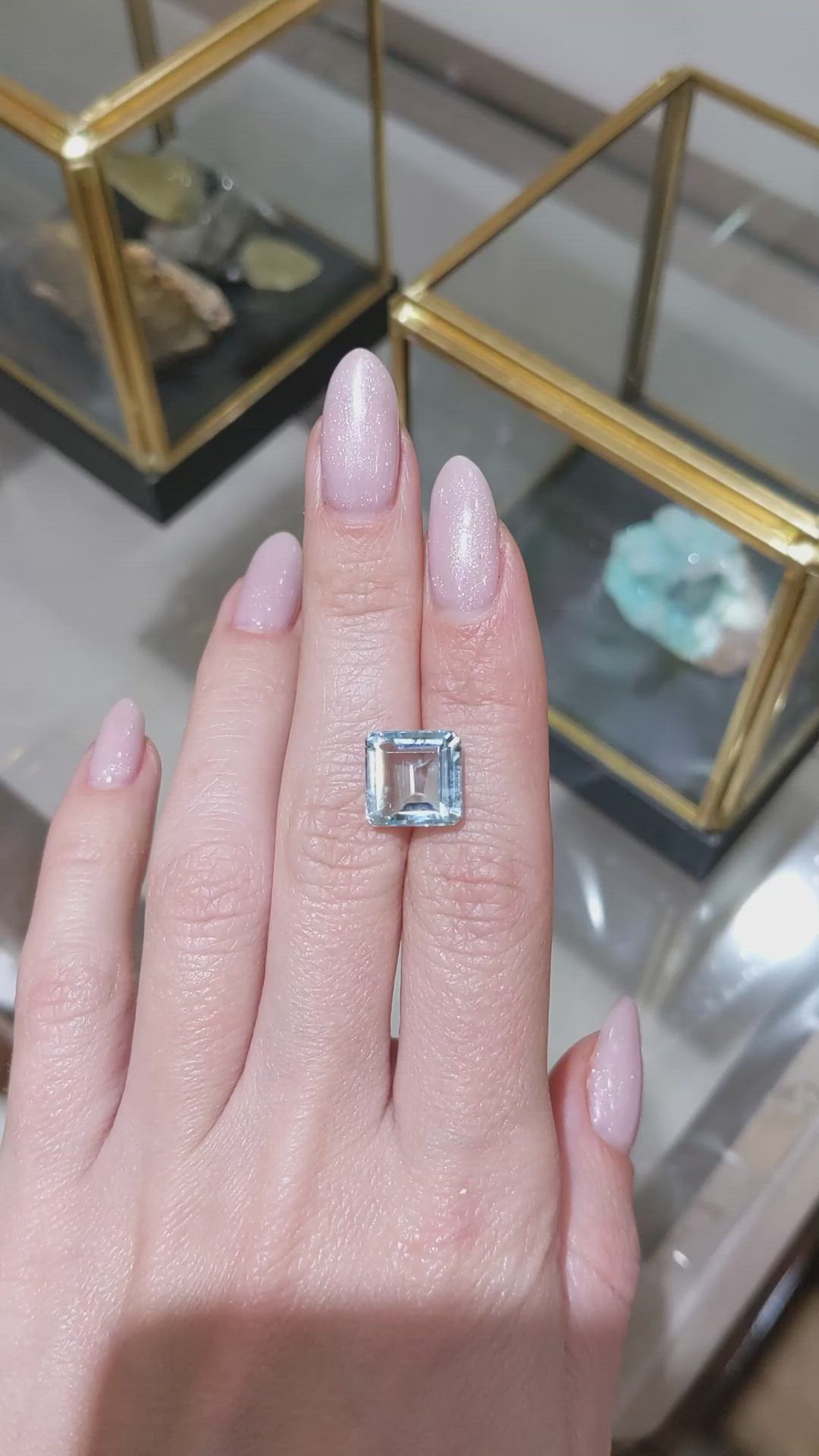



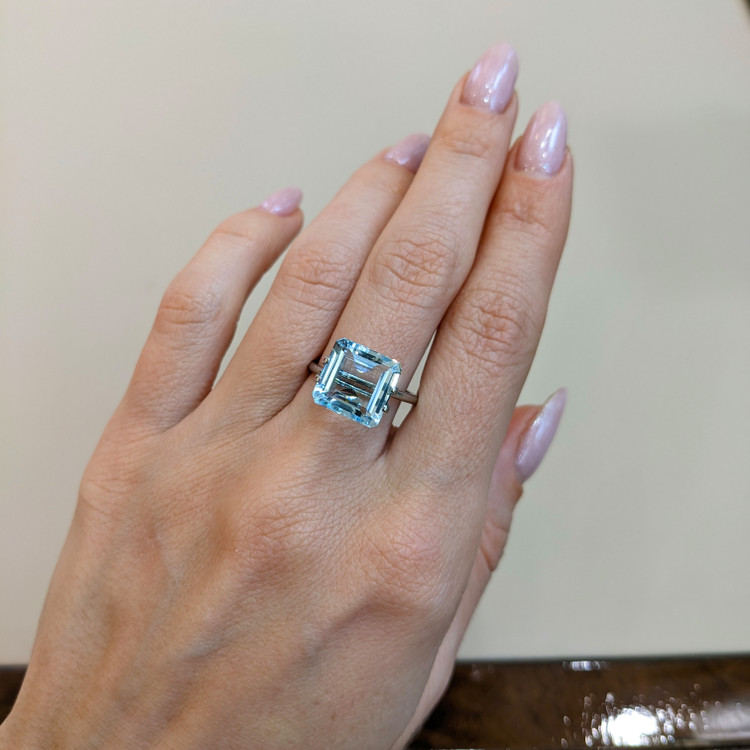
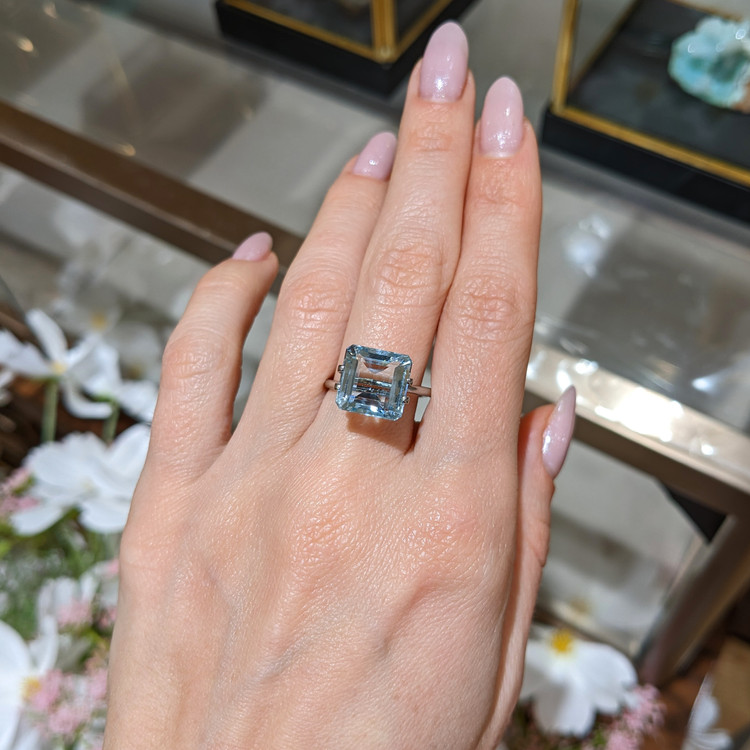
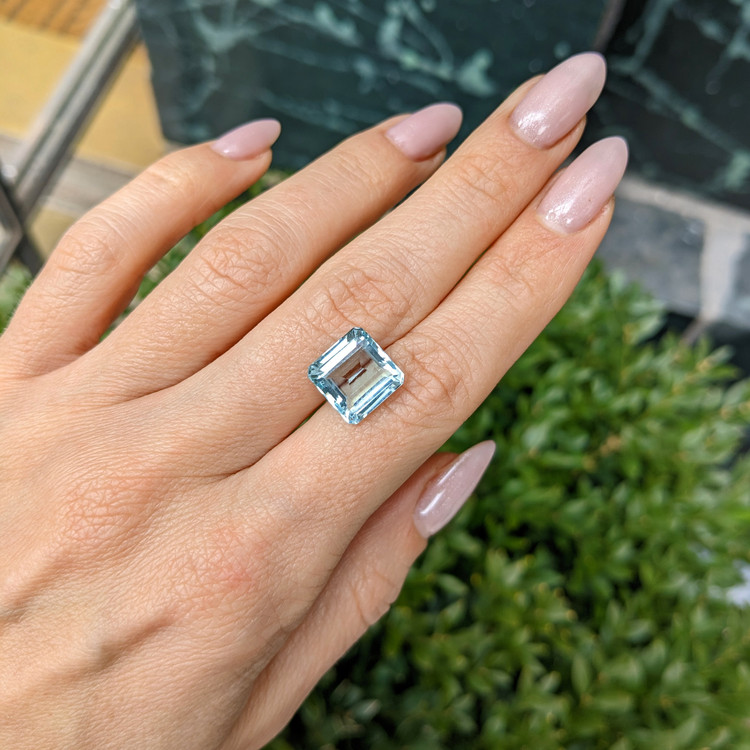
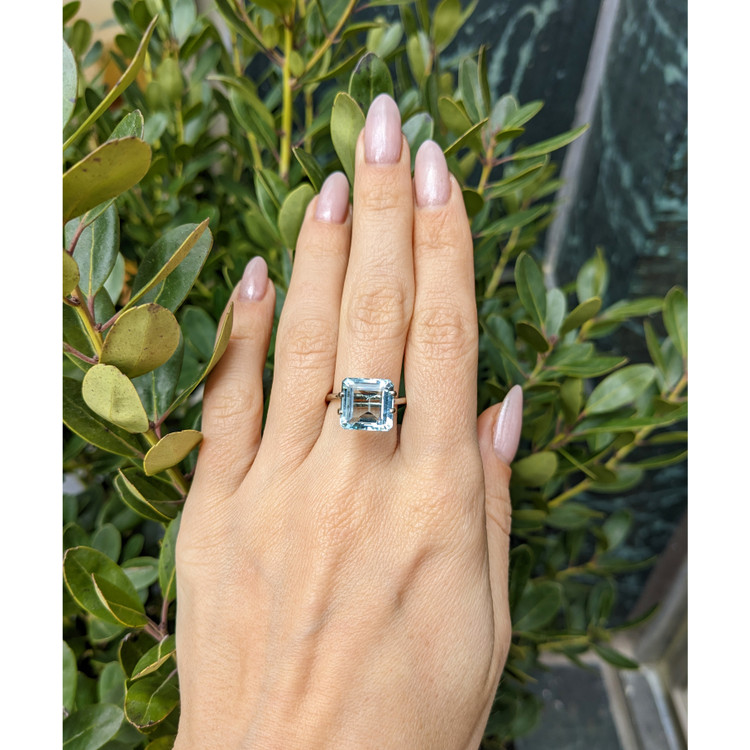

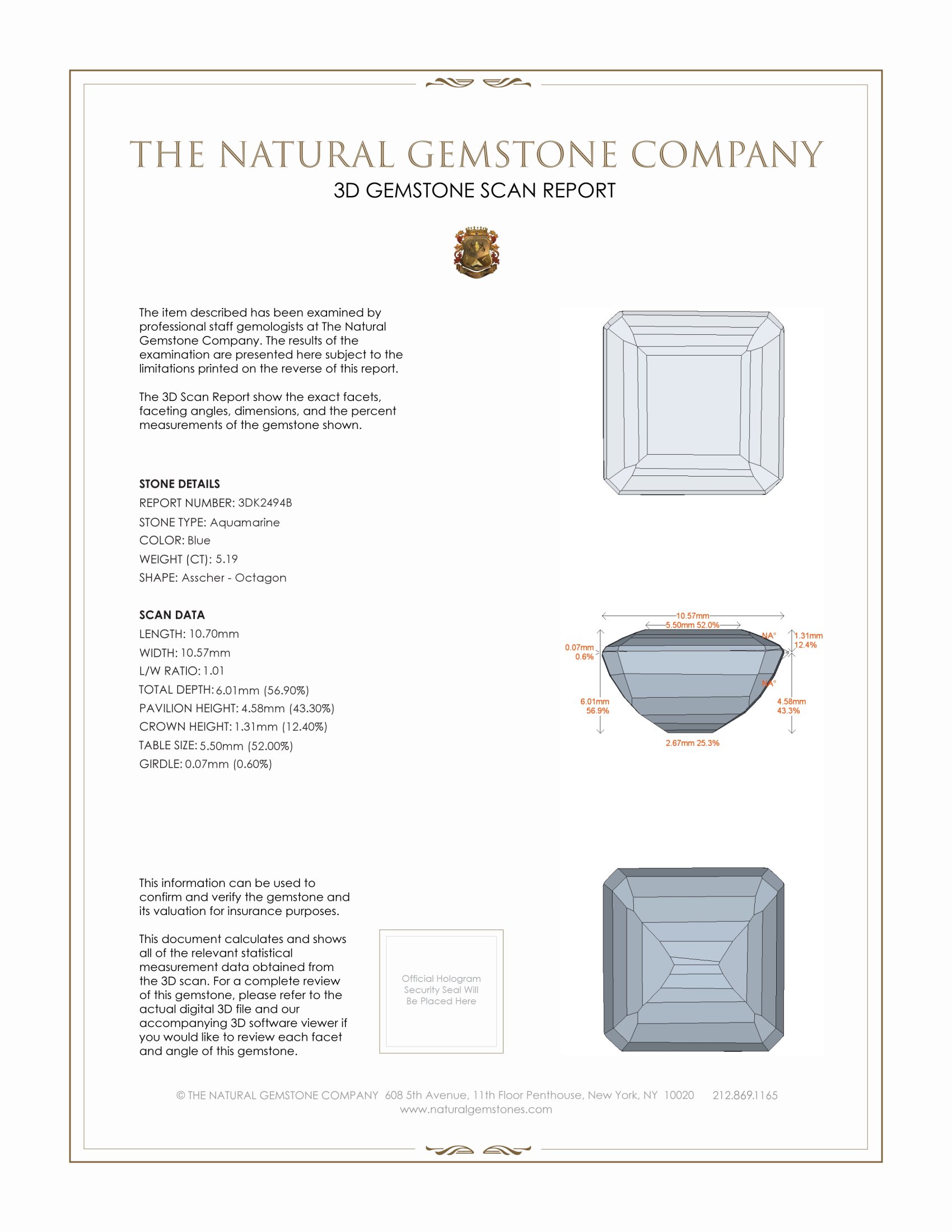
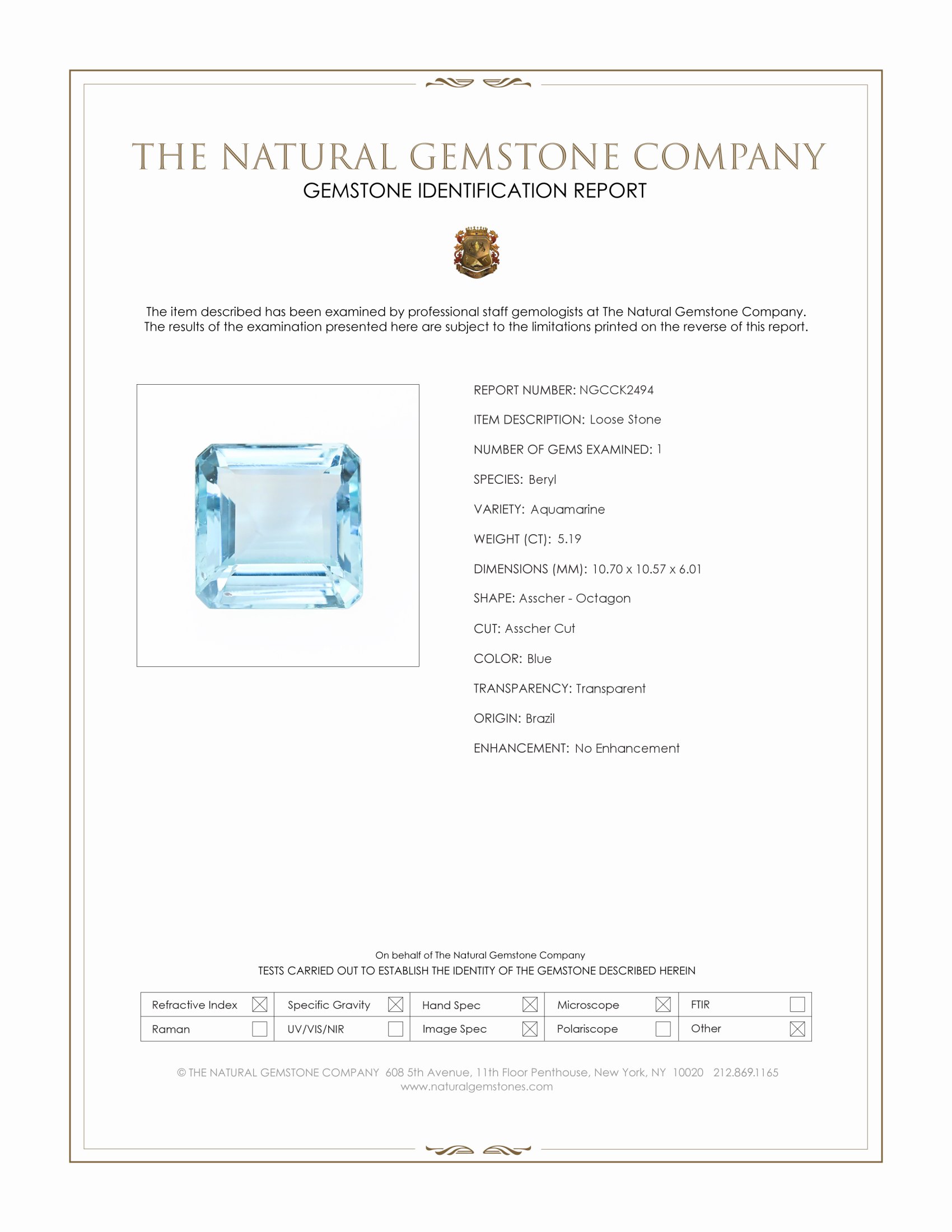

5.19 Ct. Blue Aquamarine from Brazil
This loose stone is available to ship now
Item ID: | K2494 |
|---|---|
Dimensions (MM): help | Length: 10.7 Width: 10.57 Height: 6.01 |
Weight: | 5.19 Ct. |
Color: help | Blue |
Color intensity: help | Light |
Clarity: help | Very Very Slightly Included |
Shape: help | Asscher - Octagon |
Cut: | Asscher Cut |
Cutting style: | Faceted |
Enhancements: help | No Enhancement |
Origin: help | Brazil |
Per carat price: help | $740 |
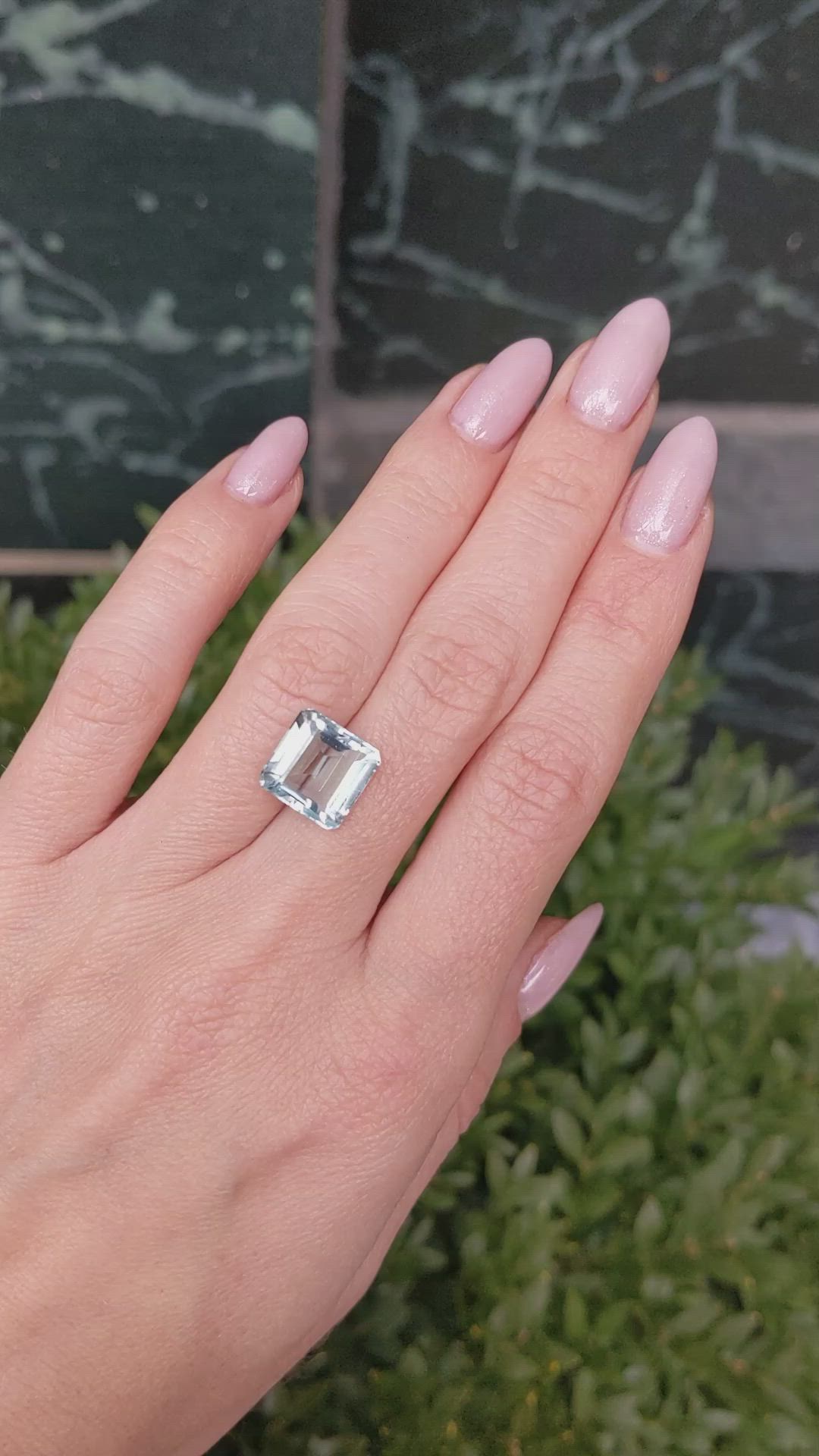
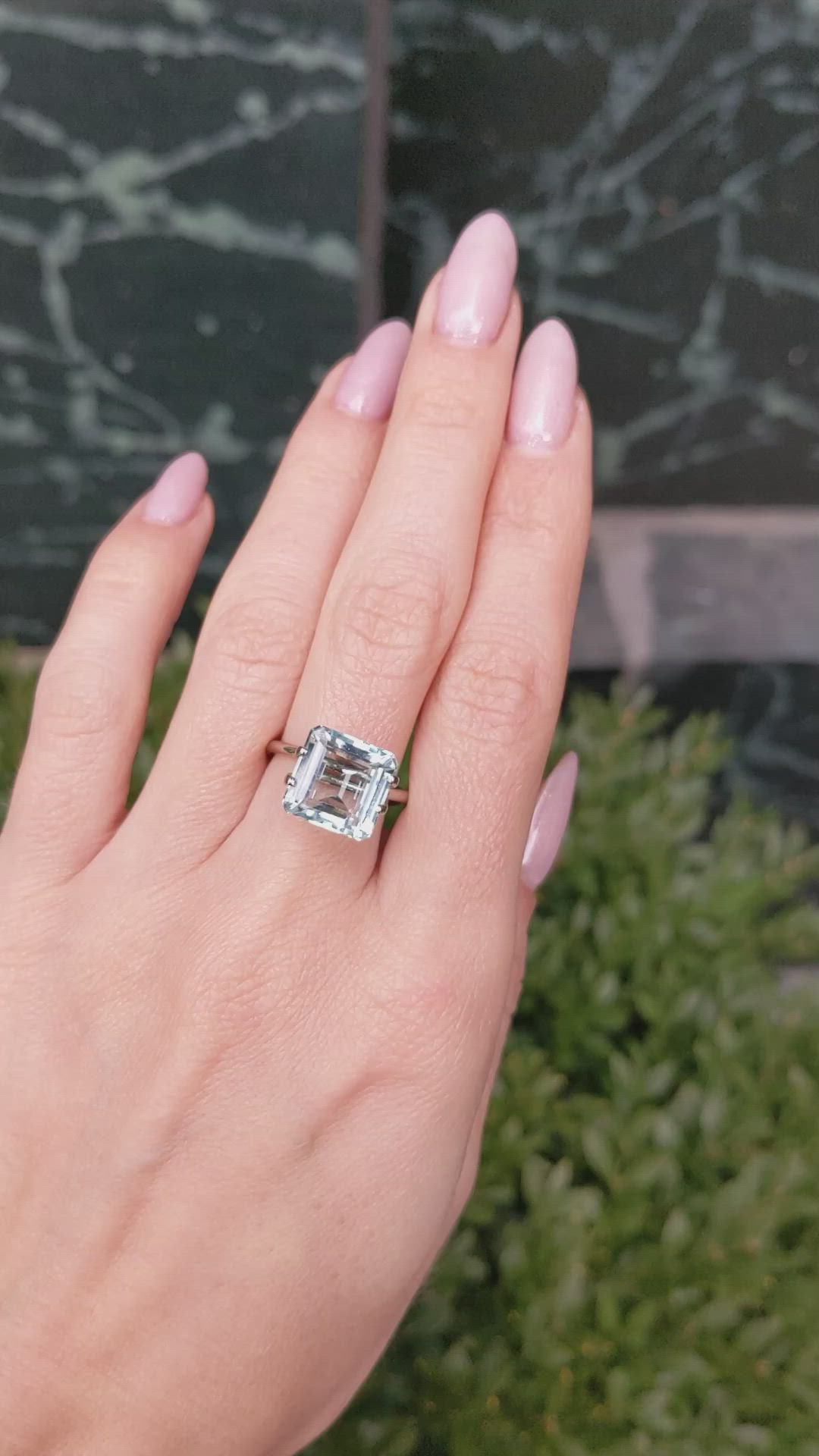
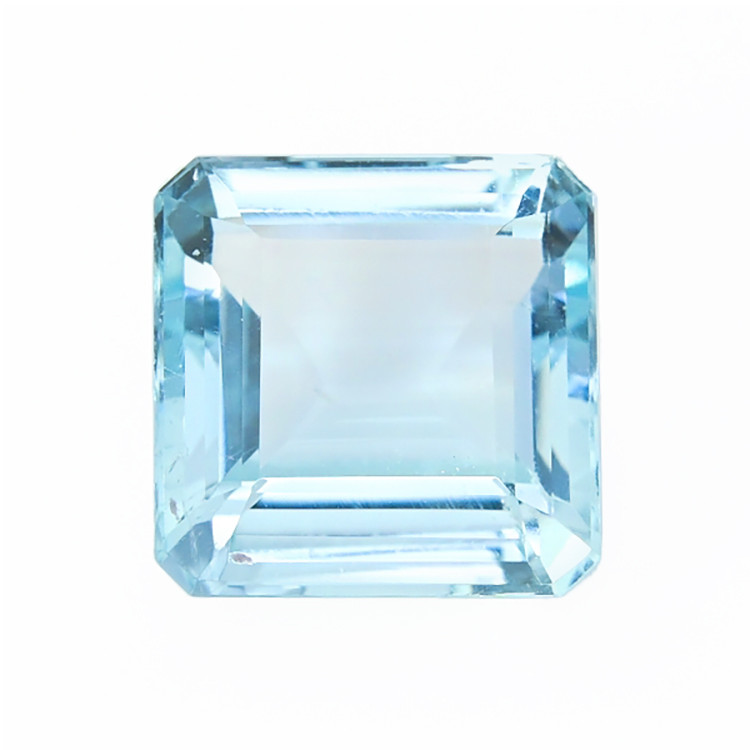
This specimen is a transparent, classic Asscher cut aquamarine, weighing 5.19 carats, with an octagonal outline and precise dimensions of 10.70 by 10.57 by 6.01 millimeters. Its length to width ratio is approximately 1.01, producing a near square profile with gently cropped corners that emphasize the Asscher geometry. Depth is approximately 56.5 percent relative to the mean of length and width, a proportion that balances pavilion volume and table size to favor controlled light return rather than excessive scintillation. The faceting follows stepped concentric planes on both crown and pavilion, the hallmark of Asscher style, producing a refined hall of mirrors effect that accentuates internal clarity and directional light. Color reads as a light blue intensity, exhibiting a cool, pastel aquamarine tone that is evenly distributed across the table and pavilion. Clarity is graded as very very slightly included at eye level, indicating only minimal internal features that do not interrupt the visual integrity when mounted, and the polish is graded excellent, with facet junctions rendered with crisp, sharp edges and mirror surfaces that maximize optical performance. There has been no enhancement of any kind, the material is natural, and the documented origin is Brazil.
The journey from Brazilian pegmatite to the polished gemstone begins with selective extraction in pegmatitic veins, where aquamarine forms as elongated beryl crystals. Our sourcing team inspected rough material on site to identify pieces with homogenous coloration and minimal stress zoning, prioritizing crystals whose growth patterns and inclusion orientation would respond well to a step cut. In the rough planning stage the cutter mapped internal features using diffuse light and transmitted light techniques, aligning the intended table to traverse fewer inclusions and to capture the most saturated zones of color. The preforming emphasized square octagonal outlines, conserving carat weight while establishing symmetry that would produce even facet distribution. During faceting, the cutter executed parallel step facets on the pavilion and corresponding concentric steps on the crown, maintaining equal facet widths to preserve the traditional Asscher silhouette. Attention to pavilion depth, girdle proportionality, and crown height was calibrated to produce the 56.5 percent depth proportion, an optimal compromise between depth driven color and top surface table presence. Throughout cutting and polishing stages, finer abrasive sequences were applied to achieve an excellent polish, and facet junctions were checked repeatedly for alignment and meeting strength. Final grading was performed under standardized lighting and magnification to confirm very very slight inclusion status at eye level, color intensity as light, and absence of enhancement. The Natural Gemstone Company coordinated each phase, from rough selection through final certification, ensuring traceability and consistent technical oversight.
When considered for high end jewelry applications, this 5.19 carat Asscher aquamarine performs predictably according to its technical pedigree. The Asscher step cut emphasizes clarity over dispersion, producing a depth oriented play of light rather than flash. This makes the stone well suited to settings that favor architectural form, such as solitaire rings with bezel or four prong mounting, classic three stone arrangements paired with tapered baguettes, or pendant designs that allow viewing through the pavilion. The light color intensity interacts differently with metal choice, appearing slightly more saturated against warm metals and cleaner in white metals, so choice of alloy can be used as a deliberate design tool. The near square footprint and consistent facet symmetry simplify design templates, particularly where precision mount fit is required, and the excellent polish ensures minimal post setting adjustment. For connoisseurs who prioritize natural state and technical execution, the fact that this aquamarine is untreated is significant, preserving original crystal character and predictable long term stability. The Natural Gemstone Company presents this gem with detailed measurements, clarity observations, and origin documentation, supporting professional appraisal and design planning, and offering experienced consultation for clients seeking to translate these technical attributes into a finished, heirloom quality piece.


