
- Stone14
- Reports3


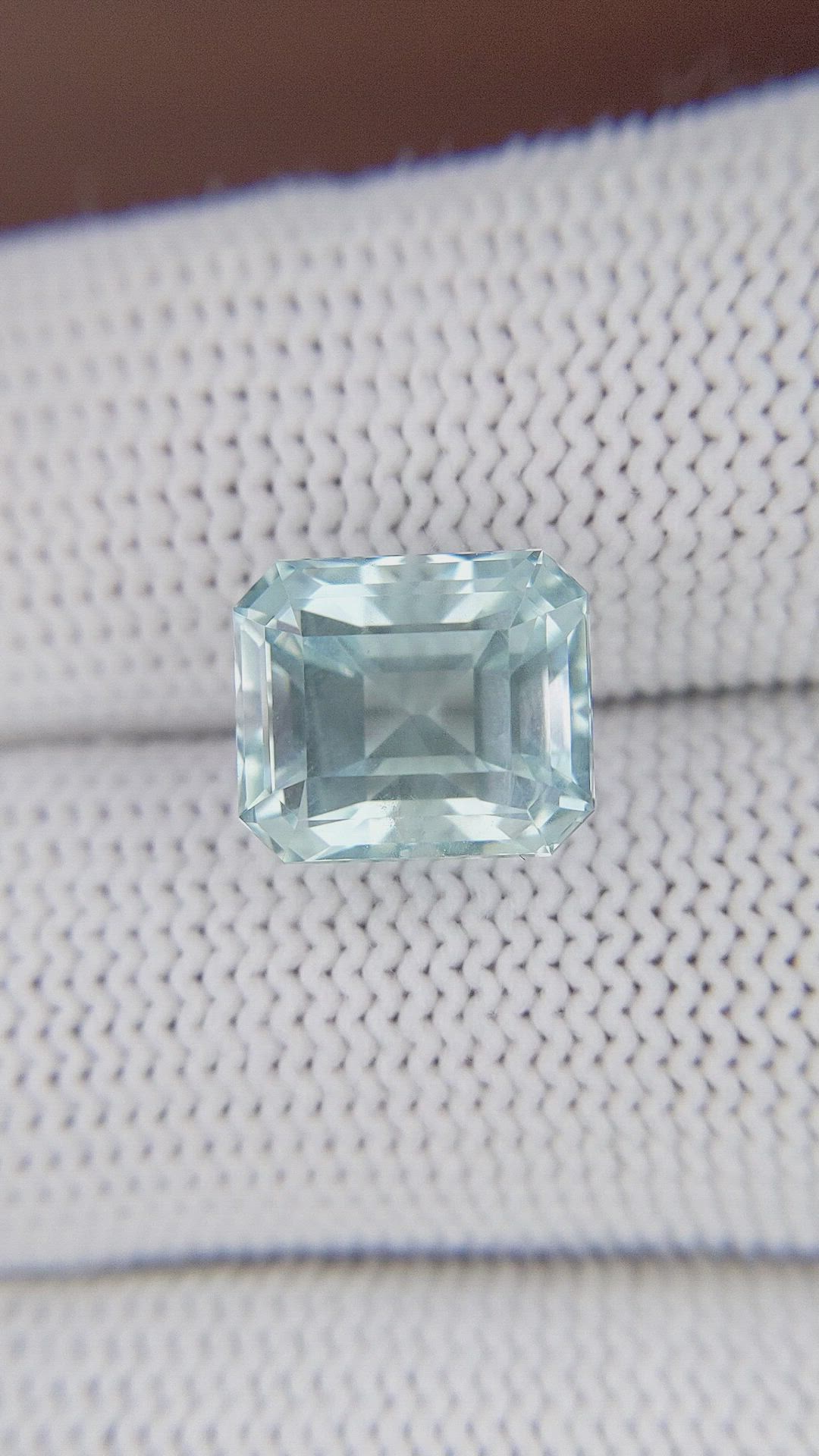
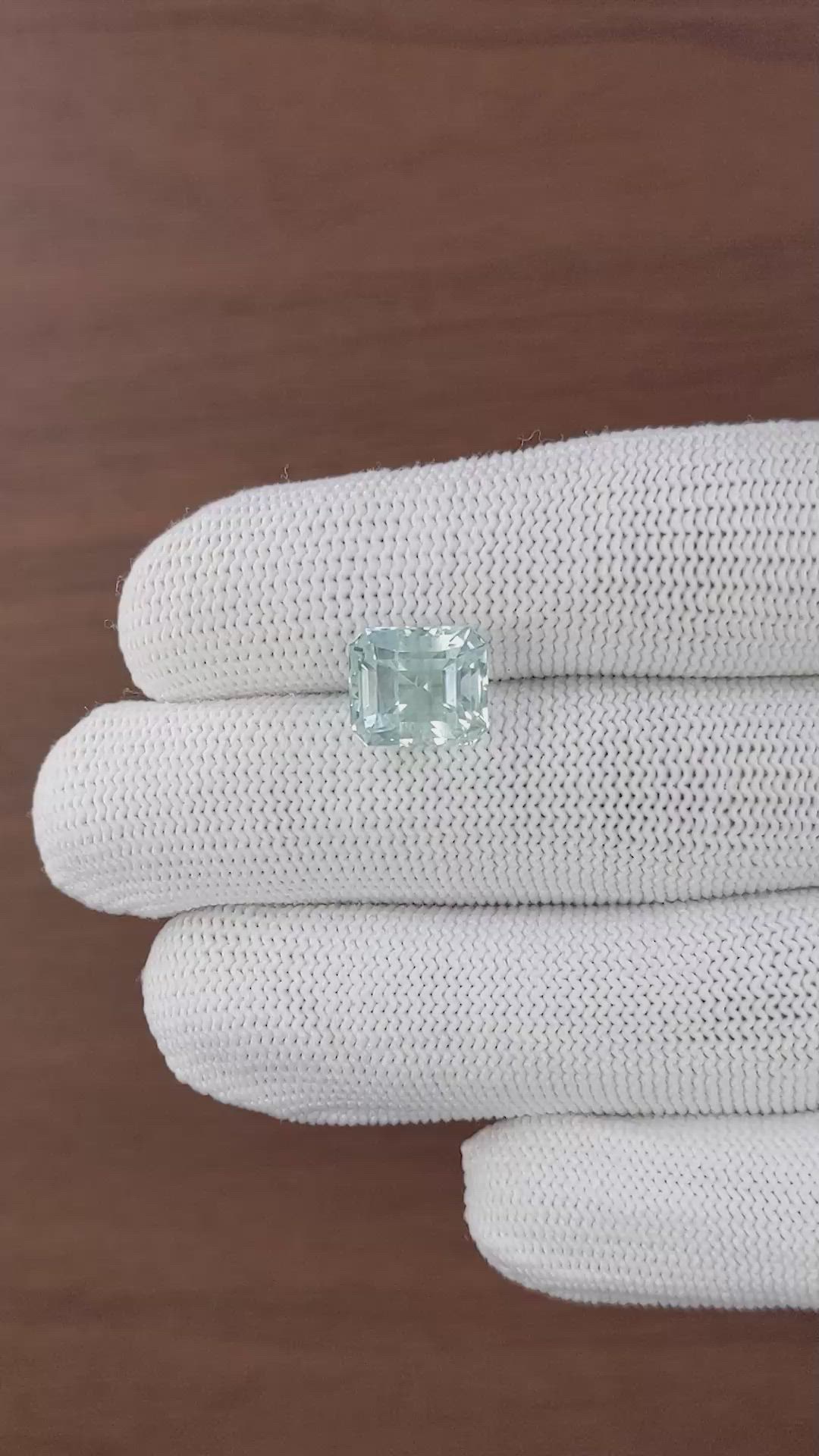
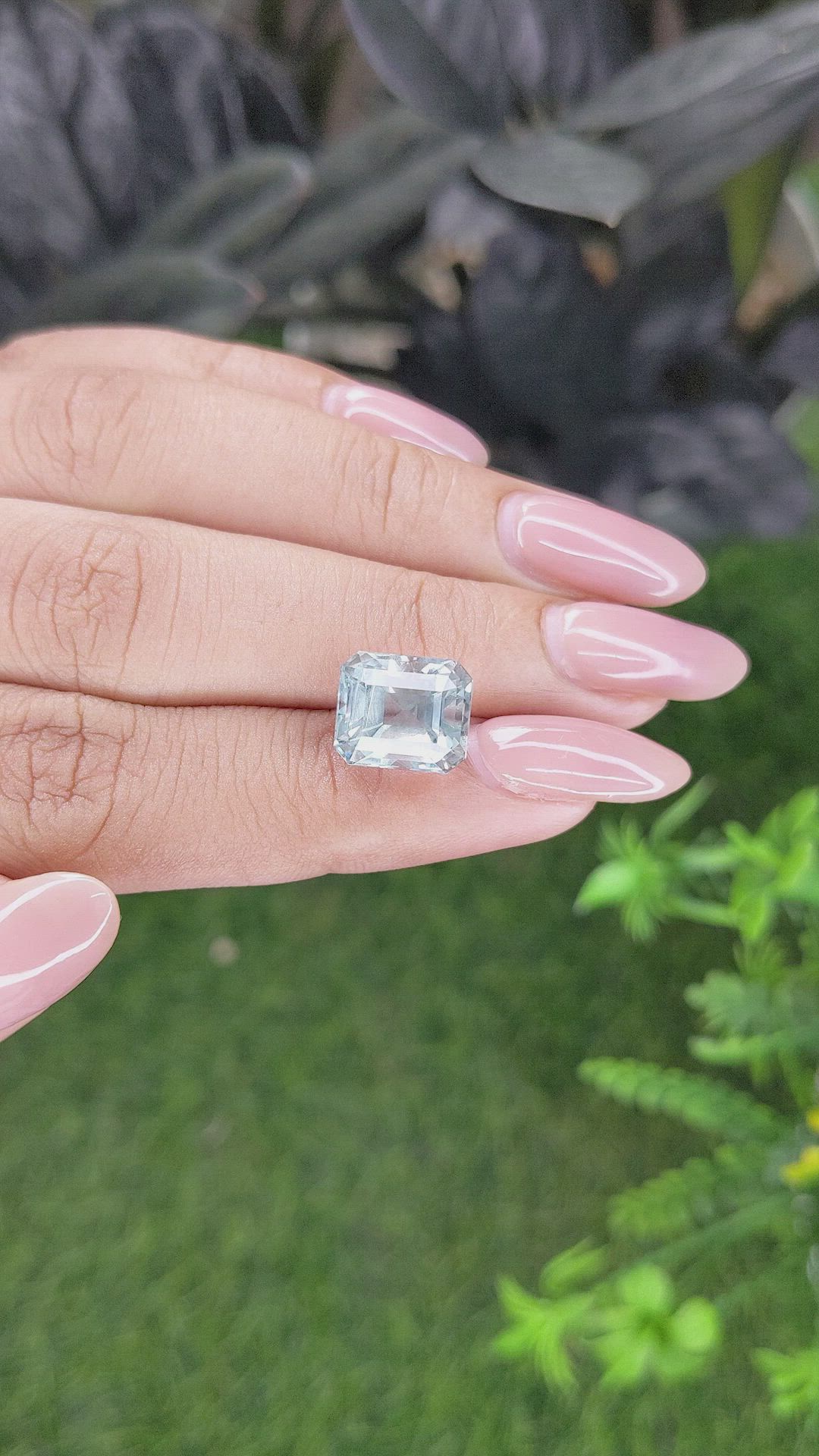

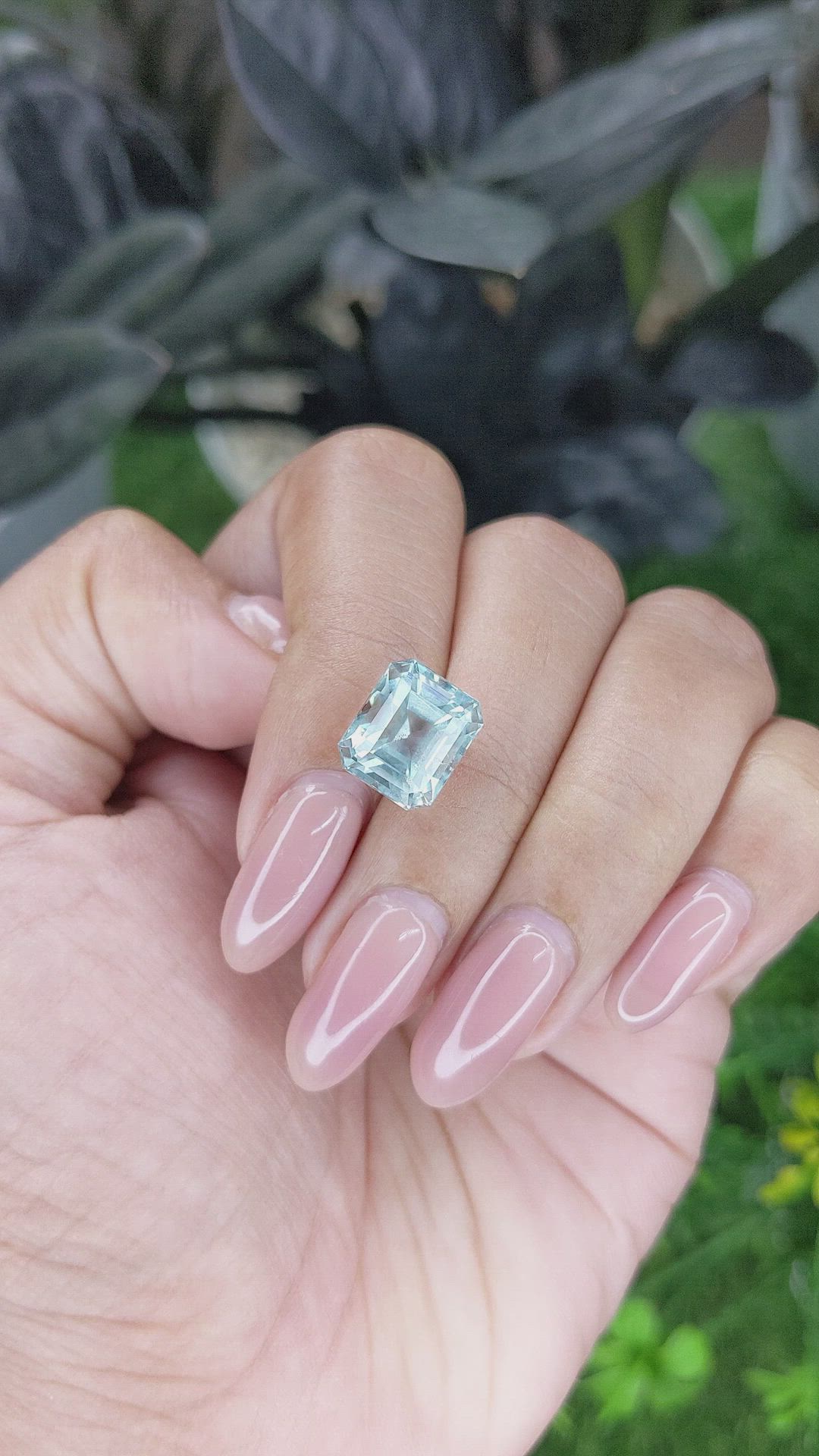



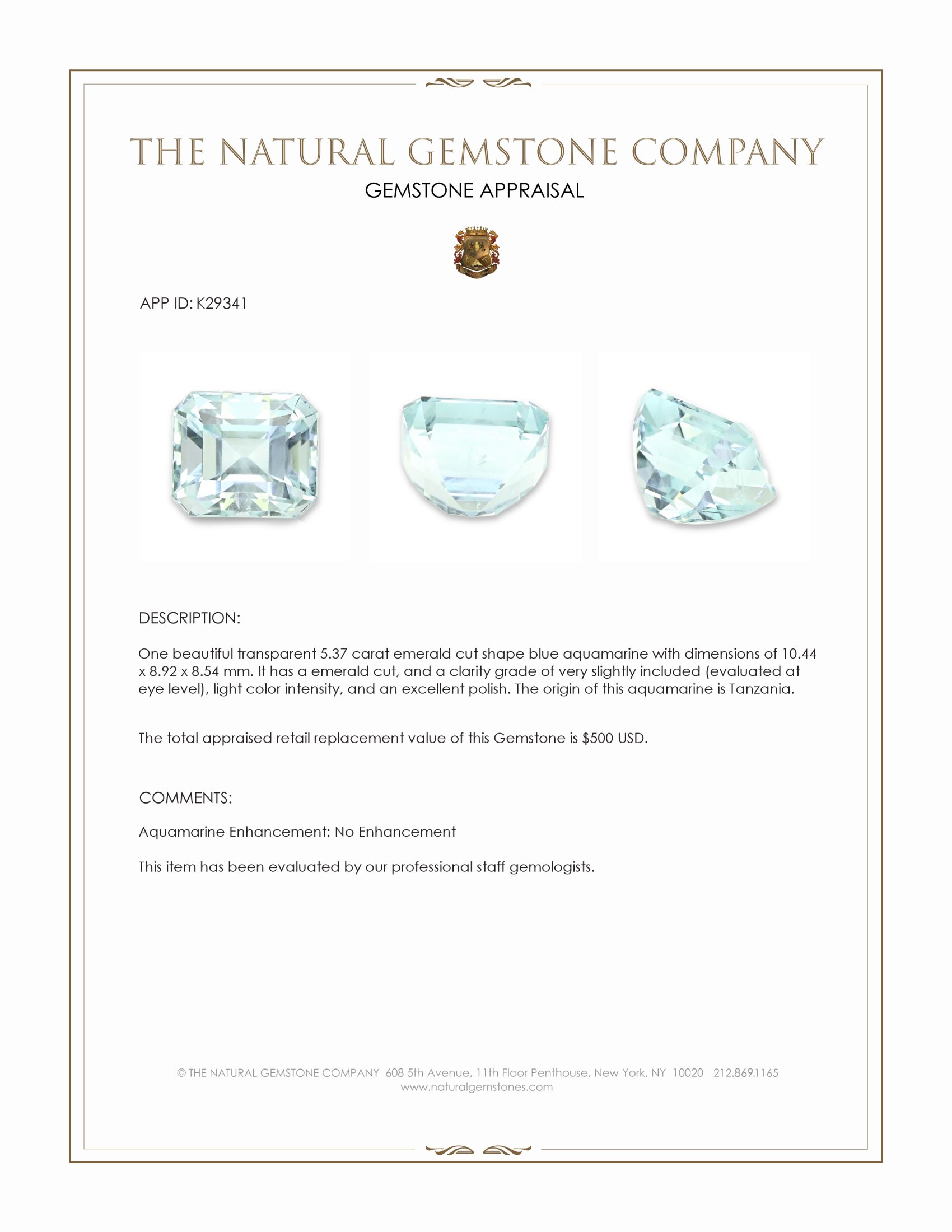
5.37 Ct. Blue Aquamarine from Tanzania
This loose stone ships by Sep 28
Item ID: | K29341 |
|---|---|
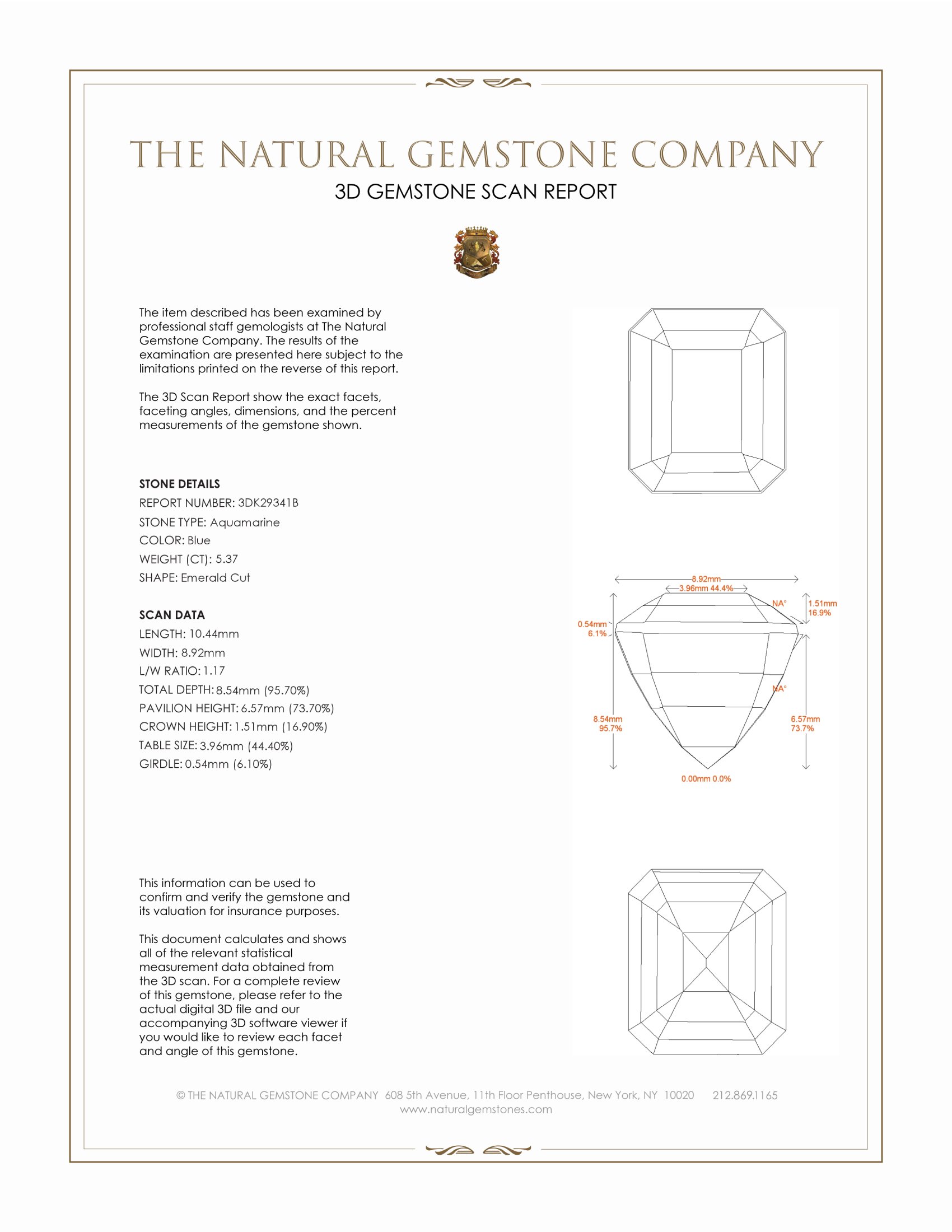
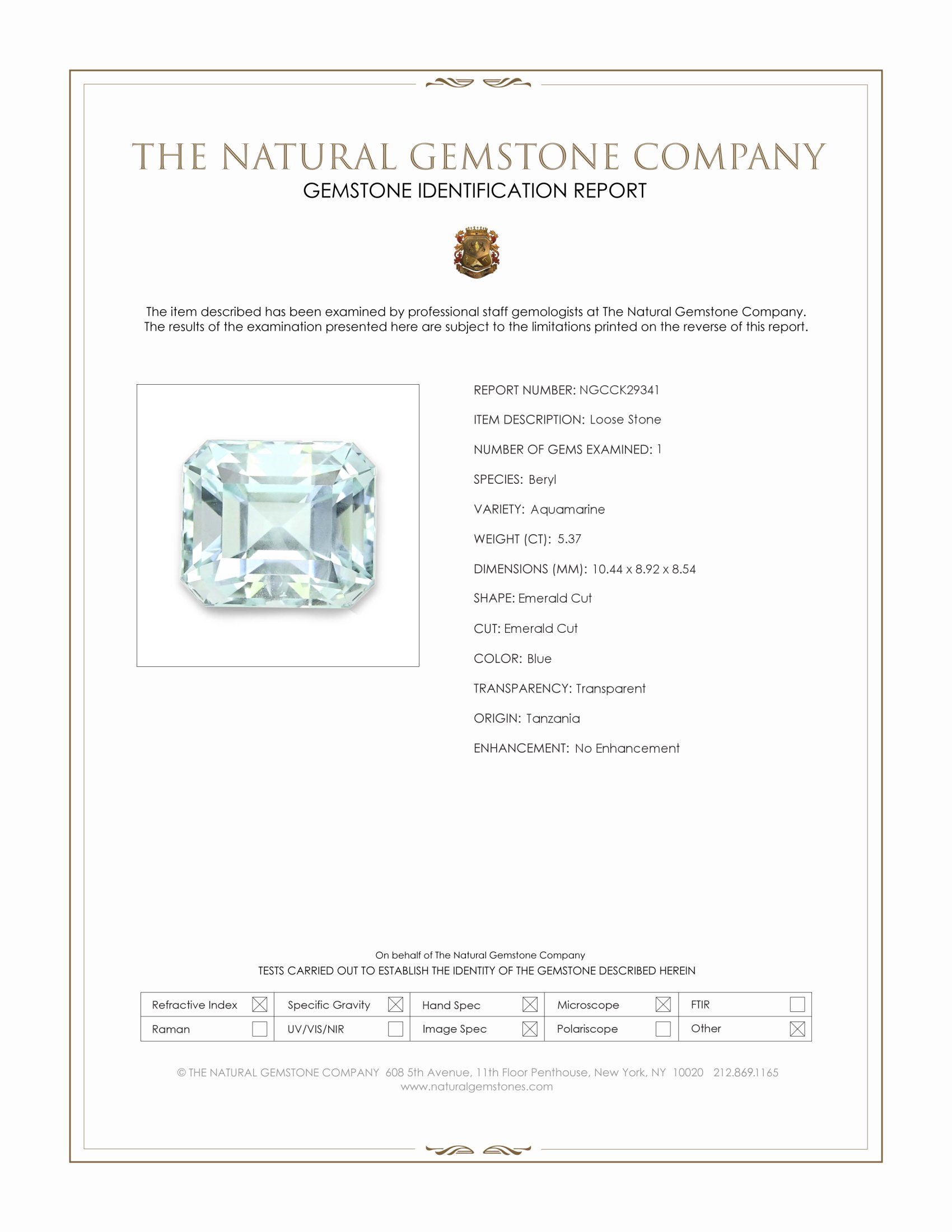
Dimensions (MM): help | Length: 10.44 Width: 8.92 Height: 8.54 |
Weight: | 5.37 Ct. |
Color: help | Blue |
Color intensity: help | Light |
Clarity: help | Very Slightly Included |
Shape: help | Emerald Cut |
Cut: | Emerald Cut |
Cutting style: | Faceted |
Enhancements: help | No Enhancement |
Origin: help | Tanzania |
Per carat price: help | $93 |
This exceptional blue aquamarine is a transparent, well proportioned gem weighing 5.37 carats, presented in an emerald cut that measures 10.44 x 8.92 x 8.54 millimeters. The cutting style is faceted, with the hallmark step facets of an emerald cut that create a broad table and crisp light planes, enhancing the stone's internal clarity and delivering a serene, watery brilliance. The color intensity is light, in a classic sea blue that is immediately recognizable as aquamarine, and the polish has been judged excellent, producing mirror like facet surfaces and crisp facet junctions. The clarity grade is very slightly included, evaluated at eye level, and these minor inclusions do not detract from the gem's overall transparency or visual appeal. Importantly, this specimen has undergone no enhancement, the color and clarity are entirely natural, and the material originates from Tanzania, a source that has yielded attractive beryl specimens in recent years.
For the informed buyer, each of these attributes is significant, and understanding them helps explain the stone's value. The emerald cut is a judicious choice for a gem with this clarity grade, because its step facets emphasize the purity of the crystal and allow the viewer to appreciate the internal character of the stone without the distraction of excessive sparkle. A very slightly included grade, when assessed at eye level, indicates inclusions that are small and not readily seen with unaided vision, which preserves both aesthetic quality and desirability. The light color intensity is typical of fine aquamarine, and while darker saturation can command premiums in some gemstones, a refined, pale sea blue is prized for its elegance and versatility. The excellent polish contributes directly to the gem's face up brightness, because well finished facets reflect light cleanly and create a broad, tranquil glow rather than a fragmented scintillation.
The fact that this aquamarine is unenhanced is a central point in its appeal to collectors and to buyers who prioritize natural state material. Many aquamarines on the market are heat treated to modify green tones or to deepen blue, and while such treatments are widely accepted in the trade, an untreated stone carries a premium for those who prefer original, complete provenance. Tanzanian origin is an important part of the story, because provenance informs rarity, geological character, and desirability among connoisseurs. From a practical perspective, aquamarine is a durable gem for everyday wear with a hardness near 7.5 to 8 on the Mohs scale, and a well cut, well polished emerald cut of this size will sit beautifully in a variety of settings, including solitaire rings, halo rings that add visual weight without overwhelming the color, and bespoke pendants that showcase the table and step facets.
Owning this 5.37 carat emerald cut aquamarine is an investment in both beauty and craftsmanship, because it pairs a naturally attractive material with precision cutting and a commitment to unenhanced, responsibly sourced gemstones. For an educated buyer, this stone represents a confluence of desirable factors, including significant carat weight for aquamarine, eye level clarity described as very slightly included, an elegant and enduring emerald cut, excellent polish, and documented unenhanced origin from Tanzania. Fashionable yet timeless, this aquamarine adapts to understated daily wear and to elevated, formal jewelry designs, ensuring that its aesthetic value persists across trends. The Natural Gemstone Company stands behind the heritage and quality of this stone, and we present it as a piece that rewards both visual enjoyment and long term stewardship, an object that can be passed down as an heirloom while remaining a tasteful, wearable expression of refined taste.


