
- Stone18
- Reports3

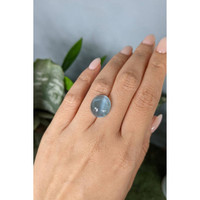
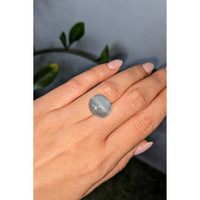
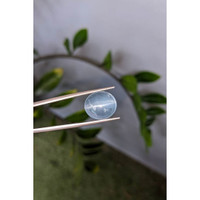
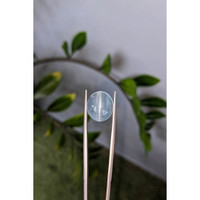

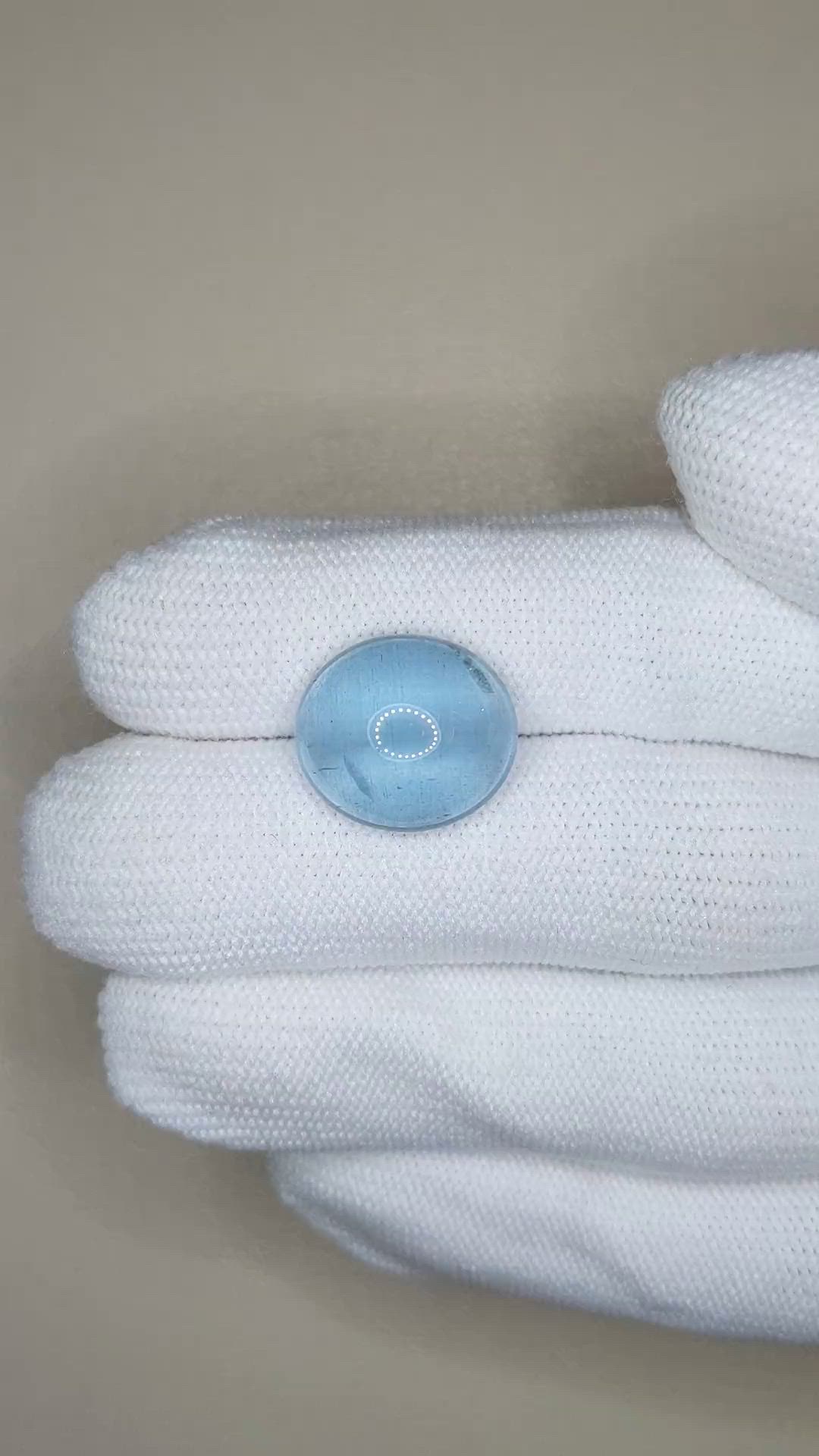
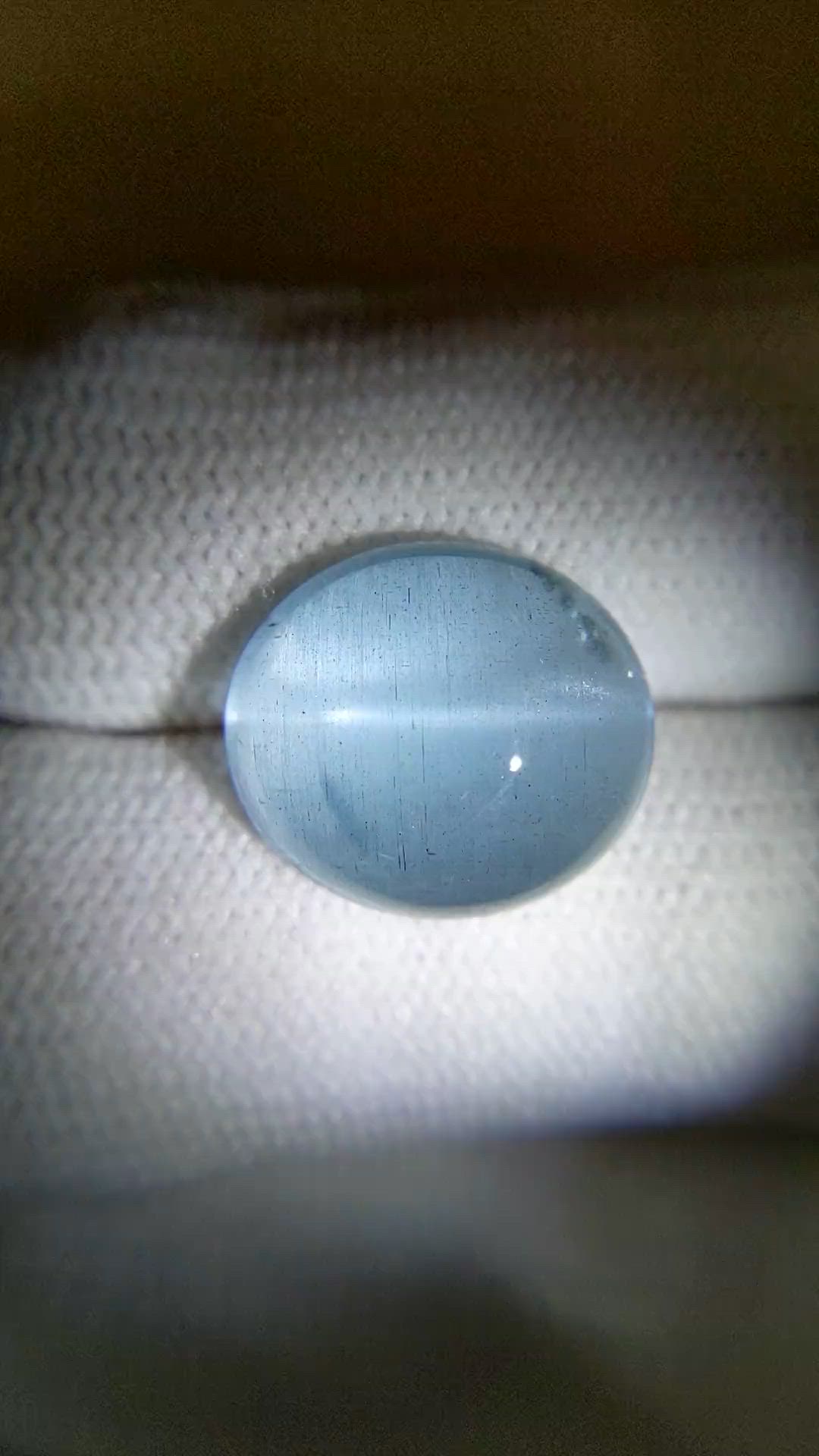
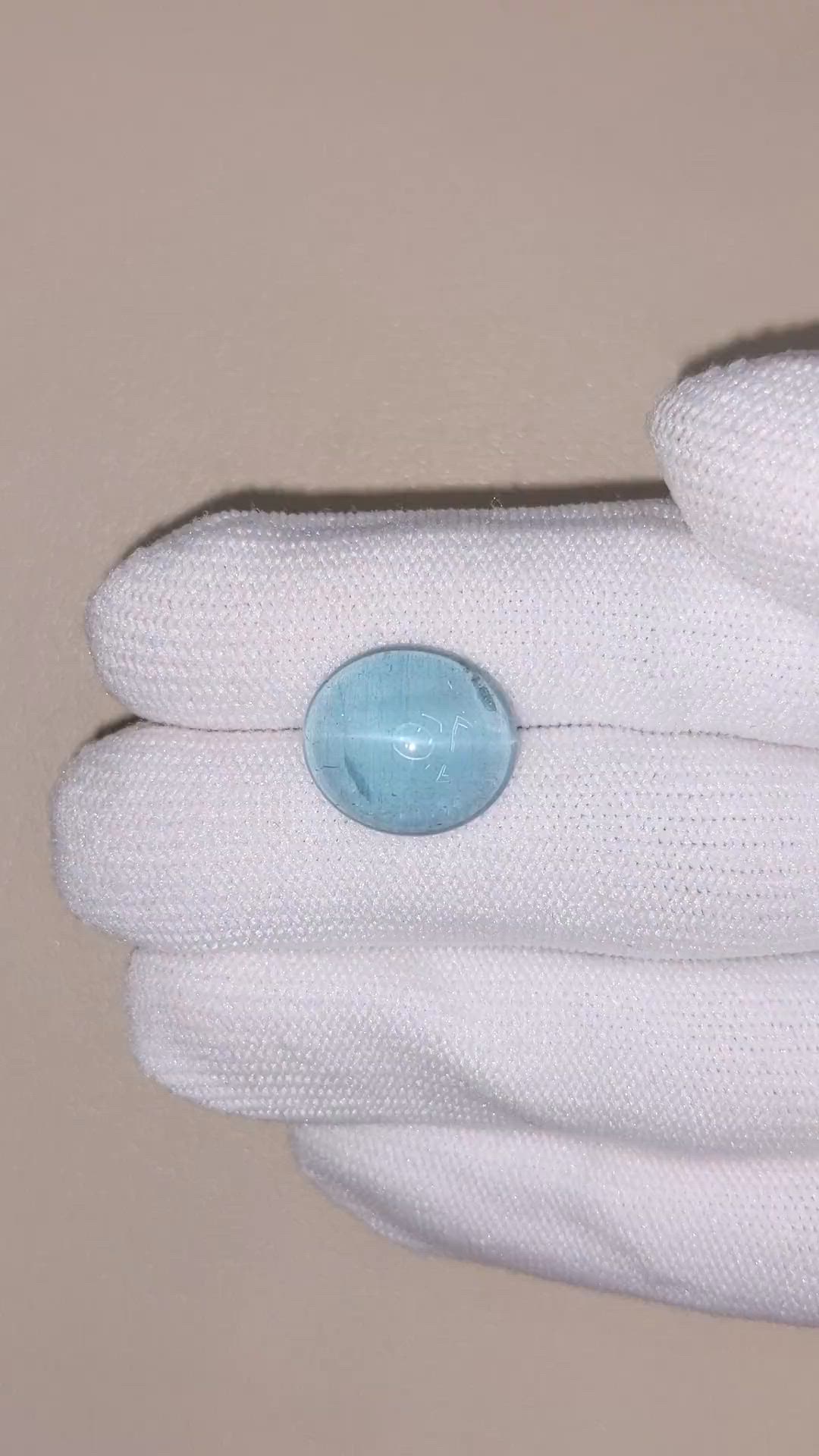
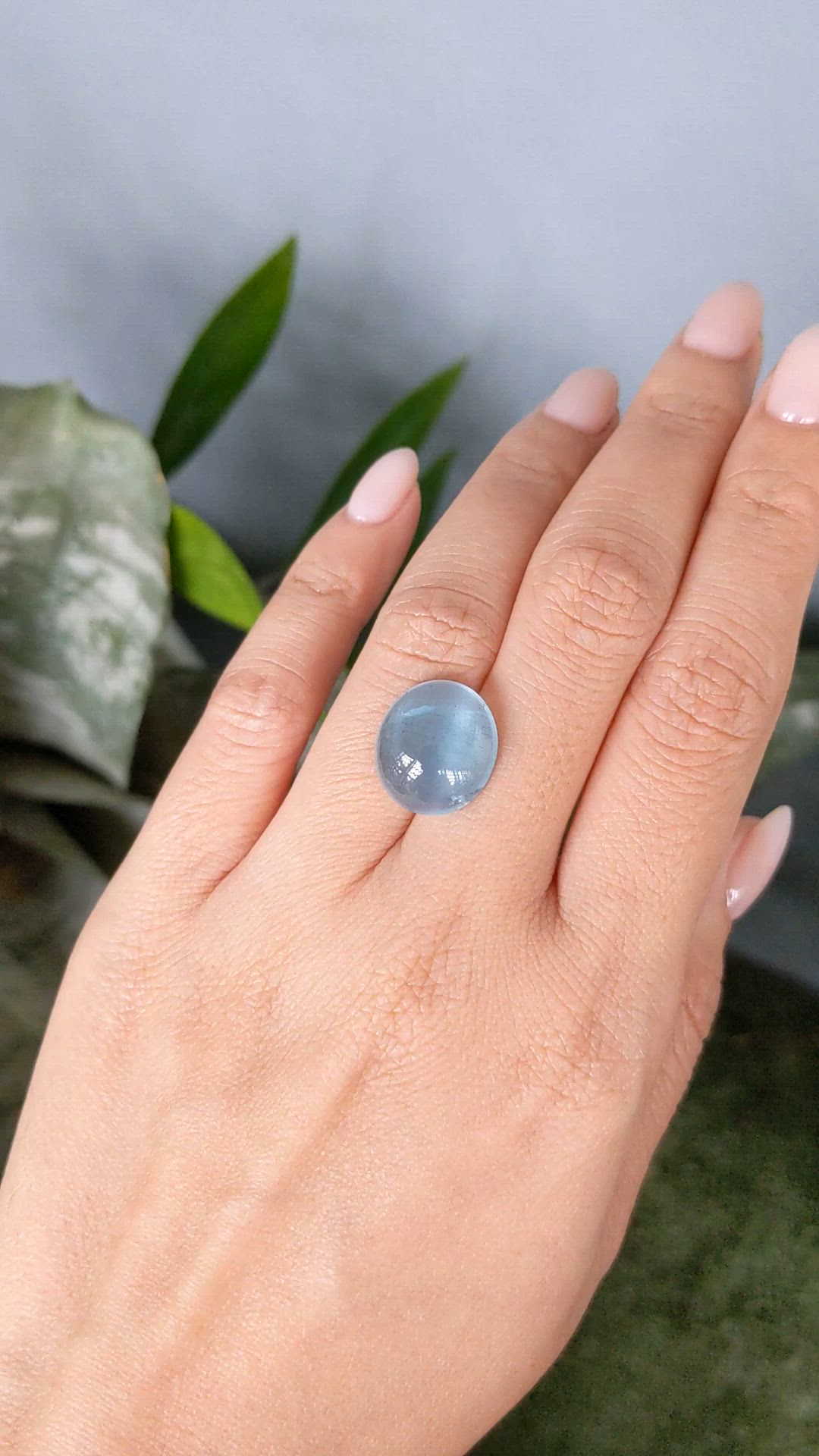
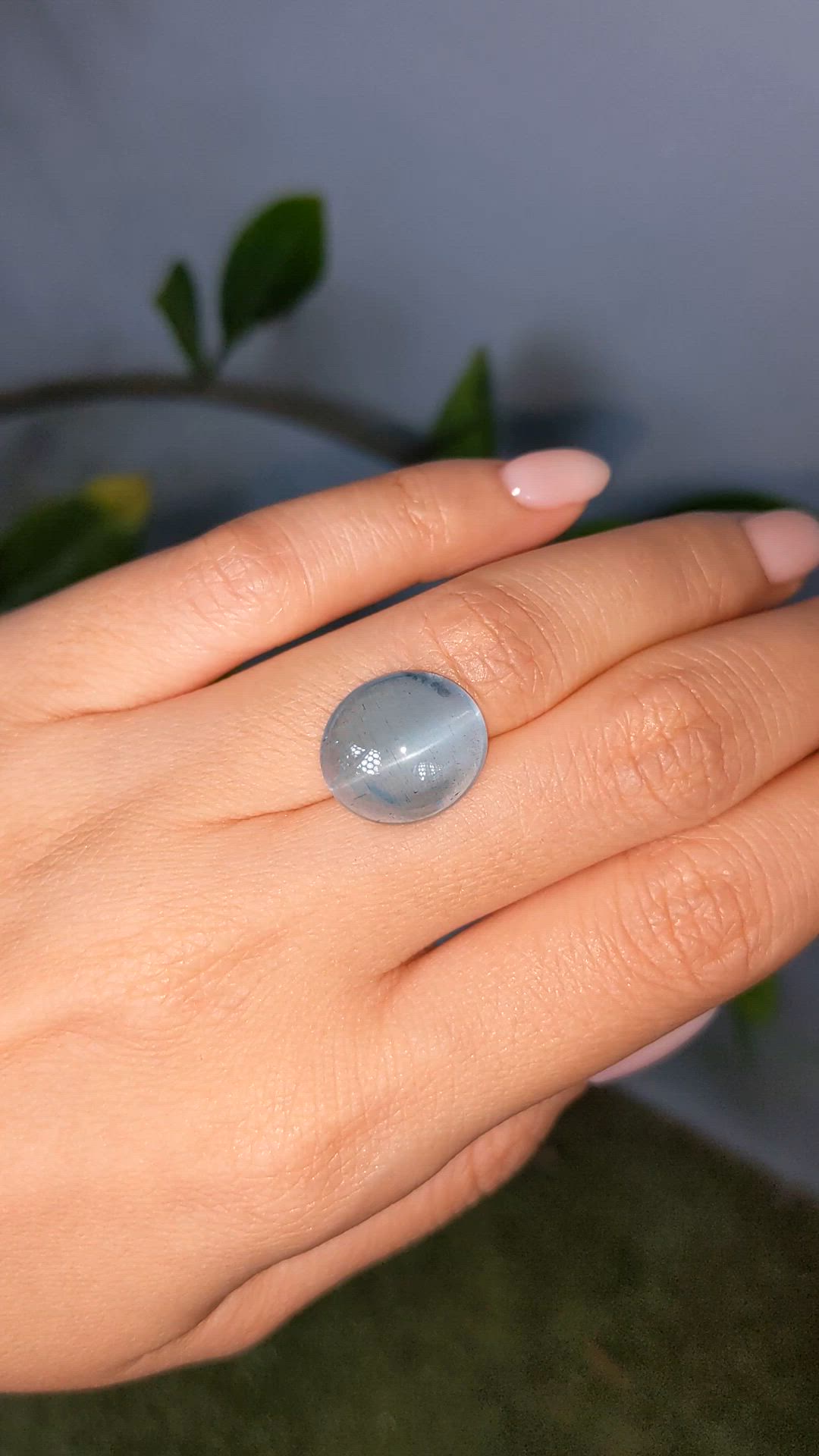
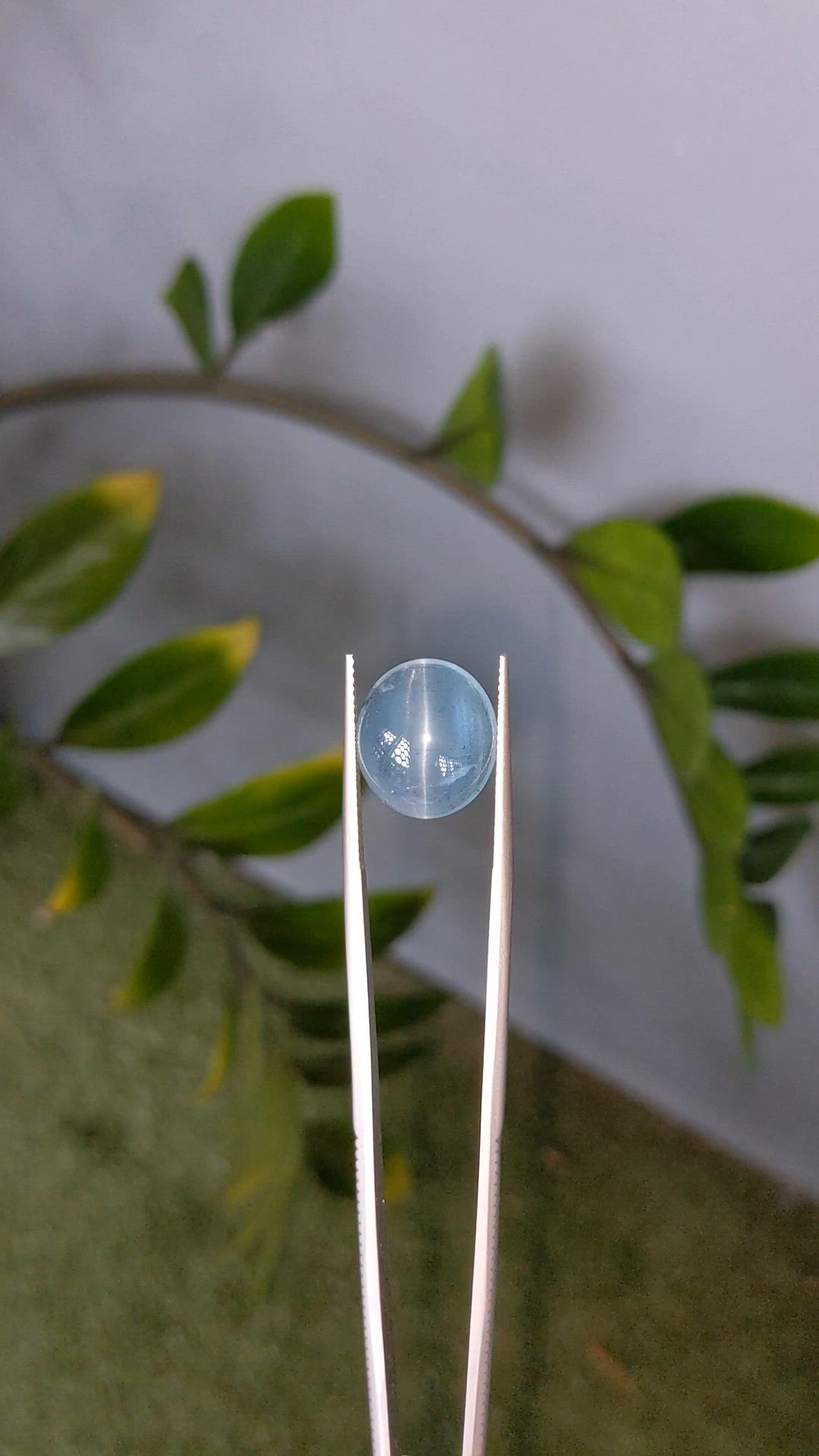
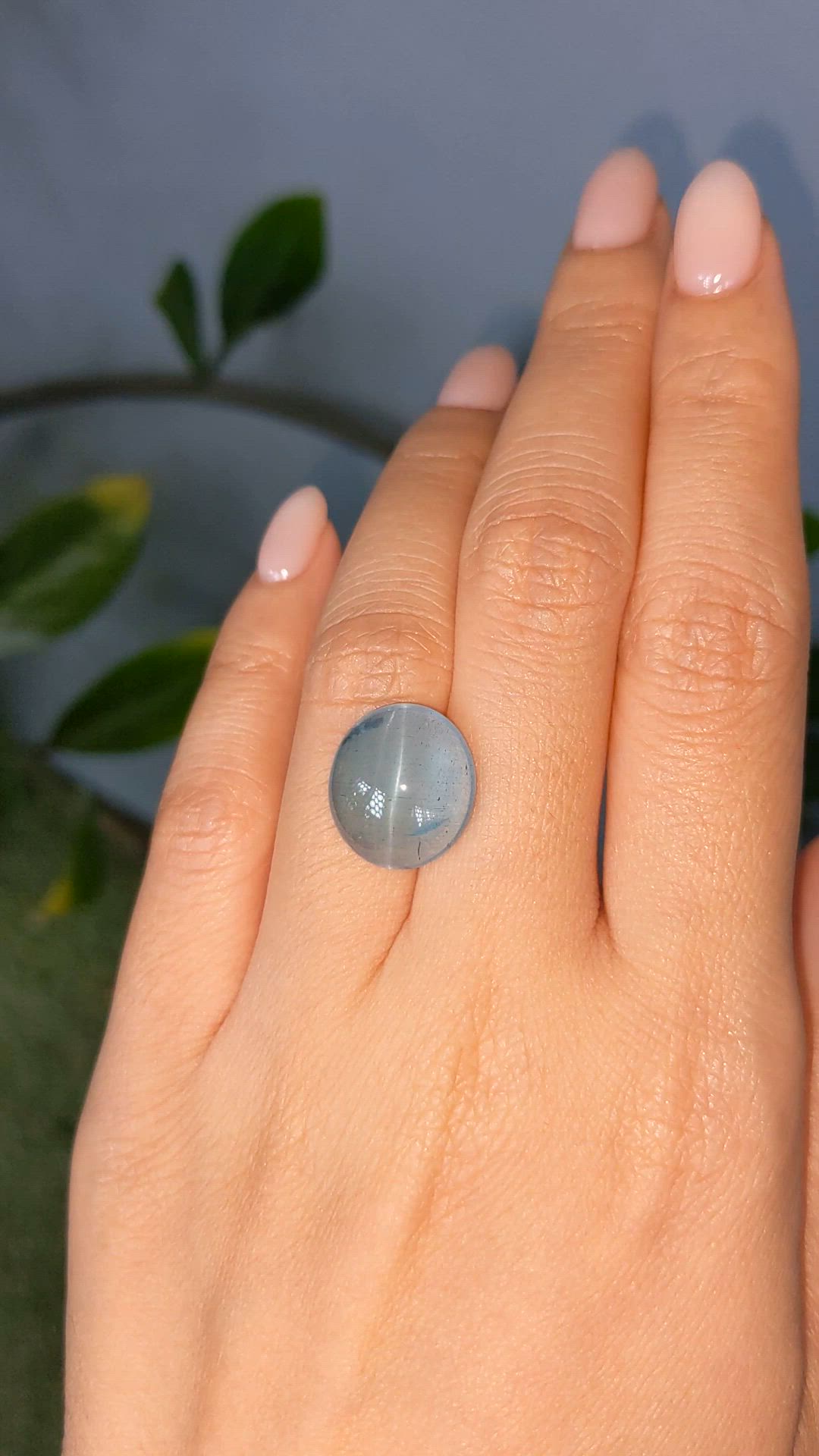



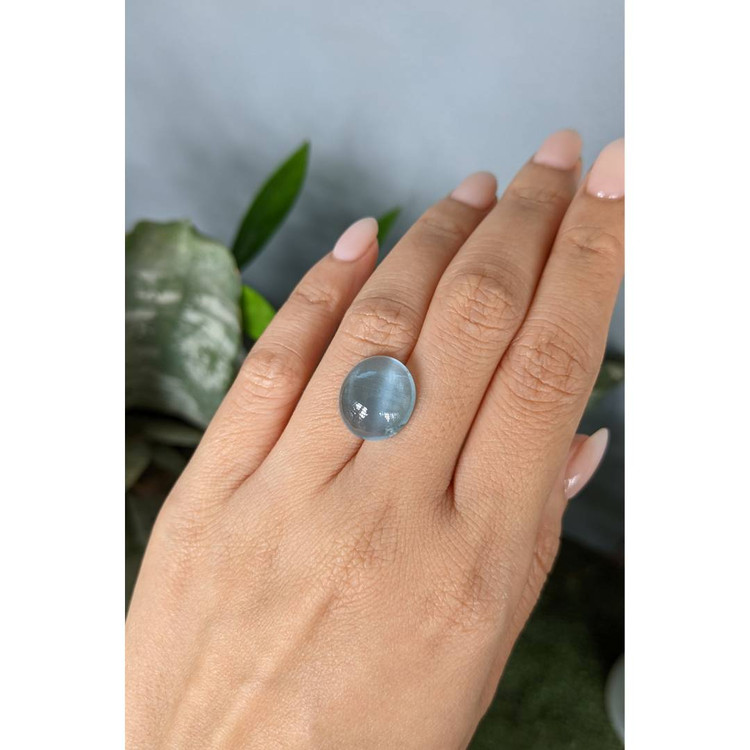
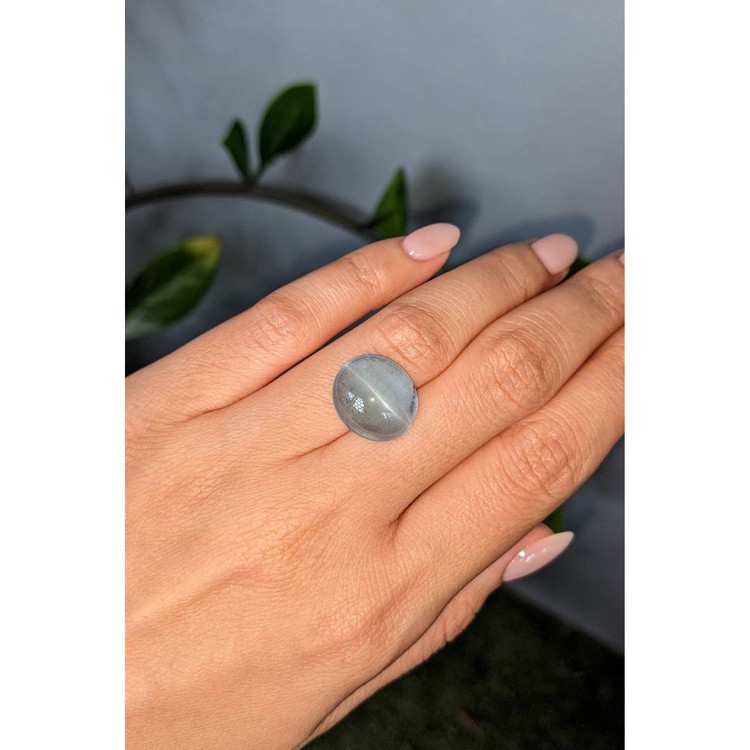
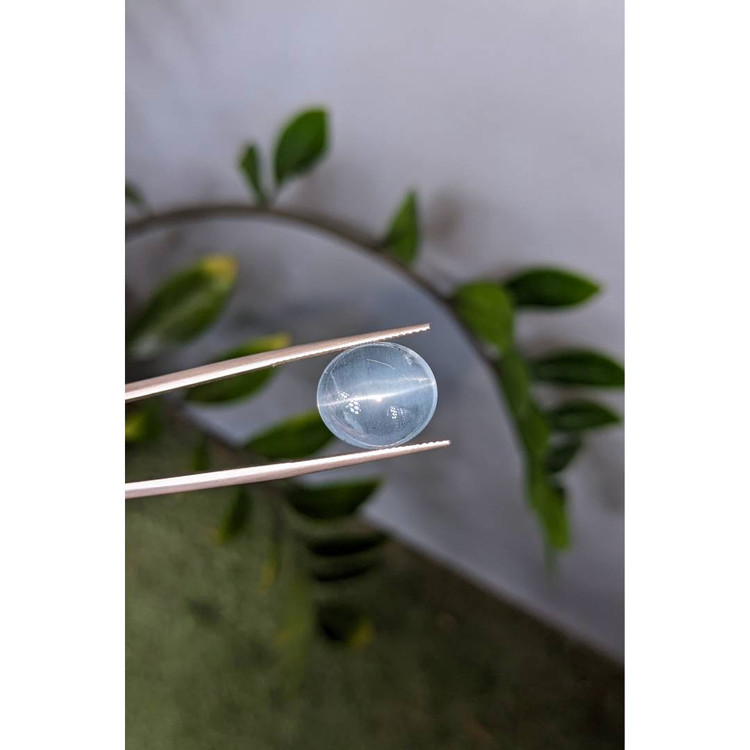
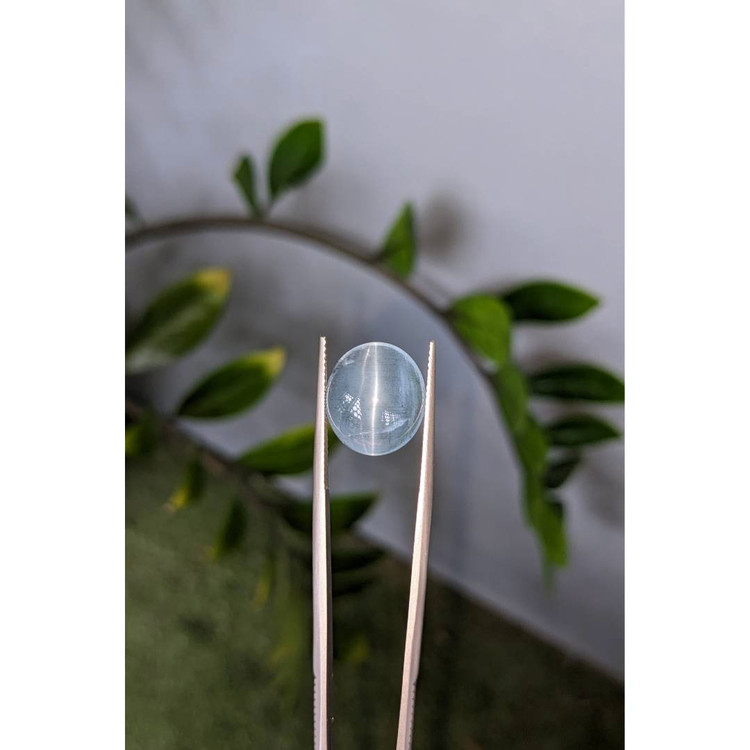


9.34 Ct. Blue Cabochon Aquamarine from Madagascar
This loose stone ships by Oct 24
Item ID: | K27717 |
|---|---|
Dimensions (MM): help | Length: 15.26 Width: 13.53 Height: 6.47 |
Weight: | 9.34 Ct. |
Color: help | Blue |
Color intensity: help | Medium |
Clarity: help | Included |
Shape: help | Oval |
Cut: | Cabochon |
Cutting style: | Cabochon |
Enhancements: help | No Enhancement |
Origin: help | Madagascar |
Per carat price: help | $120 |
This single translucent blue aquamarine is a substantial and characterful specimen, weighing 9.34 carats and measuring 15.26 by 13.53 by 6.47 millimeters in an elegant oval outline. Cut as a cabochon, the stone presents a soft, even dome that emphasizes a gentle, icy-blue body color with medium color intensity and a luminous internal glow. The gem is unheated and unenhanced, a noteworthy attribute for collectors and connoisseurs, and it displays an excellent polish that maximizes surface luster and the pleasing satiny effect a cabochon cut can produce. With a depth that sits at roughly 44 to 45 percent of the average of its length and width, this aquamarine retains good volume for its carat weight, translating to a presence that reads larger on the finger or as a pendant focal point than faceted equivalents of similar weight.
Clarity is graded as included at eye level, which in practical terms means there are visible internal features when examined unaided. In the images and in hand the inclusions appear as fine needle-like and small pinpoint mineral traces and occasional localized dark specks, typical growth and mineralogy features for natural beryl from Madagascar. Rather than detracting from the gem’s value, these inclusions serve as verifiable evidence of a natural, untreated origin, and they lend an organic character that many collectors prize. From a gemological standpoint aquamarine is a variety of beryl with a refractive index and toughness that make it suitable for everyday wear when set securely; its Mohs hardness of approximately 7.5 to 8 provides good resistance to abrasion but does benefit from protective bezel or low-profile settings to reduce the risk of knocks to the domed surface. Importantly, this piece is free of heat treatment or other enhancements, a condition that increases its desirability for buyers who value provenance and natural state over treated color corrections commonly applied to aquamarine.
When imagining this cabochon in a custom piece, consider design strategies that both protect the stone and showcase its cool, translucent blue. A bezel or collet setting in white gold or platinum will complement the stone’s icy tone and provide secure edge protection while allowing the dome to read clearly; alternatively, warm metals such as yellow or rose gold can introduce a deliberate contrast that warms the overall appearance and highlights the blue through complementary color theory. For gemstone pairings, a flush halo of small brilliant-cut white diamonds will amplify perceived brightness and create a classic, high-contrast frame that draws the eye to the soft blue of the cabochon. For more colorful configurations, pair this aquamarine with small round tsavorites or demantoid garnets for a fresh blue-green palette, or introduce peachy morganite and pink sapphires for a soft, romantic triad that accentuates the stone’s lighter tonal range. Deep blue sapphires set as accent shoulders or side stones will create a tone-on-tone richness ideal for cocktail rings, while a single row of graduated baguette diamonds can lend a sleek, architectural profile to a masculine cufflink or signet-style pendant.
From a collector and buyer perspective this aquamarine from Madagascar represents a balance of size, natural origin, and artisanal finishing that makes it well suited to bespoke jewelry. Madagascar is an established and increasingly respected locality for beryl, producing stones with clear, cool blues and interesting internal character; the absence of enhancement here is a clear point of provenance and adds measurable premium in the market compared to heat-treated material. The cabochon cut gives designers and clients a versatile canvas: it can be rendered into a protective everyday ring, a luminous pendant designed to move and catch diffused light, or a statement brooch where the internal inclusions become a deliberate part of the aesthetic. For care, treat the piece as you would any fine beryl: avoid harsh blows, limit exposure to strong chemicals, and when cleaning use warm soapy water and a soft brush or a gentle professional ultrasonication only after consultation, given the visibility of inclusions. If you would like to explore custom mounting options or request additional high-resolution views to assess inclusion patterns more closely, The Natural Gemstone Company can provide tailored recommendations and CAD-backed design mock-ups to ensure the final setting protects the stone while achieving the visual impact you seek.


