
Best Time to View Gemstones
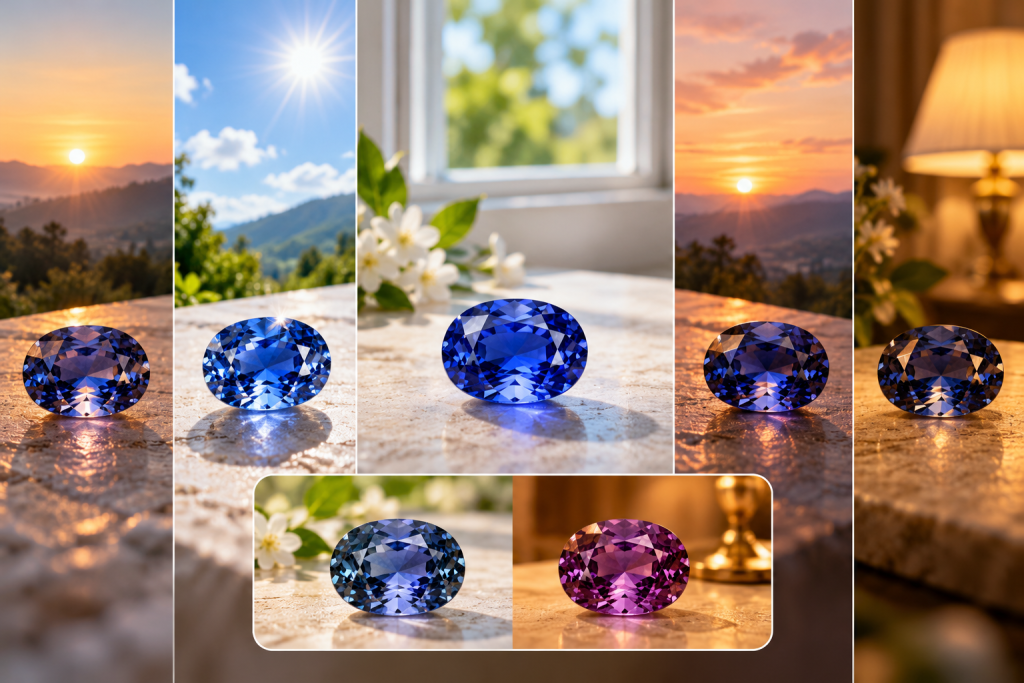
When is the best time to view gemstones? The best time is late morning to early afternoon, in diffused daylight such as light from a window that gets no direct sun or from a lightly overcast sky, because that light is balanced and shows body color evenly. Early morning, late afternoon and evening light is warmer and makes most gems look warmer and darker, and direct midday sun is better for seeing sparkle than for judging color. For color-change stones, always check both daylight and warm indoor light.
Why Lighting Changes How a Gem Looks
A colored gemstone’s color comes from the wavelengths it absorbs and the wavelengths it lets through, and different light sources supply different balances of them. Daylight is broad but shifts with the time of day, weather and season, warm-white and incandescent light is richer in red and yellow, and cool-white LEDs and fluorescent light often contain more blue. The stone has not changed; what reaches your eye has. For a close look at how one gem, emerald, responds to each source, see How Light Changes the Appearance of an Emerald.
The Best Time of Day to View Gemstones
Late Morning to Early Afternoon, in Diffused Daylight
Many gem professionals prefer to judge color in diffused daylight around the middle of the day, when the light is relatively balanced. “Diffused” is the key word. Light from a window that does not receive direct sun, traditionally a north-facing window in the Northern Hemisphere (south-facing in the Southern Hemisphere), or light on a lightly overcast day, is ideal.
This kind of light reveals body color evenly without harsh reflections or deep shadows.
Early Morning and Late Afternoon
Near sunrise and sunset, daylight passes through more atmosphere and takes on a warmer, more golden quality. Gems may look warmer than they really are: blues can appear slightly greener or grayer, and reds can look more orangy. This light is beautiful for enjoying jewelry, but less reliable for judging color.
Direct Midday Sun
Bright direct sunlight creates dramatic sparkle and fire, especially in diamonds and well-cut colored gems. It also produces strong reflections and can make some colored stones look lighter. It is excellent for seeing brilliance, but not ideal for judging color.
Evening and Night
Indoors at night, most lighting is artificial and often warm. Gems typically look darker and warmer. It is important to see a stone under evening lighting if you plan to wear it to dinners or events, but daylight remains the better reference.
How Weather and Season Play a Role
Cloud cover softens and evens out light, which can be helpful for judging color. Very heavy clouds, however, reduce overall brightness and may make stones look darker.
Seasons and latitude also influence the angle and quality of daylight. If you live somewhere with long winters or limited daylight, viewing near a bright window at midday becomes even more important.
Gemstones That Change With Light
Some gems are particularly sensitive to lighting.
Color-Change Gems
Alexandrite, a variety of chrysoberyl, is famous for appearing greenish in daylight and reddish or purplish under incandescent light. Some sapphires, garnets, and other gems can also show color change. With these stones, seeing them in both types of light is essential.
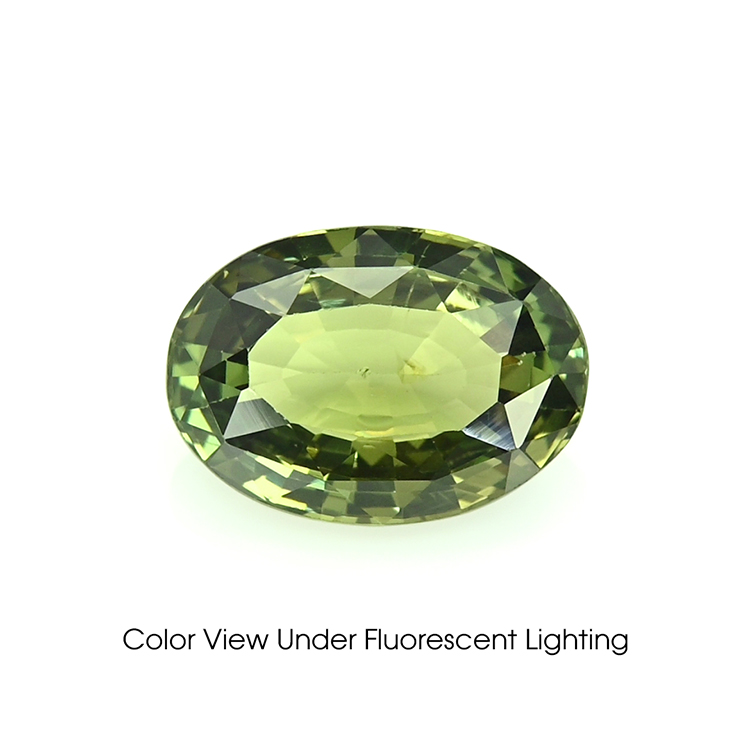
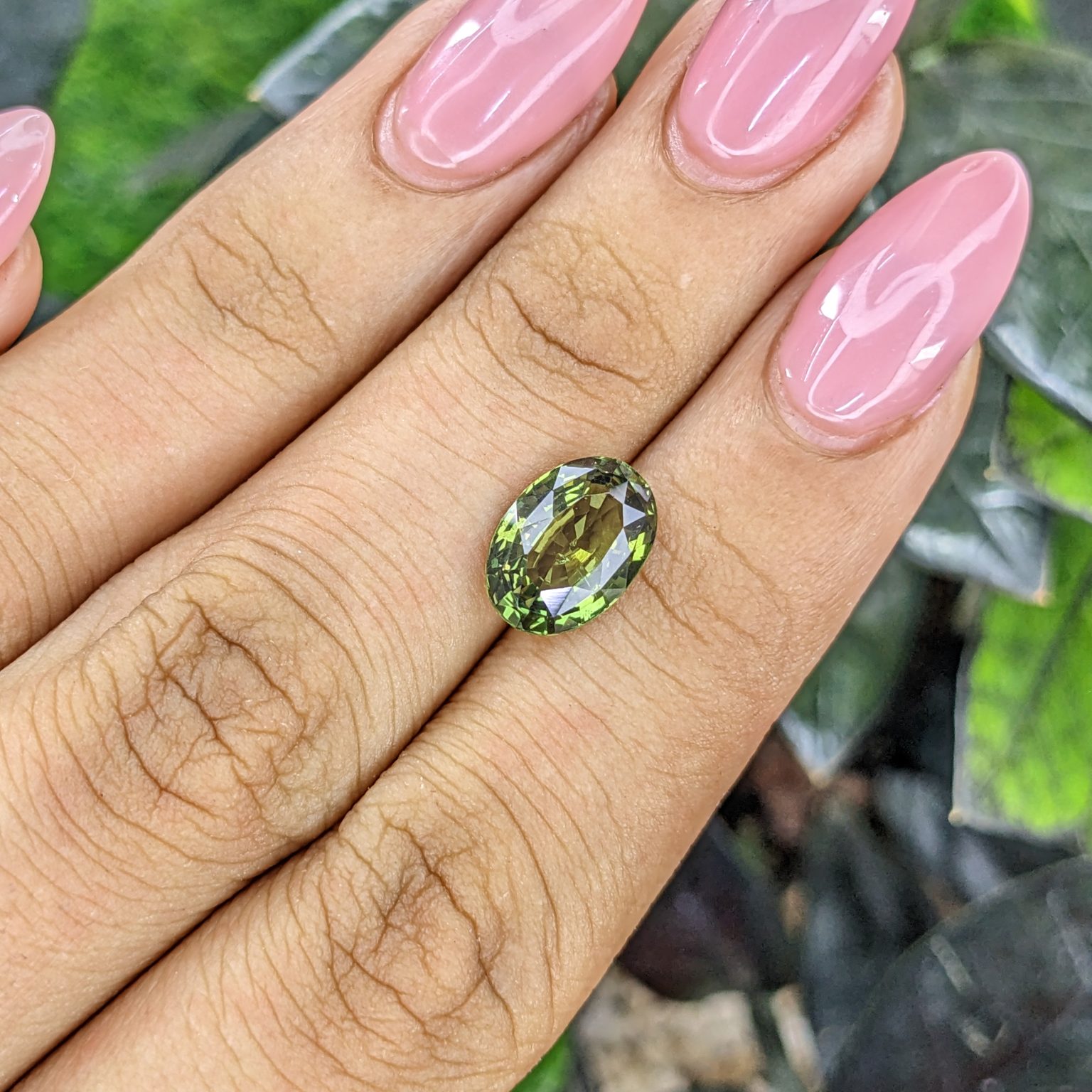
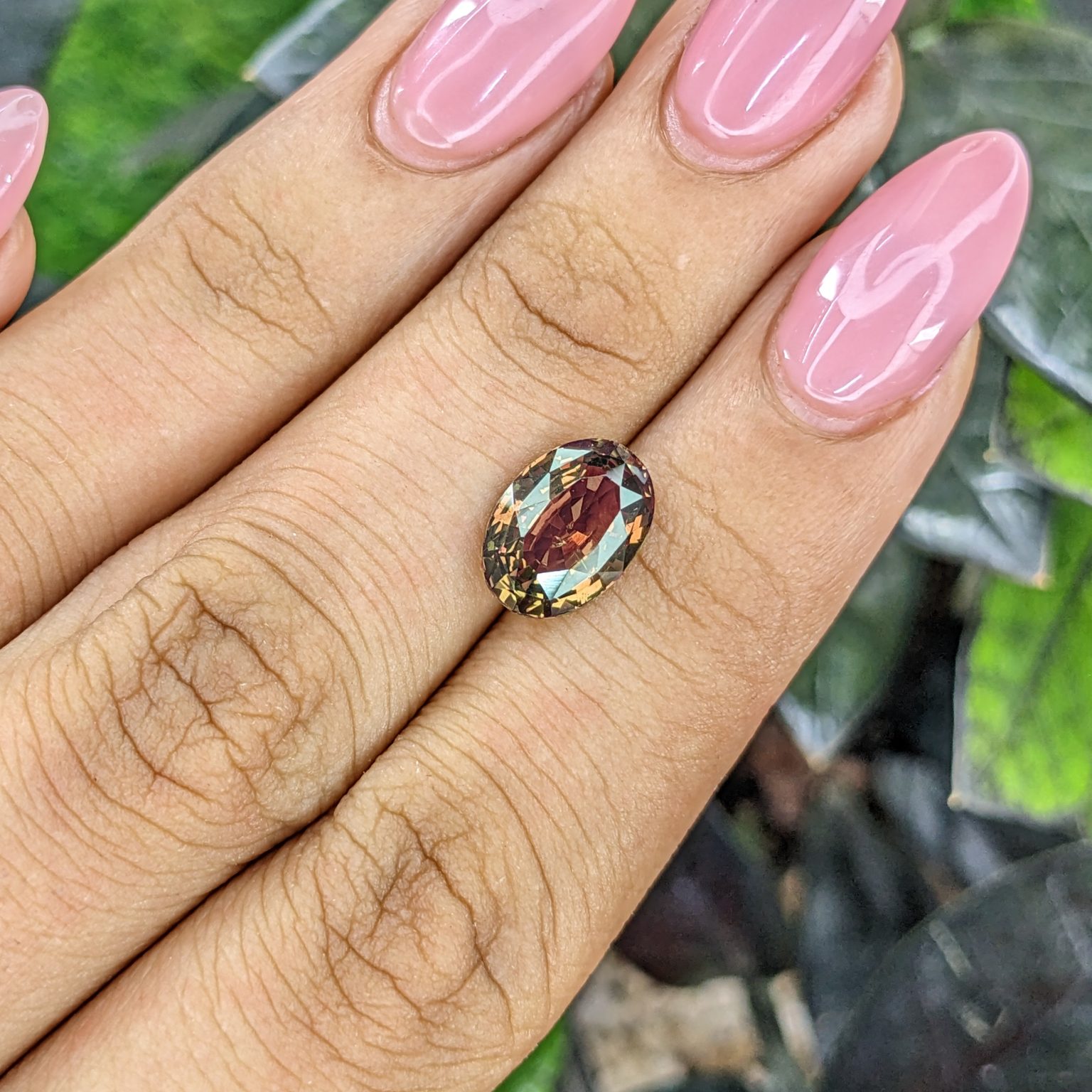
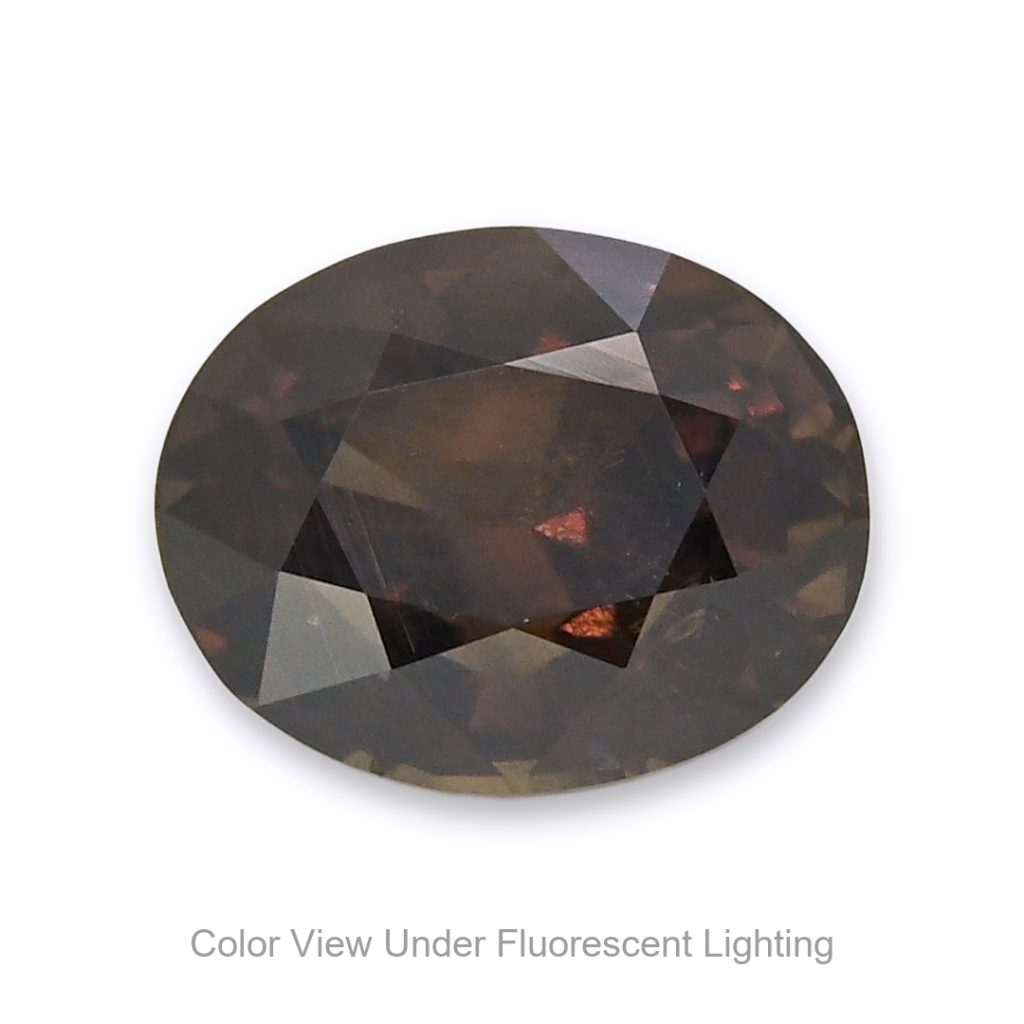
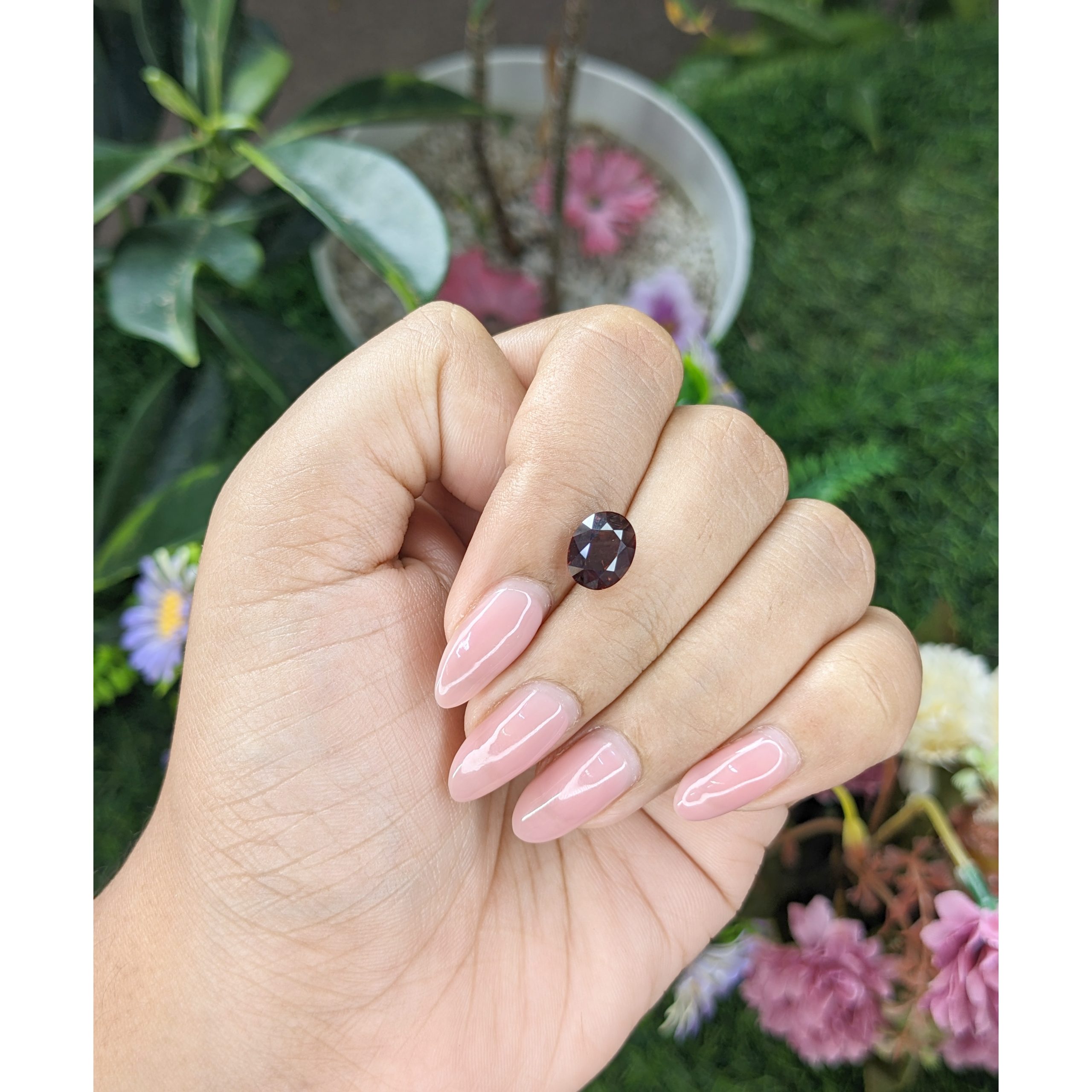
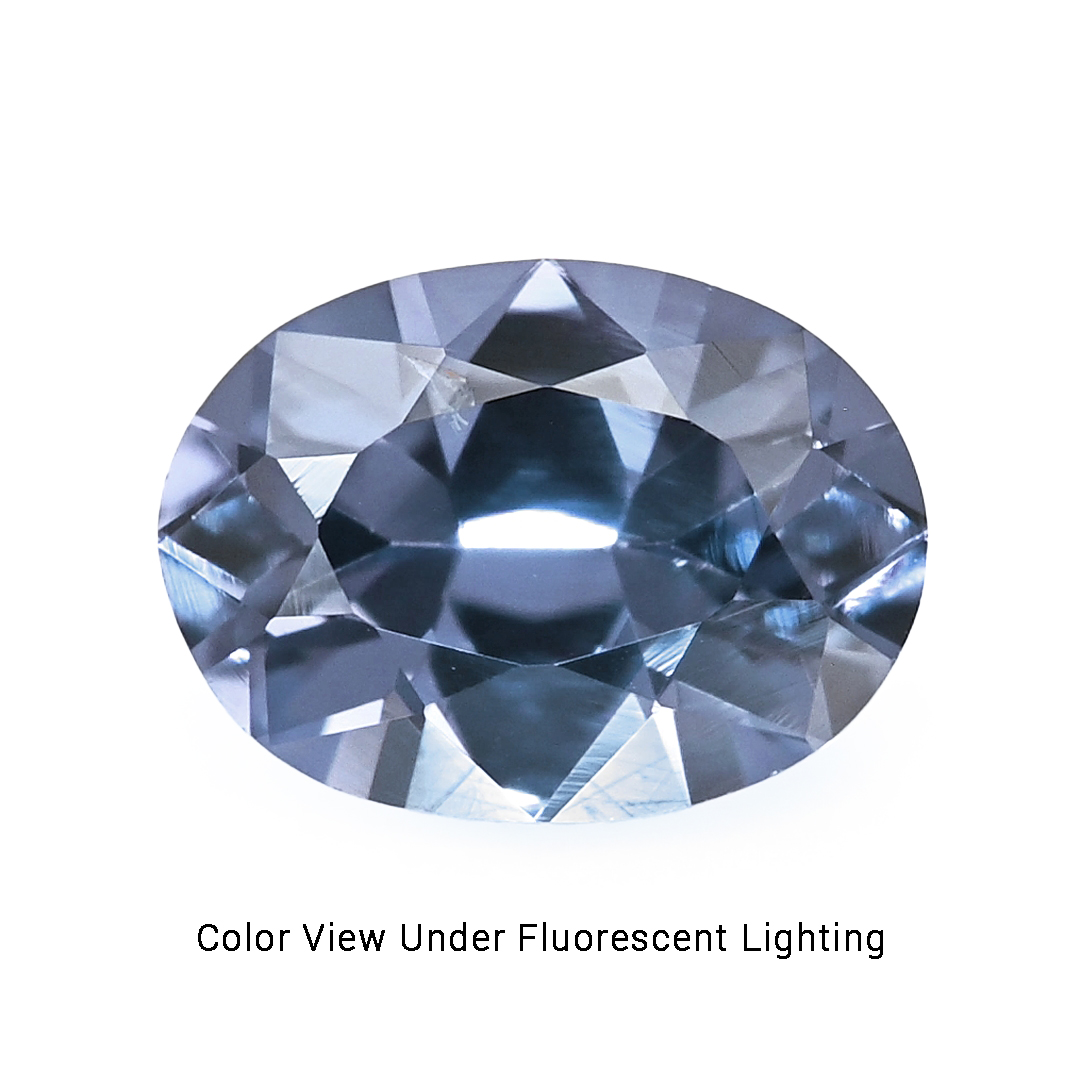
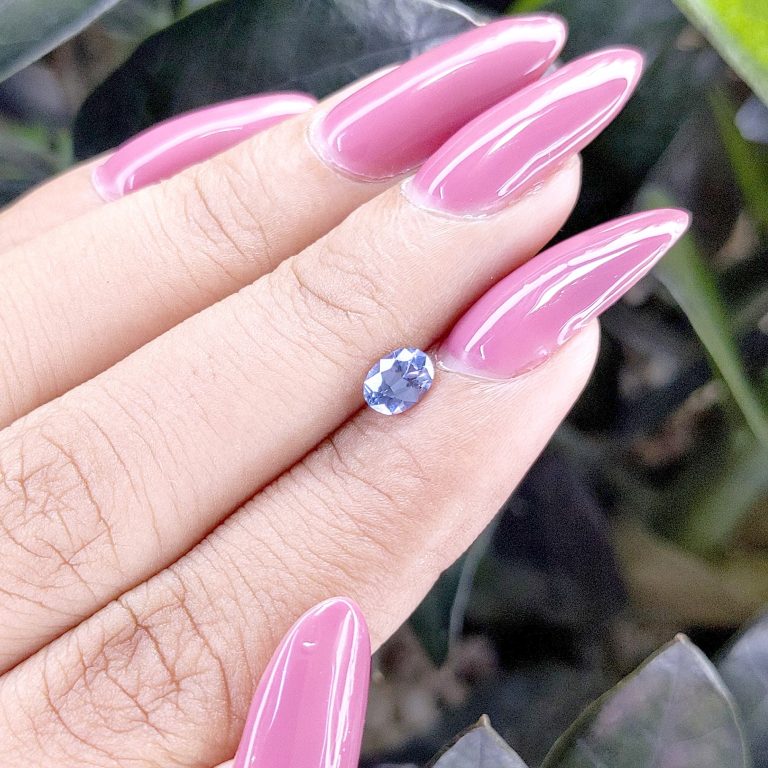
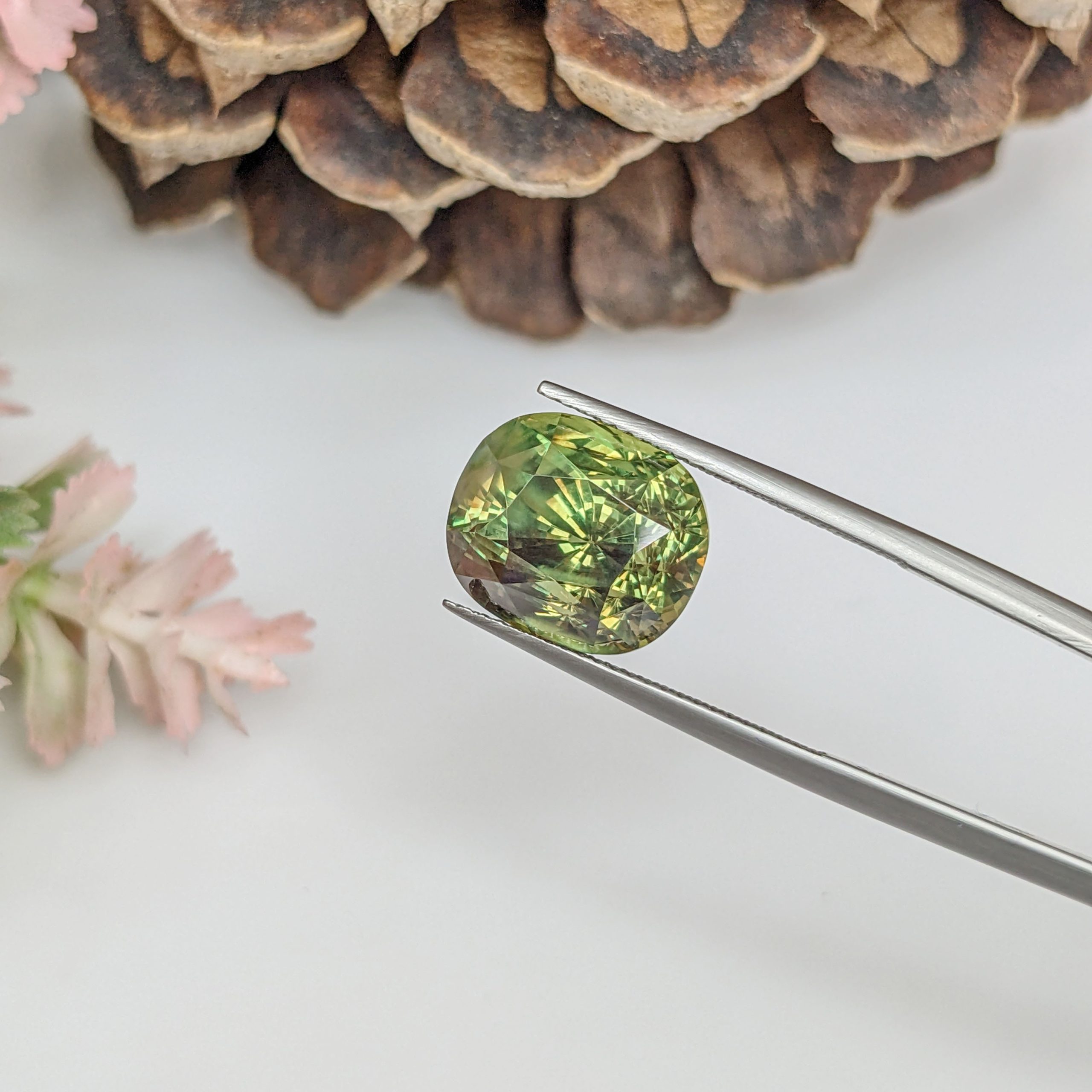
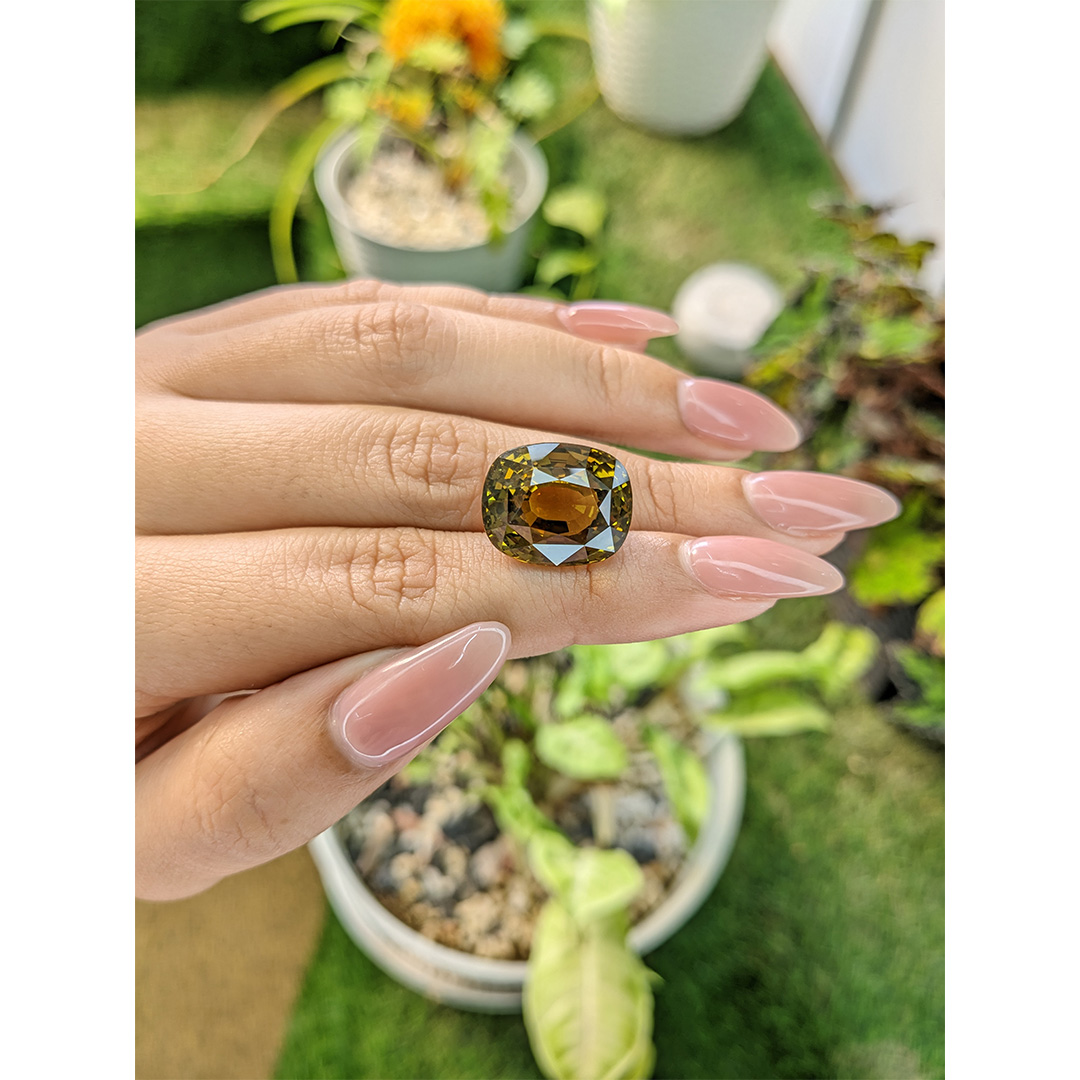
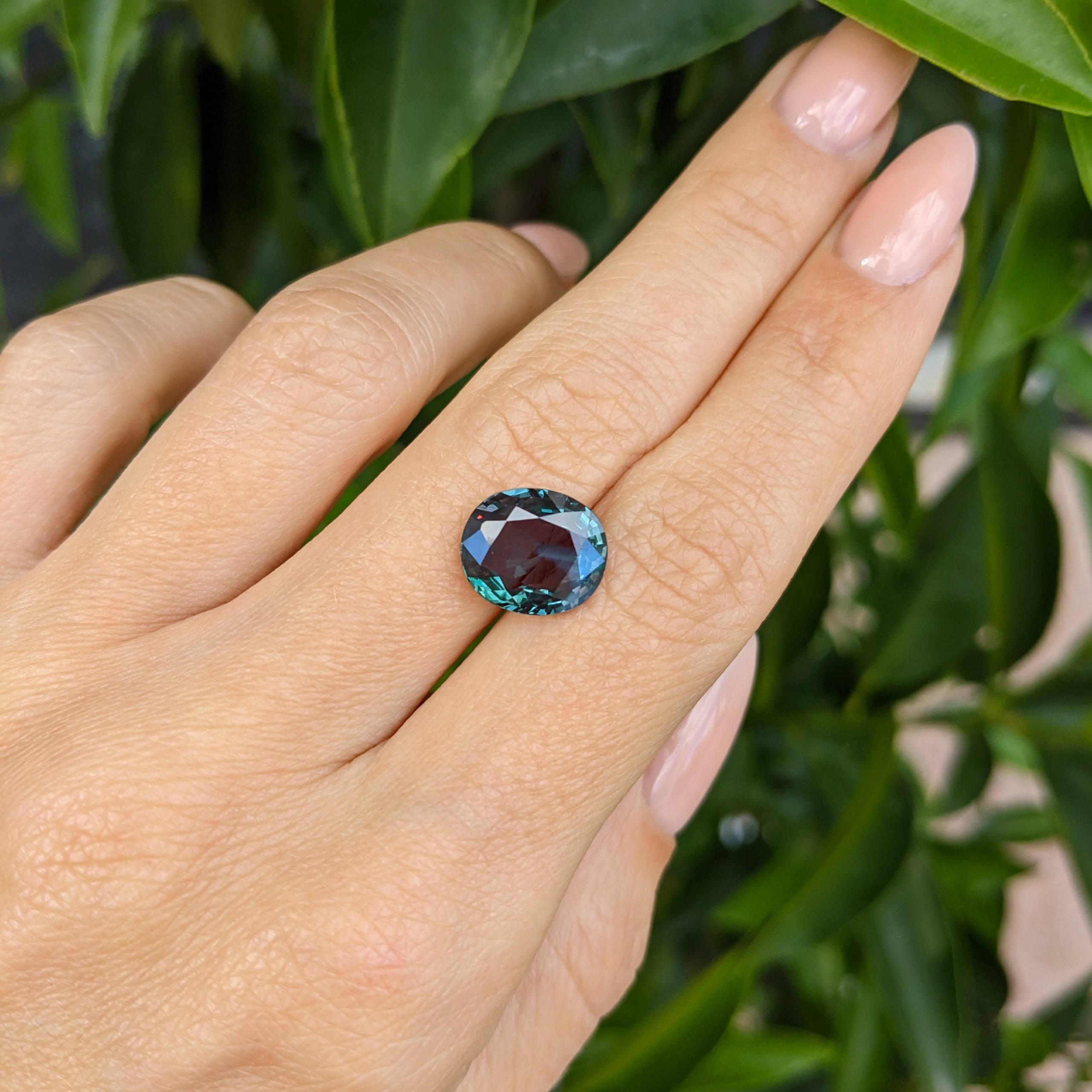
Our inventory shows how this plays out. The 3.50 ct Madagascar alexandrite K13217 is listed as “Greenish to Orangish” with No Enhancement, and its on-hand photos show it green in one image and reddish brown in another, on the same hand. The 1.34 ct Madagascar alexandrite K13161 shares that color description, and the 10.66 ct Madagascar alexandrite K4776 is listed as “Yellowish Green to Purplish Brown.” Color change is not limited to alexandrite: the 3.29 ct Tanzanian color-change garnet K22706 and the 0.48 ct Ceylon color-change spinel K19066 are both listed as Color Change with No Enhancement.
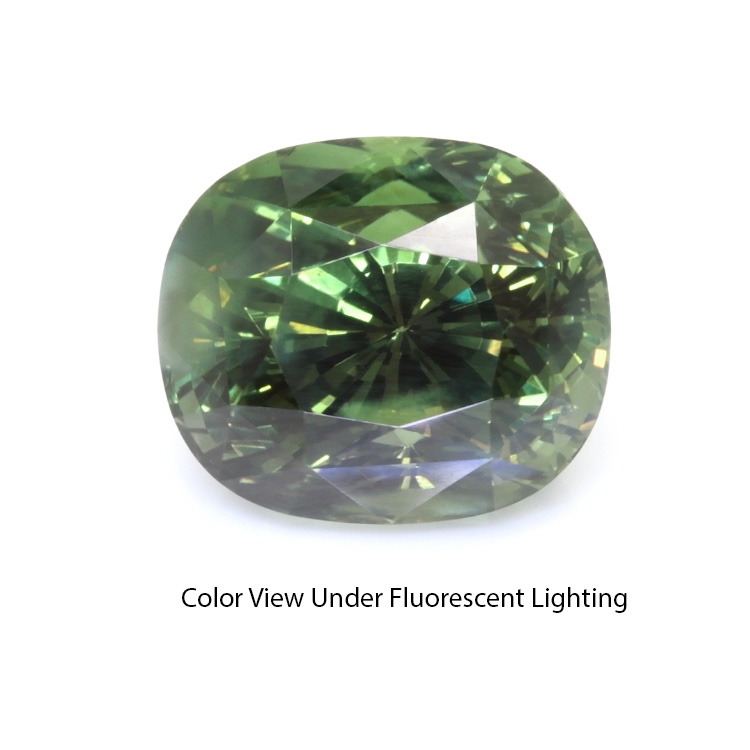
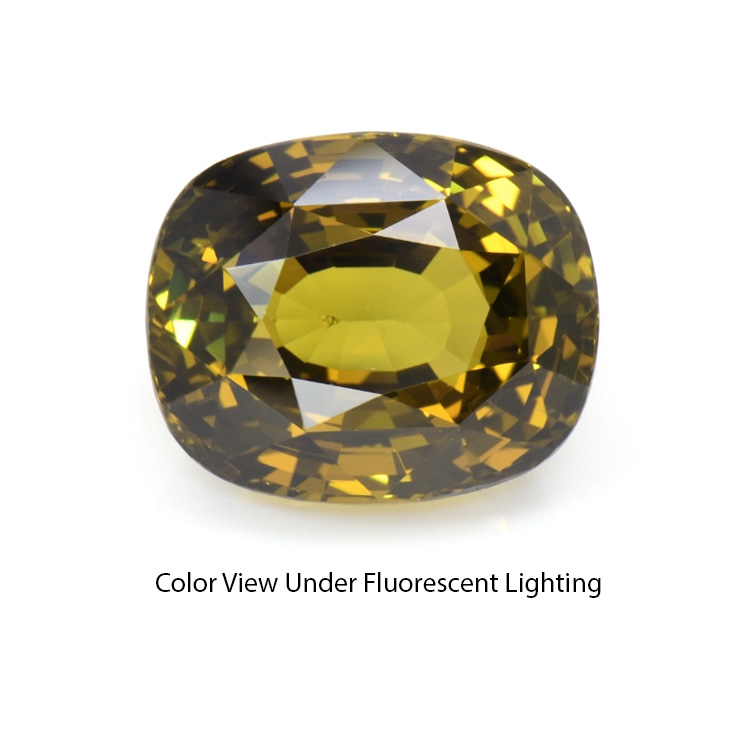
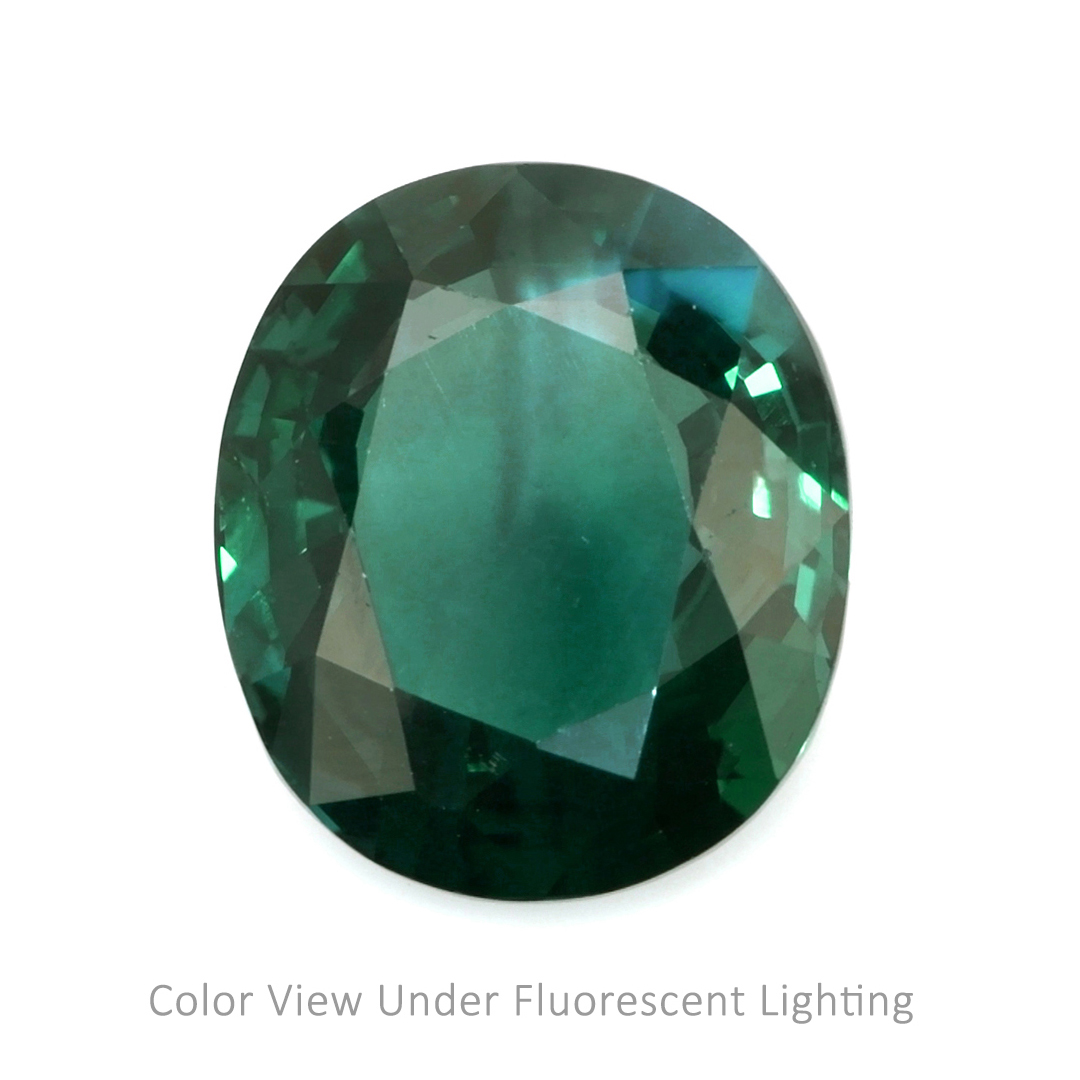
Many of our main product photos carry the label “Color View Under Fluorescent Lighting,” so they show one lighting condition. The on-hand photos show other conditions, but the product pages do not record exactly what light was used, so for any color-change purchase we suggest asking for video in daylight and in warm light.
Fluorescent Gems
Gems that contain chromium, such as ruby, can fluoresce red under the ultraviolet in daylight, which is one reason they can seem to glow outdoors. We look at this in Why Are No Two Natural Rubies Exactly Alike?
Pleochroic Gems
Gems such as tanzanite, iolite and tourmaline show different colors from different directions, so tilting the stone changes what you see. Cutters plan for this when they orient the rough, as we explain in Why Emeralds Have Their Own Cut.
Watch the Light Change: Handheld Videos
Three alexandrites from our inventory turning in the hand. A change in lighting can change what you see, so watch each stone as the light across it shifts.
Viewing Gemstones Online
Online shopping adds another layer: cameras, editing, and screens all affect color. To get the most accurate picture:
- Look for videos filmed in daylight and under indoor lighting.
- Ask whether images have been color-adjusted.
- View on a well-calibrated screen, if possible, and remember that phone screens vary.
- Ask the seller to describe the stone in different light conditions.
A knowledgeable seller should be happy to share additional photos or videos to help you decide.
A Simple Viewing Routine
Whenever you evaluate a gemstone, try this:
- Start in diffused daylight, near a window but out of direct sun.
- Use a neutral background, such as white or light gray paper.
- Tilt and rotate the stone to check brightness and color across its face.
- Move to warm indoor light and observe how the color shifts.
- Check under cool LED or office light, if you will wear it in such settings.
- Compare with other stones side by side in the same lighting.
Why Comparing Side by Side Matters
Our eyes adapt quickly to the light around us, which makes it surprisingly hard to judge a single stone in isolation. A gem that looks perfectly blue on its own may reveal a hint of green when placed next to another. That is why gem professionals often compare stones side by side, in the same light and against the same background. If you are choosing between two or three gemstones, try to view them together rather than one after another, and rotate their positions so that neither always sits in the brighter spot.
Color Change at the Top End: Our Highest-Priced Alexandrites
Here are three of the highest-priced alexandrites in our inventory at the time of writing: a Ceylon (Sri Lanka) stone of 11.70 ct, a Ceylon stone of 24.05 ct and an Indian stone of 6.00 ct. Use the links for current details.
Frequently Asked Questions
What is the best light to judge gemstone color?
Diffused daylight, such as light from a north-facing window in the Northern Hemisphere or on a lightly overcast day, is widely considered the most reliable for judging color.
Why do gemstones look better in the store?
Jewelry stores often use strong, cool lighting designed to maximize sparkle. It is not misleading by nature, but it can make gems look brighter than they will appear in everyday conditions.
Should I avoid buying gemstones at night?
Not necessarily, but try to see the stone in daylight before you decide, or ask for photos and videos in natural light.
Do all gems change color in different light?
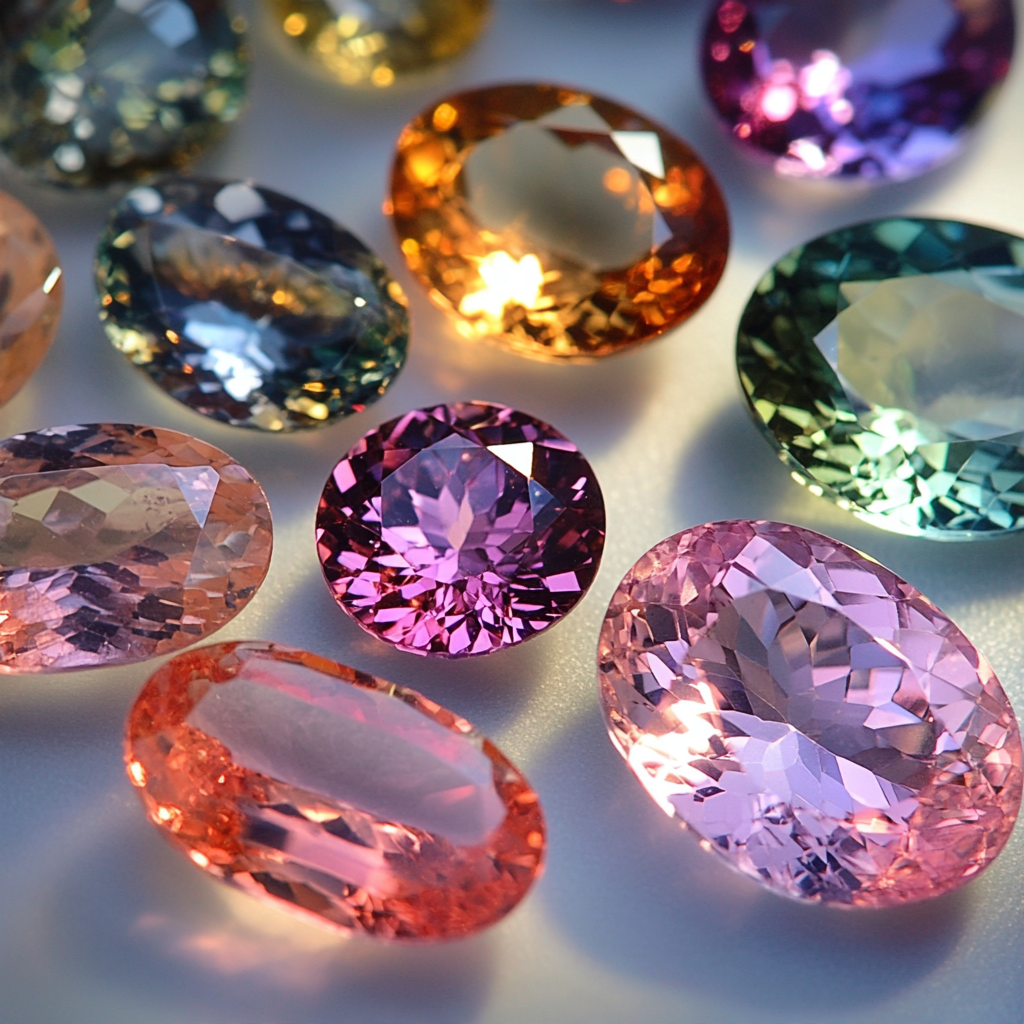
All gems can look slightly different under different lighting. Some, such as alexandrite and color-change sapphire, change dramatically.
Do color-change stones look the same in photos as in person?
Not always. The two on-hand photos of K13217 show it green in one image and reddish brown in the other, and the product pages do not record the lighting used. If you are buying a color-change stone online, ask for video in daylight and in warm indoor light, as the viewing routine above suggests.
Conclusion
The best time to view gemstones is in diffused daylight around midday, with additional checks under the indoor lighting where you will wear them. Taking a few minutes to view a stone in several conditions gives you a complete picture of its color and character.
If you would like help comparing gemstones in different lights, or extra photos and videos of a stone you love, our team at The Natural Gemstone Company is happy to assist. Explore our collection at naturalgemstones.com.