
Marie Antoinette’s Carnelian Intaglio: Gemstone Portraits of the French Court
Long before photography could preserve a royal face, portraits were painted, sculpted, engraved, and sometimes carved into gemstones small enough to be worn on a finger or carried as a personal possession. Marie Antoinette’s Carnelian Intaglio is a fascinating example of this tradition, capturing royal portraiture in miniature gemstone form.
Among the most fascinating examples associated with the French royal court are carved gemstone portraits of Marie Antoinette, the last queen of France before the French Revolution. Carnelian, with its warm orange-red color and long history in intaglio carving, was one of the materials used for portrait gems during this period.
These miniature carvings were more than decorative objects. They belonged to a world in which a royal portrait could communicate loyalty, status, fashion, and political identity.
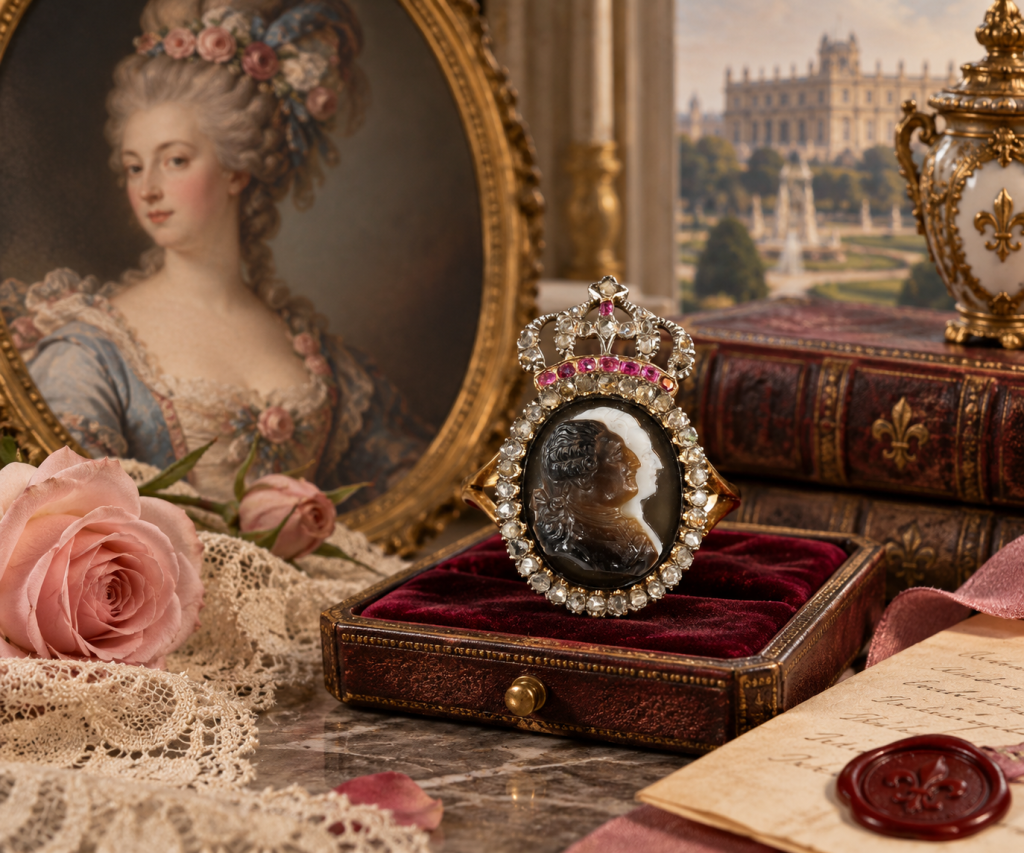
What Is a Carnelian Intaglio?
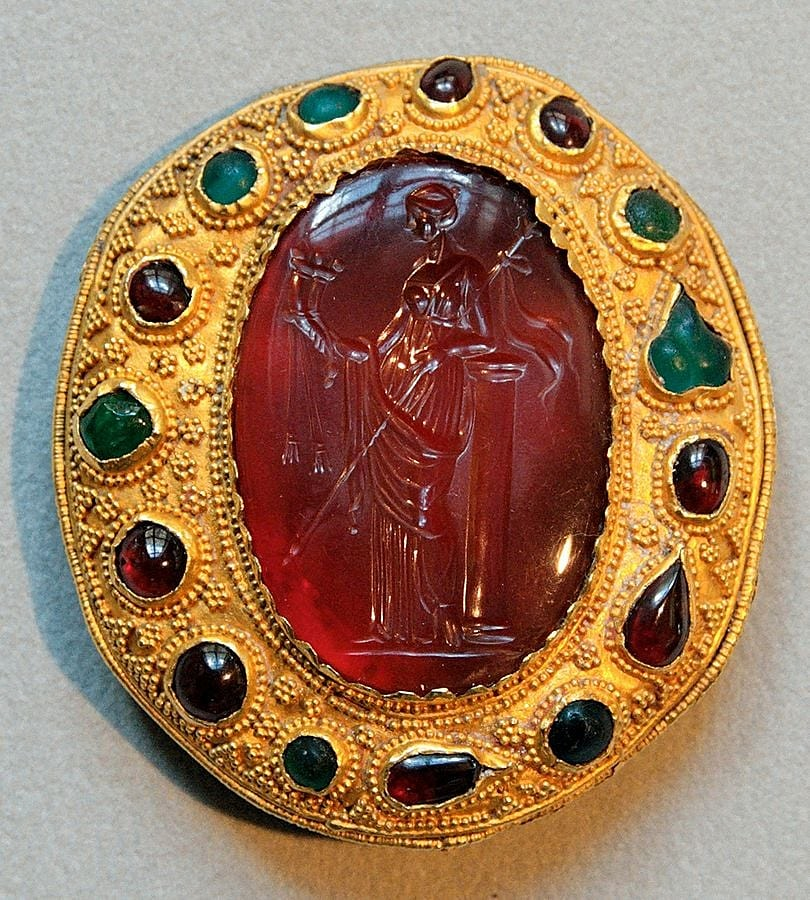
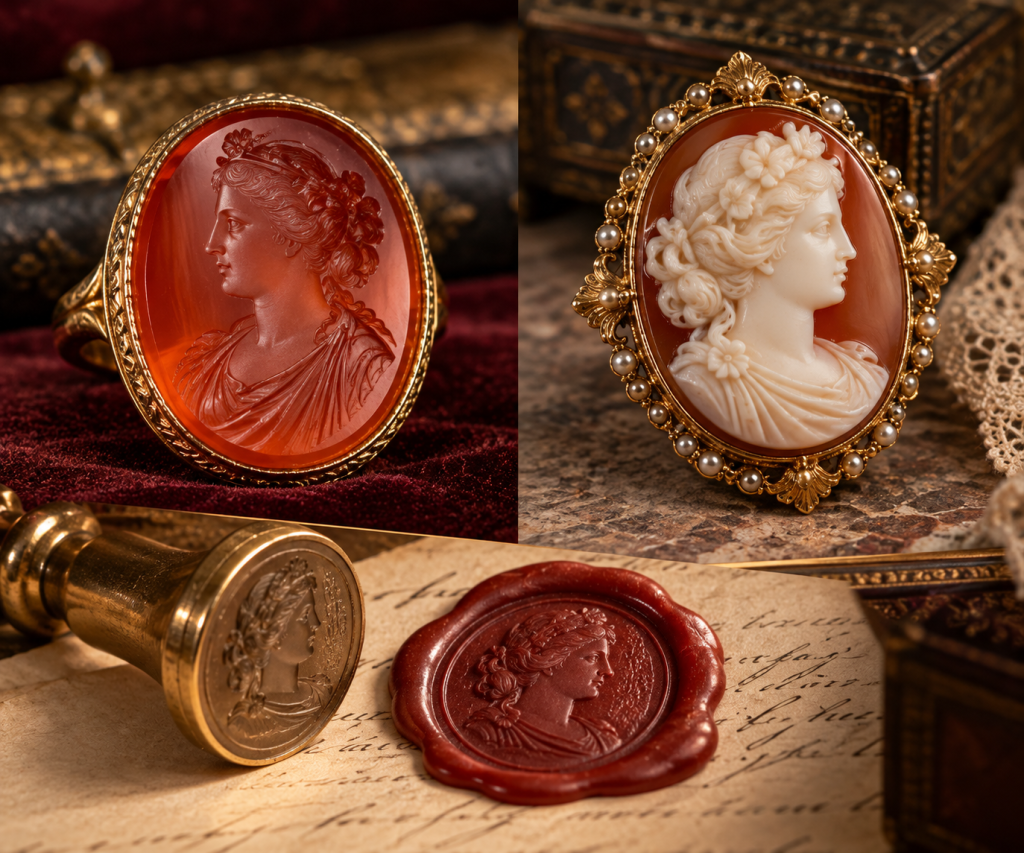
Marie Antoinette’s Carnelian Intaglio is an example of a design carved below the surface of a gemstone.
Unlike a cameo, where the image projects outward in relief, an intaglio is engraved into the stone. When pressed into wax, the recessed design produces a raised impression.
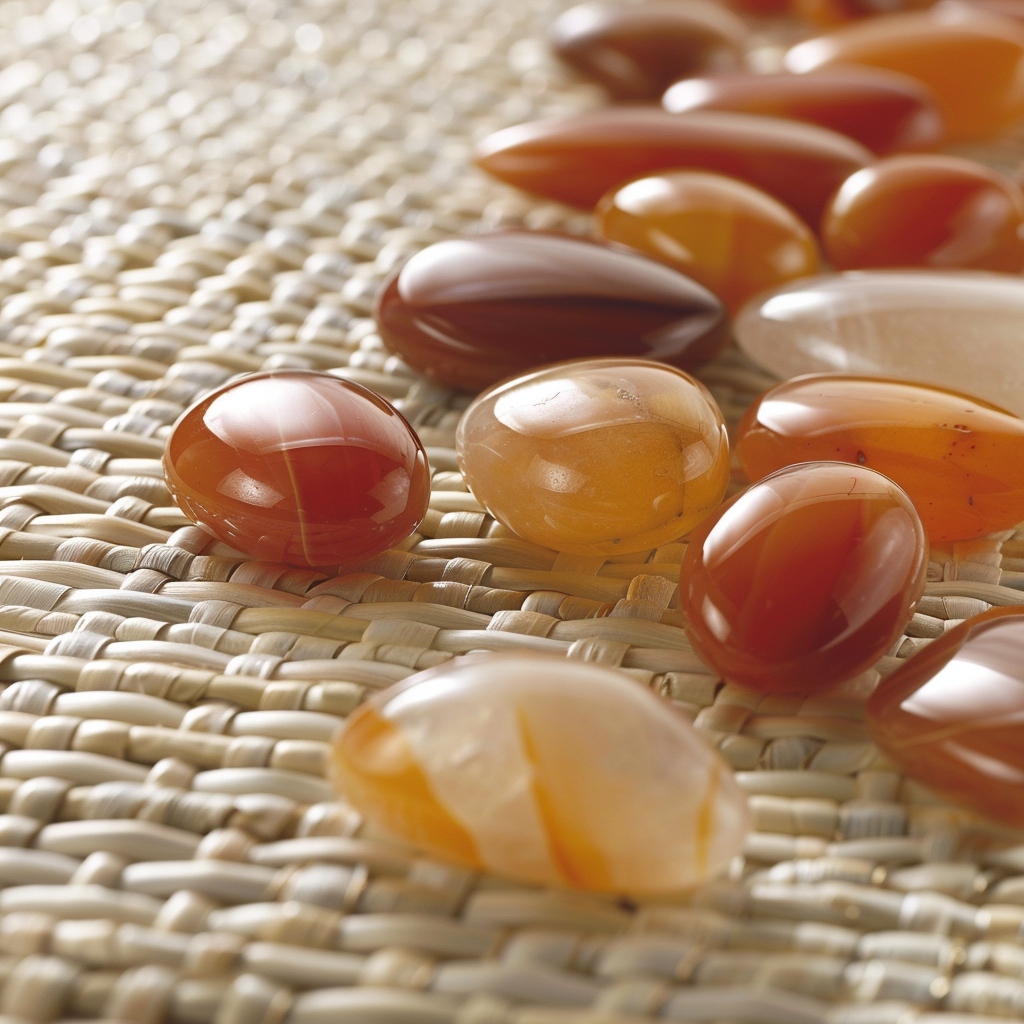
Carnelian was particularly popular for this purpose because it could take fine engraving while offering an attractive reddish-orange appearance.
For centuries, carnelian intaglios had been used for seals, portraits, family emblems, mythological scenes, and personal symbols. By the eighteenth century, collecting antique and antique-inspired engraved gems had become fashionable among Europe’s elite.
Marie Antoinette and the World of Royal Portraiture
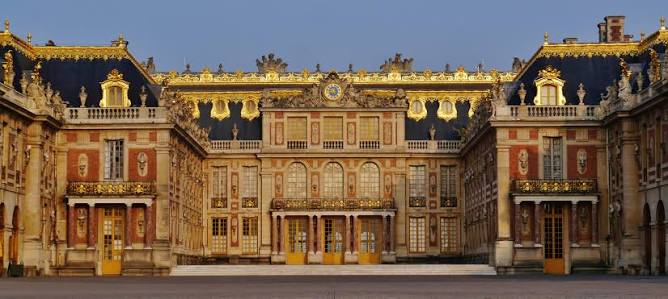
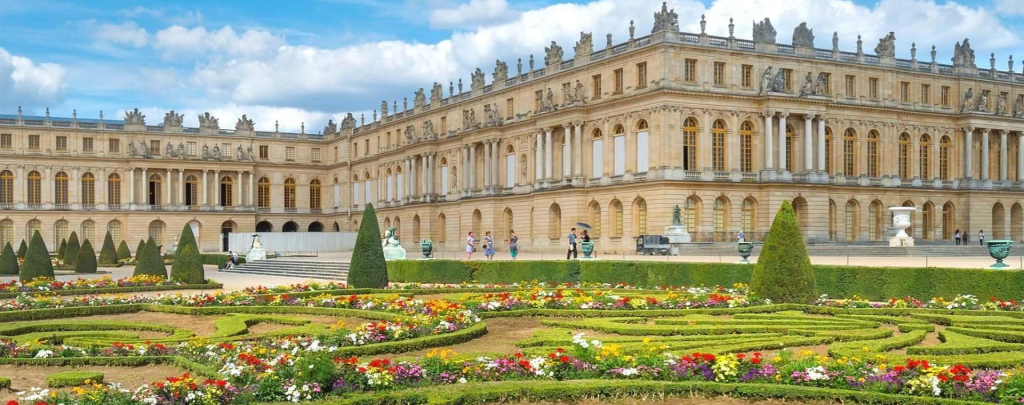
Marie Antoinette arrived at the French court as an Austrian archduchess and married the future Louis XVI in 1770. She became Queen of France when her husband took the throne in 1774.
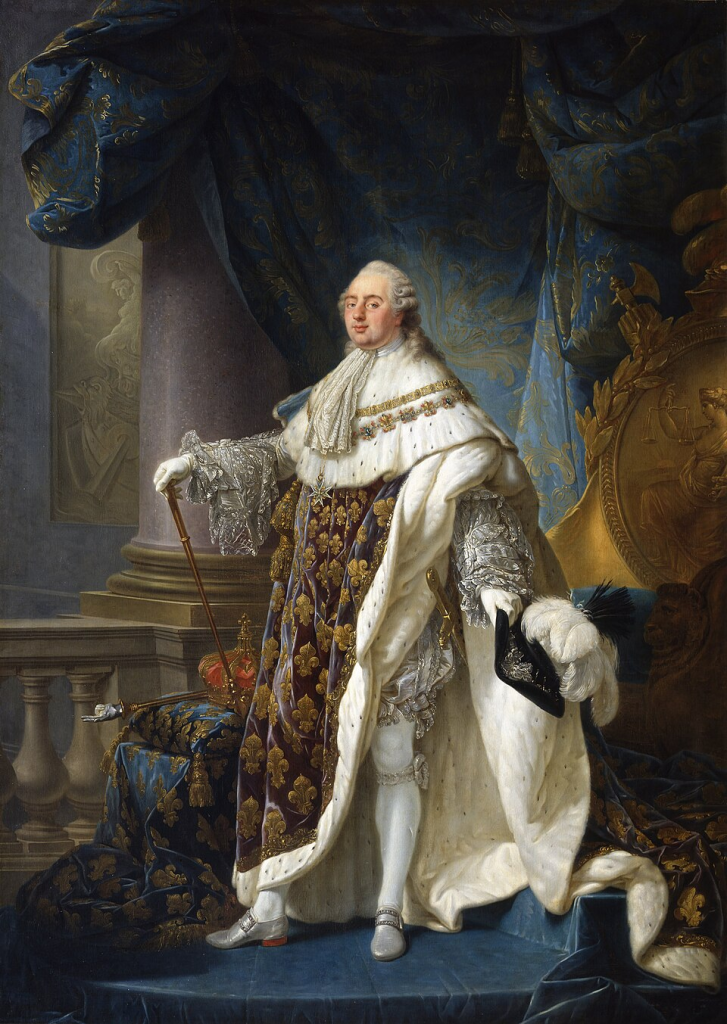
Her image quickly became important.
Official paintings presented the queen in luxurious gowns surrounded by symbols of royal authority. Other portraits attempted to show a more private and fashionable woman.
But portraits did not exist only on large canvases.
Miniatures, medals, engraved gems, and other small objects allowed royal images to circulate in a much more personal form.
A tiny portrait could be mounted into a ring, pendant, brooch, or seal and carried close to its owner.
A Royal Face Carved into Carnelian
Marie Antoinette’s Carnelian Intaglio captures the queen in miniature, reflecting the tradition of carnelian portrait intaglios associated with her image.
Instead of the color and elaborate clothing seen in painted portraits, an engraver had only line, depth, profile, and the natural color of the stone.
The profile format was extremely effective.
Inspired partly by ancient Greek and Roman coins and engraved gems, profile portraits gave eighteenth-century sitters a classical appearance. The style connected contemporary rulers with the visual language of antiquity.
On a small carnelian surface, the distinctive outline of the face, hairstyle, neck, and clothing could be carefully engraved to create a recognizable royal portrait.
Why Carnelian Was Perfect for Portrait Engraving
Carnelian had been used for engraved gems for thousands of years.
Its appeal came from both beauty and practicality.
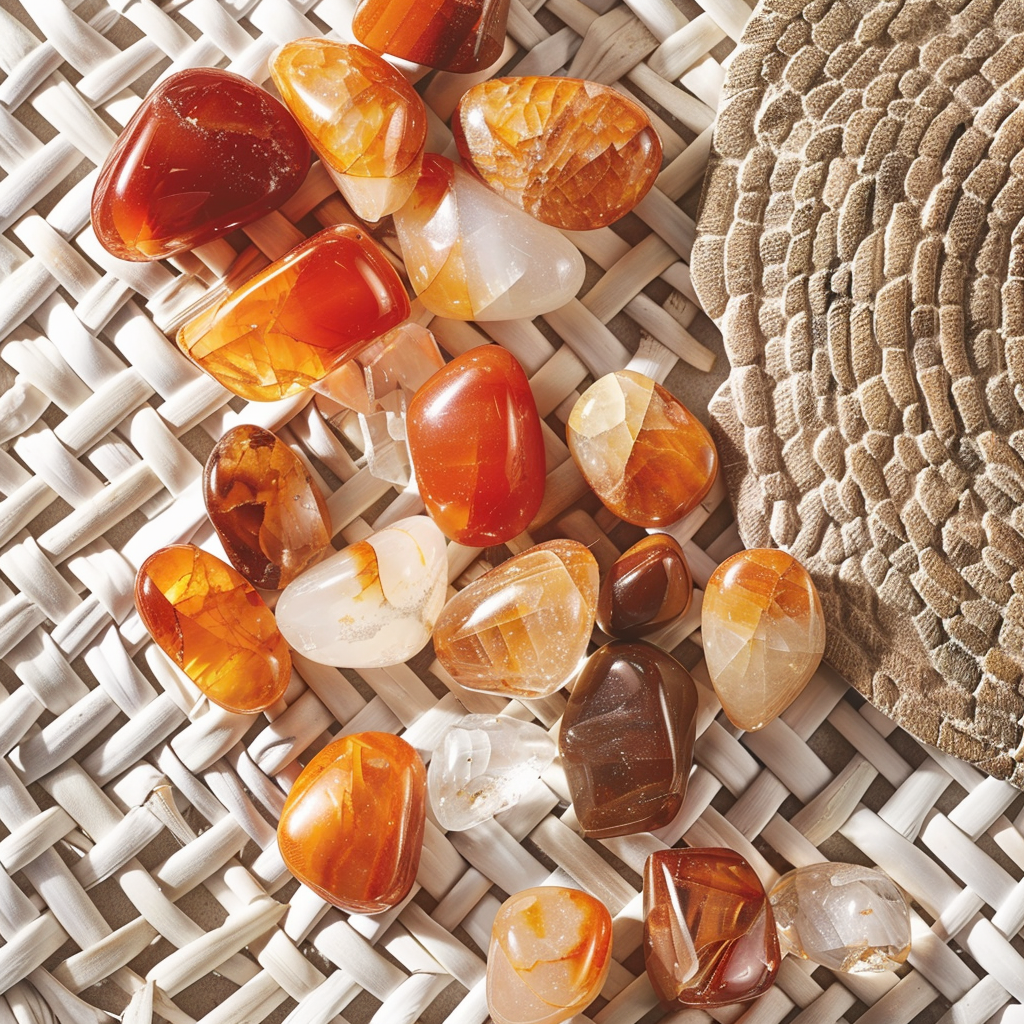
The gemstone belongs to the chalcedony family and generally ranges from orange and reddish orange to brownish red. With a Mohs hardness of approximately 6.5–7, it is durable enough to preserve detailed carving while remaining workable for skilled engravers.
Its smooth surface also takes a fine polish.
Against the warm red-orange background, carefully carved lines can create surprisingly detailed portraits despite the small size of the gemstone.
Tiny Portraits with Political Meaning
Royal portrait gems were not simply miniature artworks.
In eighteenth-century Europe, displaying the image of a monarch could carry social and political meaning.
A portrait jewel might express loyalty to the royal family, commemorate an important event, or simply reflect admiration for a fashionable royal figure.
Marie Antoinette’s image was particularly powerful because public attitudes toward her changed so dramatically.
Early in her life at Versailles, she became a fashion leader whose hairstyles, dresses, and tastes attracted enormous attention.
Later, revolutionary propaganda transformed her image into something far more hostile.
The same recognizable face could therefore represent glamour and royal prestige to one person and the excesses of monarchy to another.
The French Court’s Fascination with Miniatures
The eighteenth-century French court had a strong culture of personal and miniature objects.
Portrait miniatures could be exchanged as diplomatic or romantic gifts. Snuffboxes, rings, seals, lockets, and other luxury objects might carry portraits or symbols meaningful to their owners.
Gemstone engraving fitted naturally into this world.
A carved carnelian portrait offered something that a painting could not: it was small, durable, tactile, and portable.
A royal image could literally be carried in a pocket or worn against the body.
Intaglio vs. Cameo
Carnelian portrait gems are sometimes confused with cameos, but the techniques are different.
An intaglio is carved into the gemstone’s surface.
A cameo has a raised design, often created by taking advantage of differently colored layers within stones such as sardonyx or agate.
Both techniques became important forms of miniature portraiture, but intaglios had an additional practical purpose. They could function as seals.
When pressed into warm wax, the engraved portrait or symbol appeared in relief.
This connection between art and personal identity helped make intaglios especially important historically.
From Versailles to Revolution
Marie Antoinette’s glamorous life at Versailles ended dramatically with the French Revolution.
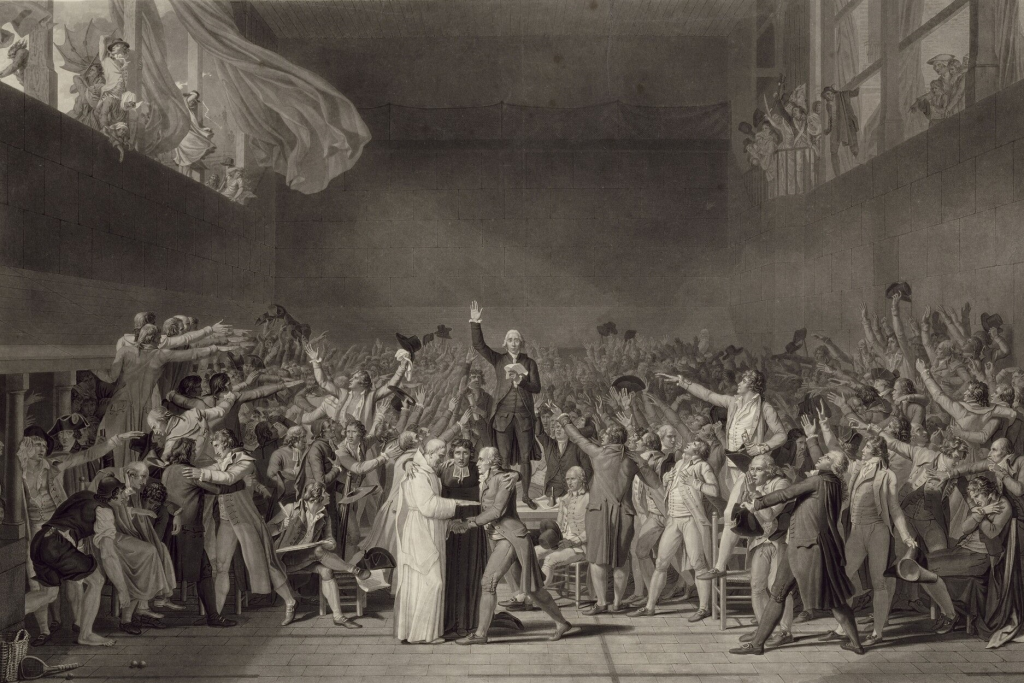
The monarchy was abolished in 1792. Louis XVI was executed in January 1793, followed by Marie Antoinette in October of the same year.
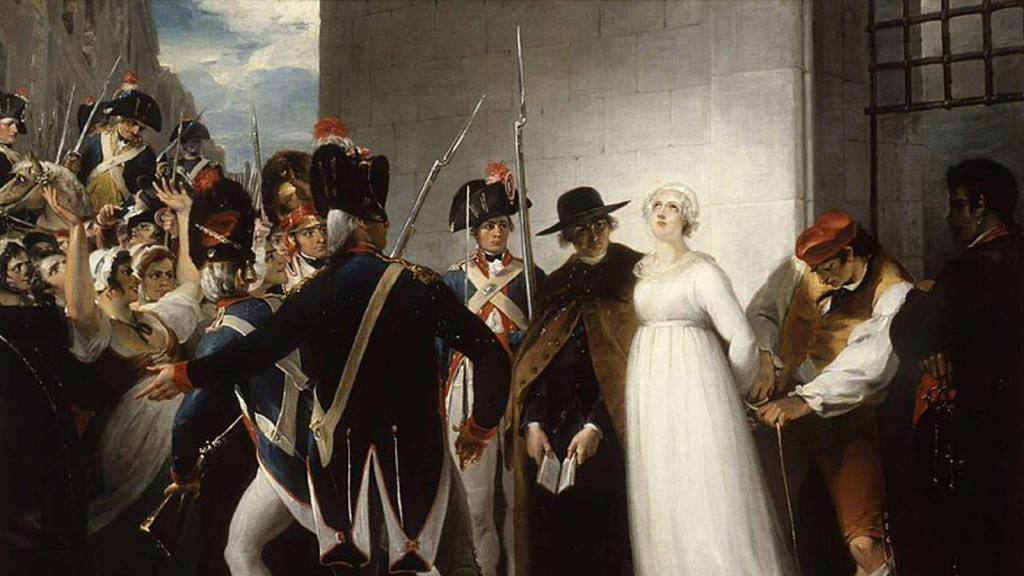
After the fall of the monarchy, objects connected with the royal family acquired completely different meanings.
Royal portraits that had once represented power could become dangerous possessions during revolutionary periods. Later, however, surviving objects associated with Marie Antoinette became historical collectibles.
Portrait gems therefore survived not merely as jewelry but as witnesses to a vanished court.
Why Attribution Requires Care
Historic gemstone portraits need to be approached carefully.
A carnelian bearing Marie Antoinette’s portrait does not automatically mean that the gemstone was personally owned or worn by the queen.
Portraits of famous rulers were produced for other members of the court, supporters, collectors, and later admirers. Some examples may also have been produced after the sitter’s lifetime.
For that reason, provenance is essential.
Museum documentation, inscriptions, signatures, mounting style, engraving technique, and ownership history can all help specialists determine when a portrait gem was produced and whether it had a direct connection with its subject.
This distinction makes the story more historically accurate: a portrait of Marie Antoinette and a jewel owned by Marie Antoinette are not necessarily the same thing.
Gemstones as the Photographs of Their Time
There is something remarkably intimate about gemstone portraiture.
A large royal painting was designed to be seen by many people. An intaglio could be held between two fingers.
Yet within that tiny space, an engraver attempted to preserve the identity of one of Europe’s most recognizable women.
Before photography, such objects provided another way to reproduce and circulate a face.
And because carnelian is durable, the portrait could survive long after clothing, paper, and many other personal objects disappeared.
The Continuing Fascination with Marie Antoinette
More than two centuries after her death, objects connected with Marie Antoinette continue to attract enormous interest.
Part of that fascination comes from the contrast within her story: Austrian princess and French queen, fashion icon and political target, life at Versailles followed by imprisonment and execution.
Jewelry connected with her world brings that history down to a human scale.
A tiny carved gemstone can feel more personal than a palace or monumental portrait.
It reminds us that history was also preserved through objects people could wear, exchange, touch, and carry.
Final Thoughts
Marie Antoinette’s Carnelian Intaglio opens a fascinating window into the jewelry culture of eighteenth-century Europe.
Carnelian had already been used for engraved gems for thousands of years, but in the hands of skilled European engravers, it became a miniature canvas for royal portraiture.
Marie Antoinette’s Carnelian Intaglio reflects how these small objects could combine gemstone carving, portrait art, fashion, identity, and politics.
They also remind us to distinguish carefully between a gemstone depicting Marie Antoinette and one documented as having belonged personally to her.
That distinction does not make the surviving portraits less fascinating.
Instead, it reveals something larger about the French court: even a gemstone small enough to fit on a finger could carry the image, influence, and complicated legacy of a queen.
If you would like to learn more about carnelian, its history, characteristics, and unique beauty, visit HERE for more details.