
Pearl Value: Why Some Pearls Are Worth Millions While Others Cost Just a Few Dollars
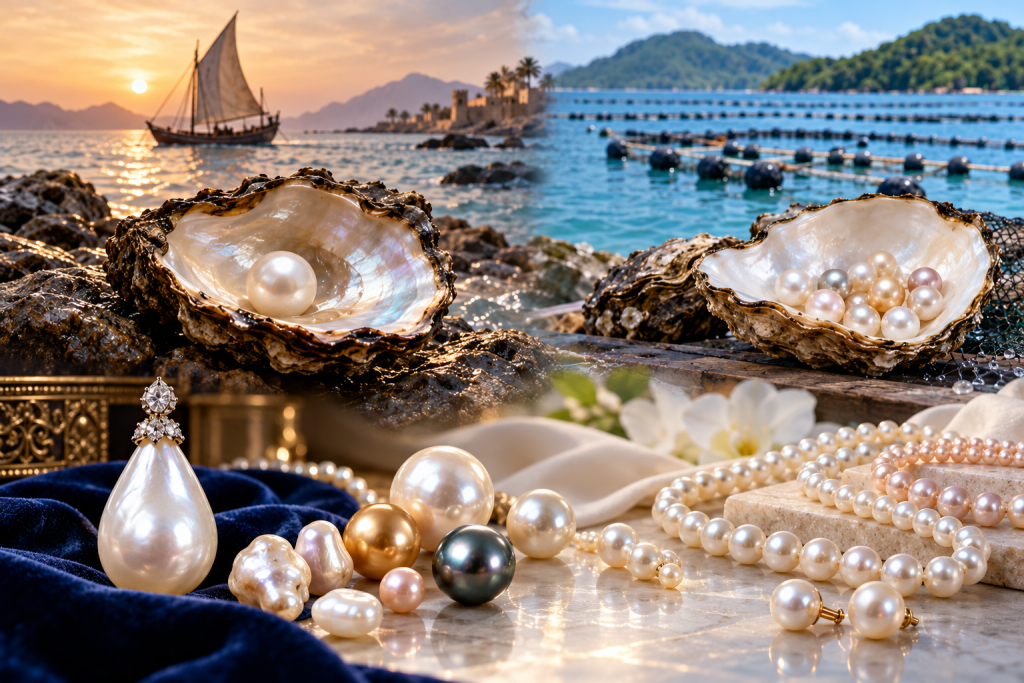
Pearl value depends on two big questions: how the pearl was formed and how beautiful it is. Natural pearls, which grow inside wild mollusks with no human help, have been gathered for thousands of years from places such as the Persian Gulf and the waters of Sri Lanka, and today they are extremely rare. Cultured pearls, which became commercially important in the 1920s, are grown on pearl farms and are far more plentiful. When you add size, shape, color, luster, surface, nacre quality and matching to that story, you can see why one pearl can sell for millions while a simple cultured strand remains wonderfully affordable.
Few gems have a price range as wide as pearls. At one end, a single historic natural pearl has sold for more than 36 million US dollars. At the other end, small freshwater cultured pearls are produced in such large numbers that pearl jewelry is within reach of almost everyone. Both are real pearls. So what makes the difference?
Natural vs. Cultured: The Biggest Factor in Pearl Value
The first question any pearl expert asks is whether a pearl is natural or cultured. A natural pearl forms by chance when something triggers a mollusk to build a pearl inside its body. Nobody plants anything, and nobody can predict where or when it will happen. For centuries, divers searched huge numbers of wild oysters to find a handful of fine pearls.
Cultured pearls start with human help. A pearl farmer places a bead and/or a small piece of mantle tissue inside a mollusk, and the animal then coats it with nacre, the same lustrous material found in natural pearls. According to GIA, Japanese pioneers produced whole cultured pearls around the beginning of the twentieth century, and these became commercially important in the 1920s, around the same time natural pearl production began to decline.
That shift changed the pearl world forever. Natural pearl beds were overfished, and today natural pearls of fine quality appear on the market only occasionally. When one does appear, especially with a documented history, collectors compete fiercely for it. You can read more about how these two categories form in our guide to organic gemstones.

The Seven Pearl Value Factors
Gemologists at GIA use seven value factors to judge natural and cultured pearls. Each one can move a pearl up or down the price scale:
- Size: When other factors are equal, larger pearls are rarer and more valuable than smaller pearls of the same type. Bigger mollusks, such as the oysters that produce South Sea pearls, can grow bigger pearls.
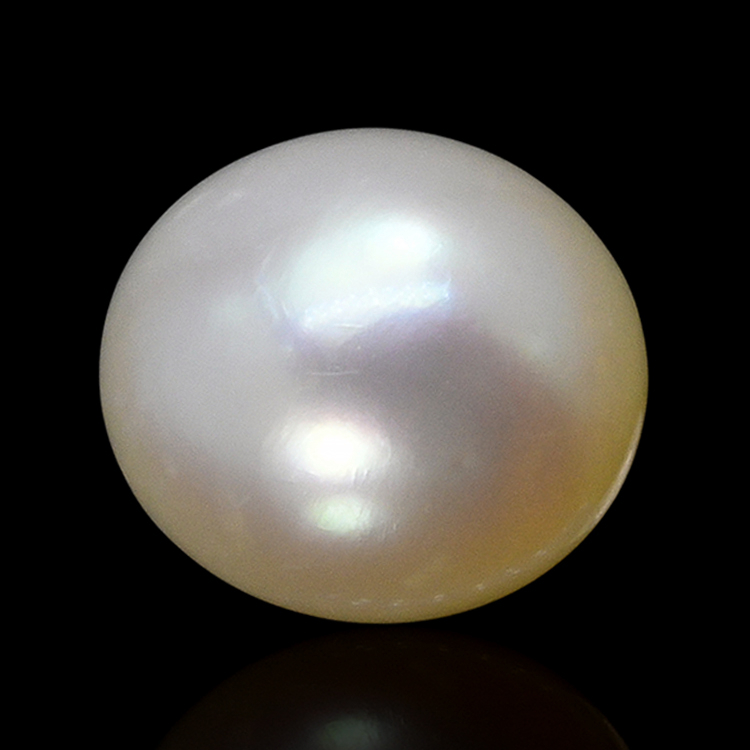
- Shape: Round is the most difficult shape to culture, which makes it the rarest cultured pearl shape and usually the most valuable. Well-formed drops, ovals and baroque pearls also have devoted fans.
- Color: Pearls come in a soft palette of white, cream, gold, gray, black, pink, green and more. Demand for certain colors changes with fashion and culture, and limited supply of a desired color can push prices up.
- Luster: Luster is often considered the most important factor. A fine pearl shows bright, sharp reflections on its surface, while a low-quality pearl looks dull or chalky.
- Surface quality: Most pearls have small spots, bumps or abrasions. The cleaner the surface, the higher the value, as long as the marks do not affect durability.
- Nacre quality: Thick, healthy nacre creates beautiful luster and better durability. Thin nacre can look dull and may wear away over time.
- Matching: For necklaces and earrings, pearls that match in size, shape, color and luster are much harder to assemble and are therefore more valuable.
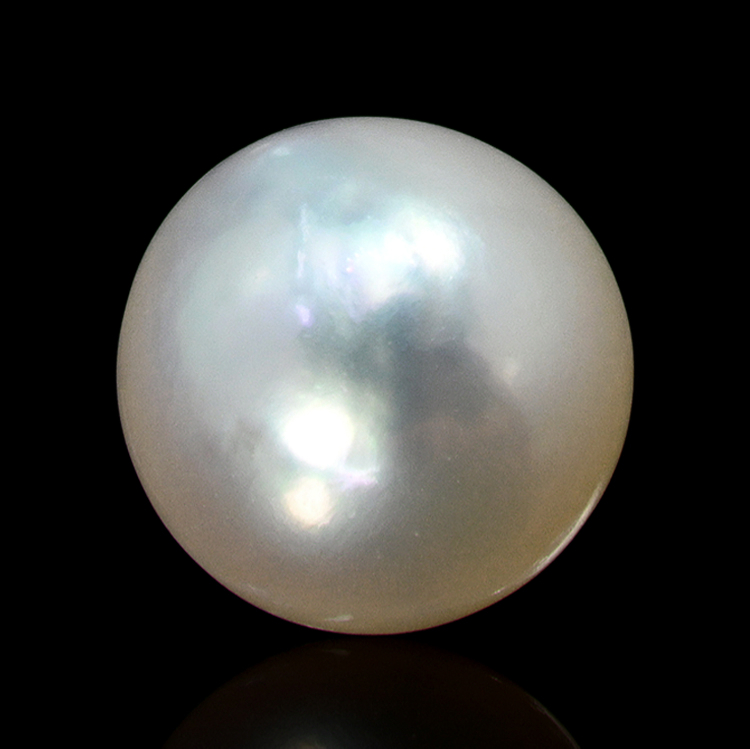
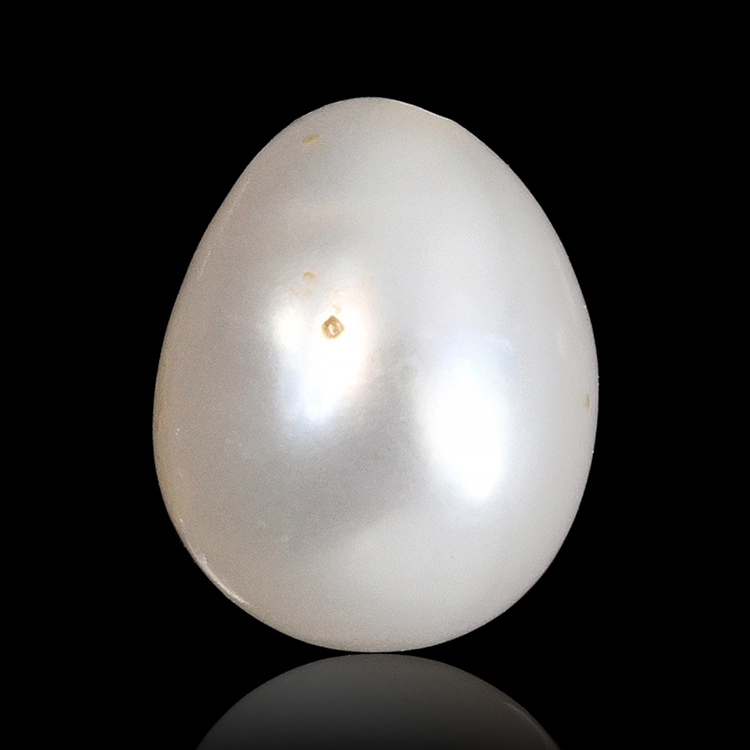
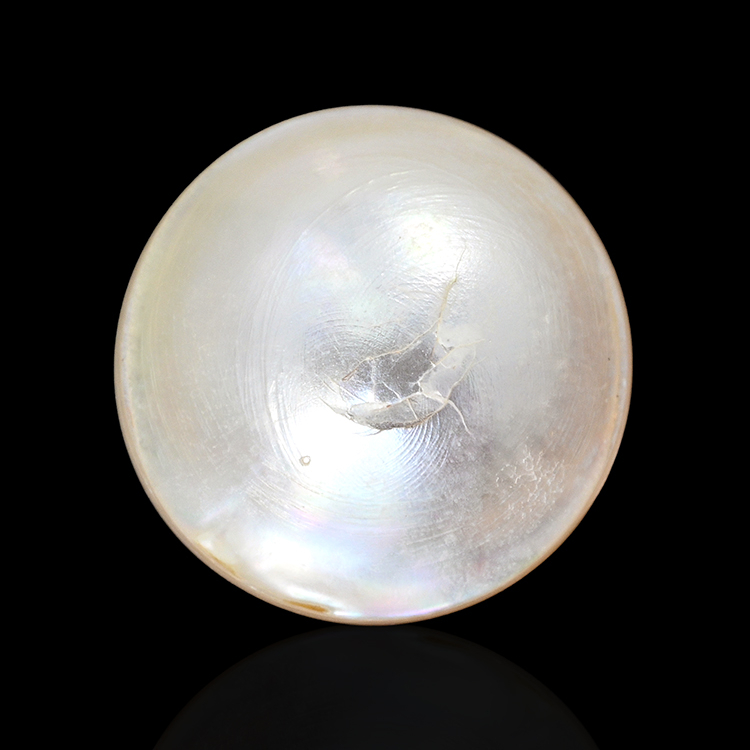
To understand why luster matters so much, our education page on luster in gemstones explains how light interacts with a gem’s surface.
Pearl Type and Origin
Different mollusks produce different pearls. Akoya pearls are known for their crisp, mirror-like luster. Tahitian pearls are celebrated for their naturally dark colors. South Sea pearls are prized for their large size and satiny glow. Freshwater pearls, mainly cultured in China, are produced in many shapes and colors and are usually the most accessible.
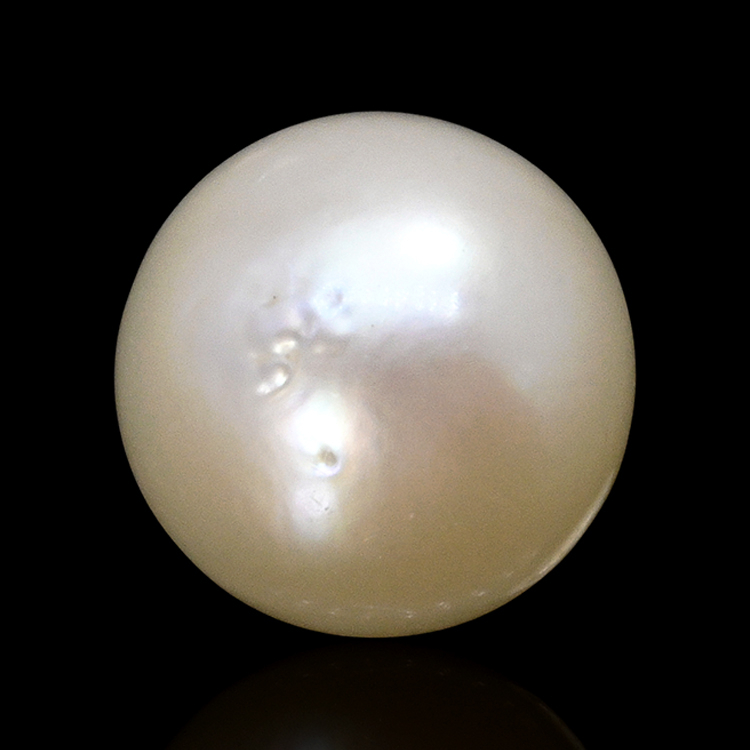
Within each type there is a full range of qualities. A top-grade freshwater strand can be more beautiful than a low-grade saltwater strand, so the type alone never tells the whole story.

Rarity and History: When Pearls Reach Millions
The pearls that make headlines are almost always natural pearls with an extraordinary history. In 2011, Elizabeth Taylor’s famous La Peregrina, a natural pearl once owned by Spanish royalty, sold at Christie’s New York for 11,842,500 US dollars. In 2018, a natural pearl and diamond pendant that belonged to Queen Marie Antoinette sold at Sotheby’s Geneva for CHF 36,427,000, which Sotheby’s described as a new auction record for a natural pearl. Its pre-sale estimate was CHF 1 to 2 million.
In cases like these, buyers are paying for three things at once: the rarity of a large natural pearl, its beauty and its provenance. A documented royal history can multiply a pearl’s value far beyond what its size and quality alone would suggest. Our article on the royal affair with rare gemstones explores why royal ownership has always added such magic to a gem.
Why Some Pearls Cost So Little
At the other end of the scale, modern freshwater pearl farming produces very large quantities of pearls. Many freshwater mussels can grow several pearls at once, and smaller sizes, off-round shapes and average luster are common. Plentiful supply keeps prices low, which is wonderful news for anyone who wants to enjoy real pearls every day.
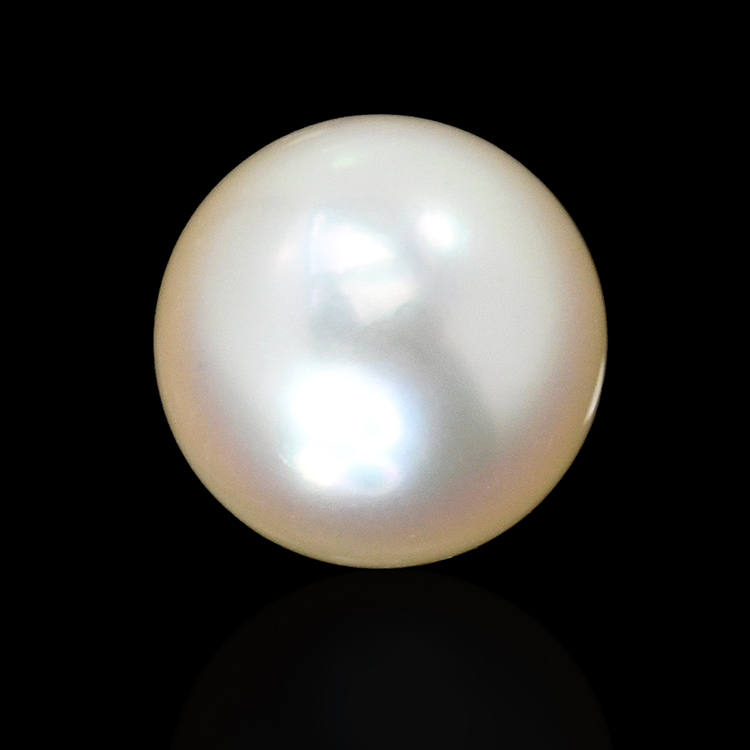
It is also important to know that some very inexpensive “pearls” are not pearls at all. Glass, plastic and shell-based imitations can look convincing at first glance, but they are man-made products with little intrinsic value.
Treatments and Lab Reports
Many cultured pearls are routinely bleached, polished or otherwise processed to improve their appearance, and some are dyed or irradiated to change their color. Treatments are not necessarily bad, but they should always be disclosed because they affect value. For natural pearls or important purchases, a report from a respected gemological laboratory is essential, since natural and cultured pearls can look identical to the eye and are usually separated with X-ray imaging. Learn more in our guide to treatments and enhancements.
How to Find the Right Pearl for You
The best pearl is the one that fits your style, your budget and your plans for wearing it. If you want an heirloom necklace, focus on luster, nacre quality and matching. If you love individuality, baroque pearls offer character and great value. And if you dream of a collector’s piece, ask about natural pearls with laboratory documentation.
At The Natural Gemstone Company, we believe every pearl has a story. Whether it is a once-in-a-lifetime natural pearl or a cheerful strand for everyday wear, understanding pearl value helps you choose with confidence and enjoy your pearls for years to come.
Frequently Asked Questions
Are natural pearls always more valuable than cultured pearls?
Usually, but not always. A fine natural pearl of good size is generally worth much more than a comparable cultured pearl, yet a high-quality cultured pearl can be worth more than a small, low-quality natural pearl.
What is the most important factor in pearl value?
GIA notes that luster might be the most important of the seven value factors, because it gives a pearl its unique beauty. Still, all seven factors work together.
Why are round pearls more expensive?
Round is the hardest shape to culture, so round pearls are the rarest cultured pearl shape and usually command the highest prices when other factors are equal.