
The Black Prince’s Ruby
Few gemstones carry a name as dramatic as the Black Prince’s Ruby. Set prominently in the Imperial State Crown of the United Kingdom, this extraordinary red gemstone has been connected with kings, battles, coronations, and centuries of British royal history.
There is, however, one fascinating detail hidden behind its famous name: the Black Prince’s Ruby is not actually a ruby at all. It is a red spinel.
For centuries, the magnificent stone was believed to be a ruby because early gem traders and royal jewelers did not have the scientific methods needed to distinguish ruby from red spinel. Today, its true identity makes the Black Prince’s Ruby one of the most interesting examples of how the history of gemstones and the science of gemology have developed together.
What Is the Black Prince’s Ruby?
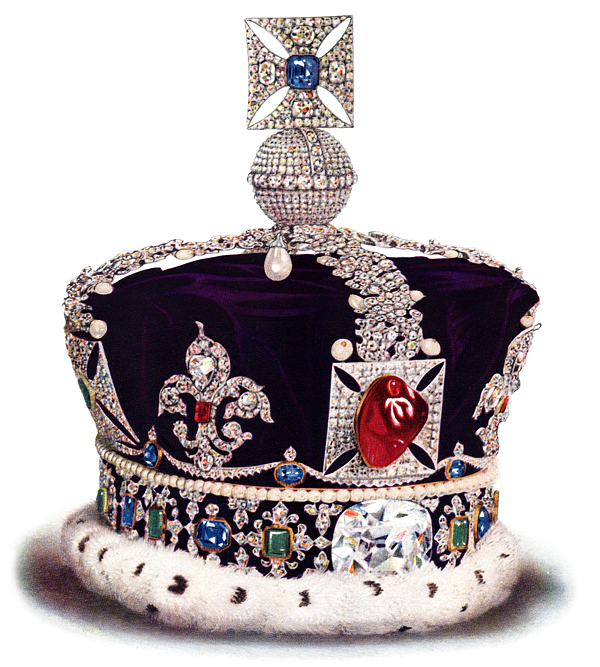
The Black Prince’s Ruby is a large red spinel set in the front cross of the Imperial State Crown, one of the most important pieces within the British Crown Jewels. Historic Royal Palaces officially identifies the famous stone as a balas or spinel rather than a ruby.
The stone is commonly described as weighing approximately 170 carats and has a distinctive irregular, polished appearance. GIA notes that the historic crimson-red gemstone is smoothly polished and roughly octagonal in shape.
Its position in the Imperial State Crown makes it especially striking. The red spinel sits in the cross above the spectacular Cullinan II diamond, creating one of the most recognizable arrangements in royal jewelry.
Yet despite centuries of being called a ruby, modern gemology tells a different story.
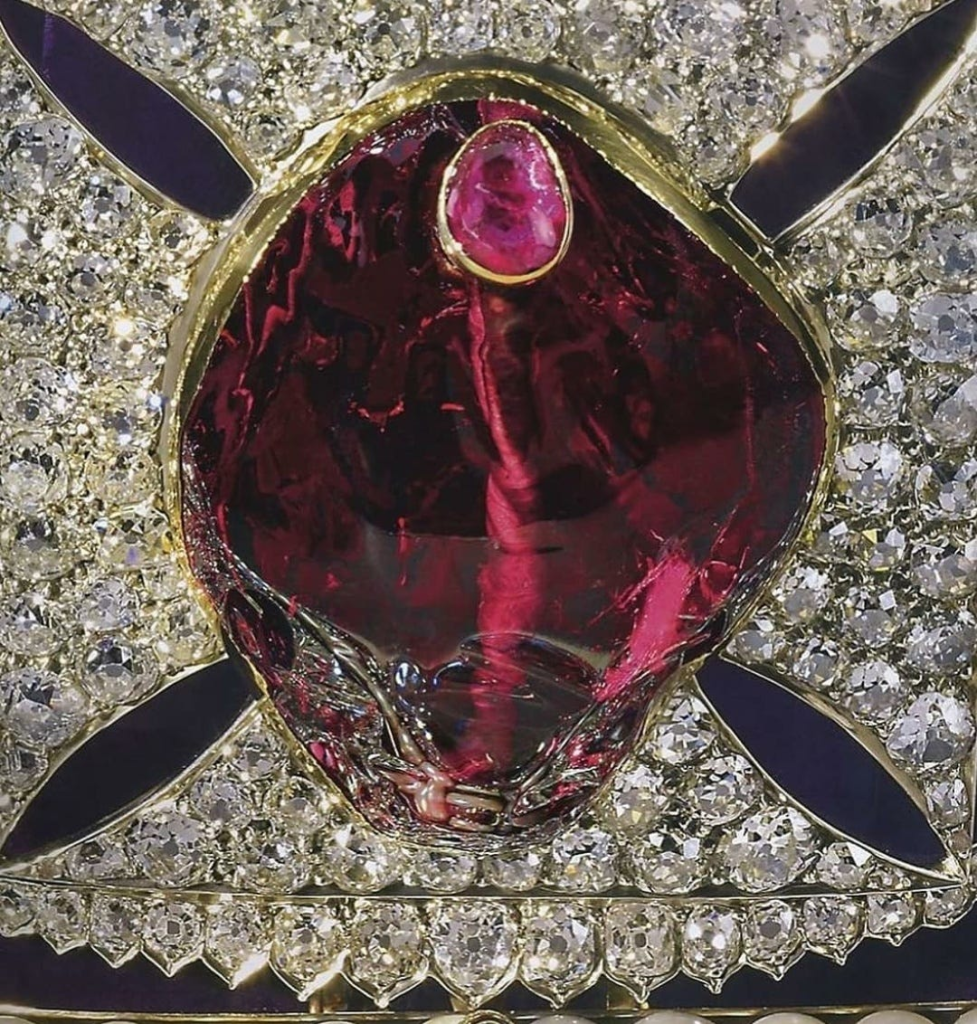
Why Is the Black Prince’s Ruby Actually a Spinel?
The confusion surrounding the Black Prince’s Ruby becomes easier to understand when we consider how gemstones were identified hundreds of years ago.
Ruby and red spinel can look remarkably similar. Both can display beautiful shades of intense red, and without modern gemological testing, distinguishing one from the other was extremely difficult.
Historically, magnificent red spinels were sometimes known as “balas rubies.” GIA explains that ancient mines in Central and Southeast Asia produced exceptionally large spinel crystals, many of which entered royal collections and were mistaken for rubies.
In reality, ruby and spinel are completely different mineral species.
Ruby is the red variety of corundum, while spinel belongs to its own mineral group. Their chemical compositions and crystal structures are different, even though fine examples can appear surprisingly similar to the eye.
This distinction was not properly understood when the Black Prince’s Ruby first became famous.
The result was extraordinary: one of history’s most celebrated “rubies” spent centuries building its reputation under the wrong gemstone name.
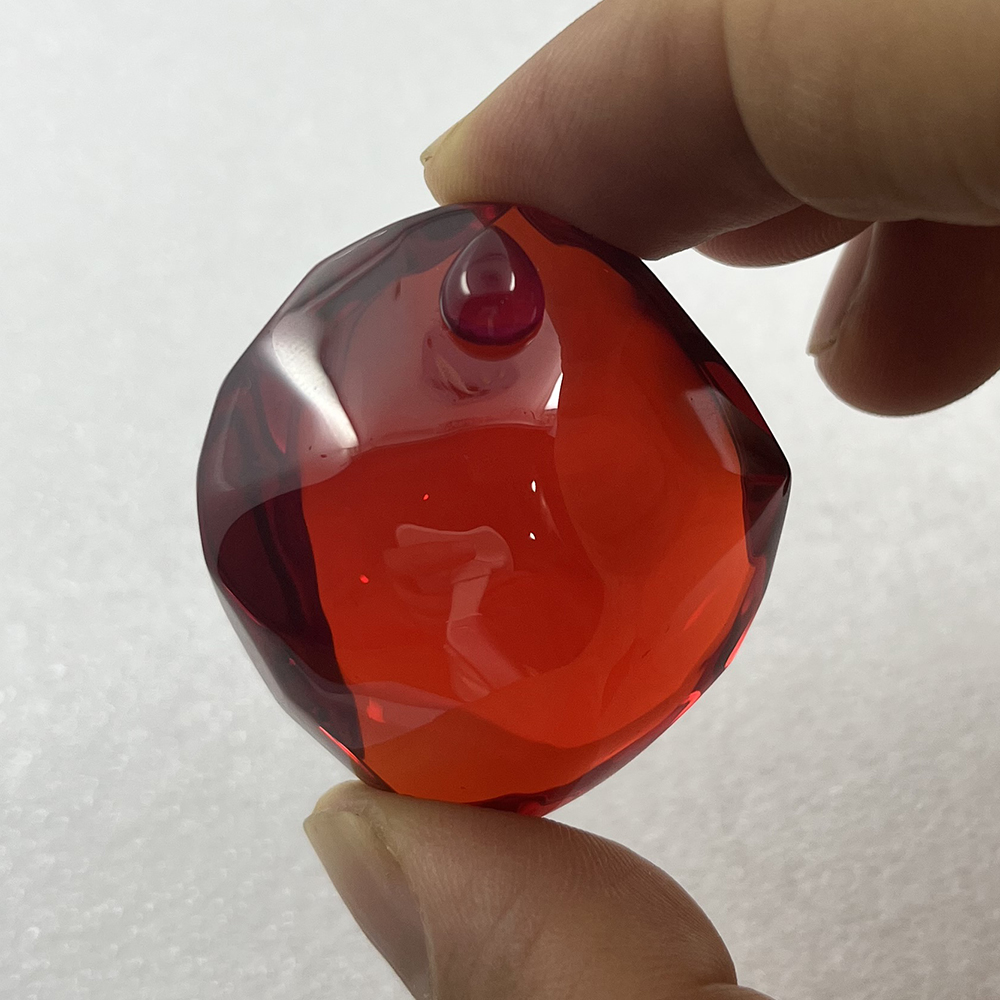
How Did the Black Prince’s Ruby Get Its Name?
The name comes from Edward of Woodstock, Prince of Wales, better known to history as the Black Prince.
According to the traditional account recorded by Historic Royal Palaces, the gemstone was given to Edward in 1367 by Pedro I of Castile after Edward helped him defeat a rival in battle.

This association with the Black Prince eventually gave the gemstone the name by which it remains known today.
Interestingly, GIA traces the stone’s recorded story to fourteenth-century Spain and notes that it passed through Moorish and Spanish royal ownership before reaching Edward. GIA also suggests that the spinel was probably mined in the mountains of Afghanistan, an important historical source of exceptional spinels.
Its journey from Central Asia to medieval European royalty demonstrates just how internationally prized magnificent red gemstones were long before modern gemology existed.
A Gemstone Connected to the Battle of Agincourt
The story becomes even more remarkable with King Henry V.
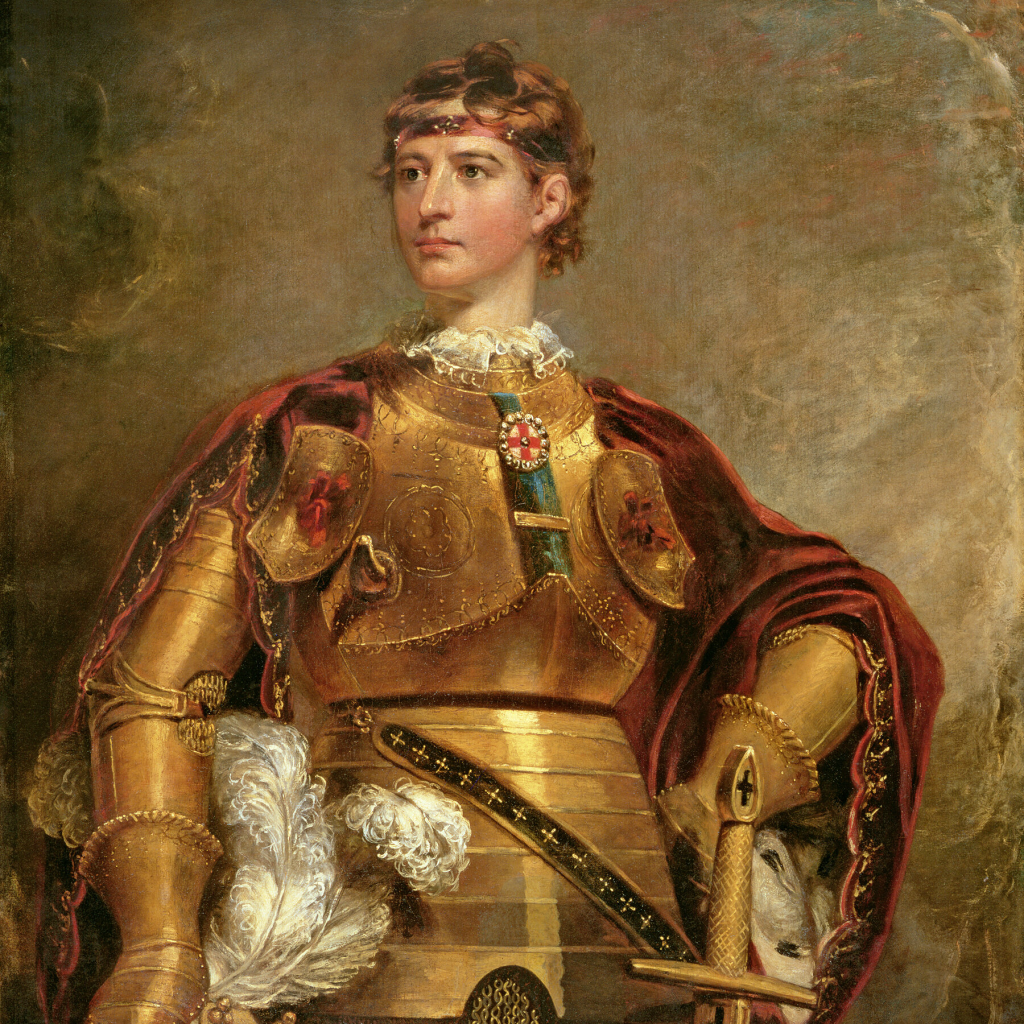
According to royal tradition, Henry V wore the Black Prince’s Ruby in his helmet during the famous Battle of Agincourt in 1415. Historic Royal Palaces includes this episode as part of the gemstone’s extraordinary history.

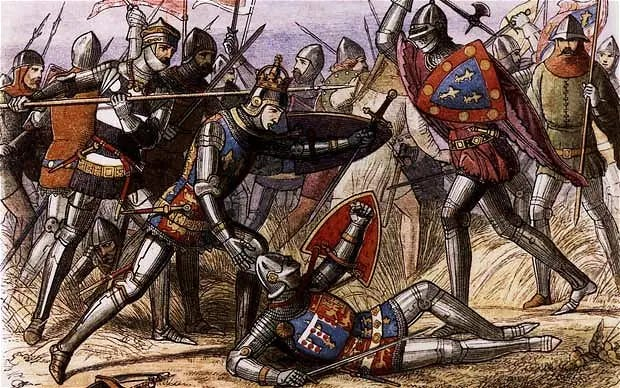
Whether every detail of the centuries-old story can be independently verified is another question, and some aspects of the stone’s early history remain rooted in tradition and legend.
Nevertheless, its association with medieval kings and major historical events helped transform the gemstone from simply a beautiful red stone into a symbol of royal power and survival.
From Medieval Treasure to the Imperial State Crown
The Black Prince’s Ruby continued to be associated with English royalty for generations.
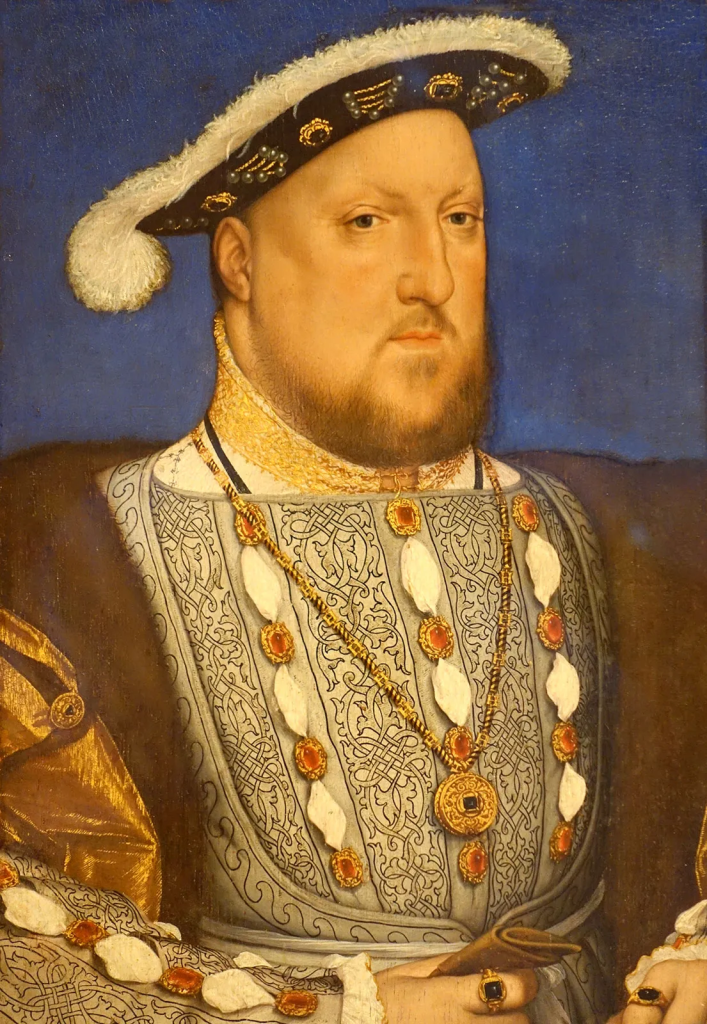
GIA notes that the stone was treasured by a succession of English monarchs, including Henry VIII, and survived an extraordinary series of historical events before becoming one of the centerpieces of the Crown Jewels.
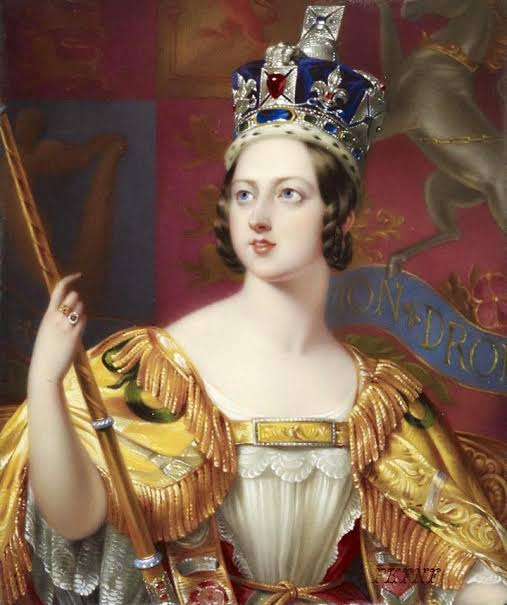
The Imperial State Crown in which we see it today was made in 1937 for the coronation of King George VI, replacing the crown made for Queen Victoria in 1838.
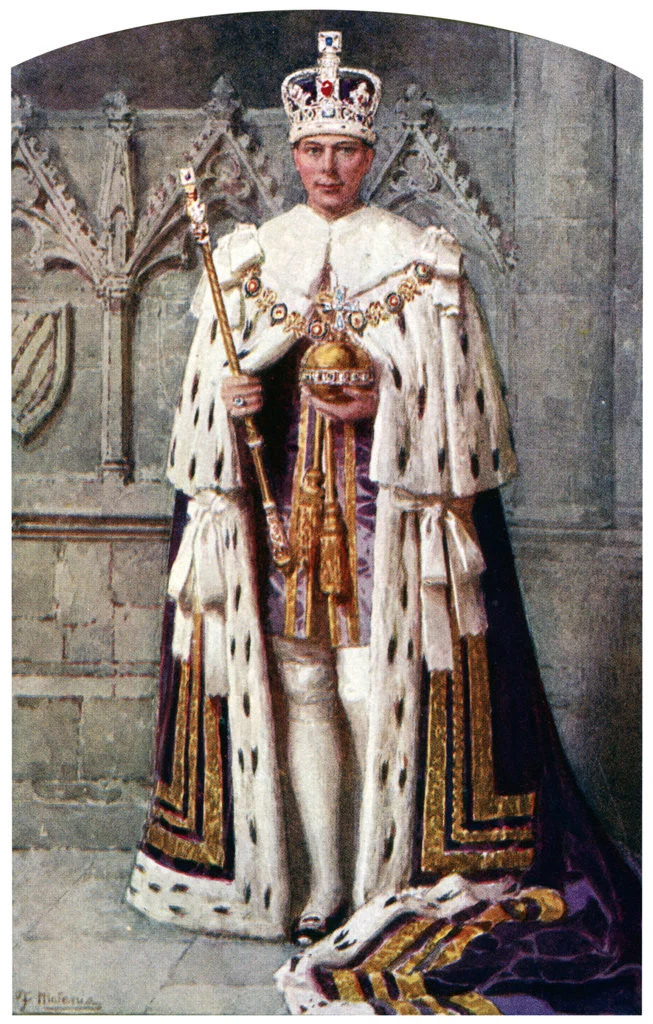
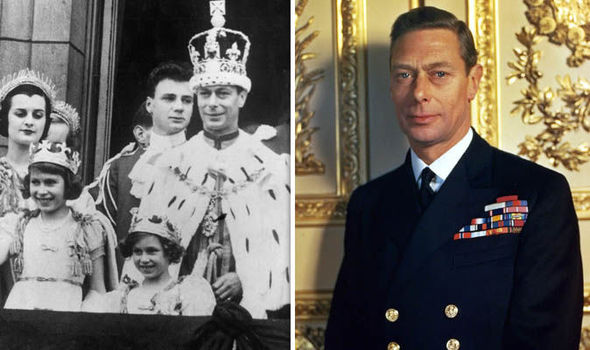
The crown contains thousands of gemstones, including diamonds, sapphires, emeralds, pearls and rubies, alongside historically significant stones such as the Black Prince’s Ruby, Stuart Sapphire and Cullinan II.
Ruby vs. Spinel: Why Were They Confused?
The Black Prince’s Ruby is not an isolated example.
Before gemology became a modern science, gemstones were often classified largely according to visible characteristics such as color. A brilliant transparent red gemstone could therefore be regarded as a ruby even when its mineral composition was entirely different.
This was particularly important for red spinel.
Fine red spinel can have an intense, saturated appearance that strongly resembles ruby. Some historically important spinels consequently spent centuries carrying ruby names.
Another remarkable example is the Timur Ruby, another famous royal gemstone that is actually spinel. GIA notes that both the approximately 170-carat Black Prince’s Ruby and the much larger Timur “Ruby” are spinels believed to have originated from the historic Badakhshan region.
Rather than diminishing spinel, these discoveries revealed something remarkable: spinel had quietly occupied some of the most prestigious positions in gemstone history.
R14180| play | middle| “2.32 Ct. Ruby from Mozambique”
K20569| play | middle| “6.12 Ct. Red Spinel from Burma”
What Makes Spinel Special?
For centuries, spinel lived in the shadow of ruby partly because the two gemstones were so frequently confused. Today, natural spinel is recognized and appreciated as an important gemstone in its own right.
Its appeal comes from its combination of brilliance, attractive color and variety. Natural spinel occurs in several colors, including:
- Red
- Pink
- Purple
- Violet
- Blue
- Gray
- Orange and orangish-red tones
K8327| play | middle| “Red”
K7925| play | middle| “Pink”
K26711| play | middle| “Purple”
K25750| play | middle| “Violet”
K15759| play | middle| “Blue”
K20883| play | middle| “Gray”
K18917| play | middle| “Orange”
K19870| play | middle| “Orangish-red”
Among these, fine red spinel has an especially strong historical connection with ruby.
GIA has even described spinel as a candidate for “History’s Most Underappreciated Gem,” noting how frequently important spinels were mistaken for better-known gemstones throughout history.
The Black Prince’s Ruby is perhaps the perfect example of why spinel deserves greater recognition.
Does Being a Spinel Make the Black Prince’s Ruby Less Important?
Not at all.
In fact, discovering that the Black Prince’s Ruby is a spinel arguably makes its story even more fascinating.
Its importance was never based solely on its mineral classification. The stone has been admired because of its remarkable appearance, extraordinary size, royal associations and centuries-long history.
Its identity also provides an important lesson for modern gemstone buyers: appearance alone cannot always determine what a gemstone is.
Two gemstones may look remarkably similar while belonging to completely different mineral species. This is one reason professional gemstone identification and reliable gemological information are so important when purchasing significant natural gemstones.

The Black Prince’s Ruby Changed the Way We Look at Spinel
For much of history, spinel did not receive the recognition it deserved.
Some of the world’s finest examples were admired as rubies, meaning that spinel contributed to the visual language of royal luxury without receiving credit under its own name.
The Black Prince’s Ruby helps correct that story.
Instead of viewing the revelation that it is a spinel as a disappointment, it can be seen as evidence of how exceptional natural spinel can be. A gemstone does not need to be a ruby to possess extraordinary color, rarity, history and beauty.
The stone has remained magnificent regardless of what people called it.

A Royal “Ruby” With a Spinel Identity
The Black Prince’s Ruby is one of gemstone history’s greatest cases of mistaken identity.
For centuries, kings and queens admired it as an extraordinary ruby. Modern gemology eventually revealed something different: the legendary red gemstone was natural spinel.
Yet that discovery did nothing to erase its importance.
Today, the Black Prince’s Ruby remains prominently displayed in the Imperial State Crown, carrying with it centuries of stories involving medieval rulers, battles, royal ceremonies and changing scientific knowledge.
Perhaps that is what makes this gemstone so compelling. Its story is not simply about a ruby that turned out not to be a ruby. It is about a gemstone that helped demonstrate that spinel deserves a place among history’s most remarkable natural gems.
Sources
Historic Royal Palaces provides the official Crown Jewels history and identifies the Black Prince’s Ruby as a spinel.
The Gemological Institute of America provides additional gemological and historical information about spinel, the Black Prince’s Ruby and other historic spinels.