
The Hope Spinel: The Historic Red Gem Once Mistaken for Ruby
The Hope Spinel, the historic red gem once mistaken for ruby, reflects a time when magnificent red gemstones were often described simply as “rubies.” Without modern gemological testing, distinguishing ruby from visually similar red stones could be extremely difficult.
One remarkable gem connected with this history is the Hope Spinel, a spectacular red spinel weighing more than 50 carats. Once part of the celebrated collection of Henry Philip Hope, the gemstone survived changing tastes, generations of ownership, and an era when spinel and ruby were not always clearly distinguished.
Today, the Hope Spinel is valued not because it is a ruby, but because it is an exceptional natural spinel with an extraordinary history.
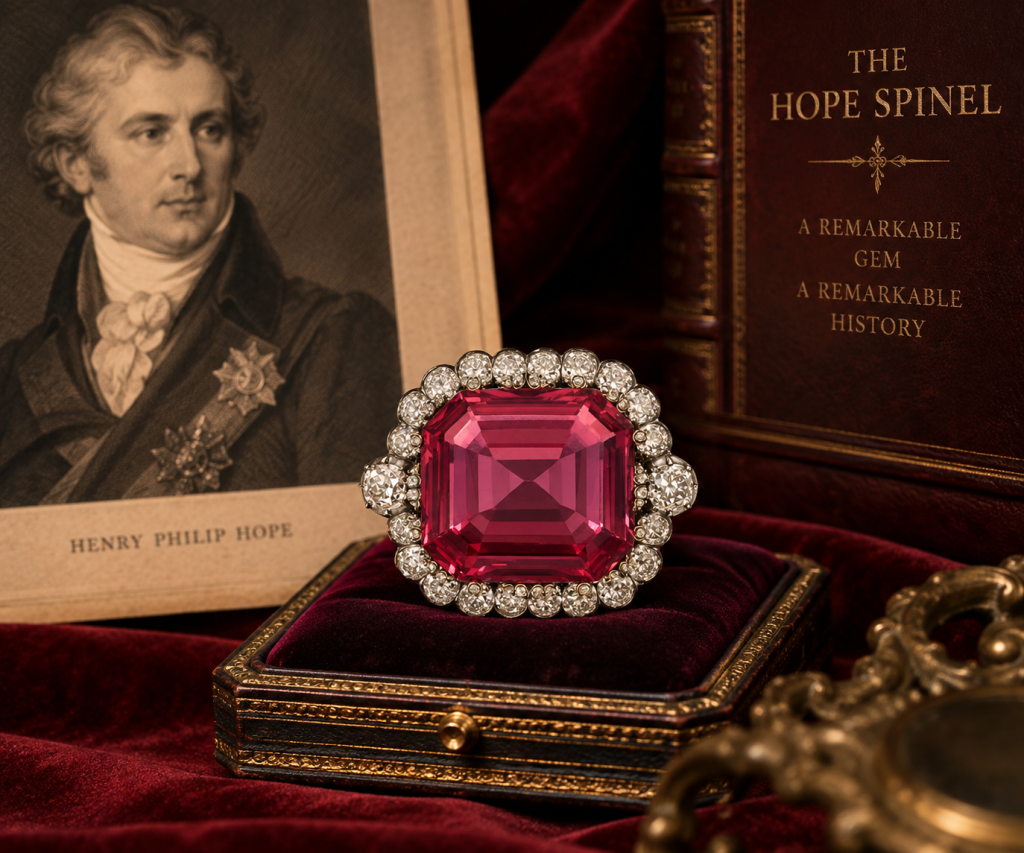
Who Was Henry Philip Hope?
Henry Philip Hope was a wealthy nineteenth-century gemstone collector whose collection included some remarkable jewels.
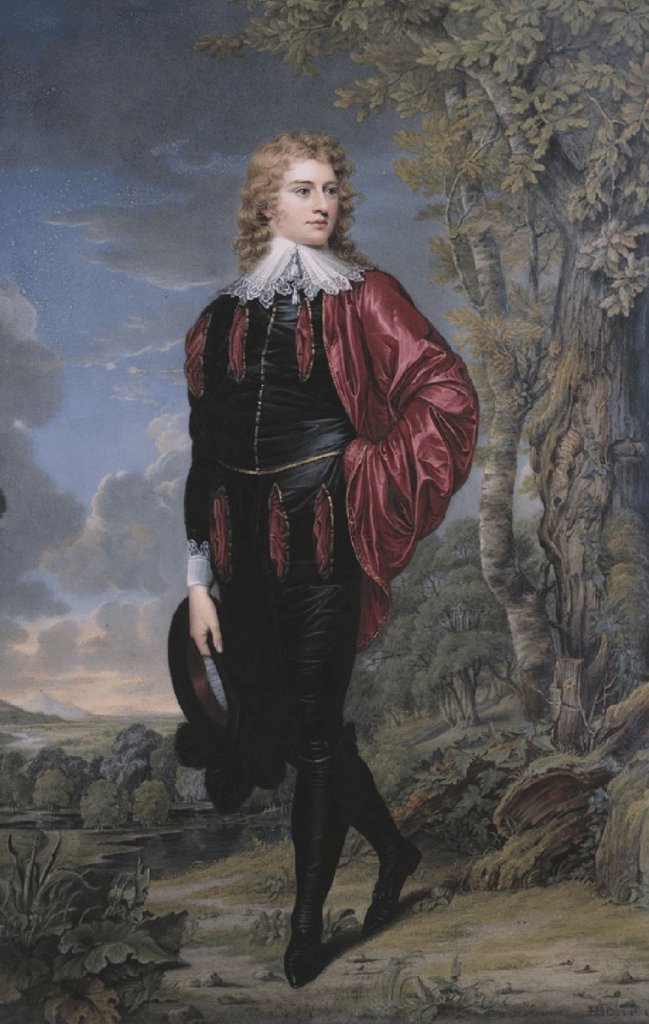
His name is most famously associated with the Hope Diamond, but his collection extended far beyond that legendary blue diamond. His published gemstone catalogue included diamonds, sapphires, emeralds, pearls, and numerous other colored stones.
Among these treasures was the large red gemstone now known as the Hope Spinel.
Its association with the Hope collection gave the stone an important provenance that would eventually contribute greatly to its historical appeal.
A Magnificent Red Spinel
The Hope Spinel is an impressive gemstone of approximately 50 carats, displaying a rich pinkish-red to deep red appearance.
Its size alone makes it remarkable.
Fine spinels can occur in vivid reds that closely resemble ruby. Before mineralogical and gemological testing became sophisticated, this similarity caused many important spinels to be classified or described as rubies.
The Hope Spinel emerged from this historical world, when appearance often mattered more than precise mineral identity.
Why Were Spinels Mistaken for Rubies?
Ruby and red spinel can look remarkably similar to the unaided eye.
Both can display intense red coloration, occur in some of the same geological regions, and have historically appeared together in gemstone deposits.
However, they are completely different minerals.
Ruby is the red variety of corundum, while spinel belongs to its own mineral species. Ruby has a Mohs hardness of 9, whereas spinel measures approximately 8.
These distinctions are straightforward to modern gemologists, but historical jewelers did not have access to refractometers, spectroscopic instruments, or today’s laboratory testing.
As a result, important red spinels could spend centuries carrying the prestigious name of ruby.
The Hope Spinel and a Famous Gemstone Collection
The gemstone became part of Henry Philip Hope’s extraordinary collection during the nineteenth century.
After Hope died in 1839, his collection became the subject of complicated inheritance arrangements and was eventually dispersed.
While the Hope Diamond went on to become one of the world’s most famous gemstones, the red spinel remained far less familiar to the general public.
Yet its combination of impressive size, beauty, and Hope provenance ensured that it remained an important historic jewel.
Spinel Was Once Overshadowed by Ruby
For much of jewelry history, spinel lived in ruby’s shadow.
This was partly because fine red spinel could resemble ruby so closely and partly because ruby eventually developed greater recognition as a distinct precious gemstone.
Some of history’s most famous supposed “rubies” were eventually identified as spinels. The Black Prince’s Ruby in the British Imperial State Crown is perhaps the best-known example.
Modern gemology changed that perception.
Rather than being considered an imitation or substitute for ruby, natural spinel is now recognized as an important gemstone in its own right.
The Hope Spinel illustrates this transformation particularly well.
A Remarkable Return to the Auction World
The Hope Spinel attracted international attention when it appeared at auction at Bonhams London in 2015.


The gemstone weighed 50.13 carats and was presented as one of the important surviving gems associated with the Hope collection.
Its estimate was approximately £150,000–£200,000.
Instead, bidding climbed dramatically higher.
The Hope Spinel eventually sold for £962,500, demonstrating the extraordinary influence that rarity, beauty, size, and historical provenance can have on the value of an important gemstone.
The sale also brought renewed public attention to spinel itself.
Why Is the Hope Spinel So Important?
The importance of the Hope Spinel comes from several qualities working together.
Its large size is unusual for a fine red spinel. Its color makes it visually impressive, while its connection with Henry Philip Hope provides significant historical provenance.
But perhaps most interestingly, the gemstone represents an important chapter in gemological history.
It comes from a time when ruby and spinel were not understood as clearly as they are today.
What might once have been appreciated primarily because it resembled ruby can now be admired specifically because it is spinel.
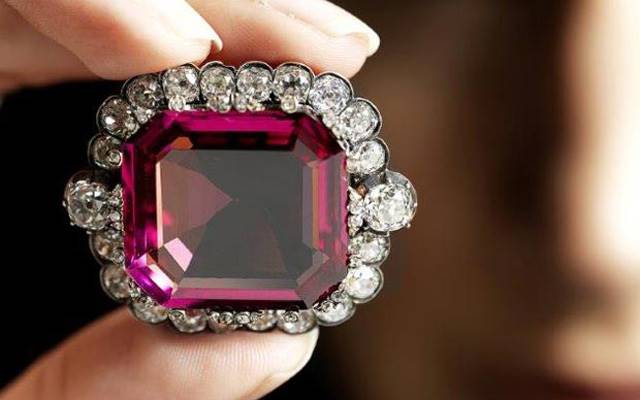
Spinel Finally Gets Its Own Identity
Modern buyers increasingly recognize spinel for its own qualities.
Natural spinel occurs in red, pink, purple, blue, gray, orange, and other colors. Fine red and vivid pink examples can be particularly desirable.
Unlike ruby and sapphire, spinel is also commonly encountered without routine heat treatment, which adds to its appeal among collectors interested in naturally colored gemstones.
Its hardness of around 8 on the Mohs scale also makes it suitable for many types of jewelry.
The gemstone that spent centuries overshadowed by ruby has therefore developed a strong identity of its own.
The Hope Spinel vs. the Hope Diamond
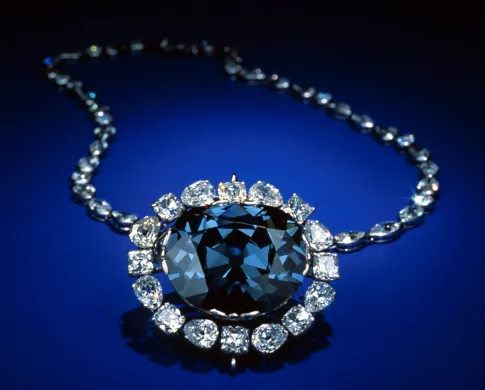
Despite sharing the Hope name, the Hope Spinel and Hope Diamond are completely different gemstones.
The Hope Diamond is a famous deep-blue diamond weighing 45.52 carats and is now held by the Smithsonian Institution.
The Hope Spinel is a red spinel weighing just over 50 carats.
Their connection comes through Henry Philip Hope and his remarkable gemstone collection.
The fame of the Hope Diamond may have overshadowed its red relative, but the 2015 auction demonstrated that the Hope Spinel has a fascinating story of its own.
Visit HERE to learn more about Famous Gemstones of Antiquity and discover the fascinating stories behind these historic gems.
More Than a “Mistaken Ruby”
It can be tempting to describe historic spinels simply as gemstones that were mistaken for rubies.
But that description does not fully reflect their importance.
Spinel does not need to be ruby to be exceptional.
The Hope Spinel’s beauty, size, provenance, and rarity make it significant regardless of how it was classified in earlier periods.
In fact, its changing identity makes the story even more interesting. It shows how advances in mineralogy and gemology changed our understanding of historic gemstones.
Final Thoughts
The Hope Spinel is more than a magnificent red gemstone.
At over 50 carats, it is an impressive example of natural spinel. Its connection with Henry Philip Hope places it within one of the nineteenth century’s most celebrated gemstone collections, while its remarkable 2015 auction result demonstrated the continuing appeal of historic colored stones.
Its story also reflects a broader change in the gemstone world.
There was a time when being mistaken for ruby might have increased a red spinel’s prestige. Today, no such disguise is necessary.
The Hope Spinel is extraordinary precisely for what it really is: a magnificent natural spinel with a history worthy of its famous name.
Explore our collection of natural spinels and discover their remarkable colors, brilliance, and unique beauty.