
- Stone15
- Reports3


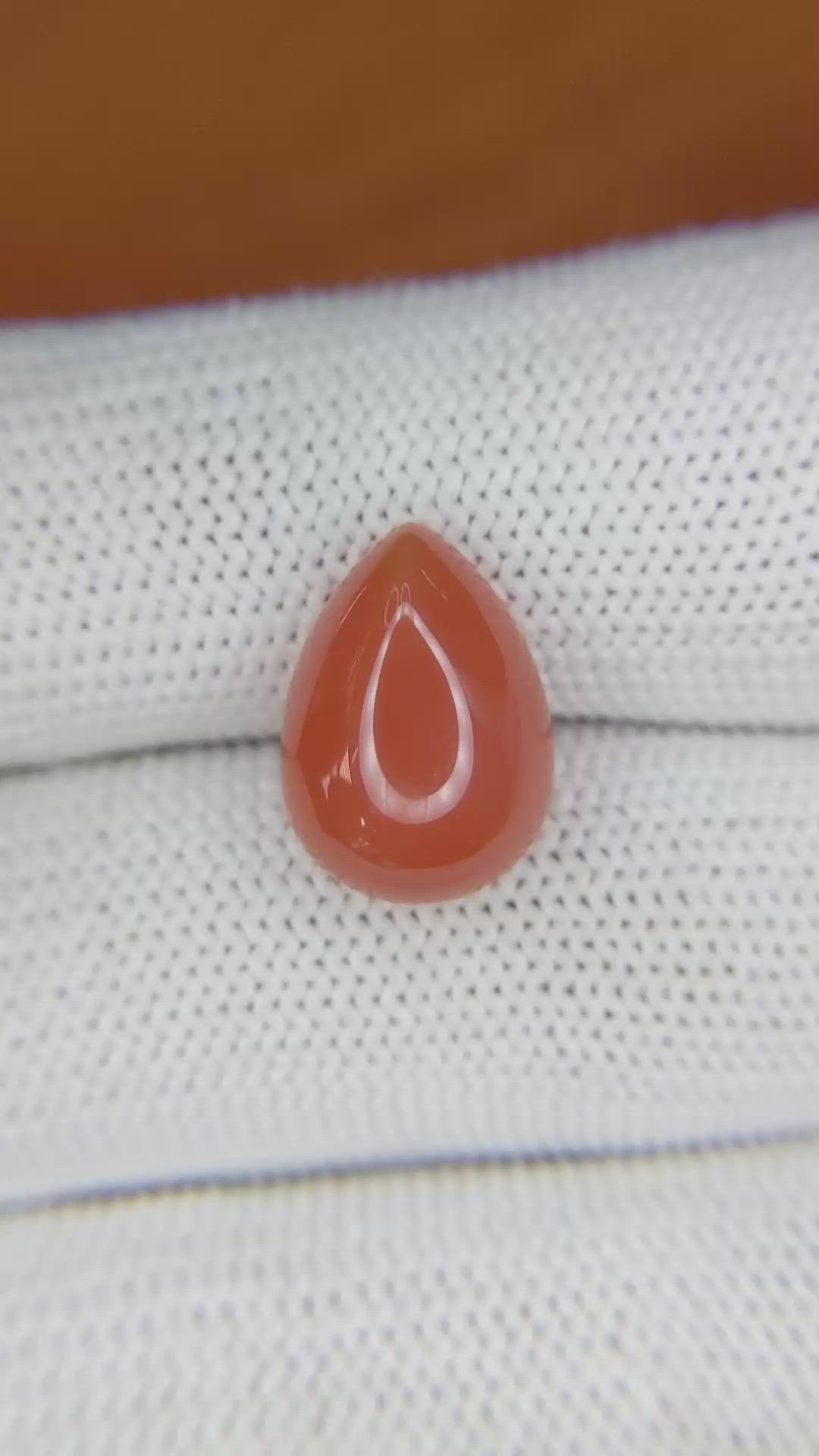


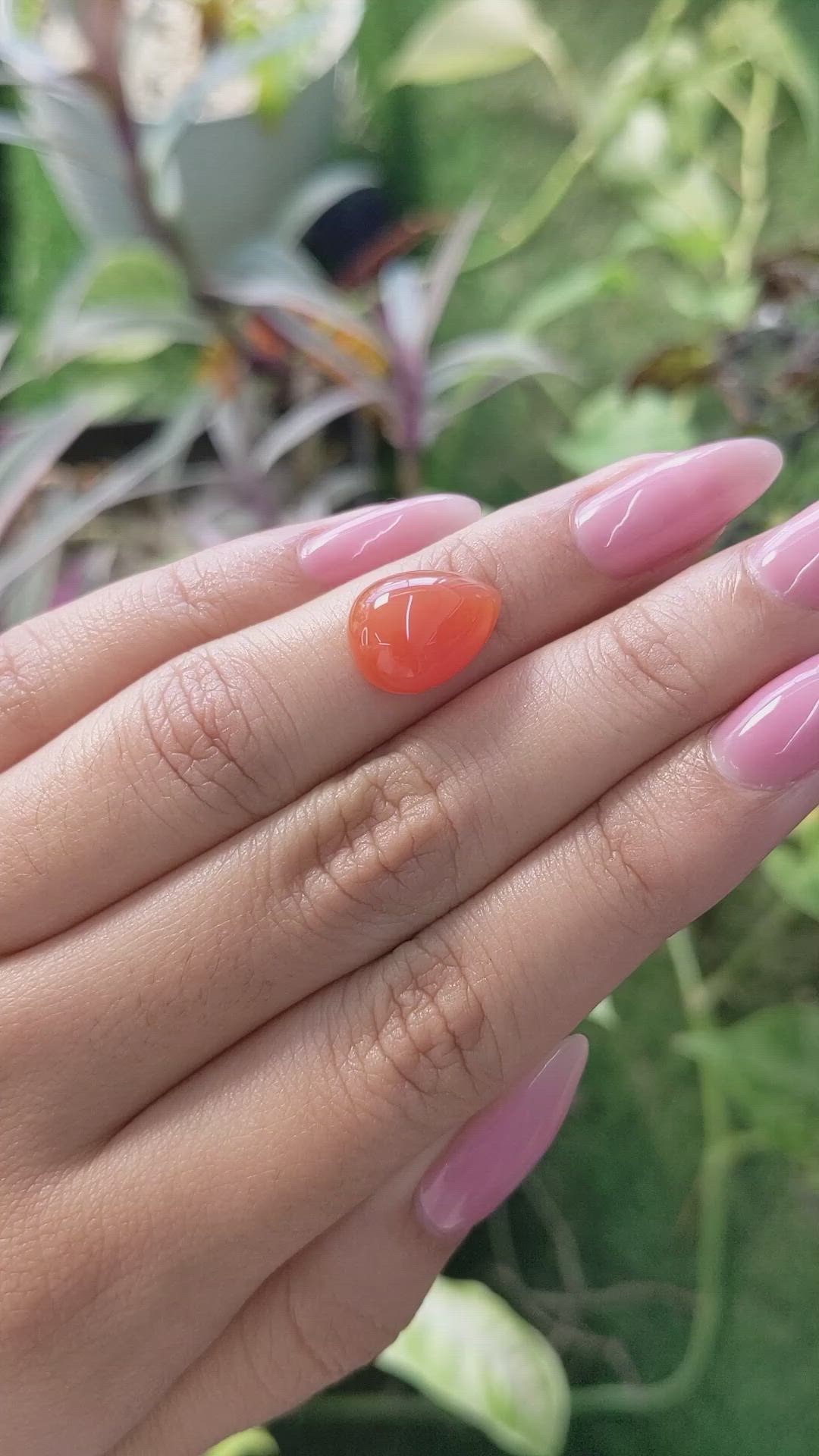
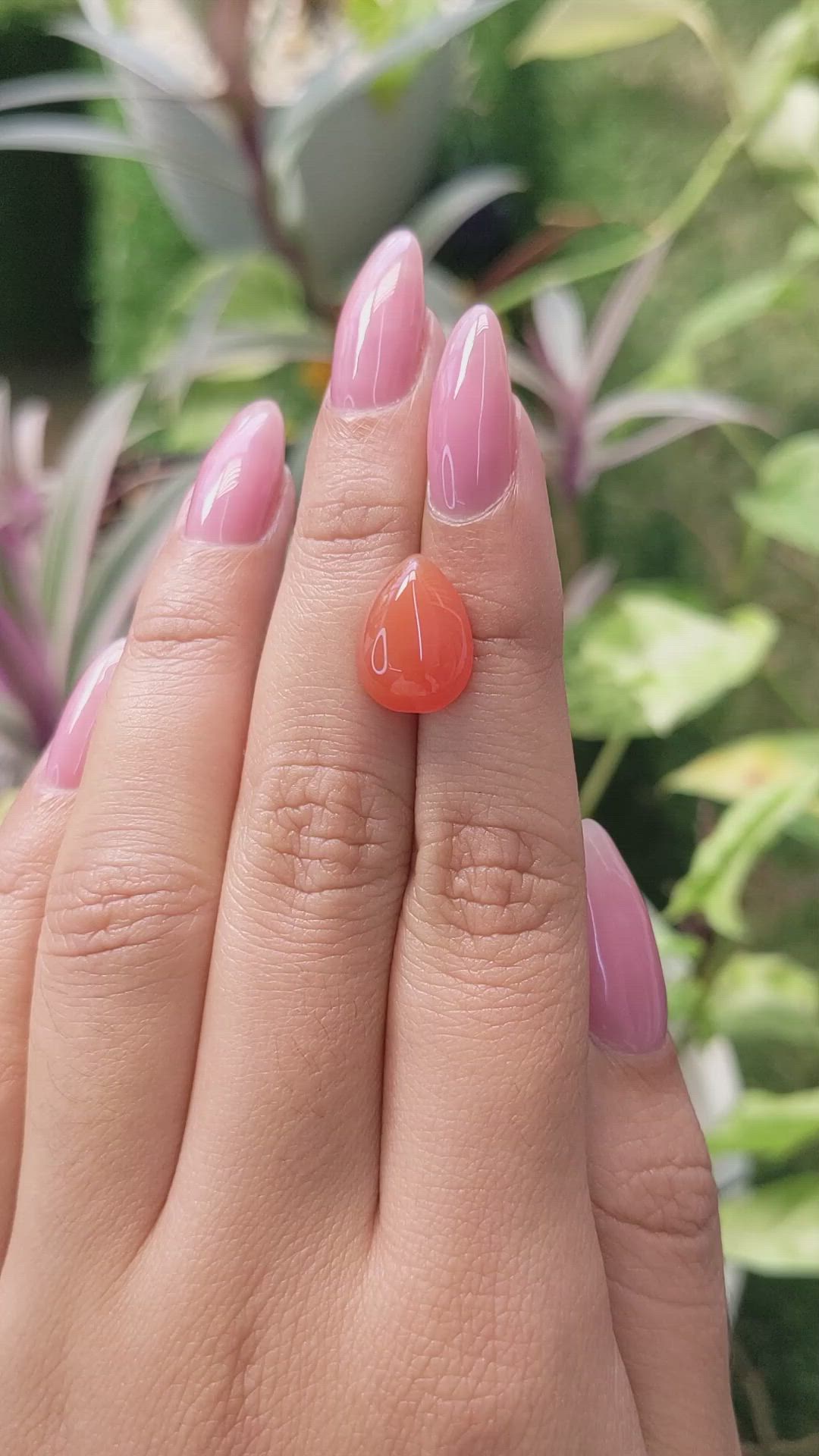
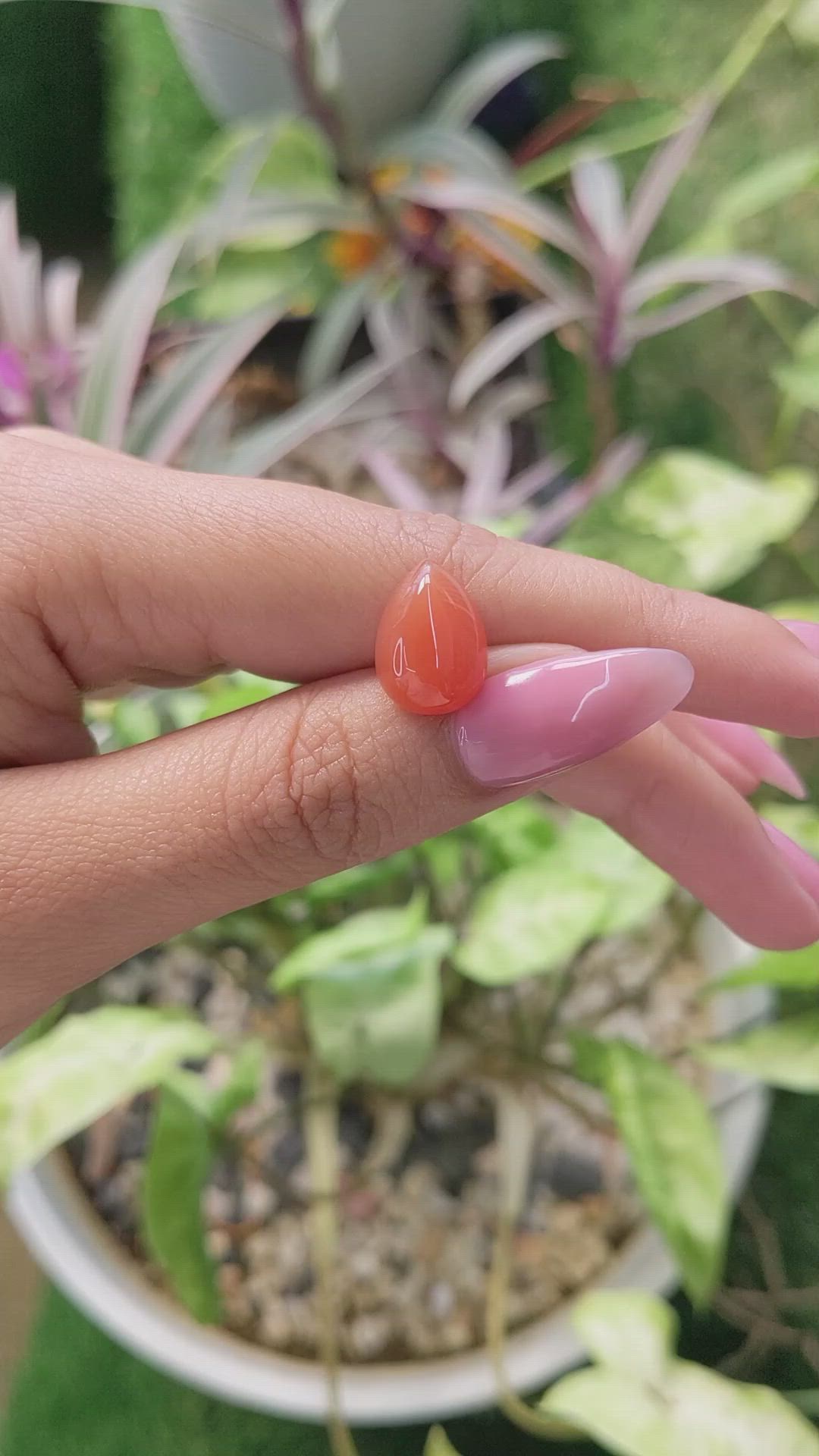

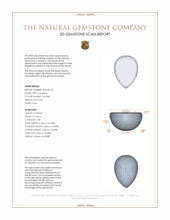

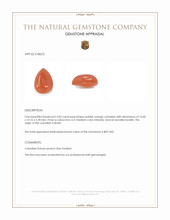


5.82 Ct. Reddish Orange Cabochon Carnelian from Brazil
This loose stone is available to ship now
Item ID: | K18572 |
|---|---|
Dimensions (MM): help | Length: 14 Width: 10.16 Height: 5.78 |
Weight: | 5.82 Ct. |
Color: help | Reddish Orange |
Color intensity: help | Medium |
Clarity: help | Not Applicable |
Shape: help | Pear |
Cut: | Cabochon |
Cutting style: | Cabochon |
Enhancements: help | Dye Treated |
Origin: help | Brazil |
Per carat price: help | $16 |
This pear shaped carnelian presents as a translucent, well proportioned gem with a precise weight of 5.82 carat and dimensions of 14.00 x 10.16 x 5.78 mm, reflecting careful selection and cutting. The stone is fashioned as a cabochon, an approach that emphasizes its smooth domed profile and allows the internal color to be viewed uninterrupted. The hue registers as a reddish orange with medium color intensity, offering a warm and uniform saturation across the surface. The polish is excellent, resulting in a high degree of surface luster and soft reflective highlights that move smoothly over the dome. The material is dye treated, an enhancement that has been applied to enrich the base color and to achieve even tonal distribution. Origin is Brazil, a notable source for quality chalcedony varieties, and this provenance is consistent with the structural and textural characteristics evident in the stone. For comparative reference within our inventory, we also note the availability of opal material described as White Opal, also known as Light Opal, which displays its own distinct body tone and optical character, and may be considered when planning paired or contrasted designs with this carnelian.
The formation narrative of this carnelian spans deep geological time, rooted in processes that unfolded over millions of years. Carnelian is a variety of microcrystalline quartz that developed from silica rich solutions which migrated through volcanic and sedimentary rock structures. In the depositional environment typical of Brazilian sources, silica laden fluids permeated cavities and pore spaces, often filling voids within ancient lavas or sedimentary layers. As the silica gel gradually solidified and recrystallized at low temperatures, microscopic quartz crystals arranged themselves into the compact, fibrous chalcedony texture characteristic of carnelian. Trace amounts of iron oxides became incorporated during or after this crystallization, imparting the reddish orange color that defines the specimen. Over extended geological timeframes, subsequent burial and subtle thermal and chemical alteration contributed to the stabilization and consolidation of the material. The cabochon cut selected for this piece follows the stone through its history, presenting the compact internal structure as a smooth surface that reveals translucency and depth rather than facet derived brilliance.
In practical terms this carnelian combines aesthetic and material properties that are relevant to both gem professionals and discerning clients. At a hardness near 6.5 to 7 on the Mohs scale, the stone offers a durable option for a variety of jewelry settings, particularly for pieces where the cabochon form can be secured within bezels or partial bezels to protect the perimeter. The medium intensity and uniform saturation are well suited to designs that prioritize color harmony, and the translucency allows light to pass and diffuse through the dome, creating a warm internal glow. The dye treatment should be considered when specifying long term care and potential exposure to strong solvents or prolonged heat, and standard precautions for dyed chalcedony are advised. When juxtaposing this carnelian with White Opal Light Opal, note that the opal will present a fundamentally different optical profile and care requirement, offering contrast in body tone and play of light. The Natural Gemstone Company provides this piece with full disclosure of treatment and origin, and we include measurements and photographic representation to support accurate assessment for design and appraisal purposes. This description aims to present the factual and geological context of the gem, along with its physical and optical attributes, to assist professional and private clients in making a considered evaluation.


