
- Stone14
- Reports3
-emerald-green-chrysoberyl-0.7100-cts-k20347-1.jpg?d=200x200&v=20251215051957)
-emerald-green-chrysoberyl-0.7100-cts-k20347-lifestyleimage-1.jpg?d=200x200&v=20251215052157)
-emerald-green-chrysoberyl-0.7100-cts-k20347-lifestyleimage-2.jpg?d=200x200&v=20251215052157)
-emerald-green-chrysoberyl-0.7100-cts-k20347-lifestyleimage-3.jpg?d=200x200&v=20251215052158)

-emerald-green-chrysoberyl-0.7100-cts-k20347-1.jpg?d=750x750&s=ngc&v=20251215051957)
-emerald-green-chrysoberyl-0.7100-cts-k20347-lifestyleimage-1.jpg?d=750x750&s=ngc&v=20251215052157)
-emerald-green-chrysoberyl-0.7100-cts-k20347-lifestyleimage-2.jpg?d=750x750&s=ngc&v=20251215052157)
-emerald-green-chrysoberyl-0.7100-cts-k20347-lifestyleimage-3.jpg?d=750x750&s=ngc&v=20251215052158)

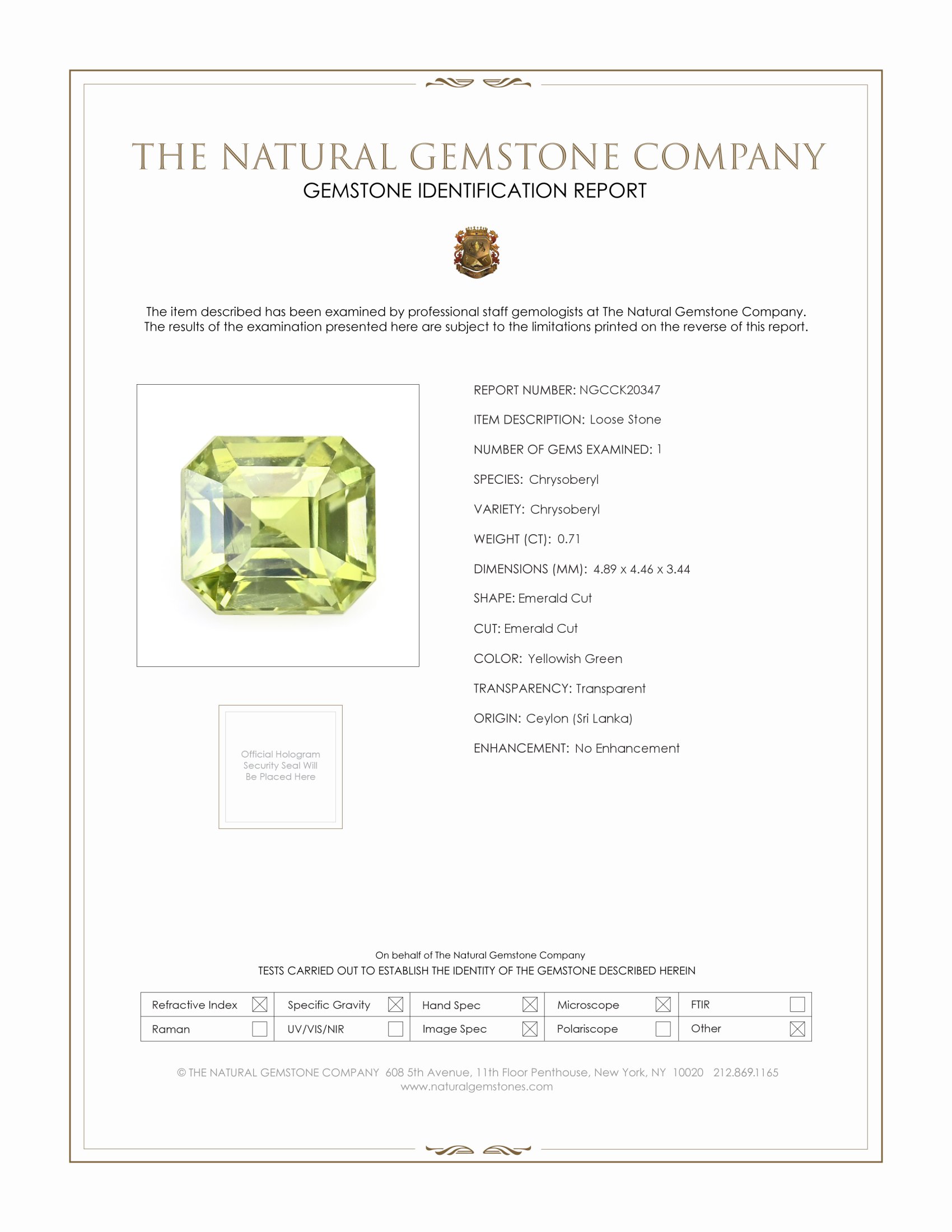
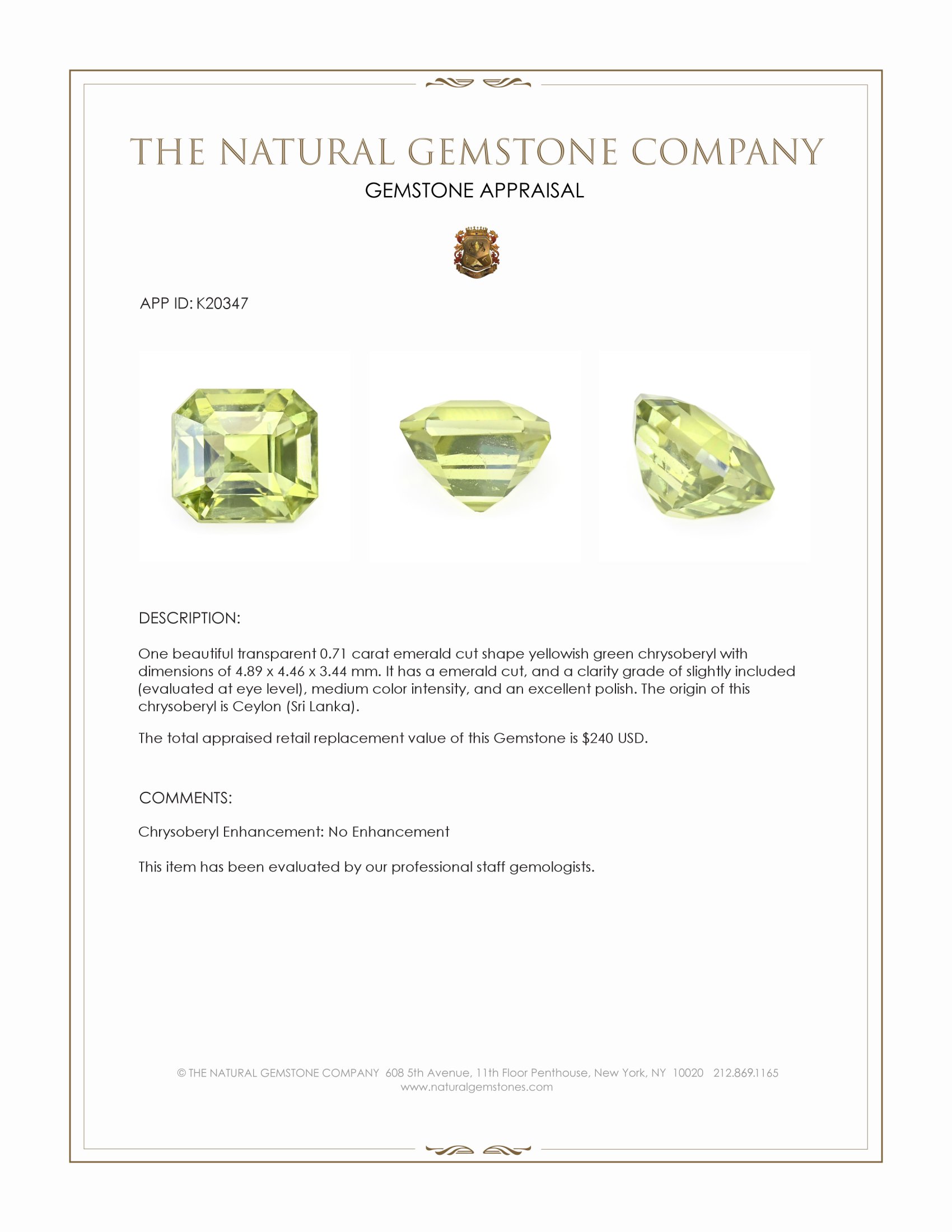
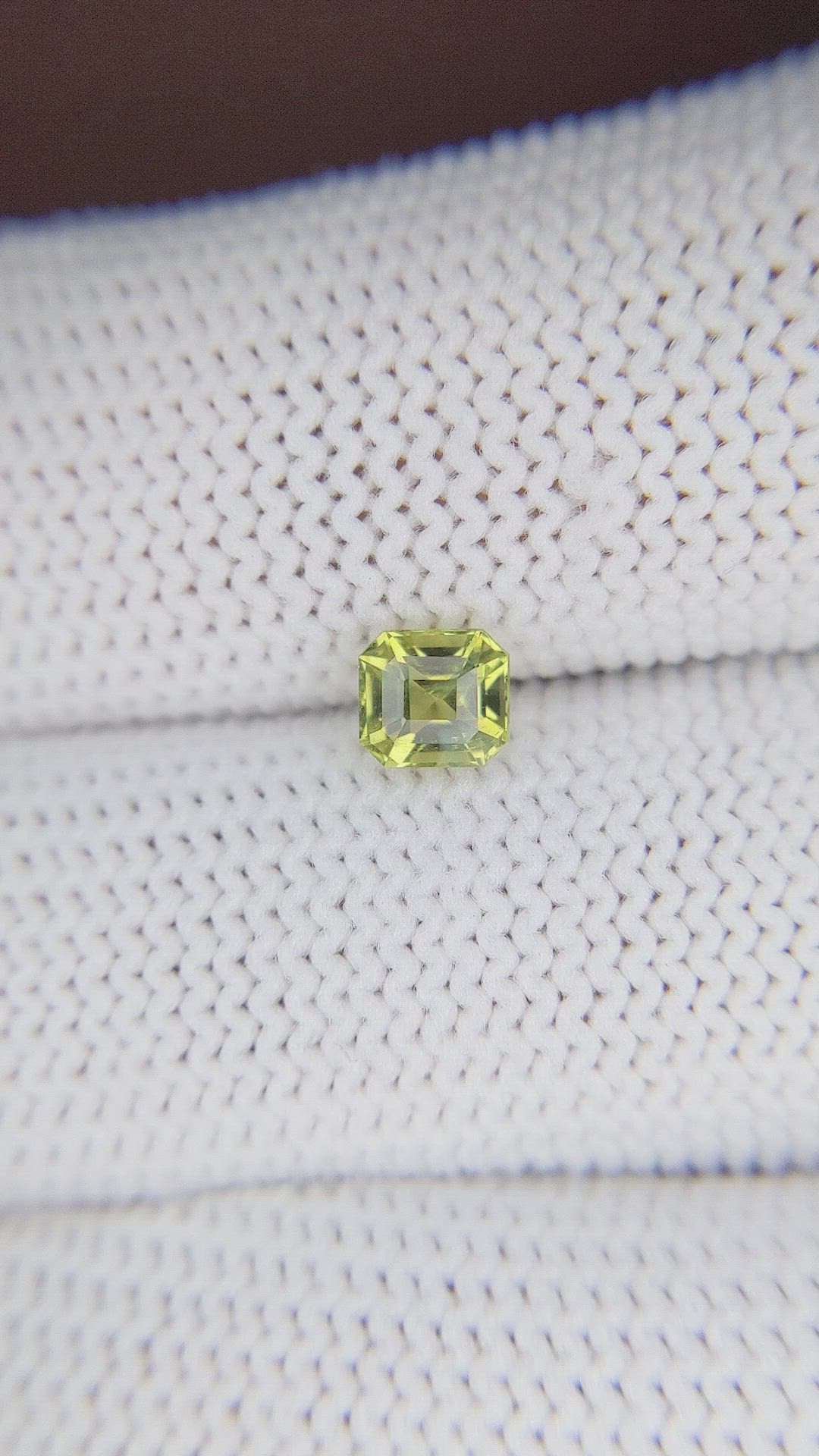
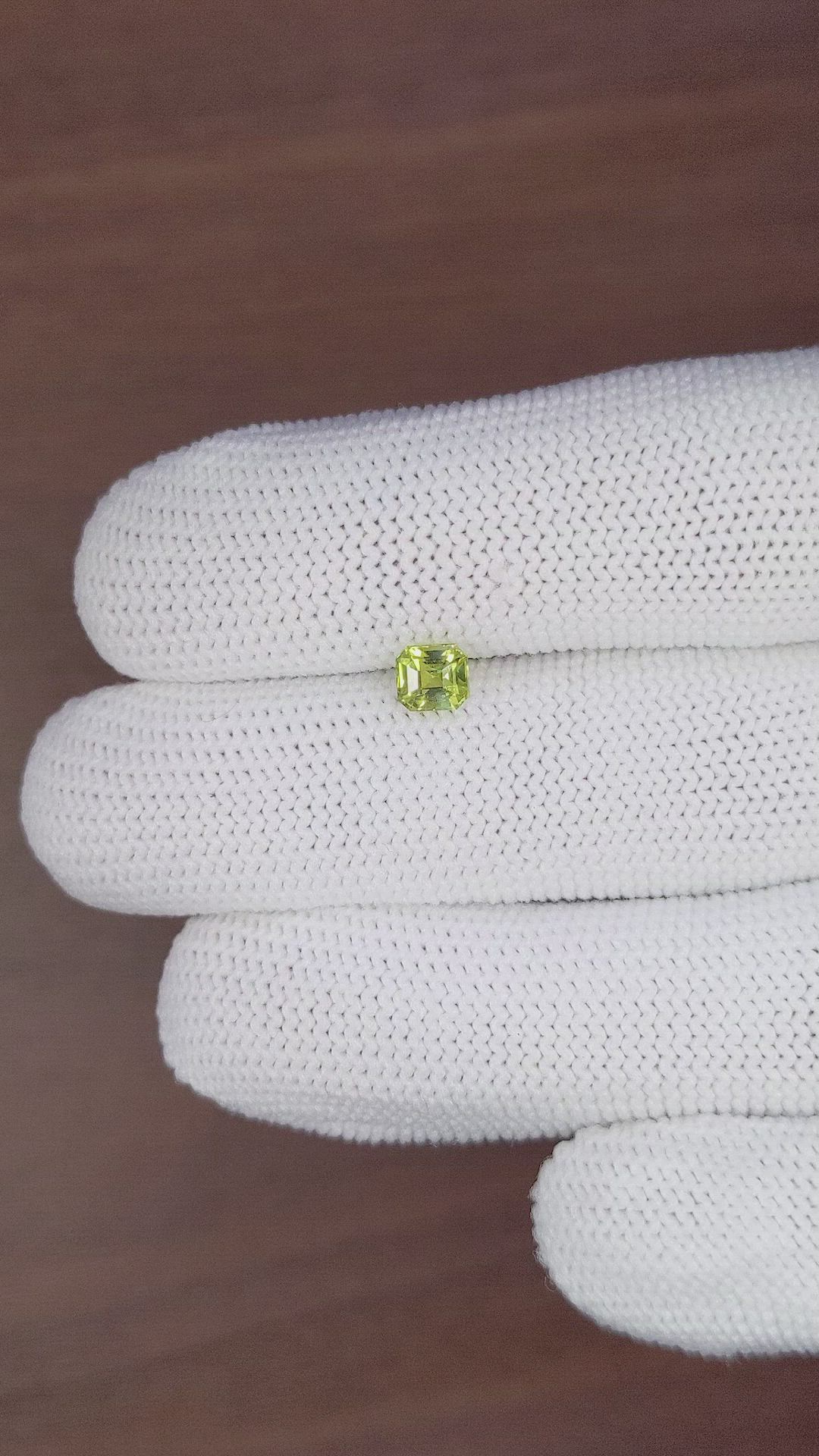
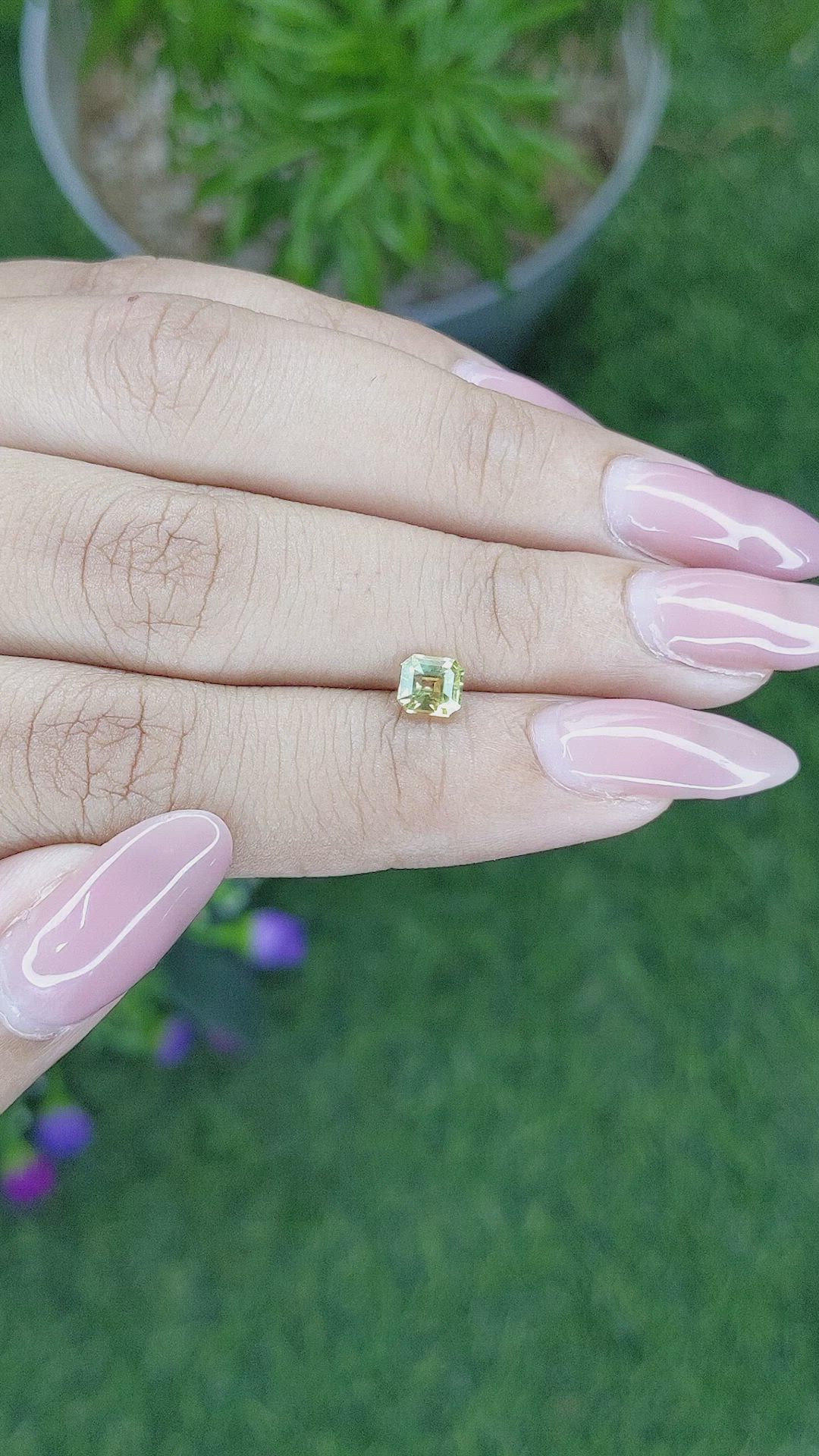
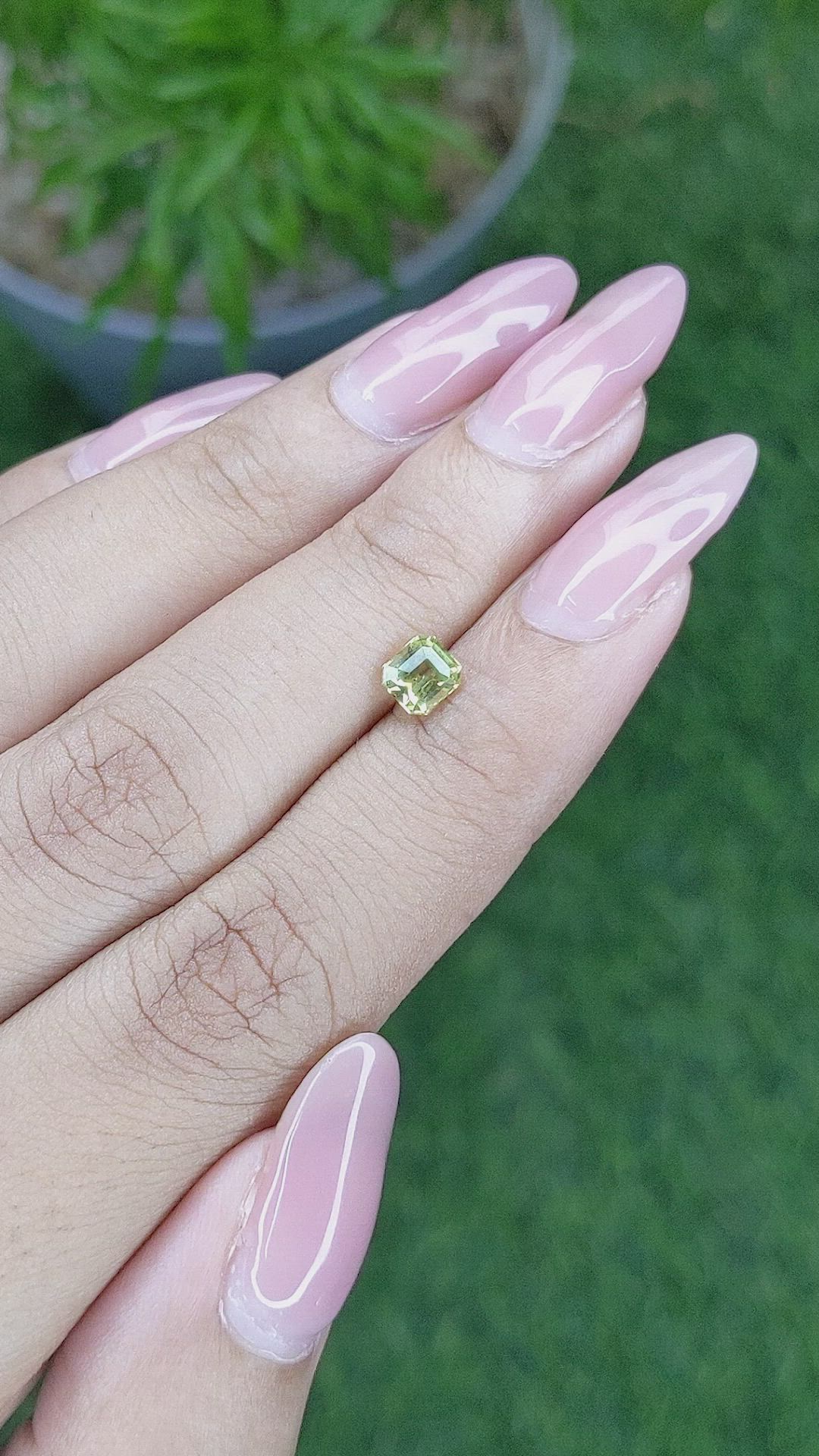
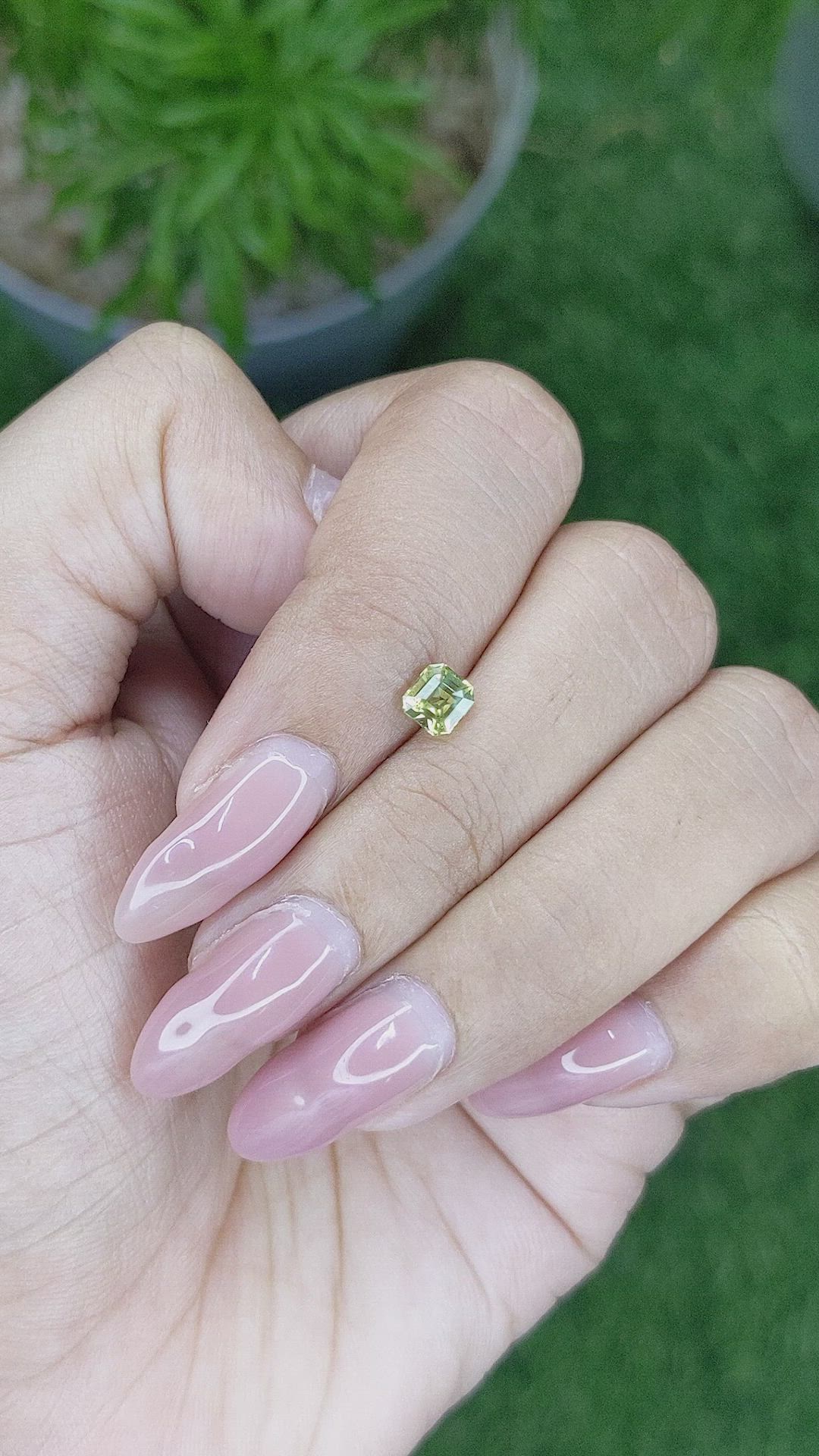
0.71 Ct. Chrysoberyl from Ceylon (Sri Lanka)
This loose stone ships by Apr 17
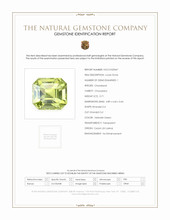
Item ID: | K20347 |
|---|---|
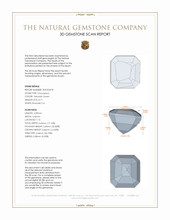
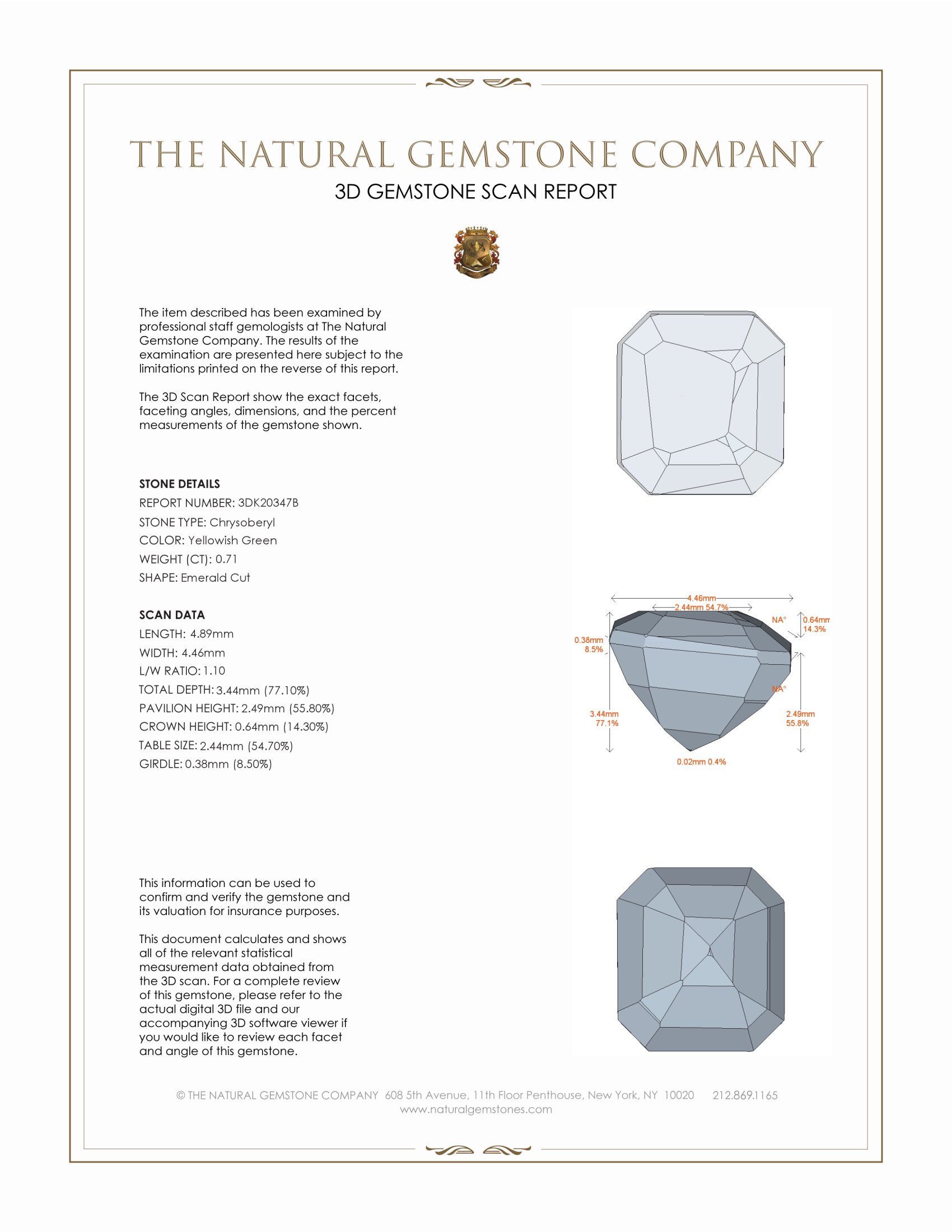
Dimensions (MM): help | Length: 4.89 Width: 4.46 Height: 3.44 |
Weight: | 0.71 Ct. |
Color: help | Yellowish Green |
Color intensity: help | Medium |
Clarity: help | Slightly Included |
Shape: help | Emerald Cut |
Cut: | Emerald Cut |
Cutting style: | Faceted |
Enhancements: help | No Enhancement |
Origin: help | Ceylon (Sri Lanka) |
Per carat price: help | $338 |
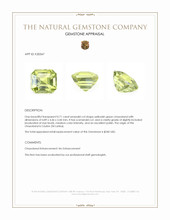
This listing presents a transparent 0.71 carat chrysoberyl, emerald cut, with dimensions 4.89 x 4.46 x 3.44 mm, sourced from Ceylon Sri Lanka, offered by The Natural Gemstone Company. The stone has been assessed as slightly included at eye level, with a medium color intensity and an excellent polish. There has been no enhancement applied to this material, a factor that contributes directly to its appeal for collectors and connoisseurs who prioritize natural state and provenance. The emerald cut was chosen to emphasize internal clarity and planar reflections, producing a refined, architectural look that is particularly flattering for a gem in the one carat or smaller range. The combination of the gemological parameters listed and the Sri Lankan origin places this chrysoberyl in a category that appeals to buyers seeking naturally occurring color and optical purity rather than treated color saturation.
Color is central to the character of this example, described accurately as yellowish green. At medium intensity the tone sits comfortably between the delicate lemon greens of lighter material and the deeper apple greens found in some sources. The emerald cut promotes a broad, flat table that allows the yellow notes to remain visible while the green component provides vibrancy without tipping into an olive or brownish cast. Compared to peridot, which often shows a more distinctly olive to yellow green with a softer brilliance, this chrysoberyl exhibits a crisper refractive response and greater scintillation owing to its higher refractive index. Against a Colombian emerald, which typically displays a deeper bluish green and commonly bears more inclusions that impact transparency, this Sri Lankan chrysoberyl reads as a brighter, more transparent green, with a cleaner window and less body color. The net effect is a lively, wearable green that reads as fresh and luminous on the finger, particularly when set in white or yellow metal where the yellow component can harmonize with warm settings.
When comparing hue and tone to gemstones from other well known localities the differences become instructive for valuation and aesthetic preference. Brazilian chrysoberyl can produce intensely green examples that skew towards pure green with less yellow influence, those stones present a more saturated tone and in larger sizes command a premium for color purity. Ural Russian alexandrite and certain Russian chrysoberyl are best known for color change properties and deeper tones, and they tend to show a more complex color interplay under varied lighting that is not present in a purely yellowish green specimen. Madagascar material often yields lighter pastel greens that are slightly more muted in tone, while East African chrysobervils can vary widely and sometimes carry a greener tone with slightly higher saturation. The Sri Lankan origin in this case contributes historically to desirability, because Ceylon has produced many exceptional gem materials with a reputation for clarity and attractive, balanced color. For a buyer comparing this yellowish green chrysoberyl to stones from Brazil, Russia, and Madagascar, the distinction will be that this Ceylon gem leans toward a medium lively yellow green, a color that sits between the intense Brazilian green and the paler Malagasy tones, and without the color change complexity of Russian alexandrite.
For the educated buyer assessing value and practical use this chrysoberyl offers several convincing points. The gemological profile shows hardness and toughness superior to many green gem alternatives, providing durability for everyday wear in rings and earrings, and the excellent polish and emerald cut maximize the stone s natural transparency. The clarity grade slightly included at eye level is consistent with material of this size and origin, and those minor inclusions do not detract from the overall clarity to the extent that they would reduce optical performance in settings where the stone is viewed from the top. The absence of enhancement is a material advantage in the current market where treated stones are common, and natural, untreated Sri Lankan chrysoberyl attracts premium interest among collectors and custom jewelers. The Natural Gemstone Company stands behind the provenance noted, and we recommend a formal gemological report for buyers seeking documentation of origin and characteristics for investment or insurance purposes. When mounted, this gem will read as a distinctive yellowish green that complements warm skin tones and offers a unique alternative to more common green gemstones, making it a refined acquisition for the discerning collector or the client seeking a durable and elegant colored gem for bespoke jewelry.


