
- Stone14
- Reports3


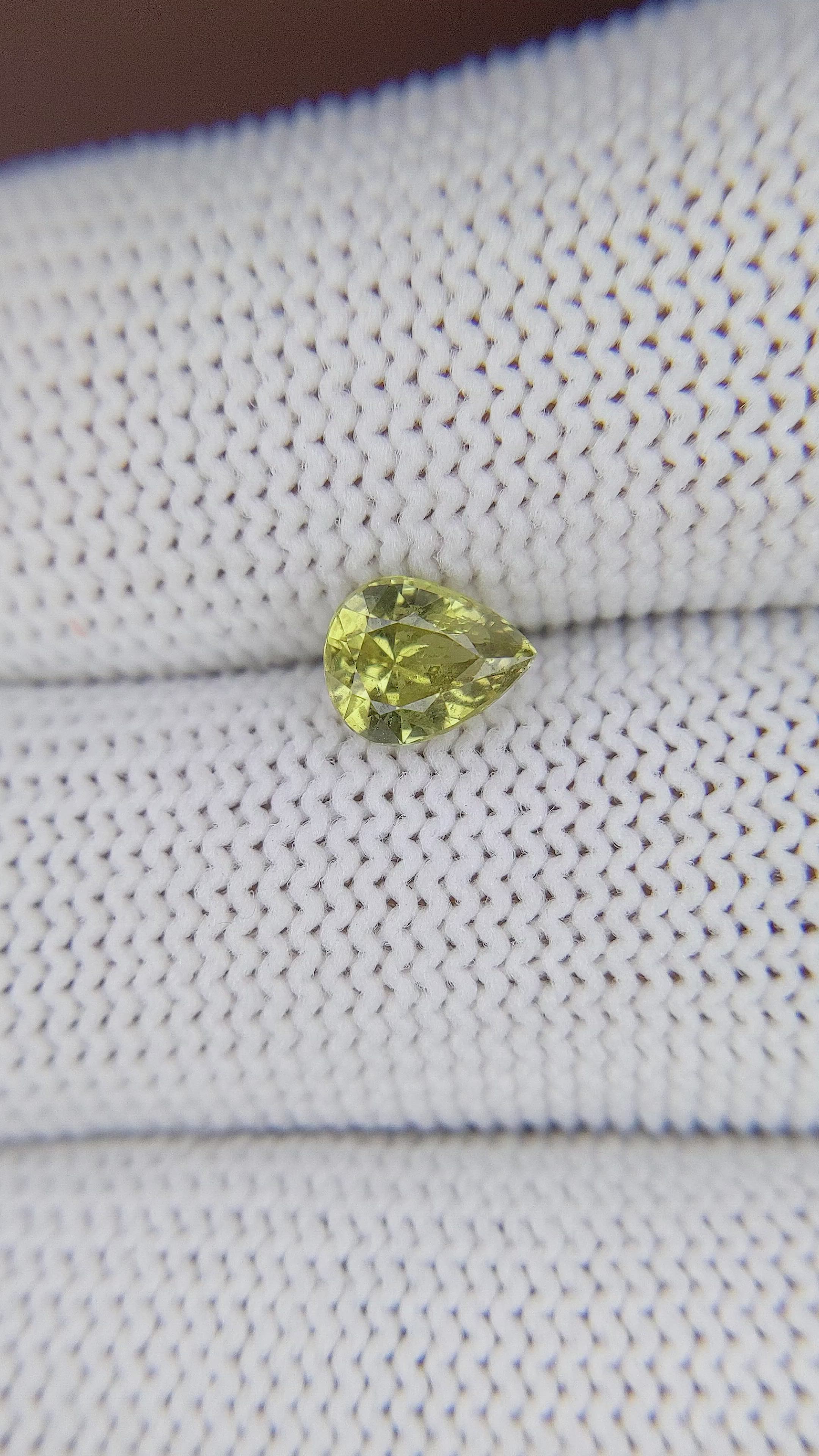
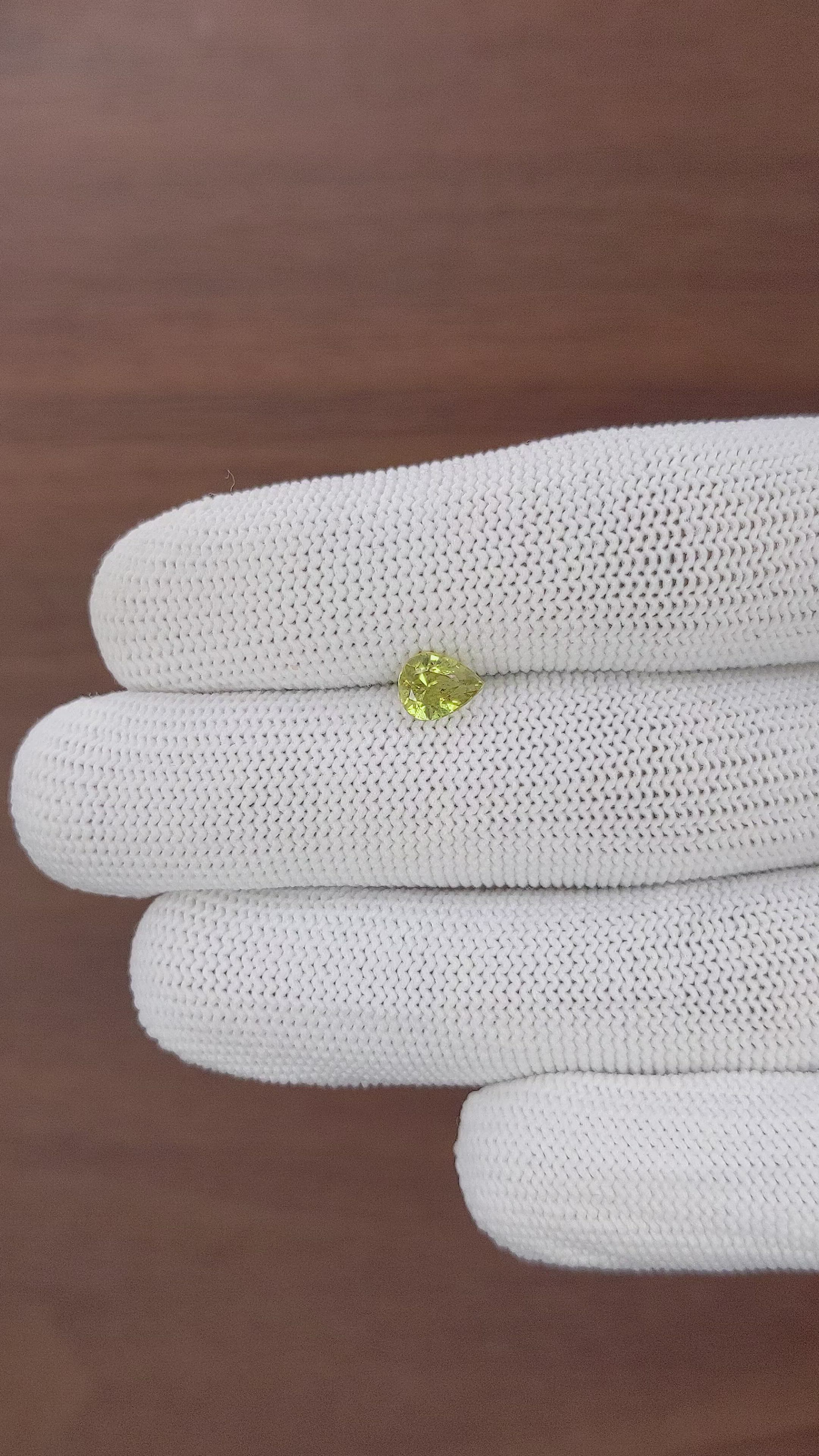
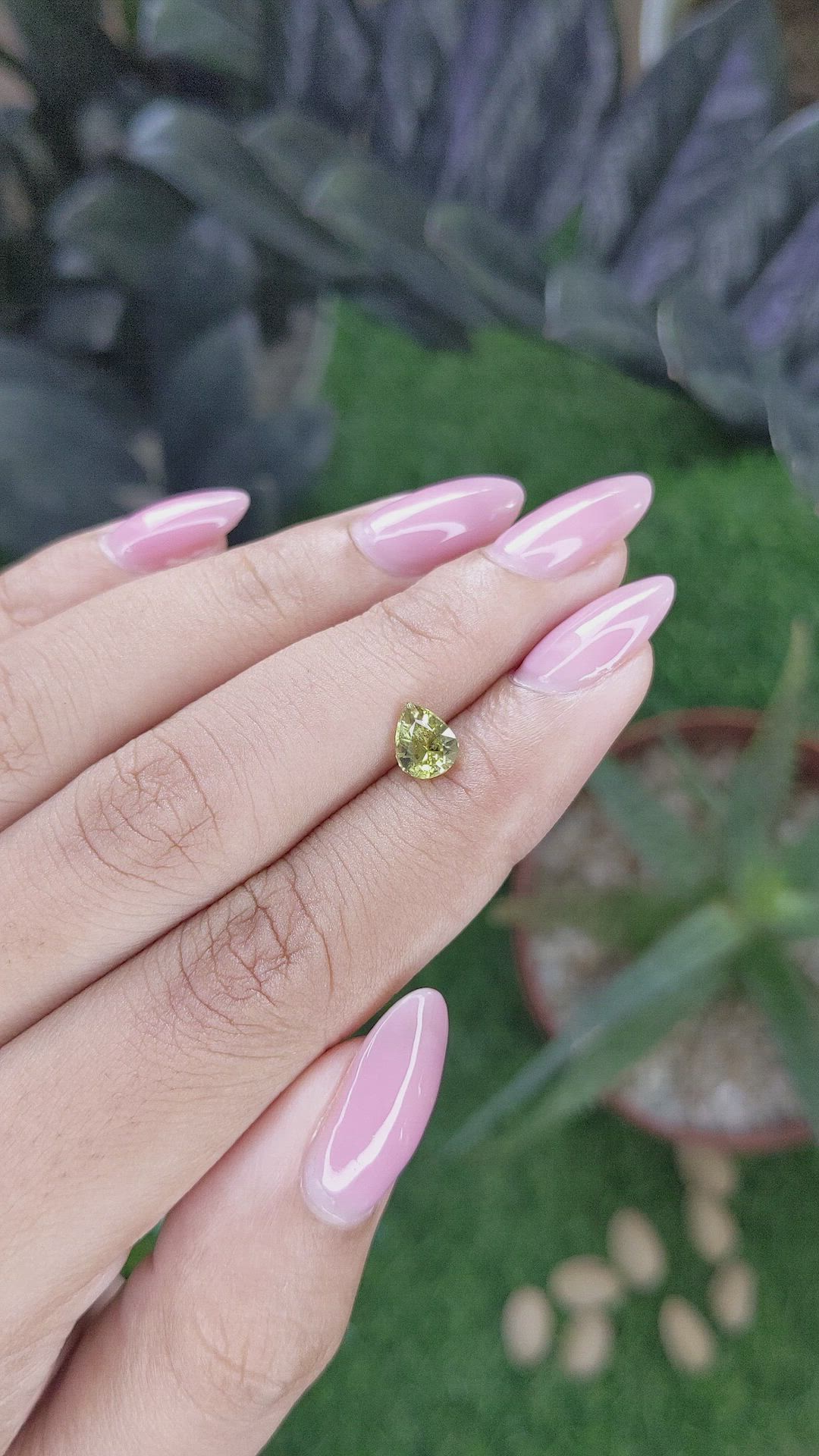
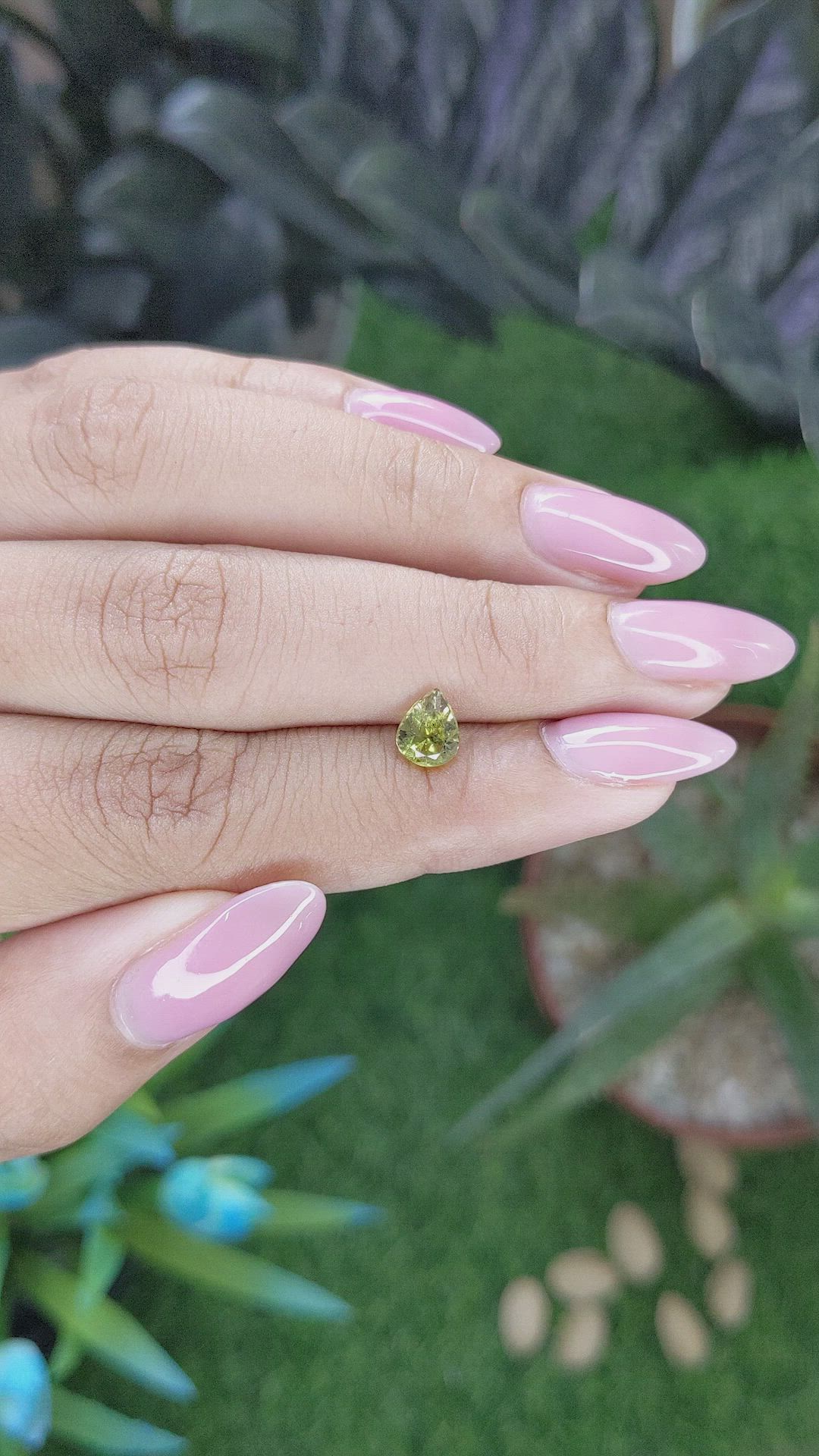



0.90 Ct. Brownish Green Chrysoberyl from Tanzania
This loose stone ships by Jul 19
Item ID: | K26384 |
|---|---|
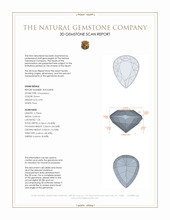
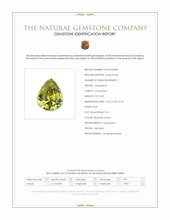
Dimensions (MM): help | Length: 6.7 Width: 5.33 Height: 3.73 |
Weight: | 0.90 Ct. |
Color: help | Brownish Green |
Color intensity: help | Medium |
Clarity: help | Slightly Included |
Shape: help | Pear |
Cut: | Mixed Brilliant Cut |
Cutting style: | Faceted |
Enhancements: help | No Enhancement |
Origin: help | Tanzania |
Per carat price: help | $240 |
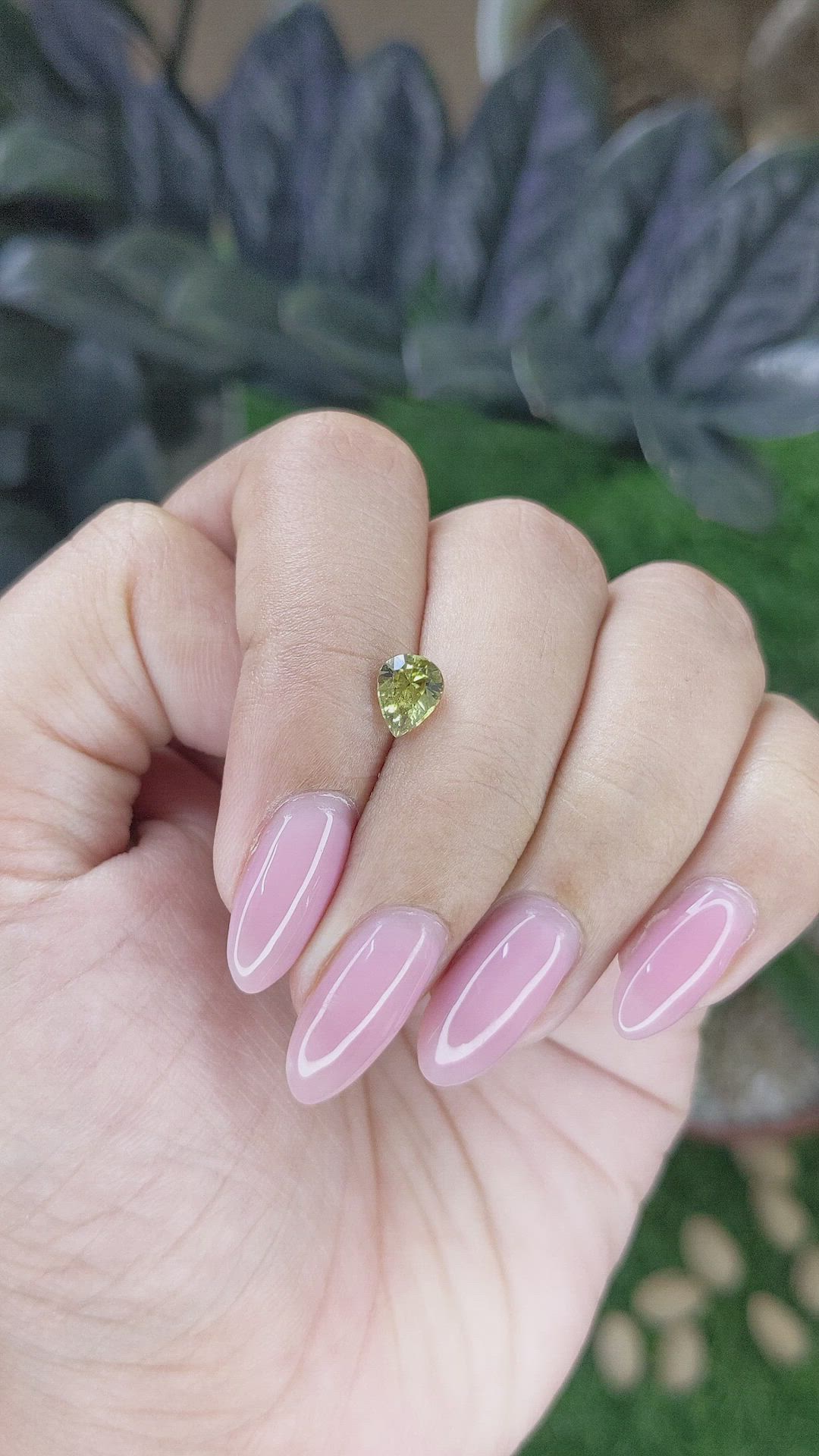
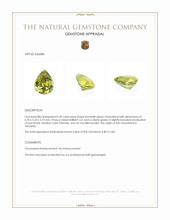
This 0.90 carat pear shape chrysoberyl presents a compelling combination of measured proportions and natural character, dimensions of 6.70 by 5.33 by 3.73 mm, a mixed brilliant cut, and a transparent body that reads as brownish green under standard daylight and incandescent lighting. The stone exhibits medium color intensity, a clarity grading of slightly included at eye level, and an excellent polish that maximizes facet definition and surface luster. Origin is Tanzania, and the gem is natural with no enhancement, a detail that will be important to connoisseurs who prefer untreated material for its stability and provenance. The pear outline is classic and versatile, carrying a precise pointed apex and a softly rounded bulb, a shape that lends itself to both solitaire presentations and more complex halo settings, while the careful execution of the mixed brilliant faceting strategy balances scintillation and measured face up color retention.
From a faceting and light performance perspective this gem demonstrates the advantages of a mixed brilliant approach, with a pavilion constructed to return light while preserving the brownish green saturation, and a crown design that supports lively scintillation without washing out the hue. The crown facets appear to be slightly elongated toward the apex, which helps to concentrate light return in directional flashes along the length of the pear, while the pavilion exhibits a series of well aligned mains and star facets that establish a harmonious internal reflection pattern. The girdle appears well centered and even, supporting symmetrical light distribution, and the culet is minimal, which minimizes leakage and supports continuous scintillation across the table. The overall proportions produce an attractive balance between face up spread and depth, and the dimension set, 6.70 by 5.33 by 3.73 mm, yields a pleasing table to depth relationship that gives the gem both presence and precise optical dynamics when set.
The inclusion suite of this Tanzanian chrysoberyl is what gives the piece an unmistakable signature, a fingerprint that is as diagnostic as it is attractive to the trained eye. Under magnification the stone reveals delicate acicular needles aligned along crystallographic growth directions, fine two phase tubes that contain minute fluid pockets, and occasional isolated crystal inclusions that act as bright pinpoints within the internal field. These features are distributed in a manner that preserves overall transparency, yet they introduce a subtle internal texture that modulates light scattering, creating an effect of soft brilliance punctuated by crisp pinpoint flashes. Growth zoning is evident as gentle banding of saturation when the gem is rotated under directional light, a feature consistent with natural growth conditions in pegmatitic or hydrothermal pockets and frequently observed in material from the Tanzanian deposits. Additionally there are minute healed fissures with internal reflective surfaces, their orientation creating tiny mirror like reflections that enhance facet contrast and contribute to the lively scintillation pattern without compromising durability given the polished finish.
For the gem buyer or designer seeking a piece with clear gemological character and sound cutting, this chrysoberyl presents an appealing combination of natural inclusions, considered cutting, and stable color, all certified by provenance from Tanzania and the no enhancement statement. The slightly included clarity grade should be interpreted as an asset for collectors who value natural inclusion signatures, and for setters who prefer stones that reveal their origin through internal features rather than through laboratory interventions. Practical recommendations include settings that protect the pointed tip of the pear, such as a bezel or secure prong with a protective V setting, while allowing the crown to breathe so that the mixed brilliant facets can interact freely with light. The Natural Gemstone Company stands behind the accurate description of this piece, and we encourage examination under a 10X loupe or low magnification microscope to appreciate the inclusion textures and growth zoning that establish the stone as a distinct specimen within our inventory.


