
- Stone14
- Reports3
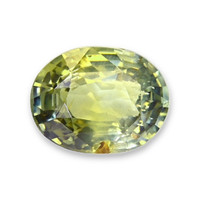
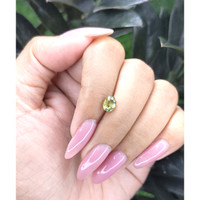
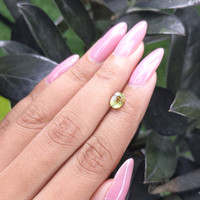
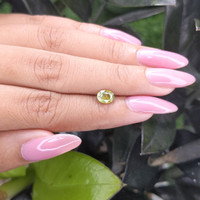
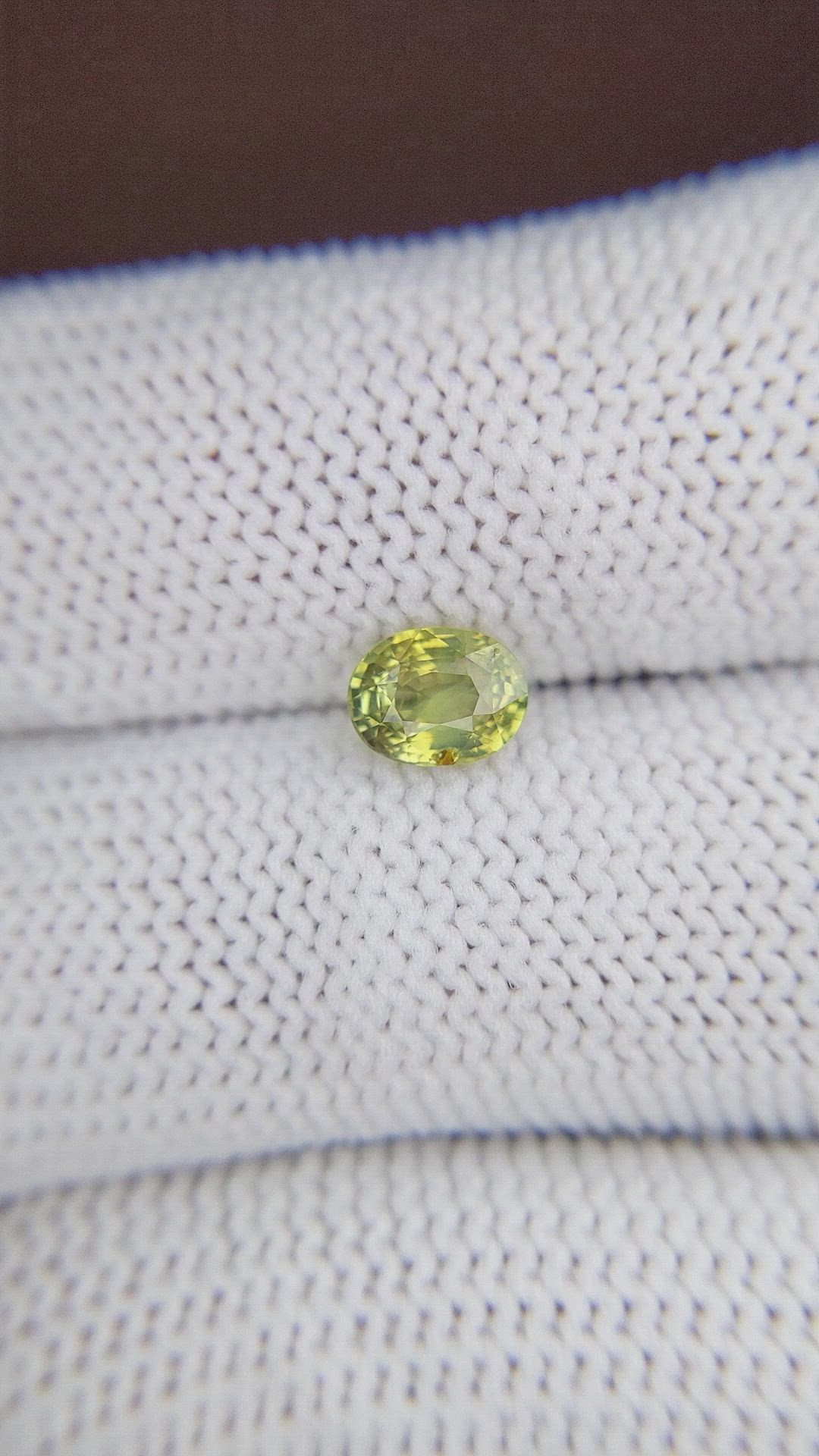
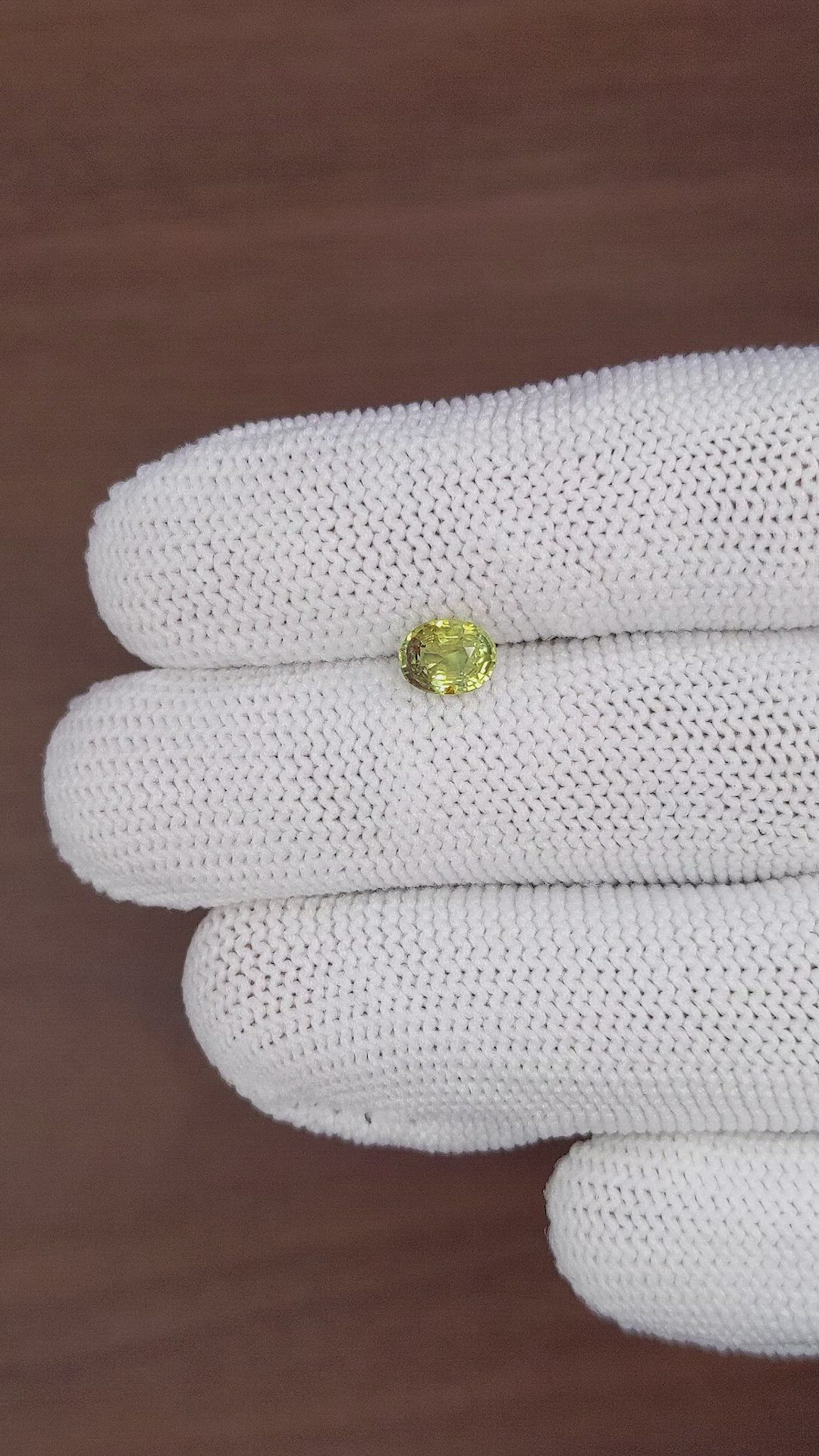
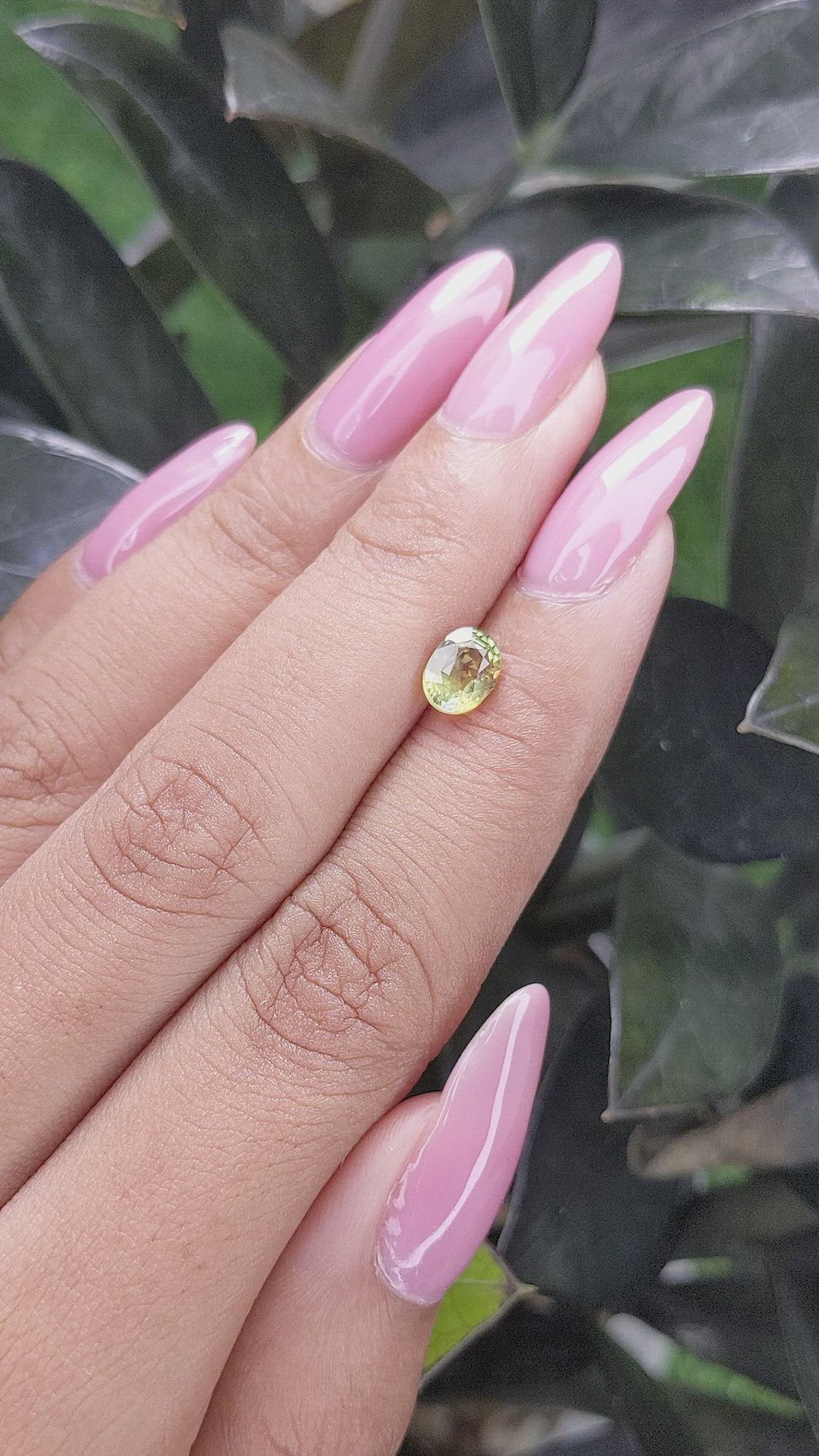
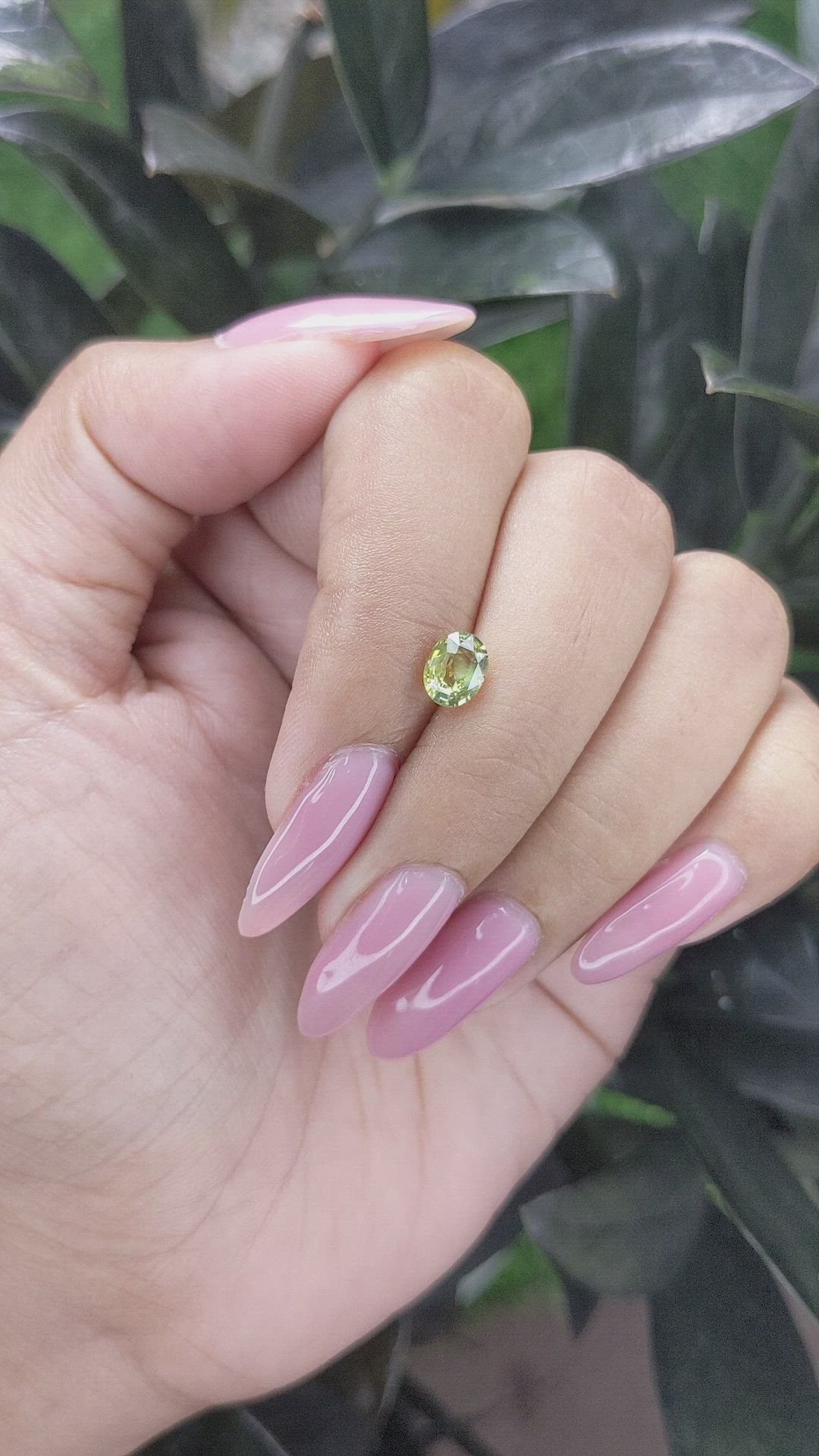
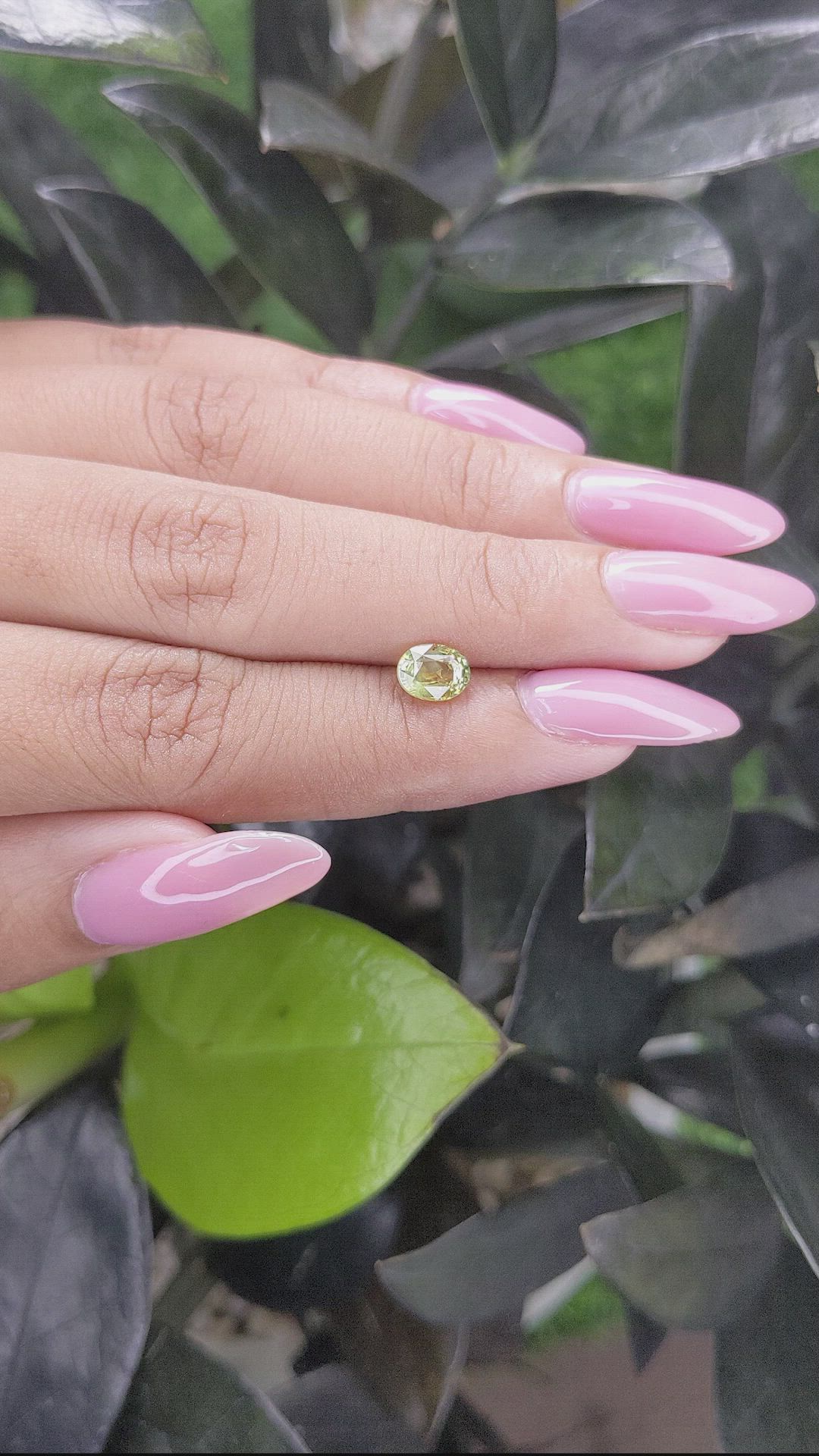

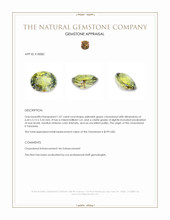
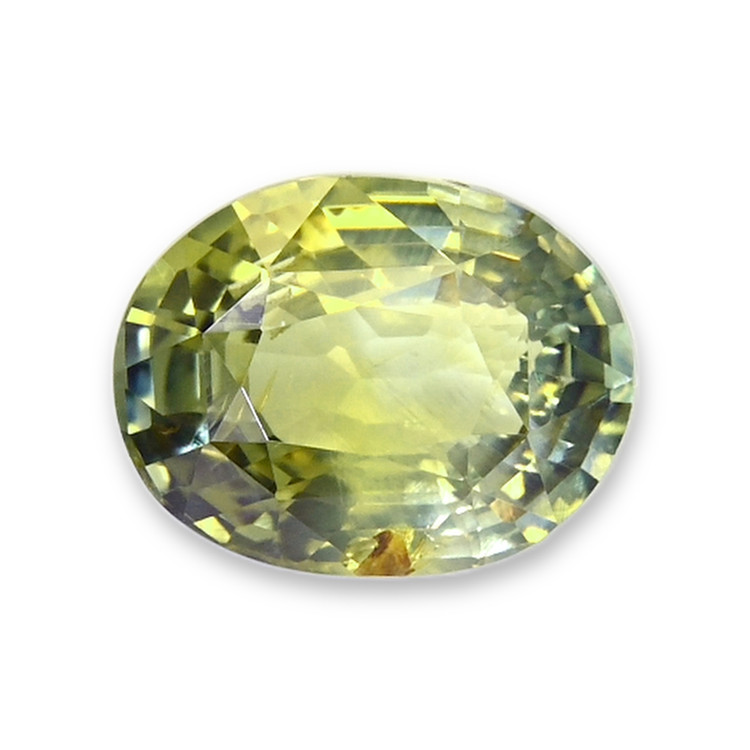
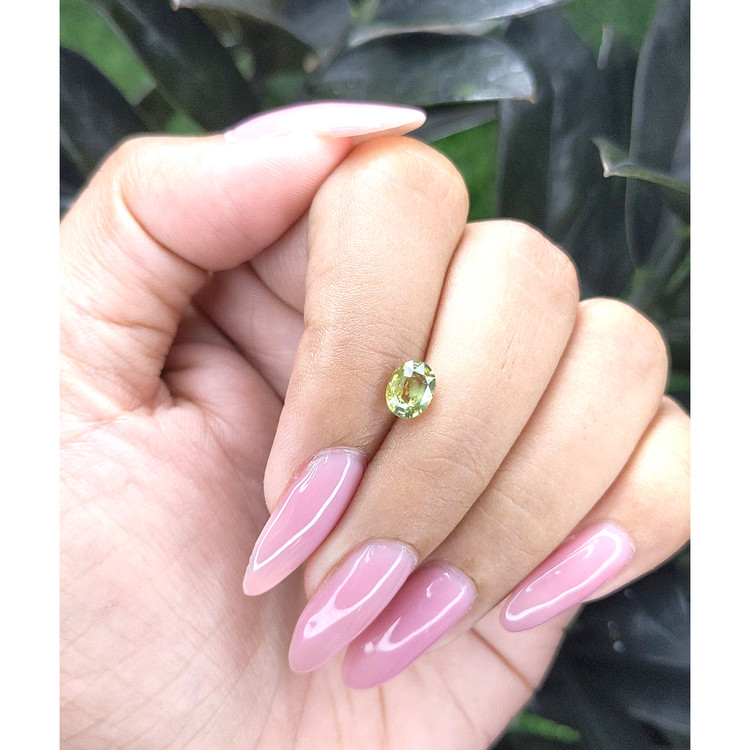
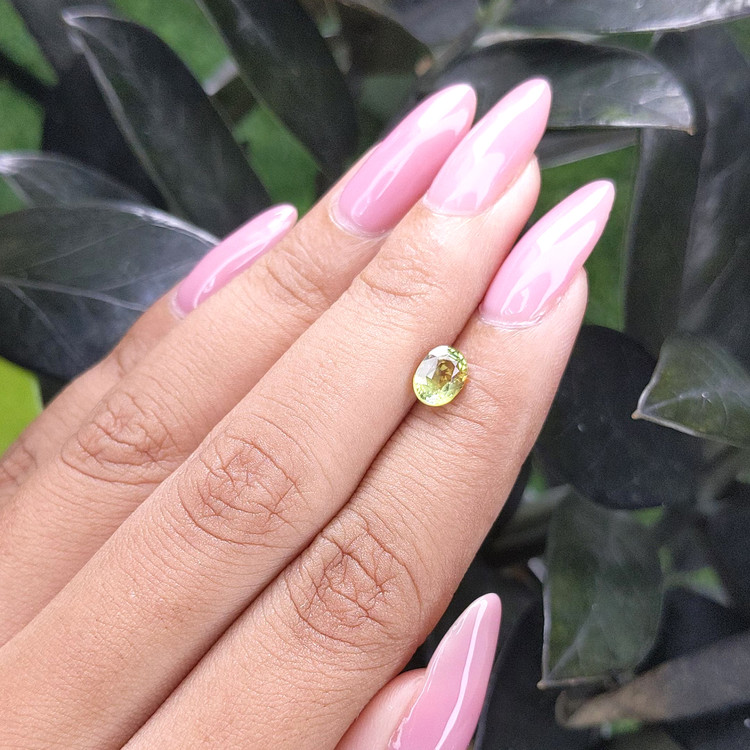
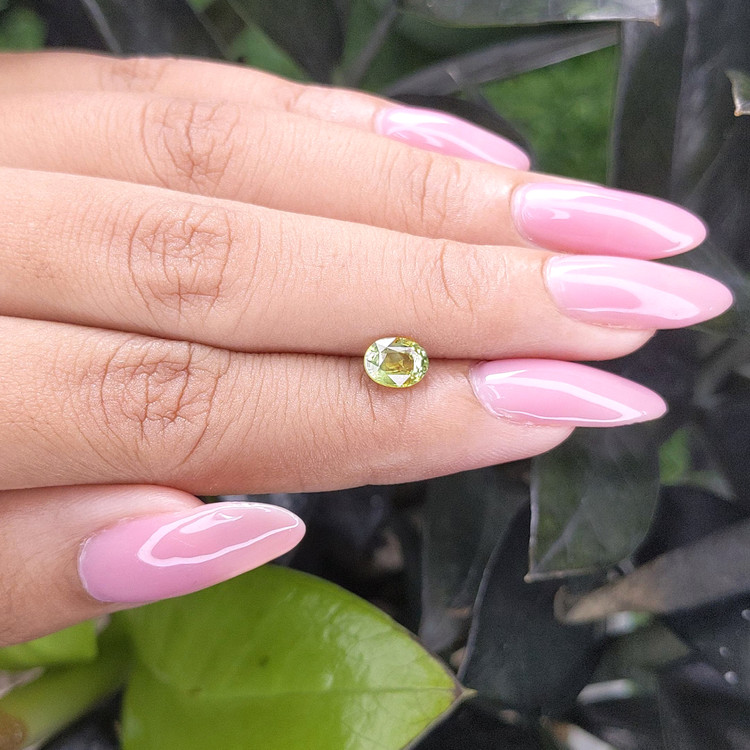

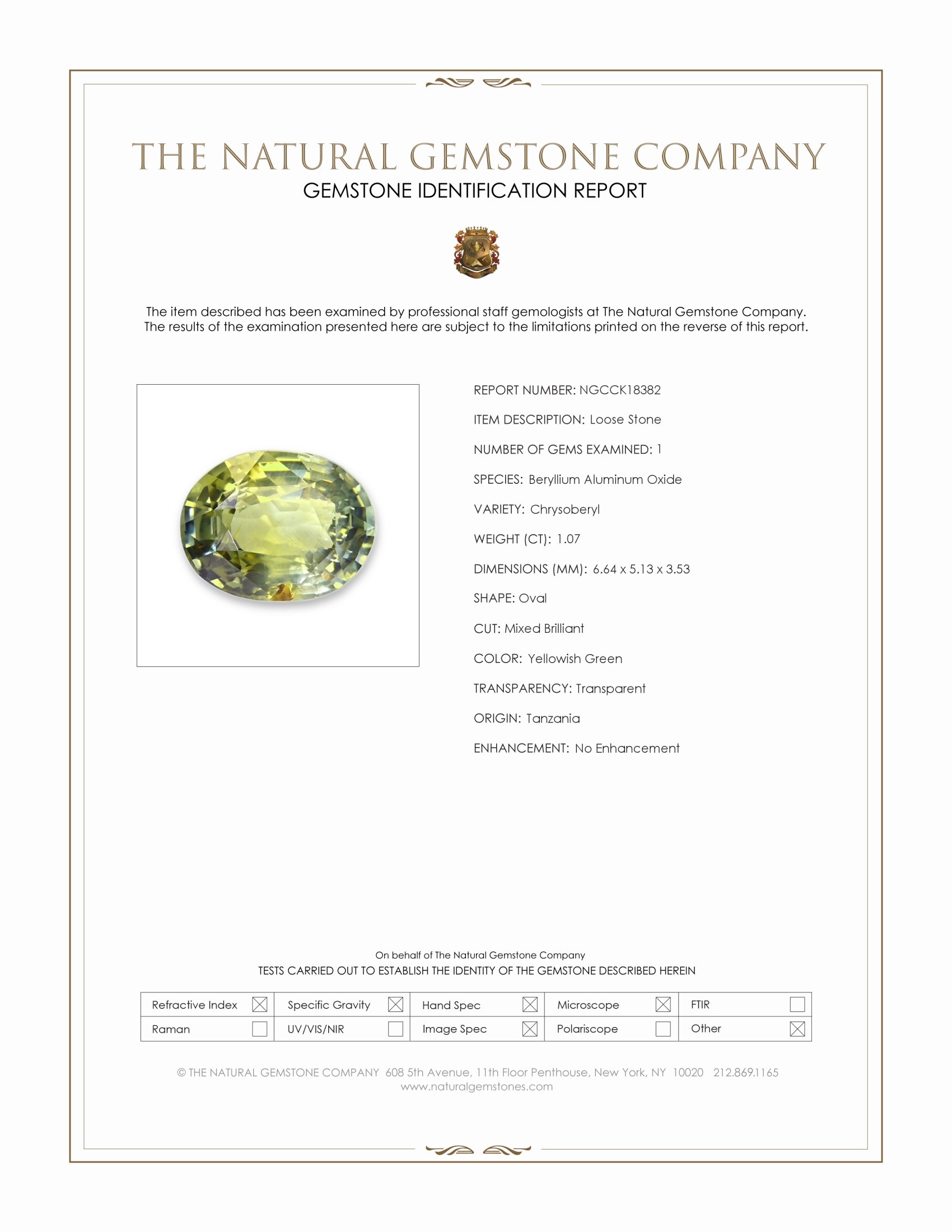
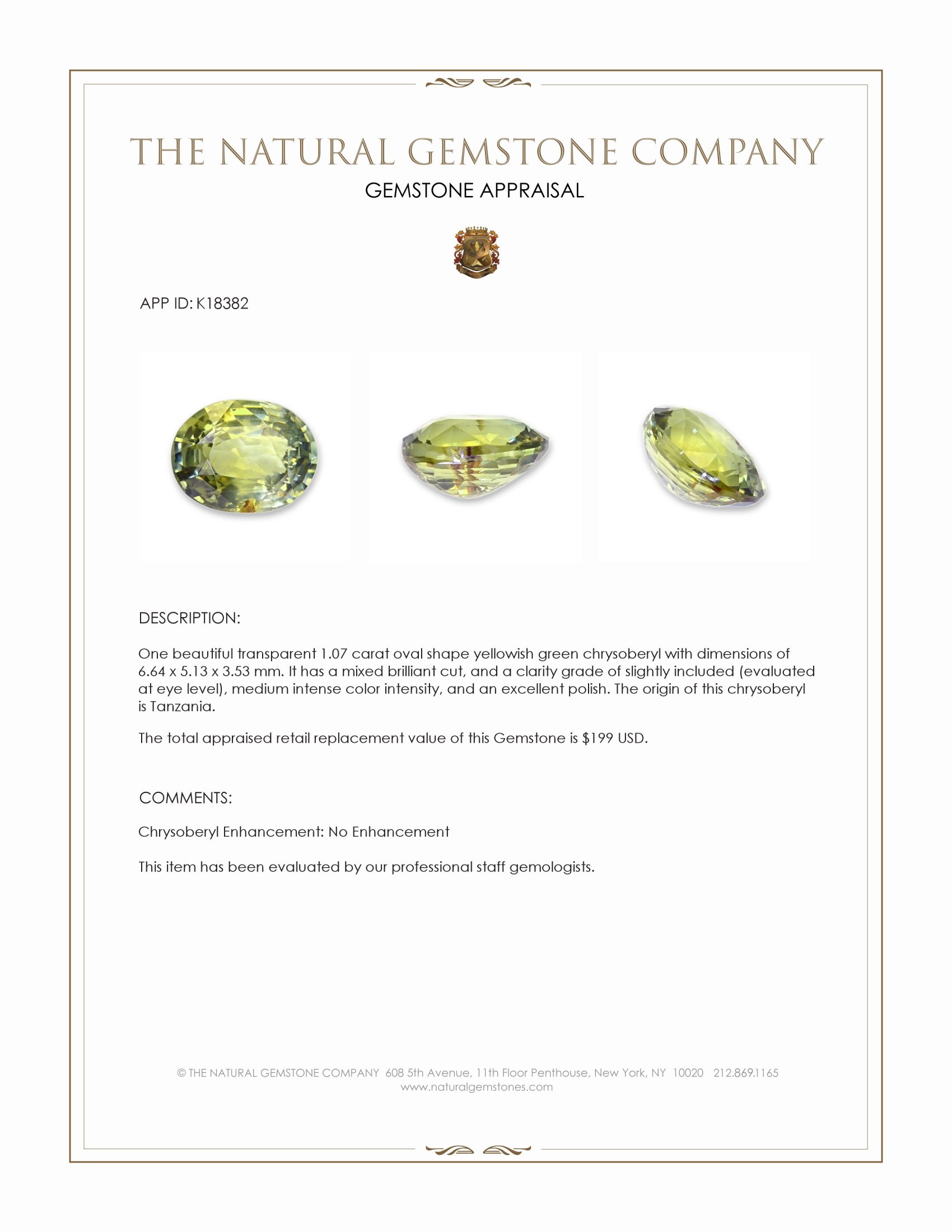
1.07 Ct. Chrysoberyl from Tanzania
This loose stone ships by Jan 10
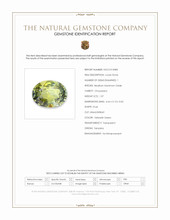
Item ID: | K18382 |
|---|---|
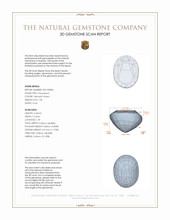
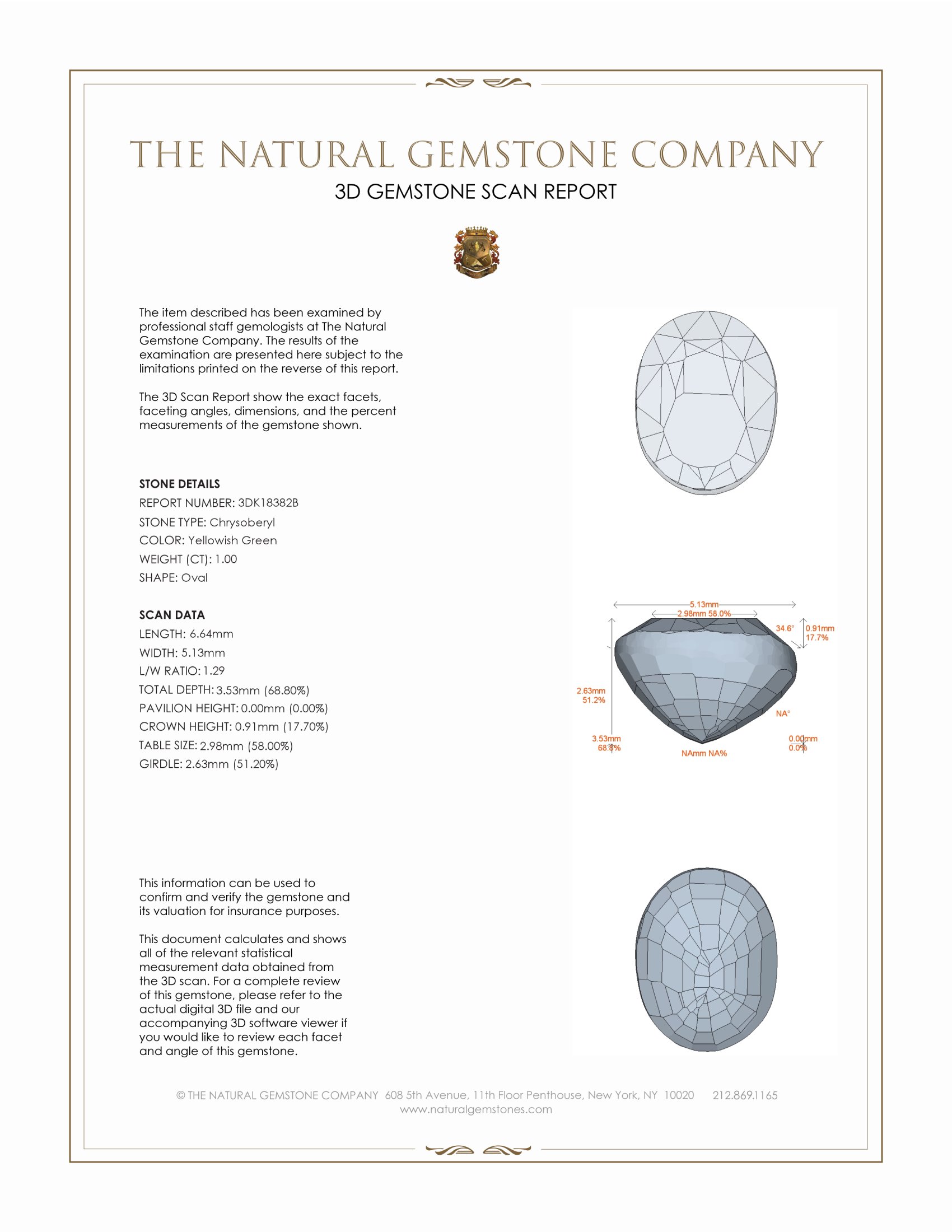
Dimensions (MM): help | Length: 6.64 Width: 5.13 Height: 3.53 |
Weight: | 1.07 Ct. |
Color: help | Yellowish Green |
Color intensity: help | Medium Intense |
Clarity: help | Slightly Included |
Shape: help | Oval |
Cut: | Mixed Brilliant |
Cutting style: | Faceted |
Enhancements: help | No Enhancement |
Origin: help | Tanzania |
Per carat price: help | $186 |
This 1.07 carat oval chrysoberyl from Tanzania presents a compact, well proportioned profile at 6.64 by 5.13 by 3.53 millimeters, executed in a mixed brilliant faceting scheme that balances scintillation and color performance. The mixed brilliant arrangement on this oval uses a precision cut brilliant crown above a pavilion that combines modified brilliant pavilion facets, optimizing internal reflection paths for both white light return and selective color saturation. The table is sized to favor both brilliance and color transmission, while facet junctions are crisply defined and symmetry is maintained to fine tolerances, contributing to an overall excellent polish and facet meet that is immediately apparent under loupe inspection. The stone is unenhanced, its surface and interior untreated, and the clarity is graded as slightly included when evaluated at eye level, a condition that retains strong face up appeal while allowing the specimen to exhibit its natural internal architecture.
From a gemological standpoint this chrysoberyl exhibits the classic optical and physical constants expected of gem quality chrysoberyl, which informs both durability and optical behavior in faceted form. Refractive indices approximate n alpha 1.746, n beta 1.754, n gamma 1.764, producing a birefringence near 0.018, values that encourage distinct facet contrast without overwhelming doubling effects. Dispersion is relatively low near 0.014, so the gem achieves a refined balance between fire and brilliance, favoring clean flashes of whitened brilliance rather than strong spectral breakup. Specific gravity near 3.73 contributes to a satisfying heft for its size, and the material hardness of about 8.5 on the Mohs scale ensures resistance to abrasion for everyday wear. Pleochroism is present but modest in this sample, presenting slightly different intensities of yellowish green to greenish yellow along different optical axes, a subtlety which the cutter took into account when orienting the table and crown to present the most desirable face up hue. The observed color grade is medium intense, the yellowish green tone sitting squarely in an attractive zone where color saturation reads lively without becoming too dark, and the faceting strategy enhances depth and even color distribution across the table.
The internal inclusion pattern of this Tanzanian chrysoberyl is a primary element of its signature, offering diagnostic features that appeal to connoisseurs and to gem laboratory specialists alike. Under magnification the stone reveals elongated growth tubes and slender negative crystals aligned with the crystallographic growth directions, features that occur as narrow, often needle like channels and occasional isolated negative cavities that host two phase or three phase inclusions. These two phase inclusions commonly consist of a fluid pocket with a small gas bubble, producing a micro scintillation when tilted, while three phase inclusions that include a solid crystal within a fluid pocket provide fascinating internal geometry. Interspersed among these are thin, lamellar platelets and healed feather like features that create networks of internal reflection, imparting discreet silvered flashes and a soft internal luster that contrasts with the sharp external facets. Fingerprint like healed fractures appear as wispy, branching networks in limited zones, their presence corroborating natural growth and stress history rather than any artificial treatment, a conclusion reinforced by the complete absence of enhancement. The orientation and combination of these inclusions are consistent with material sourced from Tanzania, where chrysoberyl often shows a mix of elongated growth features and fluid inclusions set within a generally clean matrix, and in this specimen the inclusions are positioned so as to enhance character without significantly detracting from face up brilliance.
At The Natural Gemstone Company we present this oval chrysoberyl as an example of careful lapidary consideration of material character, a stone where cutter decisions were informed by optical constants, pleochroic directions, and inclusion topology, resulting in a gem that communicates both technical pedigree and wearable elegance. The mixed brilliant facets and excellent polish maximize the medium intense yellowish green color while preserving the unmistakable internal signature that identifies its natural Tanzanian origin, and the lack of any enhancement secures its place among collectible, gemological worthy stones. Prospective buyers who appreciate precise faceting strategies, predictable optical behavior, and the narrative embedded in natural inclusions will find this piece particularly appealing, and we invite inquiries for additional magnified images, measurement verification, and discussion of mounting options.


