
- Stone17
- Reports3


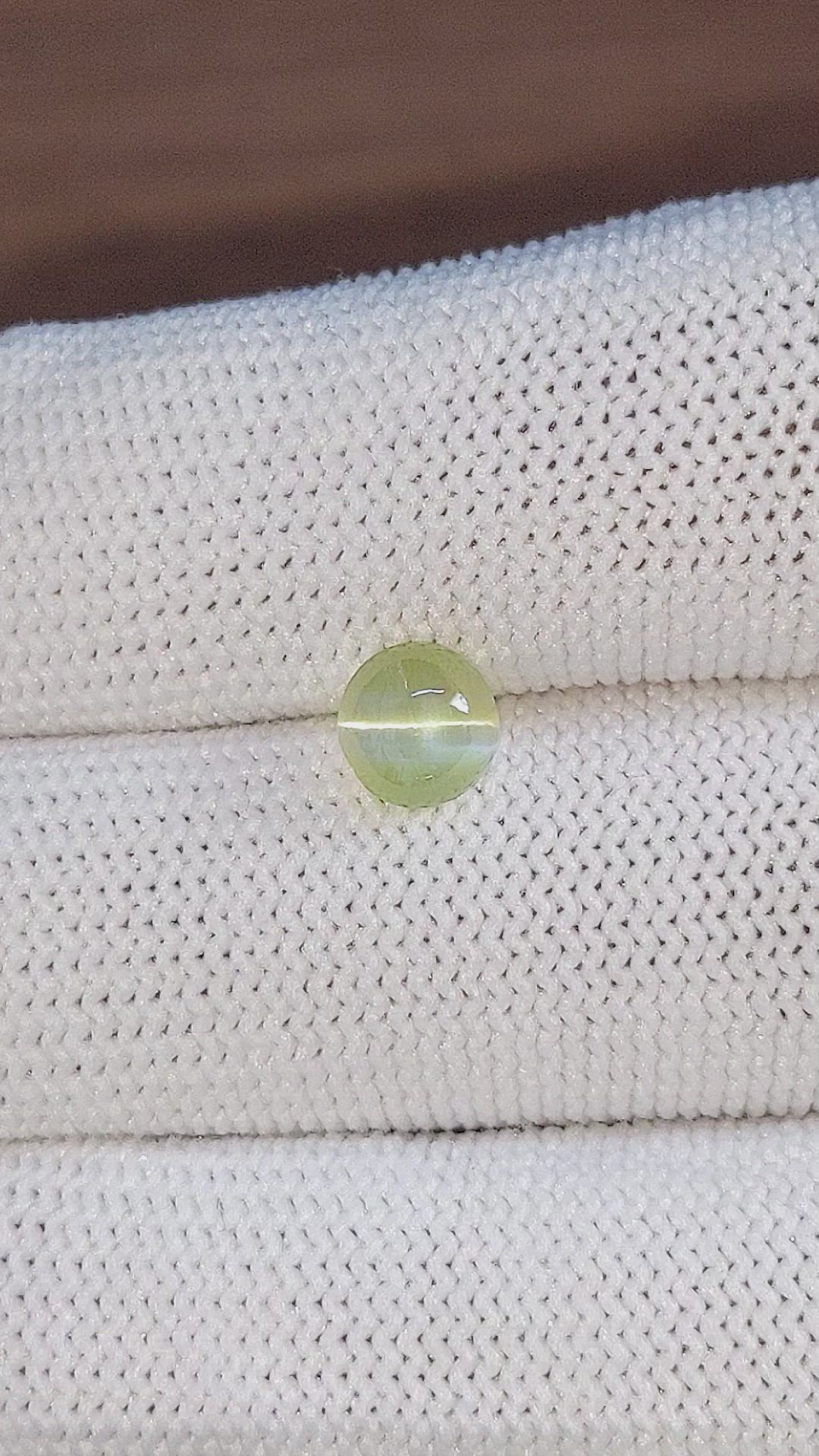
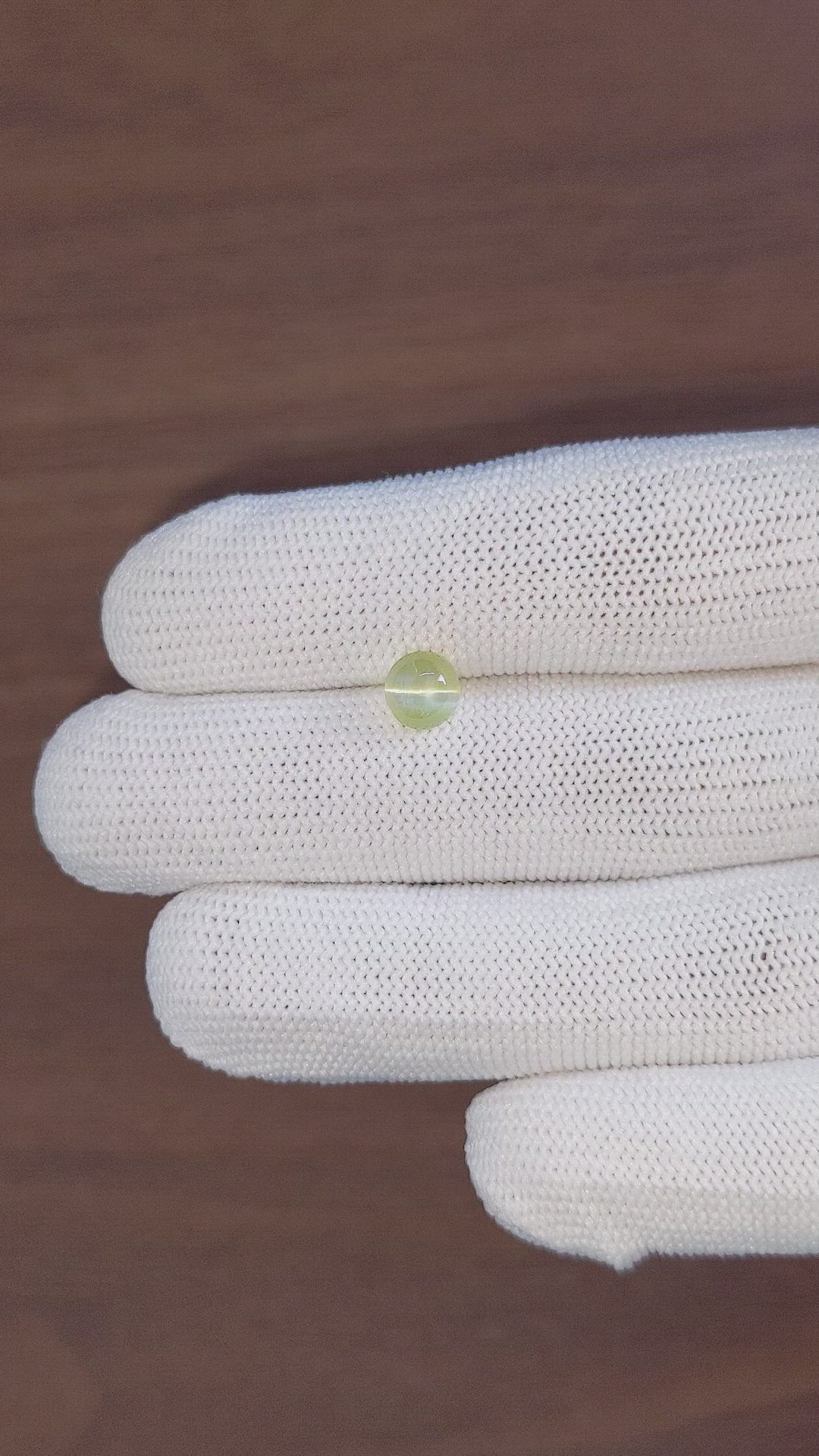
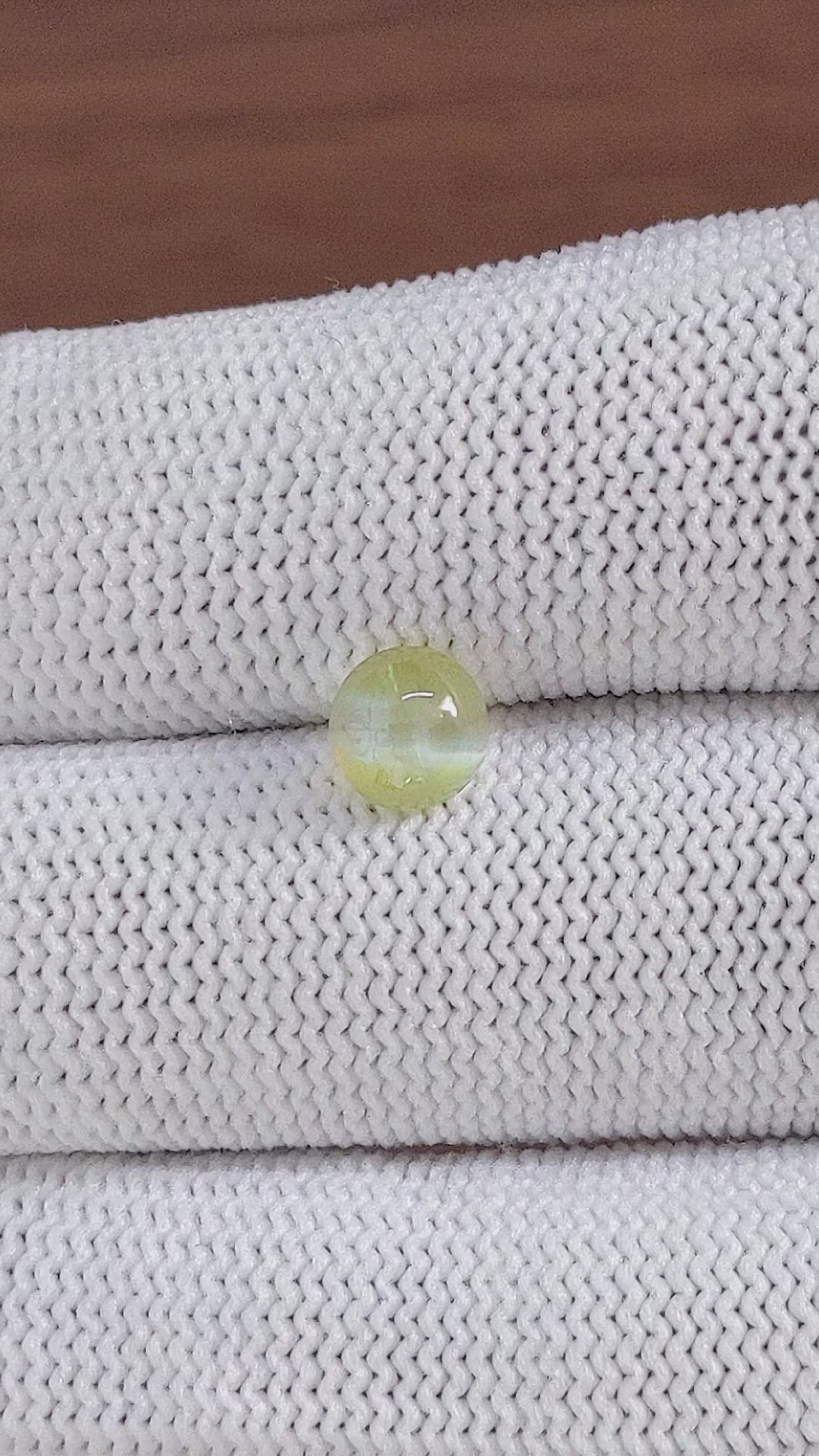
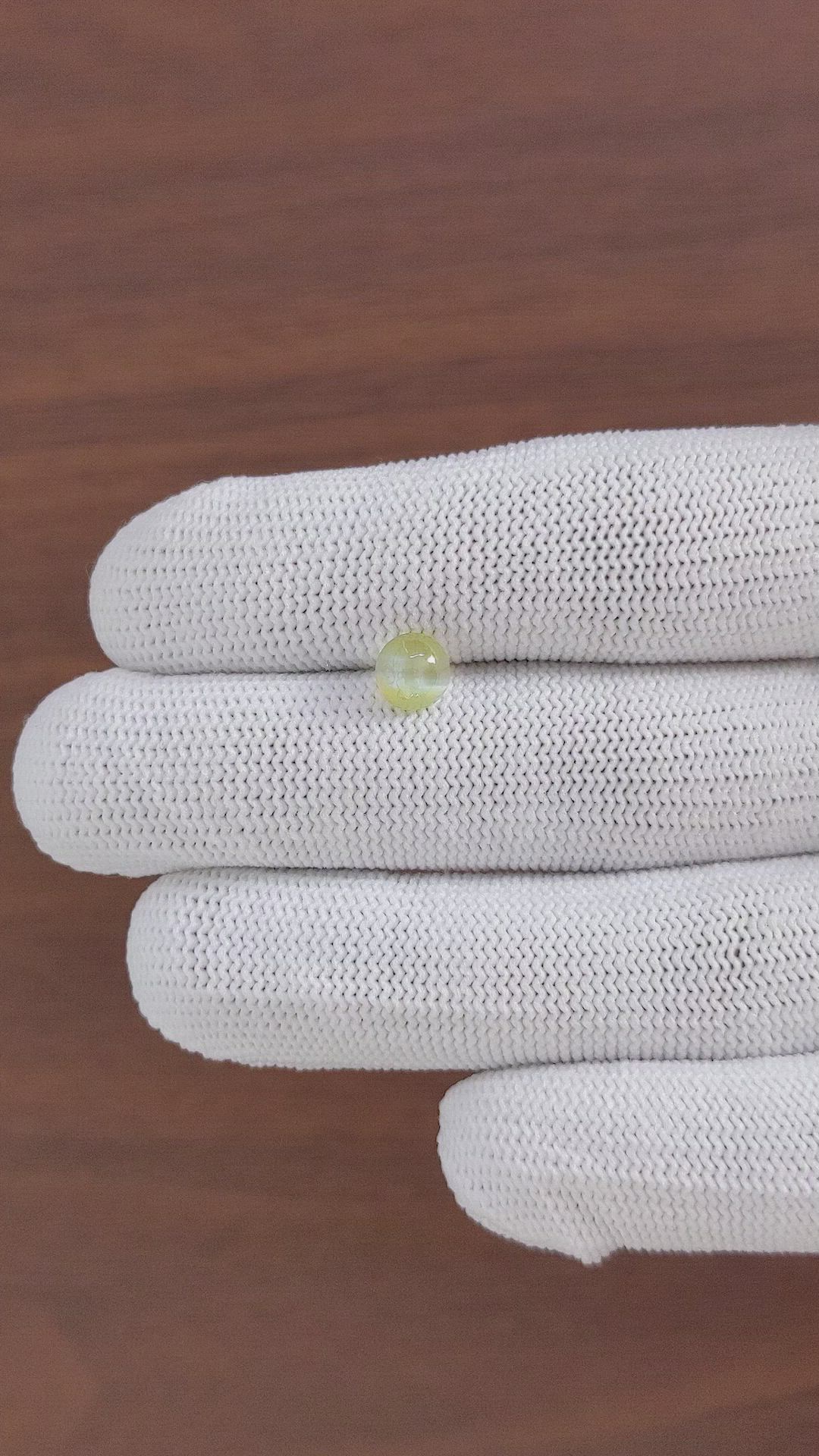
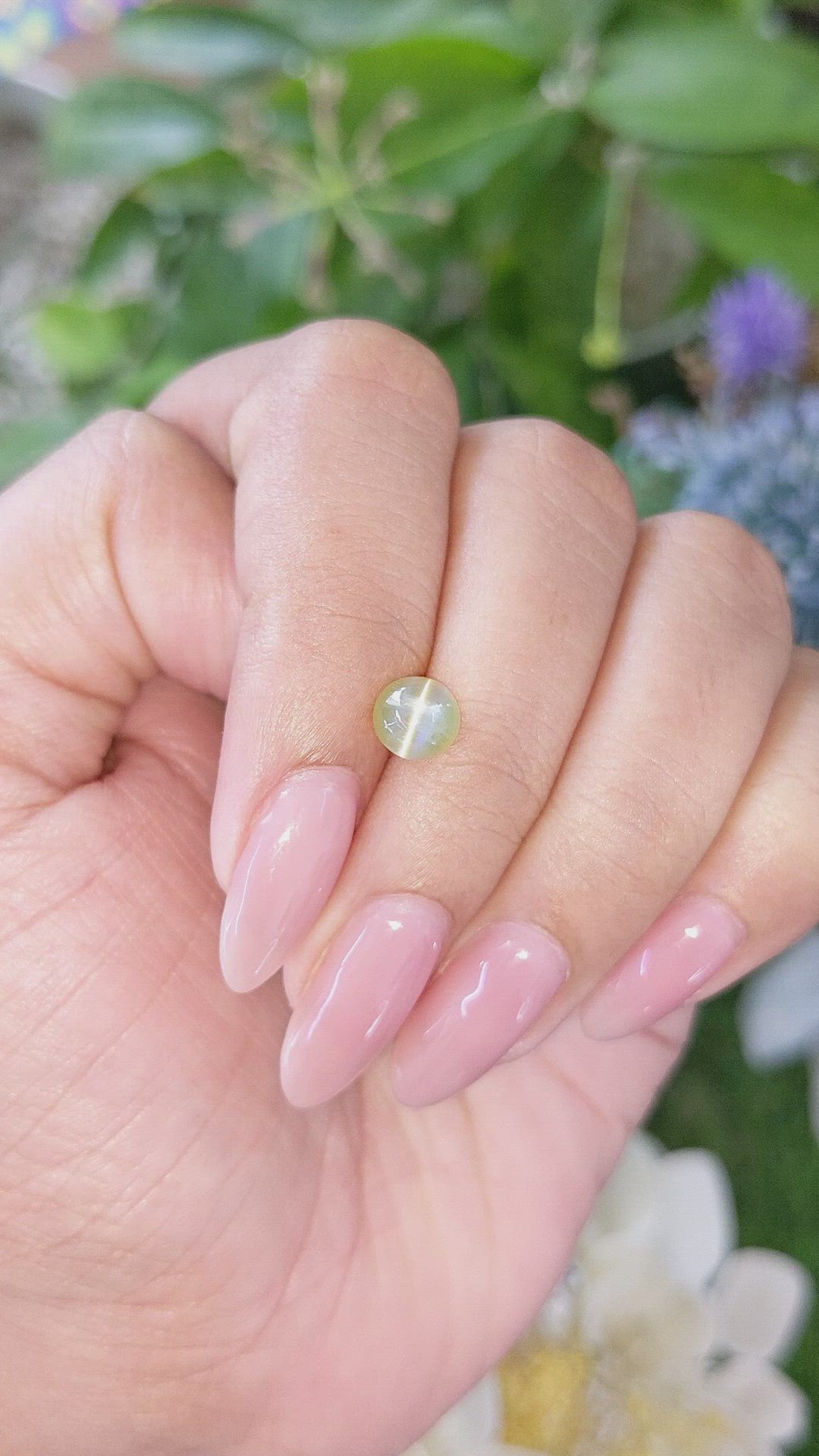
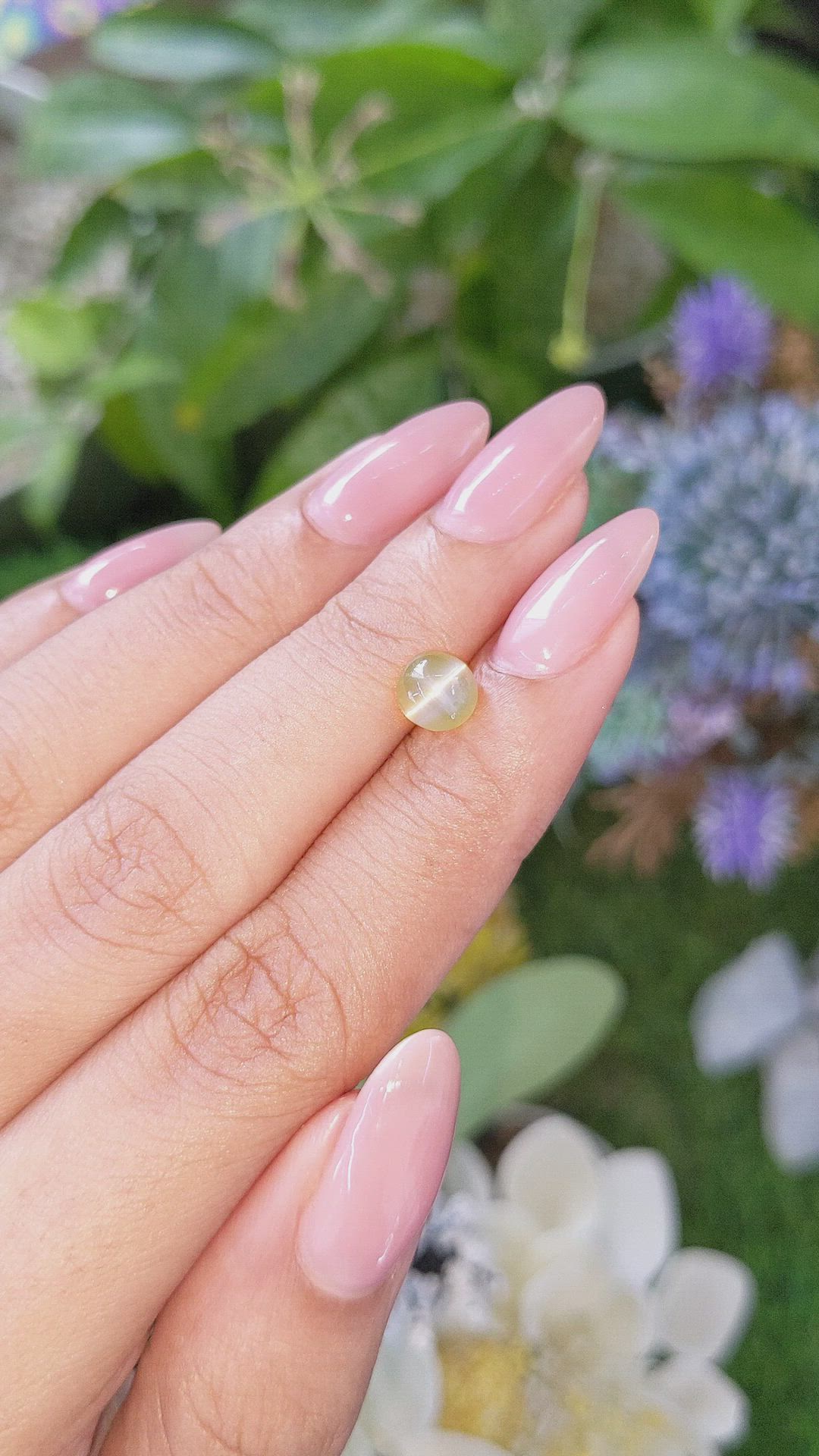
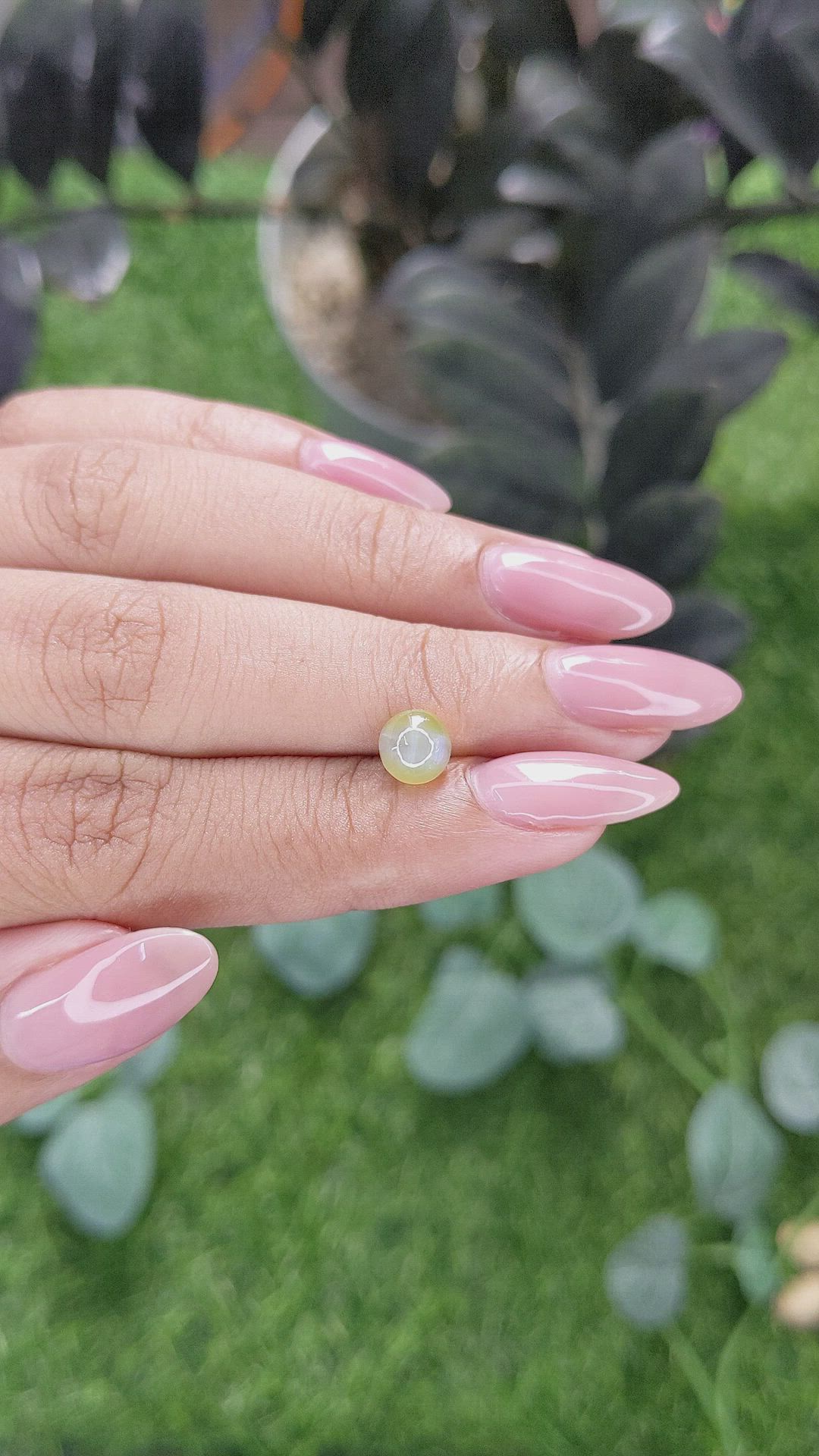
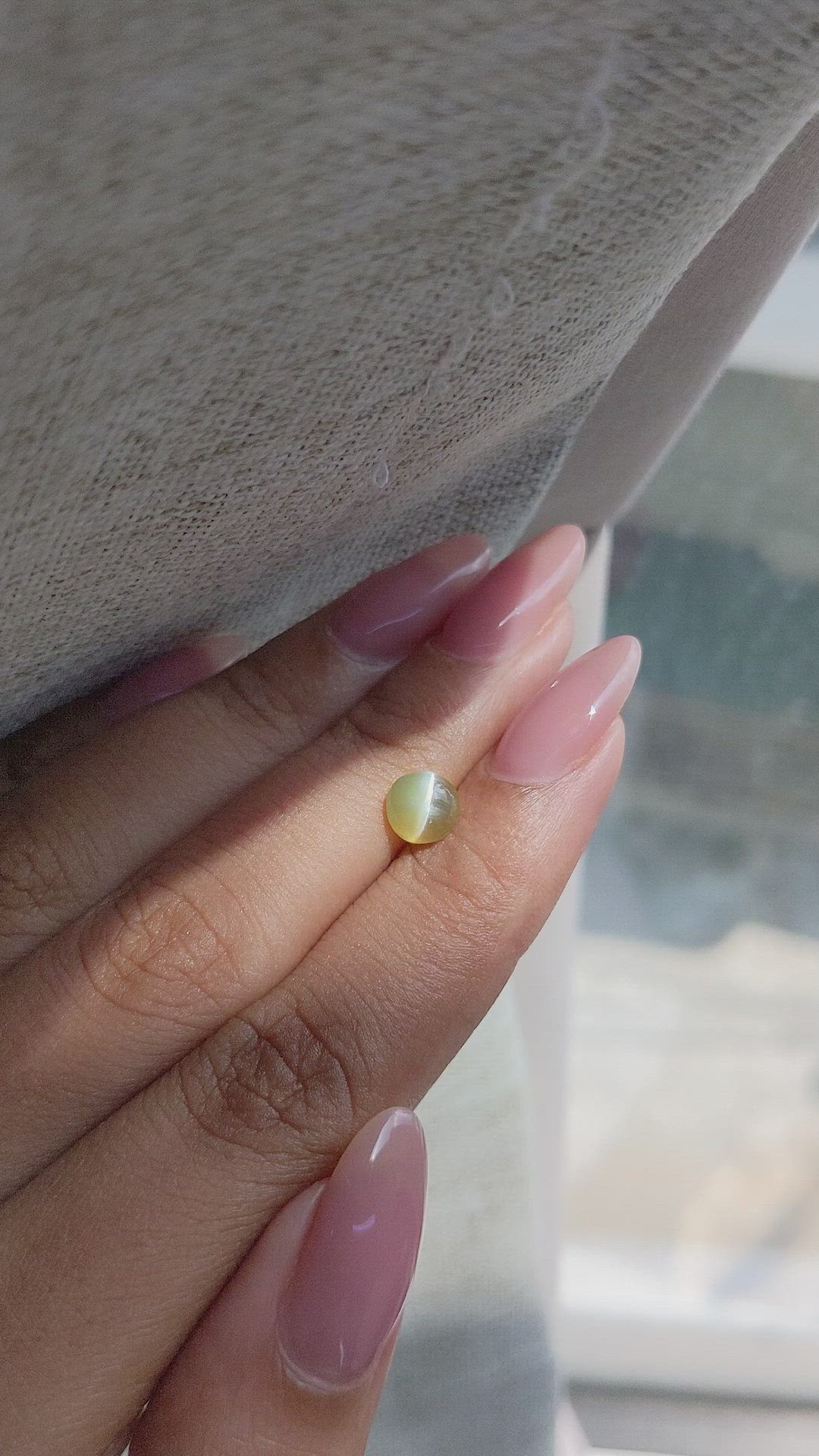


1.55 Ct. Yellowish Green Cabochon Chrysoberyl from Tanzania
This loose stone ships by Oct 21
Item ID: | K25235 |
|---|---|
Dimensions (MM): help | Length: 6.38 Width: 6.3 Height: 4.02 |
Weight: | 1.55 Ct. |
Color: help | Yellowish Green |
Color intensity: help | Medium |
Clarity: help | Very Slightly Included |
Shape: help | Round |
Cut: | Cabochon |
Cutting style: | Cabochon |
Enhancements: help | No Enhancement |
Origin: help | Tanzania |
Per carat price: help | $452 |
This listing presents a translucent, round shape chrysoberyl weighing 1.55 carats, sourced from Tanzania, offered by The Natural Gemstone Company. The gem measures 6.38 by 6.30 by 4.02 millimeters, and it has been fashioned into a smooth cabochon. Clarity is graded as very slightly included at eye level, a grade that preserves transparency while allowing the internal silk that often enhances optical effects to remain visible. Color is described as yellowish green with medium intensity, and the surface finish is an excellent polish that yields a clean, even reflection across the dome. Enhancement is absent, confirming the stone is in its natural state, and the combination of weight, optical character, and origin makes this example of chrysoberyl notable for both collectors and fine jewelry designers.
Weight is a primary determinant of rarity and value in chrysoberyl, and the 1.55 carat mass of this specimen is significant given the species specific gravity. Chrysoberyl has a specific gravity typically in the range of 3.73 to 3.78, a figure that means a chrysoberyl of comparable millimeter dimensions will weigh more than many common gem materials such as quartz. In practical terms, a round cabochon that measures approximately 6.3 millimeters across and 4.0 millimeters high would commonly fall into the range of one and a half carats when cut from chrysoberyl rough, and achieving this weight without sacrificing the optical center requires precise preforming and minimal waste. Market demand for chrysoberyl increases as stones pass the one carat threshold, and that demand rises disproportionately for untreated examples with attractive color and excellent polish, because larger, clean, natural pieces are less common in Tanzanian material than smaller fragments.
From a lapidary perspective, the cabochon execution on this gem reflects disciplined craftsmanship. The dome height has been calibrated to present an even curvature that supports a continuous band of reflected light, while maintaining balanced bulge and girdle proportions to facilitate secure mounting. Preforming would have been oriented to align any fibrous or needle like inclusions that generate chatoyance along the optimal optical axis, and the grinding sequence progressed from coarse to fine abrasives to preserve the weight while removing surface irregularities. Final polishing used abrasives that yield a mirror like finish, a necessary step to allow the light to flow uninterrupted across the dome and to enhance the perceptible clarity and color depth. The cabochon shape is inherently conservative of carat weight compared with faceting, and in this example, the cutter optimized mass retention while centering the visual features that elevate value.
Color grading for chrysoberyl emphasizes hue, tone, and saturation, and this yellowish green example sits in the medium intensity range where color presence is clearly readable, but not so deep as to become murky. The stone presents a balanced hue with a slight yellow bias toward a green spectrum, and translucency permits light penetration that modulates perceived saturation as viewing angle changes. Chrysoberyl can exhibit pleochroism, producing subtle shifts between yellow and green when rotated under a light source, and the very slightly included clarity grade contributes to the optical texture without obscuring color. The excellent polish enhances color transmission and surface luster, and the natural, untreated state ensures that the hue and tonal characteristics are intrinsic to the material. Hardness is approximately 8.5 on the Mohs scale, providing substantial resistance to abrasion and making the piece well suited to secure settings intended for regular wear.
The weight of 1.55 carats enhances both rarity and pricing dynamics, because chrysoberyl values typically scale nonlinearly with weight, particularly for natural, unenhanced examples with pleasing color and fine finish. Small parcels of rough often yield multiple small stones, while single pieces that retain over one carat after cutting are less common, and that scarcity is compounded when the material exhibits good translucency and an excellent polish. For the discerning buyer, an untreated Tanzanian chrysoberyl of this mass offers a favorable balance between collectability and practicality for bespoke jewelry, whether set as a solitaire cabochon in a bezel to maximize the chatoyant effect, or used as the focal point in a design that emphasizes natural color and optical play. The Natural Gemstone Company stands behind the stated origin and treatment disclosure, and this stone is presented as a laboratory independent, natural example suitable for connoisseurs and jewelers seeking a rare, well preserved chrysoberyl specimen.


