
- Pair14
- Reports4
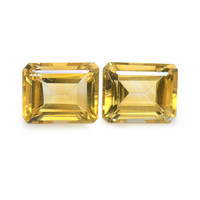
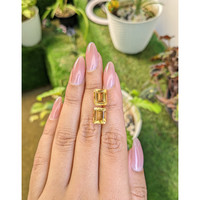
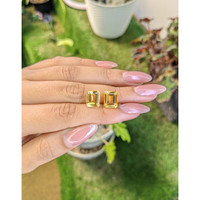
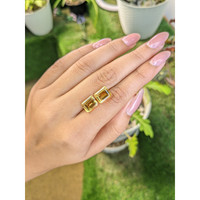
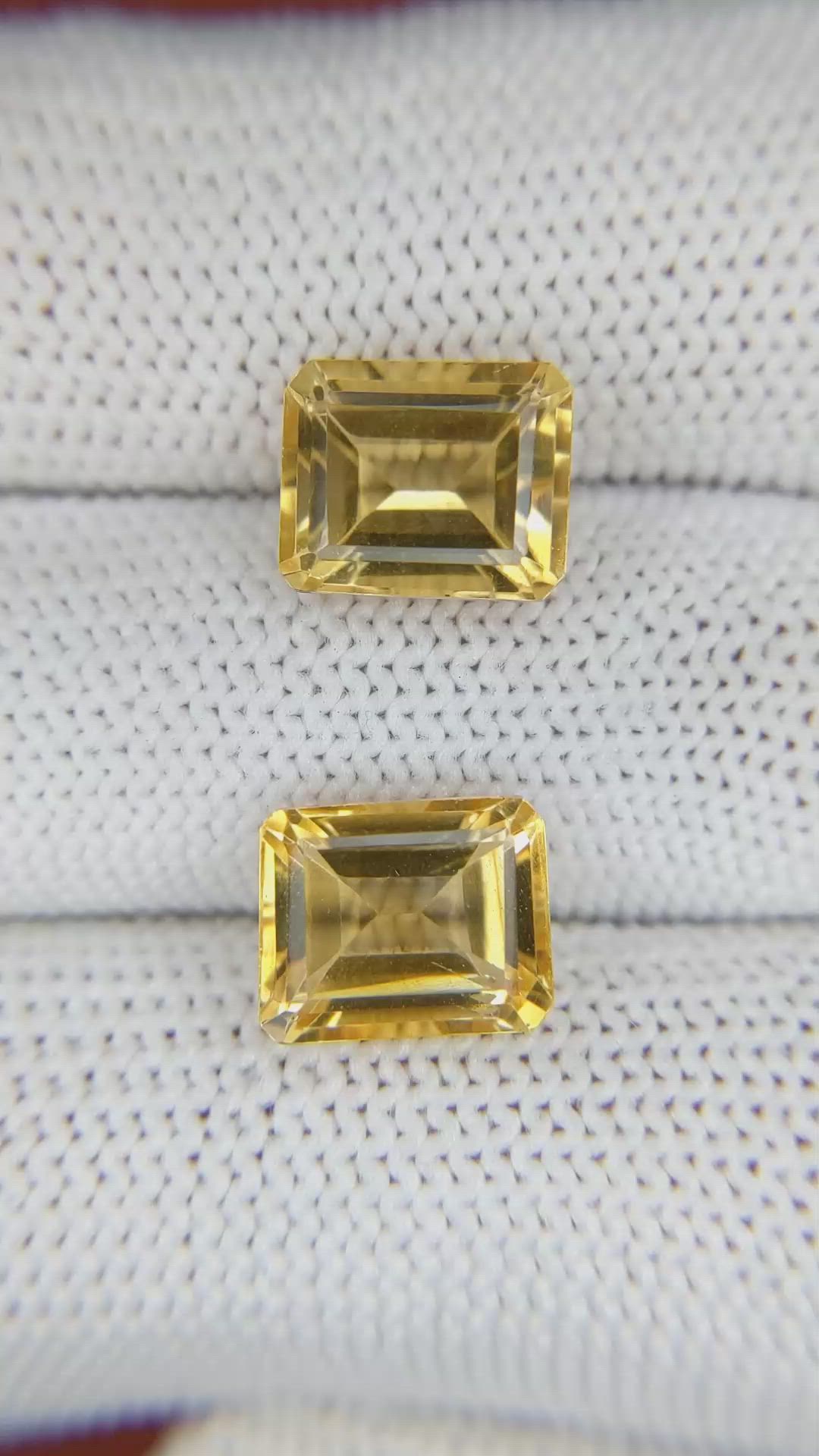
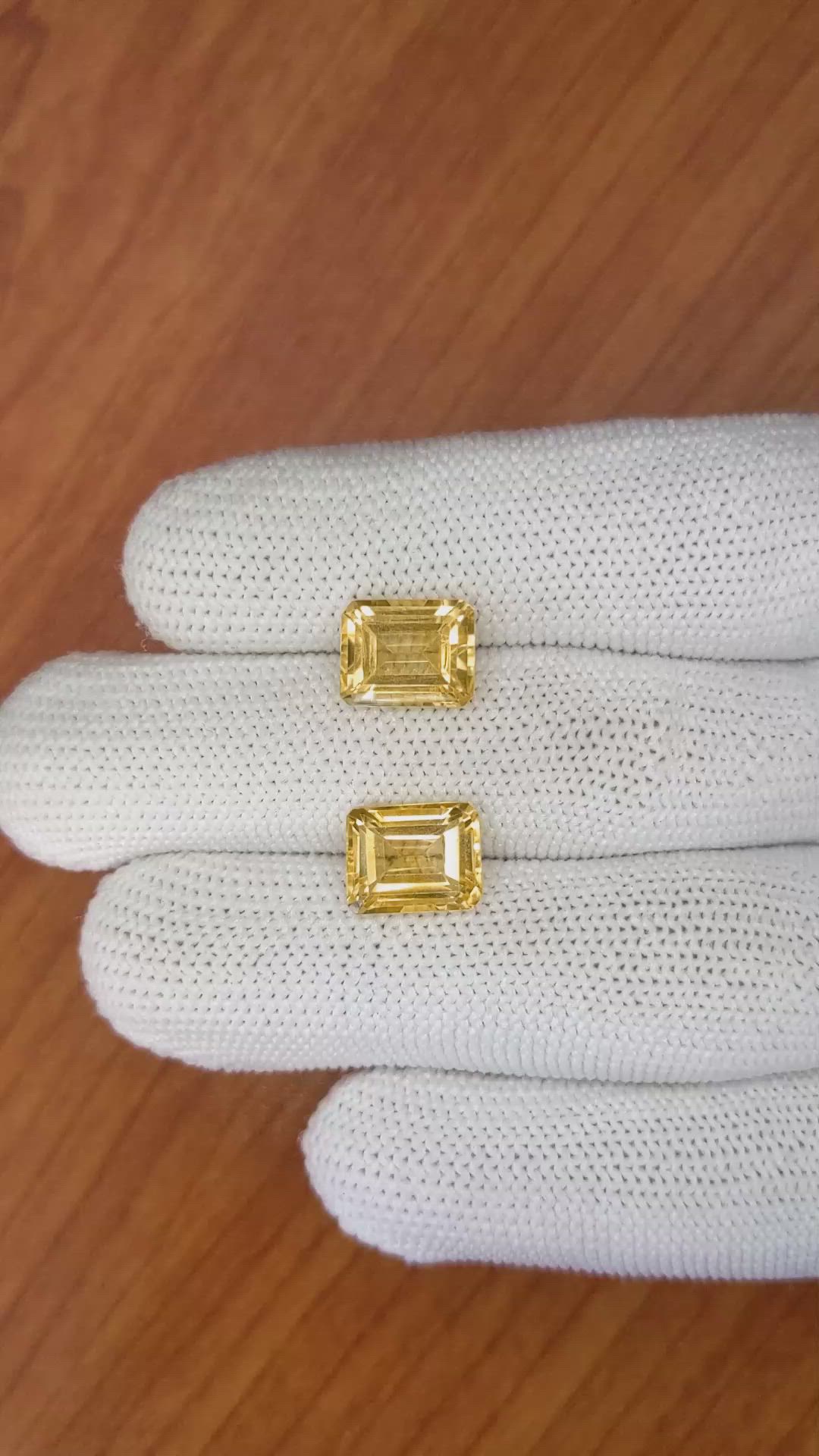
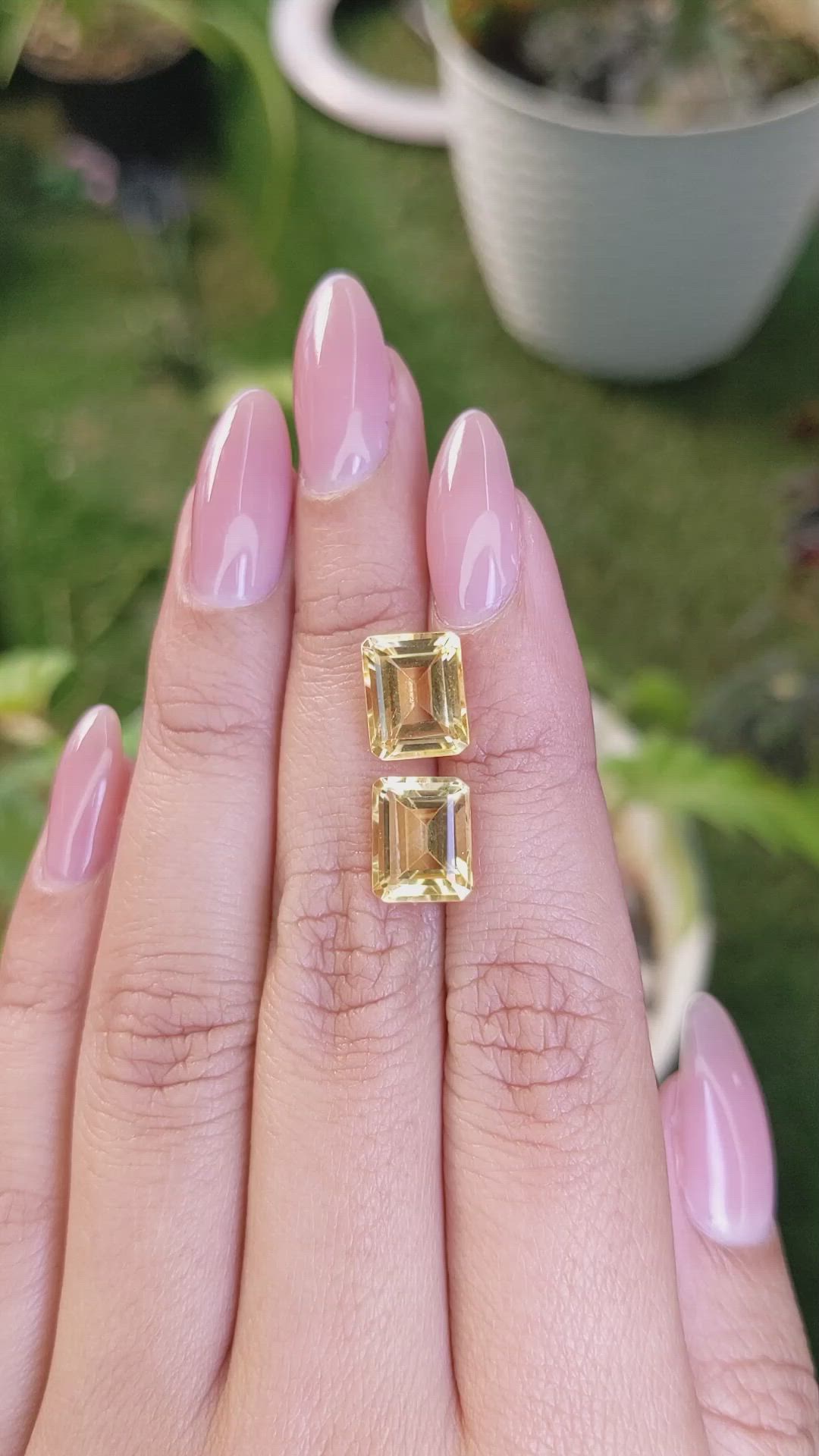
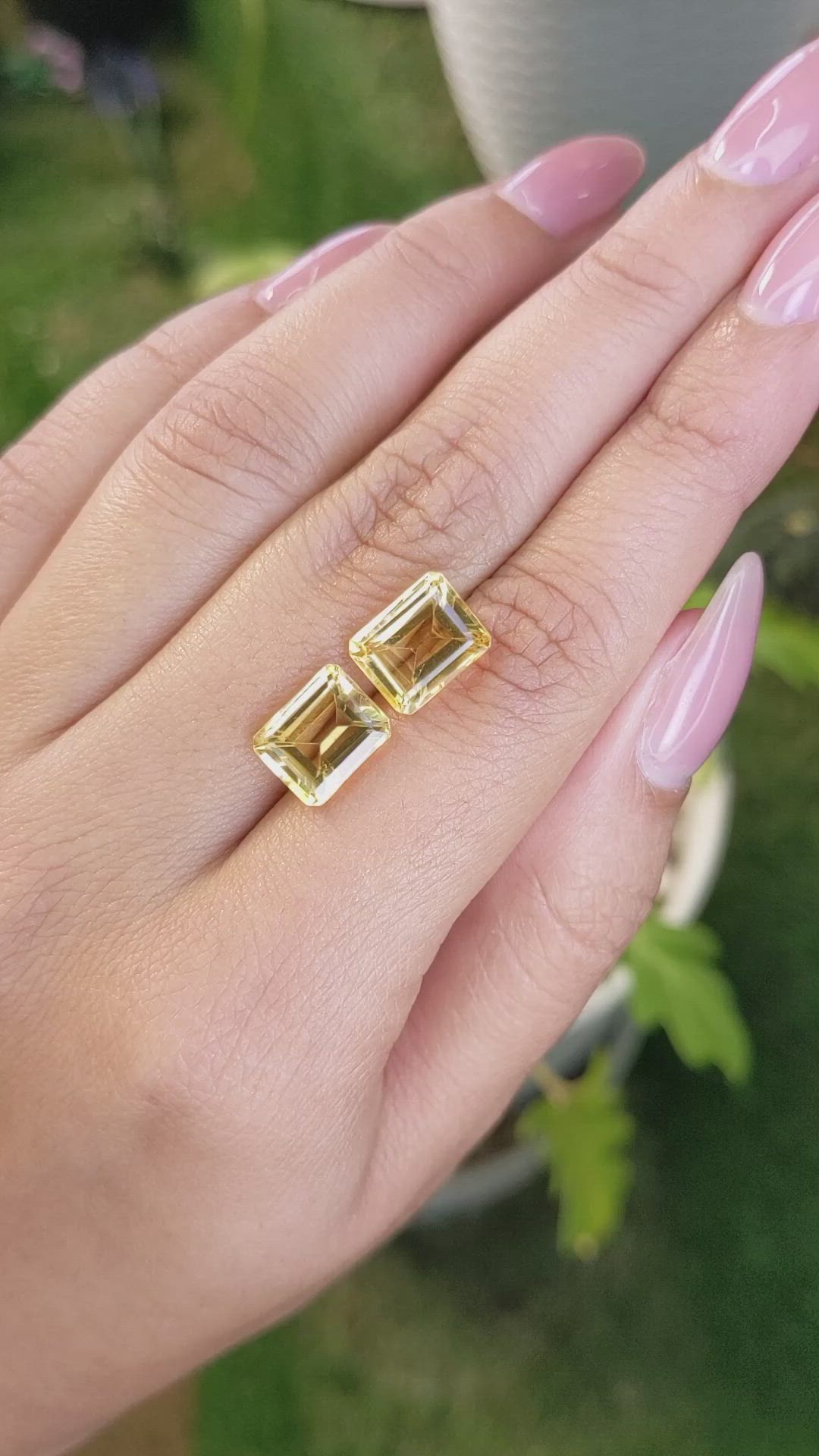
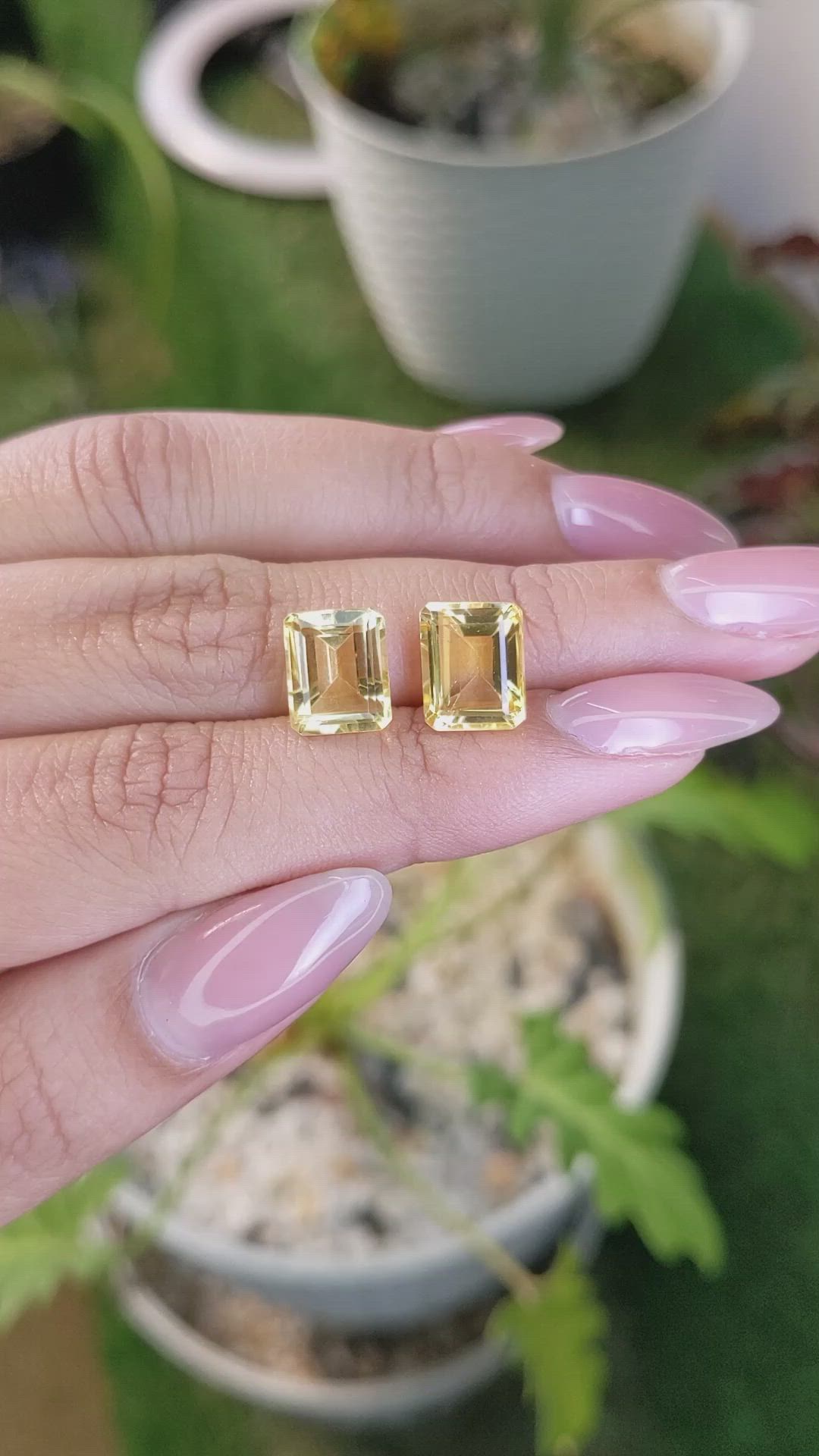

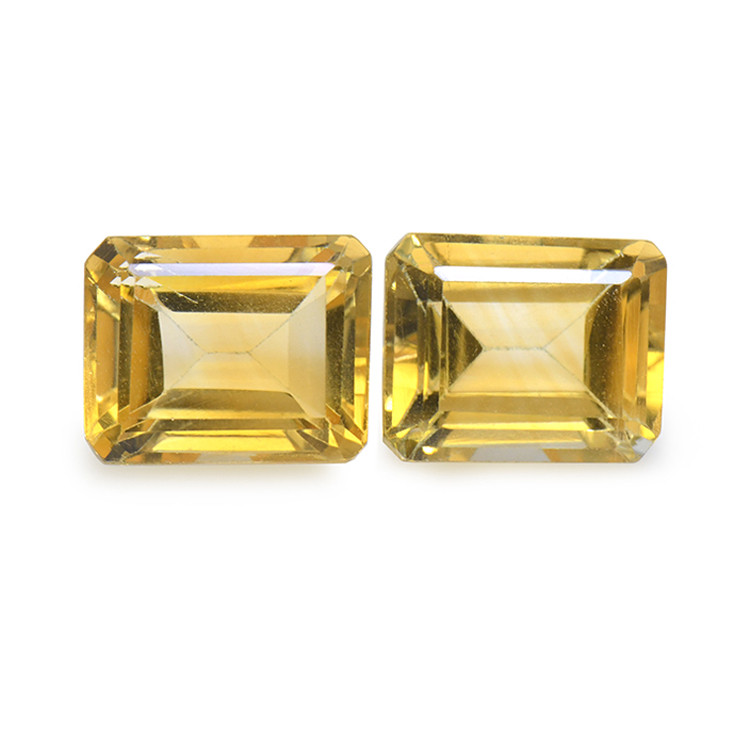
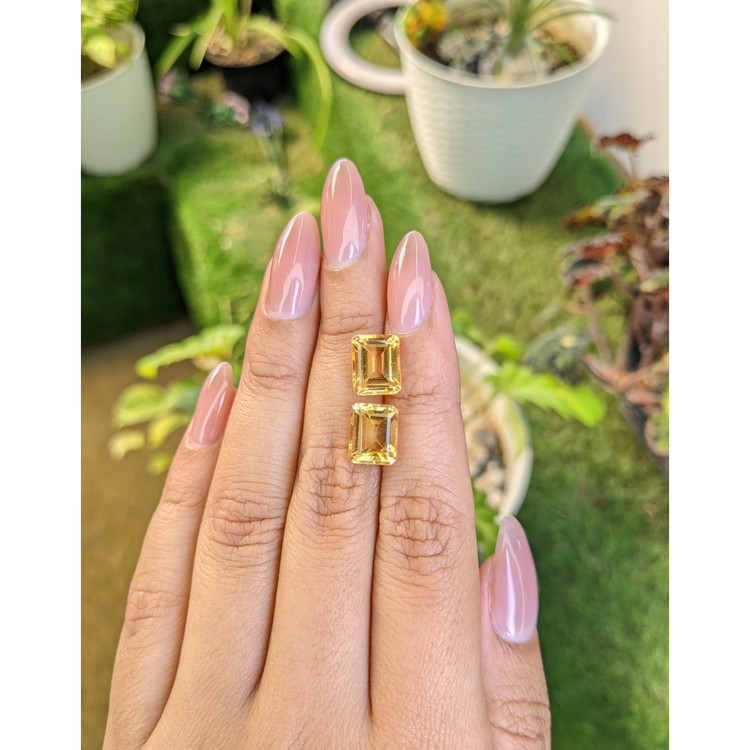
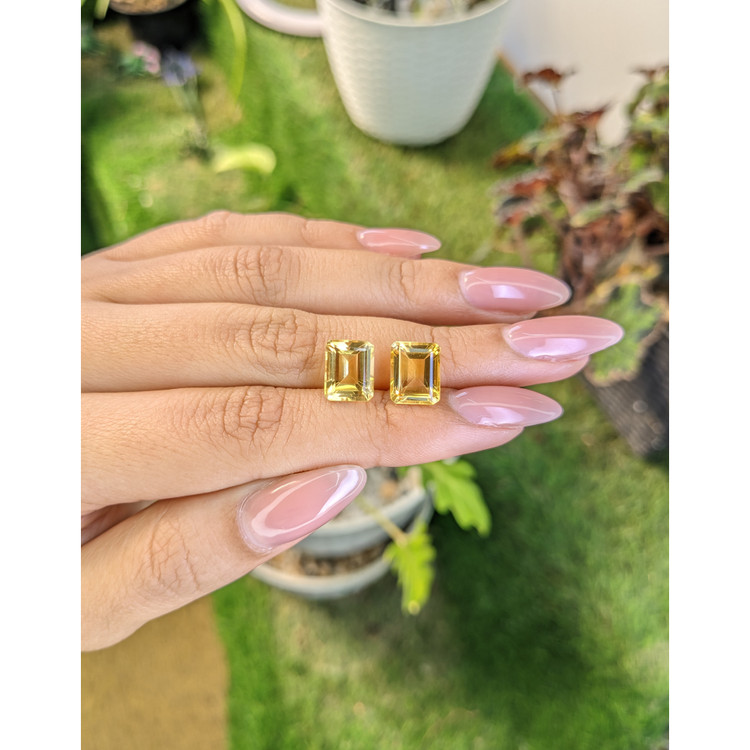
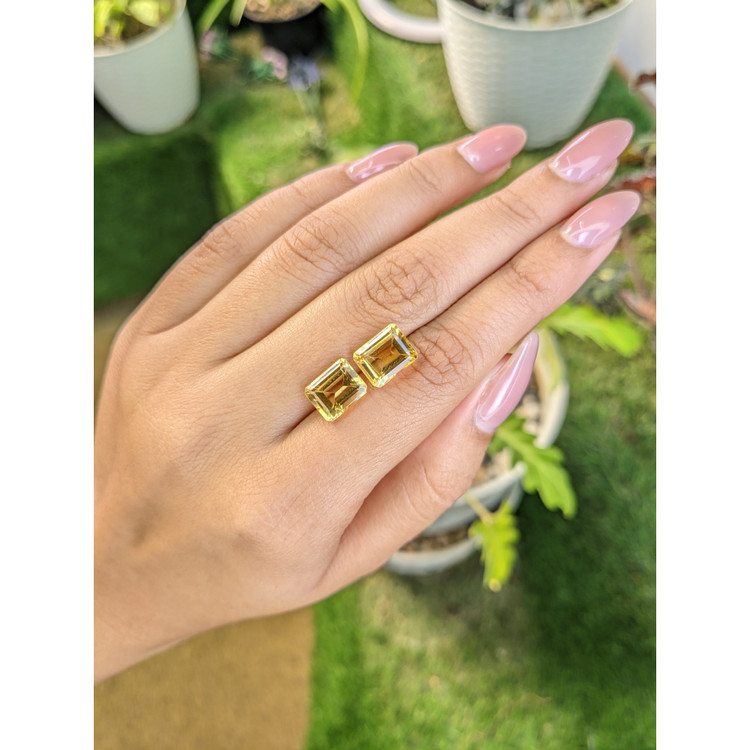

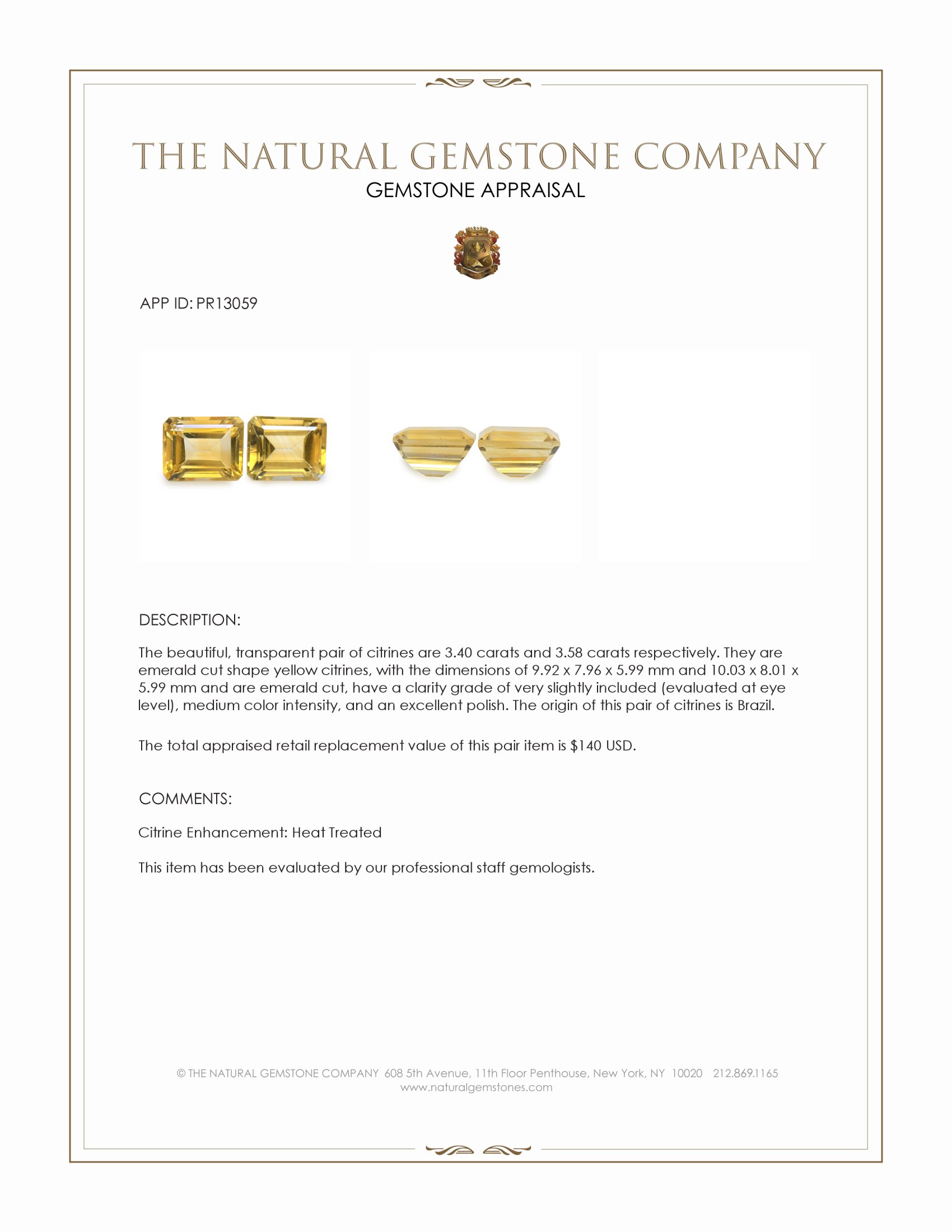
6.98 Ct.Tw.Total Carat Weight Citrine Pair from Brazil
This pair of stones is available to ship now
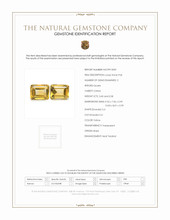
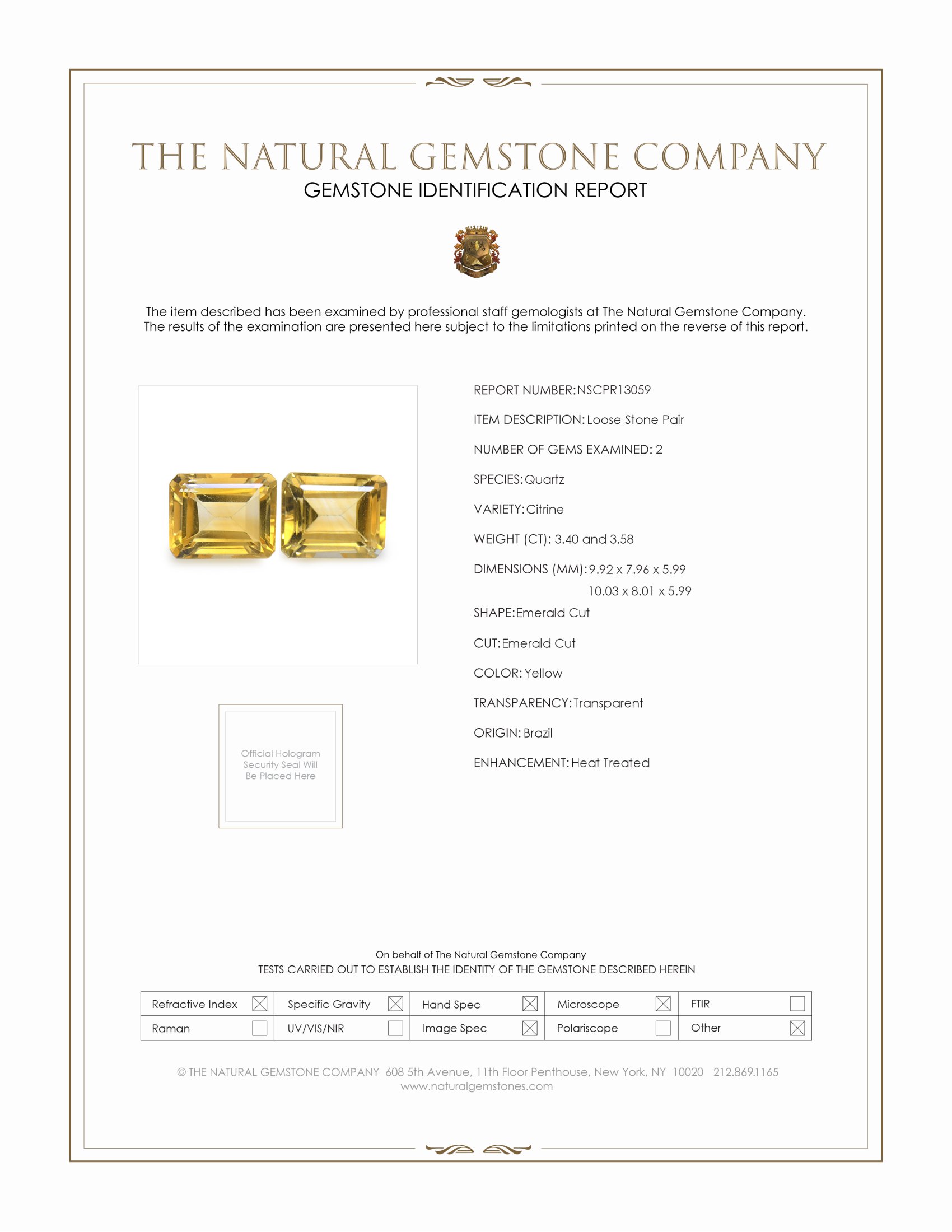
Stone type: | Citrine | Citrine |
|---|---|---|
Item ID: | PR13059 | PR13059 |
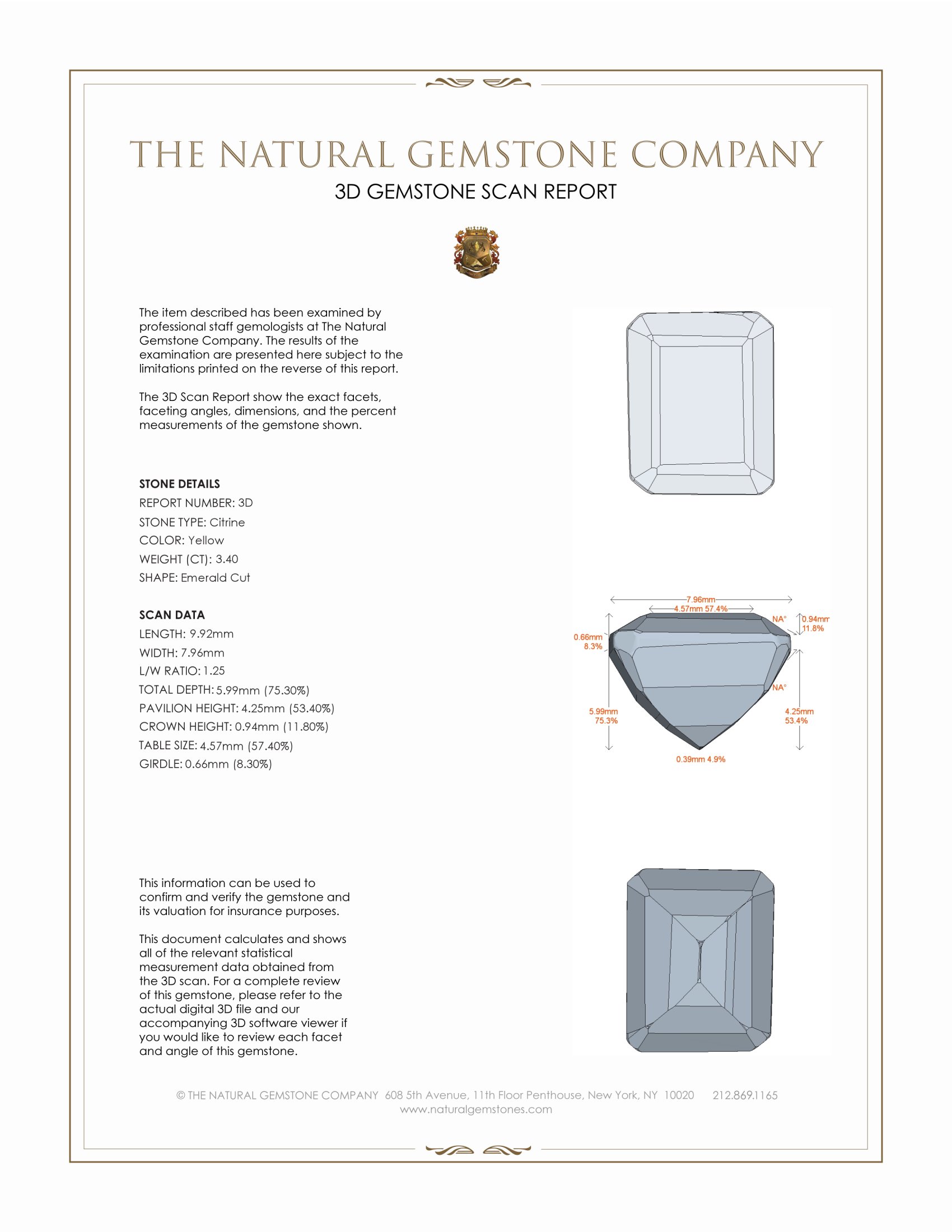
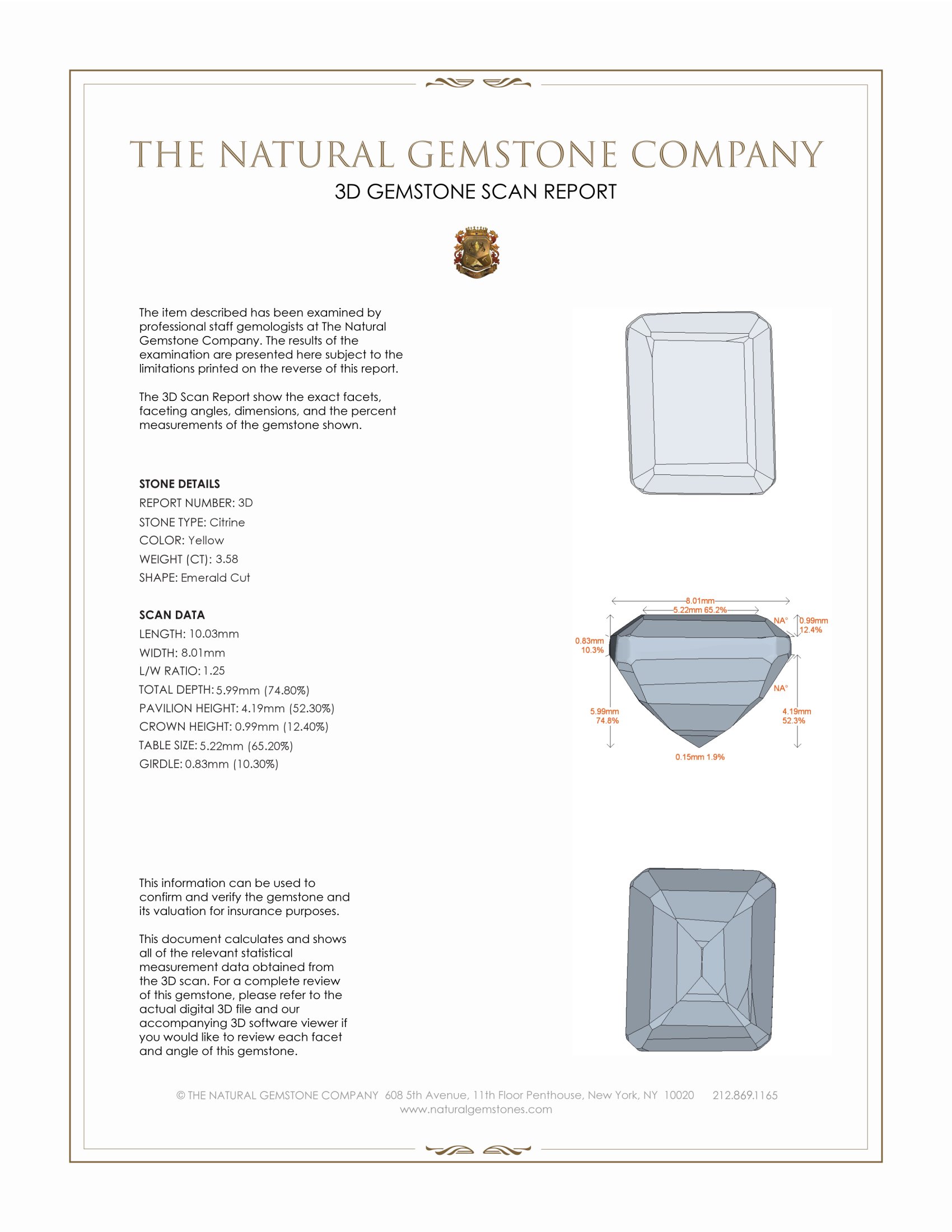
Dimensions (MM): help | Length: 9.92 Width: 7.96 Height: 5.99 | Length: 10.03 Width: 8.01 Height: 5.99 |
Weight: | 3.40 Ct. | 3.58 Ct. |
Color: help | Yellow | Yellow |
Color intensity: help | Medium | Medium |
Clarity: help | Very Slightly Included | Very Very Slightly Included |
Shape: help | Emerald Cut | Emerald Cut |
Cut: | Emerald Cut | Emerald Cut |
Cutting style: | Faceted | Faceted |
Enhancements: help | Heat Treated | Heat Treated |
Origin: help | Brazil | Brazil |
Per carat price: help | $20 | $20 |
This pair of transparent yellow citrines from The Natural Gemstone Company presents a technical consistency and optical harmony that is rare in matched gemstones. The stones weigh 3.40 carats and 3.58 carats respectively, and are cut as emerald cuts with dimensions 9.92 x 7.96 x 5.99 mm and 10.03 x 8.01 x 5.99 mm. The step facet architecture of the emerald cut produces broad, parallel facets on the crown and pavilion which emphasize color zoning and clarity rather than scintillation, making precise alignment and pavilion depth critical to visual balance. Both stones exhibit medium color intensity, and the excellent polish enhances the evenness of the table reflection. Clarity is graded very slightly included evaluated at eye level, which for an emerald cut is advantageous because the long step facets tend to render inclusions less conspicuous when the table is aligned deliberately within a setting. Both stones have been heat treated, a standard and stable enhancement for citrine that optimizes yellow saturation while preserving crystal structure, and their reported origin is Brazil, which is consistent with the clean, honeyed tonal range observed in these examples.
From a setting and design engineering perspective these stones are exceptionally well suited to matched couple pieces because their proportions and pavilion depths are effectively identical, which simplifies bezel and prong seat design and ensures congruent light transmission when worn side by side. The rectangular table and clipped corners typical of emerald cuts recommend either a four prong configuration with reinforced corner prongs, or a full bezel for maximum corner protection and everyday wearability. For a masculine or heavier aesthetic choose a wider bezel or a substantial four prong head with shoulder guards to distribute force. For a more delicate expression allocate a thinner bezel with a fine milgrain finish, or a low profile four prong head that reduces metal visibility and maximizes apparent table size. When designing complementary pieces for couples consider scaling the metal mass and band geometry rather than altering the stone presentation. For example set the larger 3.58 carat stone in a ring with a 2.5 mm band and the 3.40 carat stone in a ring with a 1.8 mm band to maintain proportional balance. If a halo is desired for one partner and a solitaire for the other, calibrate the halo diameter to maintain identical visual centers by adjusting pave stone size and spacing, since the step cut table will reflect halo light differently than brilliant cut surrounds.
Specific pairing strategies that exploit the material and optical properties of these citrines allow for both matched and complementary couple suites. For matched signature rings set both stones in the same metal to present a unified aesthetic, or set one in warm 18 carat yellow gold to amplify the citron tone and the other in 18 carat rose gold to create a paired contrast while retaining color harmony. For a mixed media approach place one stone in a platinum or white gold setting with a simple bezel to create cool contrast, and set the other in yellow gold with a low profile four prong head to emphasize warmth, thereby achieving complementarity without losing pair symmetry. For non ring applications the identical pavilion depths make these stones ideal for a pair of cufflinks, or a pendant and a tie pin where identical seat dimensions allow for interchangeable manufacturing jigs. When designing couple pieces that are intentionally asymmetrical, use orientation and negative space as design levers. Mount one stone east west to create a contemporary directional look, and mount the partner stone north south with matched bezel geometry to echo axis and proportion. In all cases confirm bezel wall thickness against the 5.99 mm depths to maintain consistent girdle clearance, and specify prong thickness and seat radius to cradle the slightly different length and width measurements without rocking.
The Natural Gemstone Company supports technical consultations to translate these metric parameters and optical considerations into precise CAD files or hand drawn templates, and can advise on prong counts, bezel wall gauges, and complementary accent stone specs so that paired pieces for couples read as a coherent set whether worn together or apart. Given the physical properties of citrine, including an approximate refractive index range near 1.54 and a Mohs hardness of 7, we recommend protective settings for daily wear and routine inspections for prong integrity. For customers who want exact matching for engagement and companion bands or for signature his and hers suites we can provide measured drawings, facet orientation guides, and suggested metal alloys to achieve the specific optical outcome desired. The result is a technically informed pairing that leverages emerald cut geometry, matched pavilion depth, and consistent polish from these Brazilian citrines to create complementary, enduring pieces for couples.


