
- Stone16
- Reports3


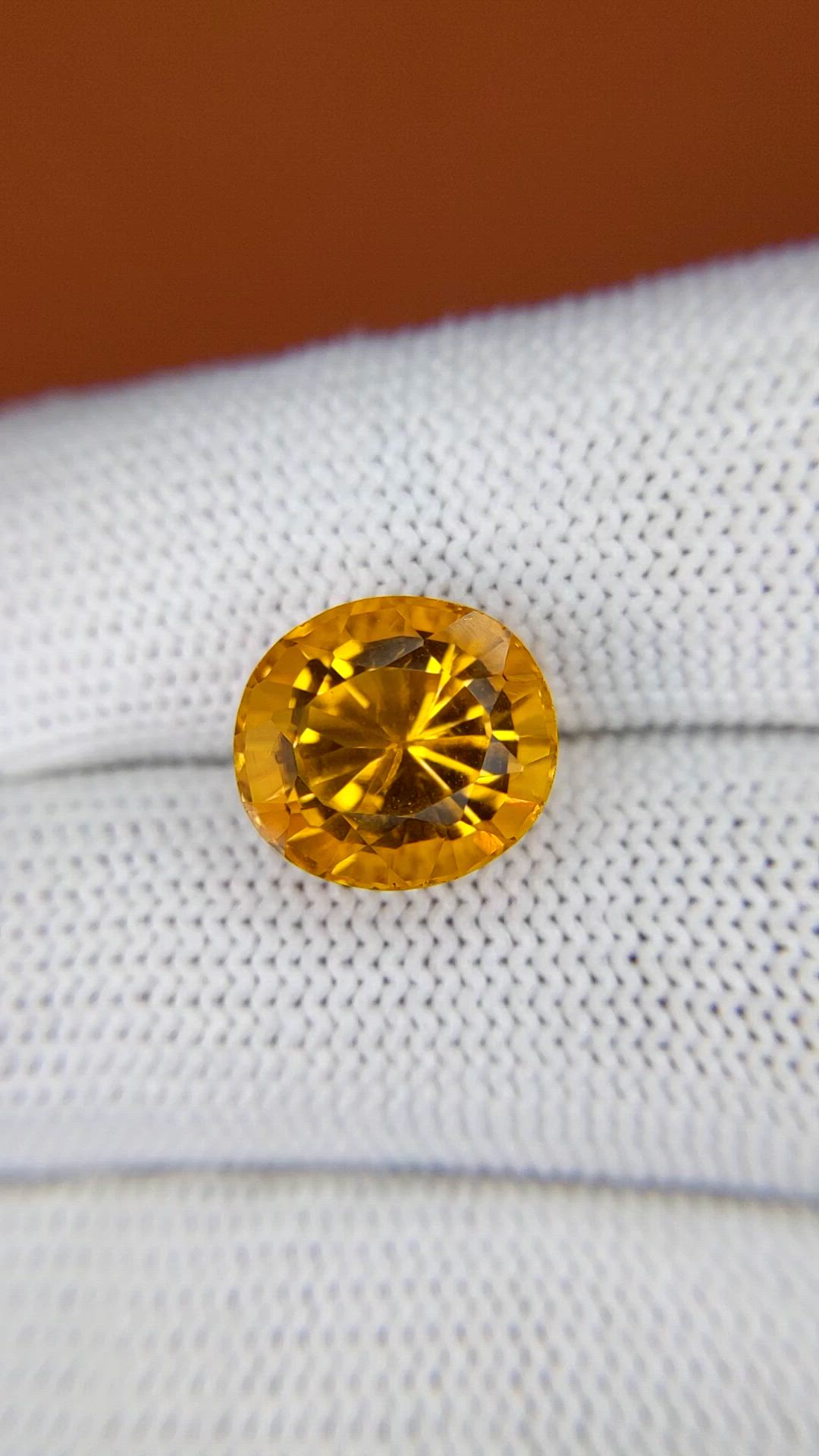
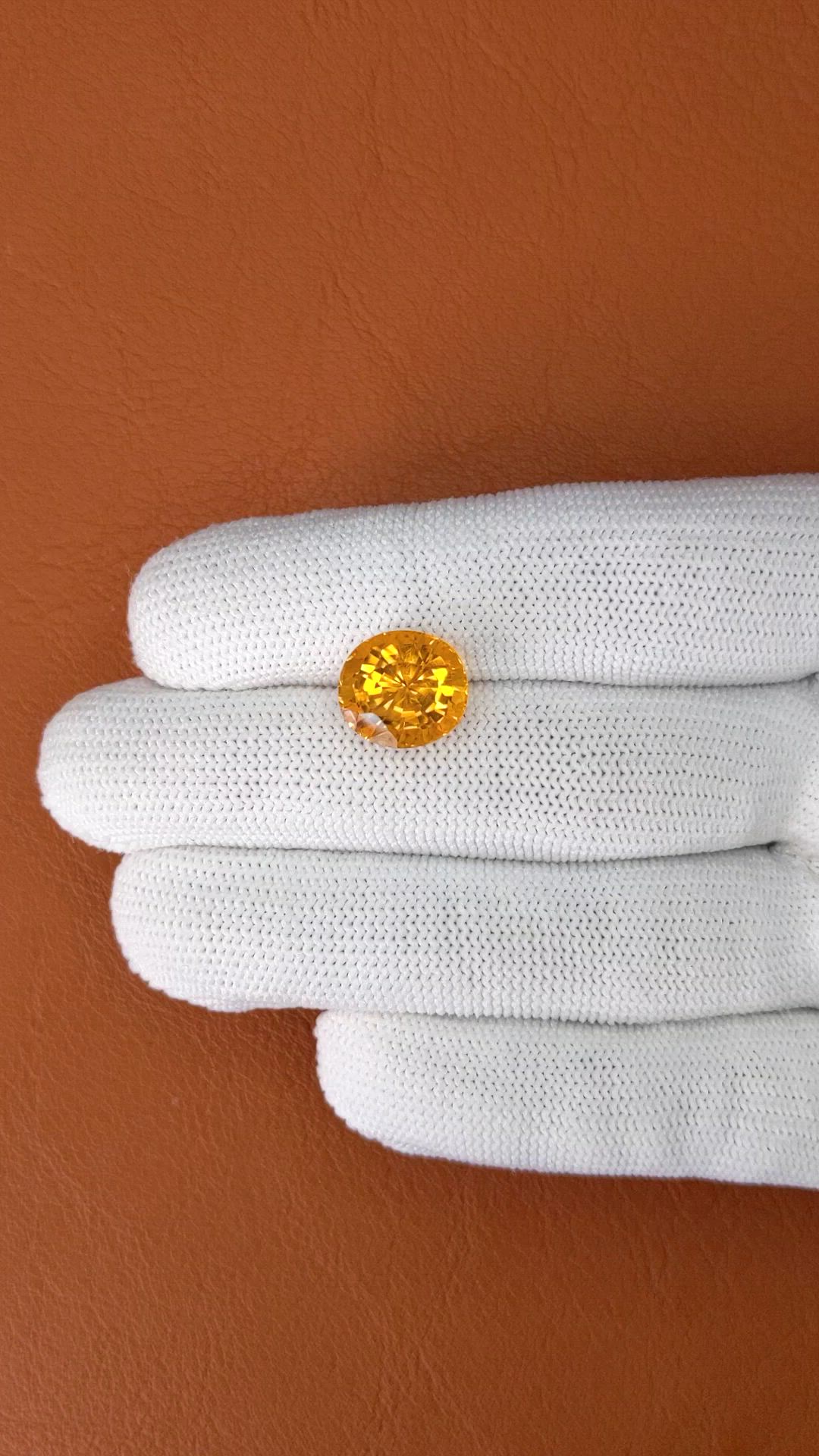
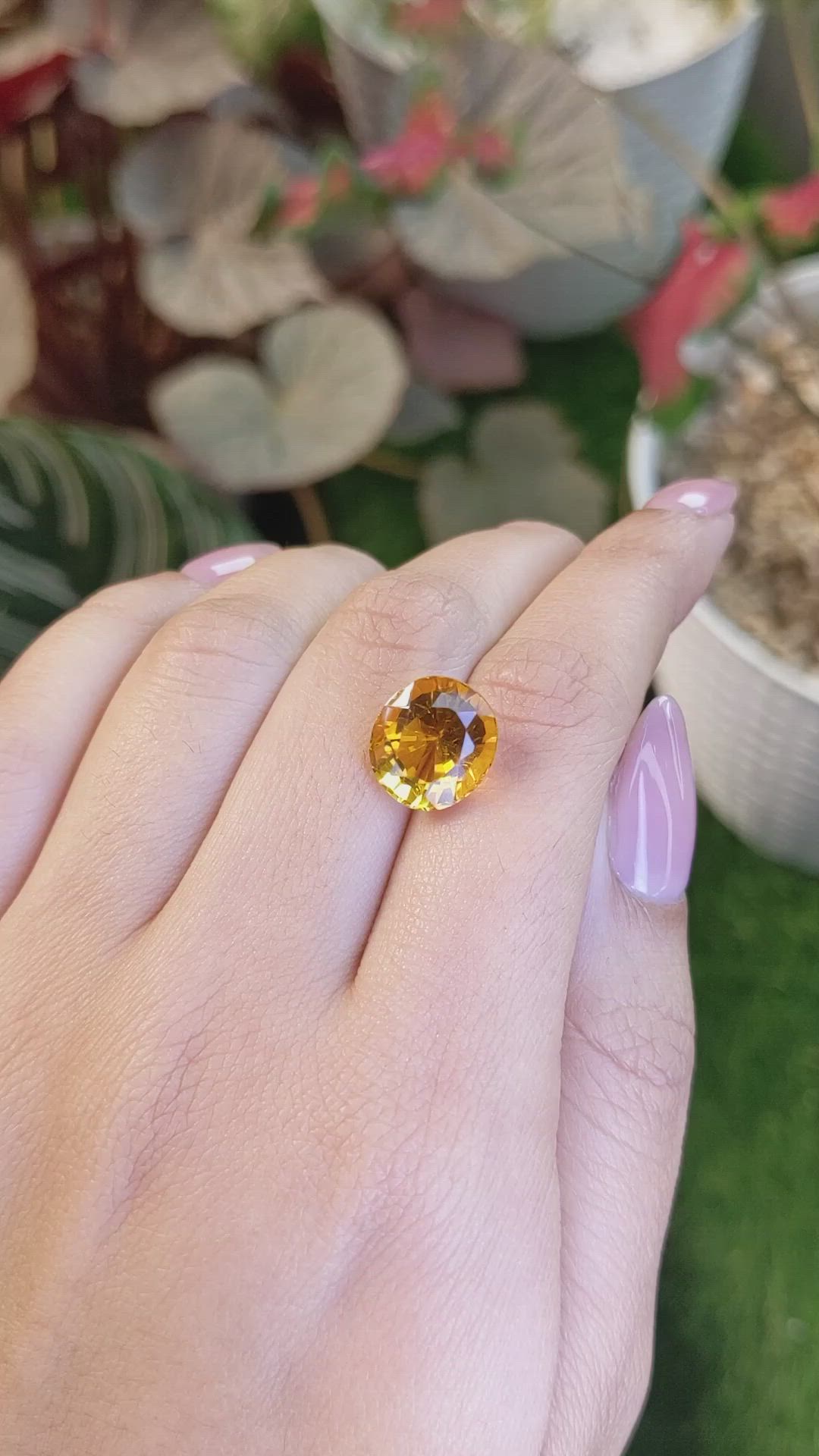
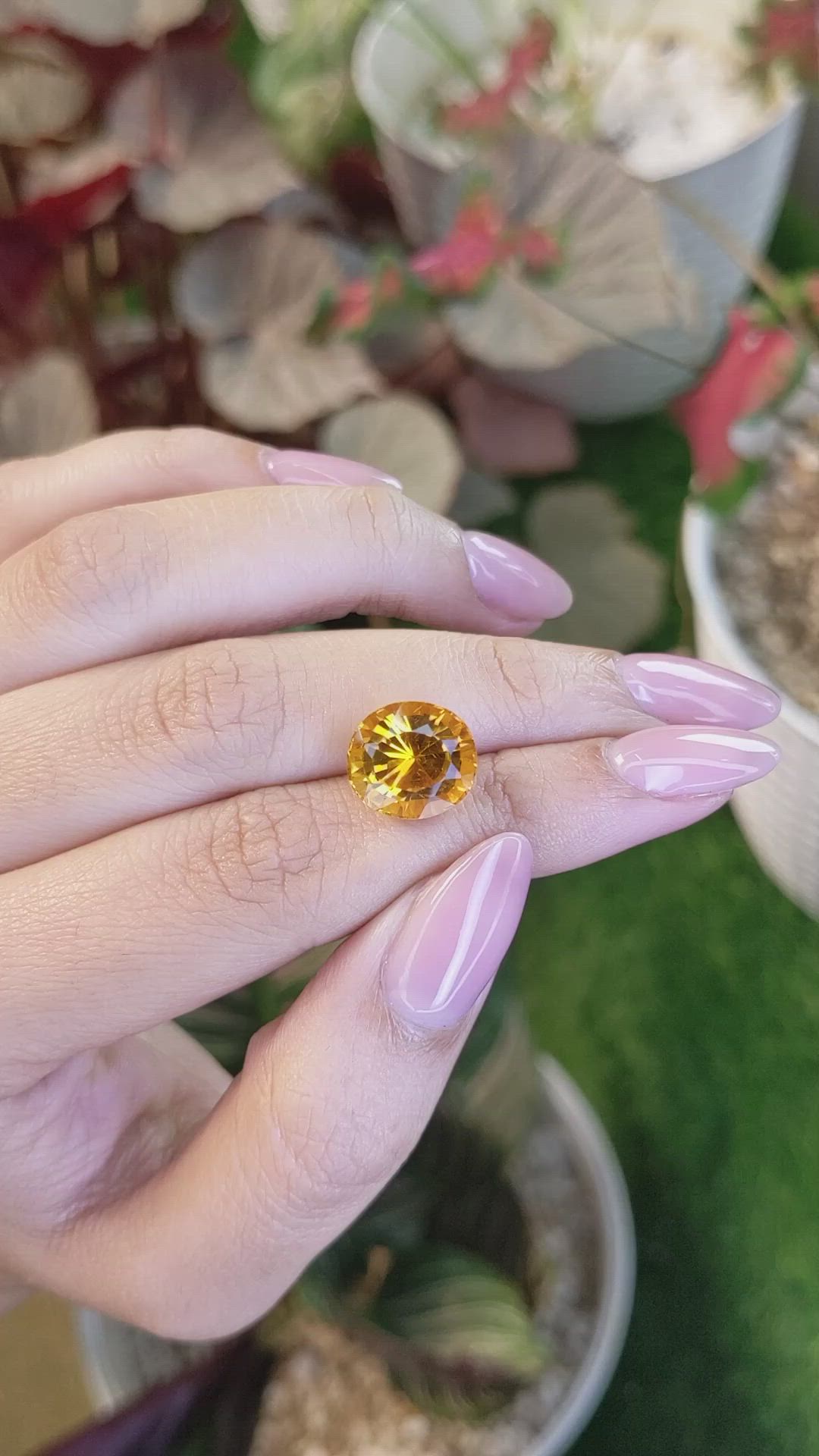
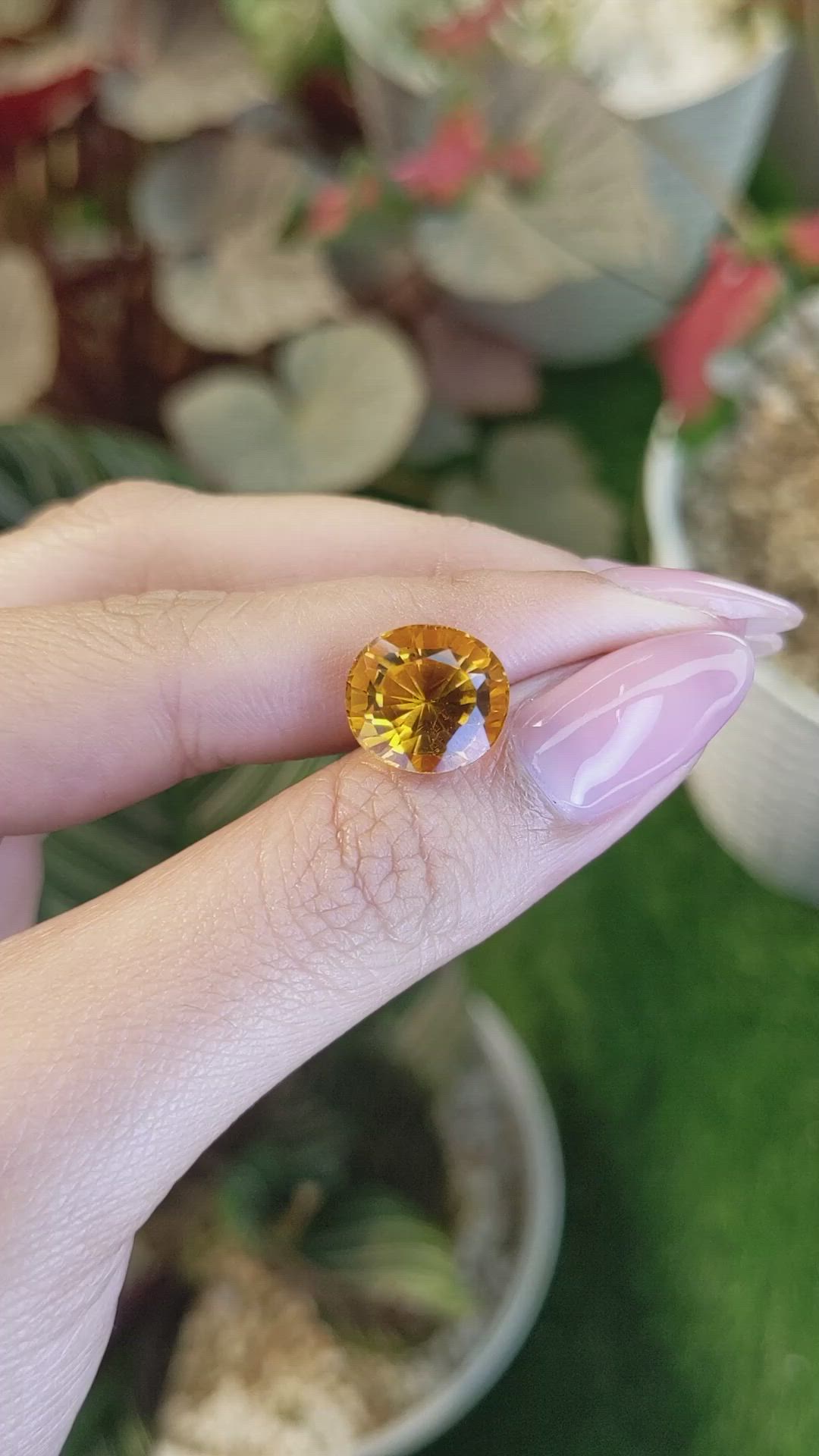
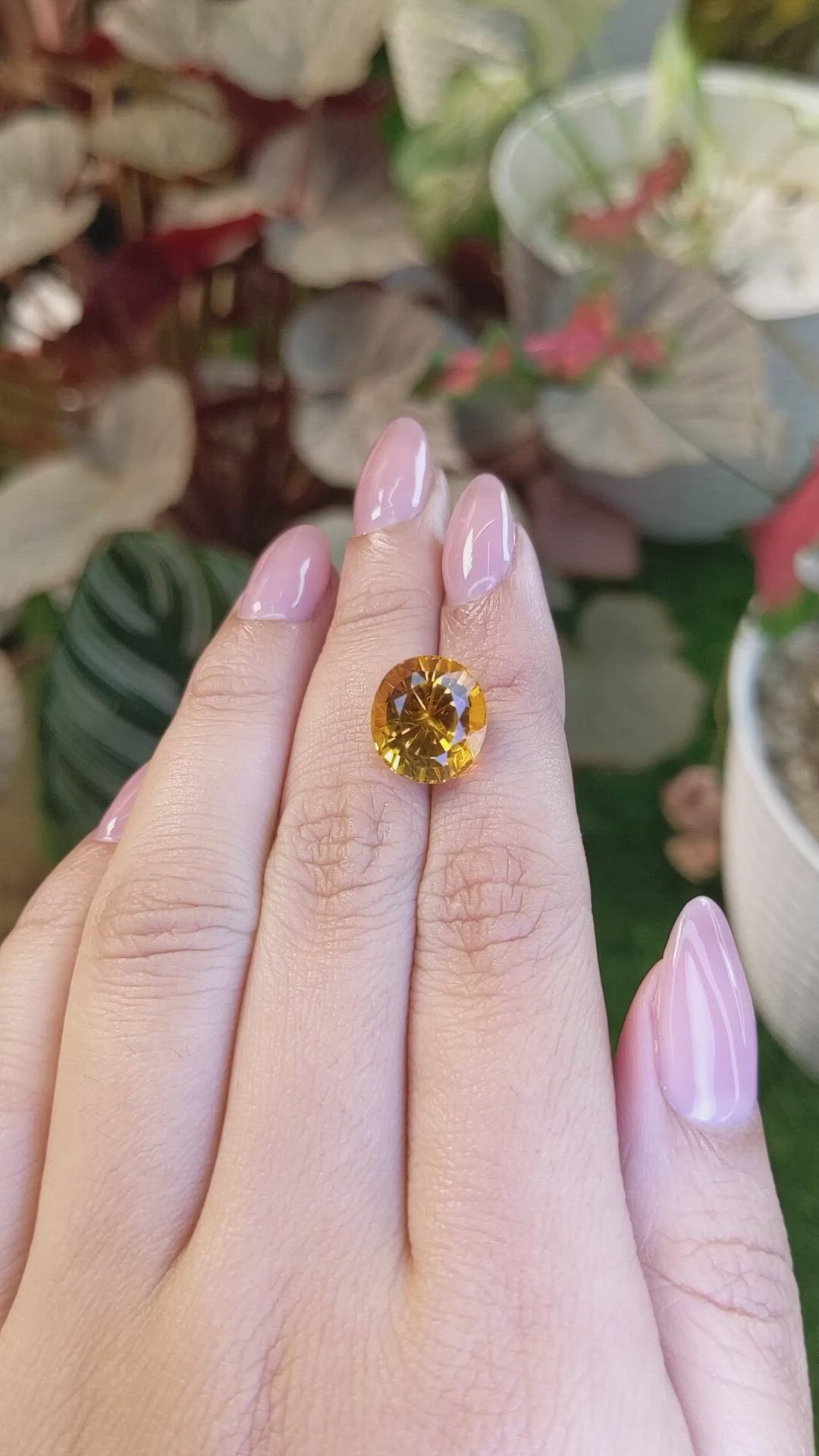




6.17 Ct. Yellowish Orange Citrine from Brazil
This loose stone is available to ship now
Item ID: | K26271 |
|---|---|
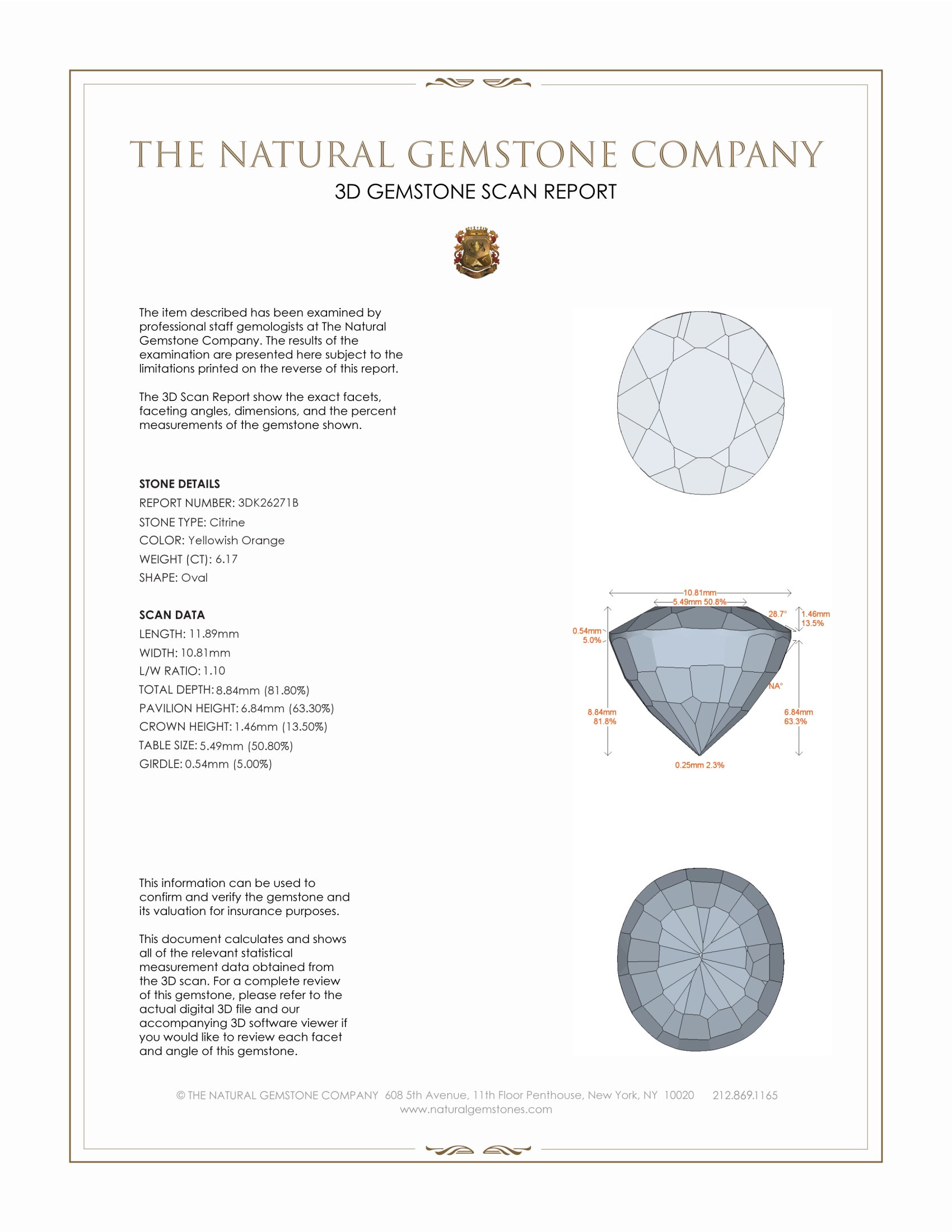
Dimensions (MM): help | Length: 11.89 Width: 10.81 Height: 8.84 |
Weight: | 6.17 Ct. |
Color: help | Yellowish Orange |
Color intensity: help | Intense |
Clarity: help | Very Very Slightly Included |
Shape: help | Oval |
Cut: | Mixed Brilliant Cut |
Cutting style: | Faceted |
Enhancements: help | No Enhancement |
Origin: help | Brazil |
Per carat price: help | $30 |
If you are searching for a singular showstopping gemstone that ends the search for the perfect center stone or a rare addition to a distinguished collection, this 6.17 carat oval yellowish orange citrine from The Natural Gemstone Company is the answer. This stone measures 11.89 x 10.81 x 8.84 mm, it is transparent, and it features a skilled faceted finish with a mixed brilliant cut that marries sparkle with depth of color. The clarity grade is very very slightly included evaluated at eye level, which means the eye sees an exceptionally clean surface and the minor inclusions only appear under magnification, preserving both brilliance and visual purity. The color intensity is intense, the polish is excellent, and there has been no enhancement, giving you a natural Brazilian citrine in a size and presence that reads as both confident and refined. For anyone seeking a meaningful engagement ring, a statement pendant, or a standout collector specimen, this gem responds to those needs with immediate authority.
The way this citrine performs under light is a key part of its appeal, and the mixed brilliant cut has been chosen to optimize both color saturation and light return. In bright midday sunlight the stone awakens with warm golden orange flashes and crisp scintillation as the crown facets throw lively points of light. Under soft diffuse daylight the orange hue reads richer and more honeyed, allowing the depth of color to become the focal point while still revealing internal sparkle with every movement. Under warm incandescent or classic jewelry lighting the citrine develops a glowing inner fire, a candlelit warmth that flatters skin tones and invites touch. Under modern LED lighting the precise facet arrangement produces a lively play of sparkle and contrast, delivering a look that translates well in photographs and on the stage of special occasions. Even under subdued candlelight this gem retains presence, offering a romantic ember like flicker while remaining luminous enough to catch attention across a room.
Beyond its optical virtues this citrine is a practical and versatile choice for everyday fine jewelry or special pieces that will be treasured for years. At 6.17 carats and with those generous dimensions the stone sits with substantial presence, making it ideal as a solitaire engagement stone for someone who prefers warm color over classic white, or as the centerpiece in a three stone ring or halo setting for added glamour. For metal choices warm yellow gold and rose gold will echo the orange tones and enhance the vintage warmth, while white gold or platinum will create contrast and let the color float like a sunset over silver. A four or six prong setting will maximize the light interaction and allow the mixed brilliant cut to show its full scintillation, while a partial bezel can protect the girdle if daily wear is anticipated. Citrine is quartz with a hardness of seven on the Mohs scale, which gives it durability for regular wear with sensible care, and because this stone is natural and untreated there is no risk of color fading due to artificial processes.
Provenance matters, and this citrine comes from Brazil, a region known for producing top quality quartz gems with consistent color and clarity, and The Natural Gemstone Company stands behind its authenticity and full disclosure. The fact that this stone is untreated is a major benefit for collectors and thoughtful buyers who want natural beauty without enhancement, and our team can provide detailed photos and measurements on request so you can evaluate the stone from every angle before making a decision. If you have been searching for a gem that feels like the final piece in your design journey, this yellowish orange oval citrine answers that search with natural color, exceptional polish, and reliable performance under any light. Contact The Natural Gemstone Company and let us show you how this stone will complete your vision, bringing warmth brilliance and lasting value to the piece you create.


