
- Stone8
- Reports2
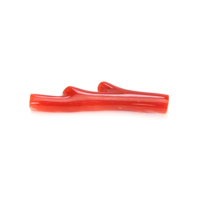
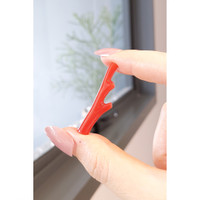

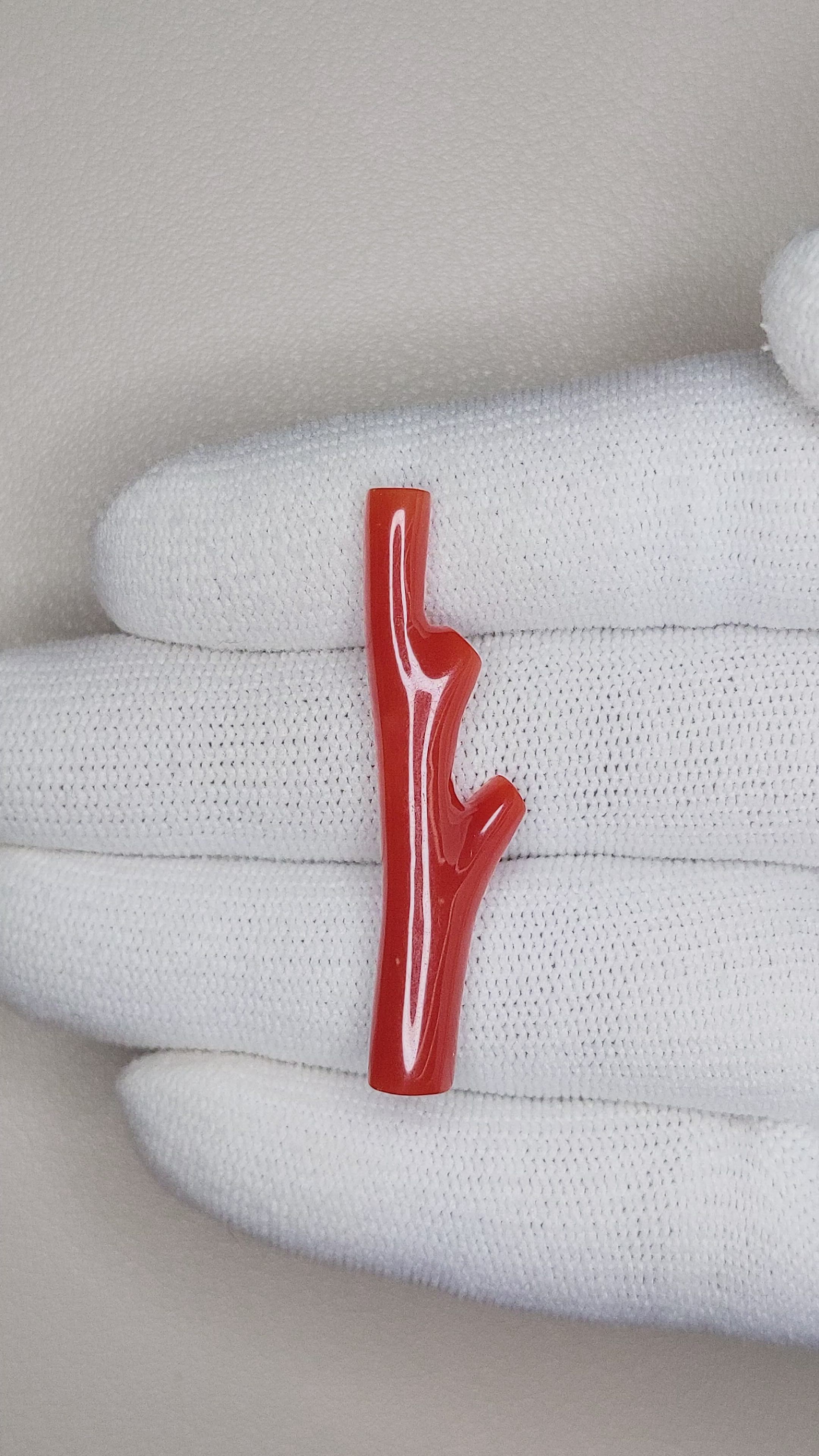


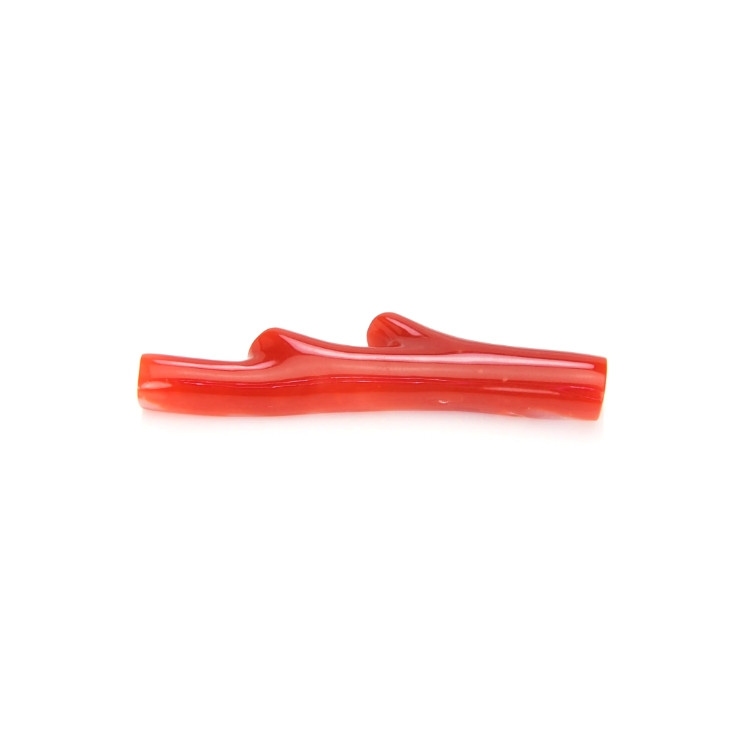
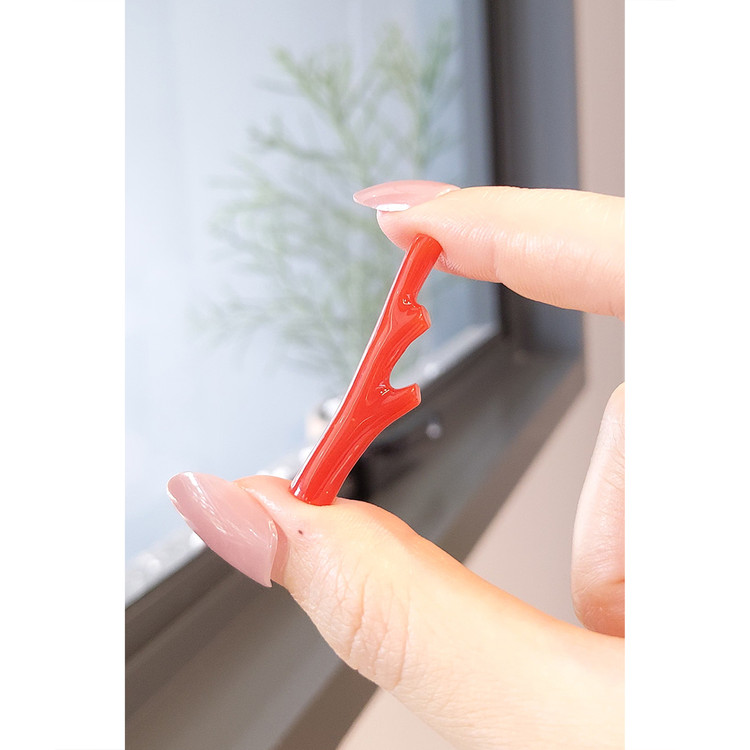


12.50 Ct. Salmon (Orange) Coral from China
This loose stone is available to ship now
Item ID: | K2300 |
|---|---|
Dimensions (MM): help | Length: 39.2 Width: 10.4 Height: 5.2 |
Weight: | 12.50 Ct. |
Color: help | Salmon (Orange) |
Color intensity: help | Vivid |
Clarity: help | Not Applicable |
Shape: help | Freeform |
Cut: | Polished |
Cutting style: | Carving |
Enhancements: help | Dye Treated |
Origin: help | China |
Per carat price: help | $6 |
This exceptional piece from The Natural Gemstone Company is a rare opportunity to own a singular, museum quality coral specimen that feels like a private acquisition. Presented as one beautiful translucent 12.50 carat freeform shape salmon orange coral, this carving measures 39.20 x 10.40 x 5.20 mm, and carries the unmistakable presence of an artisanal working hand. The freeform silhouette means no two views are the same, and the contours invite a bespoke setting that will sit with dignity in any collection. Originating from China, this coral has been dye treated to enhance its vivid color intensity, and it has received an excellent polish that maximizes its luminous translucency. Pieces of this caliber are rare by nature, and we present this coral as a single, exclusive offering, destined for a discerning owner who understands that true rarity is not reproduced or mass produced, but discovered and preserved.
The visual appeal of this salmon orange coral is immediate, yet it rewards prolonged study. The carving has been executed to follow the natural grain and flow of the material, creating a living surface that conveys both movement and stillness, like a shoreline held in sapphire light. Under the surface the translucency breathes with the passing rays, and the dye treated enhancement has been applied with restraint to respect the coral s organic texture and microstructure. The vivid color intensity reads as a warm, sunset orange that shifts subtly with angles of viewing, making it an engaging focal point whether mounted in a minimalist bezel or embraced by a more ornate custom design. The polished cut is flawless in its finish, offering a soft, tactile sheen that invites touch and that complements both high polished metals and matte settings. The carving technique ensures that edges and planes catch light in a way that allows the piece to glow from within, an effect that is rare and supremely attractive for those who seek a gemstone with soul and personality.
Equally notable is the versatility of this freeform salmon coral, which transitions effortlessly between relaxed daytime wear and formal evening presentation. In casual settings it will elevate a simple chain into an expression of cultivated taste, pairing beautifully with linen shirts, cashmere sweaters, and leather bands that suggest a thoughtful, lived in aesthetic. For formal affairs the coral makes a discreet yet unforgettable statement, whether mounted as a pendant that rests over silk in a soft embrace, set as a focal point in a bespoke cocktail ring, or incorporated into cufflinks and brooches for a refined, old world elegance. Designers will find the freeform shape especially compelling, because it invites creative interpretation, and because the polished carving reads well against both cool toned metals like platinum and white gold, and warm toned alloys like rose or yellow gold. This adaptability also makes the piece an ideal heirloom candidate, one that can be reworked or reset across generations without losing its essential character. The combination of translucent depth, vivid salmon color, and hand finished polish means the coral will never be pigeonholed into a single look, it is as comfortable with jeans and a blazer as it is with evening gowns and tuxedos.
We disclose the dye treated enhancement openly, because integrity and provenance are part of what makes a rare piece truly valuable to collectors. The dye treatment has been carried out with expertise to stabilize and even out tone, enhancing the coral s natural beauty while respecting its organic structure. As an organic gemstone, coral requires mindful care, including protection from strong chemicals, excessive heat, and prolonged exposure to direct sunlight, which we will gladly detail during a private consultation. This specific specimen is a unique offering, and availability is strictly singular, a one of one opportunity within The Natural Gemstone Company s curated selection. For collectors, connoisseurs, and bespoke designers who desire not only beauty but also exclusivity, this salmon coral stands as a distinguished choice. We invite inquiries for bespoke mounting, private viewing, and certified documentation, and we welcome the chance to guide you through customization options that will transform this rare coral into a personal emblem of taste and refinement. Owning this coral is an entry into an elite circle of custodianship, where each detail is considered, and where the piece is appreciated as both art and legacy.


