
- Stone12
- Reports2

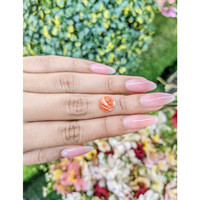
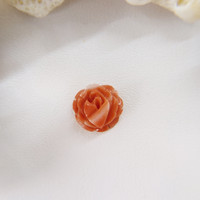
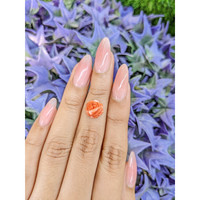


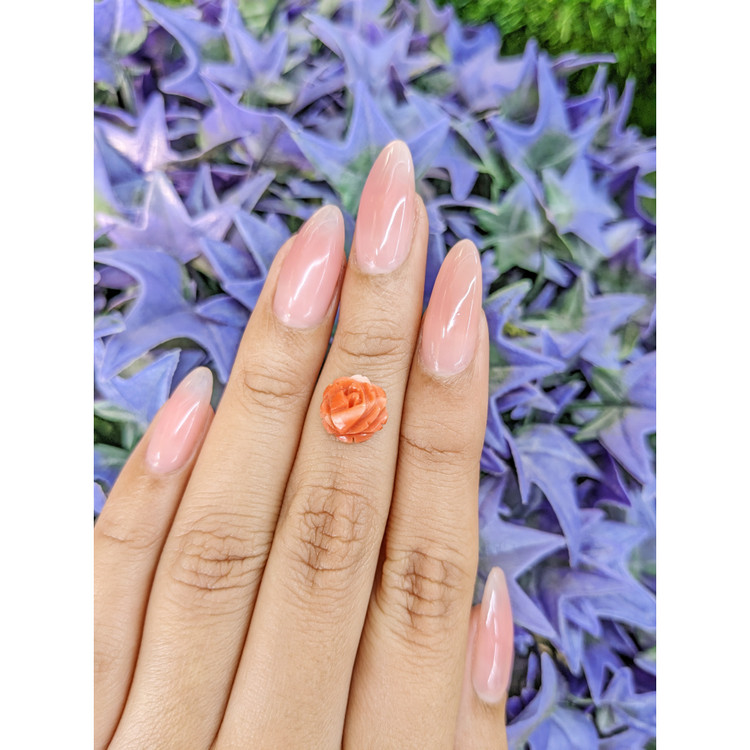
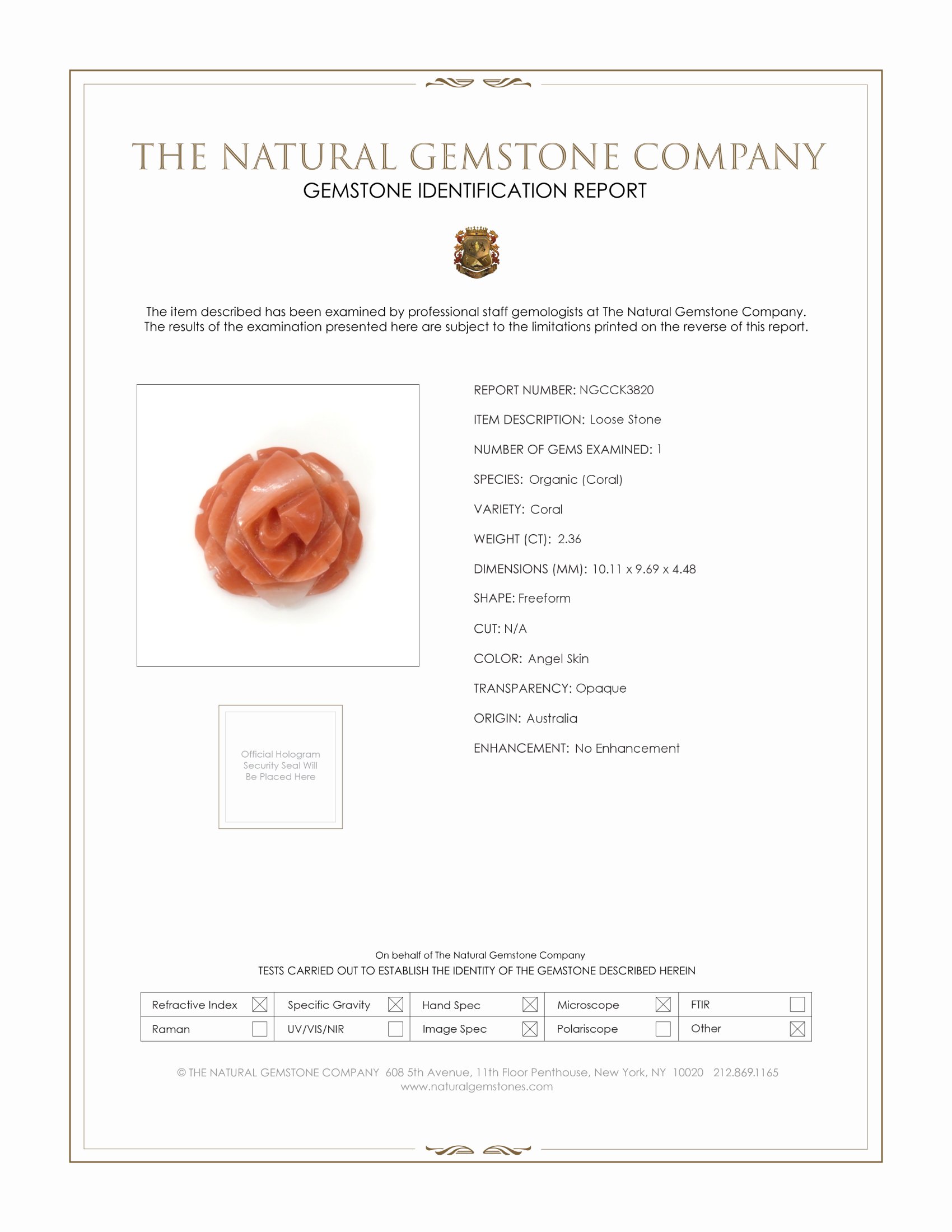
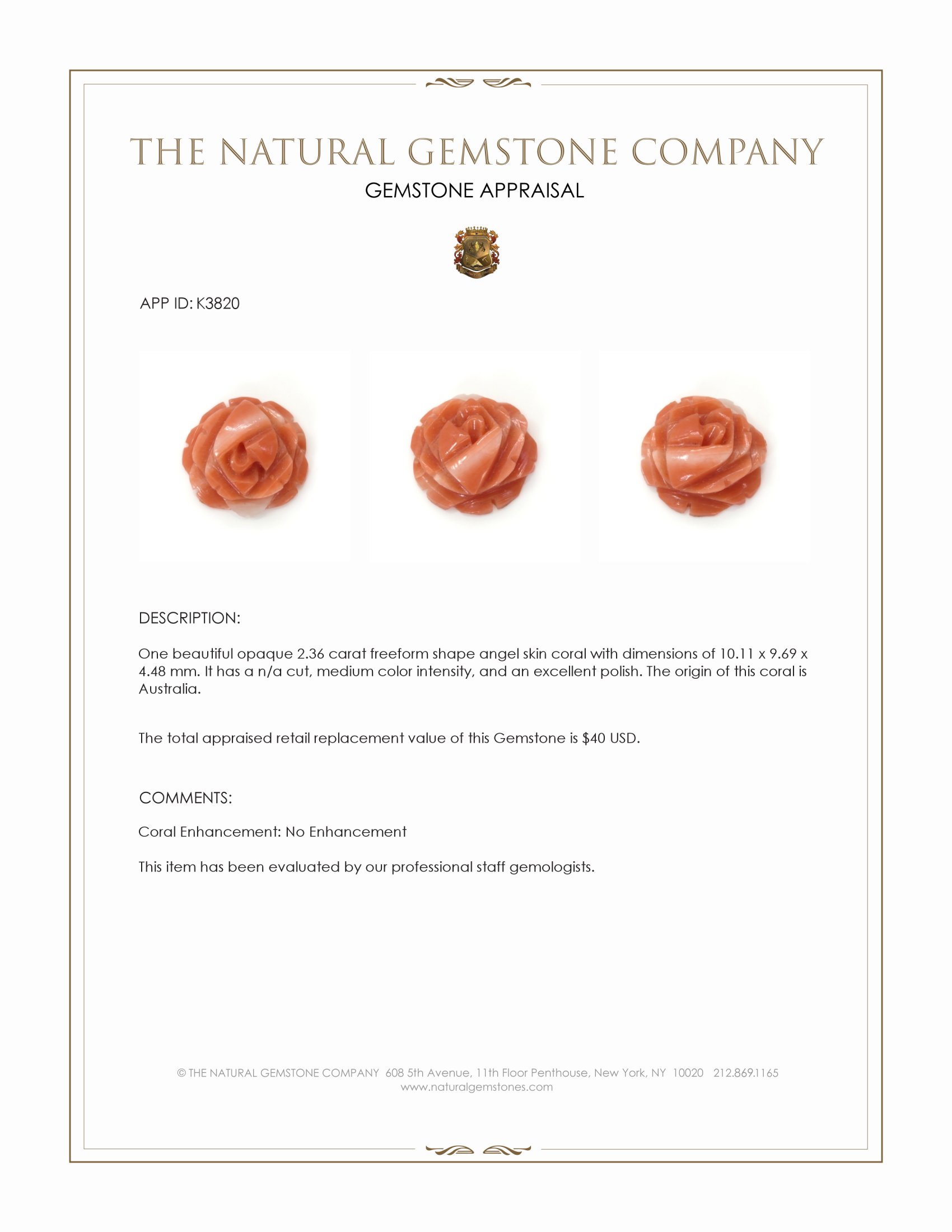
2.36 Ct. Coral from Australia
This loose stone is available to ship now
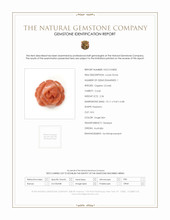
Item ID: | K3820 |
|---|---|
Dimensions (MM): help | Length: 10.11 Width: 9.69 Height: 4.48 |
Weight: | 2.36 Ct. |
Color: help | Angel Skin (Peach) |
Color intensity: help | Medium |
Clarity: help | Not Applicable |
Shape: help | Freeform |
Cut: | N/A |
Cutting style: | Carving |
Enhancements: help | No Enhancement |
Origin: help | Australia |
Per carat price: help | $17 |
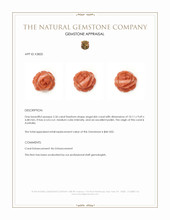
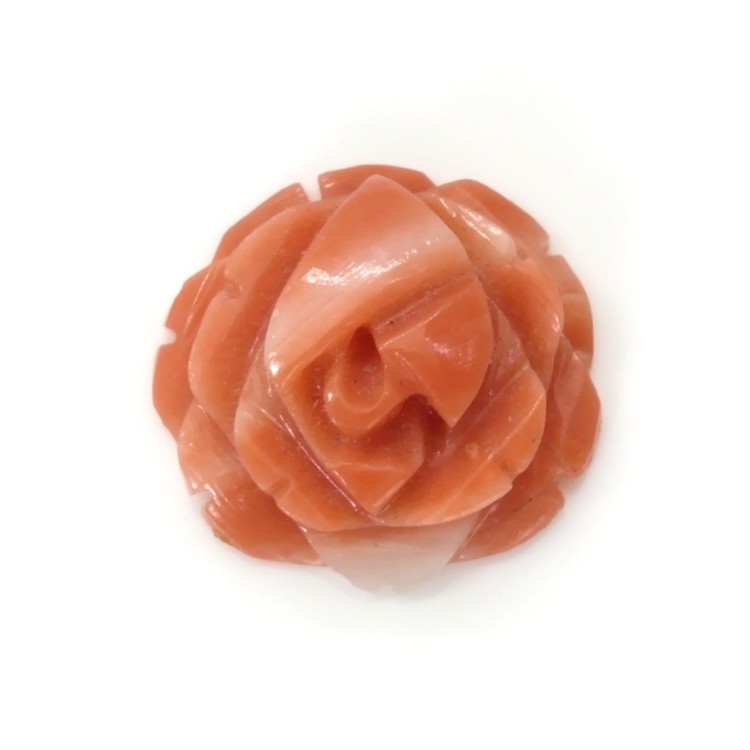
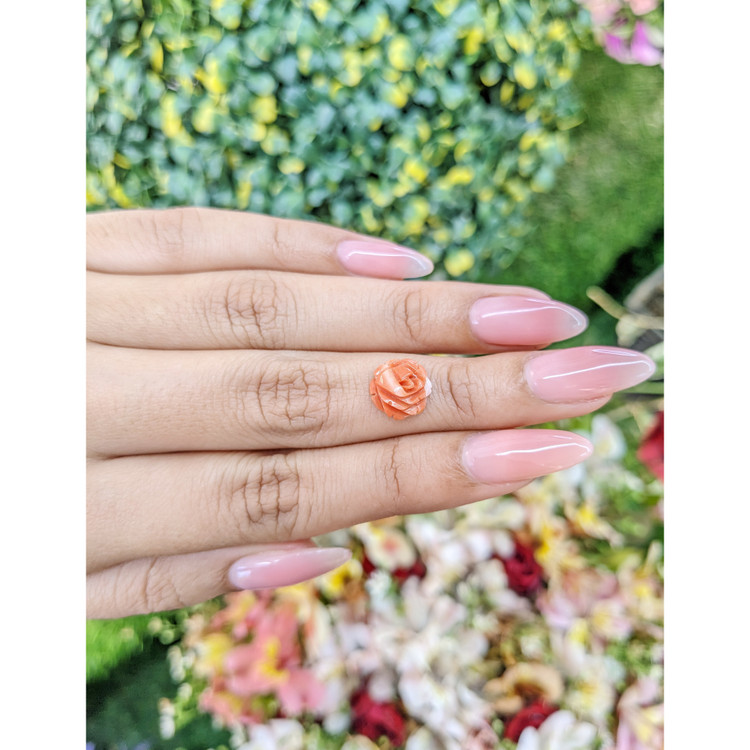
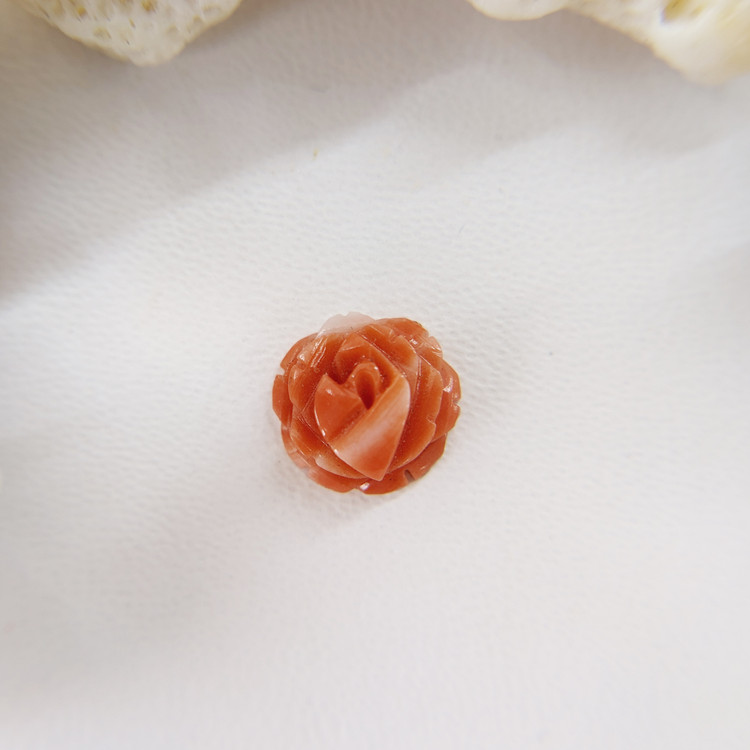
This Australian angel skin coral presents as an opaque freeform cabochon weighing 2.36 carats, with exact dimensions 10.11 x 9.69 x 4.48 mm. The specimen is shaped as a freeform rather than a traditional faceted cut, reflecting the material driven approach to form that maximizes surface area and natural grain. It has medium color intensity, a soft pastel rose with a faint peach undertone, and an excellent polish that yields a satiny, slightly waxy luster typical of high quality coral. No enhancement has been applied, the surface integrity is intact, and the polish was executed to minimize micro abrasion while preserving natural growth patterns. Because the piece is opaque, traditional faceting would not enhance internal optical effects, so the freeform plane was chosen to display uniform hue and to permit precise matching in bespoke settings. For mounting, a low profile bezel or a secure thin claw setting is recommended to protect edge areas while allowing light to accent the surface tone, and the size and weight make it suitable for ring or pendant focal work.
When comparing hue and tone to corals from other classic sources, this Australian angel skin leans cooler and more pastel than Mediterranean coral from Sardinia or Corsica, which typically shows deeper, more saturated crimson to orange red tones and heavier visual saturation. It is also lighter and less intensely orange than Japanese red coral from the Kii Peninsula, which often carries stronger chroma and a higher tonal weight. In comparative context with other gemstone types, the corals soft angel skin hue sits lower in saturation than a Padparadscha sapphire from Sri Lanka, which exhibits a transparent pink orange balance but with greater brilliance and higher tonal contrast, and it reads warmer and more organic than a Brazilian pink tourmaline which tends to be more transparent and cooler in pink. In a second point of comparison, the Australian piece displays a truer pastel character than Indonesian or Mediterranean pink corals that can skew toward salmon or vivid red, and its medium intensity makes it a refined choice for collectors seeking a gentle, consistent hue without the aggressive saturation of reds from classic Mediterranean or Japanese sources. The Natural Gemstone Company certifies the origin as Australia, and offers this coral as an excellent natural, untreated example for connoisseurs who prioritize surface finish, authentic color, and provenance.


