
- Stone14
- Reports2

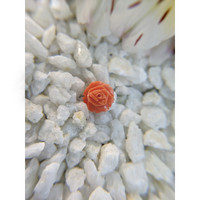
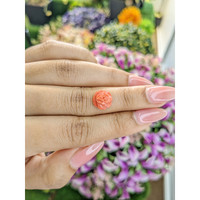
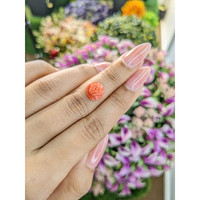
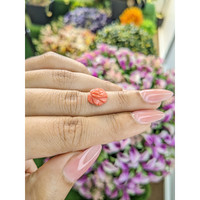
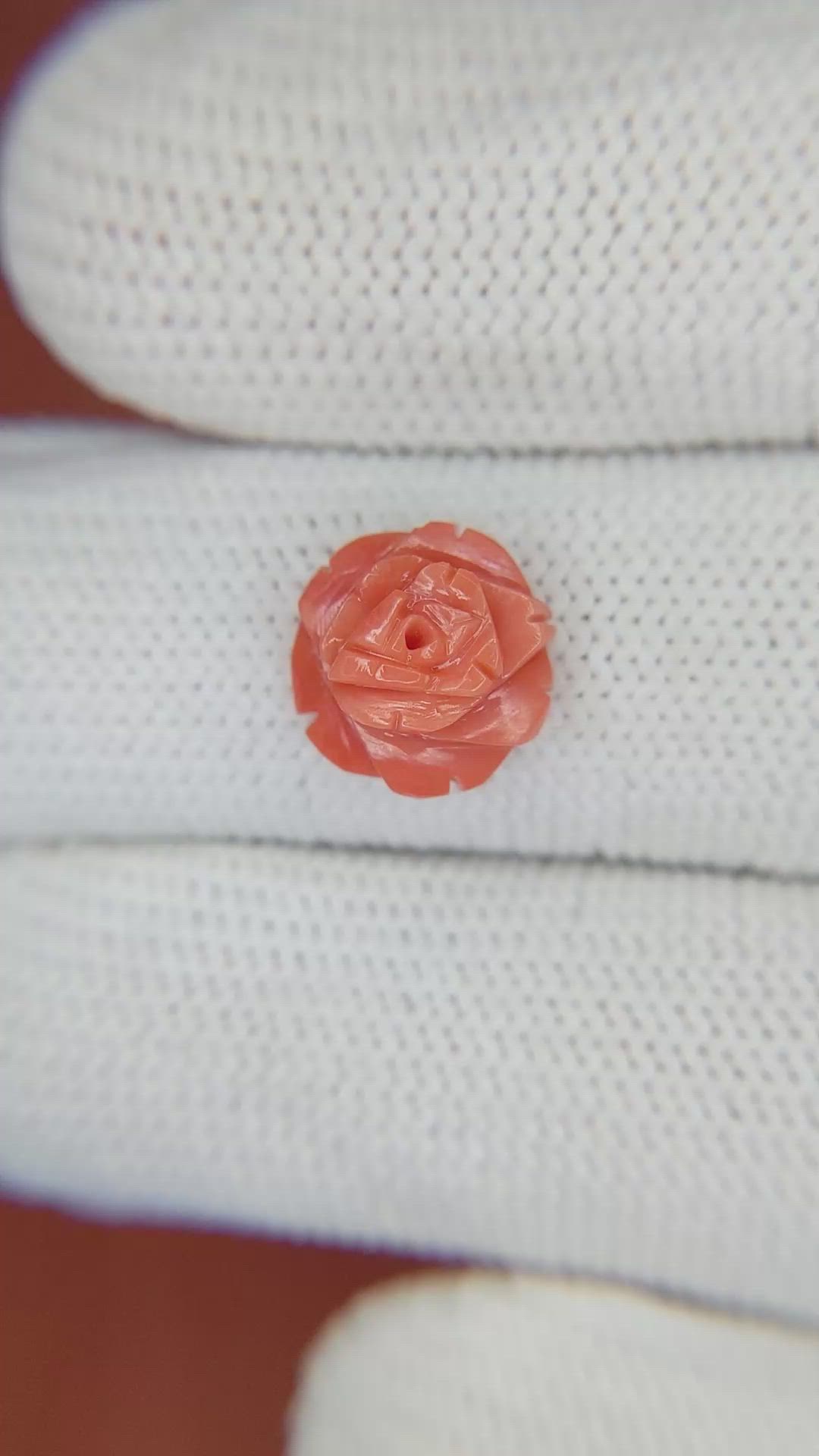




2.91 Ct. Salmon (Orange) Coral from Australia
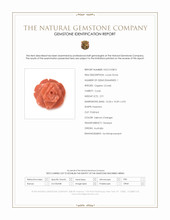
Item ID: | K3815 |
|---|---|
Dimensions (MM): help | Length: 10.34 Width: 10.29 Height: 4.93 |
Weight: | 2.91 Ct. |
Color: help | Salmon (Orange) |
Color intensity: help | Medium |
Clarity: help | Not Applicable |
Shape: help | Freeform |
Cut: | Polished |
Cutting style: | Carving |
Enhancements: help | No Enhancement |
Origin: help | Australia |
Imagine holding a tiny sunlit garden in the palm of your hand, a delicately carved rose born from ancient ocean depths, a jewel that seems to breathe warmth and memory into every glance. This is a rare Australian coral from The Natural Gemstone Company, a natural, untreated treasure weighing 2.91 carat, fashioned in a freeform shape that echoes the organic lines of a blooming rose. Its dimensions are 10.34 x 10.29 x 4.93 mm, with a polished cut and an excellent polish that invites light to play across its surface. The color is a gentle salmon orange of medium intensity, a hue that sings of summer evenings and heartfelt laughter, a color that feels intimate and timeless. There is no enhancement to this coral, no added treatment to alter its honest beauty, only the true voice of the sea captured and shaped by skilled hands.
Because of its compact size and freeform shape, this coral is remarkably versatile, a piece that moves effortlessly between everyday ease and elegant evenings. Worn on a slender chain it becomes a quiet centerpiece for a daytime blouse, bringing a note of warmth to coffee runs and conversations, a reminder that beauty can be both subtle and steadfast. Set in a delicate ring it transforms into a tactile charm, a token that you can touch when you need to breathe and remember what matters most. Paired with a tailored dress and soft waves it steps into evening with poise, its salmon orange glow complementing candlelight and whispered vows. The dimensions 10.34 x 10.29 x 4.93 mm make this coral an ideal focal point for custom work, fitting comfortably into bezel settings, low profile mounts, or as a carved accent in a statement brooch, a bridge between casual grace and formal refinement.
Every facet of this coral speaks to thoughtful craftsmanship and natural integrity, from its origin on the coast of Australia to its polished finish that feels satin smooth under the fingers. The freeform rose motif, carved with care, catches small highlights along the petals, making the stone feel alive as it turns. The medium color intensity of the salmon orange is perfectly balanced, neither too bold nor too faint, a tone that harmonizes with gold, with silver, and with mixed metal designs, inviting jewelers and collectors to imagine endless pairings. Because this coral is untreated, you are choosing a piece that holds its story visibly and honestly, a gem that will mellow and mature with wear, developing a personal history that no machine or process could replicate. Picture the coral nested in a gift box, the recipient lifting a lid and discovering not just a gemstone, but a promise of moments yet to come.
At The Natural Gemstone Company we cherish gemstones that carry meaning, and this Australian coral is a testament to that belief, a small masterpiece that evokes joy, intimacies, and the comforts of memory. If you are searching for a gift that will be treasured for years, a present that can be worn at brunch as easily as at a gala, this 2.91 carat salmon orange coral is an invitation to create those moments. The polished cut, the excellent polish, the freeform rose shape, and the honest, no enhancement origin are details we include with pride, because we know that authenticity is what turns a stone into an heirloom. Imagine giving this coral to someone who collects moments, not things, and watching their face light as they feel the warm glow of Australian ocean light captured in a tiny, perfect rose. If you would like help imagining settings, or guidance on how this gem will look in different metal tones and designs, our team at The Natural Gemstone Company is here to help bring your vision to life.


