

- Ring25
- Stone11
- Setting5
- Reports4








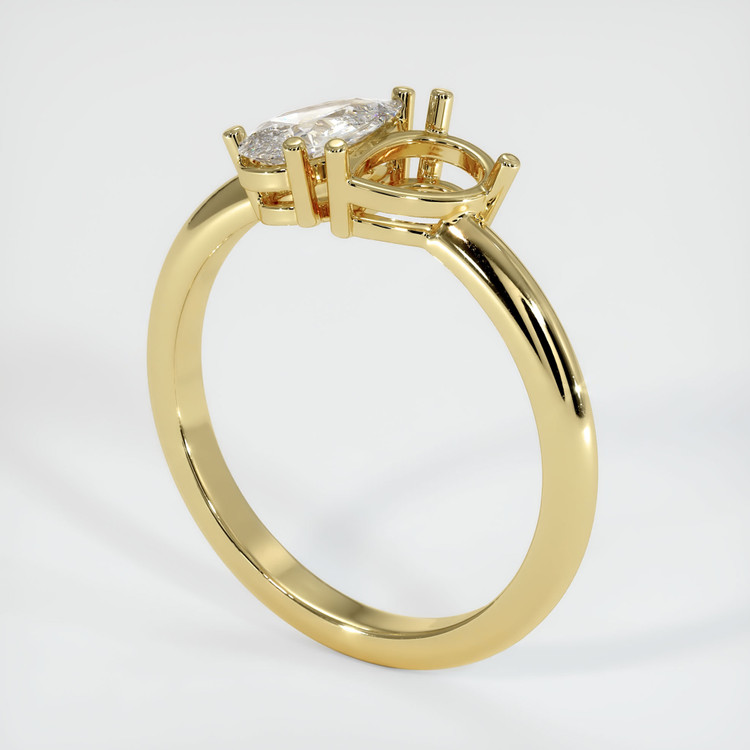
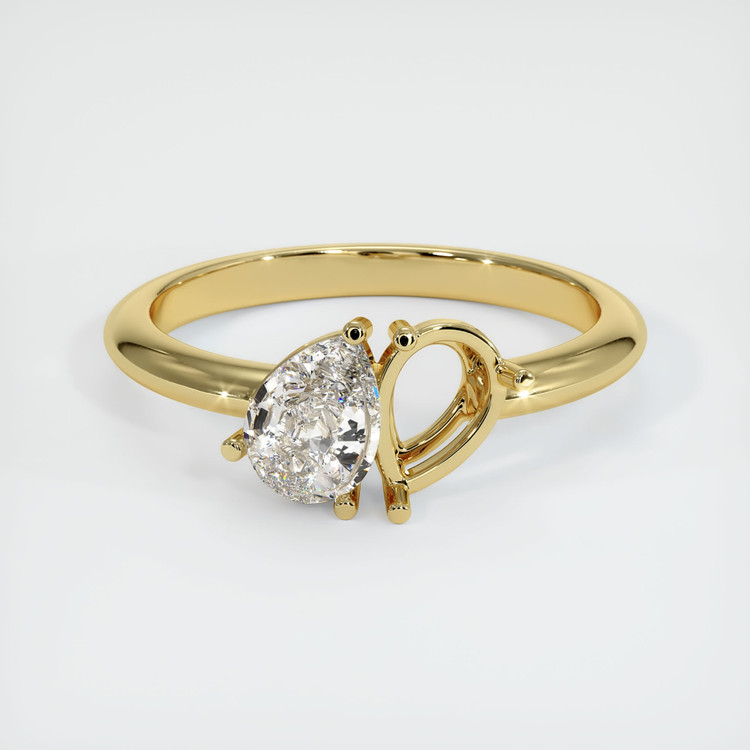
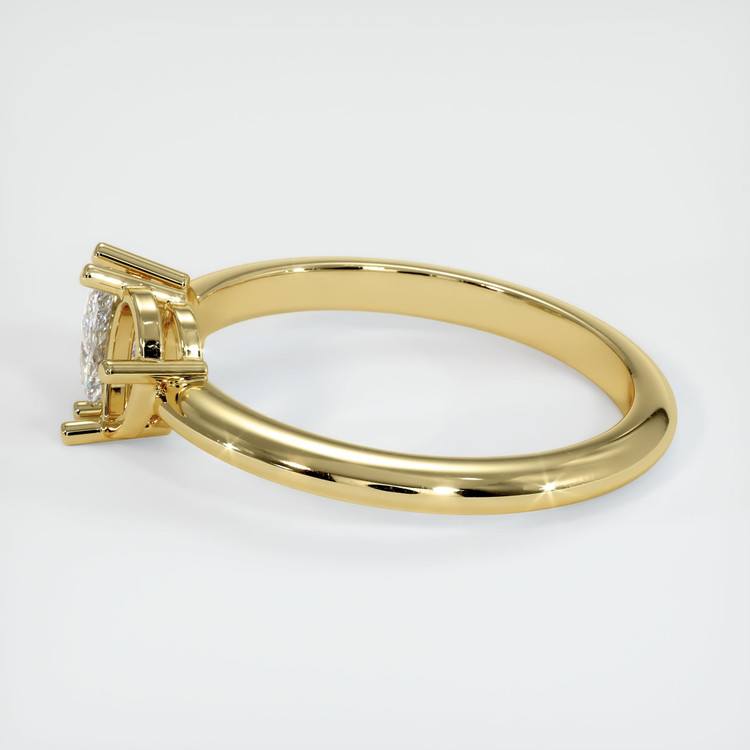
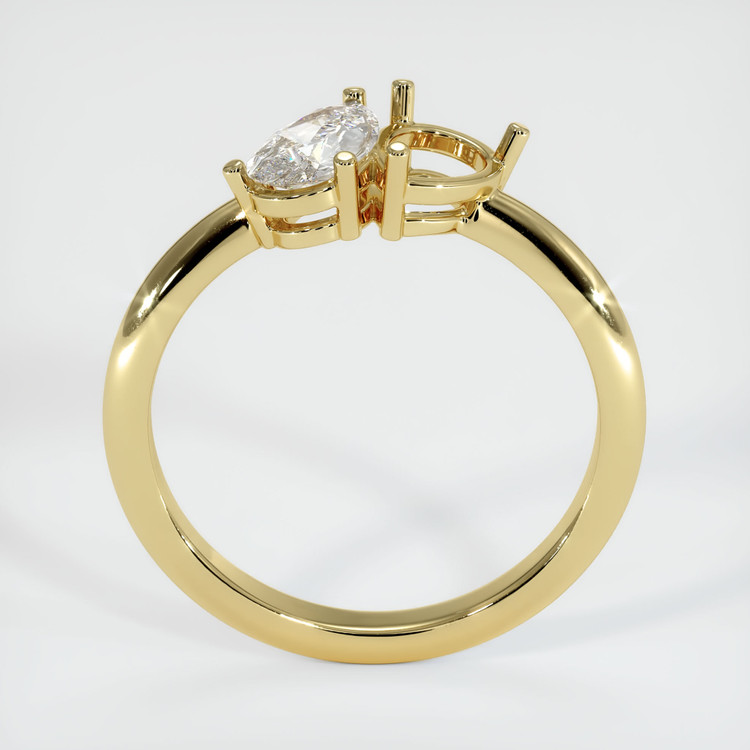
Accent Stones Alexandrite Ring 0.22 Ct., 18K Yellow Gold


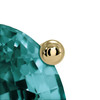
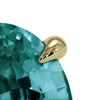
Wax Polymer Replica
Model of your Completed
Setting Design!

View 360° media
Item ID: | K15028 |
|---|---|
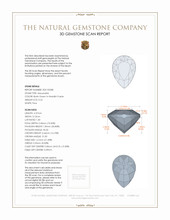
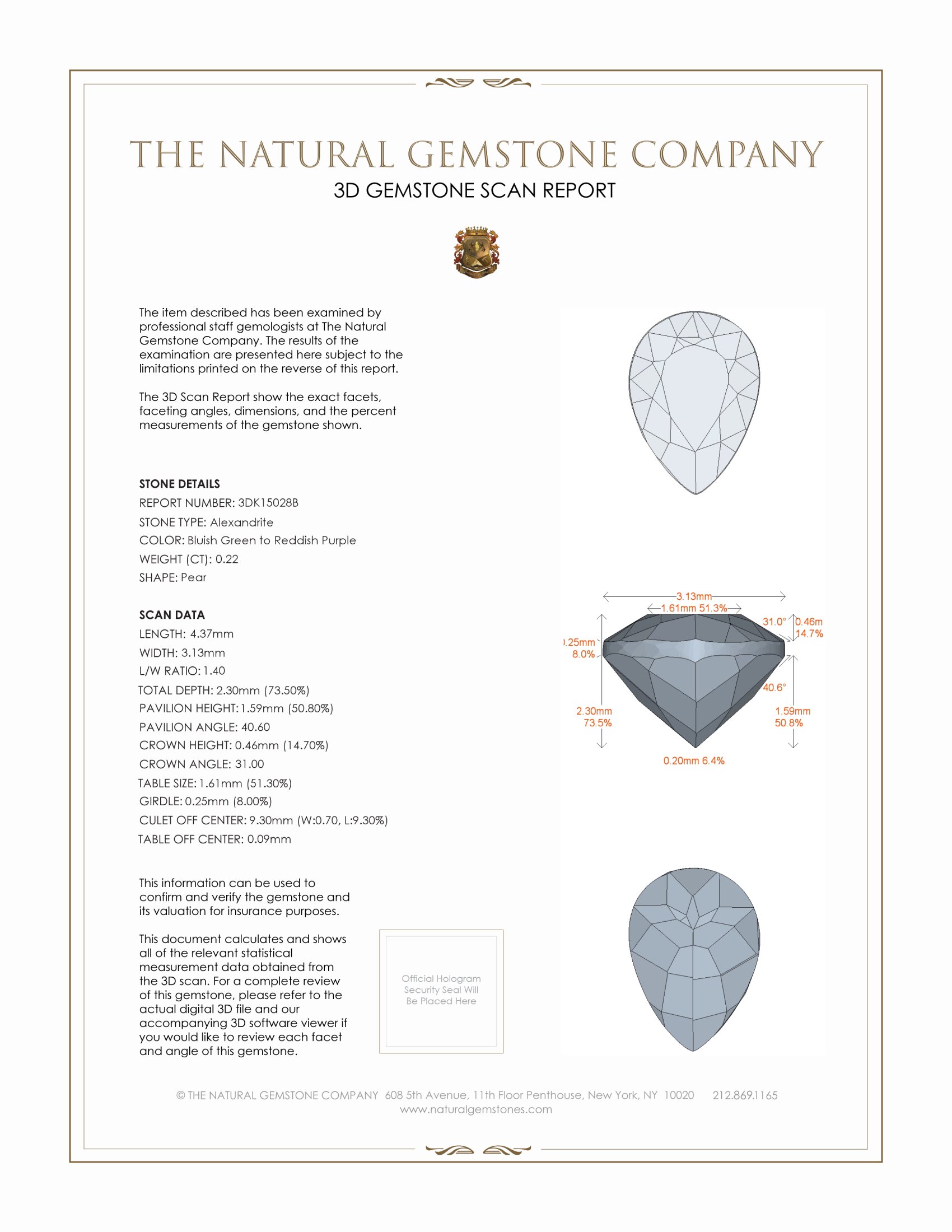
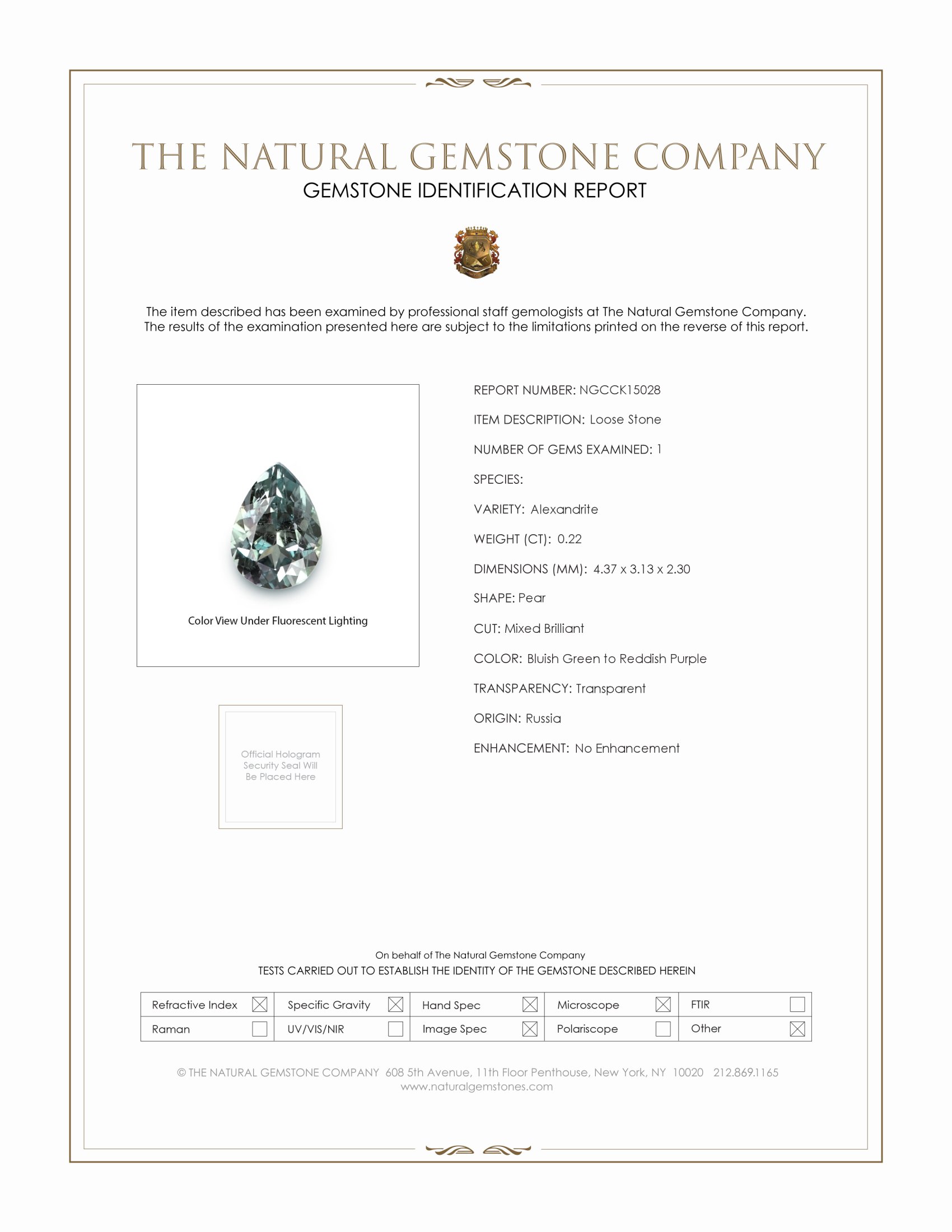
Dimensions (MM): help | Length: 4.37 Width: 3.13 Height: 2.3 |
Weight: | 0.22 Ct. |
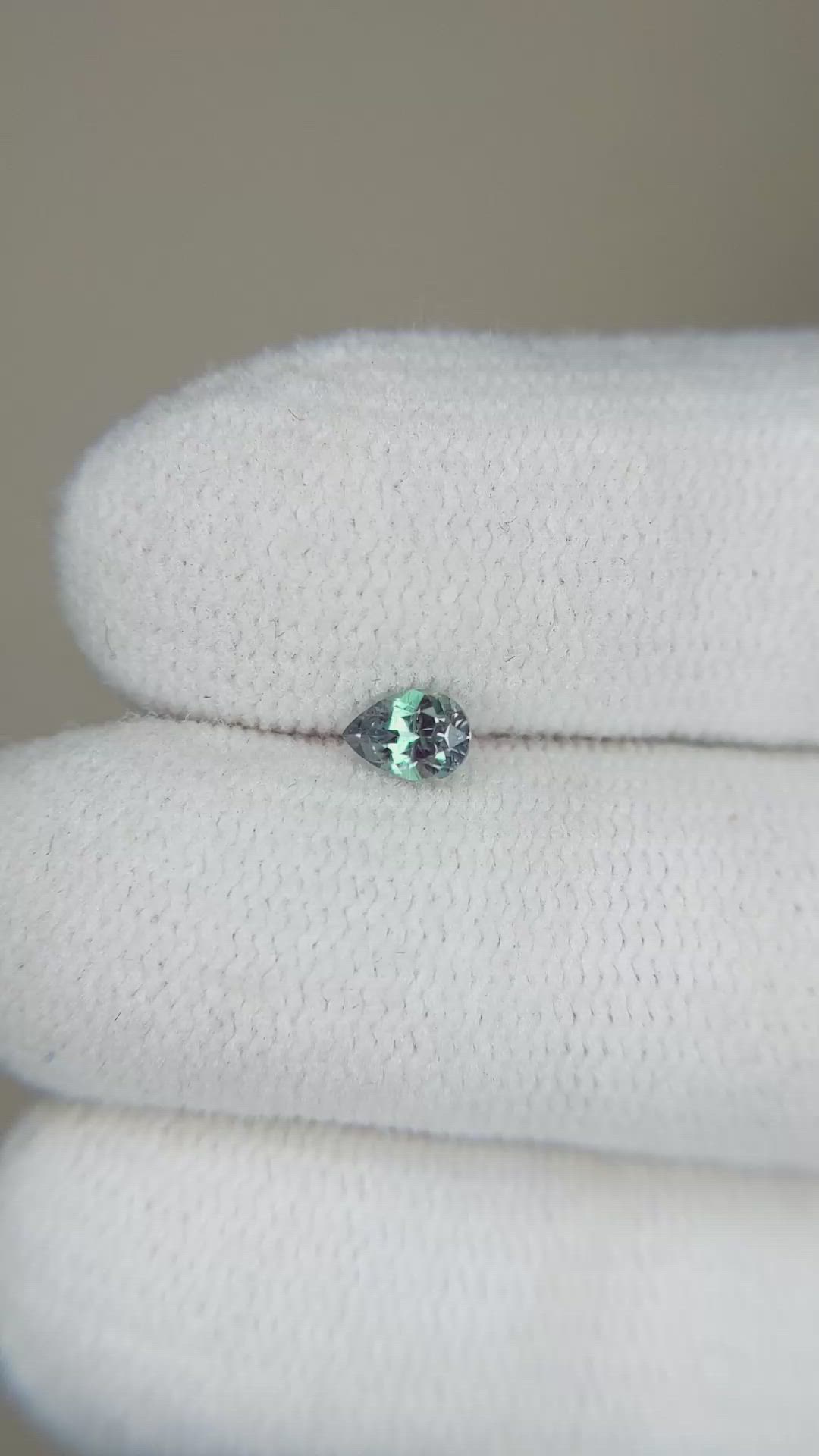
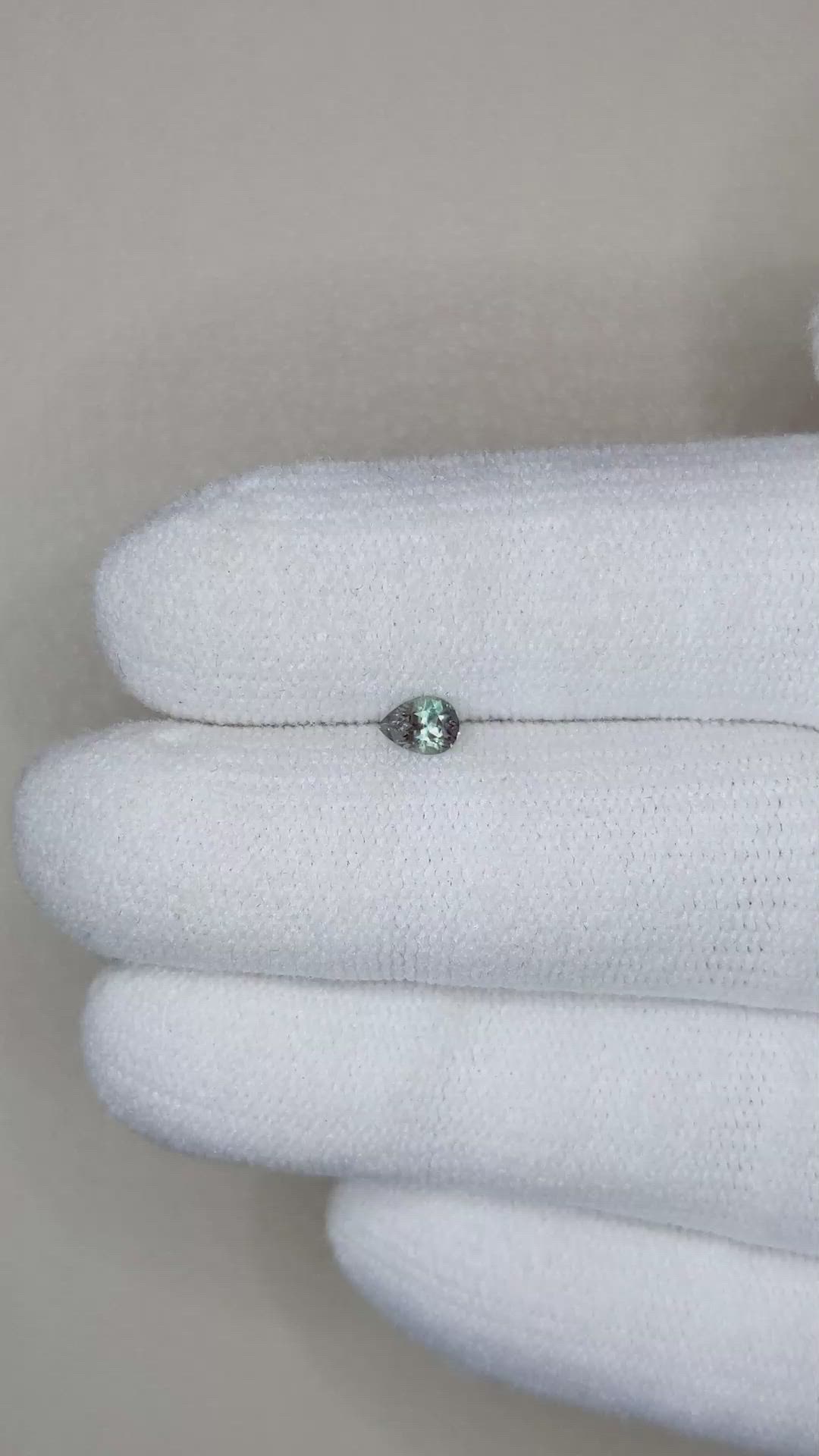
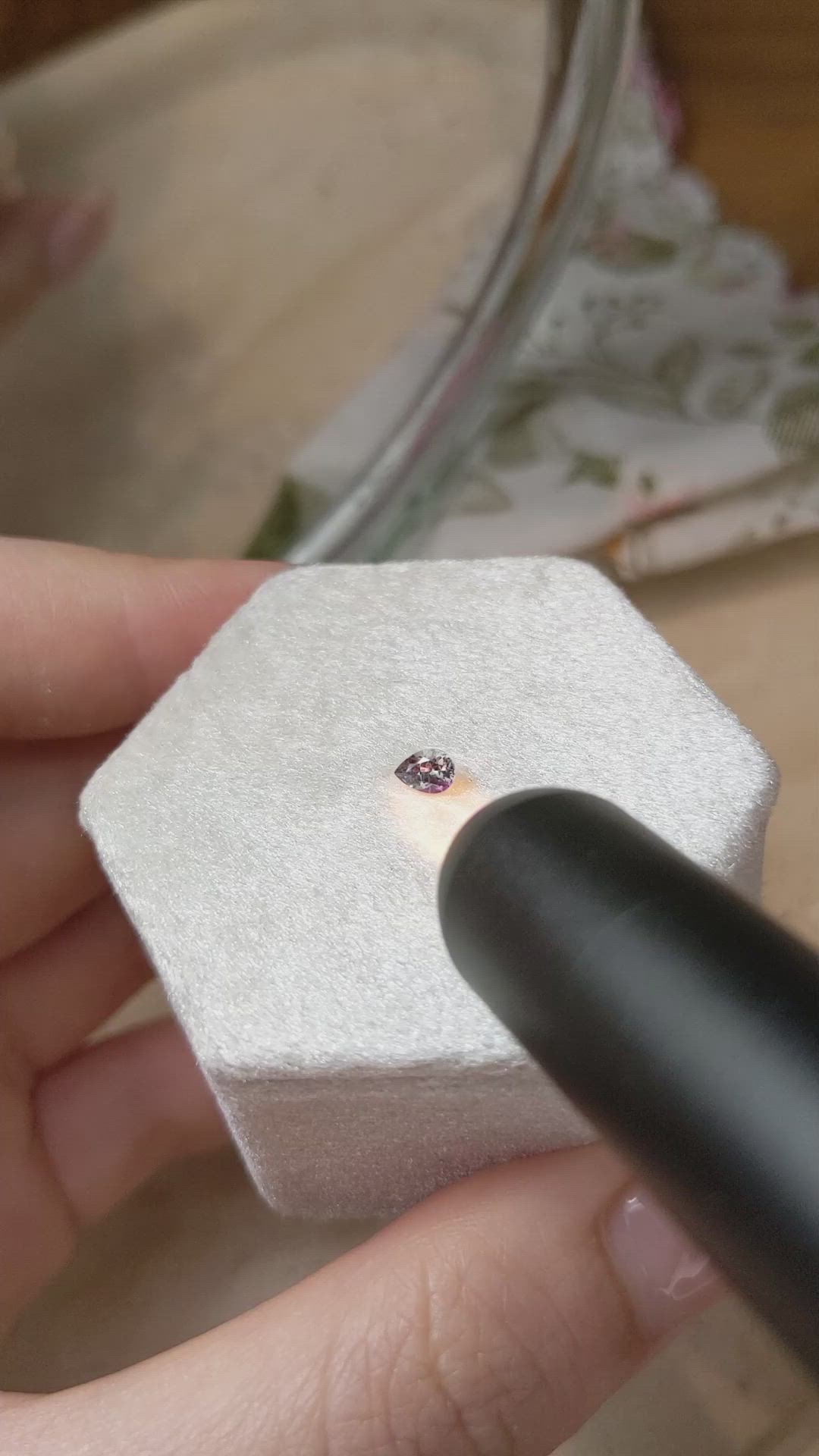
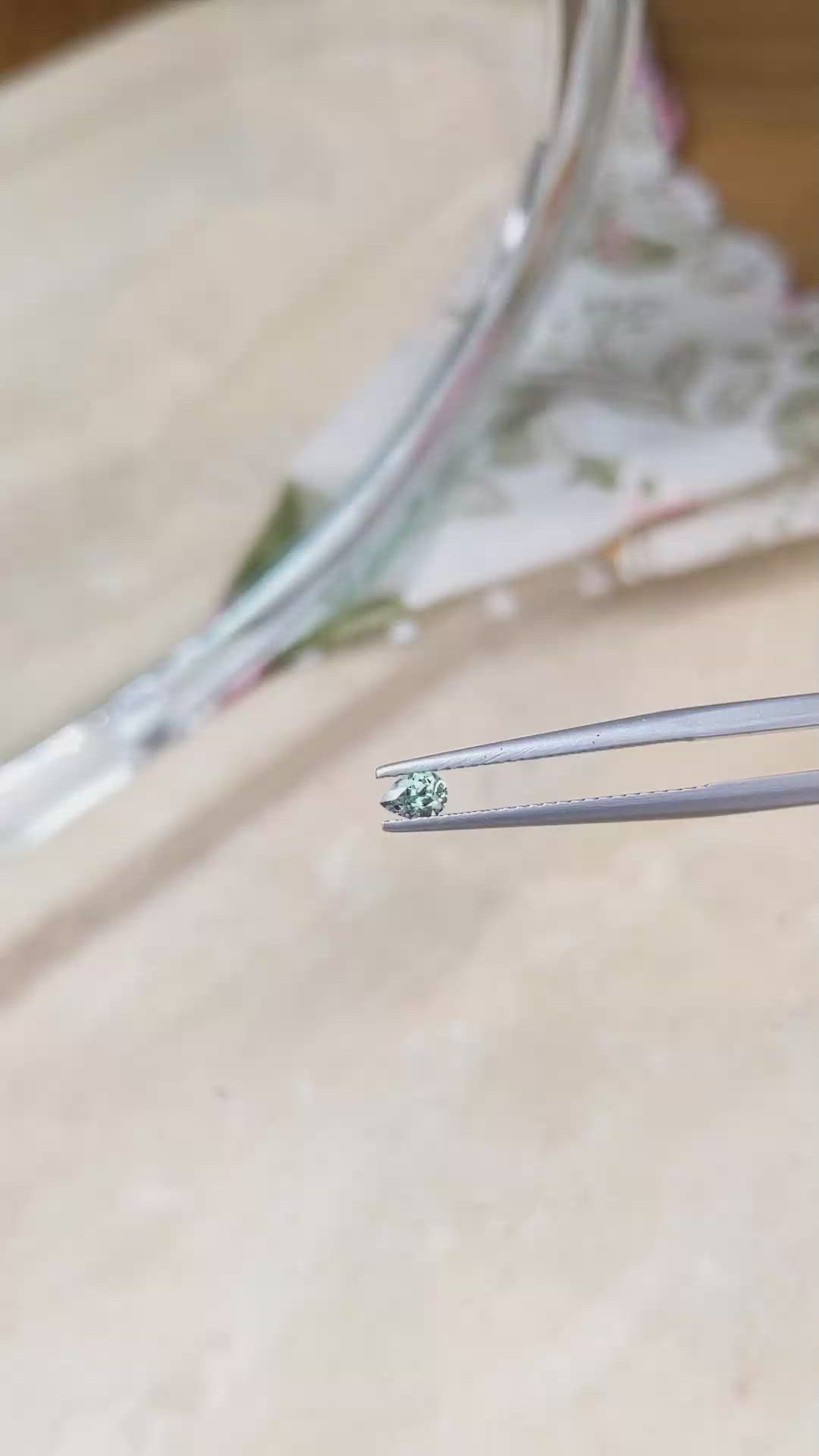
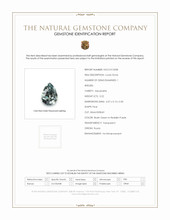
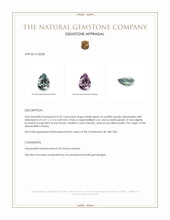
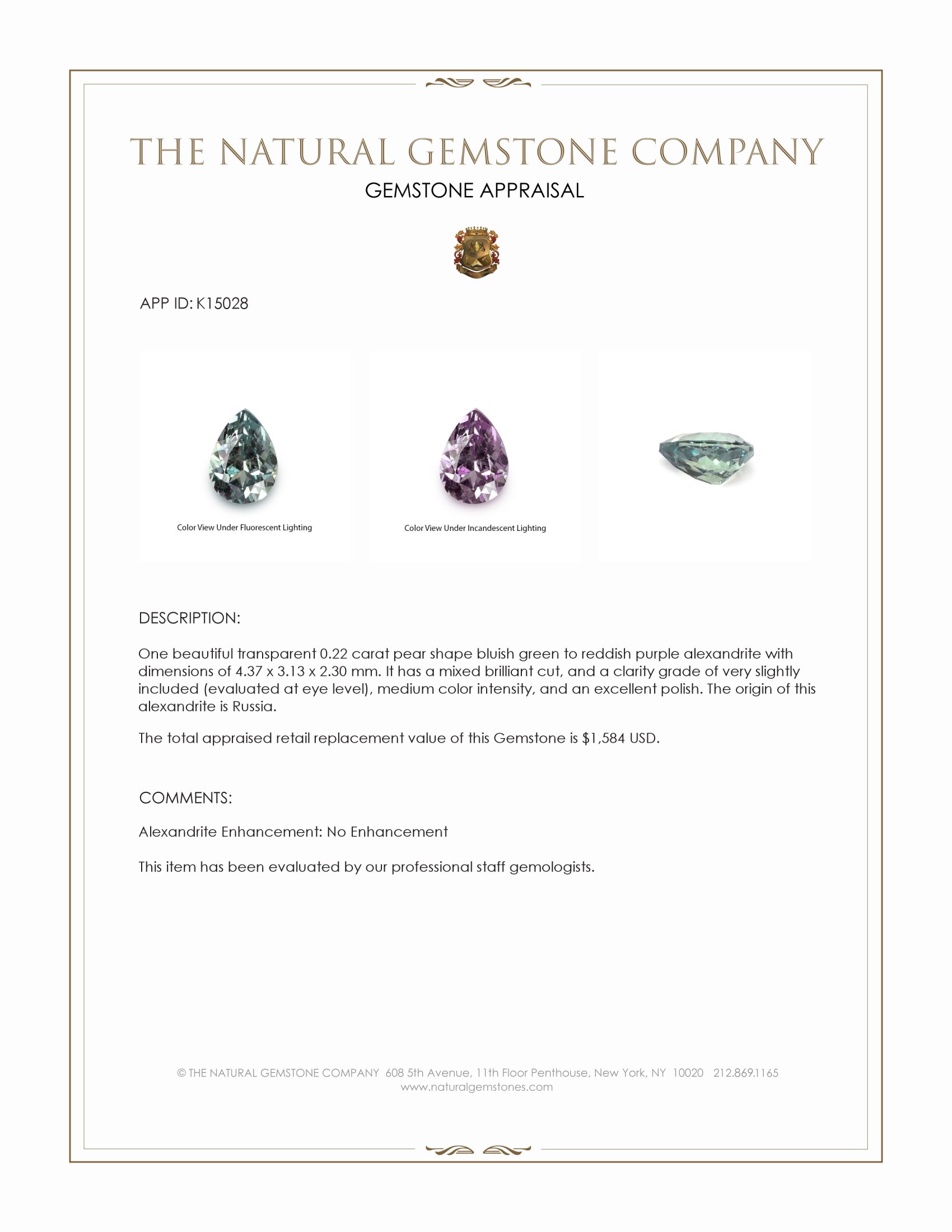
Color: help | Bluish Green to Reddish Purple |
Color intensity: help | Medium |
Clarity: help | Very Slightly Included |
Shape: help | Pear |
Cut: | Mixed Brilliant |
Cutting style: | Faceted |
Enhancements: help | No Enhancement |
Origin: help | Russia |
Per carat price: help | $7,200 |
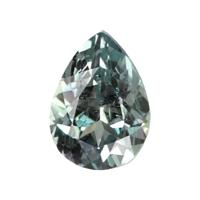
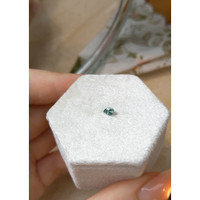
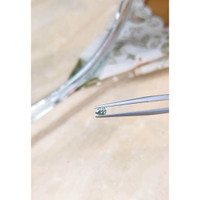
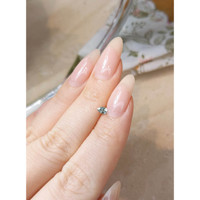
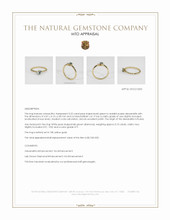
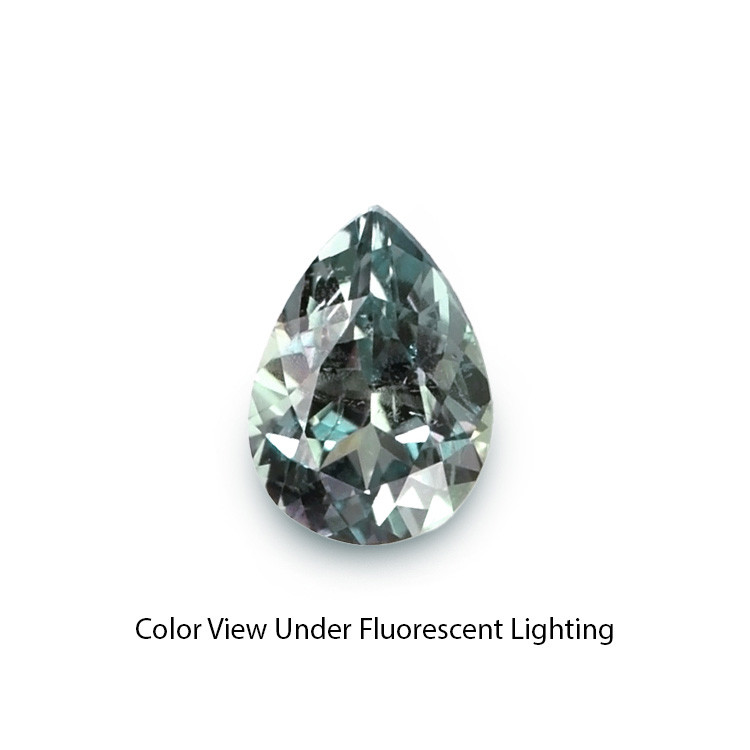
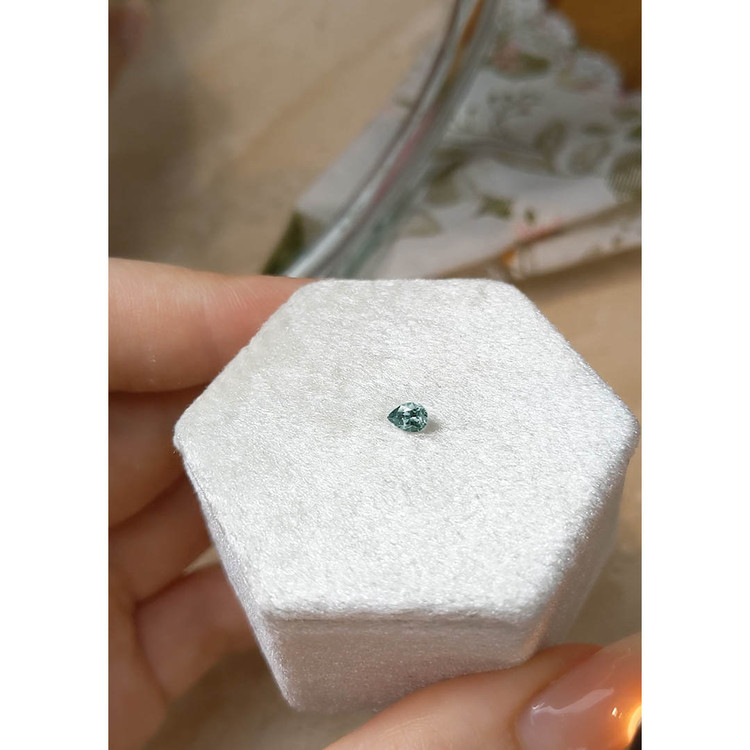
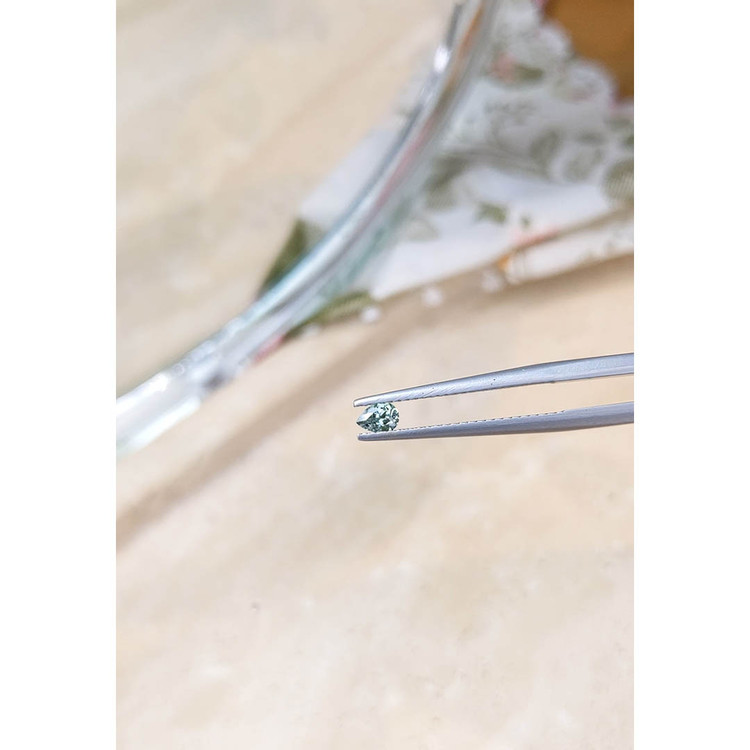
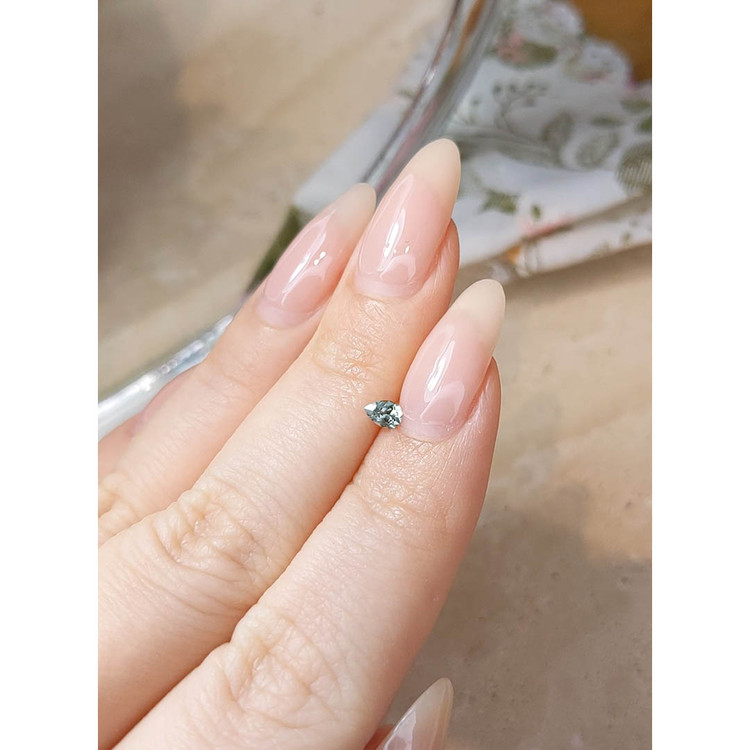
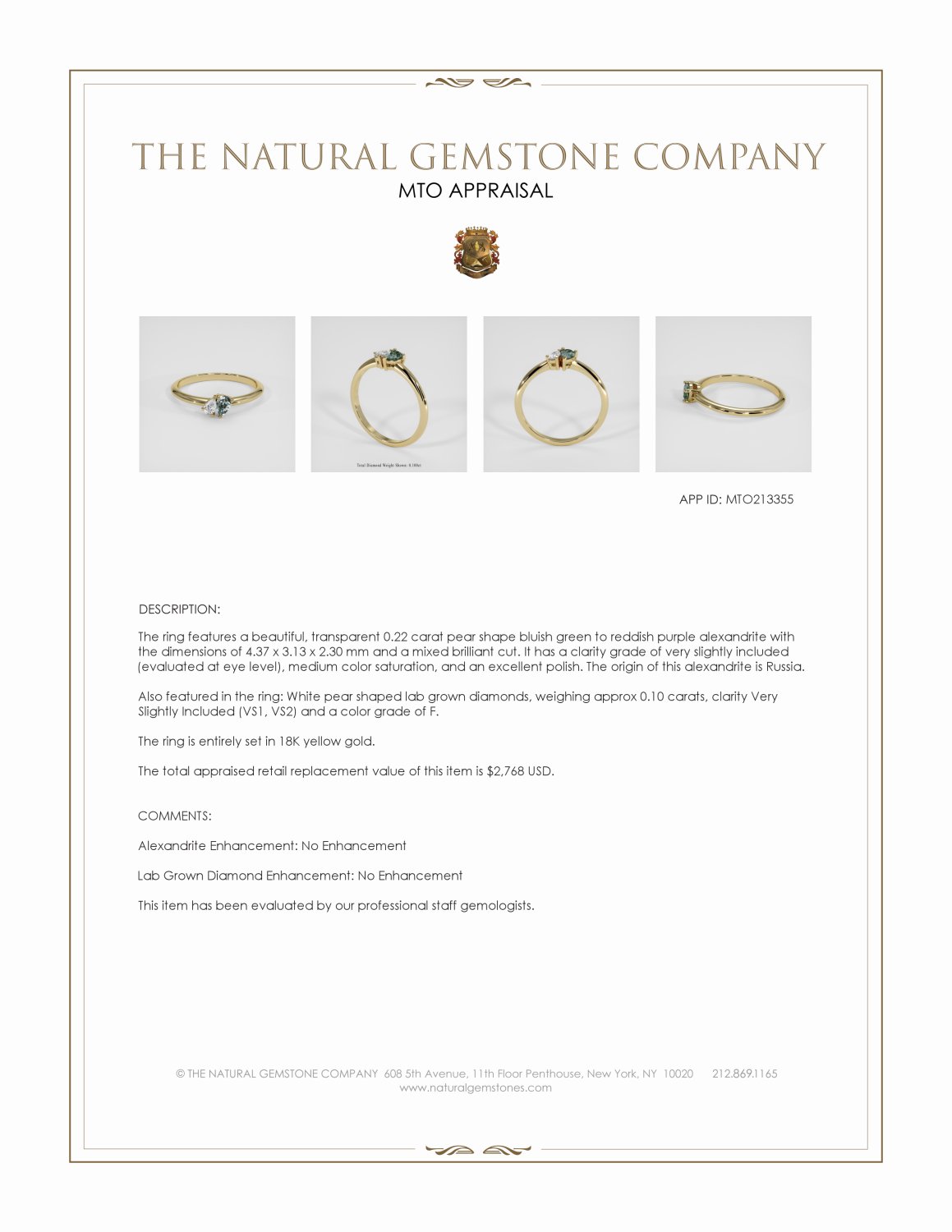
This ring centers on a 0.22 carat, pear shape alexandrite of Russian origin, presented in a mixed brilliant cut, with dimensions 4.37 by 3.13 by 2.30 millimeters, medium color saturation, excellent polish, and a clarity grade evaluated as very slightly included at eye level. The gemstone exhibits a classic alexandrite color change, shifting from bluish green in cooler, neutral lighting to reddish purple in incandescent and warmer lighting conditions, a characteristic driven by chromium related chromophores in the crystal lattice. The mixed brilliant faceting marries a brilliant cut crown to a more modified pavilion, a deliberate choice to balance brilliance and color saturation in a small pear shape, preserving face up weight while optimizing facet angles for maximum color performance. The alexandrite sits in a low profile pairing configuration, balanced by a white lab grown pear diamond of approximately 0.10 carat, clarity graded VS1 to VS2, color grade F, set in 14K yellow gold, a metal choice that warms the overall presentation and complements the alexandrite color shift without overpowering its subtle chromatic nuances.
From a gemological and lapidary perspective, the mixed brilliant cut employed on this alexandrite is tailored to its dimensions and optical properties, with crown angles and table proportions selected to distribute light between contrast and dispersion, producing scintillation while maintaining saturated color zones. The pear outline introduces an elongated light return path, and the cut modestly broadens the girdle to facilitate secure prong engagement, while faceting on the pavilion is adjusted to mitigate extinction caused by the stone small size. The excellent polish ensures that facet junctions are crisp, minimizing micro surface diffusion and preserving sharp light return, a critical factor for a color change stone where surface condition can alter perceived hue. Grain lines and natural growth zoning in Russian alexandrite often align with pleochroic axes, and the cutter has oriented the gem to emphasize its preferred color face up in standard viewing conditions, a technical decision that improves the immediate visual impact without compromising the integrity of the crystal.
The internal inclusions in this alexandrite are handled as integral characteristics that contribute to the gem personality, rather than faults to be erased. These very slight inclusions include minute crystals and fine two dimensional features that scatter light in a controlled manner, introducing a soft internal texture which reduces overabundant mirror like reflections and creates depth in the color change, effectively producing a layered field of color that reads as more complex and lively to the eye than an optically sterile specimen. Inclusions act as microscopic off axis reflectors that can break up large flash, increasing the perception of color change by creating local contrast between bluish green and reddish purple zones as lighting shifts, a phenomenon that collectors and connoisseurs often prize because it signals natural formation conditions, particularly in material from Russia where complex trace element distribution is common. Evaluated at eye level, the very slight nature of these inclusions does not materially impair brilliance, and in many viewing geometries the mixed brilliant faceting minimizes their visibility, allowing the alexandrite to present as transparent and lively while retaining internal signatures that authenticate origin and natural history.
The overall mounting approach and pairing of gemstones in this ring are executed with a focus on harmony between optical performance and wearability. The white pear shaped lab grown diamond, with its VS clarity and F color grade, functions as a bright white companion, its higher color grade and tight clarity range providing a stable neutral reference that accentuates the alexandrite color change. The stones are held in a precise prong setting in 14K yellow gold, the prongs formed with fine, tapered shoulders to secure the pears at complementary orientations, creating a gentle asymmetry that enhances the pear outlines without adding visual clutter. The 14K yellow gold band is drawn to a slender profile and highly polished finish, a choice that reflects light into the stones and warms the overall color palette, while the metal thickness and internal comfort fit are engineered to ASTM consistent tolerances for durability and daily wear. At The Natural Gemstone Company we document the gem parameters, including weight, measurements, cut style, clarity evaluation and origin, and we present this ring as an example of considered lapidary and jewelry design where natural inclusions are embraced as signatures that enhance character, and where technical choices in faceting and setting combine to showcase the alexandrite color change, the diamond contrast, and the enduring appeal of high quality materials.


