
- Stone12
- Reports4
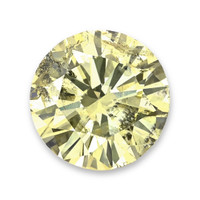
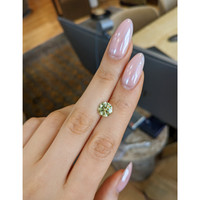
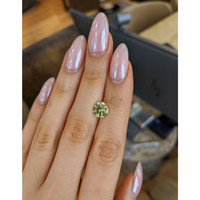
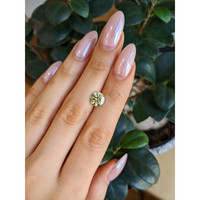
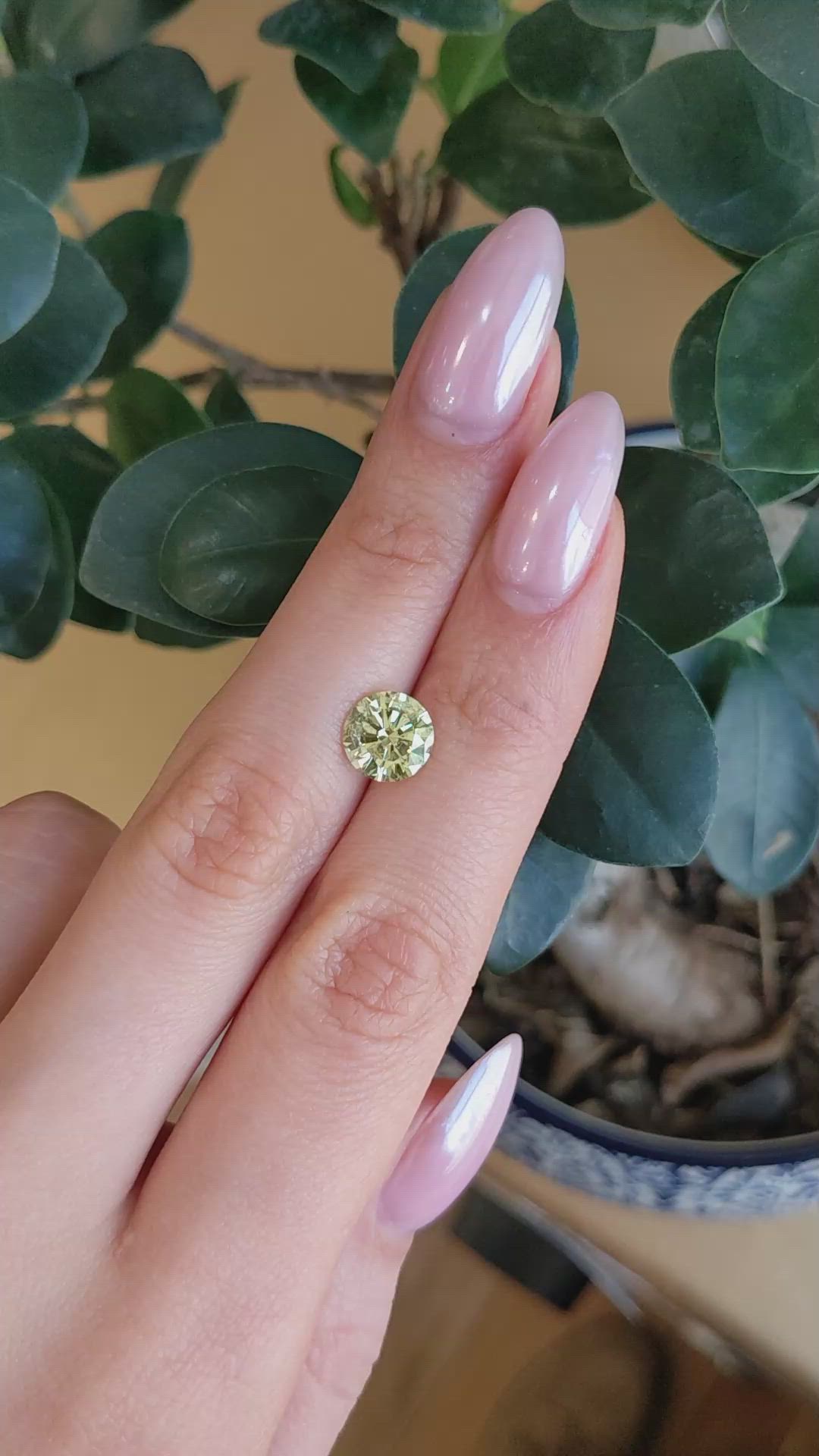
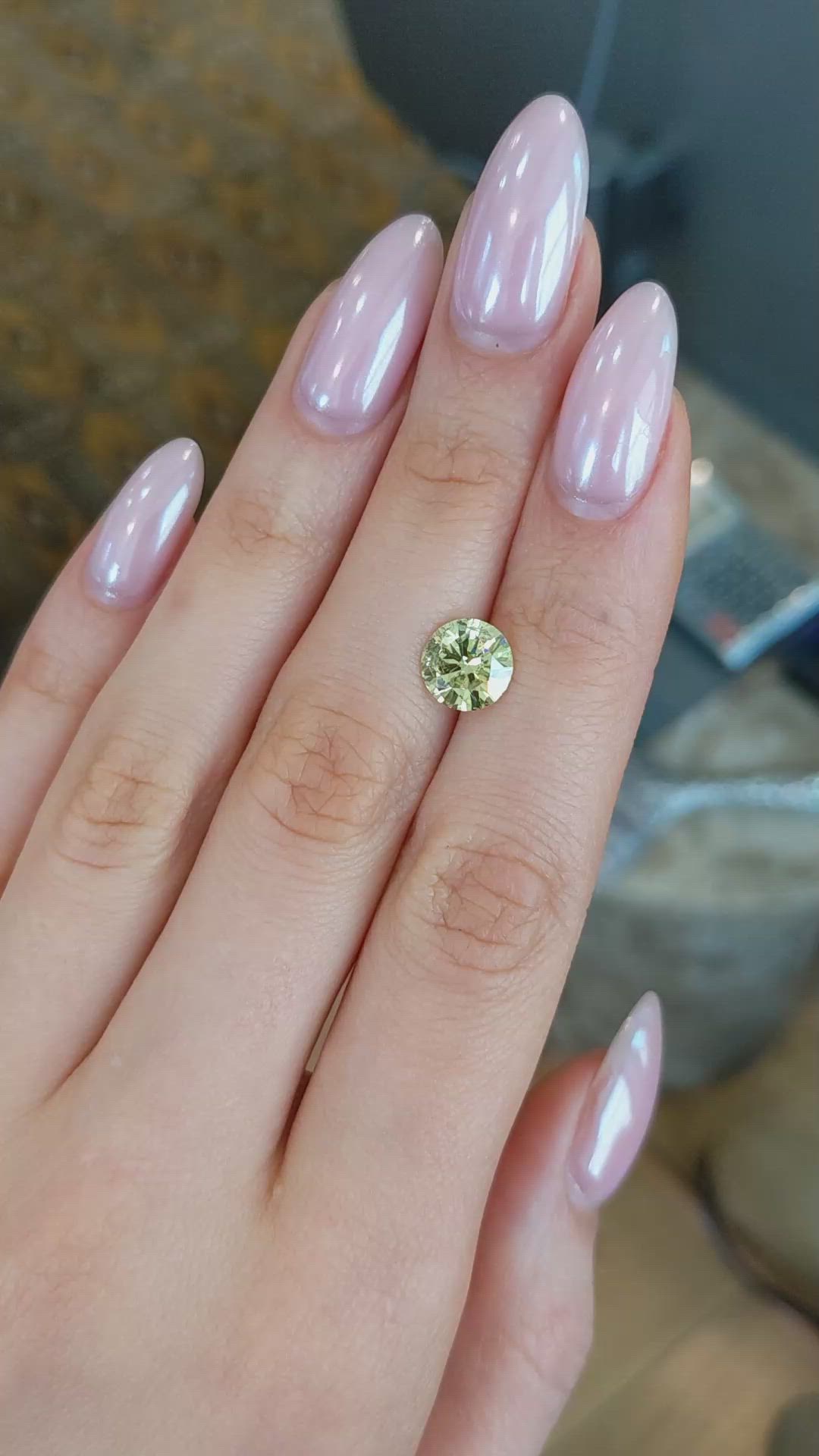

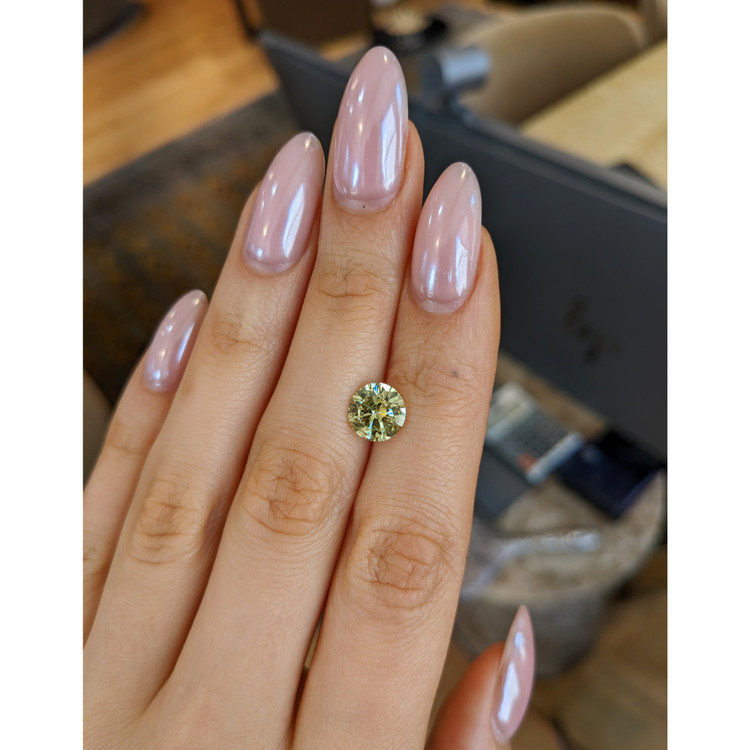
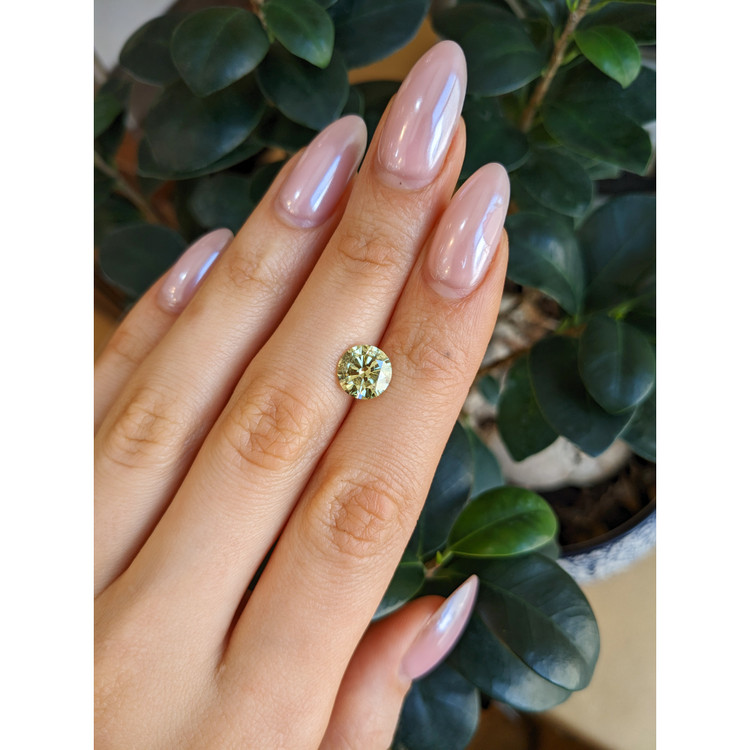

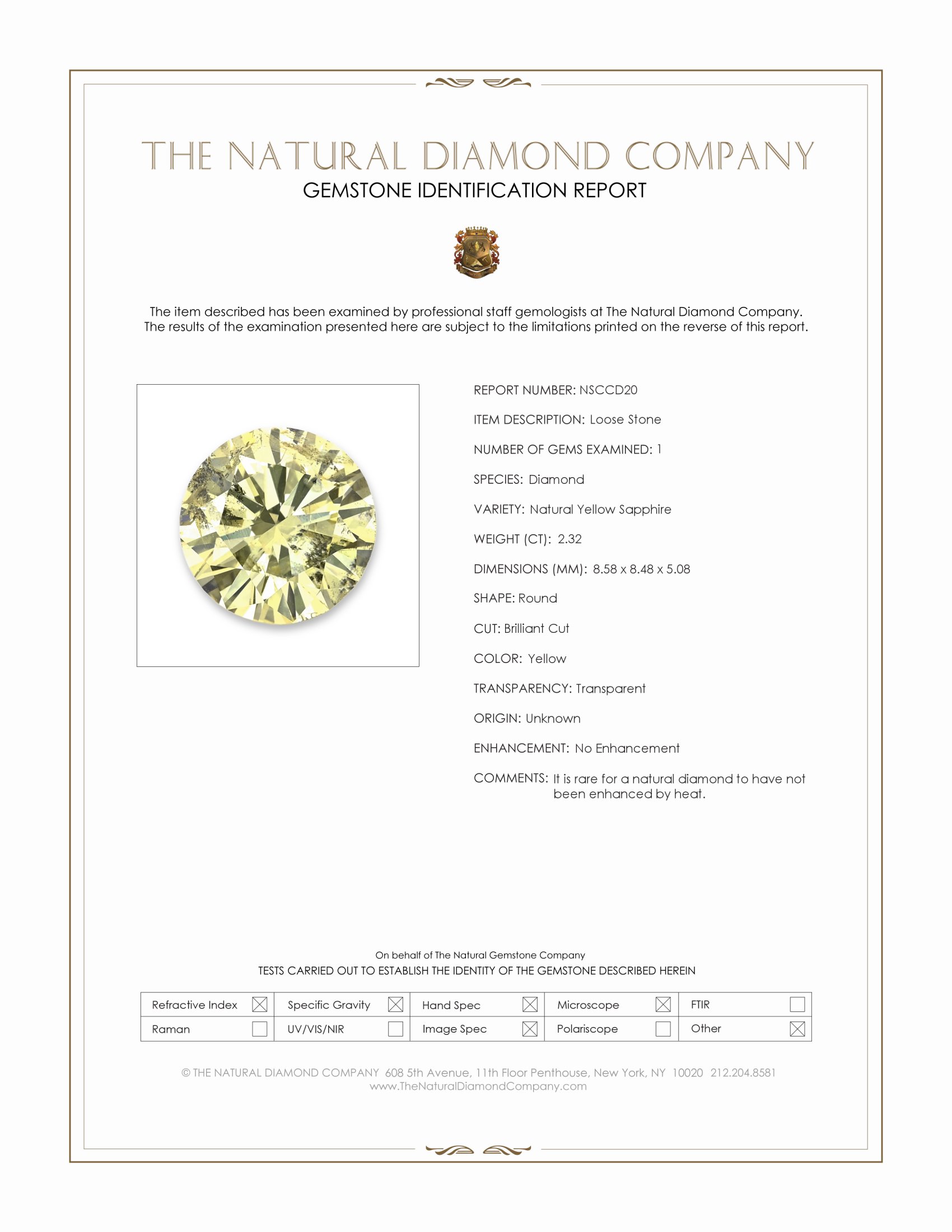
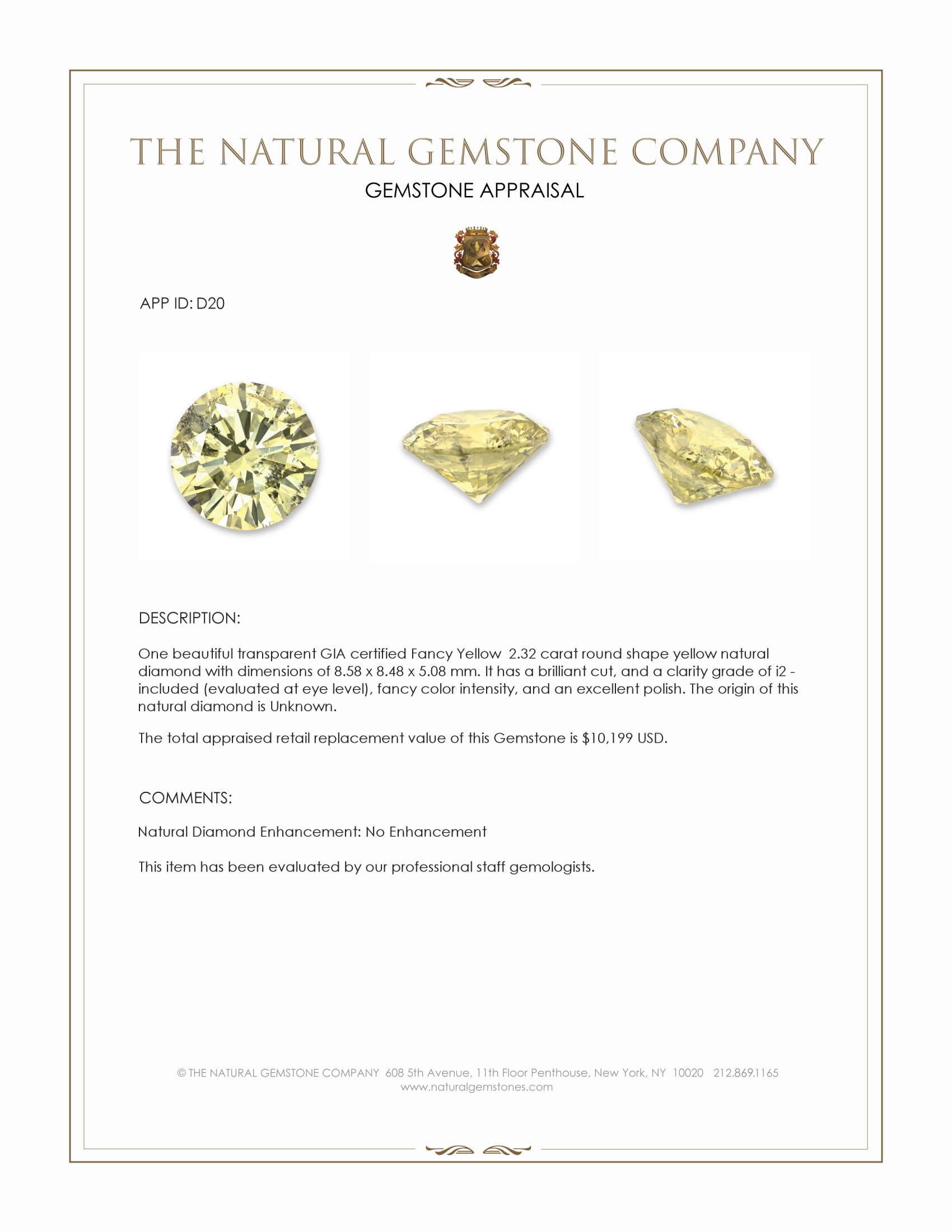
2.32 Ct. Yellow Natural Diamond
This loose stone is available to ship now
Item ID: | D20 |
|---|---|
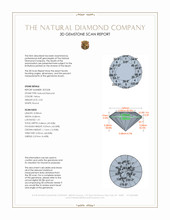
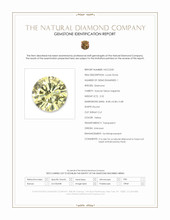
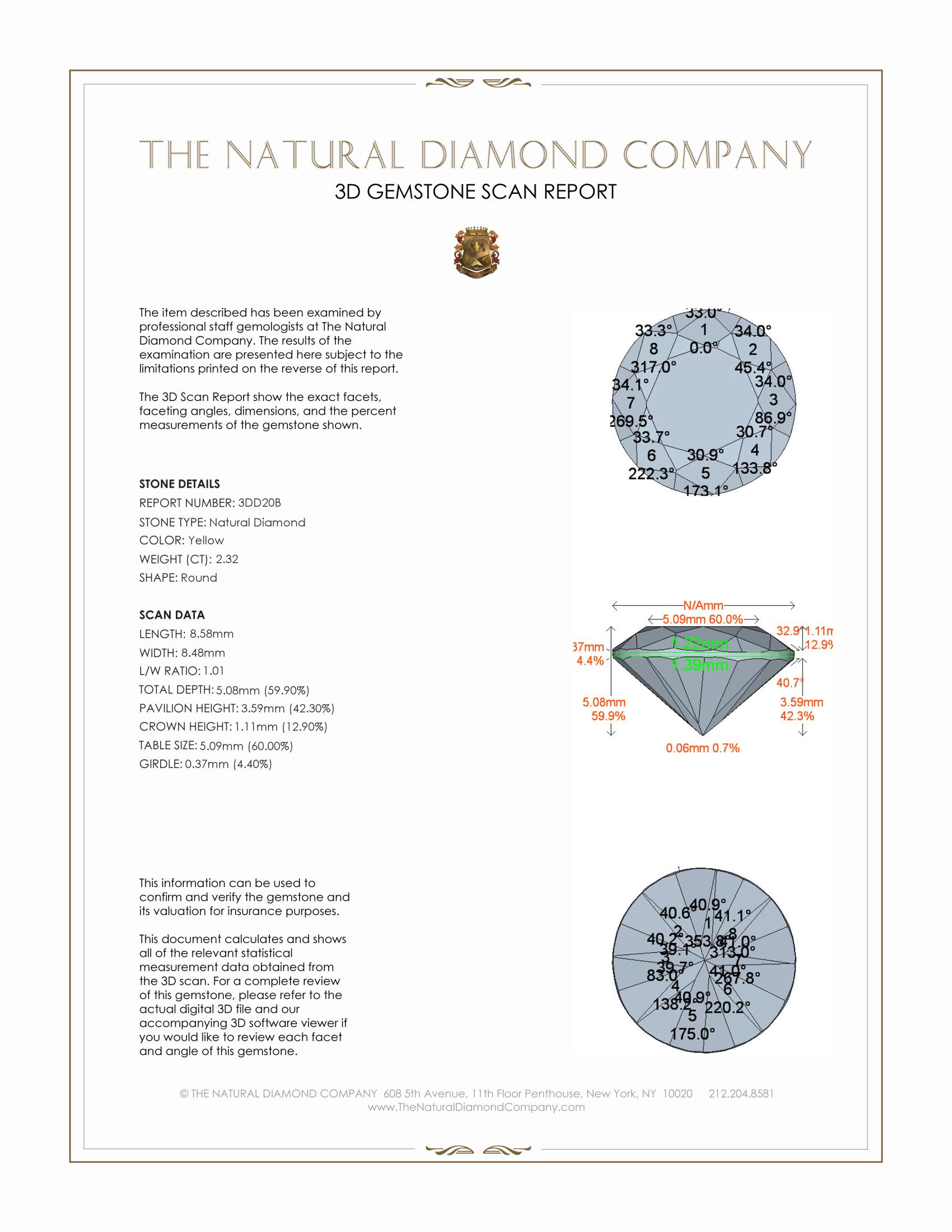
Dimensions (MM): help | Length: 8.58 Width: 8.48 Height: 5.08 |
Weight: | 2.32 Ct. |
Color: help | Yellow |
Color intensity: help | Fancy |
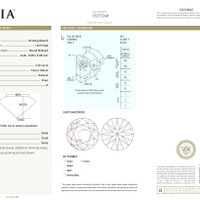
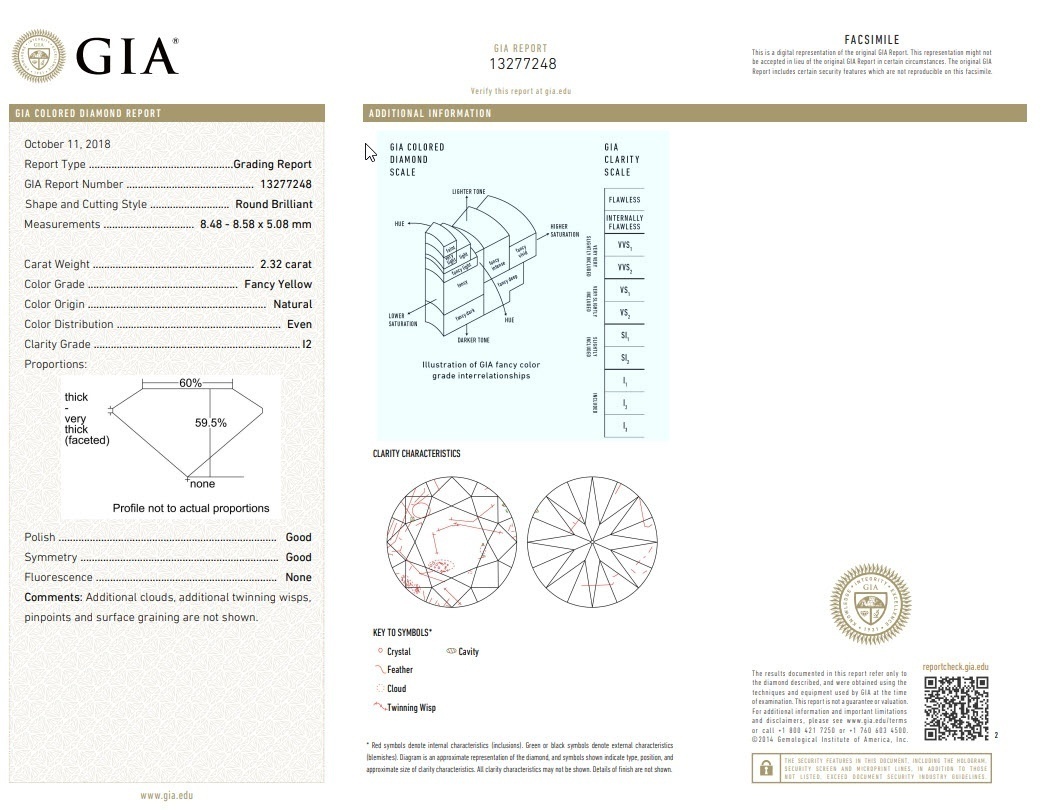
Clarity: help | I2 - Included |
Shape: help | Round |
Cut: | Brilliant Cut |
Cutting style: | Faceted |
Enhancements: help | No Enhancement |
Origin: help | Unknown |
Per carat price: help | $4,396 |
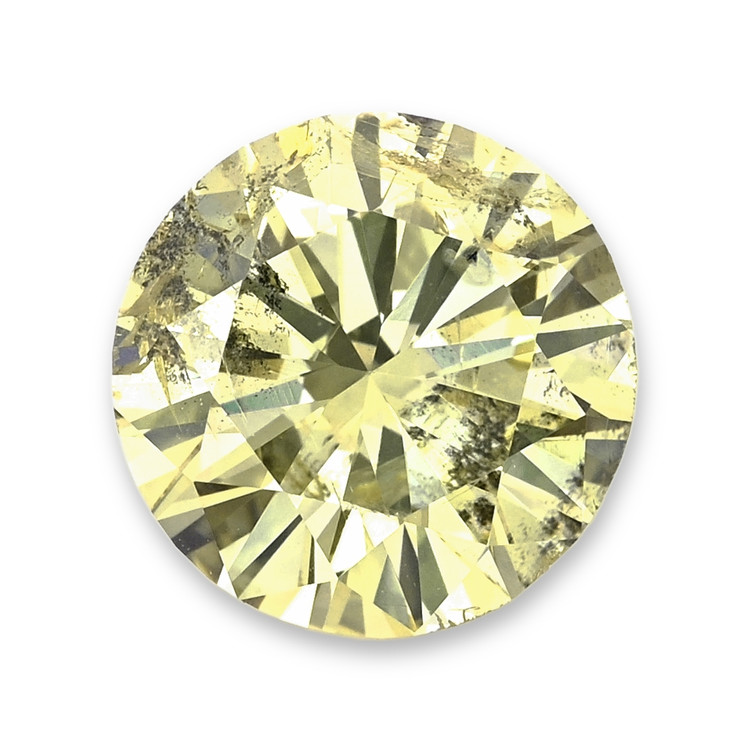
This listing describes a single, transparent natural yellow diamond weighing 2.32 carats, fashioned into a classic round shape with precise dimensions of 8.58 by 8.48 by 5.08 millimeters, cut in a faceted brilliant style. The cutting follows the round brilliant idiom and is executed to emphasize optical return and color saturation, with facet proportions that present a depth percentage of approximately 59.6 percent, a value that sits comfortably within the ideal range for strong light return and balanced scintillation. The diamond displays fancy color intensity in the yellow range, a hue that is manifest throughout the pavilion and crown and that benefits from the cutter s decision to retain weight while accentuating nitrogen related chromophore distribution. Clarity has been graded as i2 at eye level, indicating inclusions that are visible without magnification and that contribute to the stone s character, and the piece carries an excellent polish grade which ensures crisp facet junctions and minimal surface graining, enabling the maximum possible contribution from internal facets to brilliance. There has been no enhancement to this natural diamond, the origin is recorded as unknown, and this item is offered through The Natural Gemstone Company as a well documented, untreated colored diamond ready for custom mounting.
From a craftsmanship perspective, the round brilliant execution on this specimen is oriented toward maximizing yellow saturation while preserving carat weight and optical performance, a common and deliberate trade off when working with fancy colored rough. The cutter s approach is evident in the maintained crown and pavilion angles that together produce a lively pattern of light and dark areas across the table, and in the even facet distribution that supports scintillation and fire despite the presence of internal characteristics. Typical round brilliant cutting employs 57 or 58 facets, and this stone demonstrates the controlled facet geometry associated with that scheme, with pavilion mains and star facets interacting to channel light back through the crown rather than allowing excessive leakage. Excellent polish is particularly important in fancy colored diamonds because it permits the color to read cleanly, without surface irregularities introducing unwanted optical noise, and the excellent polish grade on this stone confirms that the lapidary work preserved facet smoothness and micro facet symmetry. The i2 clarity grade reflects inclusions that are present and visible to the unaided eye, inclusions that may include pinpoint crystals, feathers, or clouds, and their relative positions influence both the apparent transparency and the way light scatters within the stone.
Understanding durability and care is essential for buyers who intend this diamond for everyday wear, and on the Mohs scale of mineral hardness the diamond rates at 10, the maximum value, which means it is the hardest natural material commonly used in jewelry and is highly resistant to scratching from any other gem or metal. For comparative context, corundum species such as sapphire and ruby register at 9 on the Mohs scale, making them very hard but still softer than diamond, topaz falls at 8, and common silicates like quartz are at 7. Hardness is a measure of scratch resistance, and the diamond s rating of 10 ensures exceptional resistance to surface abrasion, which is especially important for preserving polish and facet crispness over time. However, hardness is distinct from toughness, and natural diamonds possess cleavage planes along octahedral directions that can render them vulnerable to cleavage or chipping if struck with sufficient force at a sensitive point. Given the visible inclusions and the potential for local stress concentration around internal feathers, careful mounting and handling are recommended. Protective mounting choices and professional setting practices can mitigate risk, and I recommend settings that protect the girdle and pavilion and avoid exposing any surface reaching feathers to repeated impact.
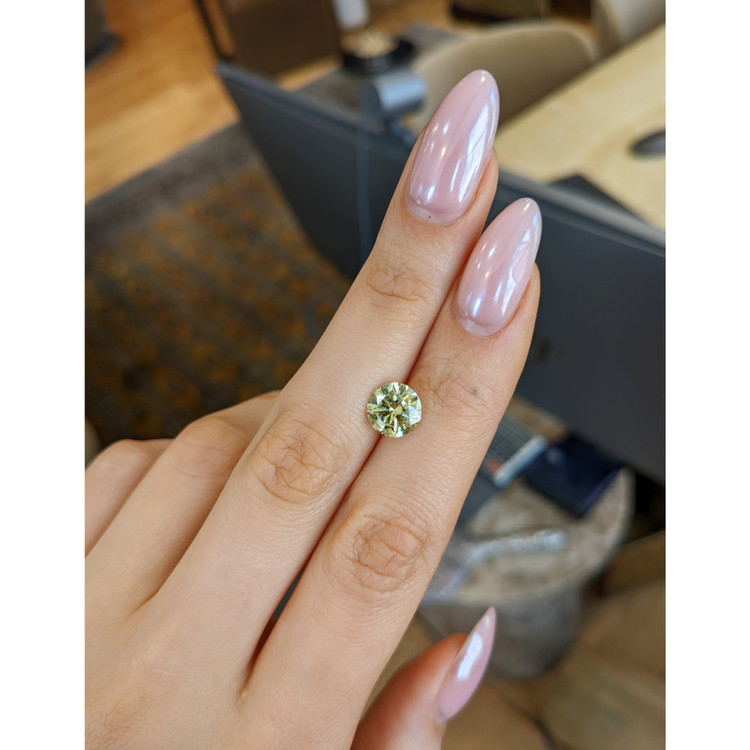
For practical use and design integration, this 2.32 carat fancy yellow round brilliant is well suited to a variety of settings, with particular advantages when paired with warm metals and secure mounts. A yellow gold or rose gold mounting will enhance and complement the warm yellow tone, making the hue read more saturated against the metal, while platinum and white gold settings present a more modern contrast that can soften the apparent hue and emphasize brilliance. Given the i2 clarity grade and the fact that inclusions are visible at eye level, settings that provide physical protection such as a bezel or low profile prong architecture are recommended for daily wear, and basket style or double prong locations over critical facet junctions can reduce the chance of edge impacts. For customers seeking maximum color presence, slightly deeper settings that allow light to enter and be refracted through the pavilion may be beneficial, and thoughtful orientation during setting can position prominent inclusions away from the table view or into less visually disruptive zones. The Natural Gemstone Company is available to advise on custom mounting approaches, including recommendations for secure prong count, bezel rim height, and metal selection to achieve the desired balance of safety, aesthetic, and optical performance.
In summary, this natural, unenhanced yellow round brilliant diamond at 2.32 carats presents a compelling combination of color intensity, skilled cutting, and measurable size, accompanied by an i2 clarity grade that imparts a distinctive character while necessitating considered mounting and care. Its dimensional proportions, with a depth near 59.6 percent, indicate cutter attention to balanced light return, and the excellent polish underscores the quality of the lapidary finish. The diamond s position at the top of the Mohs scale ensures superior resistance to scratching relative to other common gem materials, while its cleavage properties and visible inclusions argue for protective settings for long term durability. If you would like additional high resolution imagery, facet mapping, or guidance on setting options and metal choices, please contact The Natural Gemstone Company and we will provide detailed consultation to match this stone to your design objectives, and to ensure that the final piece leverages the diamond s color and cut while protecting its structural integrity.


