
- Stone15
- Reports2


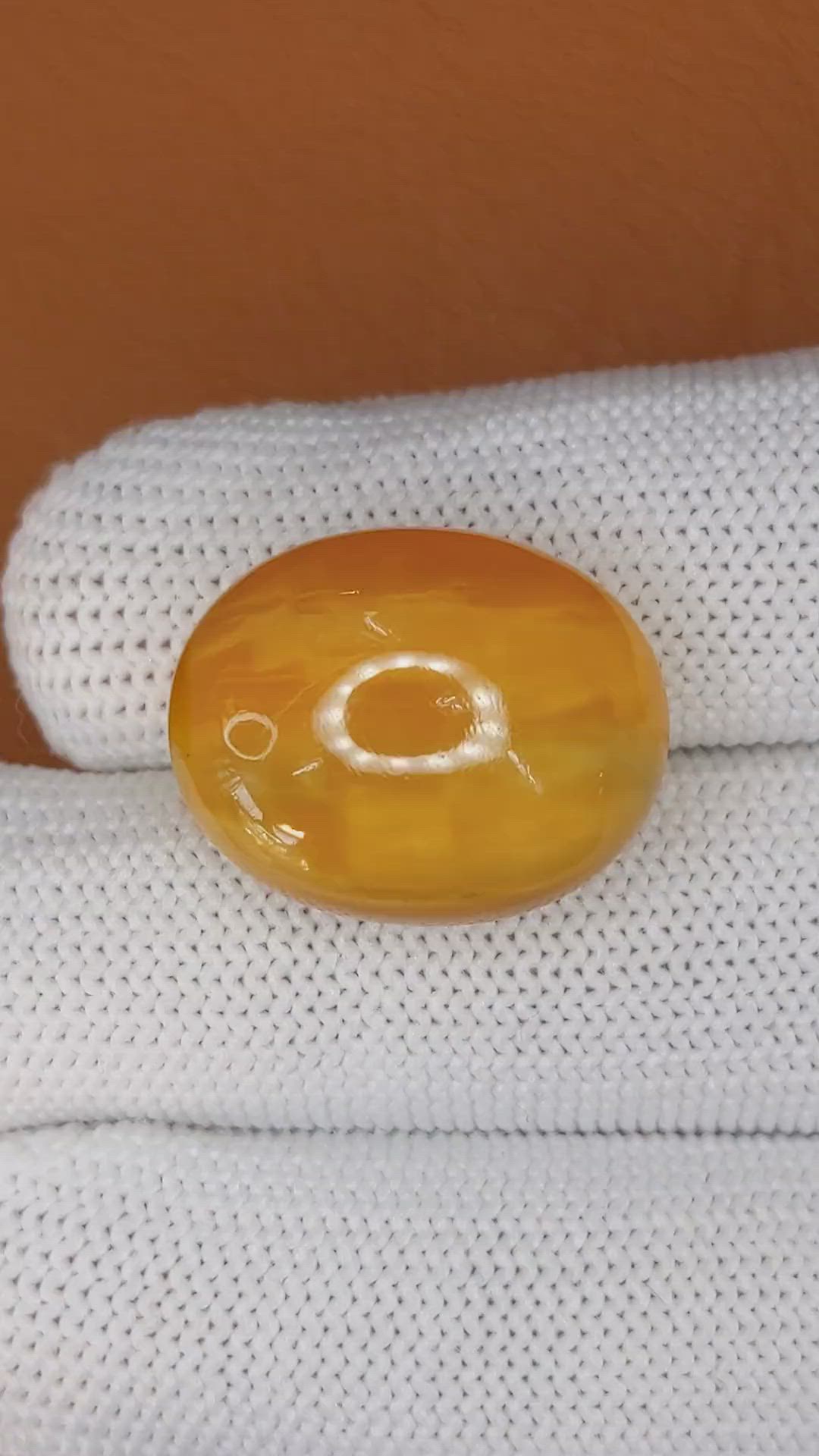
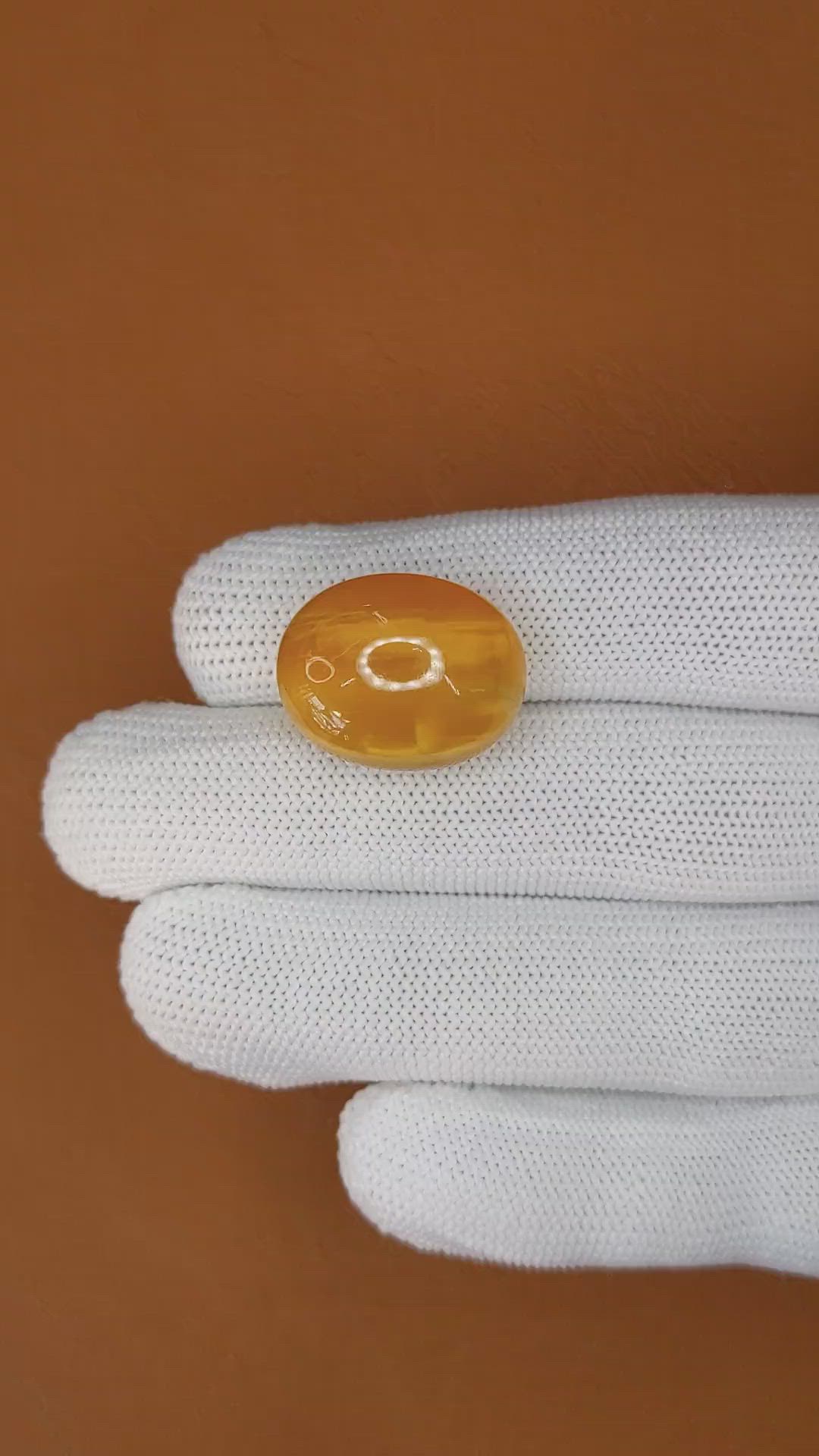
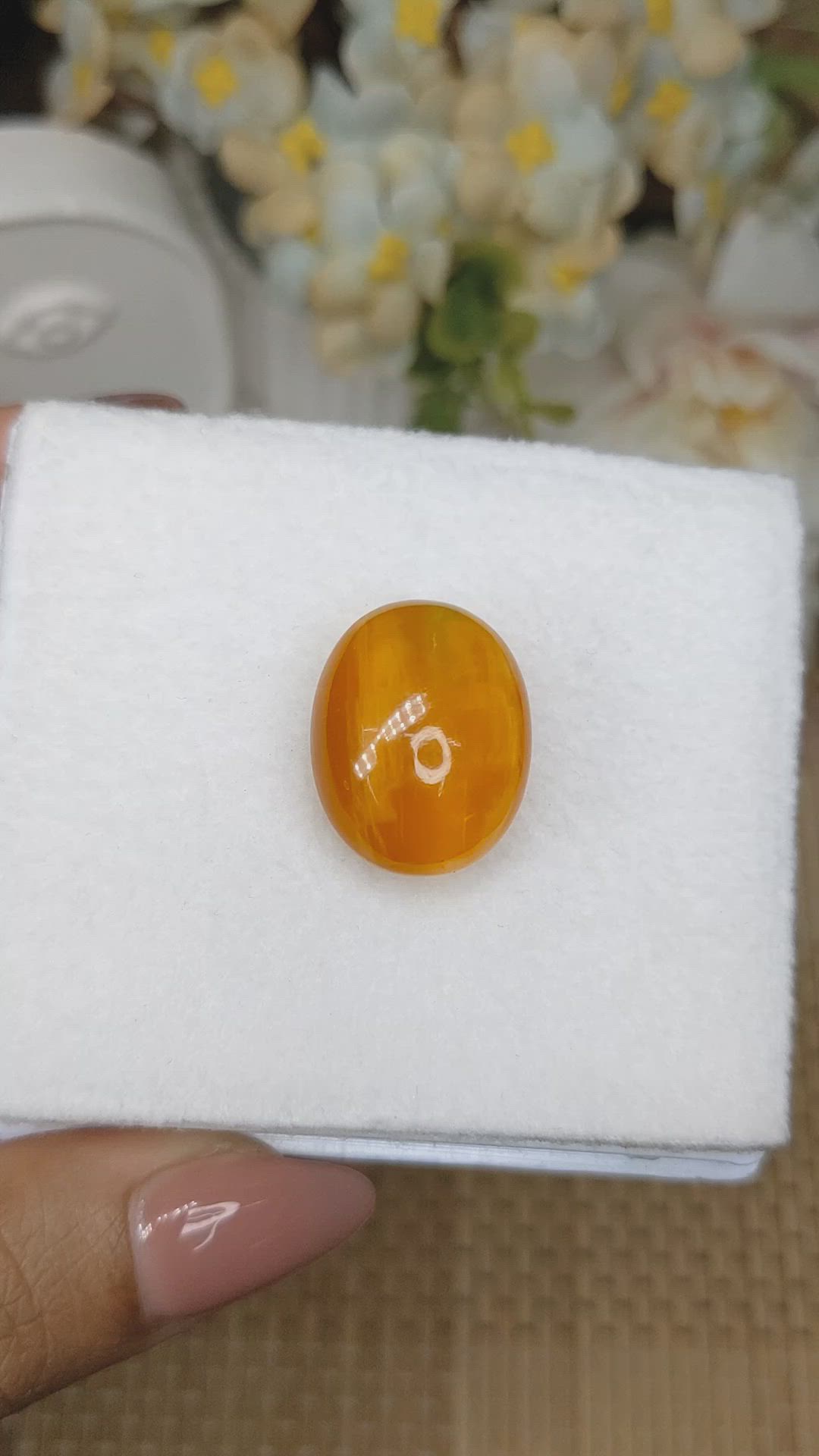
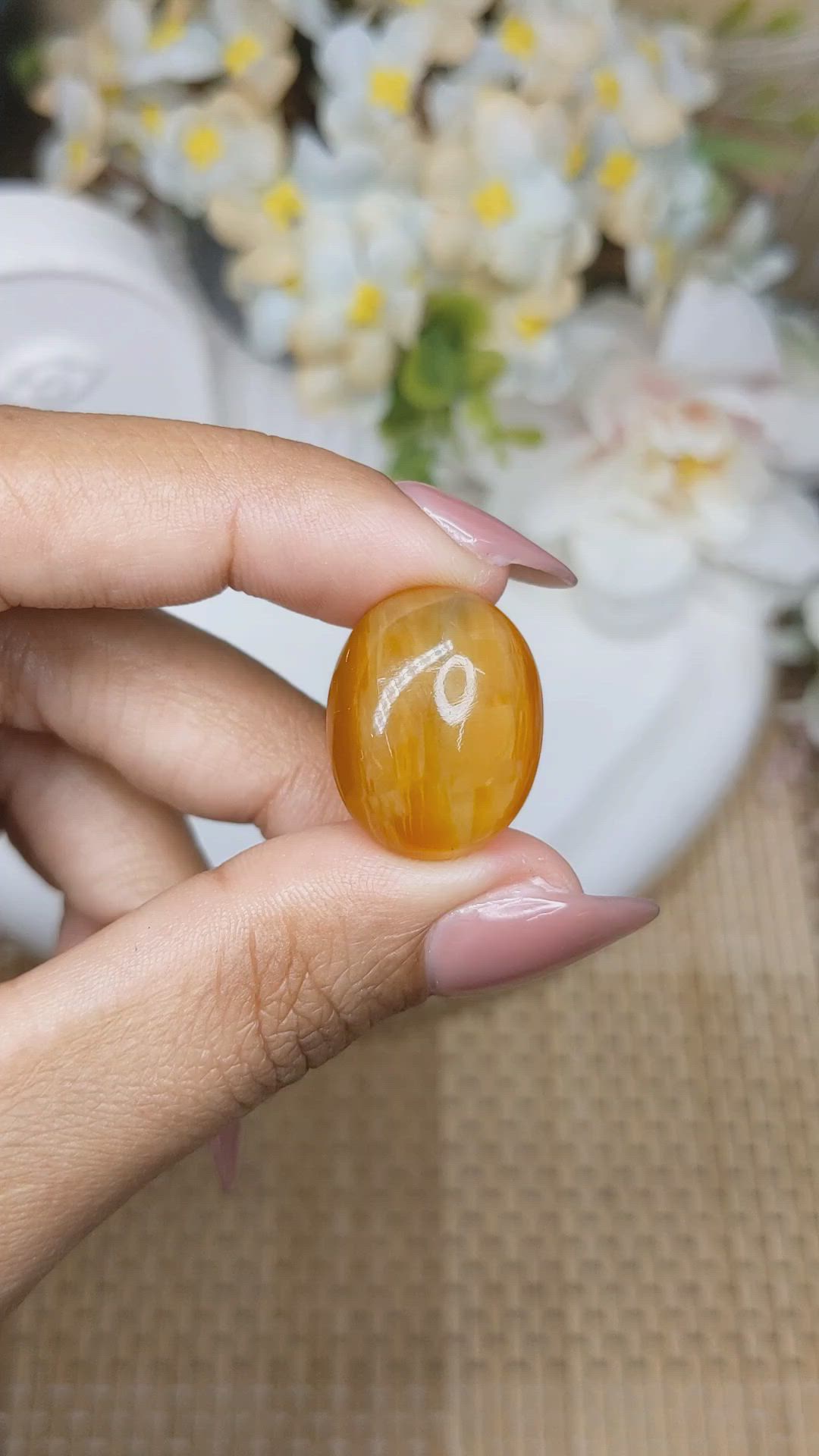
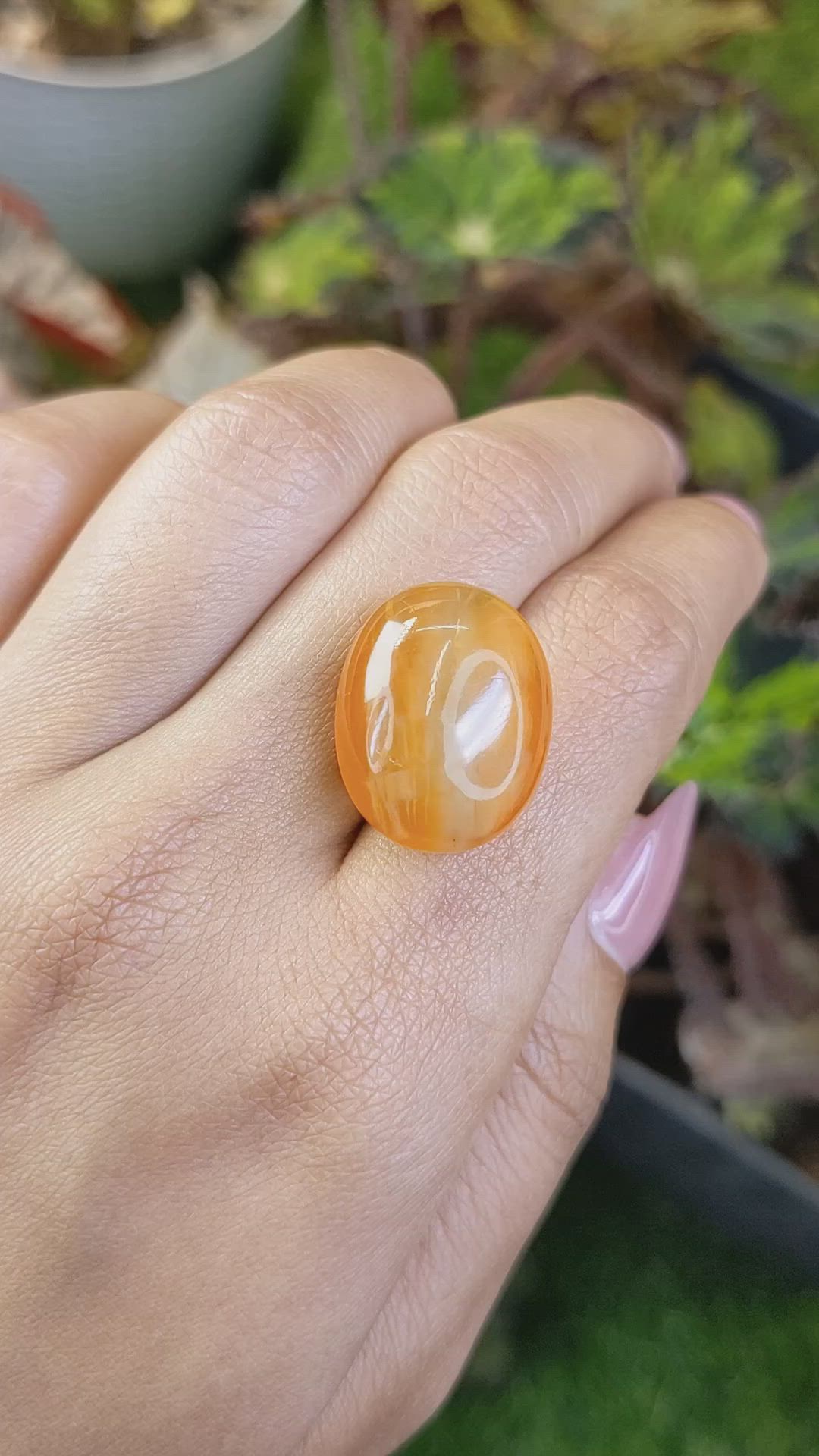
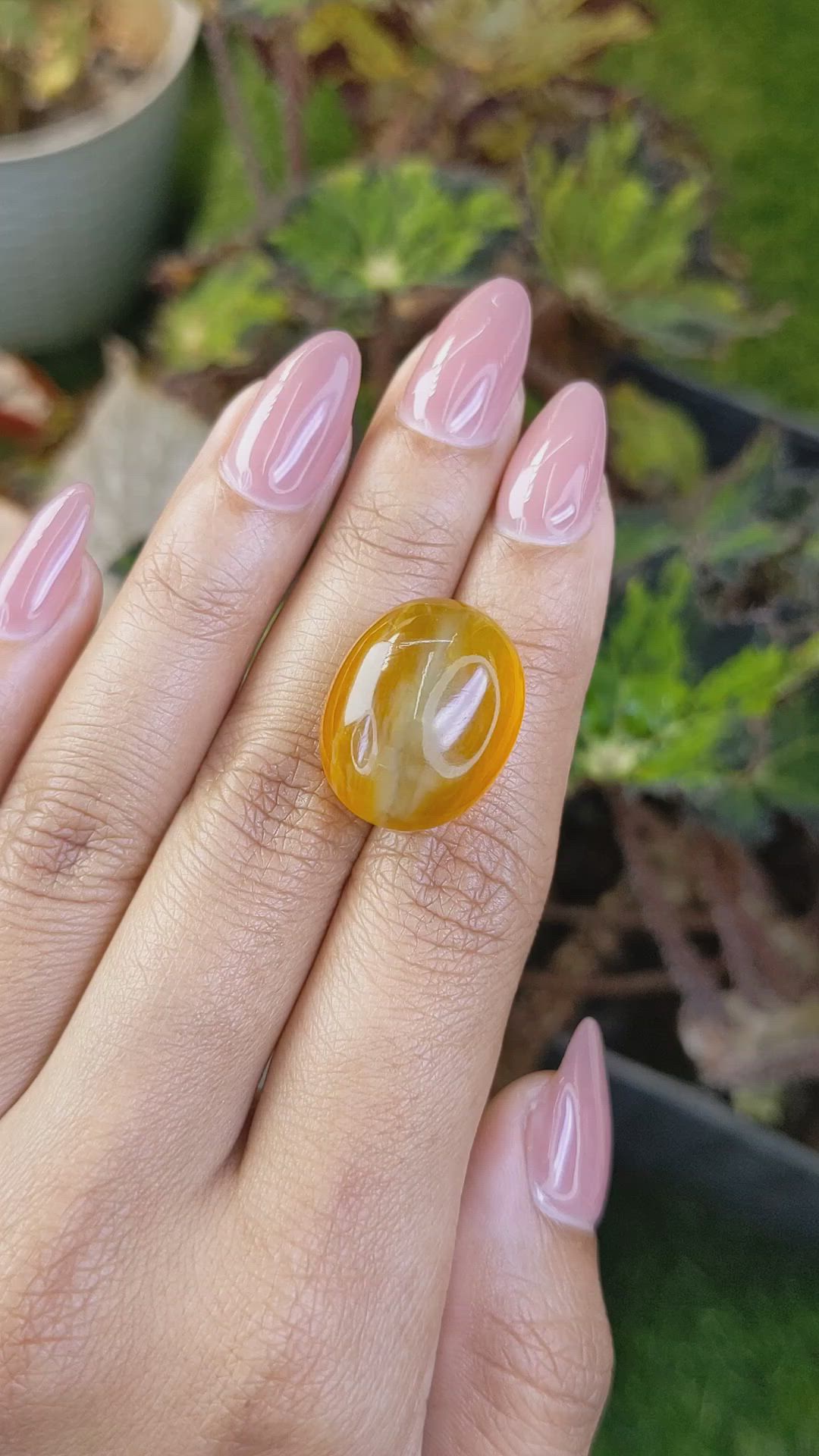
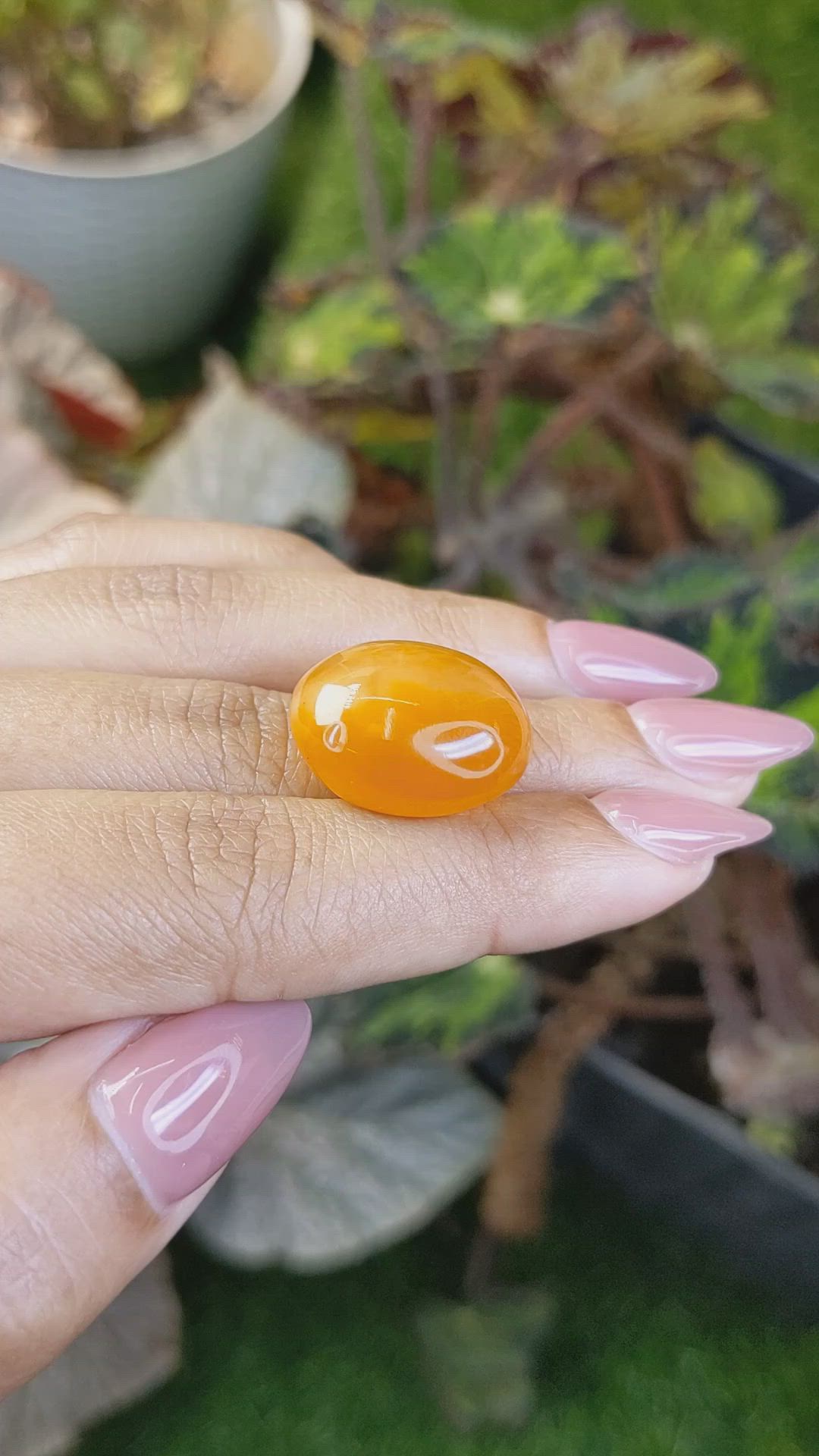
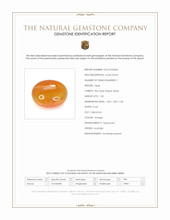
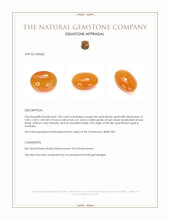


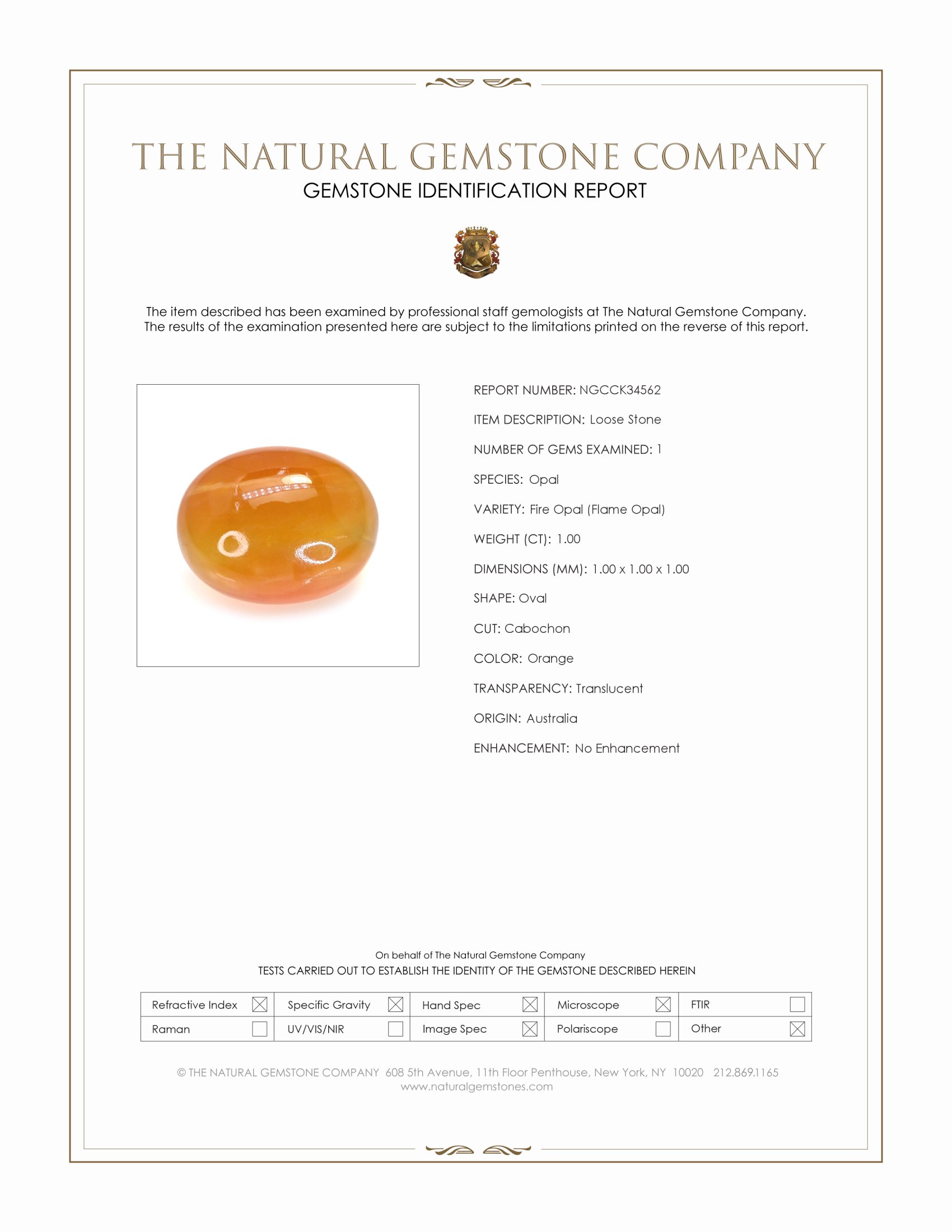
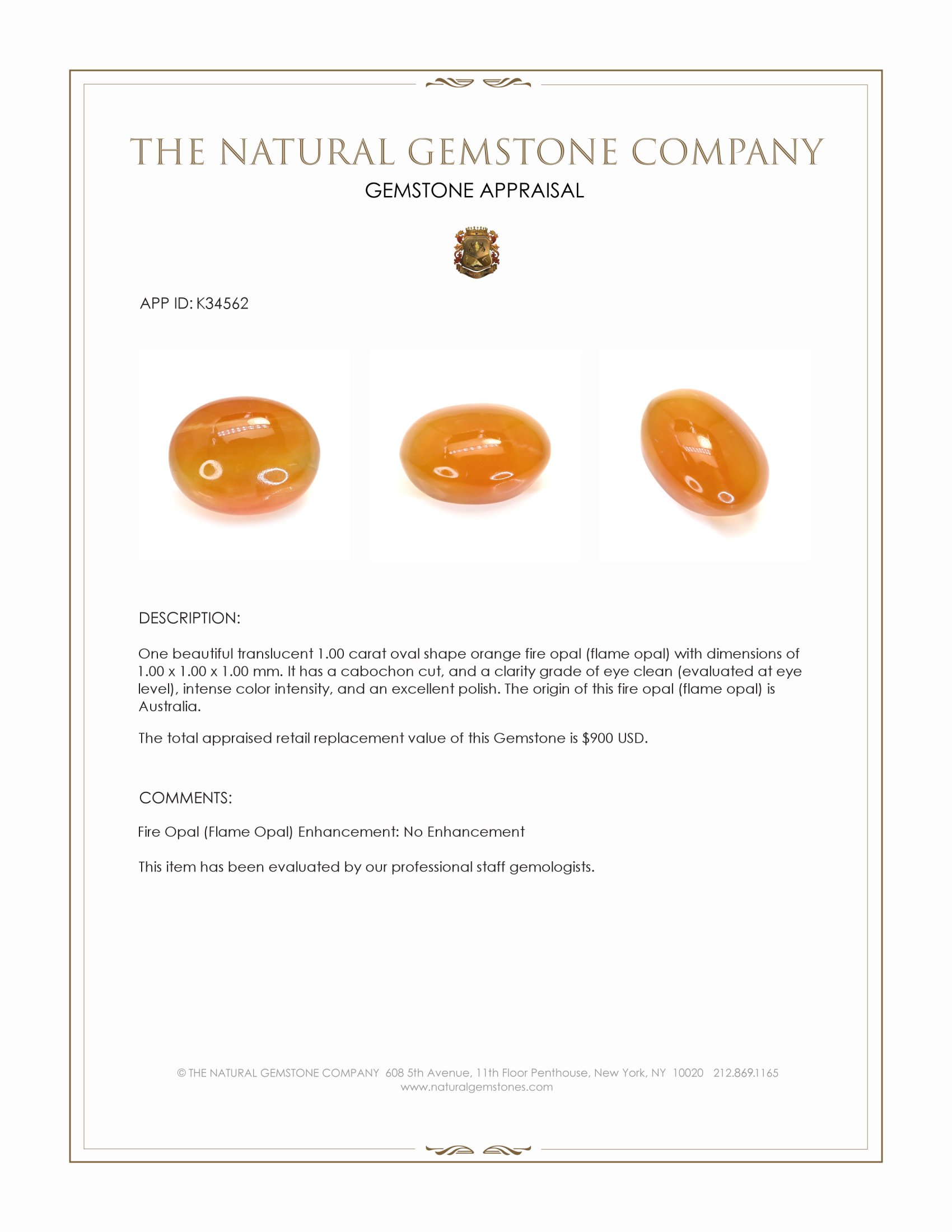
1.00 Ct. Orange Cabochon Fire Opal (Flame Opal) from Australia
This loose stone ships by Dec 12
Item ID: | K34562 |
|---|---|
Dimensions (MM): help | Length: 1 Width: 1 Height: 1 |
Weight: | 1.00 Ct. |
Color: help | Orange |
Color intensity: help | Intense |
Clarity: help | Eye Clean |
Shape: help | Oval |
Cut: | Cabochon |
Cutting style: | Cabochon |
Enhancements: help | No Enhancement |
Origin: help | Australia |
Per carat price: help | $900 |
This one carat oval shape orange fire opal, also referred to as flame opal, is a fine example of translucency and warm saturation, presented as a cabochon and measuring 1.00 by 1.00 by 1.00 millimeters, with a clean eye level clarity grade and an intense color intensity, and an excellent polish, and no enhancement, originating from Australia. The domed cabochon profile captures and concentrates the stone s internal glow, producing a gentle internal flame that reads as lively orange with subtle tonal gradients across the surface, and the translucency allows light to penetrate and refract softly rather than creating a faceted sparkle. Seen against a neutral background the hue reads as a rich tangerine to pumpkin orange, with areas of deeper saturation that add visual depth, and the highly finished surface reflects light evenly which emphasizes the clean, unmarked field. For a buyer who evaluates based on optical performance and provenance, this specimen scores strongly due to its natural color, absence of enhancement, and the reliable pedigree of Australian sourcing, which is well regarded for producing durable and attractively saturated fire opals.
From a gemological perspective the cabochon style is the preferred cut for opal material that displays chatoyancy, internal fire, or even subtle color zonation, because the smooth dome preserves visual phenomena that would be lost or diminished by faceting. The eye clean assessment, made at eye level, indicates there are no inclusions or fractures that would distract from the visual experience during normal inspection, and that provides confidence in both the aesthetics and the structural soundness of the stone when set. The excellent polish is significant for cabochons because it governs surface luster and the apparent depth of the stone, and a well polished surface will show fewer handling marks and will be easier to maintain with routine care. The lack of enhancement is a key value driver for educated buyers, because untreated color in opal is more sought after than dyed or impregnated material, and because it removes questions about long term stability. Australian origin carries weight in the marketplace, because Australian fields have a documented history of producing opals with stable color and desirable clarity, and for those assembling a provenance focused collection, this stone fits a clear narrative.
When considering bespoke settings, the cabochon profile and translucent intense orange color invite a range of thoughtful design choices that elevate the stone while protecting it. A low bezel setting crafted in 14 karat or 18 karat yellow gold will warm and amplify the orange hue, creating a harmonious tone on tone composition that reads as luminous and vintage inspired, and a rose gold bezel produces a similarly warm yet softer effect that flatters skin tones and creates a cohesive palette. For clients who prefer contrast, a platinum or white gold mount will provide a crisp backdrop that makes the orange pop, particularly if paired with bright white melee diamonds or white sapphires arranged as a halo or as shoulder accents, because the cool metal and colorless stones form visual negatives that cause the orange to appear more saturated. Bezel mounting is recommended for cabochons because it protects the dome from knocks and limits edge exposure, particularly important for opal material which can be more sensitive than tougher gemstones. An open back or a minimal bezel will allow more light to enter the stone from below when worn as a pendant, increasing the internal glow, and this is a desirable approach for pieces meant to emphasize the opal s inner fire, while finger jewelry intended for daily wear benefits from slightly higher bezel walls for added security.
Complementary gemstone pairings can be used to either support the warm color family or to introduce dynamic contrast, and this fire opal is unusually adaptable for creative design. For a warm and monochromatic composition, pair the fire opal with spessartine garnets or mandarin garnets, stones that share an orange to reddish orange spectrum and which will provide spark and hue reinforcement, or combine with golden citrines for graduated warmth and sparkle. For an elevated luxury statement place small round brilliant diamonds as a halo or as bead set shoulders, these will create a classic frame that accentuates the opal s saturation while adding scintillation and perceived size. For a striking color contrast consider teal tourmaline or green tsavorite garnet, because complementary green tones make orange appear more vivid and can transform a ring or pendant into a showpiece. Orange sapphires or padparadscha tone sapphires can also be matched in a graduated cluster to create a gemstone mosaic, while soft pastel moonstone or white opal accents can introduce a layered play of internal light effects. When specifying sizes for accent stones choose melee diamonds in the range of one to two millimeters for a halo, and slightly larger accent gems for shoulder stones, always ensuring the overall proportions honor the one carat cabochon center and maintain comfortable wearability.
At The Natural Gemstone Company we emphasize precise documentation, ethical sourcing, and practical design guidance for customers who appreciate both aesthetic and gemological value. This untreated Australian flame opal, with its eye clean clarity, intense natural color, cabochon cutting, and excellent polish, is an excellent candidate for collectors and designers seeking a focal cabochon that reads warm and lively, yet remains durable when set with appropriate protections. We can provide custom mounting recommendations, sketches, and metal options to optimize both the appearance and longevity of the piece, and we advise clients on setting styles that minimize exposure to harsh chemicals, extreme heat, and ultrasonic cleaning to preserve the opal s finish. For those who prefer a bespoke commission we can collaborate on complementary stone selections and propose metal and setting combinations that will maximize the visual synergy between the fire opal and its accents, ensuring the finished jewelry object is balanced, secure, and communicates the natural beauty and provenance that discerning buyers expect.


