
- Stone16
- Reports3
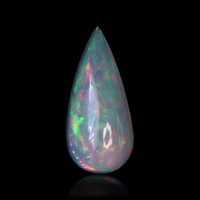
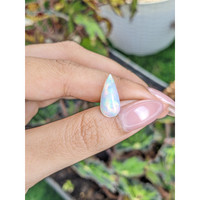
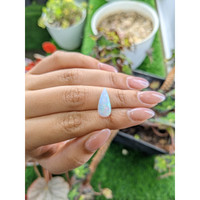
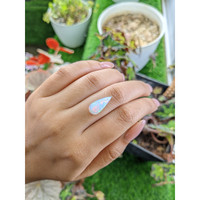
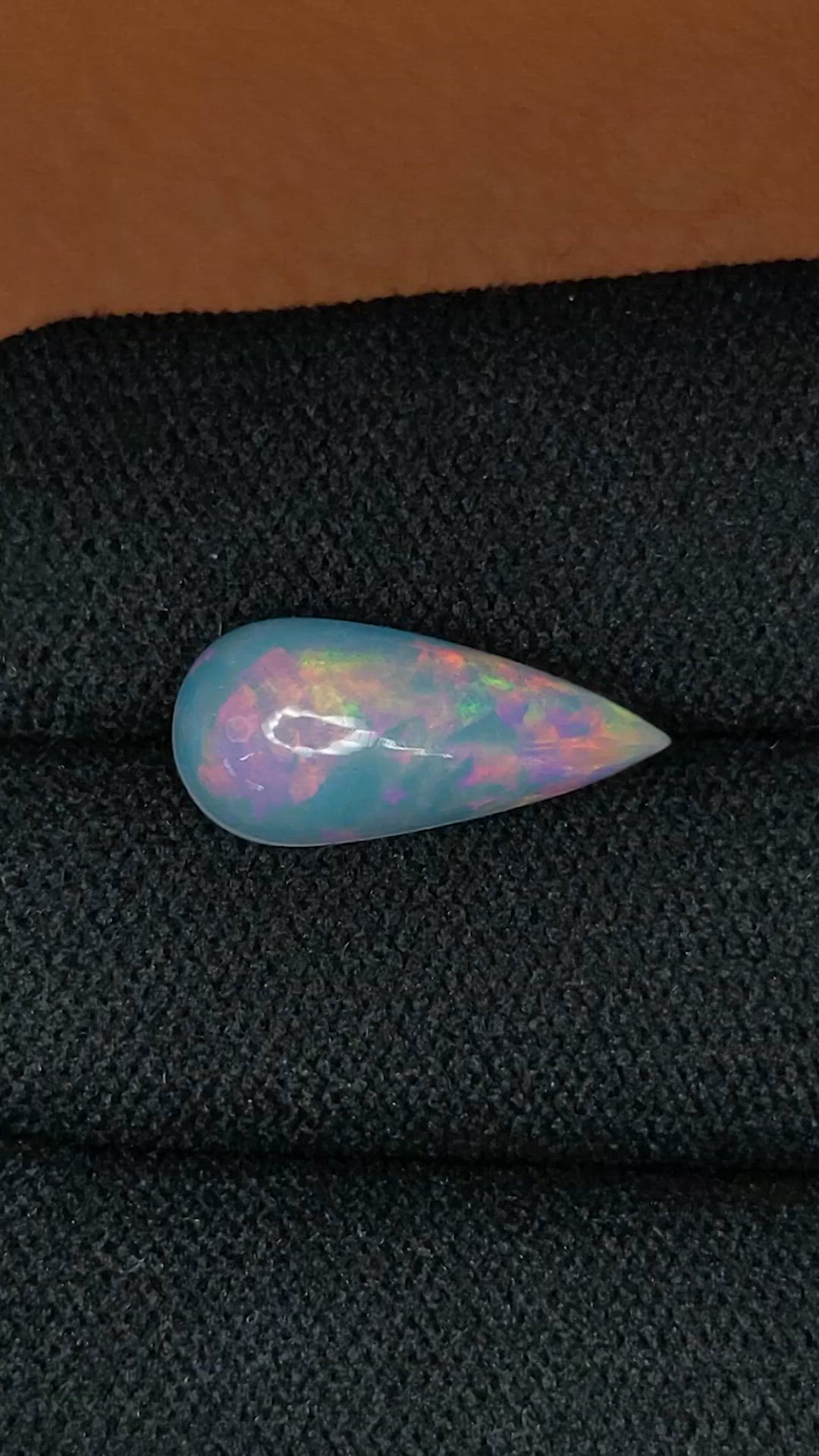
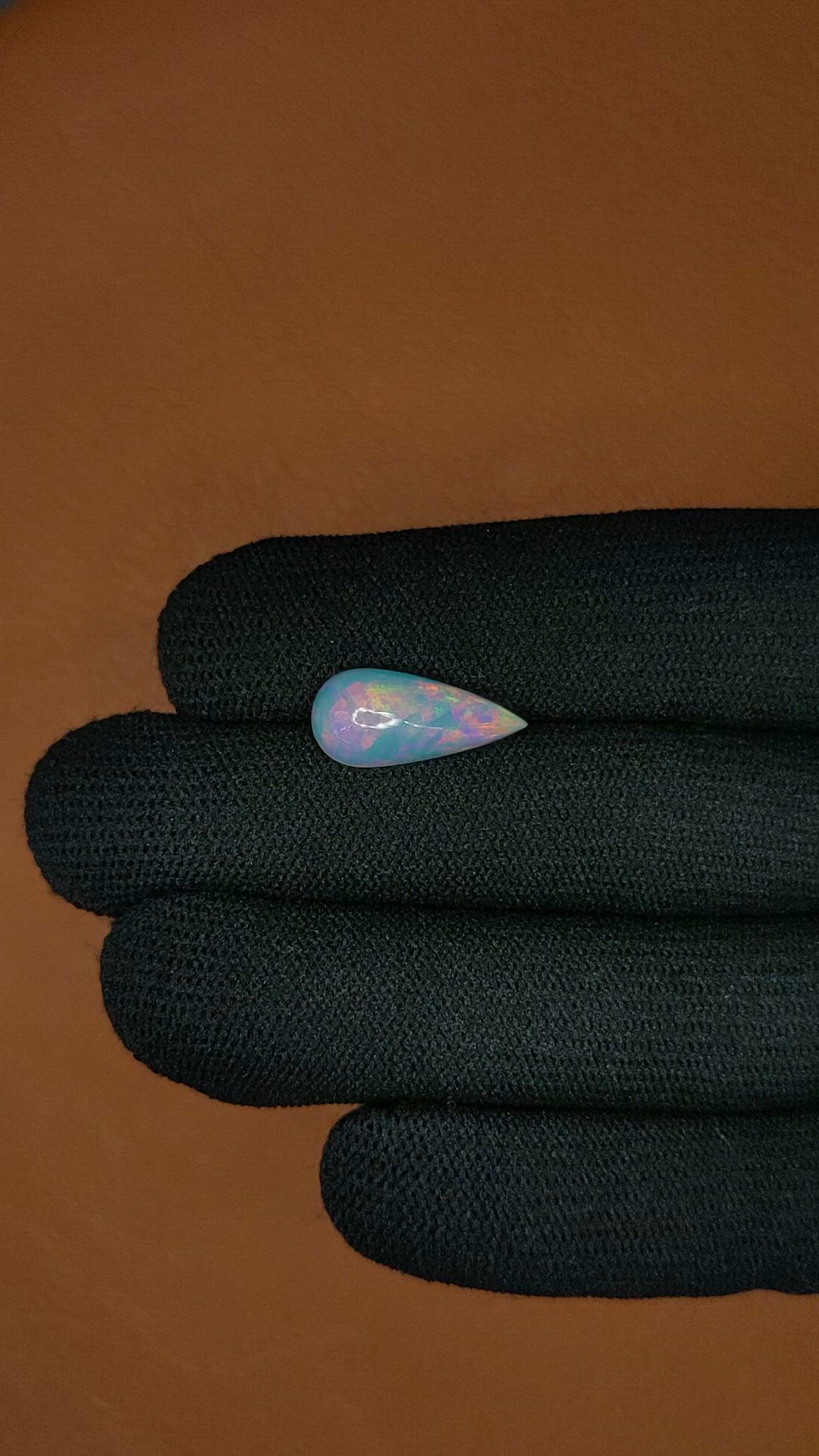
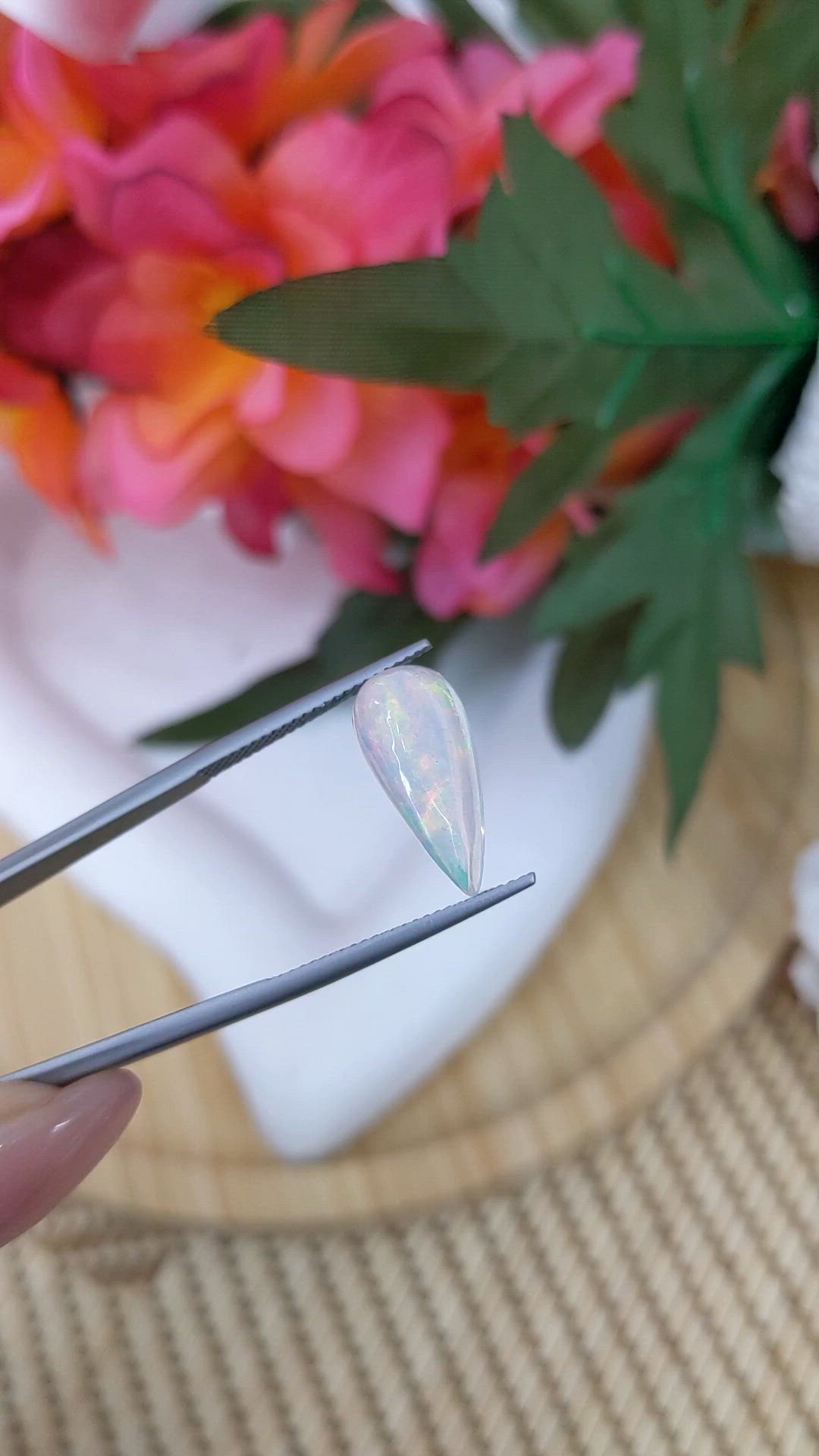
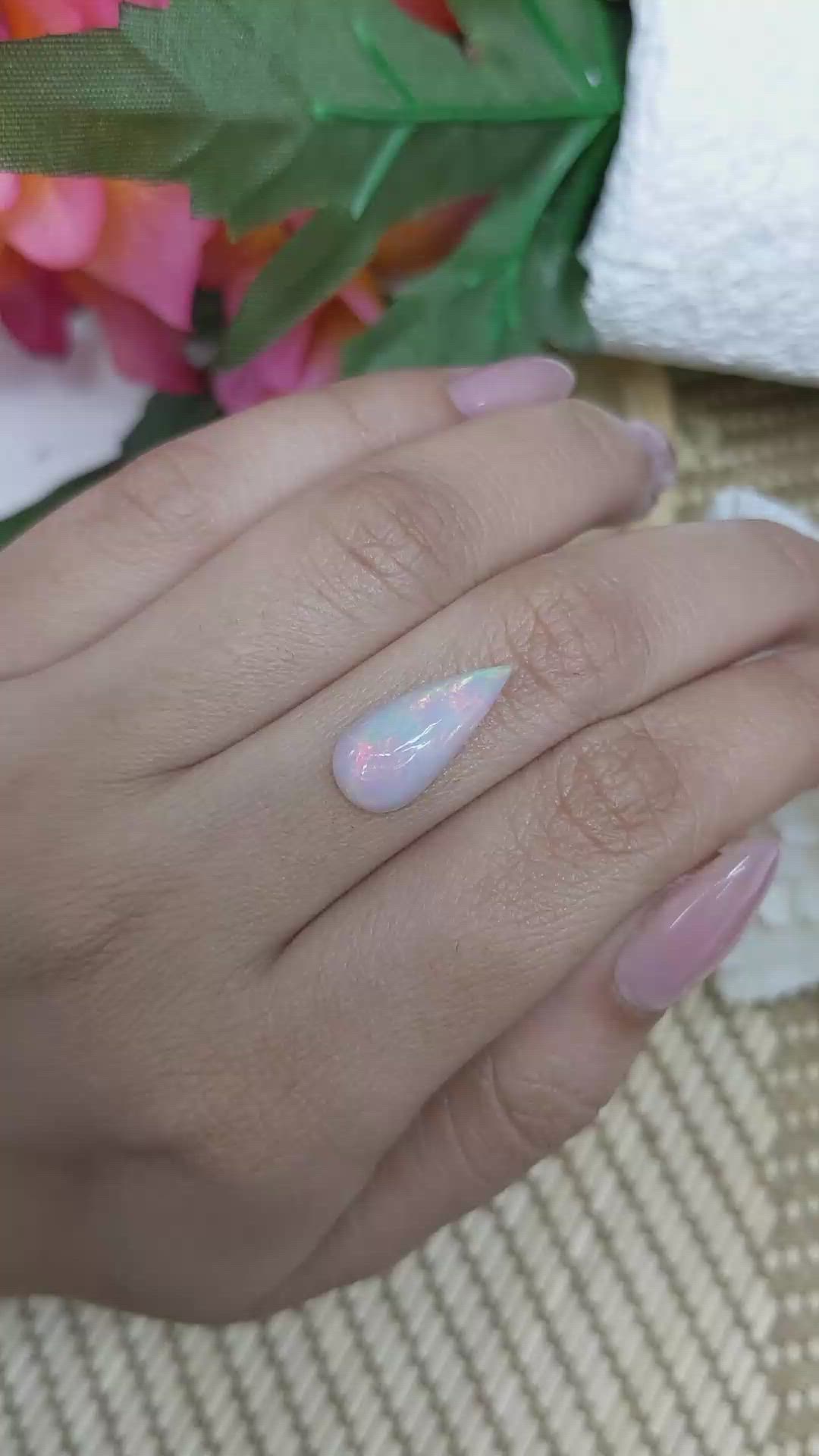
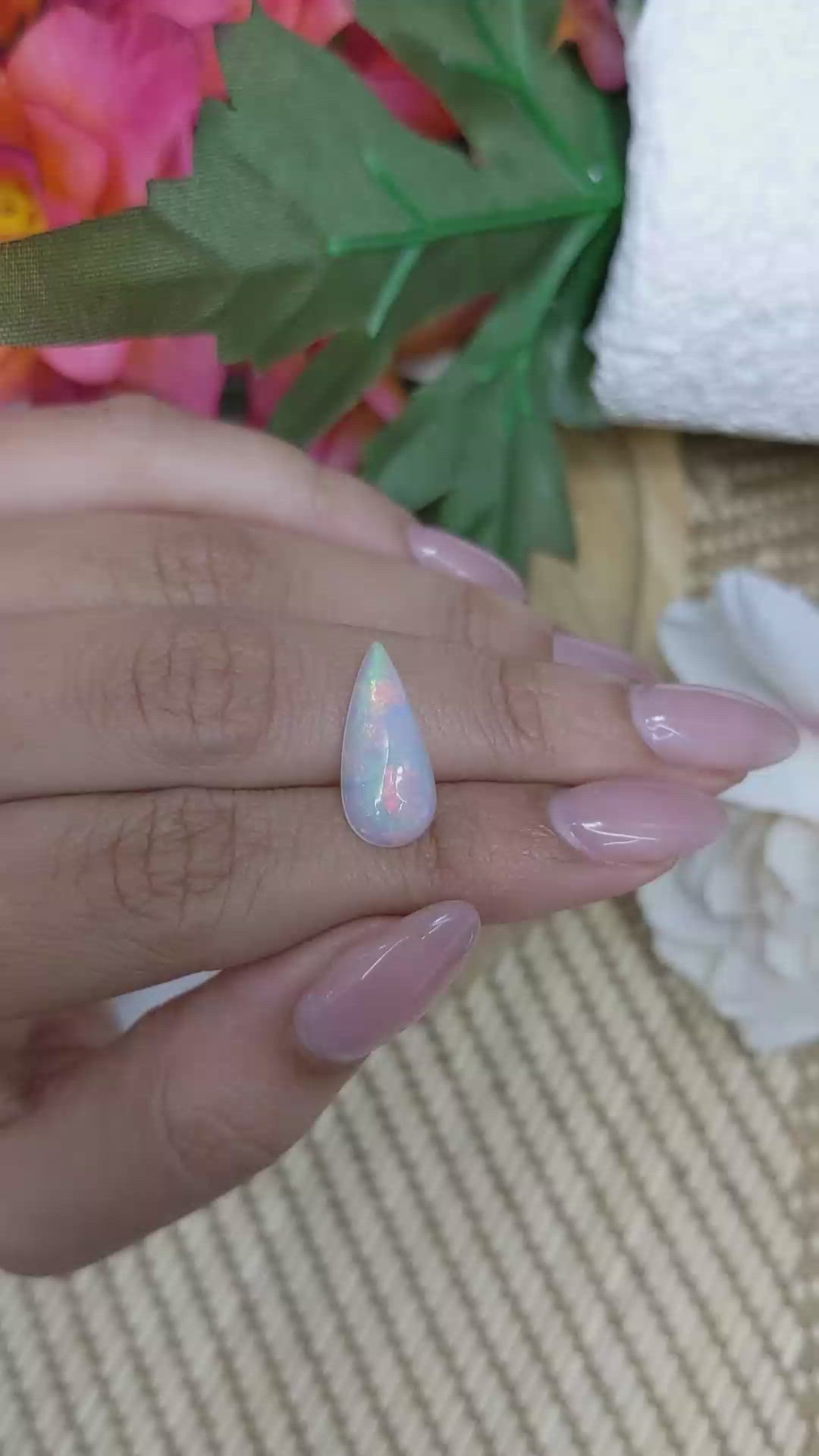
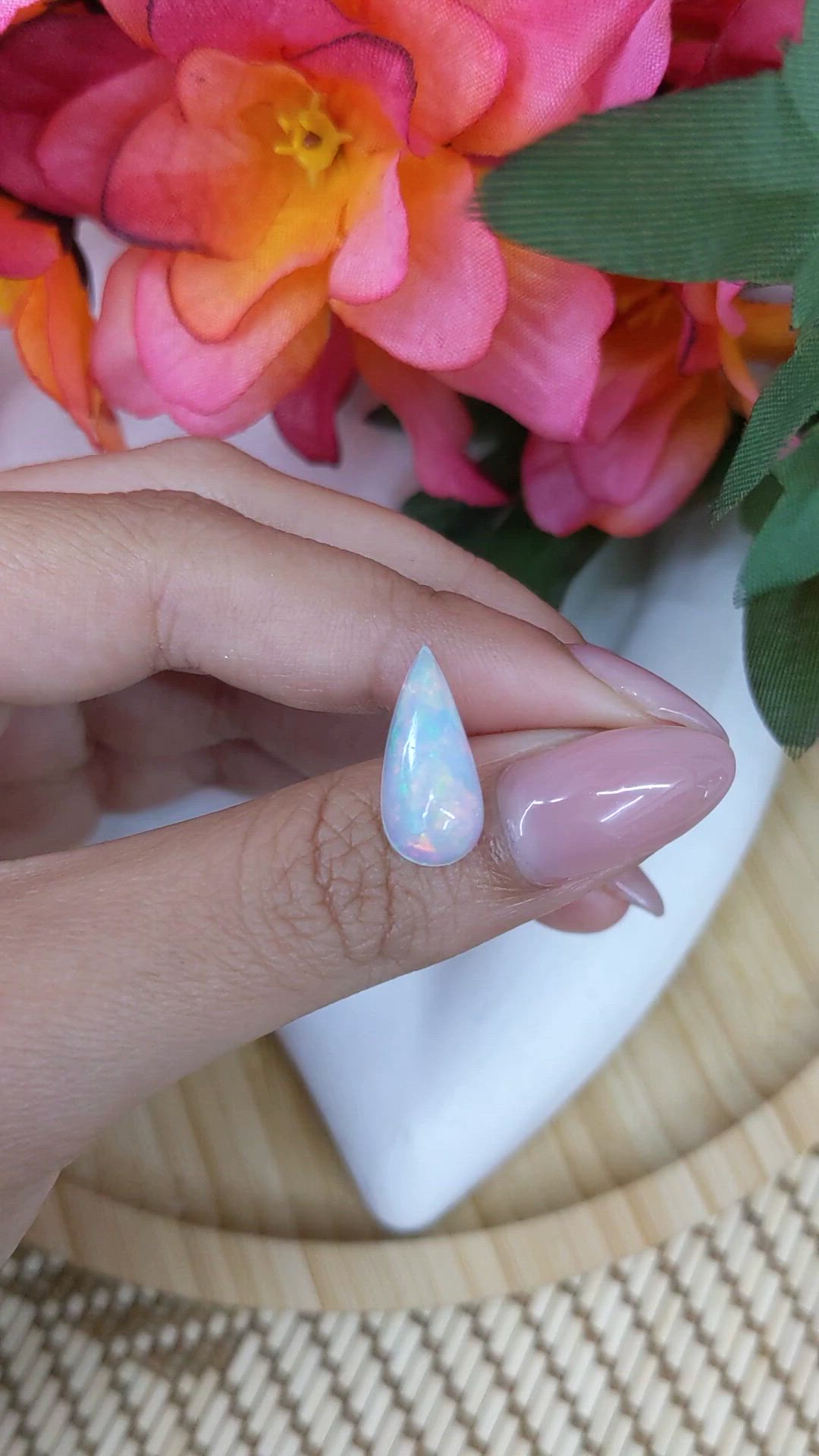

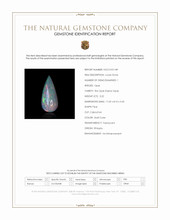
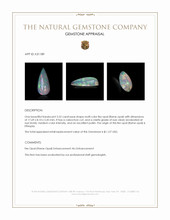
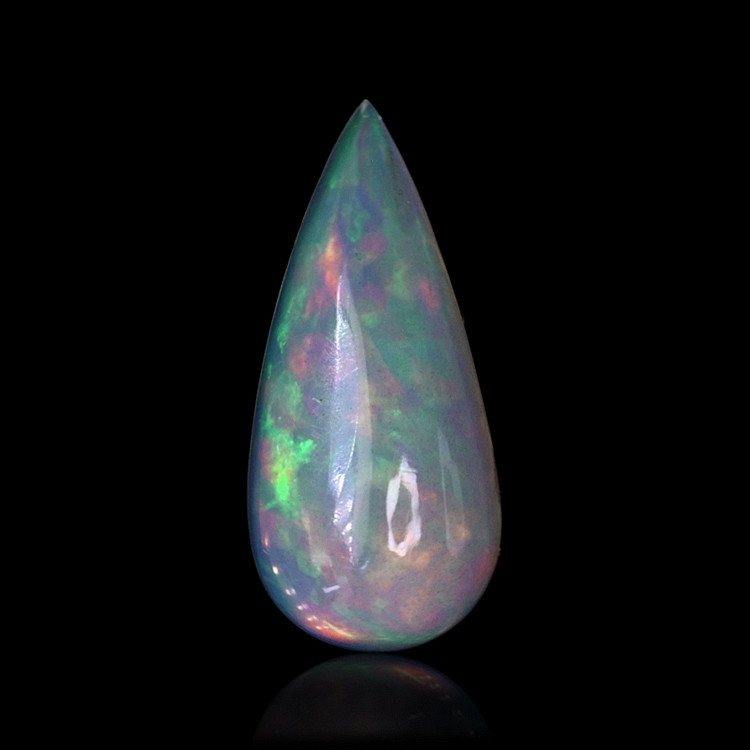
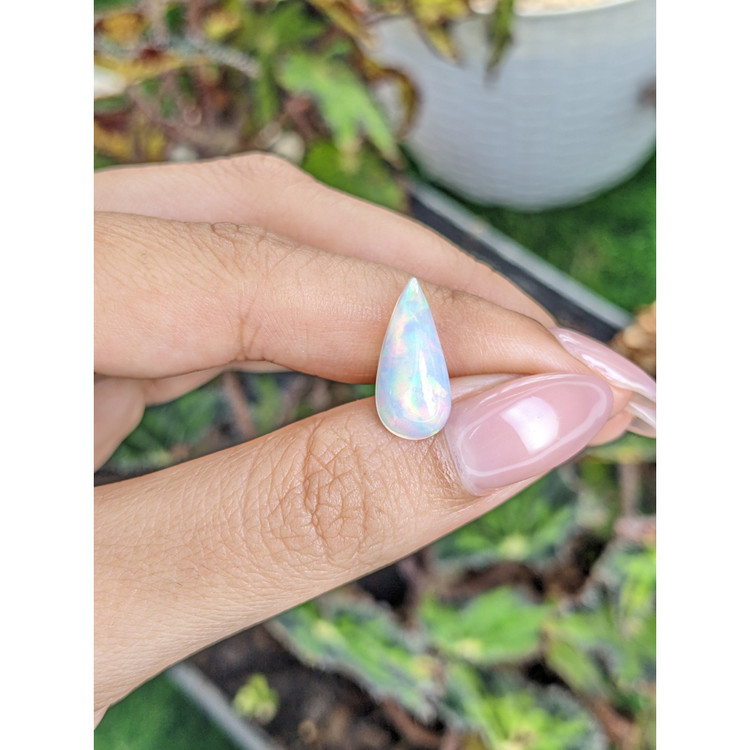
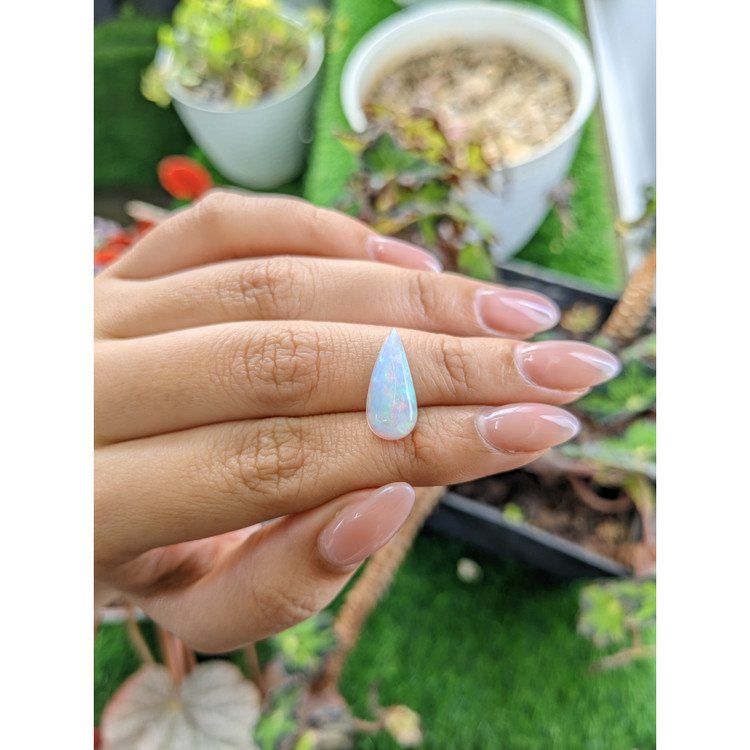
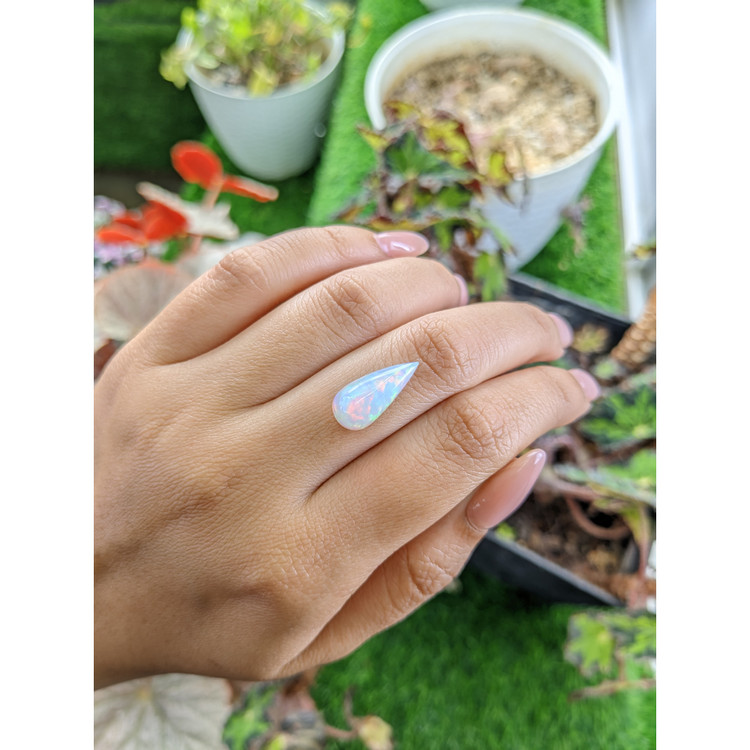
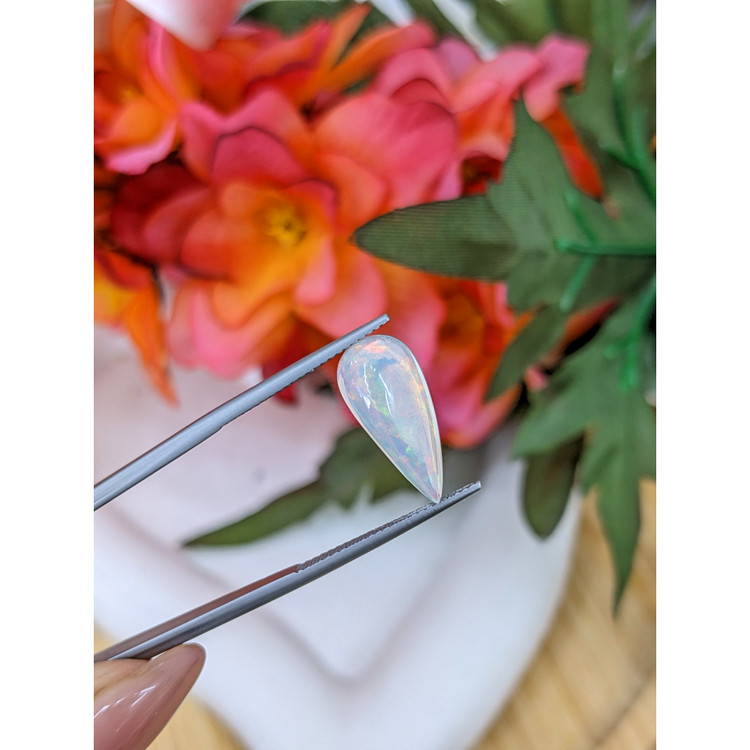

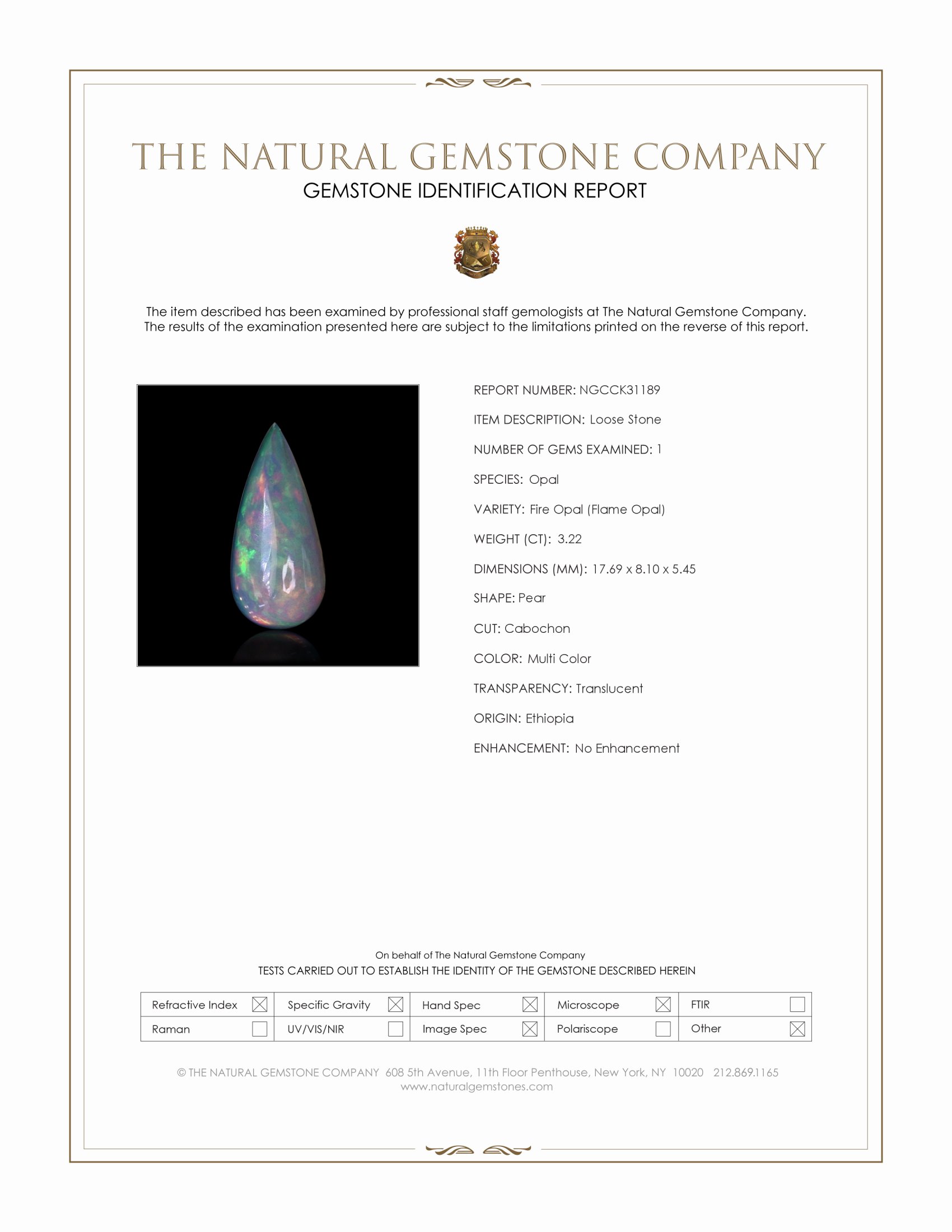

3.22 Ct. Multi Color Cabochon Fire Opal (Flame Opal) from Ethiopia
This loose stone is available to ship now
Item ID: | K31189 |
|---|---|
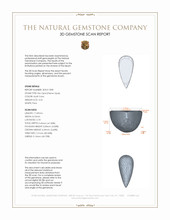
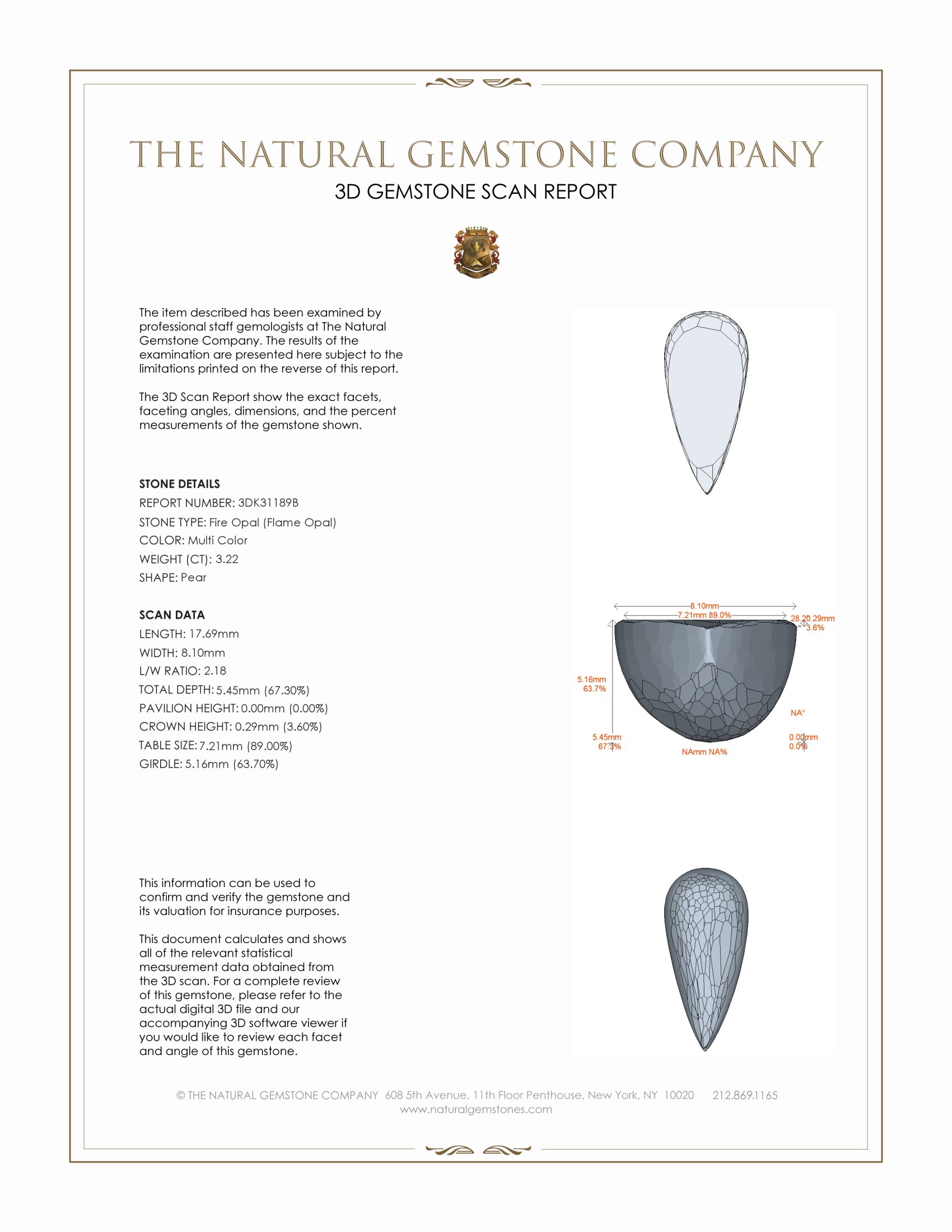
Dimensions (MM): help | Length: 17.69 Width: 8.1 Height: 5.45 |
Weight: | 3.22 Ct. |
Color: help | Multi Color |
Color intensity: help | Medium |
Clarity: help | Eye Clean |
Shape: help | Pear |
Cut: | Cabochon |
Cutting style: | Cabochon |
Enhancements: help | No Enhancement |
Origin: help | Ethiopia |
Per carat price: help | $350 |
This listing presents a single, translucent Fire Opal, identified as Fire Opal, Flame Opal, weighing 3.22 carats, and fashioned in a classic pear shape. The cabochon cutting style produces a smooth domed surface with a flat or gently faceted base, and the exact dimensions measure 17.69 by 8.10 by 5.45 millimeters. The stone exhibits a multi color play that includes flashes of green, red, orange, and blue within a clear to slightly milky body, and the color intensity is graded as medium. Clarity has been evaluated at eye level and the gem is described as eye clean, which permits uninterrupted observation of the internal play of color. The polish is excellent, yielding strong luster and an even surface finish, and there has been no enhancement applied to this natural material. The origin of this specimen is Ethiopia, and provenance is provided by The Natural Gemstone Company as part of our standard description protocol.
From a gemological perspective the cabochon form enhances the display of the opal play of color by presenting a continuous curved surface that captures and redistributes light across the stone. Fire opals derive their optical effects from the diffraction of light within a regular array of silica spheres, and this specimen demonstrates coherent patches of color that shift with viewing angle and light source. The medium body color allows both the internal fire and the translucent body to be appreciated together, creating an effect that is neither overwhelmed by body tone nor reduced to mere surface reflections. The eye clean clarity grade means that inclusions do not interrupt the color pattern under normal viewing, and the excellent polish contributes to an unobstructed transmission of light and a refined finished appearance. These attributes are consistent with careful lapidary work, and the cabochon thickness provides both visual depth and structural substance for mounting in fine jewelry.
Durability considerations for opal differ from harder gem materials, and a factual statement of physical properties is appropriate for design and wear planning. Opal typically falls in the range of approximately five and a half to six and a half on the Mohs hardness scale, and it is relatively softer than quartz and corundum. Toughness varies between individual opals, and while many specimens resist surface wear when properly handled, opal can be susceptible to scratching, abrasions, and sharp impacts. The cabochon configuration and the 5.45 millimeter depth of this stone reduce the risk of chipping when compared with thin or sharply faceted stones, and the absence of internal fractures at eye level contributes positively to its structural integrity. Ethiopian opals can exhibit hydrophane behavior in some cases, which may result in temporary changes in appearance when exposed to liquids, and routine design precautions are advisable. For daily wear applications this stone performs best when set in protective mountings, most notably full bezel settings or designs where the girdle and lower profile are supported by metal. For rings and bracelets where contact and abrasion are more likely, protective settings combined with reasonable care and regular inspection will preserve the stone, and for pendants and earrings the exposure risk is reduced by the position and common use patterns.
Practical recommendations for care and application follow from these physical and aesthetic characteristics. Clean the gem with warm soapy water and a soft cloth, and avoid ultrasonic cleaning, steam cleaning, and aggressive chemical cleaners. Avoid prolonged exposure to intense heat or sudden temperature changes that can stress the structure of the opal. When planning a setting specify protective elements such as a bezel or partial bezel that covers the stone perimeter and reduces the chance of edge impacts. Routine inspection of prongs or mountings is advisable to ensure secure retention in everyday jewelry pieces. The combination of a well executed cabochon cut, eye clean clarity, excellent polish, no enhancement, and a substantial depth supports the suitability of this Ethiopian Fire Opal for many daily wear jewelry designs, provided that design and maintenance choices reflect the material characteristics. The Natural Gemstone Company documents the origin and handling of this gem as part of our commitment to transparent gem descriptions and consistent quality information for designers and clients.


