
- Stone15
- Reports3
-asscher-octagon-red-garnet-3.3300-cts-k31934-1.jpg?d=200x200&v=20260928071920)
-asscher-octagon-red-garnet-3.3300-cts-k31934-lifestyleimage-1.jpg?d=200x200&v=20261003025116)
-asscher-octagon-red-garnet-3.3300-cts-k31934-lifestyleimage-2.jpg?d=200x200&v=20261003025116)
-asscher-octagon-red-garnet-3.3300-cts-k31934-lifestyleimage-3.jpg?d=200x200&v=20261003025117)
-asscher-octagon-red-garnet-3.3300-cts-k31934-lifestyleimage-4.jpg?d=200x200&v=20261003025117)

-asscher-octagon-red-garnet-3.3300-cts-k31934-1.jpg?d=750x750&s=ngc&v=20260928071920)
-asscher-octagon-red-garnet-3.3300-cts-k31934-lifestyleimage-1.jpg?d=750x750&s=ngc&v=20261003025116)
-asscher-octagon-red-garnet-3.3300-cts-k31934-lifestyleimage-2.jpg?d=750x750&s=ngc&v=20261003025116)
-asscher-octagon-red-garnet-3.3300-cts-k31934-lifestyleimage-3.jpg?d=750x750&s=ngc&v=20261003025117)
-asscher-octagon-red-garnet-3.3300-cts-k31934-lifestyleimage-4.jpg?d=750x750&s=ngc&v=20261003025117)

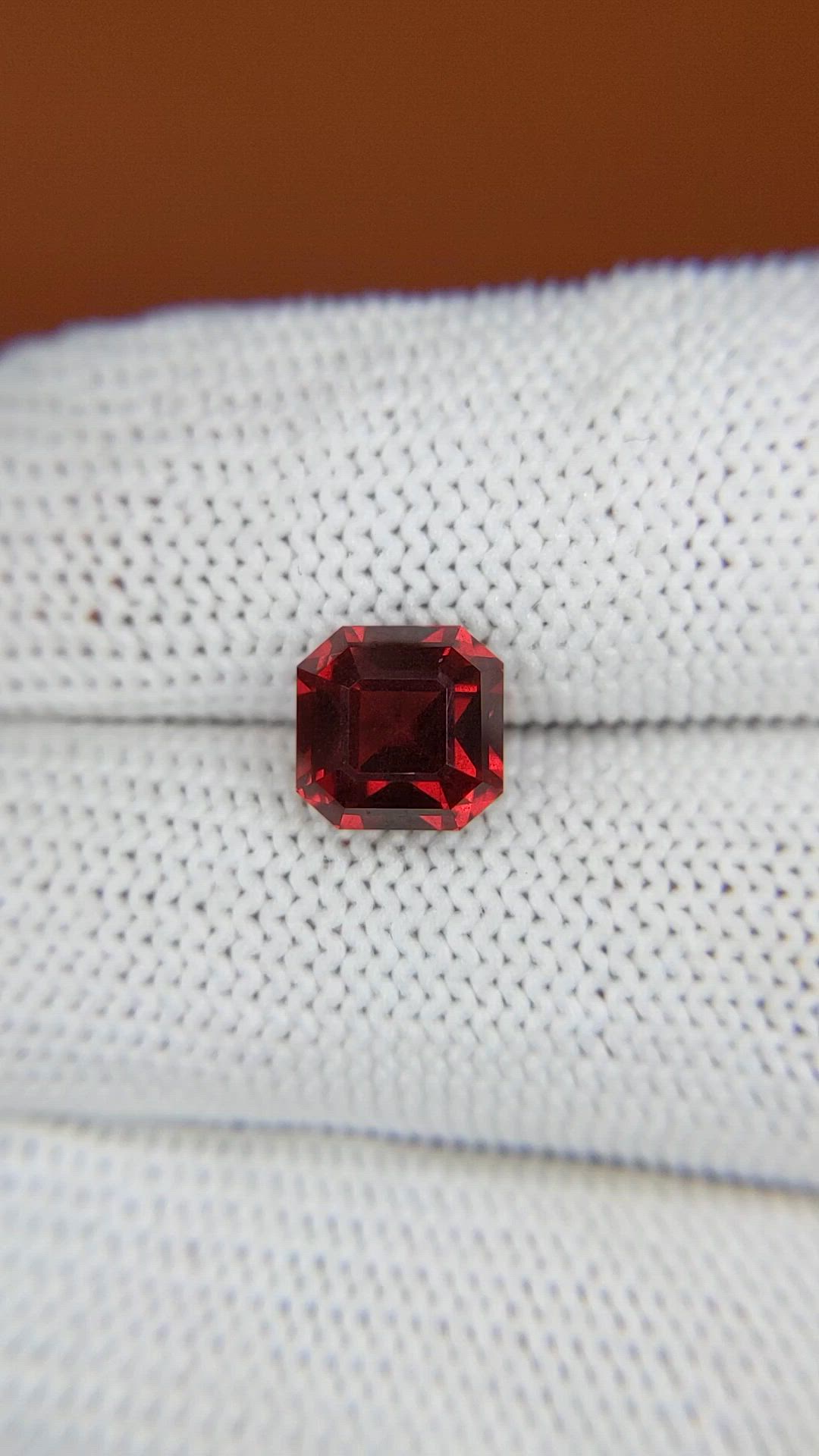
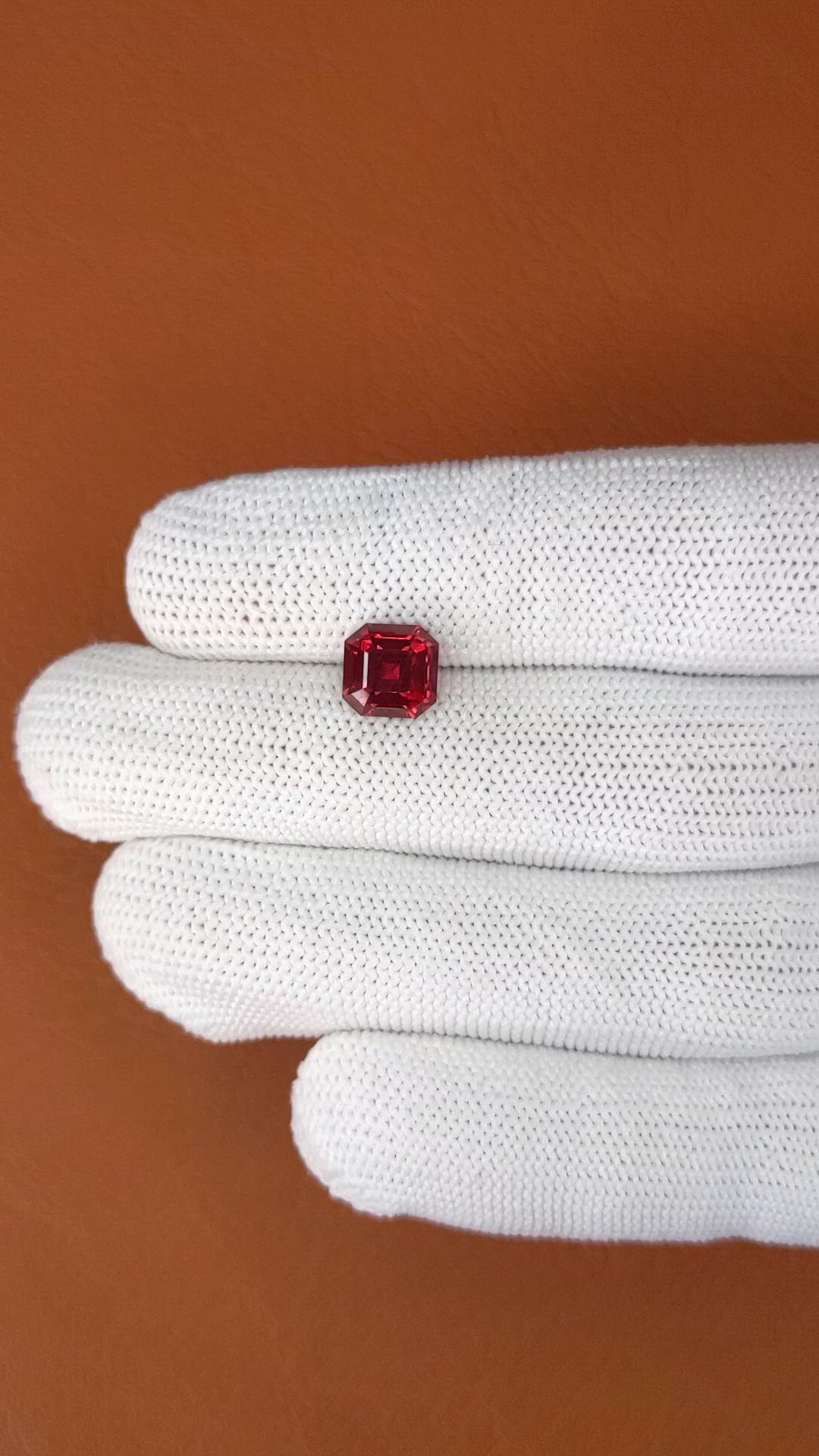
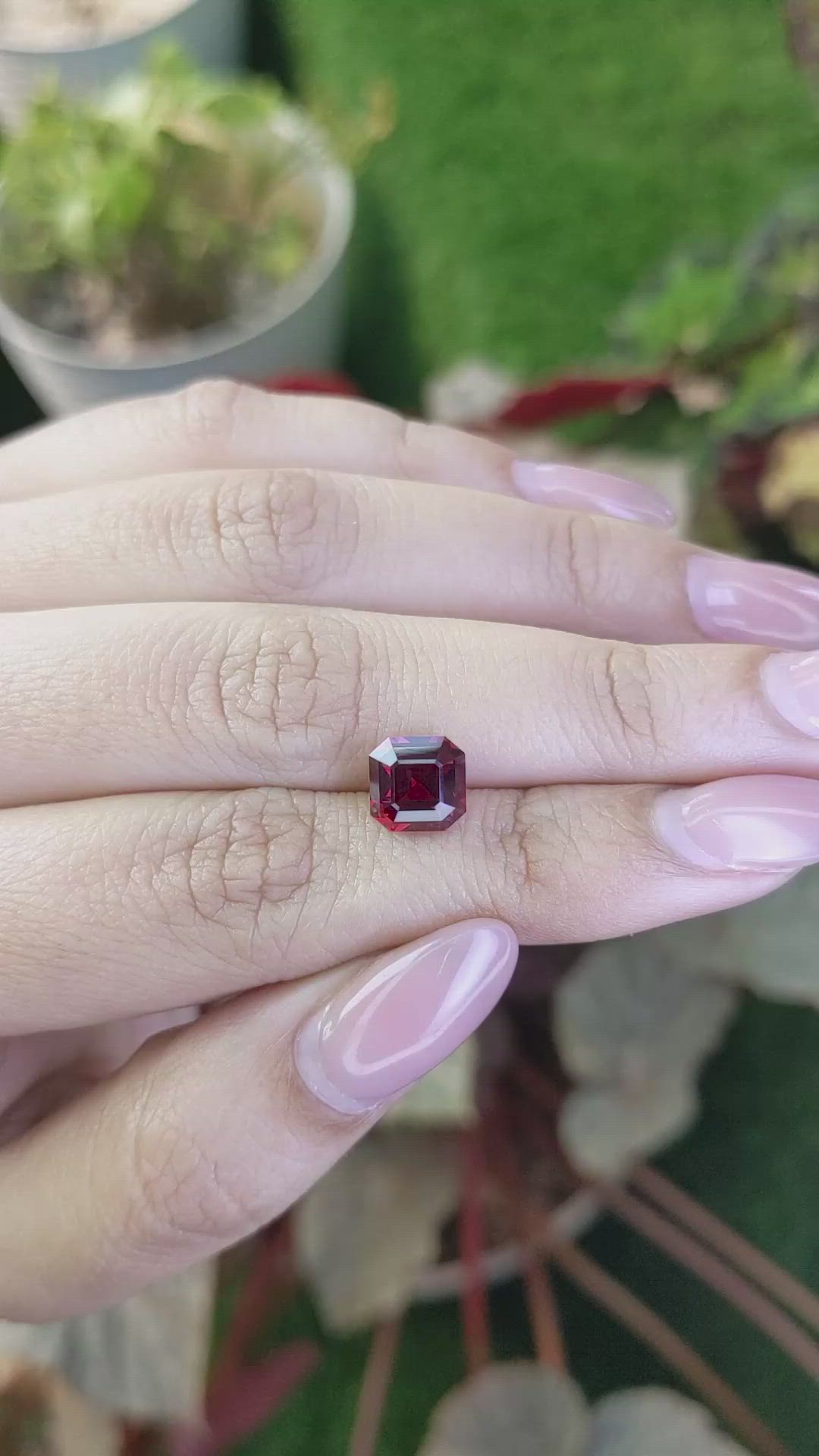
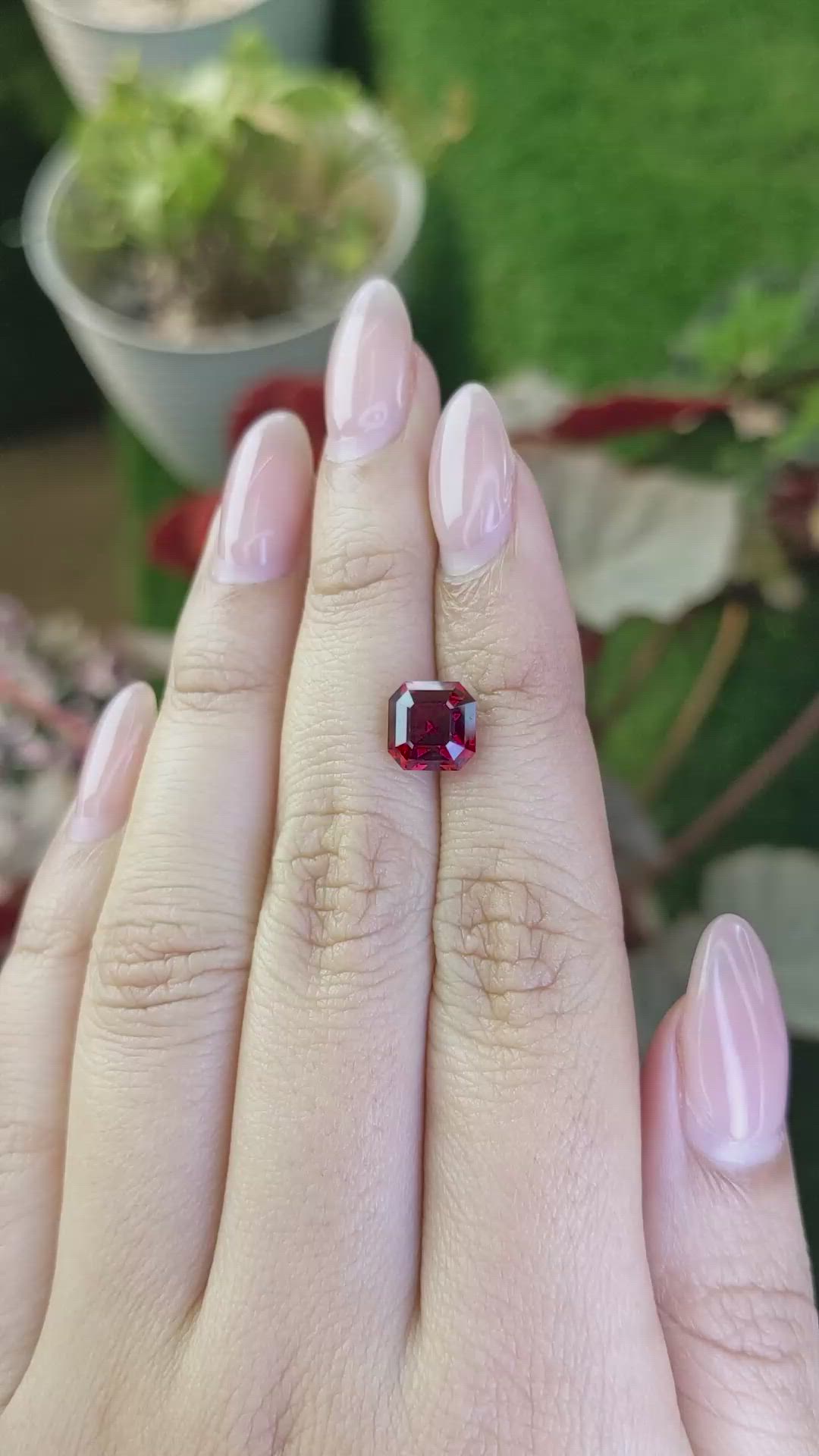
3.33 Ct. Red Garnet from Ceylon (Sri Lanka)
This loose stone ships by Nov 4
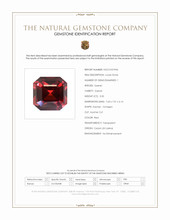
Item ID: | K31934 |
|---|---|
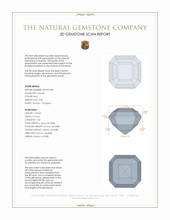
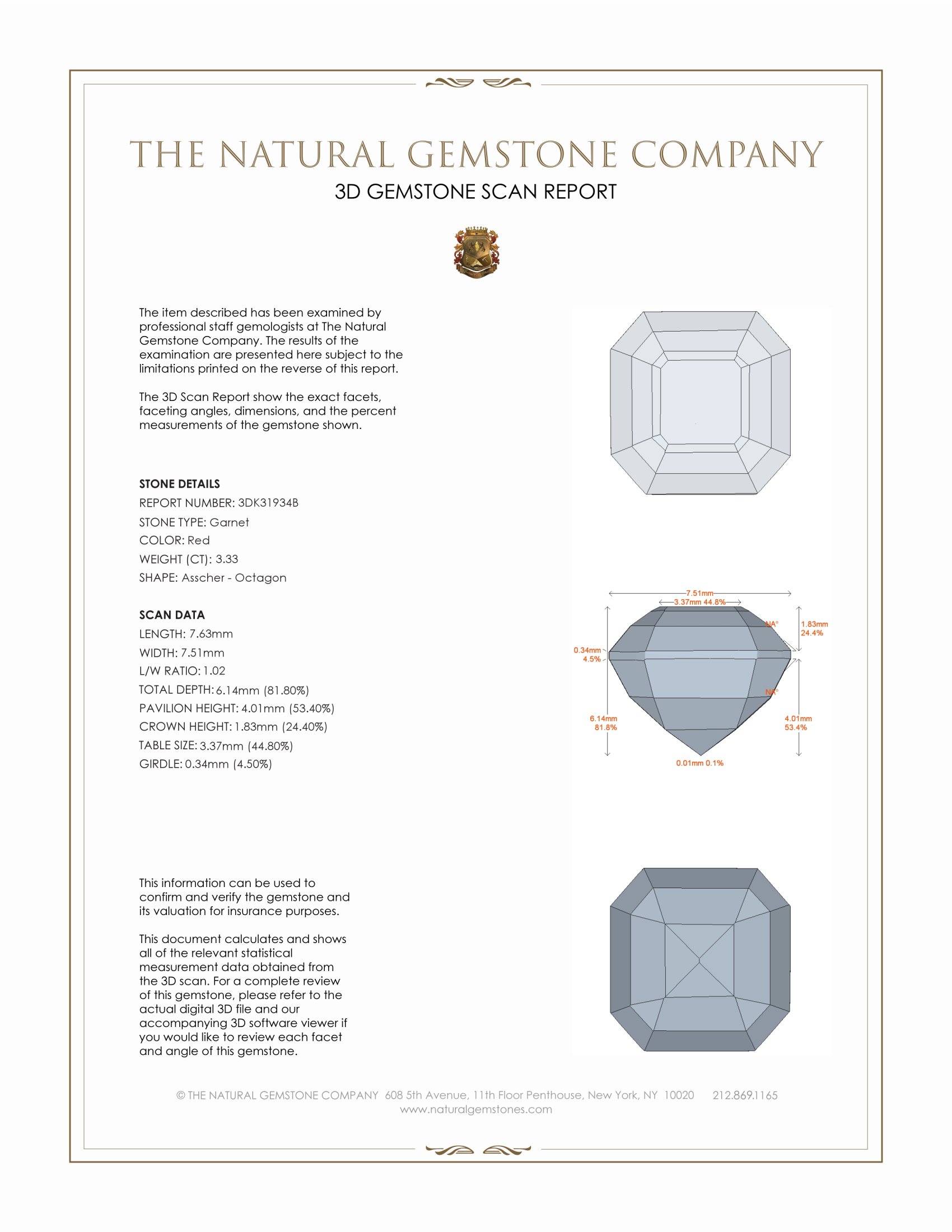
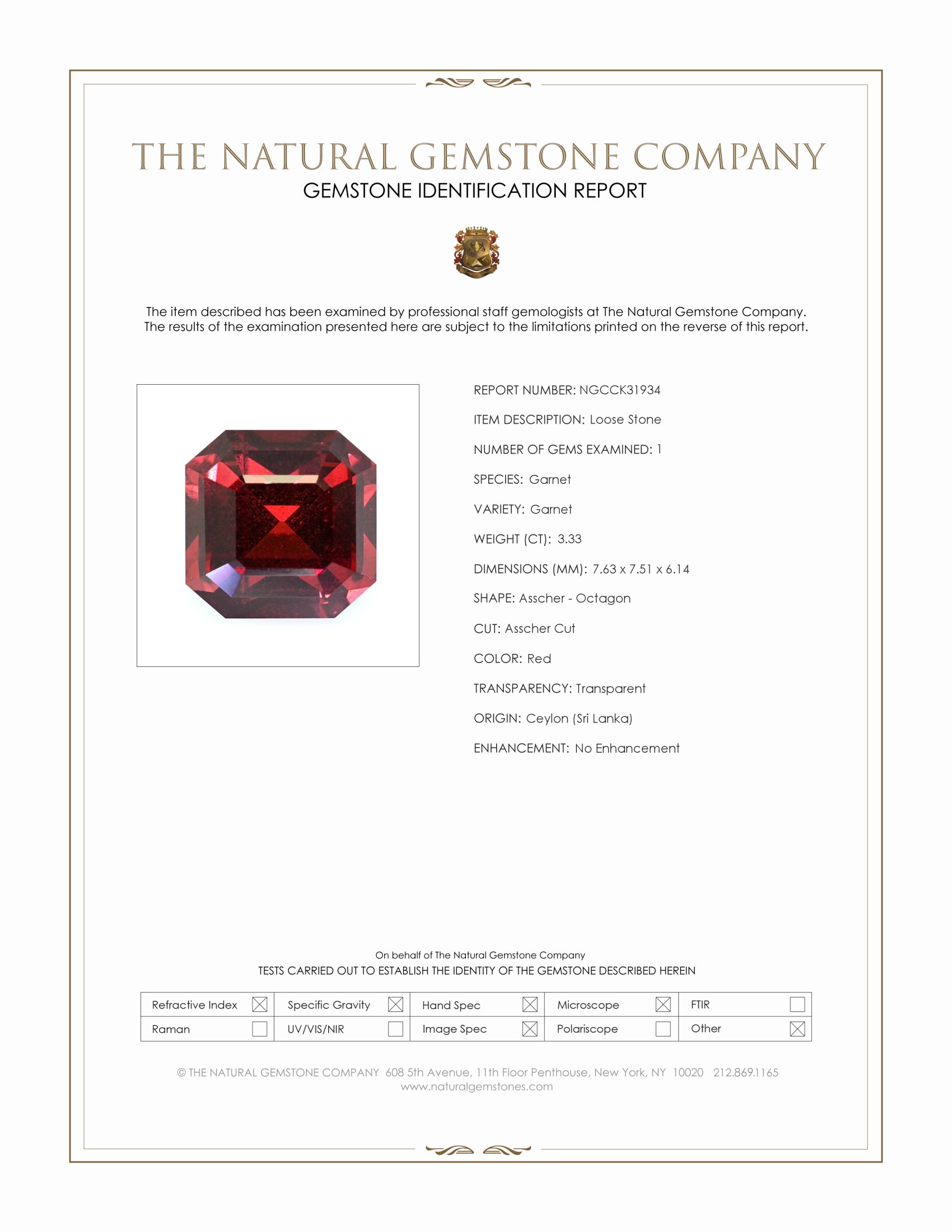
Dimensions (MM): help | Length: 7.63 Width: 7.51 Height: 6.14 |
Weight: | 3.33 Ct. |
Color: help | Red |
Color intensity: help | Vivid |
Clarity: help | Very Slightly Included |
Shape: help | Asscher - Octagon |
Cut: | Asscher Cut |
Cutting style: | Faceted |
Enhancements: help | No Enhancement |
Origin: help | Ceylon (Sri Lanka) |
Per carat price: help | $60 |
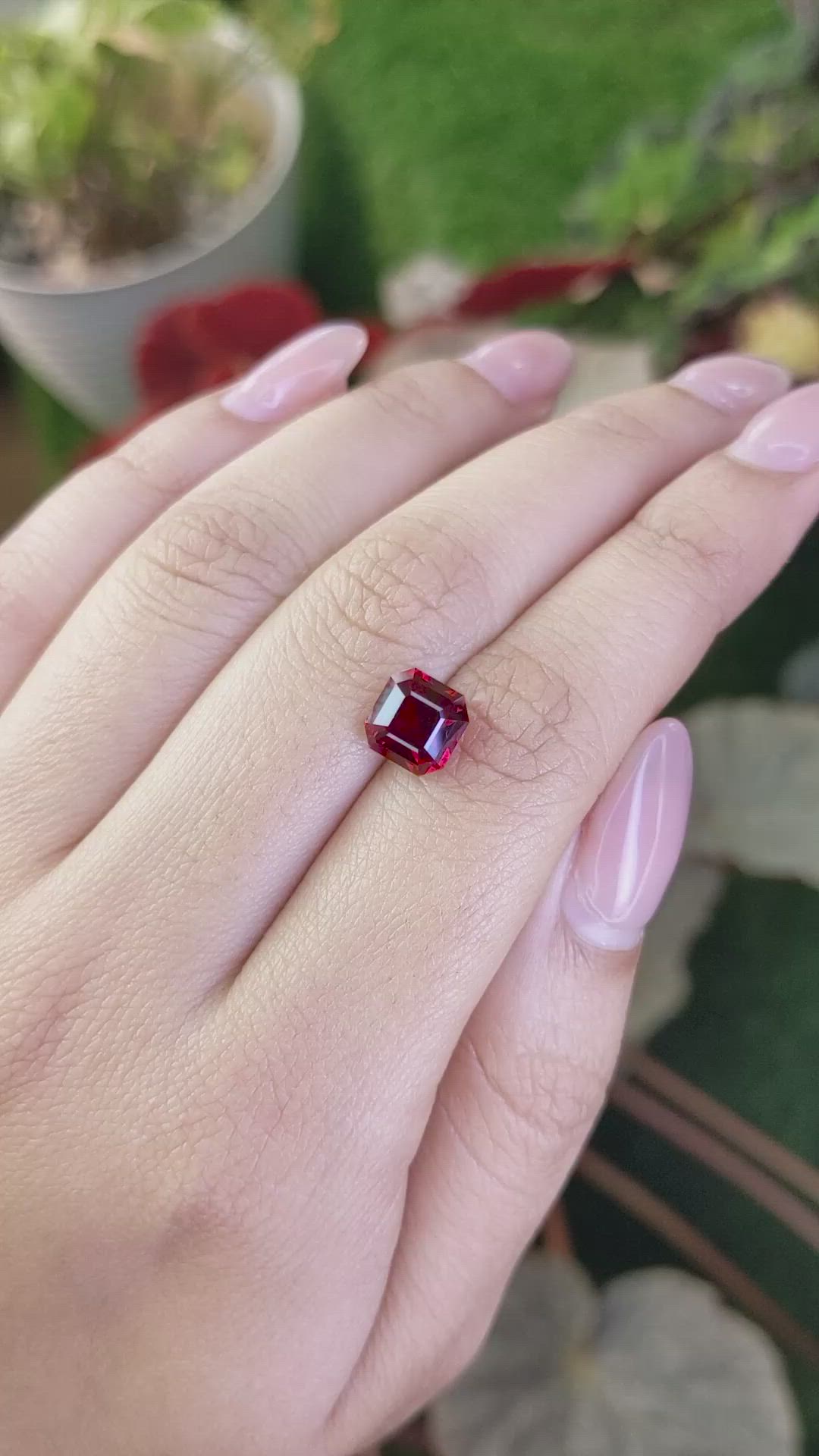
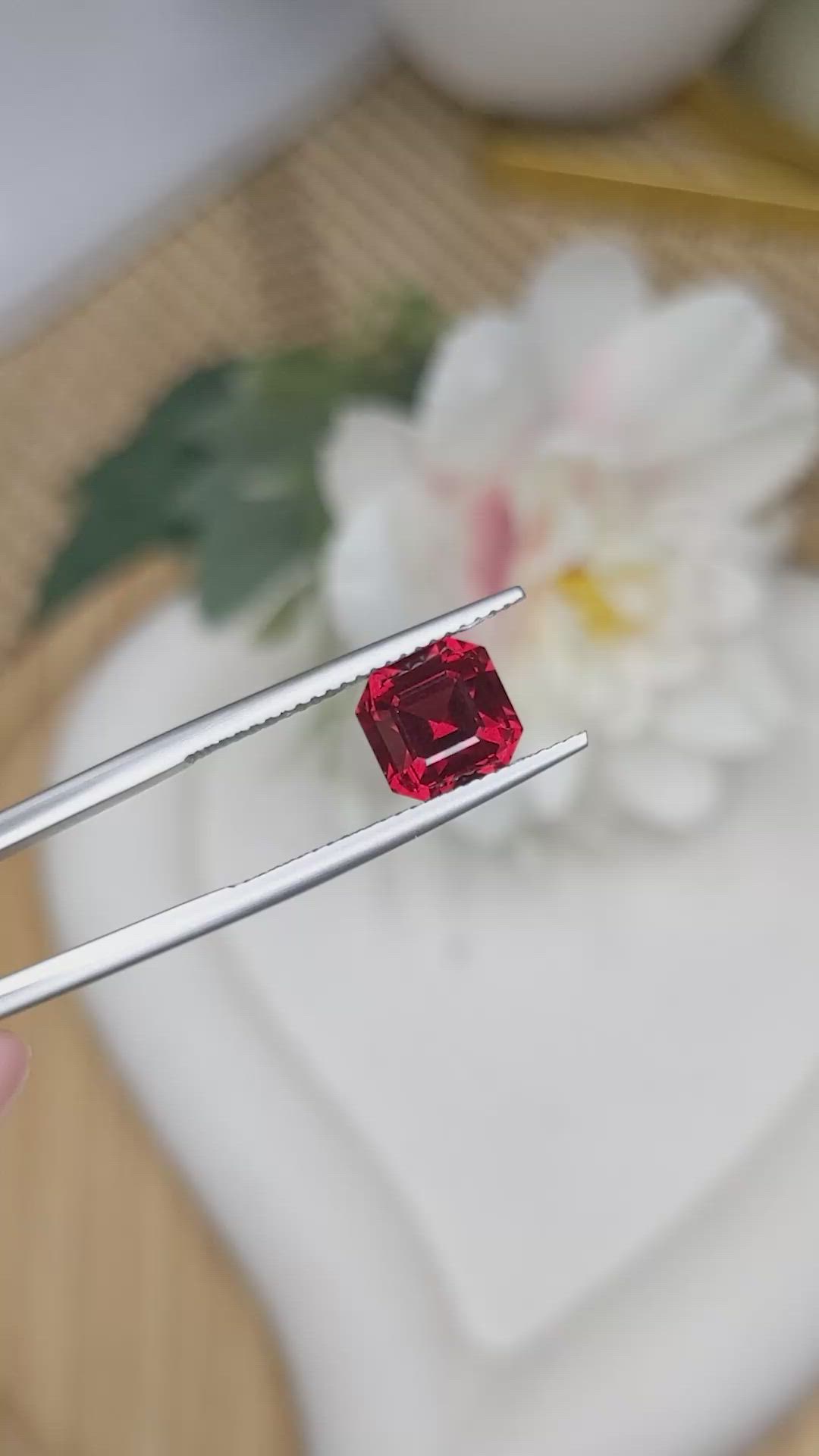
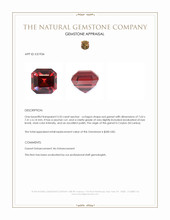
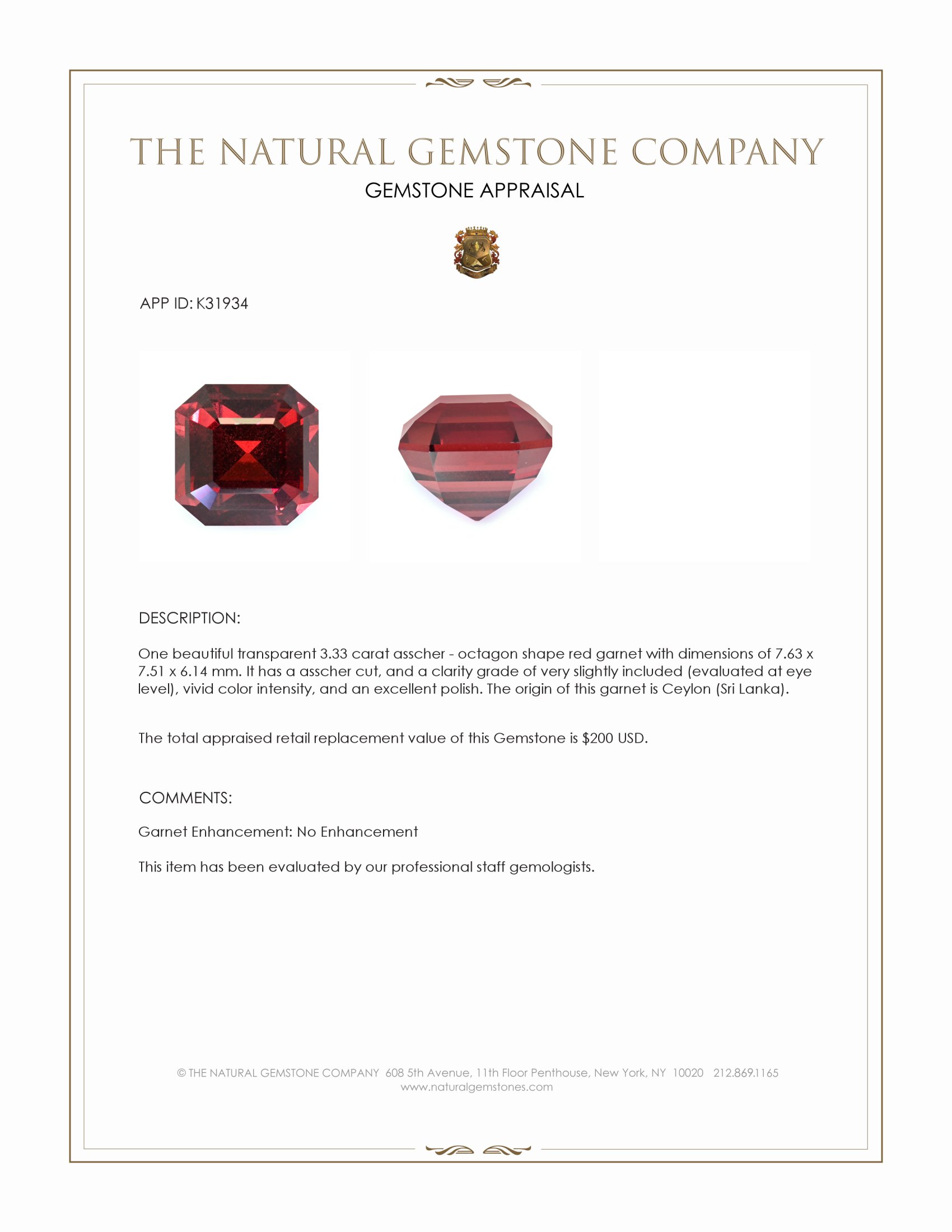
This piece is a transparent, natural red garnet weighing 3.33 carats, presented in an asscher octagon outline with calibrated dimensions of 7.63 x 7.51 x 6.14 mm. The cutting style is faceted with a traditional asscher geometry, featuring concentric step facets on the crown and pavilion and cropped corners that define the octagon silhouette. Clarity is graded as very slightly included evaluated at eye level, which means minor internal characteristics are present but they are minimal and do not compromise overall transparency. Color intensity is vivid, with a saturated, cool to slightly warm red face up, and the finish is described as excellent polish with precise facet junctions. The stone is untreated, no enhancement, and its geographic origin is Ceylon Sri Lanka, a provenance that contributes to its desirability among collectors and connoisseurs.
From a lapidary perspective the asscher cut applied to a garnet of this size emphasizes color uniformity and facet architecture rather than scintillation alone. The large central table and concentric step planes yield controlled light return and a series of mirrored reflections, producing the hallmark hall of mirrors effect associated with asscher cuts. The gem exhibits a relatively deep profile, approximately 81 percent depth when measured against the mean of the length and width, which intensifies color saturation and produces a rich, velvety face up. Because garnet is optically isotropic, the gem does not display pleochroism or birefringence, therefore the cutter relies on proportion and facet symmetry to manage light behavior. Typical refractive index values for garnets fall between approximately 1.73 and 1.79 depending on species, and the material in this example presents strong single index refraction and pleasing dispersion for lively fire without the complications of double refraction.
Craftsmanship details worth noting include the precision of the step facet planes, the balanced crown height relative to the pavilion, and an even girdle that allows secure setting without obscuring light performance. The asscher faceting sequence produces broad, flat facets on the crown which make polish quality and facet junction sharpness especially important, and this specimen shows clean facet lines and an absence of polish haze. Specific gravity for garnet species varies, typically between 3.5 and 4.3, which informs how the 3.33 carat weight presents in the hand, offering a substantial presence while retaining comfortable wearability in rings and pendants. Hardness for garnets in this group generally sits in the range of 6.5 to 7.5 on the Mohs scale, making this stone durable enough for regular wear with standard care, while still benefiting from protective settings for the clipped corners.
There is a long heritage for red garnets, and this example from Ceylon sits within that lineage. Throughout history garnets have been used as amulets, signet stones, in ceremonial regalia and in bridal ornaments, valued for their protective associations and their capacity to hold richly saturated color. In the Indian Ocean region Sri Lanka has been a historic source for colored gems and traders on the island supplied gems to royal workshops and religious communities, where garnets were set into rings, necklaces and ritual objects. The asscher form evokes vintage signet and cluster ring aesthetics, and a deep Ceylon red garnet such as this will read as both classical and restrained, suitable for designs that reference historic European and South Asian traditions while employing modern precision cutting.
For practical use and setting recommendations the asscher octagon works exceptionally well in four prong or bezel settings that protect the clipped corners, and a low to medium profile mounting will complement the stone's deep pavilion and preserve its concentrated color. A stepped halo or channel set collar will echo the step-cut faceting and maintain optical coherence, while open gallery designs can be used to allow light entry for increased face up brightness. Cleaning by warm soapy water and gentle brushing is recommended, avoiding harsh chemicals and prolonged exposure to extreme heat. At The Natural Gemstone Company we supply this garnet as a natural, untreated example with photographic documentation and measurements, and we can provide additional close up images and mounting advice on request for discerning clients who require precise matching to metal and setting design.


