
- Stone14
- Reports3


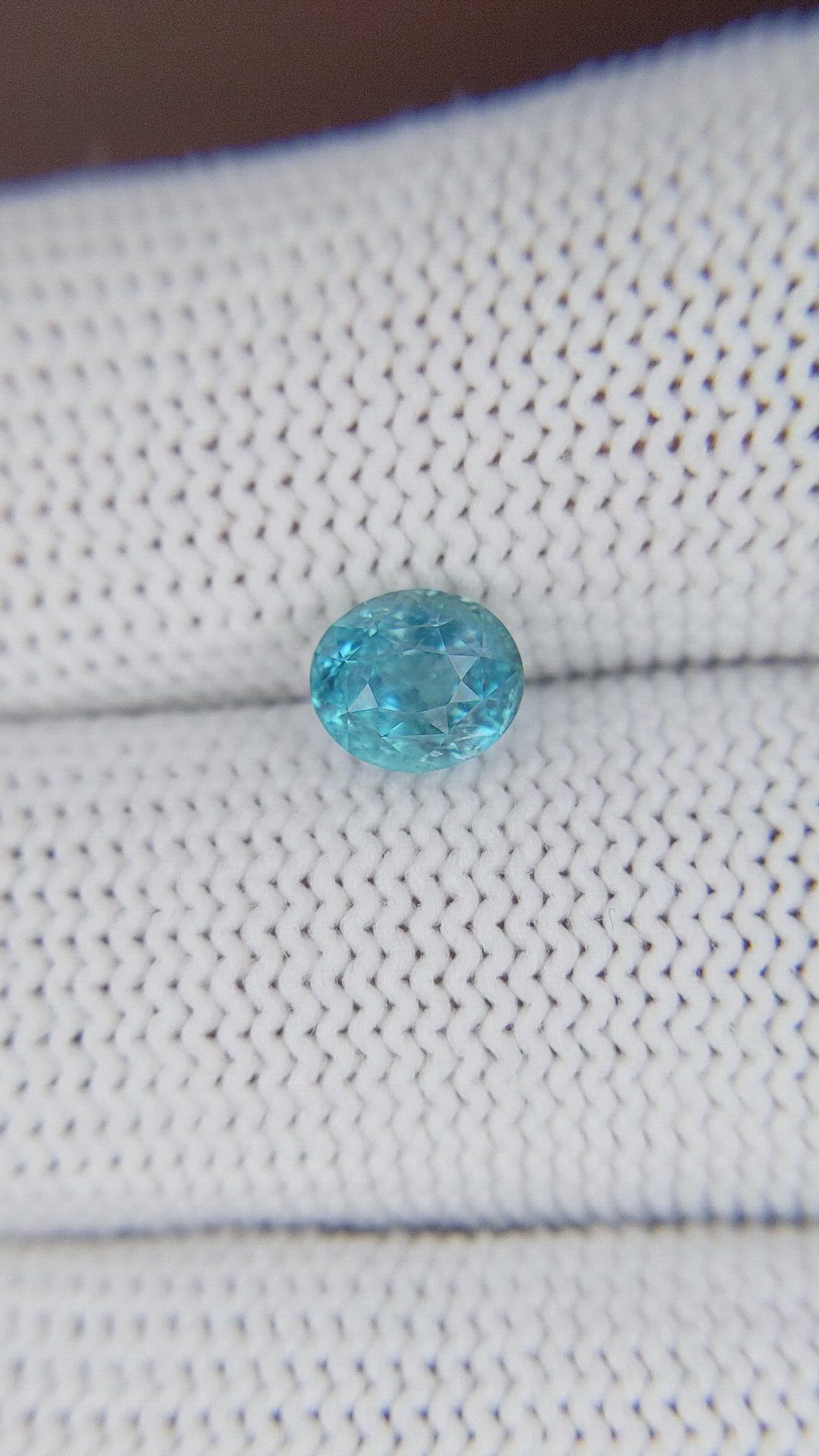
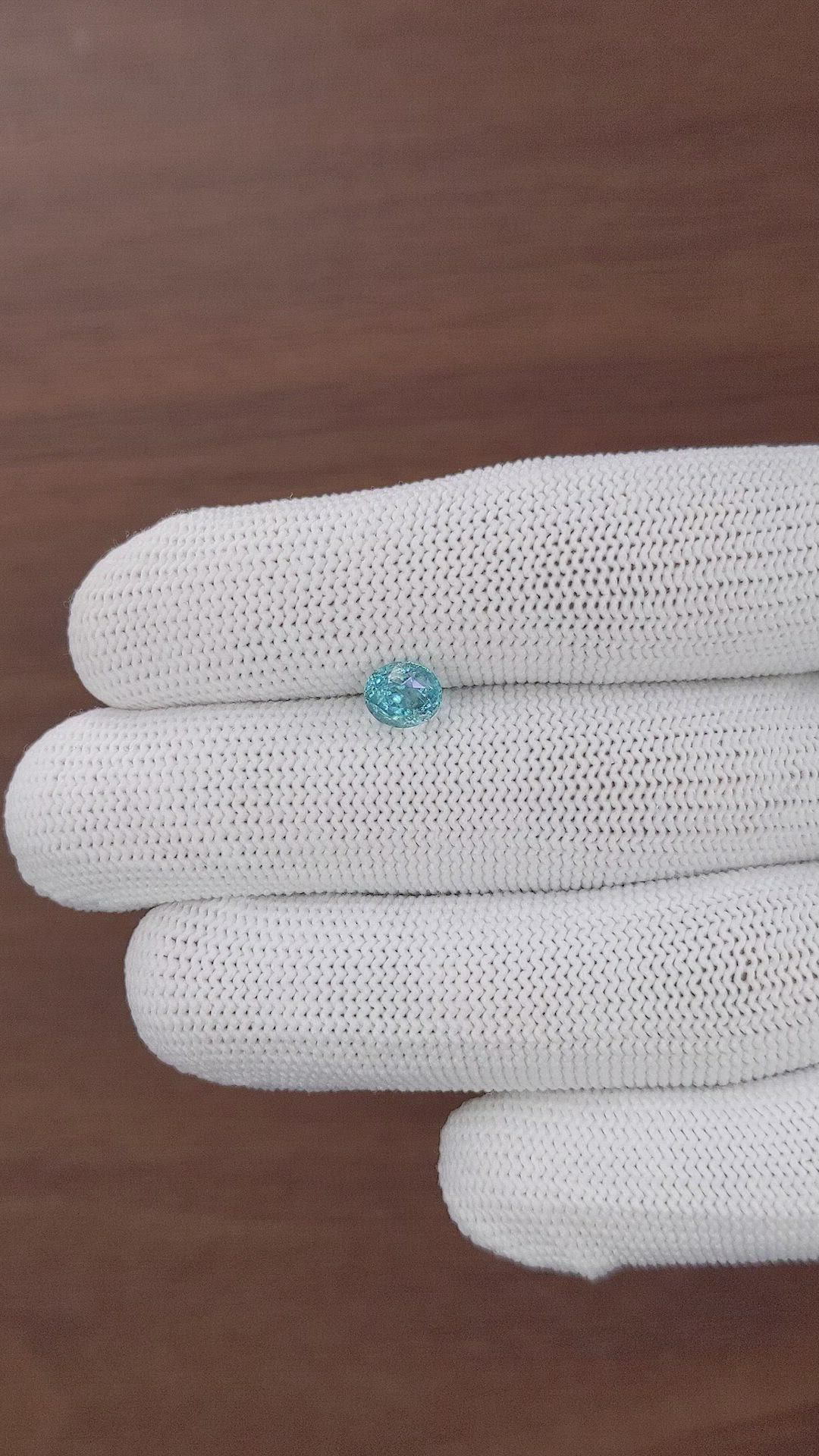
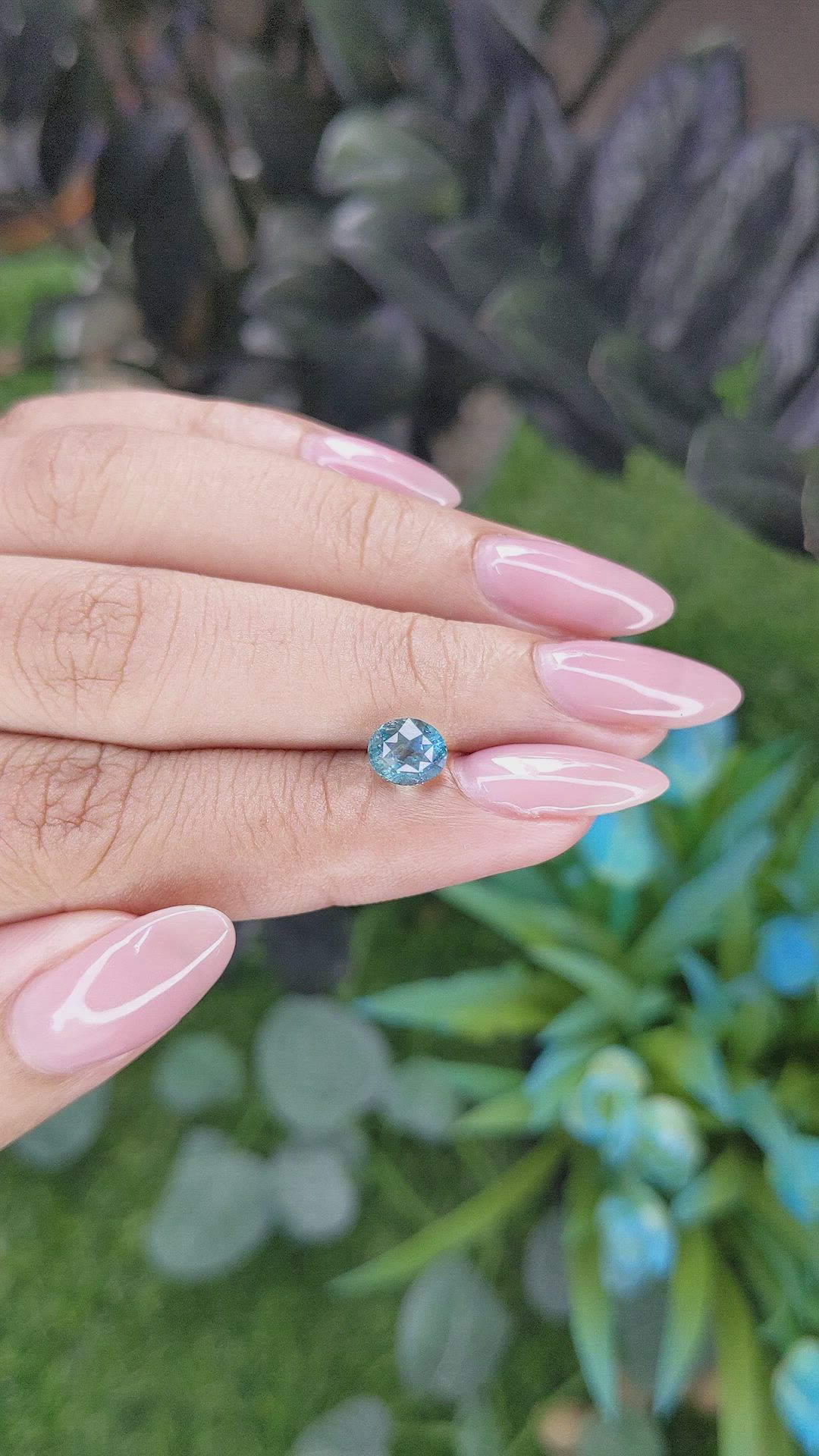
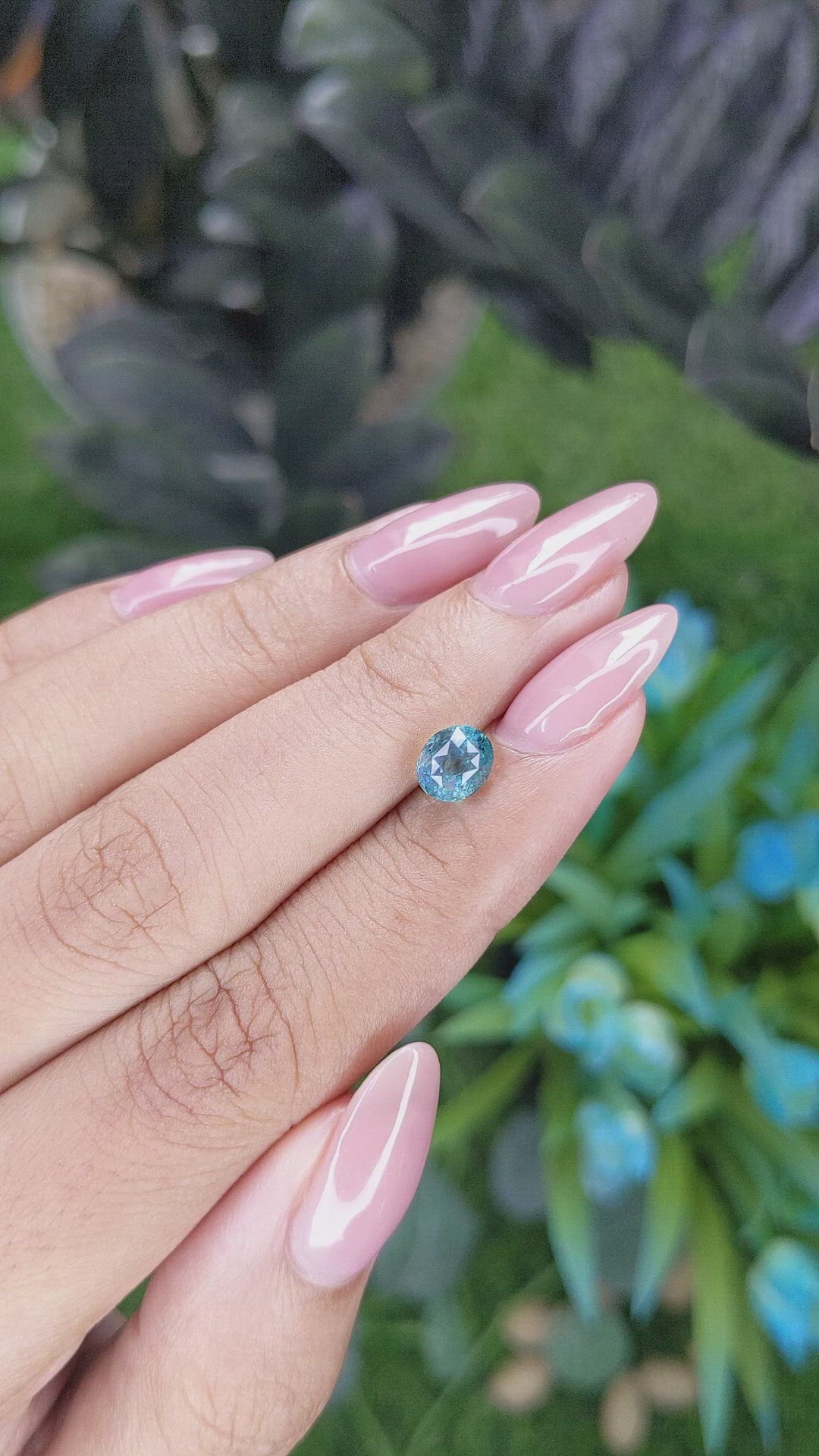
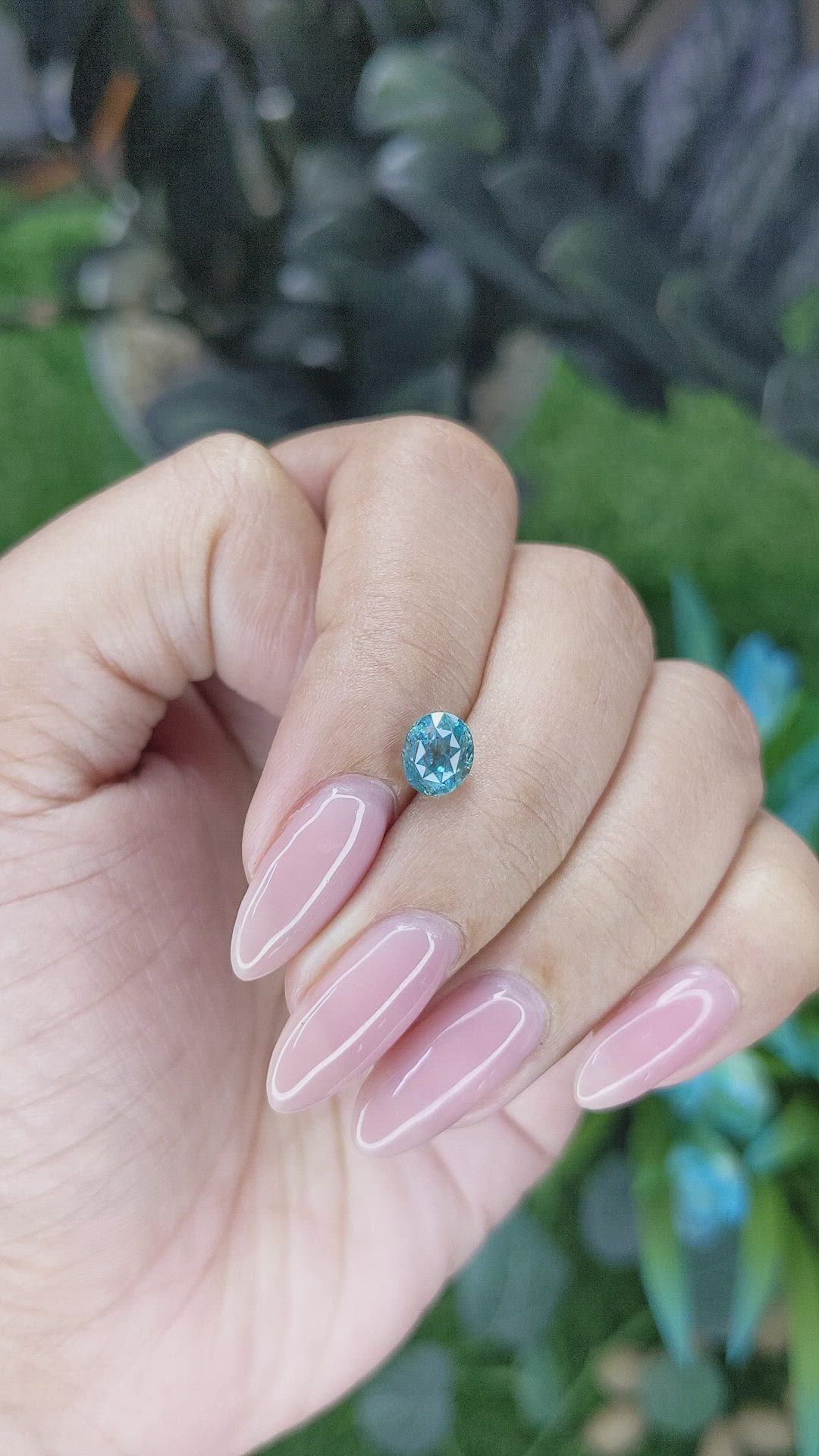



1.14 Ct. Greenish Blue Grandidierite from Madagascar
This loose stone ships by Oct 10
Item ID: | K25491 |
|---|---|
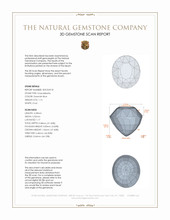
Dimensions (MM): help | Length: 6.48 Width: 5.55 Height: 5.08 |
Weight: | 1.14 Ct. |
Color: help | Greenish Blue |
Color intensity: help | Medium |
Clarity: help | Included |
Shape: help | Oval |
Cut: | Mixed Brilliant Cut |
Cutting style: | Faceted |
Enhancements: help | No Enhancement |
Origin: help | Madagascar |
Per carat price: help | $3,651 |
One look at this beautiful transparent 1.14 carat oval greenish blue grandidierite and the subtle complexity of its color becomes immediately apparent. The gem measures 6.48 x 5.55 x 5.08 mm and has been fashioned with a mixed brilliant cut to balance sparkle and color saturation. Clarity is graded included at eye level, a common and expected grade for grandidierite that still allows excellent transparency and light return. Color intensity is medium, presenting a calm oceanic greenish blue that shifts slightly with viewing angle. Polish is noted as excellent, indicating very fine facet finish and crisp facet junctions that support lively reflections. There has been no enhancement to this stone, so what you see is natural color and structure, direct from Madagascar, the classic locality for fine grandidierite. At The Natural Gemstone Company we present this piece as an example of a collector quality gem that pairs natural rarity with wearable size and a refined cut.
When evaluating this grandidierite for use in jewelry or as a collectible, several technical observations are important. The mixed brilliant cut was chosen to maximize return of light from a gem that tends to display subtle rather than electric color. The proportions, together with an excellent polish, help the medium color intensity read clearly even in smaller settings. The included clarity grade means that there are internal characteristics visible to the unaided eye when examined at normal viewing distance, yet the stone remains transparent and lively. In practical terms those inclusions can add character and confirm the natural origin, because many high value grandidierites are sold untreated and typically show modest internal features. Origin from Madagascar is significant, because Madagascar remains the primary source for gem quality material and provenance from this island is highly desirable to educated buyers. No enhancement enhances the appeal to collectors who prioritize natural state and documented source.
Comparatively, this greenish blue grandidierite occupies a distinctive position alongside better known historical gems. Visually it shares the cool blue green family with aquamarine, yet it differs materially from beryl in rarity and optical behavior. Aquamarines tend to be more uniform in tone, while grandidierite often exhibits a slight directional color effect that makes each stone feel unique. In terms of rarity and collector interest it can be likened to the historic fascination with alexandrite, not because it changes color in the same dramatic way, but because fine grandidierite is uncommon and prized by connoisseurs for its individuality. It also invites comparison with famous blue green gems such as certain sapphires and paraiba tourmalines in terms of the emotional response its color elicits. Where paraiba tourmalines command attention for neon saturation, grandidierite rewards a more nuanced appreciation of subtle oceanic hues and natural pleochroic shift in light. Historically speaking, grandidierite has not been seen in the same volume or spectral fame as the great sapphires or diamonds that populate royal treasuries, making it an intriguing choice for buyers who want a gem with a story that is less told but equally compelling.
For the educated buyer and the discerning collector the value proposition is multifaceted. First, the stone is natural and unenhanced, a feature that carries clear premium for those who understand the long term importance of provenance and treatment disclosure. Second, the combination of a generous 1.14 carat weight, transparent body, and excellent polish in an oval mixed brilliant cut makes this gem versatile for a variety of fine jewelry settings while retaining collector appeal. Third, Madagascar origin and the typical scarcity of gem quality grandidierite mean that similar stones do not appear frequently on the market, which supports desirability among specialists. The included clarity should be understood not as a flaw in usability but as a fingerprint of natural formation, often accepted by connoisseurs and sometimes preferred because it corroborates authenticity. If you are considering this grandidierite for a bespoke ring, pendant, or as part of a focused collection, the stone is ready to be set and enjoyed. At The Natural Gemstone Company we can provide additional photographs under different lighting to illustrate pleochroic tendencies and offer guidance on mounting and care. For longevity we recommend secure settings and normal care practices such as avoiding hard knocks, storing separately from harder gems, and cleaning with mild soap and a soft brush to preserve the excellent polish and natural beauty.


