
- Stone16
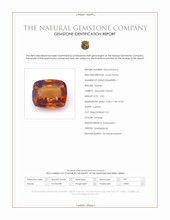
- Reports3


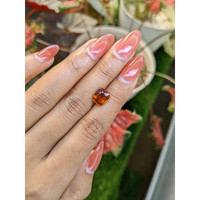


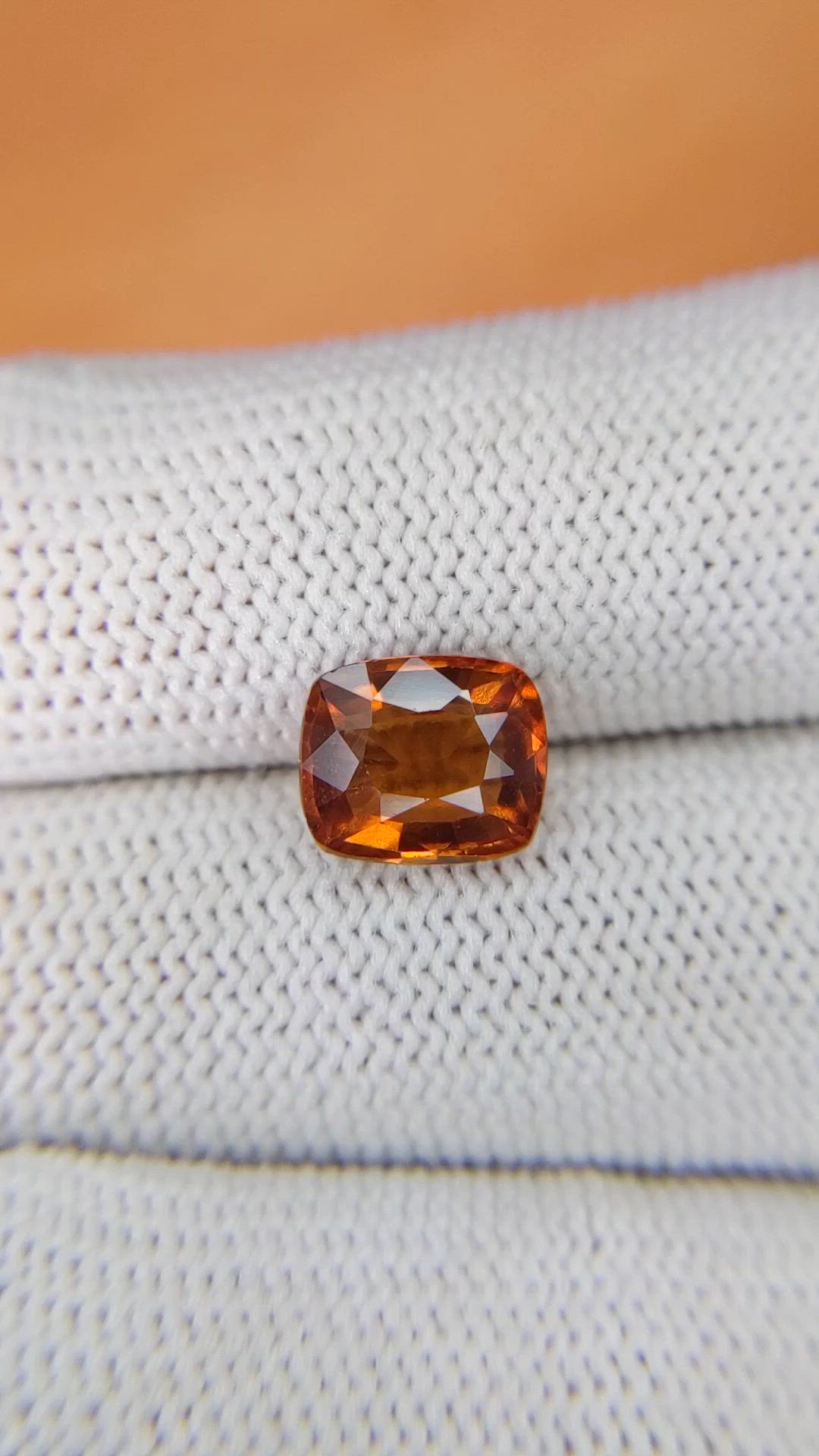
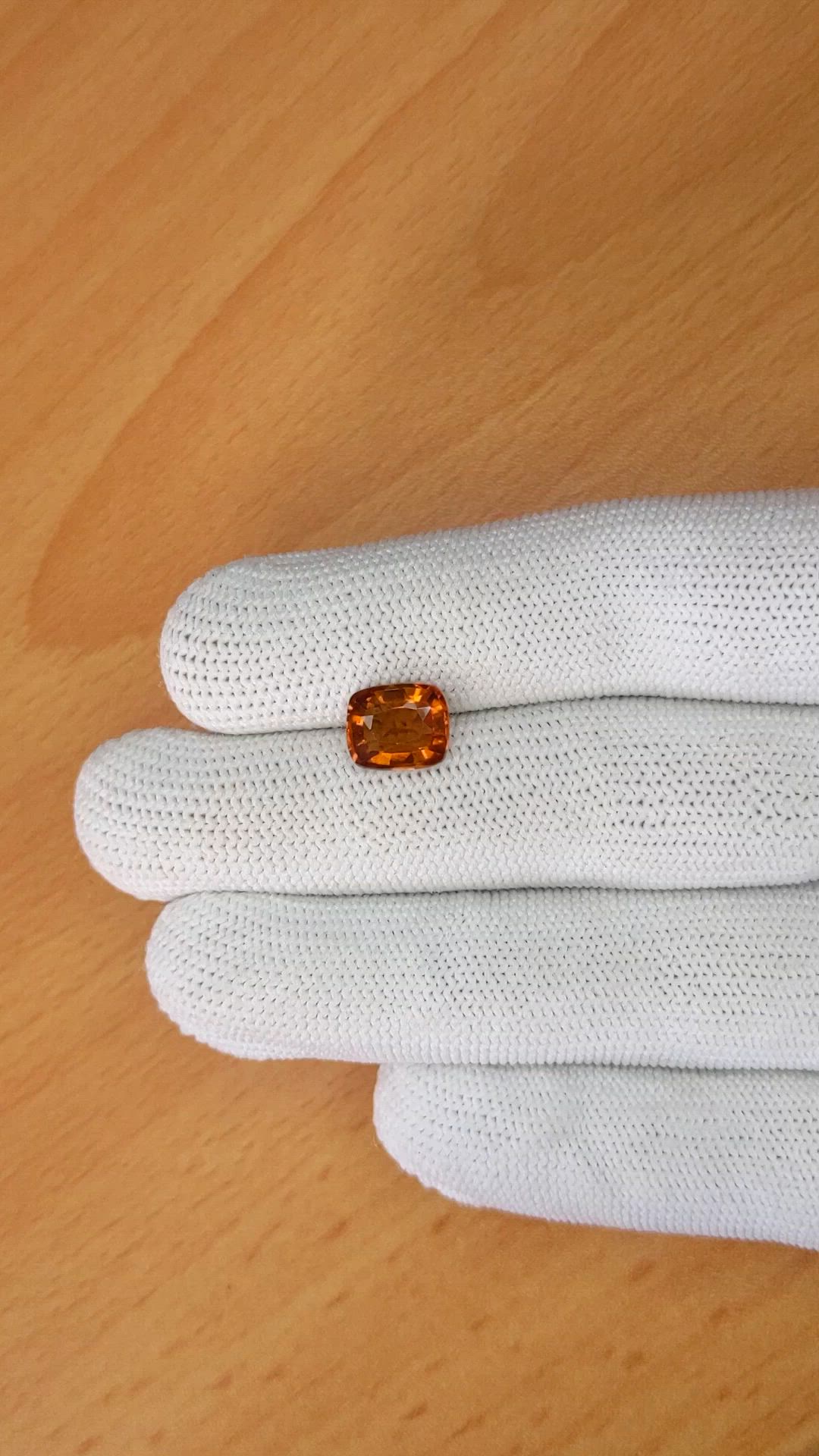
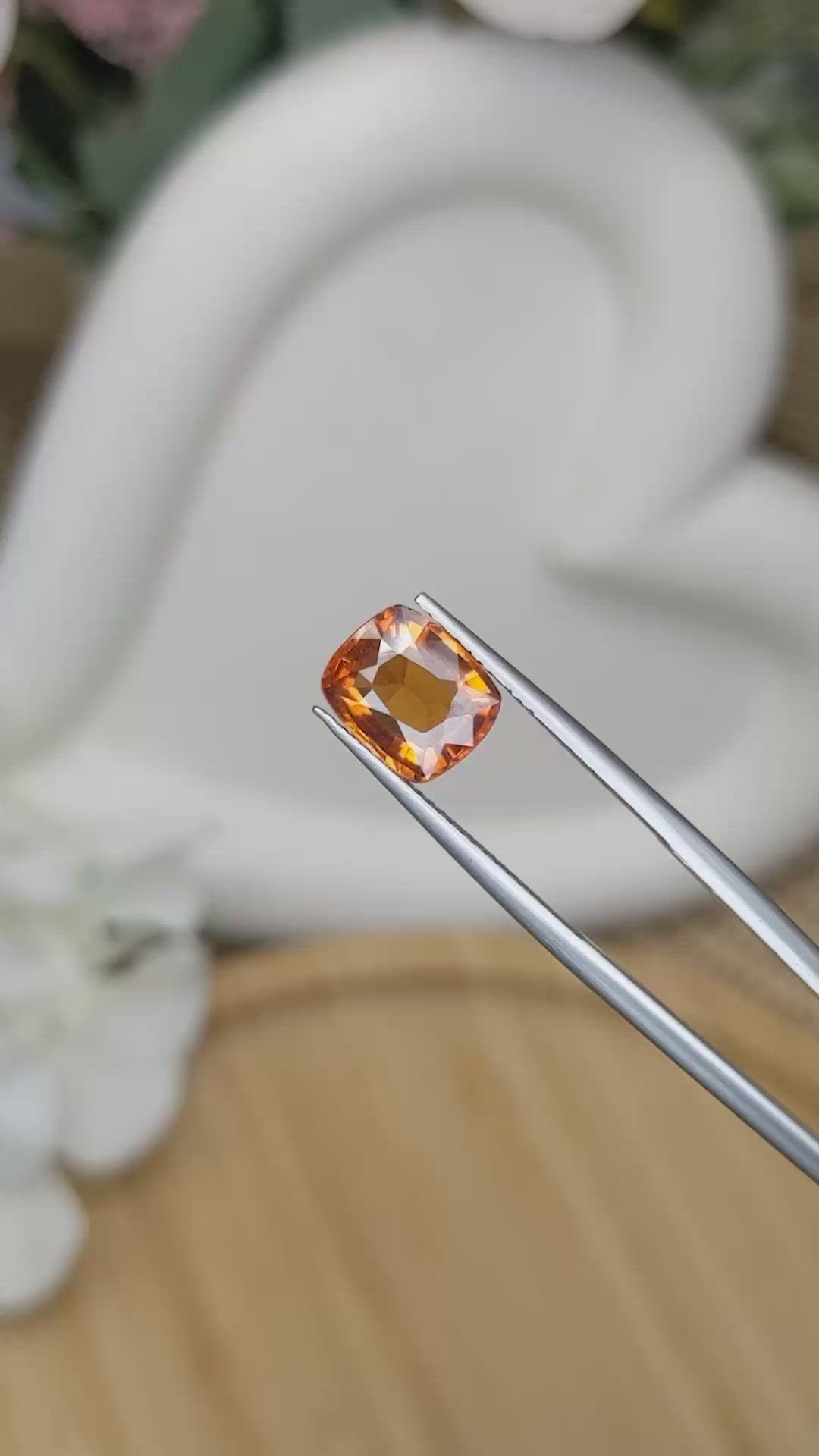
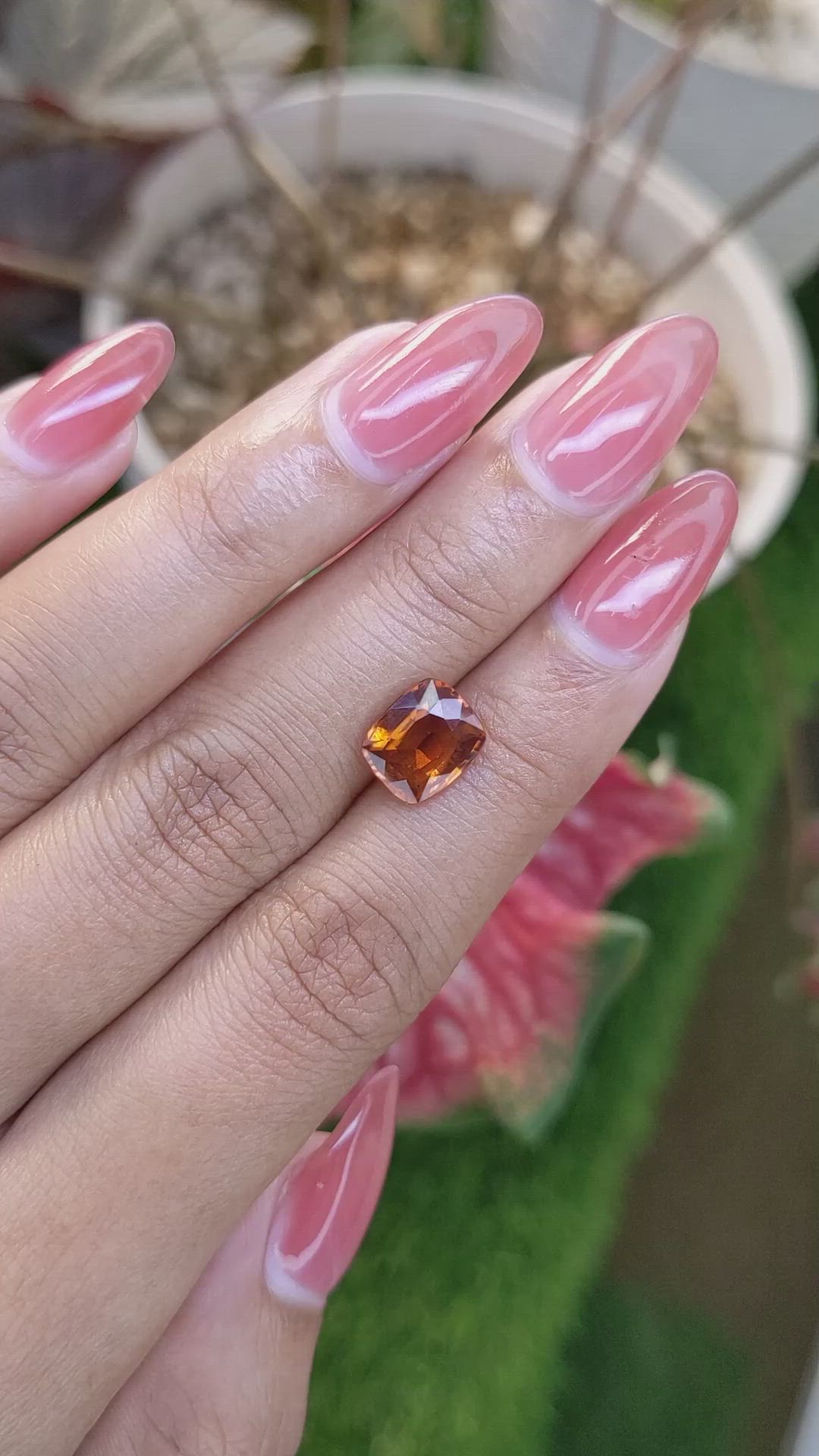
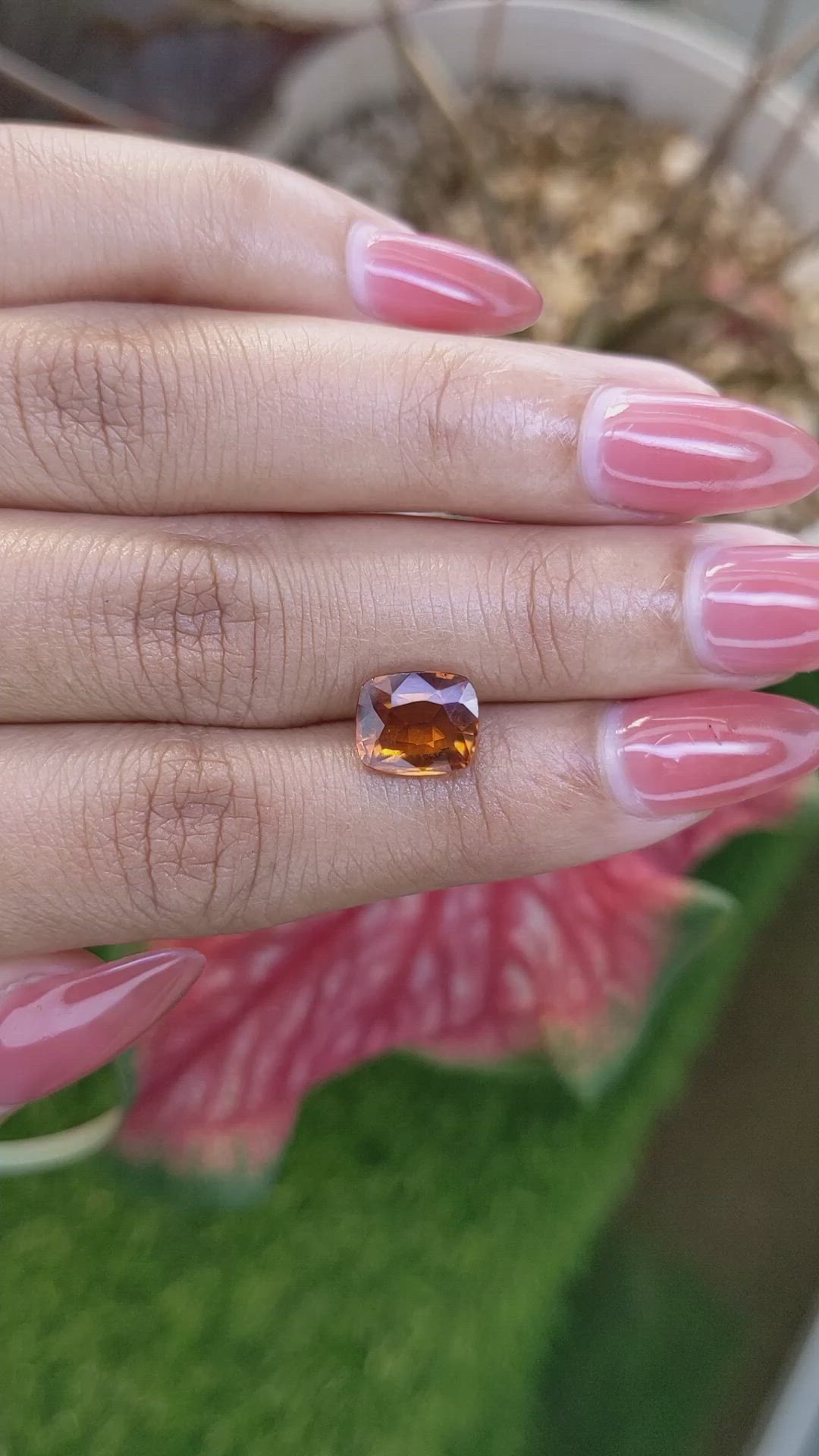
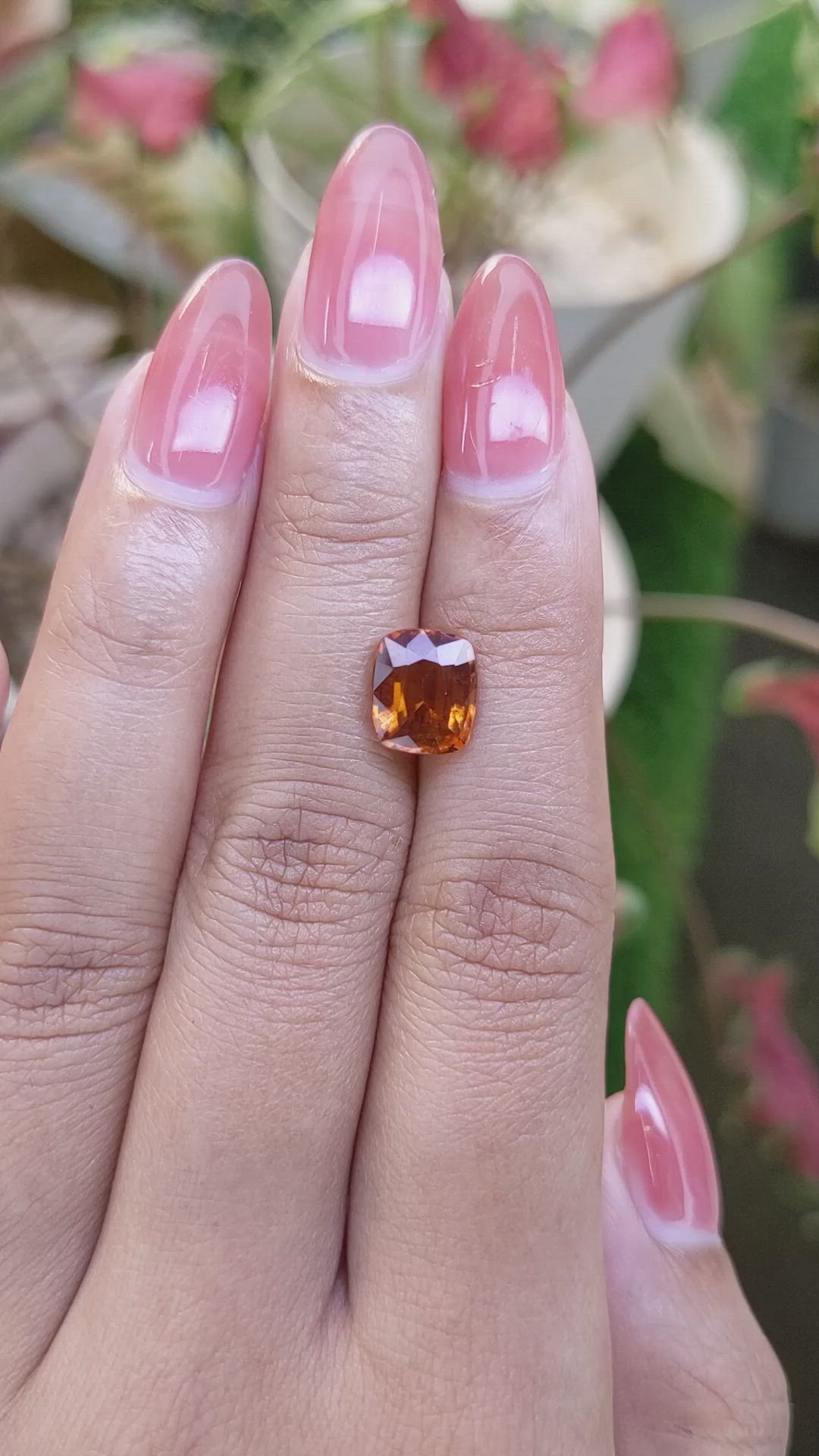




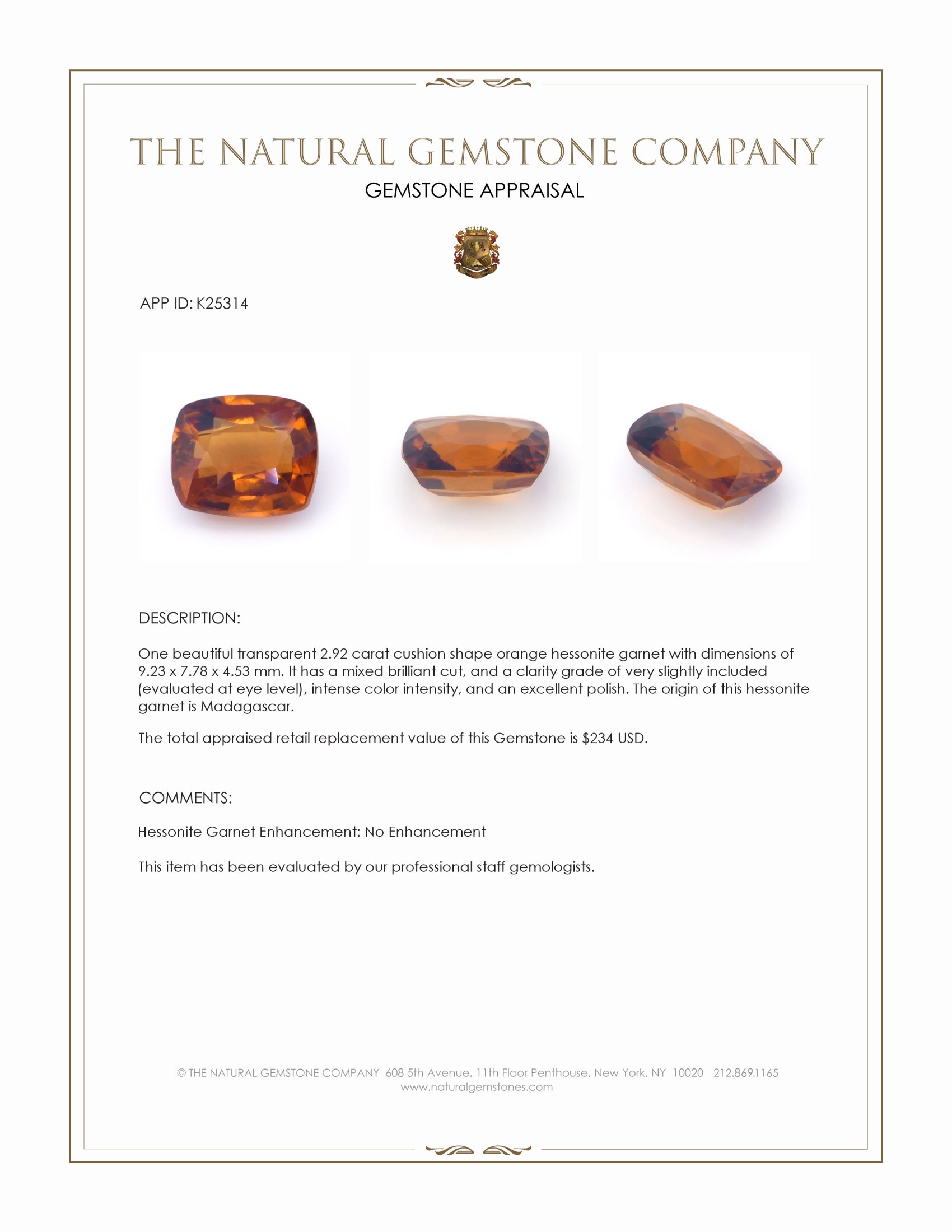
2.92 Ct. Orange Hessonite Garnet from Madagascar
This loose stone is available to ship now
Item ID: | K25314 |
|---|---|
Dimensions (MM): help | Length: 9.23 Width: 7.78 Height: 4.53 |
Weight: | 2.92 Ct. |
Color: help | Orange |
Color intensity: help | Intense |
Clarity: help | Very Slightly Included |
Shape: help | Cushion |
Cut: | Mixed Brilliant Cut |
Cutting style: | Faceted |
Enhancements: help | No Enhancement |
Origin: help | Madagascar |
Per carat price: help | $80 |
This cushion shape hessonite garnet weighs 2.92 carats and measures 9.23 x 7.78 x 4.53 millimeters, presenting a transparent body and an intense color. The cutter selected a mixed brilliant faceting scheme, integrating a stepped pavilion with a brilliant style crown to optimize return and scintillation for this slightly deeper tone material. Clarity is graded very slightly included when evaluated at eye level, meaning there are minimal internal features that do not materially interrupt the window or the overall light performance. The polish is excellent, showing crisp facet junctions and smooth table and girdle surfaces, and the stone has received no enhancement. Origin is Madagascar, and the combination of weight, proportions, and finishing yields a well balanced pavilion depth that supports both strong face up color and controlled internal reflection, allowing the orange hue to present with depth rather than flattening or looking washed out under standard viewing conditions.
Hue and tone are critical when comparing hessonite material from different localities, and this Madagascar specimen occupies a distinctive part of the spectrum. The primary hue is a rich orange with brownish undertone, and tone sits in a medium to slightly dark range while saturation remains intense, producing a visually warm and resonant appearance. Compared to classic Sri Lankan hessonites, which often show lighter honey and golden orange hues with higher yellow component and a brighter overall tone, this Madagascar stone leans toward the warmer, more cinnamon oriented end of the palette. When set alongside Ceylon examples, the Madagascar piece reads as deeper and more autumnal, with less of the pale citrus quality and more orange brown complexity. Versus East African spessartine garnets, particularly those from Namibia and Nigeria, the difference is also clear, because spessartine typically carries a purer, more vivid orange to reddish orange hue with higher optical saturation and less brown modulation. In direct comparison the Madagascar hessonite offers a more nuanced, resinous orange that favors warmth and depth over pure chromatic intensity, and this makes it especially desirable for designs that call for a vintage or rich earthy aesthetic rather than a neon or high chroma statement.
The mixed brilliant cut on this cushion shaped example emphasizes face up brilliance while preserving the saturated color, and the pavilion and crown relationships were executed to control light leakage and maintain color even at steeper viewing angles. Facet arrangement uses larger crown facets to allow flashes of brilliance, while the pavilion facets are proportioned to create a measured return and to support the stone s slightly dark tone without causing windowing. The very slightly included clarity classification is advantageous from a lapidary perspective because it permitted the cutter to retain weight and shape while producing clean facet outlines, and the inclusions are positioned and sized such that they do not compromise clarity under normal wearing conditions. For setting recommendations, a bezel setting will protect the cushion corners and emphasize the stone s warm color, while a fine prong setting with low profile claws will maximize light entry and display the mixed brilliant fanning that contributes to the stone s scintillation. For collectors and designers seeking a natural, unenhanced material with stable color and proven origin documentation, this Madagascar hessonite is notable, and The Natural Gemstone Company affirms the stone s provenance and finishing. The combination of precise dimensions, expert faceting, intense color, and lack of enhancement makes this gem an excellent candidate for bespoke jewelry projects where coloration and artisanal cutting are primary selection criteria.


