
- Stone13
- Reports2
-various-green-jade-2.8700-cts-k24968-1.jpg?d=200x200&v=20260521044509)
-various-green-jade-2.8700-cts-k24968-lifestyleimage-1.jpg?d=200x200&v=20260521034348)
-various-green-jade-2.8700-cts-k24968-lifestyleimage-2.jpg?d=200x200&v=20260521034349)
-various-green-jade-2.8700-cts-k24968-lifestyleimage-3.jpg?d=200x200&v=20260521034349)
-various-green-jade-2.8700-cts-k24968-lifestyleimage-4.jpg?d=200x200&v=20260521034349)
-various-green-jade-2.8700-cts-k24968-1.jpg?d=750x750&s=ngc&v=20260521044509)
-various-green-jade-2.8700-cts-k24968-lifestyleimage-1.jpg?d=750x750&s=ngc&v=20260521034348)
-various-green-jade-2.8700-cts-k24968-lifestyleimage-2.jpg?d=750x750&s=ngc&v=20260521034349)
-various-green-jade-2.8700-cts-k24968-lifestyleimage-3.jpg?d=750x750&s=ngc&v=20260521034349)
-various-green-jade-2.8700-cts-k24968-lifestyleimage-4.jpg?d=750x750&s=ngc&v=20260521034349)
2.87 Ct. Green Jade from Burma (Myanmar)
This loose stone is available to ship now
Item ID: | K24968 |
|---|---|
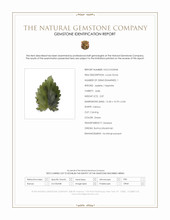
Dimensions (MM): help | Length: 15.4 Width: 10.79 Height: 3.04 |
Weight: | 2.87 Ct. |
Color: help | Green |
Color intensity: help | Medium |
Clarity: help | Not Applicable |
Shape: help | Various |
Cut: | Carving |
Cutting style: | Carving |
Enhancements: help | No Enhancement |
Origin: help | Burma (Myanmar) |
Per carat price: help | $20 |
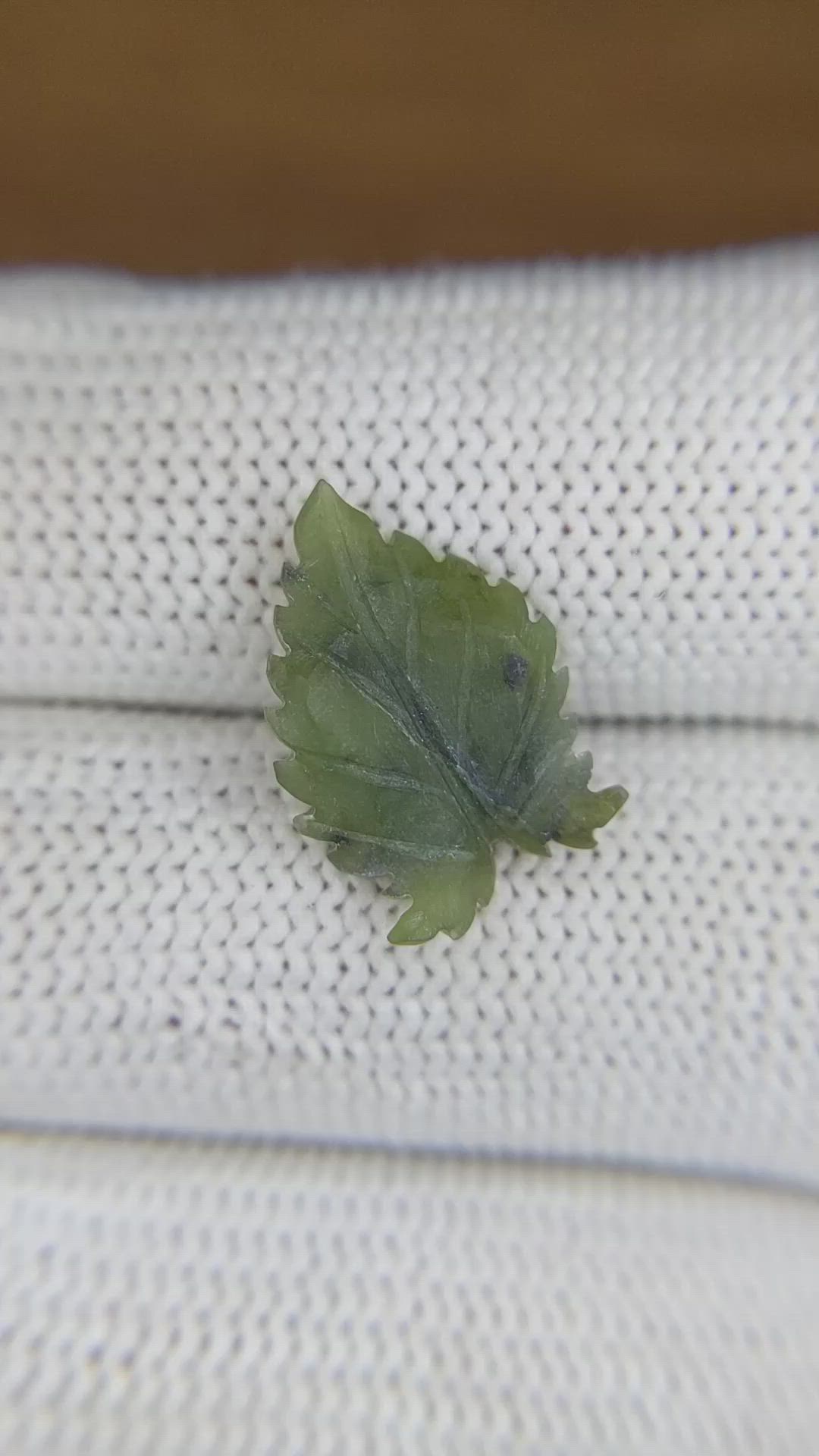
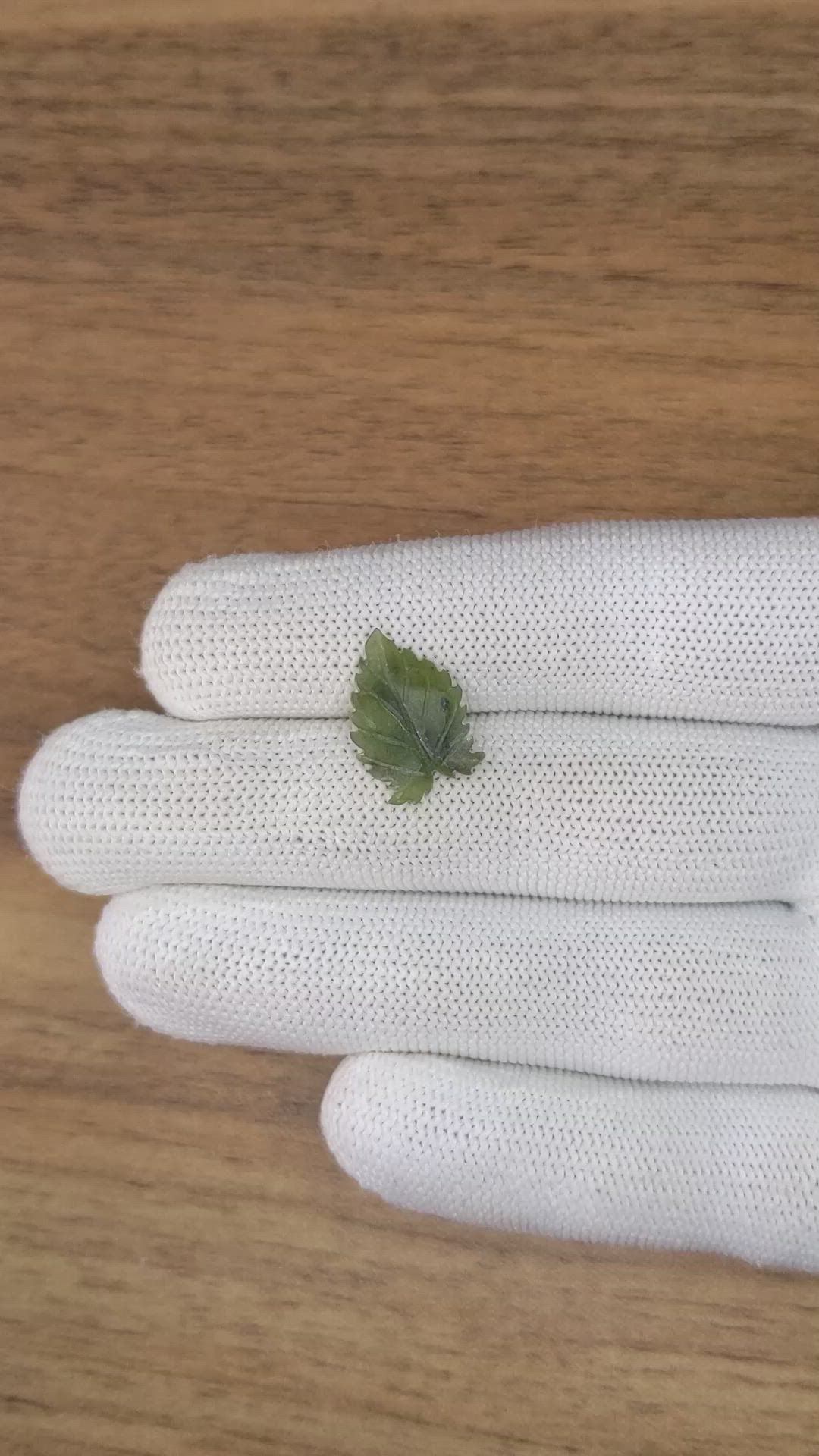
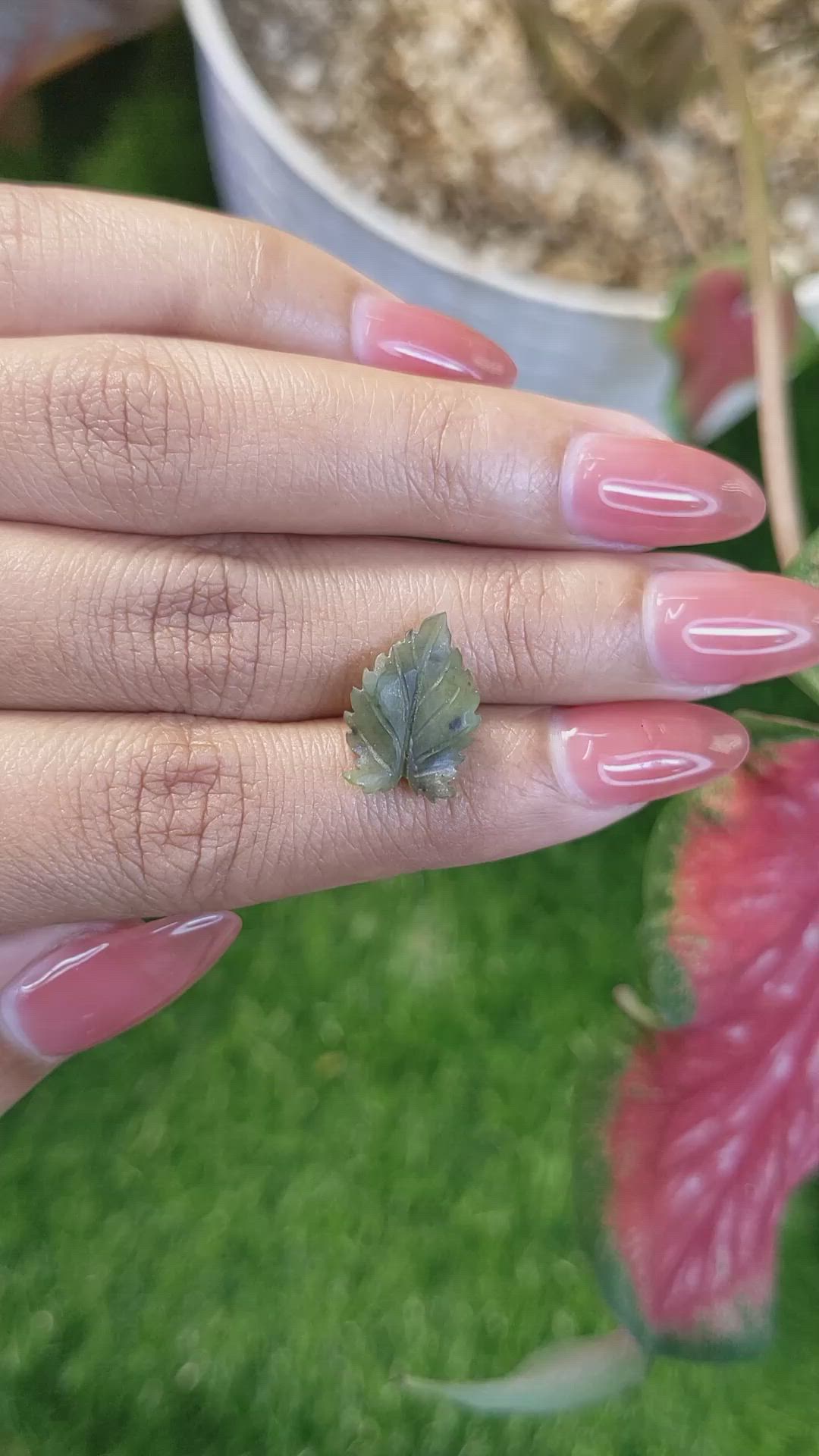
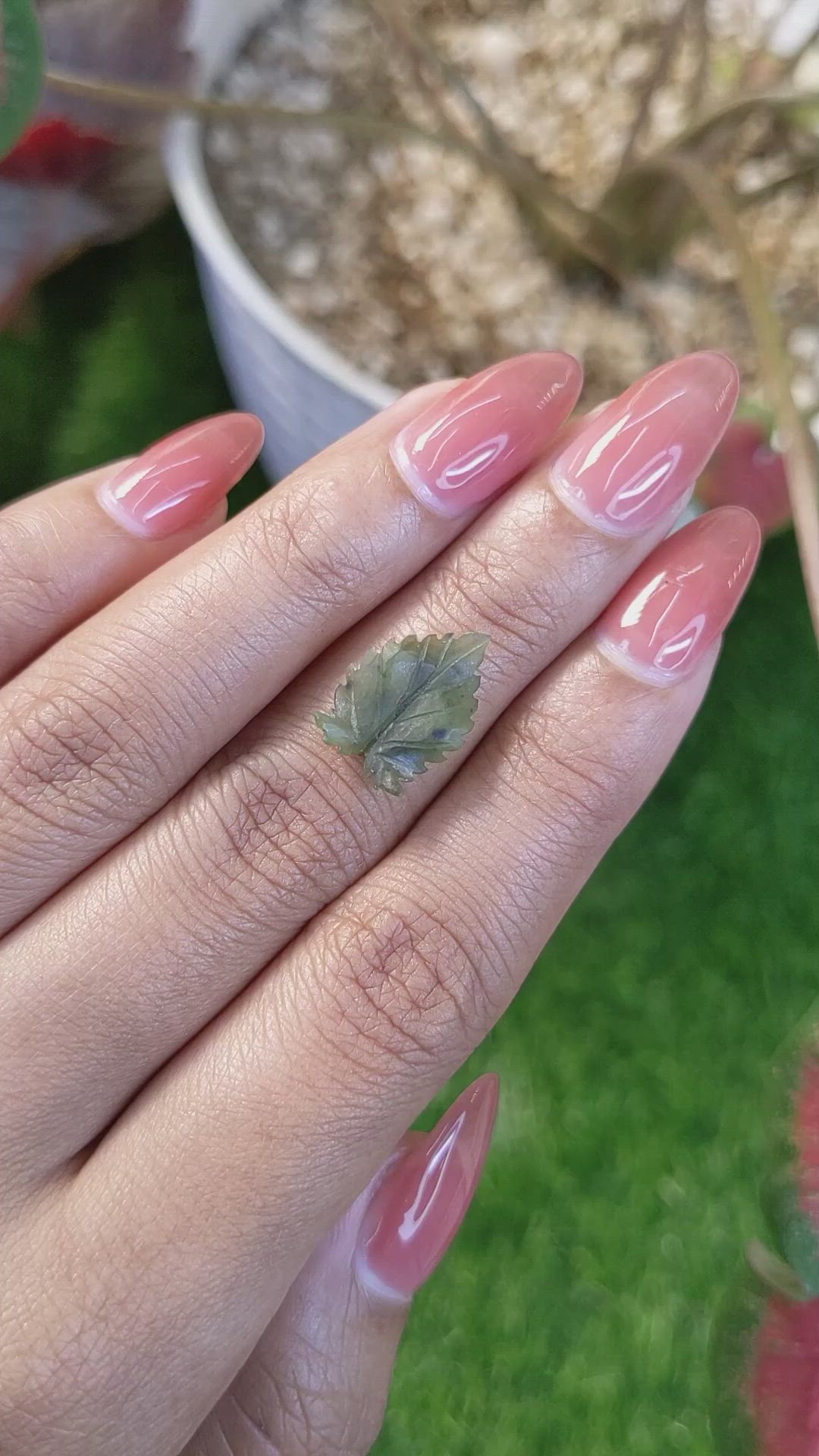
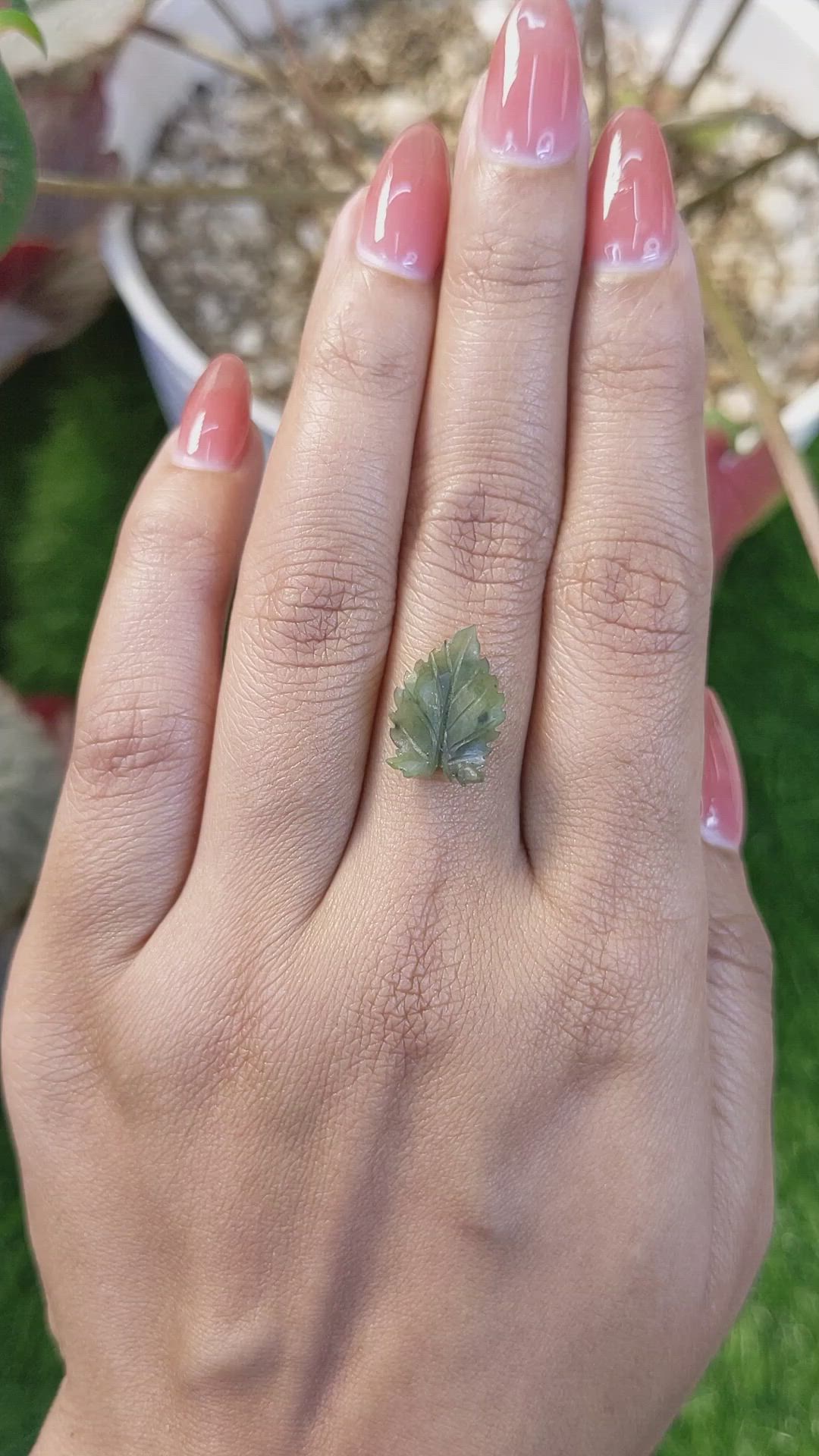
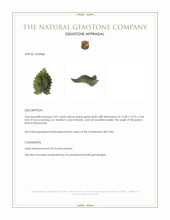
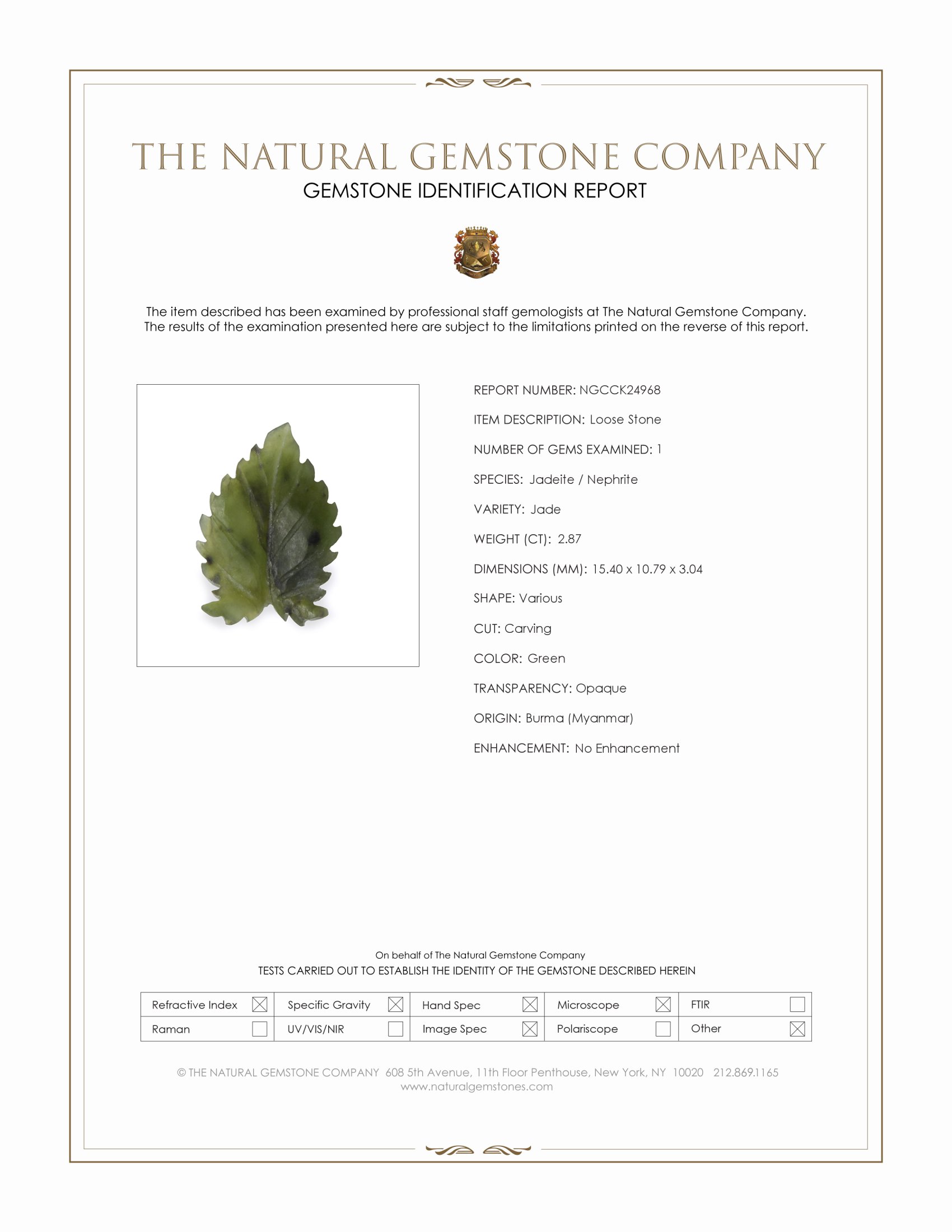
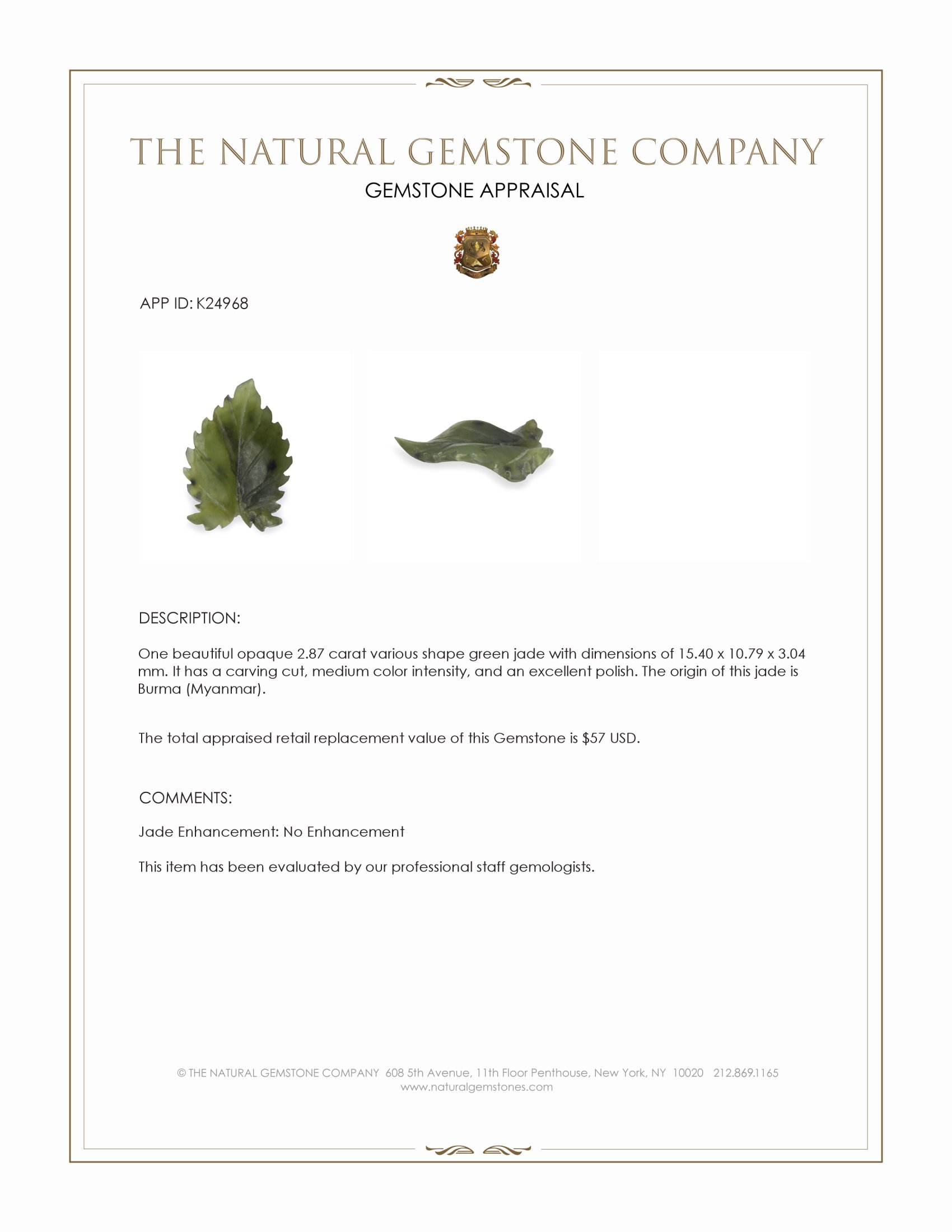
This 2.87 carat piece of green jade is presented as an opaque, various shape carving, with precise dimensions of 15.40 x 10.79 x 3.04 mm, an excellent polish, and medium color intensity. The cutting style is defined as carving, and the workmanship preserves the natural character of the material while rendering a distinct leaf form. The item is unenhanced, with no dyeing, bleaching, impregnation, or other treatments indicated. Origin is documented as Burma Myanmar, and provenance is reflected in the material properties and visual characteristics consistent with Burmese jade. The Natural Gemstone Company provides these measurements and observations as part of our standard description and appraisal information.
The geological narrative of this jade begins deep within a convergent plate margin, where oceanic crust and continental fragments interacted over millions of years. Under conditions of sustained pressure and relatively low temperature, the aluminosilicate minerals that comprise jadeite crystallized from silica rich fluids that infiltrated fracture networks and shear zones. Episodic metamorphism produced interlocking, fine grained aggregates, and extended tectonic uplift brought the material closer to the surface. Trace amounts of transition metals and chromium introduced during metasomatism influenced the green hues present in the material, creating the range of tones seen in this specimen. Subsequent weathering and erosion concentrated jade in residual deposits and alluvial settings, from which craftsmen and lapidaries have selected nodules and slabs for carving over many centuries.
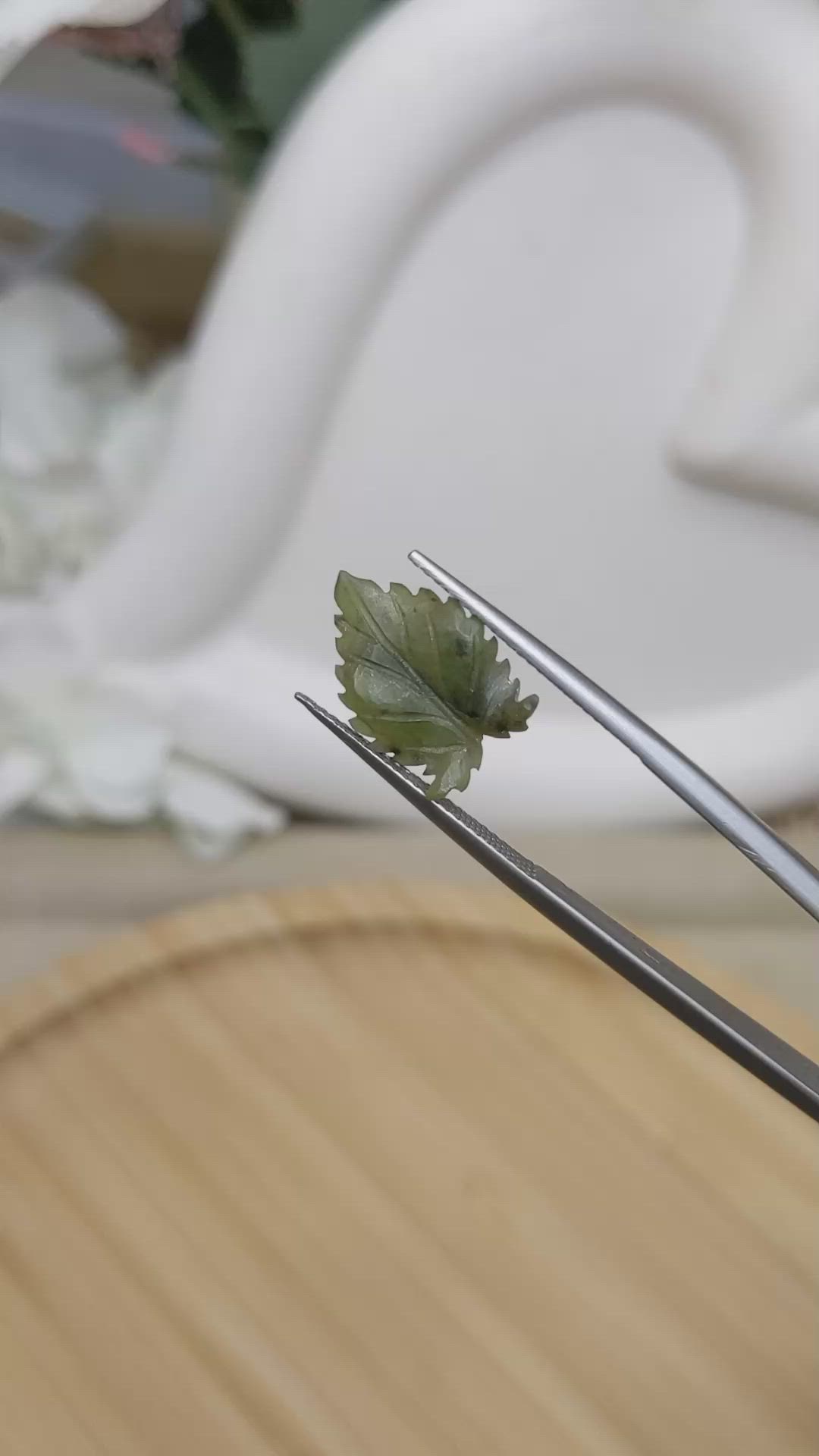
The present carving exploits the material tonal range to define a leaf motif, with subtle internal veining and localized darker areas used to accentuate the leaf midrib and serrated margins. The shape is described as various, reflecting the organic outline and asymmetry inherent in a naturalistic leaf design. At the stated dimensions and carat weight, the piece balances scale and detail, enabling crisp carving without loss of structural integrity. The polish is excellent, producing a smooth tactile surface and a soft luster that is characteristic of well finished jade, while the medium color intensity maintains visual depth without appearing opaque to the point of visual flatness. The carving technique respects the stone grain and works with, rather than against, the intrinsic patterns, resulting in a finished object that retains mineralogical authenticity and artistic clarity.
From a gemological perspective, Burmese jade of this class commonly displays the toughness for which jade is prized, a property that derives from its interlocking crystal fabric and fibrous structure. Typical refractive indices for jadeite range in published literature around 1.66 to 1.68, and specific gravity values are commonly near 3.3, values that assist in distinguishing jadeite from other green materials. The opaque nature of this specimen limits light transmission, yet the polished surface presents a smooth, almost waxy to vitreous sheen. No enhancements have been applied, which preserves the original surface integrity and internal features. Observed medium color intensity and the presence of minor darker inclusions or color concentrations are consistent with natural formation processes and do not reflect treatment.
The description above is intended to provide an accurate, factual account of this green jade carving as offered by The Natural Gemstone Company. Measurements are provided to the hundredth of a millimeter and the carat weight is stated to two decimal places to reflect our standard practice in documentation. For collectors and connoisseurs who prioritize natural material and traceable origin, this piece represents a documented example of Burmese jade carving, unenhanced, and finished to a high polish. Additional technical testing and certification can be arranged on request, and our team can supply further details on sourcing, handling, and care to support informed evaluation and long term stewardship.


