
- Stone13
- Reports2
-various-green-jade-3.4500-cts-k24946-1.jpg?d=200x200&v=20260521034631)
-various-green-jade-3.4500-cts-k24946-lifestyleimage-1.jpg?d=200x200&v=20260521045209)
-various-green-jade-3.4500-cts-k24946-lifestyleimage-2.jpg?d=200x200&v=20260521045209)
-various-green-jade-3.4500-cts-k24946-lifestyleimage-3.jpg?d=200x200&v=20260521045209)
-various-green-jade-3.4500-cts-k24946-lifestyleimage-4.jpg?d=200x200&v=20260521045209)
-various-green-jade-3.4500-cts-k24946-1.jpg?d=750x750&s=ngc&v=20260521034631)
-various-green-jade-3.4500-cts-k24946-lifestyleimage-1.jpg?d=750x750&s=ngc&v=20260521045209)
-various-green-jade-3.4500-cts-k24946-lifestyleimage-2.jpg?d=750x750&s=ngc&v=20260521045209)
-various-green-jade-3.4500-cts-k24946-lifestyleimage-3.jpg?d=750x750&s=ngc&v=20260521045209)
-various-green-jade-3.4500-cts-k24946-lifestyleimage-4.jpg?d=750x750&s=ngc&v=20260521045209)
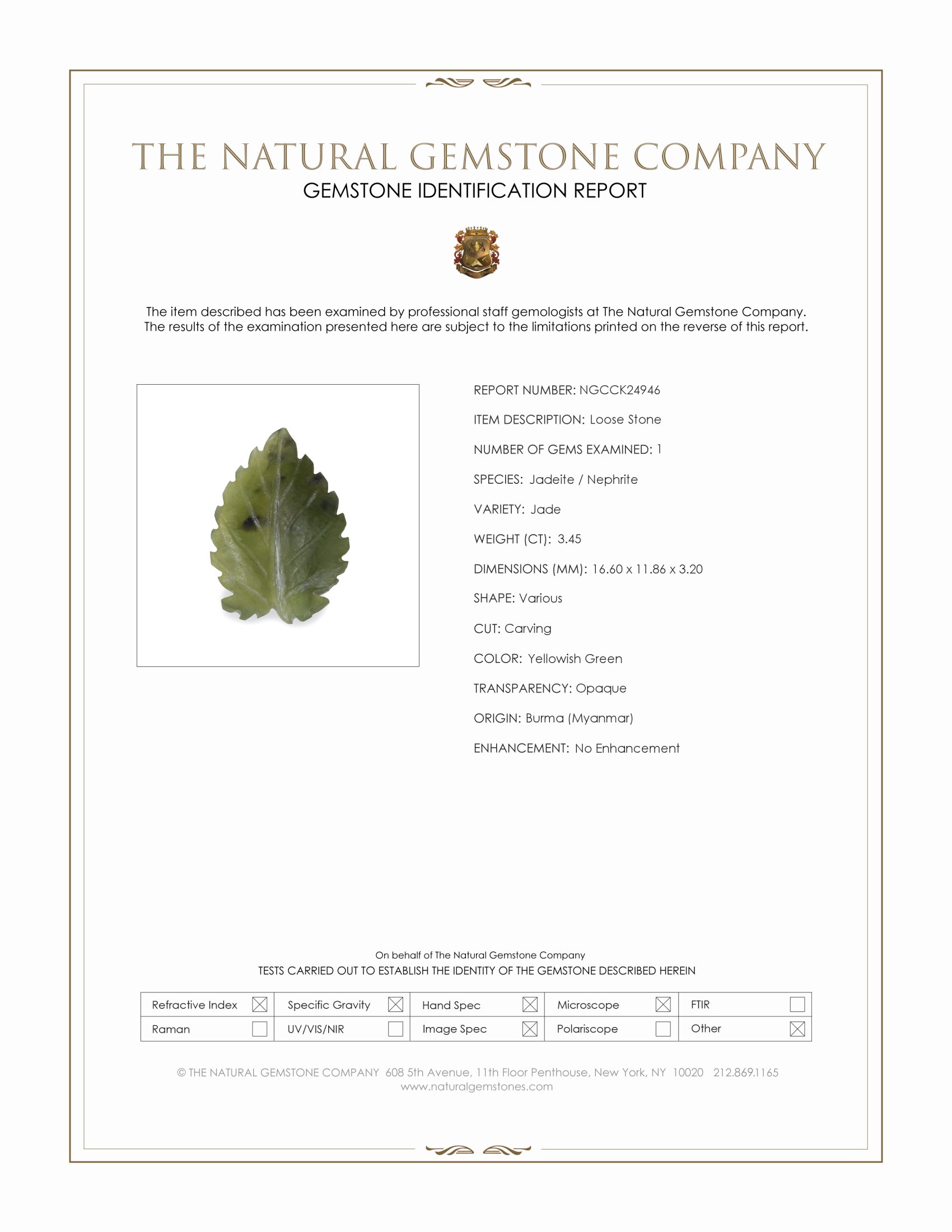
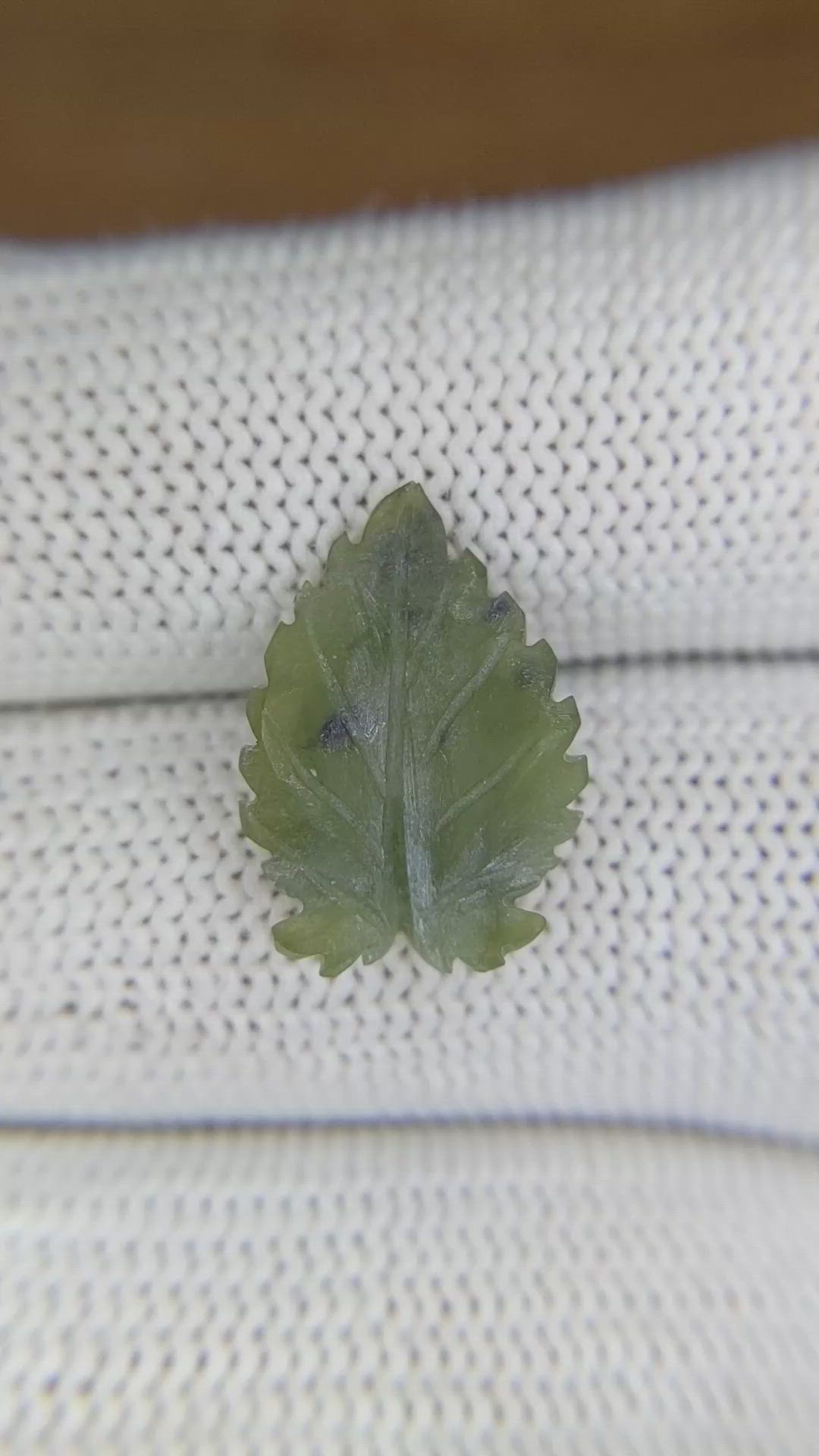
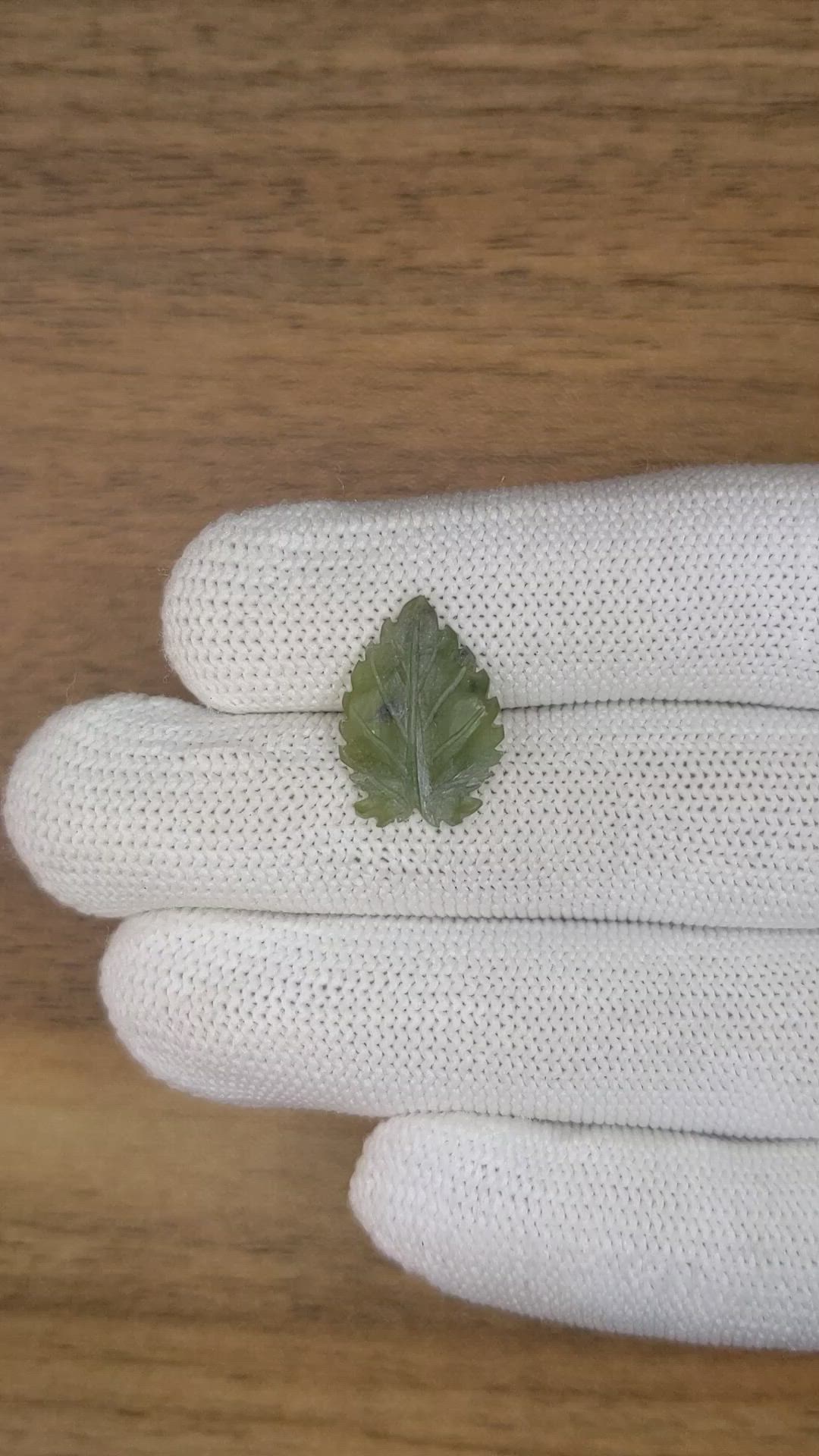
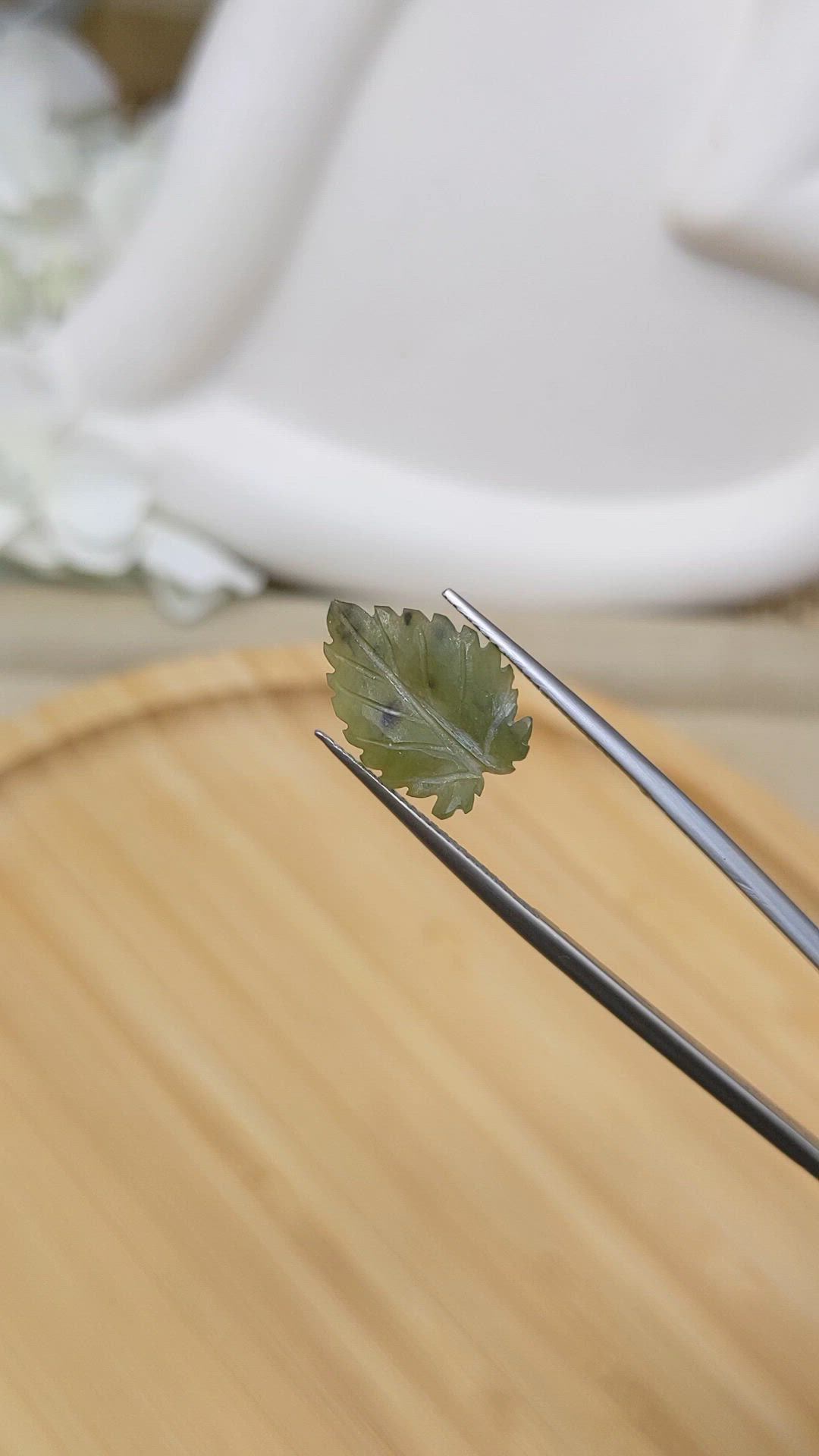
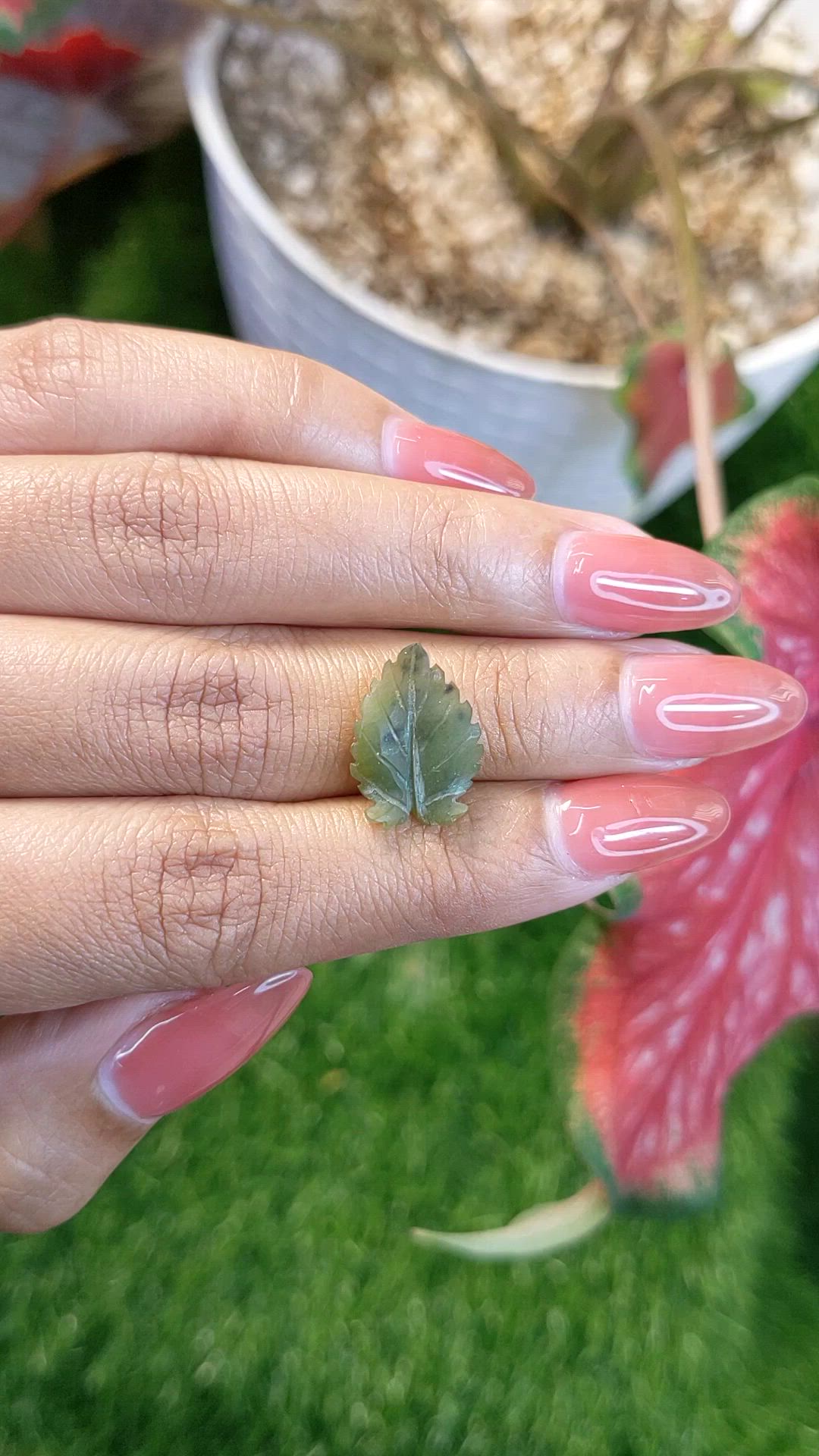
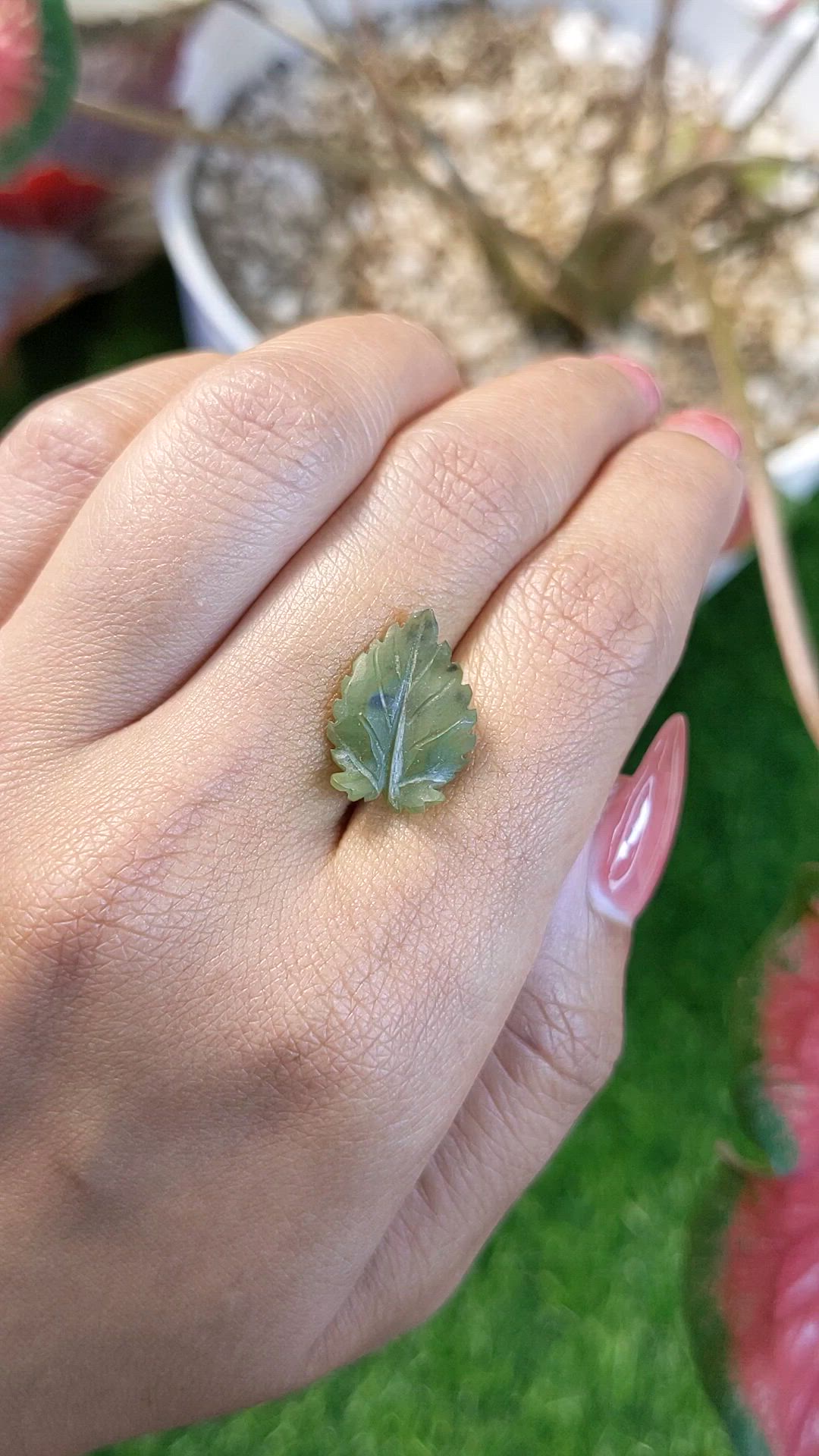
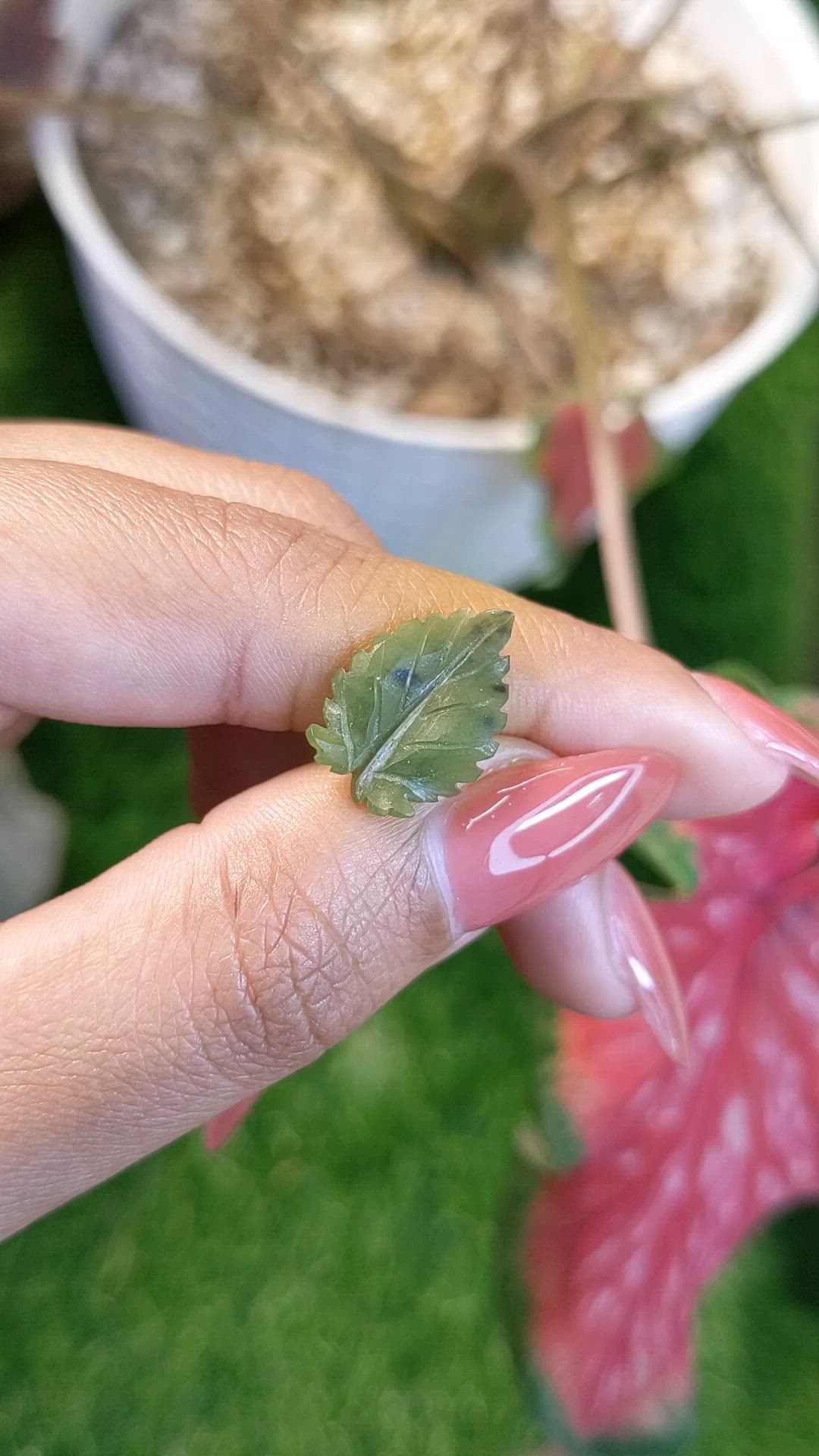
3.45 Ct. Yellowish Green Jade from Burma (Myanmar)
This loose stone is available to ship now
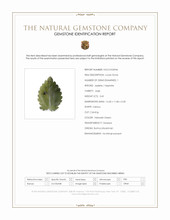
Item ID: | K24946 |
|---|---|
Dimensions (MM): help | Length: 16.6 Width: 11.86 Height: 3.2 |
Weight: | 3.45 Ct. |
Color: help | Yellowish Green |
Color intensity: help | Medium |
Clarity: help | Not Applicable |
Shape: help | Various |
Cut: | Carving |
Cutting style: | Carving |
Enhancements: help | No Enhancement |
Origin: help | Burma (Myanmar) |
Per carat price: help | $20 |
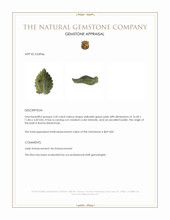
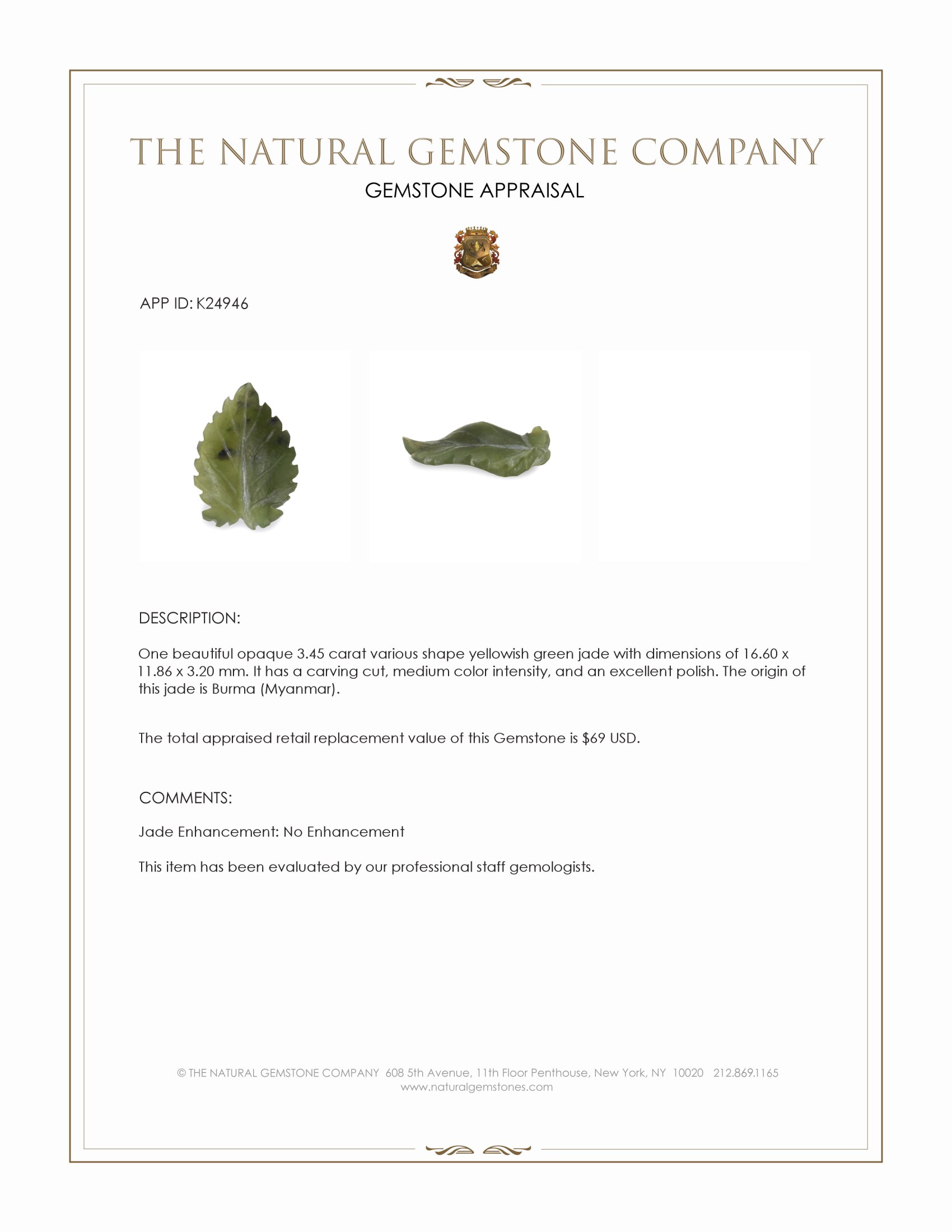
This is a finely carved opaque yellowish green jade weighing 3.45 carats, with dimensions of 16.60 by 11.86 by 3.20 millimeters, presented in a various shape leaf motif that demonstrates both material control and artistic intent. The cutting style is carving, executed to emphasize relief and naturalistic form rather than geometric faceting, and the piece displays medium color intensity with a consistent yellowish green hue across the surface. The profile is low to moderate in depth, which is optimal for wearable ornamental elements and for integration into settings where a delicate silhouette is required. The surface finish is classified as excellent polish, the polish exhibiting a clean, satiny reflection that follows the carved contours and accentuates the subtle changes in plane. There is no enhancement documented for this stone, which confirms that the color and surface condition are natural. The overall proportions, from the edge thickness to the central relief, have been balanced to maintain structural integrity while allowing the leaf carving to read clearly from multiple viewing angles.
The provenance of this jade is Burma Myanmar, and that origin materially informs both technical evaluation and market value. Burmese jade is historically associated with jadeite, which typically exhibits a dense interlocking granular texture at the microscopic scale, imparting superior toughness compared to many other gem silicates. This toughness enables the creation of fine carved detail, such as the serrated leaf edge and central vein present in this piece, without sacrificing resistance to chipping or fracturing. From a gemological standpoint, Burmese origin suggests that the material may have favorable microstructure characteristics such as compact grain boundaries and limited microfracture networks, factors that enhance polish response and long term stability. In the marketplace, provenance from Myanmar commands a premium because of the region's long standing supply history and its association with high quality carved works. For collectors and designers who assess both aesthetic and material performance, the Burmese origin therefore adds a quantifiable layer of value, especially when paired with an untreated state.
Color grade analysis for this yellowish green jade emphasizes hue, tone, and saturation as interdependent variables that determine visual appeal and functional use. The hue in this specimen centers on yellowish green rather than pure green or strongly yellow, which situates it within a subset of jade coloration prized for its warm secondary notes and compatibility with a broader range of metal and gemstone pairings. The medium color intensity indicates a balance between depth of chroma and surface reflectivity, allowing carved details to remain legible without the surface appearing flat or overly dark. Given the opaque bodycolor, light interaction is governed primarily by surface reflection and sub surface scattering, rather than transmission, and the excellent polish maximizes specular return while preserving the tactile quality expected of carved jade. Color distribution appears uniform with minor natural variations that contribute to character without compromising symmetry, and the absence of enhancements means that color evaluation is straightforward and not complicated by dye or treatment effects. The interplay of color and finish demonstrates informed lapidary technique, where the cutter has oriented the piece to exploit the best color plane and maintain consistent tone across the carved planes and undercuts.
Craftsmanship and practical handling considerations are central to the technical appraisal of this carved jade, and they inform recommendations for setting, conservation, and long term value retention. The carving shows deliberate manipulation of relief planes, including controlled undercutting along the leaf margins and a crisp central vein that was likely developed through progressive abrasion and fine rotary tools rather than aggressive chisel work. Such methods reduce the introduction of microfractures and allow for a very fine final polish. From a hardness and wear perspective, Burmese jadeite class material typically ranges near 6.5 to 7 on the Mohs scale, providing sufficient durability for daily wear in pendants or brooches when properly protected. Mounting strategies should account for the thickness profile, securing the piece at multiple points or employing a bezel with an unobtrusive lip to support the thin edges, especially where sculpture induces focal stress. Cleaning is best accomplished with soft brushes, mild detergent, and lukewarm water, avoiding ultrasonic baths or steam unless a gemological lab has confirmed internal integrity. Documentation and provenance are enhanced by certification and clear labeling, and The Natural Gemstone Company provides full disclosure of origin and treatment status to support both aesthetic appreciation and future resale value. For technical buyers and artisans seeking a carved Burmese jade with verifiable natural color and professional lapidary work, this specimen presents a compelling balance of material quality, expert carving technique, and practical adaptability for fine jewelry or collector objects.


