
- Stone10
- Reports3

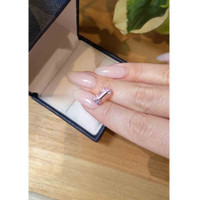
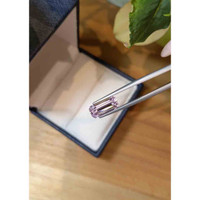
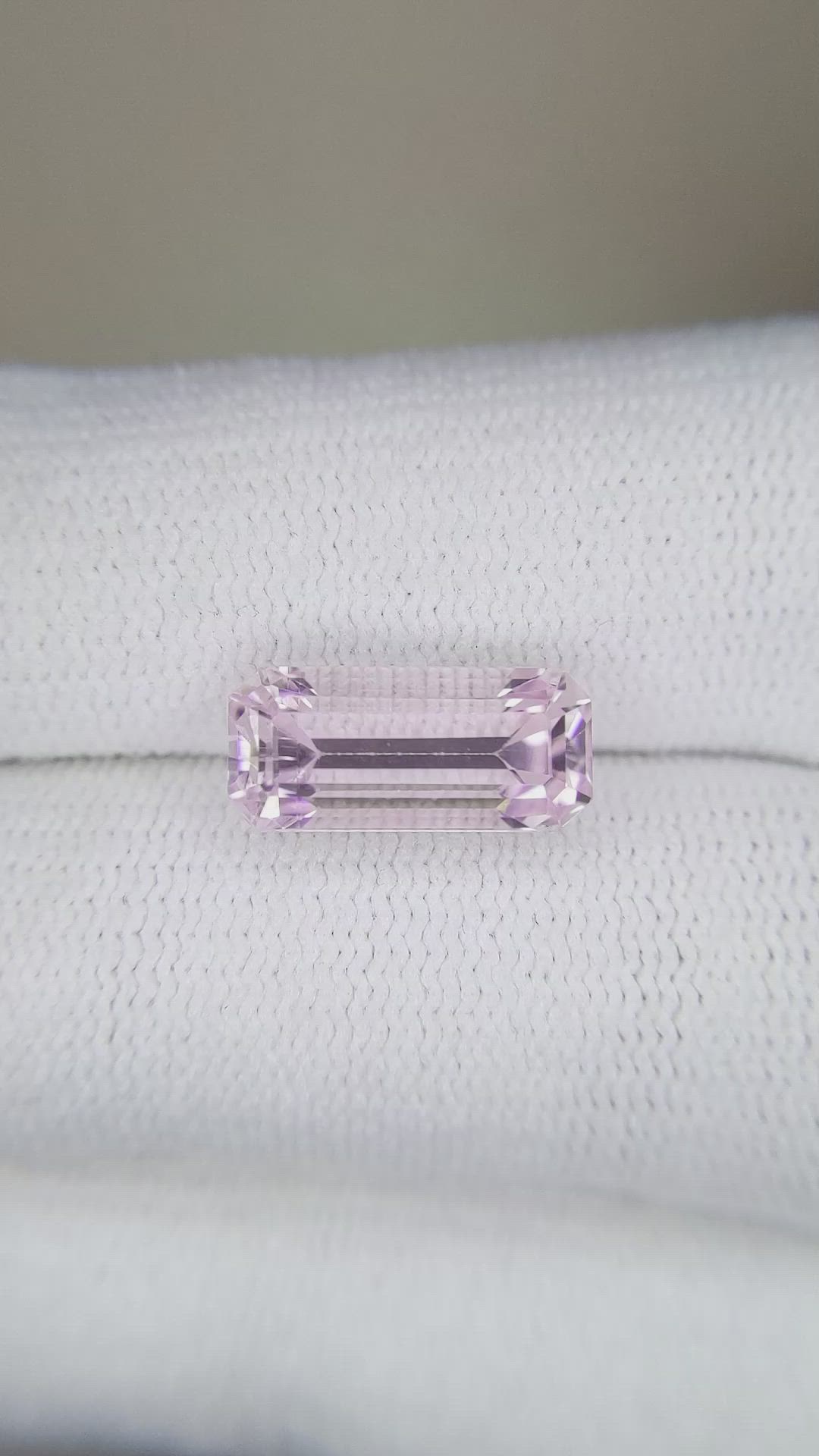
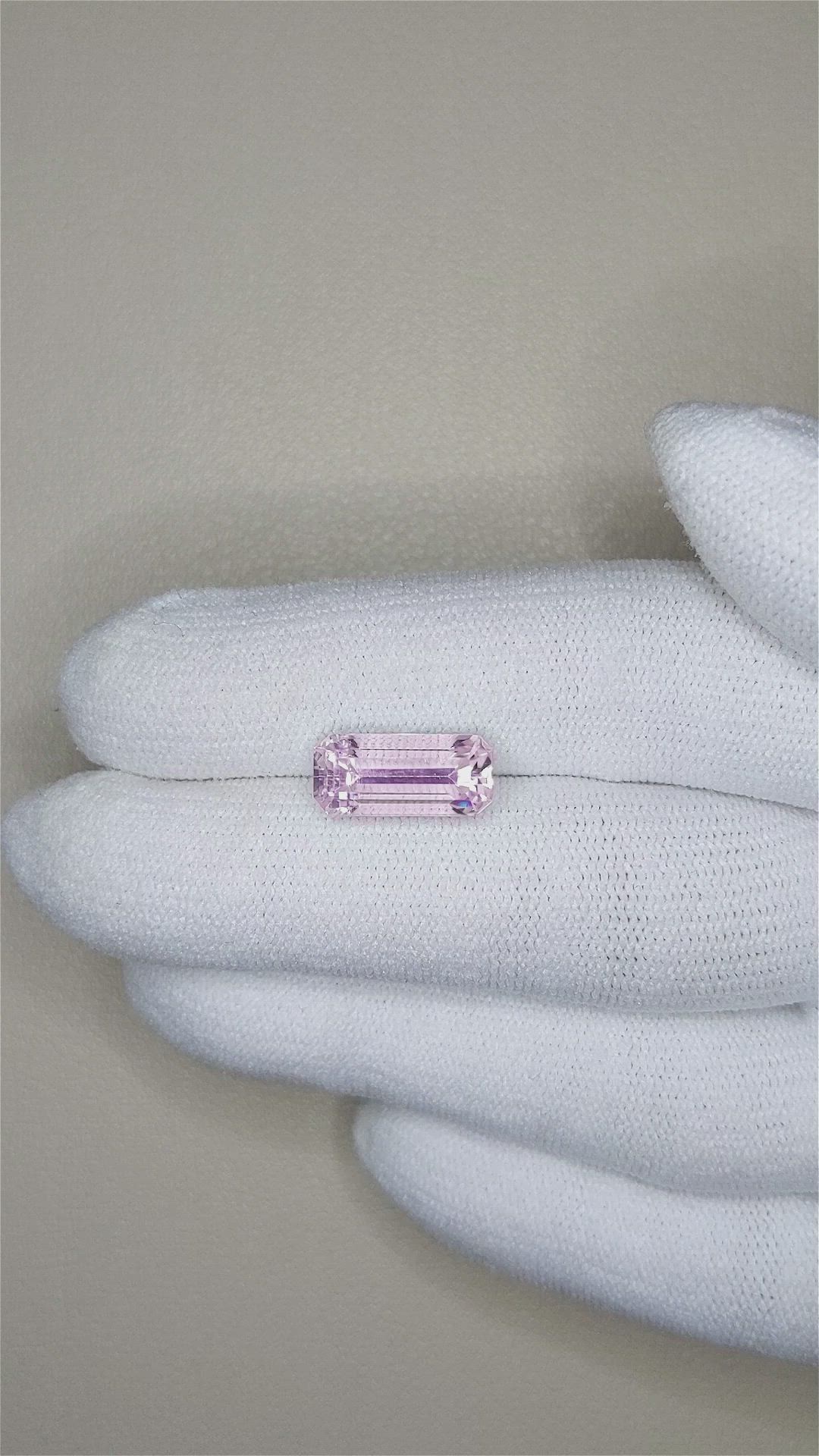


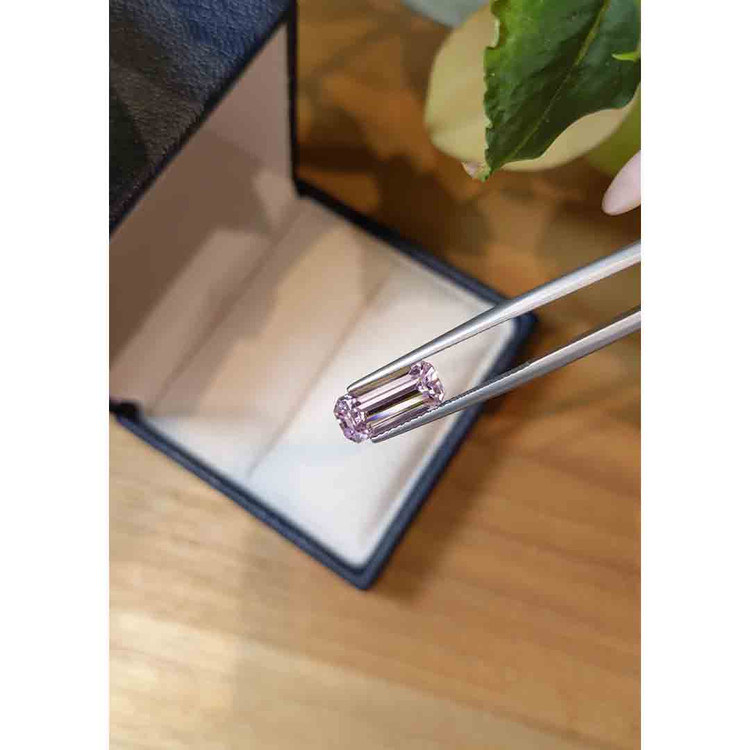

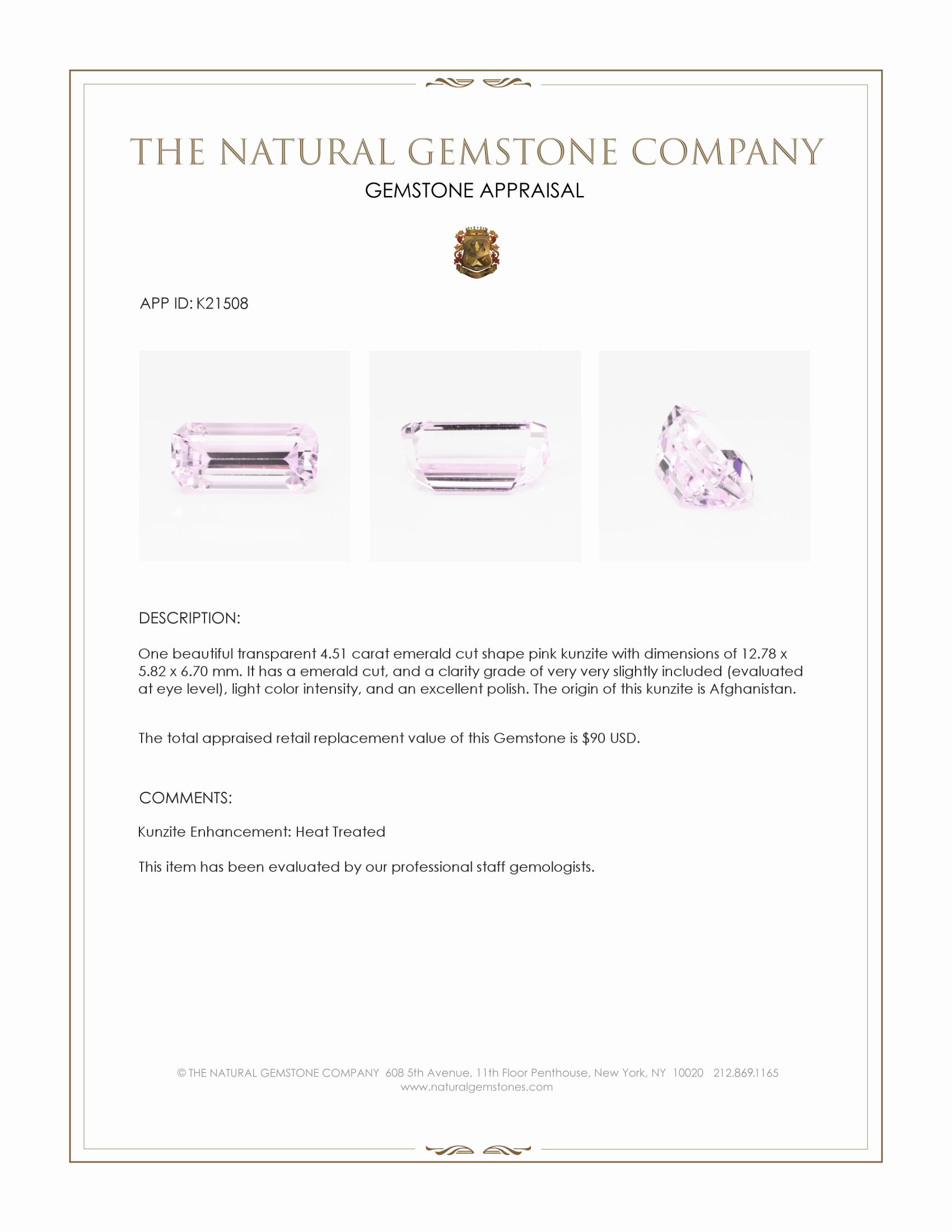
4.51 Ct. Kunzite from Afghanistan
This loose stone is available to ship now
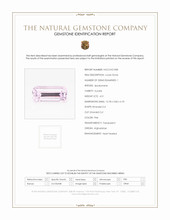
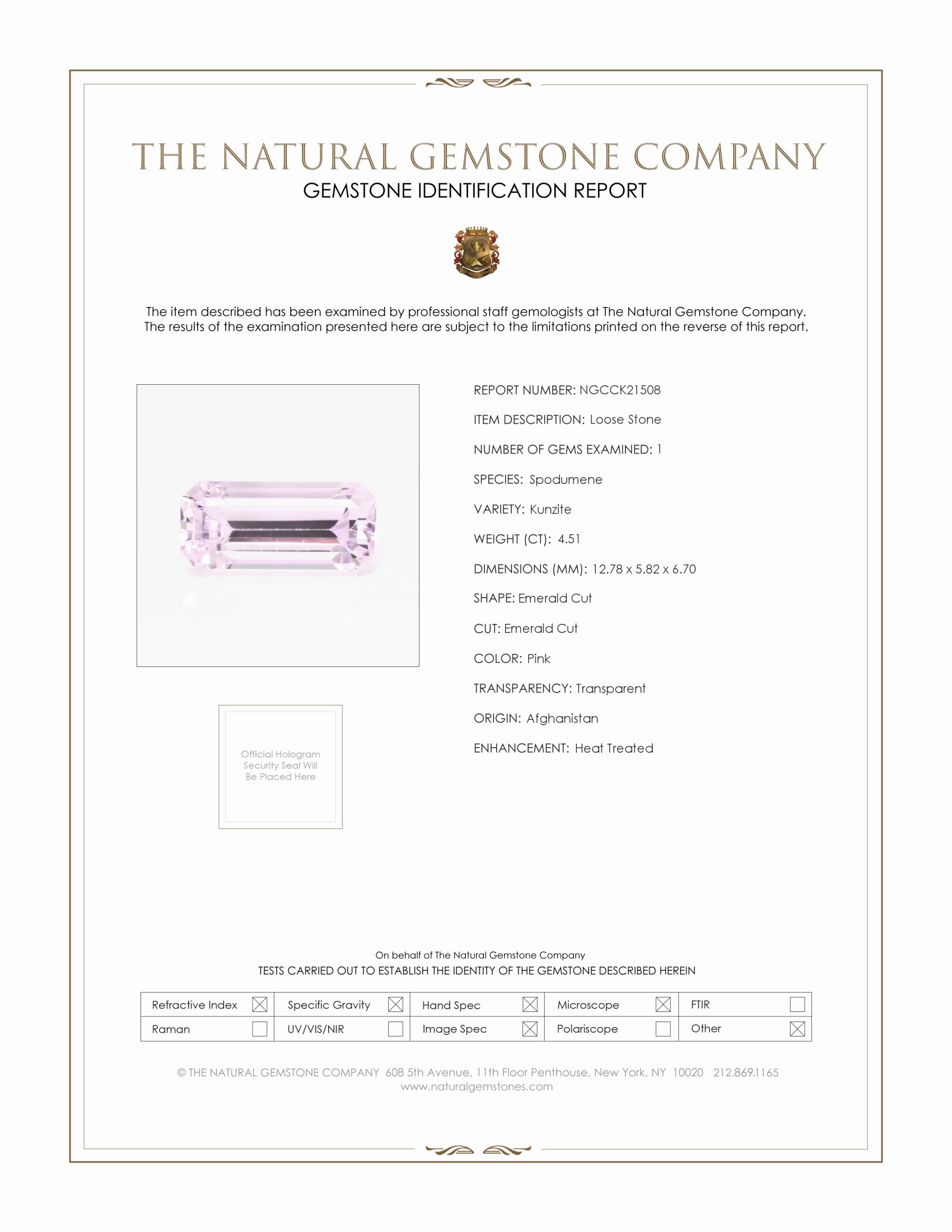
Item ID: | K21508 |
|---|---|
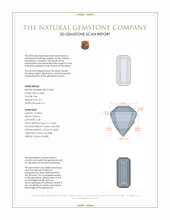
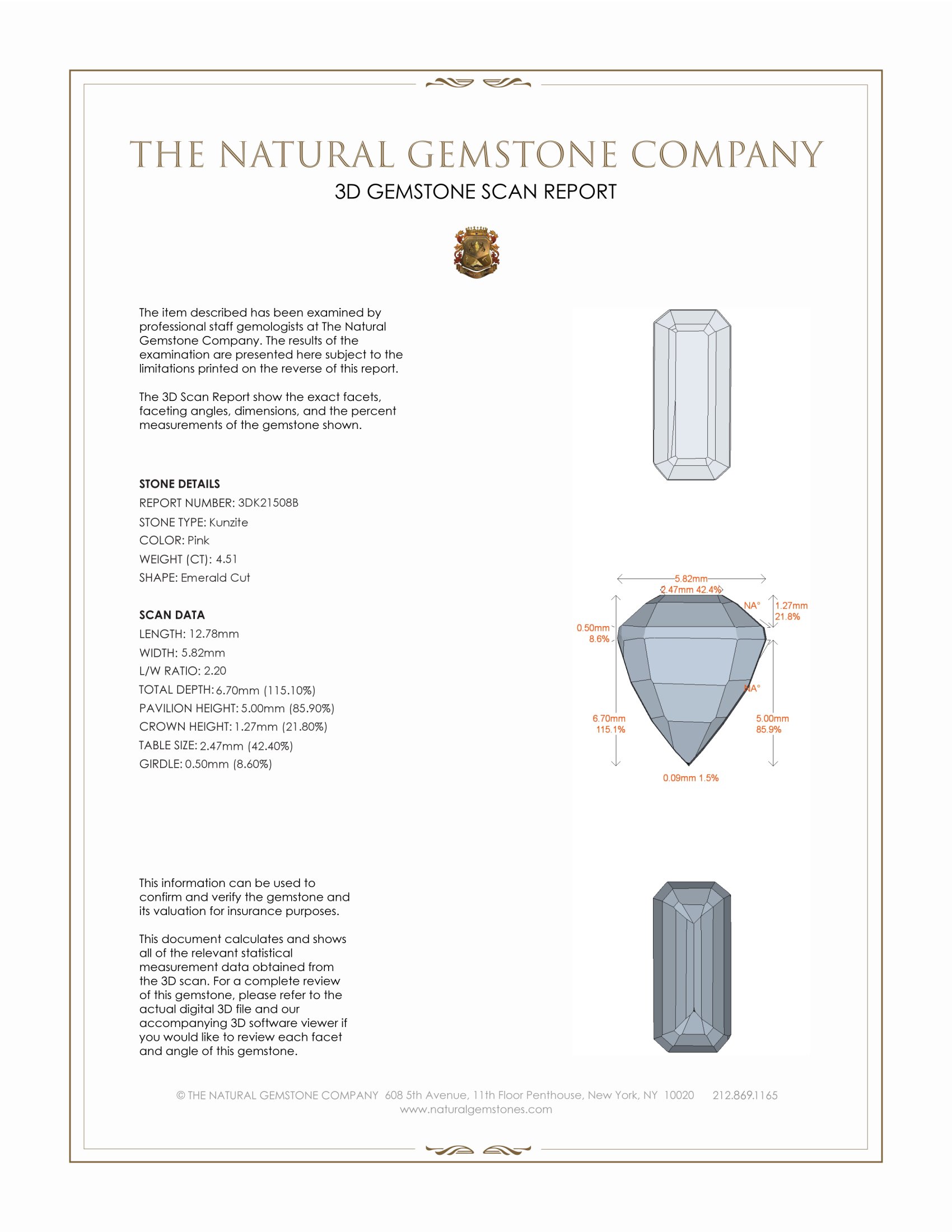
Dimensions (MM): help | Length: 12.78 Width: 5.82 Height: 6.7 |
Weight: | 4.51 Ct. |
Color: help | Pink |
Color intensity: help | Light |
Clarity: help | Very Very Slightly Included |
Shape: help | Emerald Cut |
Cut: | Emerald Cut |
Cutting style: | Faceted |
Enhancements: help | Heat Treated |
Origin: help | Afghanistan |
Per carat price: help | $20 |
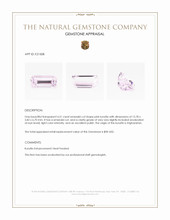
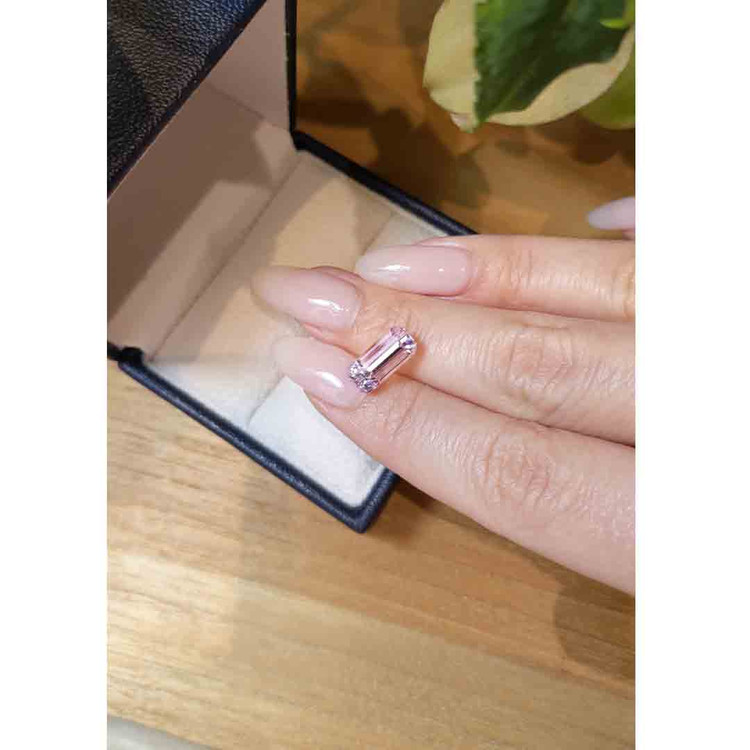
This pink kunzite presented by The Natural Gemstone Company is a transparent emerald cut shape, weighing 4.51 carat, and measuring 12.78 x 5.82 x 6.70 mm. The cutting style is a classic emerald step cut, with elongated parallel facets and truncated corners, executed to maximize table openness and internal light movement. Clarity has been evaluated at eye level as very very slightly included, meaning that the stone displays minimal internal disturbances to the unaided eye, and these minor inclusions sit well below the surface of visual impact for this faceting type. Color intensity is described as very light, and the gem exhibits a delicate pastel pink that responds sensitively to light source and viewing angle. The polish grade is excellent, with facet surfaces finished to a high gloss and with precise facet junctions, which together reduce scattering losses and maintain clean optical pathways through the pavilion and crown. This specimen originates from Afghanistan, and has received controlled heat treatment to refine its pink tone while preserving the stone structural integrity and transparency.
From a structural and optical perspective, kunzite is a spodumene group mineral with a monoclinic crystal lattice, and this specimen demonstrates the key physical constants that drive its optical behavior. The typical refractive index range for kunzite lies around 1.660 to 1.676, with birefringence on the order of 0.013 to 0.015, which yields subtle but observable double refraction under strong magnification. These indices place kunzite in a category where stepped faceting rewards the eye with broad reflective planes rather than scintillation dominated flashes. Pleochroism is a critical consideration for kunzite, and this piece was oriented and cut to favor the pink absorption axis, so the face up appearance maintains a consistent soft pink rather than shifting to weaker tones. The gemstone hardness typically ranges from 6.5 to 7 on the Mohs scale, and cleavage is perfect in two directions, a fact that influenced the cutter technical decisions. To minimize risk of cleavage run and to exploit the stone internal clarity, the cutter left generous girdle integrity and controlled facet depth to balance brilliance and durability.
The emerald cut geometry of this kunzite creates a hall of mirrors effect that is distinct from brilliant cuts, and the sparkle that collectors appreciate arises from the interplay of several precise technical factors. Large broad step facets act as planar mirrors that reflect light in broad bands, and with excellent polish and sharp facet junctions these reflections remain crisp and undiffused. Because the material is highly transparent and very very slightly included, the light path through the pavilion experiences minimal scattering, enabling high contrast between internal reflection bands and the color body. The heat treatment applied to this Afghan stone served to remove subtle greenish tints and stabilize the pink tone, while the cutter worked the orientation so that the most saturated pleochroic axis aligns with the table. The result is a clean, jewel like luster that reveals controlled flashes of internal reflection on movement, and a soft, persistent pink that reads uniformly at normal viewing distances. Practical considerations for mounting include protecting the pavilion and girdle from hard impacts and avoiding high heat and prolonged light exposure during jewelry manufacture, due to cleavage and sensitivity to thermal shock. At The Natural Gemstone Company we document the origin, enhancement, and cut details for each piece, and this kunzite stands as an example of how gemstone structure, measured optical constants, and meticulous cutting and polishing combine to produce a sparkle and presence that is both technically refined and visually compelling.


